Action Cameras
Insta360 X3 Review: A 360 Action Camera Built for Skiing and Snowboarding
The Insta360 X3 records every angle at once, adds a touchscreen, 4K single-lens mode, and Me Mode, and keeps running through a full cold day on the mountain.
Introduction
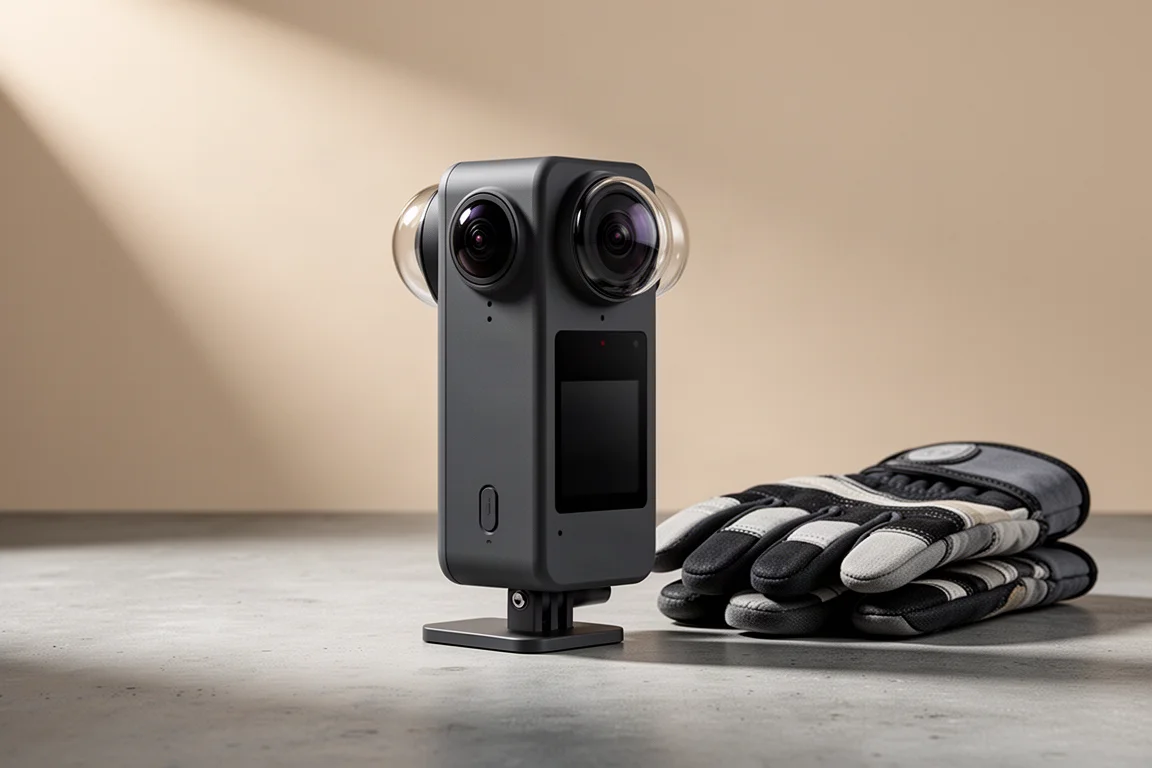
The Insta360 X3 is a 360-degree action camera made for riders who want their snow footage to look like a professional production instead of a shaky home video. It follows the X2 in the range, and the core idea is simple: record everything around the camera at once, then decide the framing afterwards.
For skiers and snowboarders that changes how a run gets filmed. There is no risk of aiming the lens at the sky during a drop-in, and no run ruined because a headcam drifted downward and spent the descent filming knees. The X3 keeps the entire scene, and the editing app turns that raw material into a normal-looking clip.
This review covers what makes the X3 worth considering for snow sports, what is new compared with the previous generation, which mounts make the most sense on the hill, and where the camera still asks something of you.
Who This Camera Is For
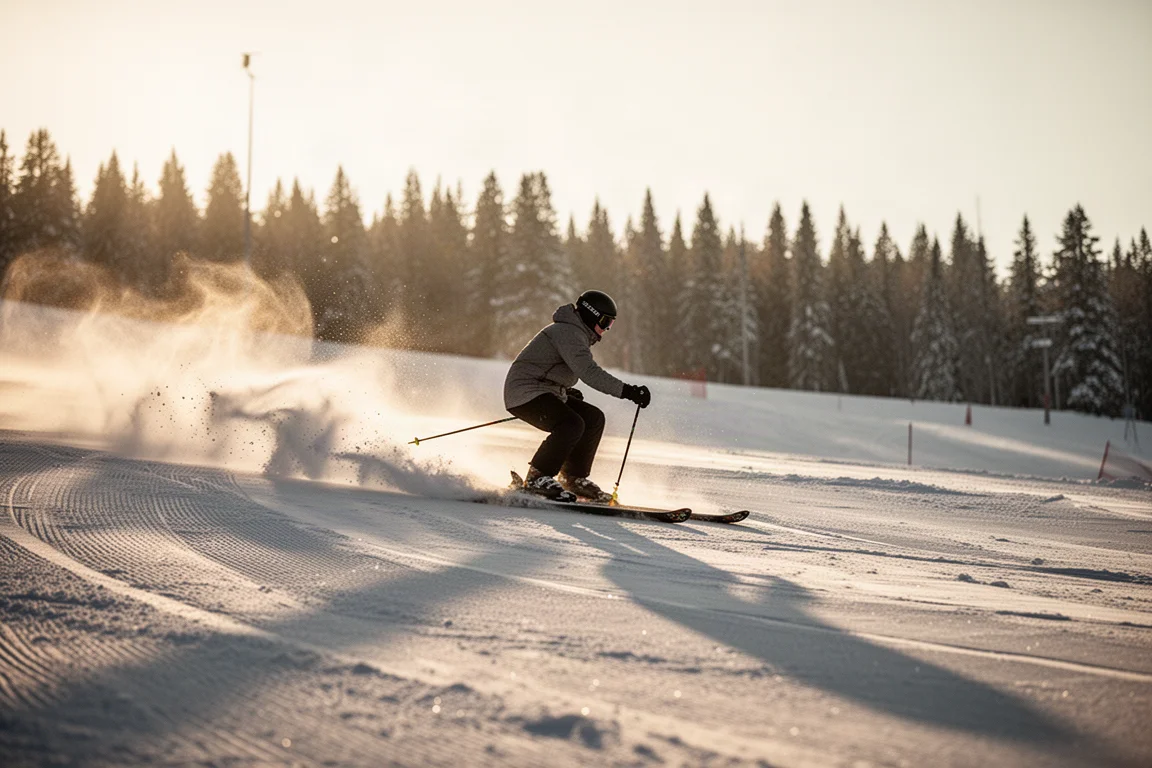
The X3 suits riders who film their own runs and want a clean follow-cam look without a second person on the mountain. Because the camera captures a full sphere, a single pole, helmet mount, or backpack mount is enough to produce footage that reads as though somebody was tracking you the whole way down.
It also suits people who publish across several channels. The software handles reframing, tracking, and effects, so one recorded run can become a wide landscape edit and a vertical social clip without re-shooting anything.
It is less suited to anyone who wants to shoot, review, and upload without touching an editing app. The X3 rewards a short learning curve, and the payoff arrives after the run rather than during it.
Main Strengths for Skiing and Snowboarding
The first strength is coverage. Because every angle is recorded at once, a missed frame stops being a problem. You can ride naturally and still know the shot exists somewhere in the file, whichever mount the camera happens to be on.
The second is the app. Shot Lab produces physics-defying effects that are difficult to achieve any other way, and Deep Track lets you drag a marker over a person and let the software follow them down the slope while keeping the motion smooth. Reframing is a click-and-drag job, and if you would rather not do it manually, the software can reframe the clip for you. For anyone worried that 360 footage means hours of post-production, the workflow is far more approachable than that fear suggests.
What Is New on the Insta360 X3
The most visible change is the touchscreen. Footage can be played back and dragged around in 360 degrees directly on the camera, which means you can confirm in the field that you actually got the shot. Settings can also be adjusted on the hill without digging through menus.
A preset queue along the side of the screen makes switching setups quick. If one run is filmed in Me Mode and the next in 5.7K 360, the change takes seconds.
The X3 also adds 4K single-lens recording. That mode is useful for commentary-style filming or a straightforward follow cam where you do not want to reframe anything later, and it delivers the highest quality available from a single lens.
Me Mode is the other addition, and for selfie footage it is a meaningful time saver. Instead of manually reframing every clip around yourself, the camera reframes automatically, and the result is higher quality than the previous generation managed. The microphone has been improved as well, and voice capture comes through clearly when the wind is not howling.
Battery Life and Audio in Cold Conditions
Cold weather is the real test for any camera used on snow, and this is where the X3 is most reassuring. A spare battery has never been needed on a ski day, and the camera has kept running through long, cold sessions where other action cameras would be asking for a swap. That kind of reliability matters more than a specification sheet suggests, because fiddling with batteries in freezing conditions is exactly the moment you want to avoid.
Audio is solid for a camera of this size. On a helmet or on a pole, voice quality is good, and the improved microphone is a clear step up from earlier versions. Strong wind will muffle any action camera, and the X3 is no exception, but in normal conditions speech is captured well.
Mount Options for Skiing and Snowboarding
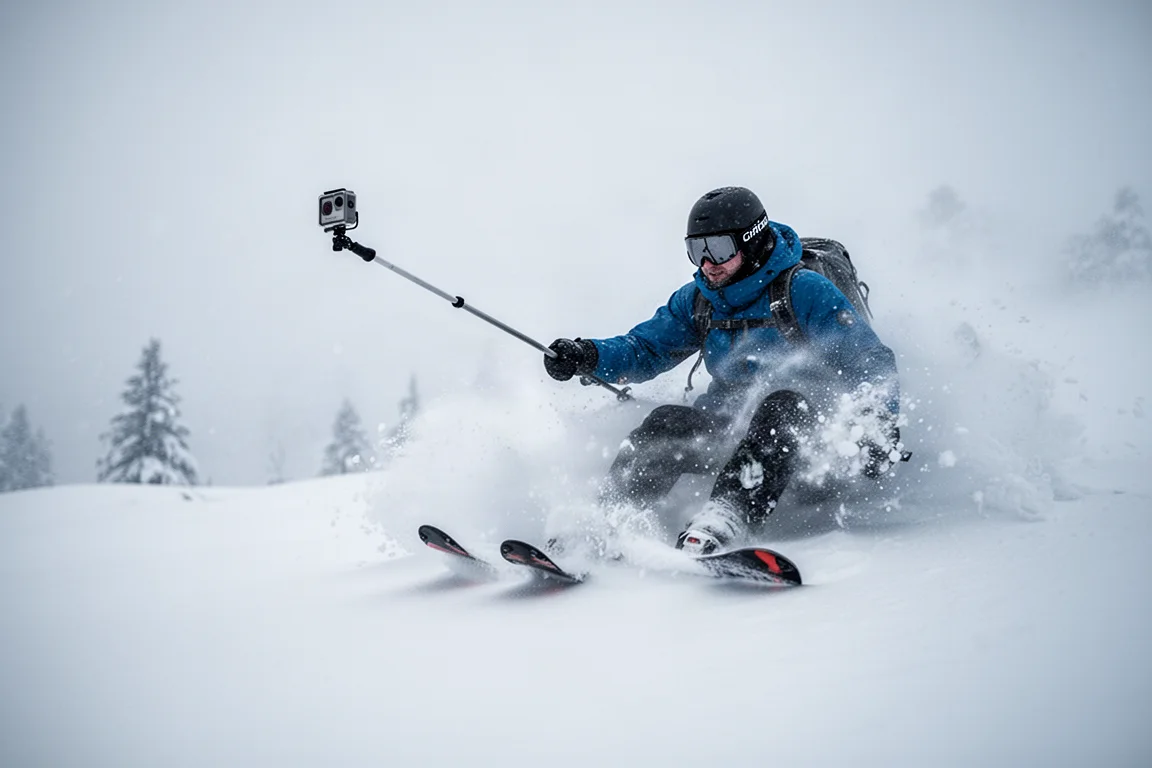
The invisible selfie stick remains the everyday favourite. It is light, it disappears completely from the 360 footage, and it produces a view of you riding that no fixed mount can match. It fits in a jacket pocket and never becomes a burden on the hill.
There is also a three-metre version of the same stick, which delivers drone-like shots from well above your head and works beautifully for looking over cliffs and ridges. It is heavier, so it is harder to manage while skiing, but for casual runs and scenic lines the result is remarkable.
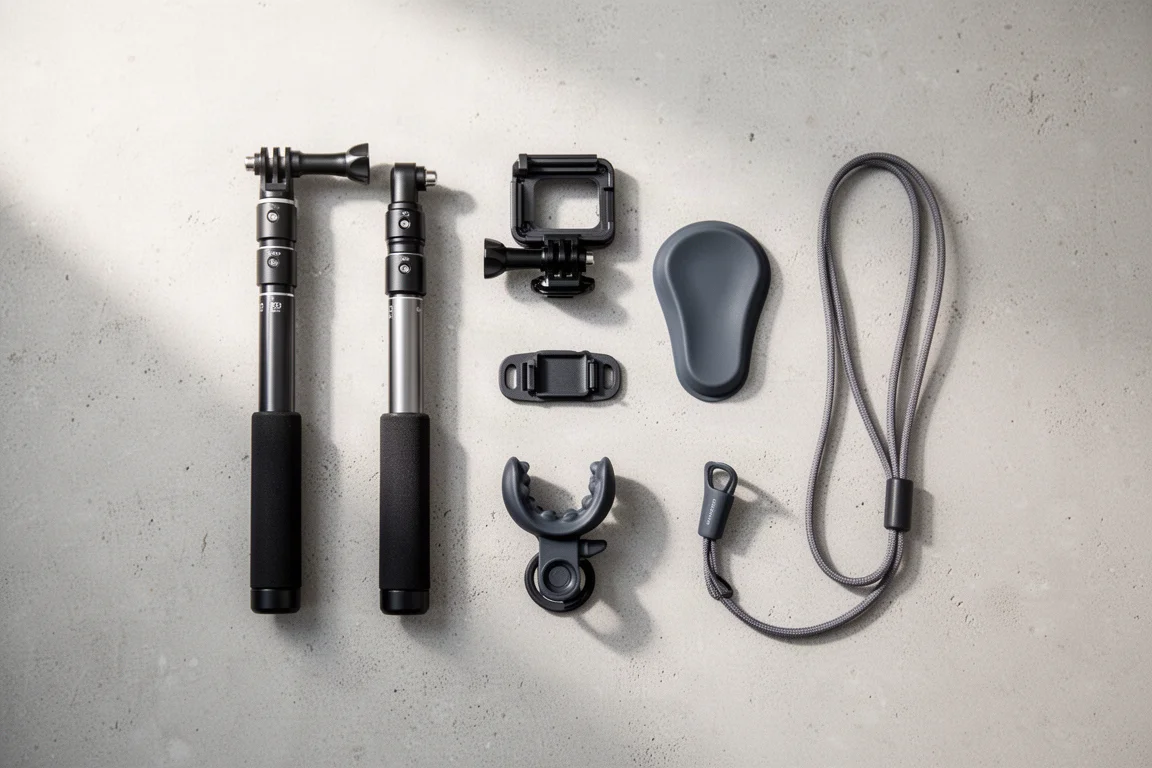
A standard helmet mount is the most practical way to run the camera most of the time. For a more distinctive angle, the Unicorn mount sits on the goggles and captures the whole body in frame, with powder splashing toward the lens on a deep day. It adds some weight to the goggles, though tightening the straps solves most of that.
The over-shoulder backpack mount holds the camera behind you for a hands-free, fully immersive point of view, and you can double up the rods to raise the perspective higher still for steep terrain. It straps onto a backpack easily and jiggles slightly behind you, but you stop noticing it. The bite mount is the novelty option: mouldable to your teeth like a mouth guard after a dip in boiling water, it produces a very immersive point of view and includes a neck lanyard, but it is impractical to ride with for long.
Things to Consider Before Buying
The X3 is not a point-and-shoot experience in the traditional sense. The footage needs reframing, and while the app makes that fast, it is still a step that a standard action camera does not require.
Some of the more dramatic mounts come with trade-offs. The three-metre stick is heavy enough to be awkward on steep descents, the Unicorn mount adds noticeable weight to goggles, and the bite mount is fun for a shot or two rather than an all-day setup. Wind will also muffle audio on exposed ridges no matter which camera you carry.
Buying Advice
If your priority is filming your own riding without a camera operator, the X3 addresses the problem directly: record everything, frame it later, and let the software track the subject for you. Start with the short invisible selfie stick and a helmet mount, which cover the vast majority of situations, and add the long stick or the over-shoulder rig only if you specifically want those angles.
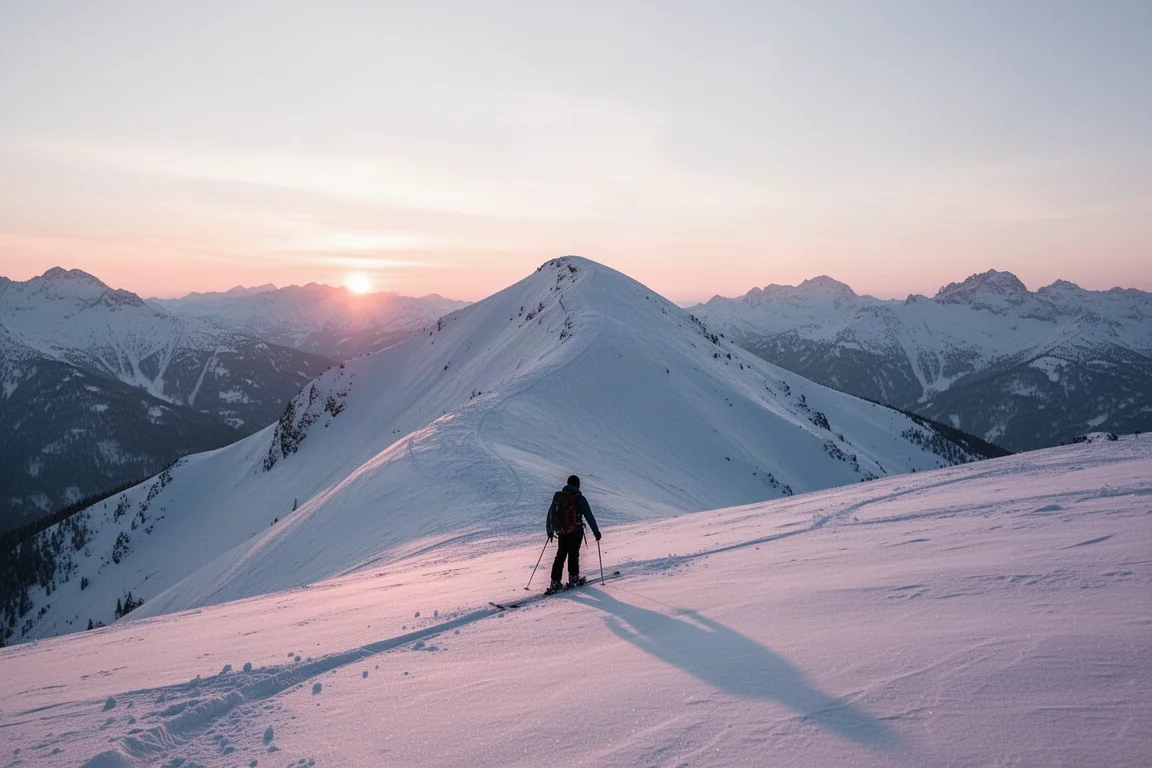
The strongest case for the X3 is a rider who wants professional-looking snow footage from a single camera and is willing to spend a little time in the app. If that describes how you ride, the camera delivers on exactly that promise.
Conclusion
The Insta360 X3 is a well-rounded upgrade over the X2 for anyone filming on snow. The touchscreen makes on-hill checks practical, 4K single-lens mode covers straightforward filming without reframing, Me Mode removes the most tedious part of selfie editing, and battery life holds up in the cold. Paired with the right mount, it is a convincing answer to the problem of filming a run alone and still getting footage that looks like a crew was following you down the mountain.
Product link
View more details for Insta360 X3
This product is mentioned in the review. Check the specifications, options, and compatibility before buying.
View more details for Insta360 X3Further reading
Related Reviews
Action Cameras
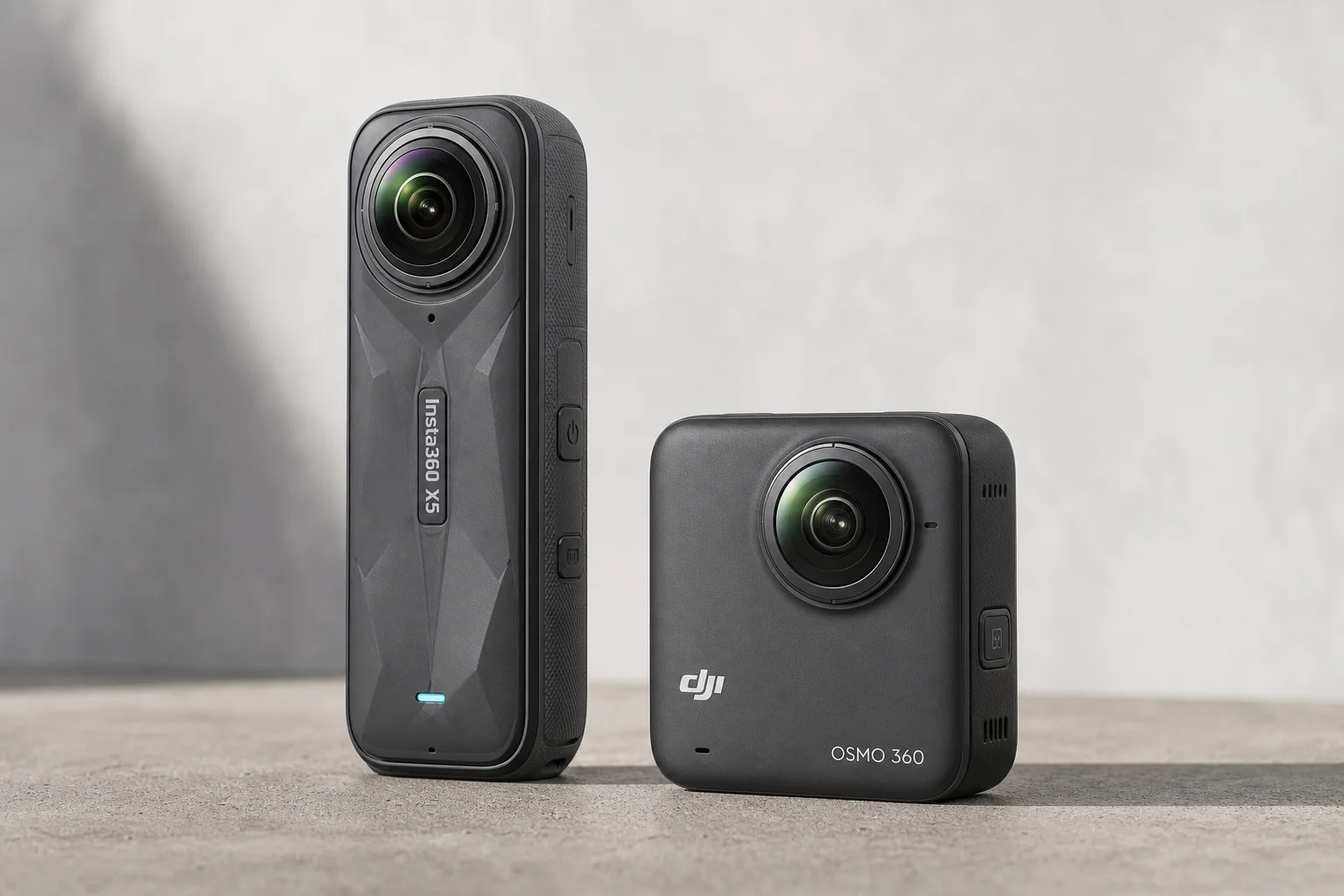
360 Cameras for Adventure Motorcycling: Insta360 X5 vs DJI Osmo 360
Two 360-degree action cameras designed for off-road and adventure riding. A detailed comparison of features, stabilization, and real-world performance for motorcycle touring.
Action Cameras
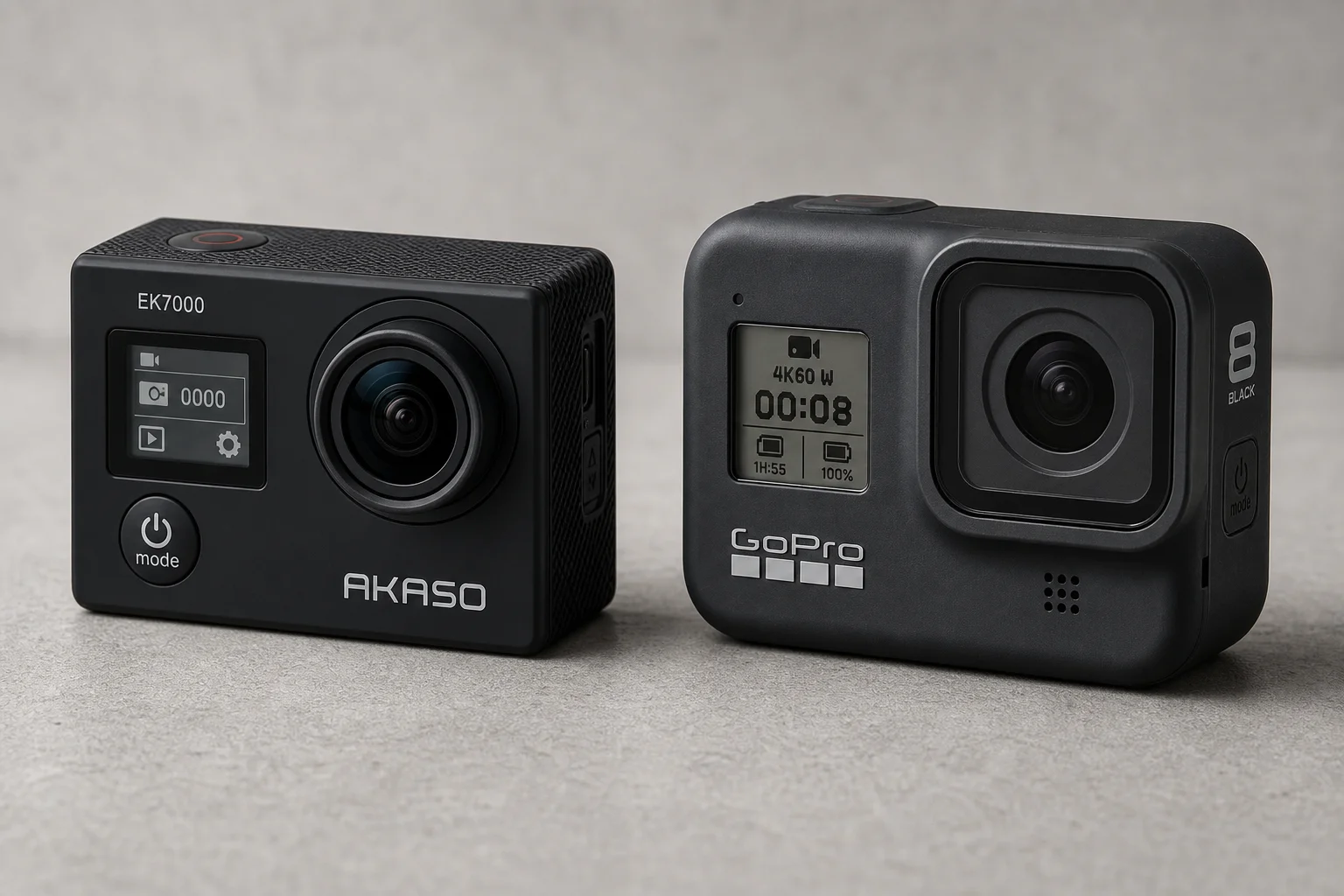
Akaso EK7000 vs GoPro Hero 8 Black: Budget Action Camera Tested
A $50 budget action camera faces off against the GoPro Hero 8 Black. Here's how the Akaso EK7000 really performs in video, audio, and photo quality.
Action Cameras
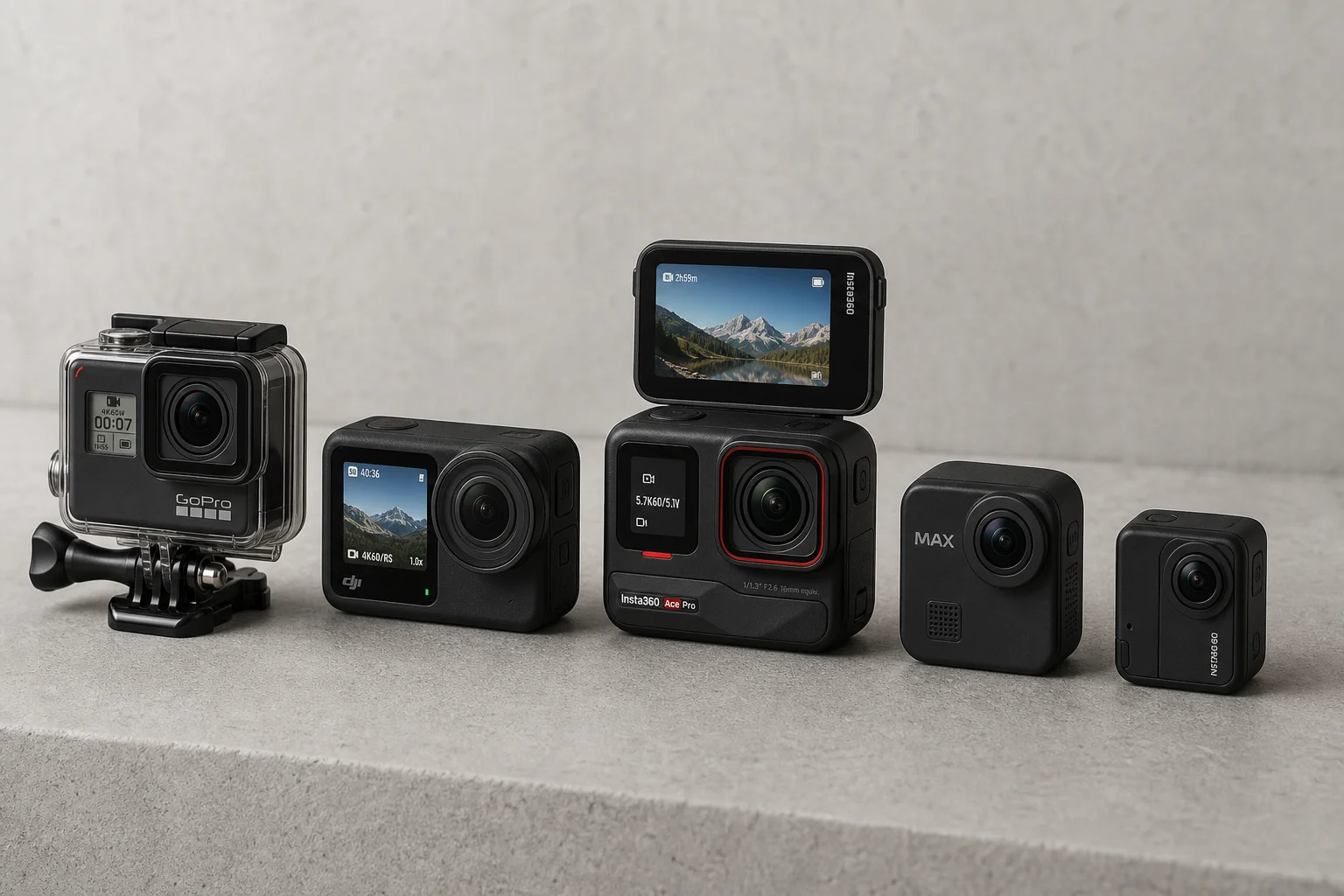
Best Action Cameras 2026: Five Top Picks Ranked
A comprehensive ranking of five action cameras from budget-friendly to premium, covering durability, video quality, stabilization, and low-light performance.