Action Cameras
Insta360 ONE RS Twin Edition Review: Two Cameras in One Modular Action Cam
A modular action camera that pairs a 4K lens module with a 360 lens module, with FlowState stabilization, improved wind-resistant audio, and a higher-capacity battery base.
Introduction
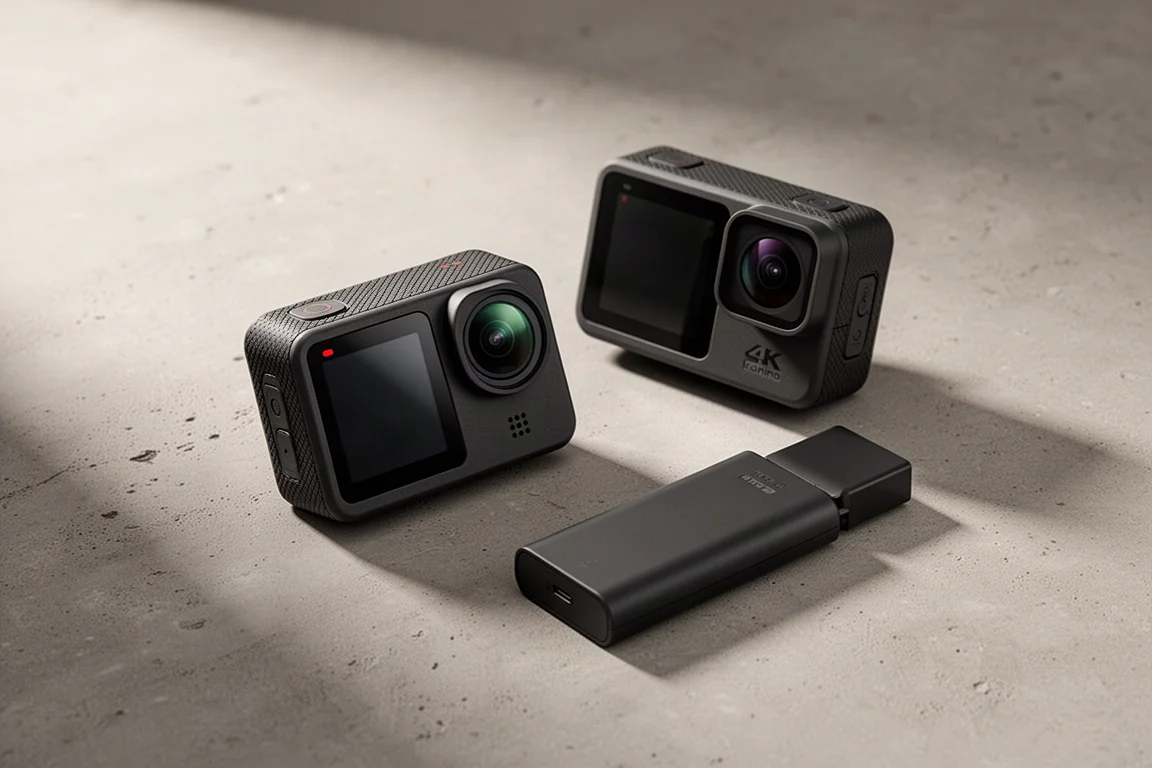
The Insta360 ONE RS Twin Edition is an action camera built around a simple idea: one core body, two lens modules, and a mounting system that fits the hardware cyclists already own. The kit pairs a 4K lens module with a 360 lens module, so the same camera can shoot conventional action footage one moment and full spherical video the next.
Both halves of that idea matter. The 4K module behaves like a familiar action camera, while the 360 module opens up perspectives that are difficult to capture any other way. Because both live on the same modular core, the choice between them is a matter of swapping a part rather than buying a second camera.

Build quality is one of the first things that stands out. The body feels dense and well finished, and unclipping and reattaching the modular sections feels solid rather than fragile. That matters for a camera that will be carried on a bike, tucked into a jersey pocket, or mounted in poor weather.
Who This Camera Is For
This camera suits riders who want one device that covers more than one style of shooting. If the goal is straightforward 4K footage with strong stabilization, the 4K lens handles it. If the goal also includes sweeping, reframeable shots that only a 360 camera can produce, the second module is already in the box.
It also makes sense for anyone already invested in the ONE R ecosystem. The modular parts are interchangeable across the two generations, so an existing owner can add the newer 4K lens or the updated core and upgrade gradually instead of replacing everything at once.
Main Strengths
A Modular Two-in-One Design
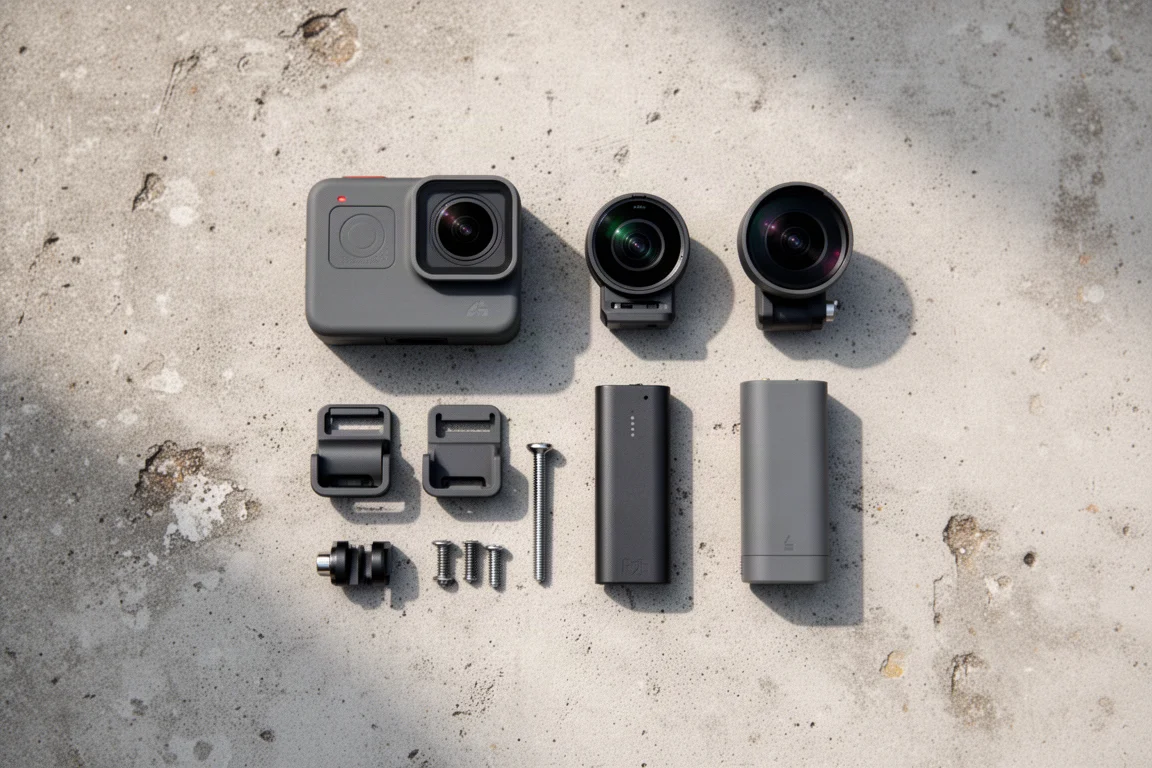
The Twin Edition arrives as two cameras in one. The 4K lens module and the 360 lens module both clip onto the same core, and the whole assembly slides into a cage that accepts standard action camera mounts. A third-party clamp, an existing bracket, or a handlebar fitting all work without adapters.
The 4K lens is a 16mm equivalent, which sits close to the field of view many riders already use on a larger camera. The 360 module works differently: it uses two lenses that each capture significantly more than 180 degrees, and the resulting images are stitched together afterwards.
The core has been updated since the previous generation. The processor is faster, the touchscreen responds well, wireless transfers complete more quickly, and stabilization has improved. A quick-capture mode, marked in the menus by a small rabbit icon, lets you press the record button while the camera is off and start filming within a few seconds. In practice it has proven reliable enough that shots are not missed while waiting for the camera to wake up.
Stabilization and Image Quality
In-camera stabilization, which Insta360 calls FlowState, is the headline feature of the 4K module. Footage shot over rough surfaces stays smooth without any post-production work, and the effect is applied in real time, so what you see on the screen while riding is what ends up in the file.
The 4K module uses a half-inch sensor, which is larger than the sensor in most other action cameras. That size advantage should translate into better low-light performance, and footage recorded indoors or in a studio without natural light holds up reasonably well. Bright outdoor conditions remain the easiest environment for any action camera, and this one is no exception.
The 360 module records at 5.7K. That resolution matters because reframing a spherical shot usually involves zooming into part of the frame, and more data means less loss of detail when you do.
Audio and Battery Improvements
Wind noise has always been the weak point of action camera audio on a bike, and the ONE RS addresses it directly. The housing includes a foam windshield inside the microphone opening, which reduces the buffeting that normally overwhelms a recording at speed. An additional microphone has also been added to improve overall audio quality.
Battery capacity has grown as well. The battery base in this kit holds 21 percent more capacity than the earlier version, and because the base is a separate module, carrying a spare and swapping it mid-ride takes only a moment.
360 Footage and the Invisible Selfie Stick
The 360 workflow is easier than its reputation suggests. The mobile app connects to the camera over Bluetooth and can stitch footage automatically, and the built-in AI shots handle a good deal of the reframing for you. The desktop software offers more control, with keyframes that let you move the viewpoint around the frame, zoom in and out, and export a clip that glides smoothly between angles.
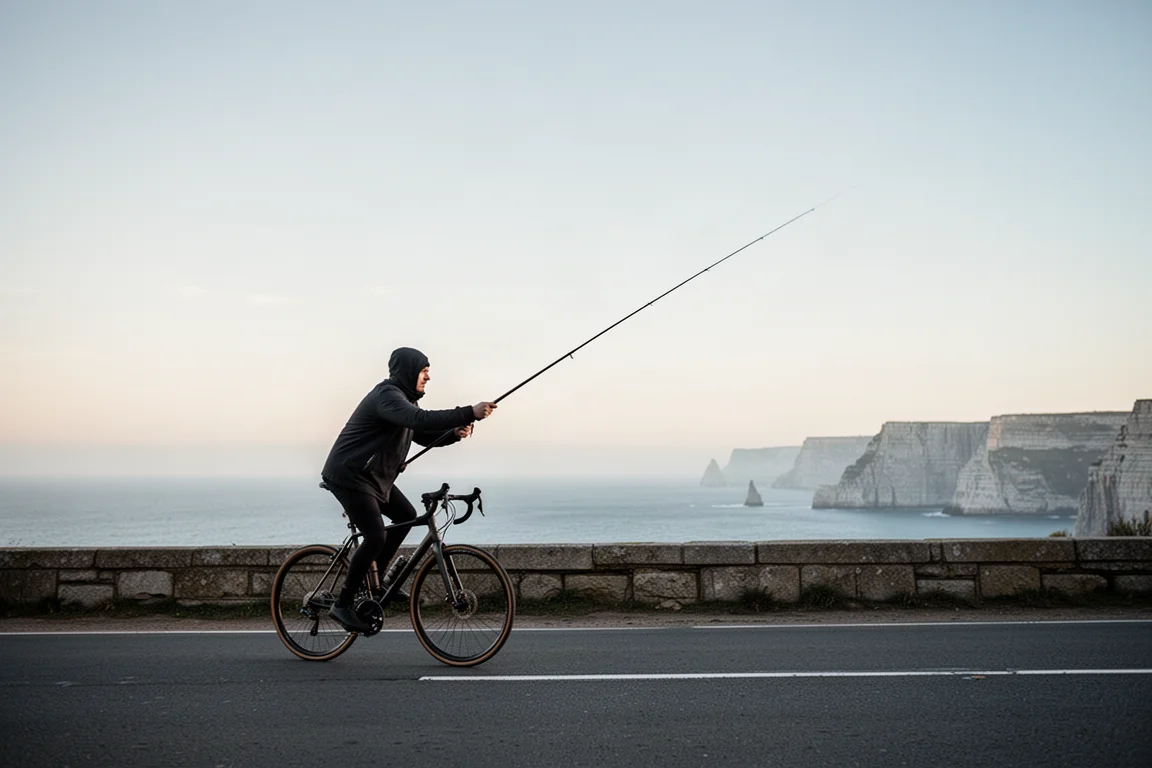
Paired with the long selfie stick, the 360 module produces one of the camera’s best tricks. The stick is edited out of the final image, so the camera appears to float in front of the rider. Held out at arm’s length, the result comes close to drone footage, and the same setup can be mounted behind the bike for a rear-facing, video-game style view.
Accessories and Mounting
The kit includes a useful spread of accessories: a hot shoe mount, a rubber lens cap for the 360 lens, spare battery bases, and a set of clips and clamps. The microphone adapter is notably small, which makes it easier to fit an external microphone without adding bulk. Because the cage uses standard fittings, existing mounts work as they are.
Things to Consider Before Buying
Modularity and Waterproofing
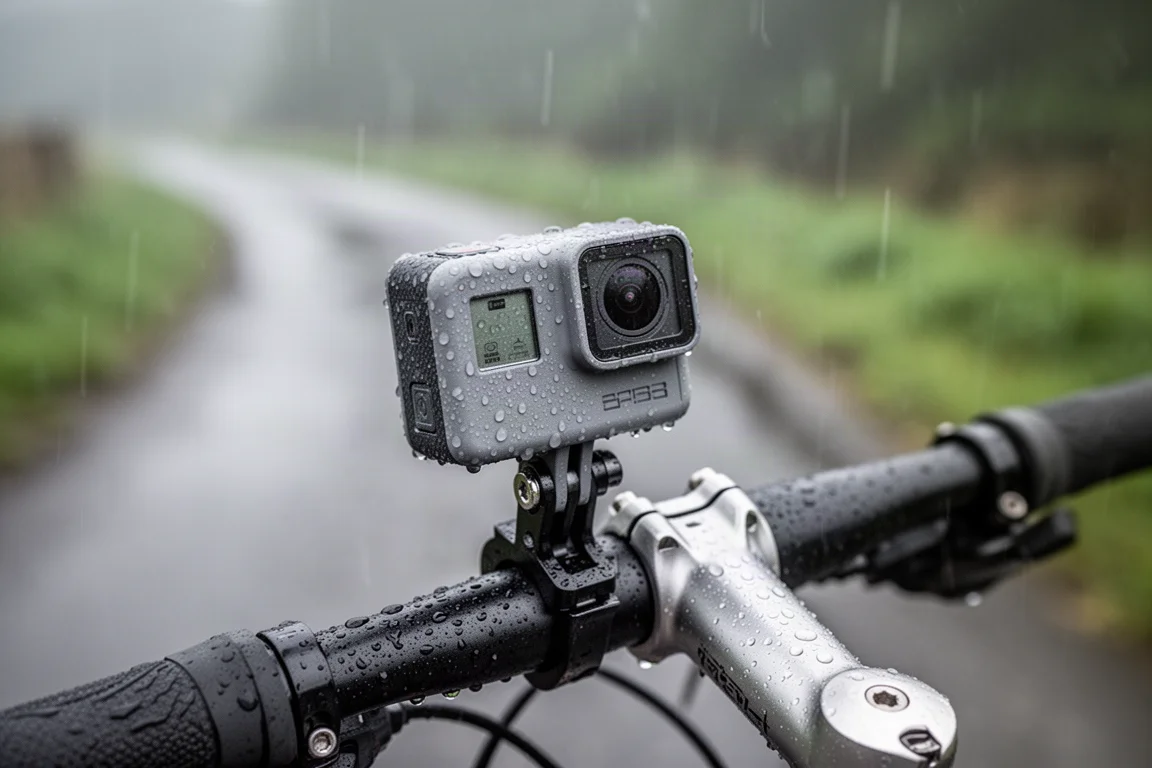
The modular design is the source of both the camera’s flexibility and its main practical consideration. Assembled inside its cage, the camera is waterproof to 16 feet, which is meaningful protection if a ride ends in a river or a heavy downpour. Outside the cage, the same modularity means more separate parts to keep track of and to seat correctly before you start shooting.
None of that is difficult, but it is a different routine from a sealed, single-body action camera. Riders who want to grab a camera and go may prefer to keep it assembled in the cage as the default state.
Reframing Takes Some Practice
360 footage needs a step that ordinary action footage does not. Automatic stitching and AI shots remove most of the effort, but getting the framing you actually want still means moving the viewpoint in software afterwards, either with keyframes on a desktop or through the app. Riders who want to shoot and share immediately may find the 4K module the simpler path.
It is also worth setting expectations on lighting. The larger sensor in the 4K module should help indoors and in dim conditions, but the camera still performs at its best in bright daylight, as action cameras generally do.
Buying Advice
Choose the Twin Edition if you want both shooting styles from a single kit. The 4K module covers everyday riding footage with smooth in-camera stabilization, while the 360 module adds the invisible selfie stick trick and reframeable perspectives that are genuinely hard to replicate otherwise.
If you only ever want standard action footage, the 4K lens alone covers that ground, and the modular system means the 360 module can be added later. Existing ONE R owners have the most to gain from the gradual approach, since the newer lens and core are interchangeable with the parts they already own. Whichever route you take, the practical wins here are the quick-capture button, the foam windshield inside the microphone opening, and the battery base with 21 percent more capacity than the earlier version.
Accessory planning is straightforward as well. Because the cage uses standard action camera fittings, mounts and clamps you already own will carry over, and the spare battery bases make longer days out easier to manage.
Conclusion
Versatility is the word that sums this camera up. Two lens modules, one core, and a mounting system that plays nicely with existing hardware give riders a way to shoot both conventional action footage and fully spherical video without carrying two separate cameras.
The improvements over the previous generation are practical rather than cosmetic: a faster core, a more responsive touchscreen, quicker wireless transfers, better stabilization, cleaner audio in the wind, and a battery base with more capacity. For riders who want one flexible camera rather than two specialised ones, the ONE RS Twin Edition makes a convincing case.
Product link
View more details for Insta360 ONE RS Twin Edition
This product is mentioned in the review. Check the specifications, options, and compatibility before buying.
View more details for Insta360 ONE RS Twin EditionFurther reading
Related Reviews
Action Cameras
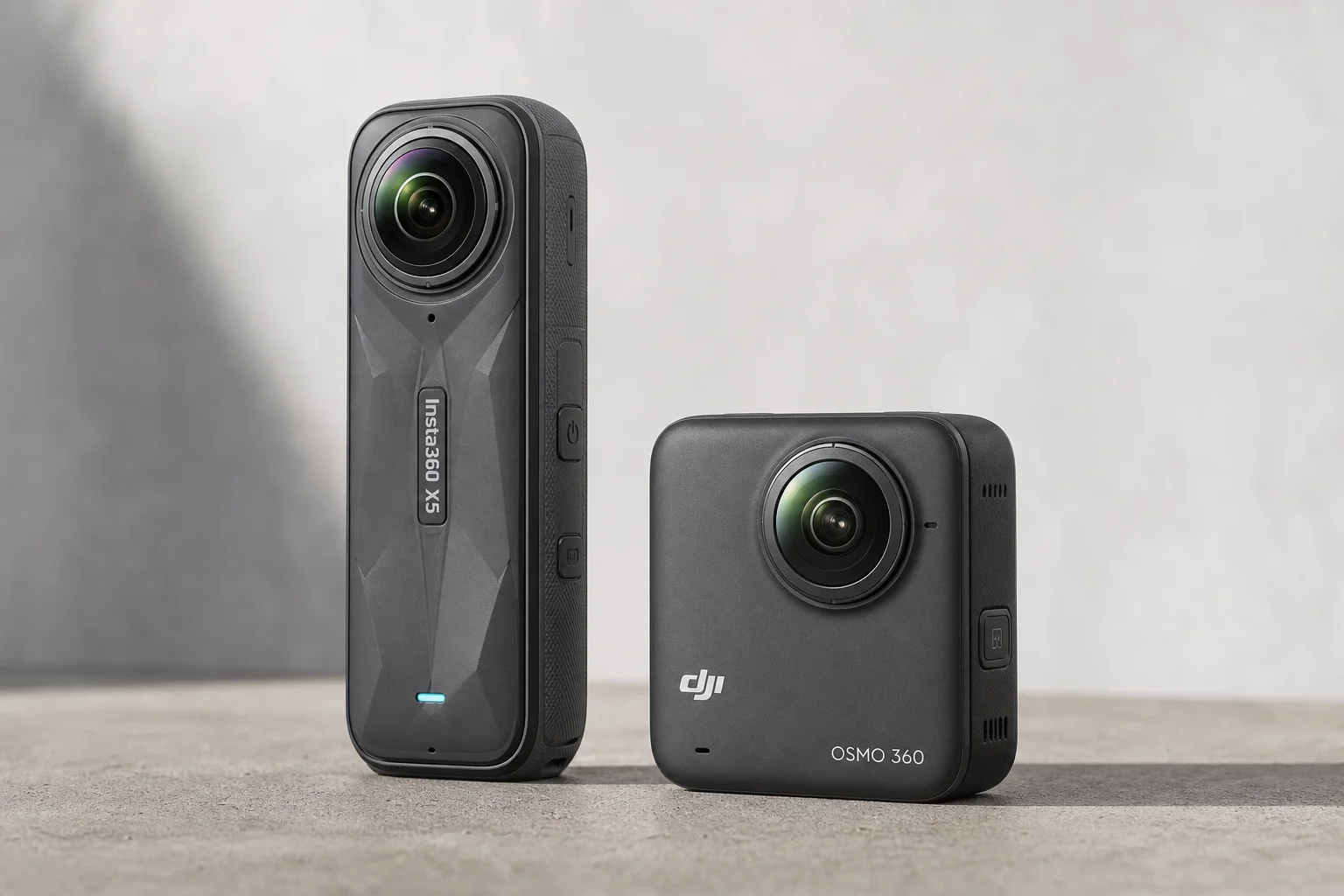
360 Cameras for Adventure Motorcycling: Insta360 X5 vs DJI Osmo 360
Two 360-degree action cameras designed for off-road and adventure riding. A detailed comparison of features, stabilization, and real-world performance for motorcycle touring.
Action Cameras
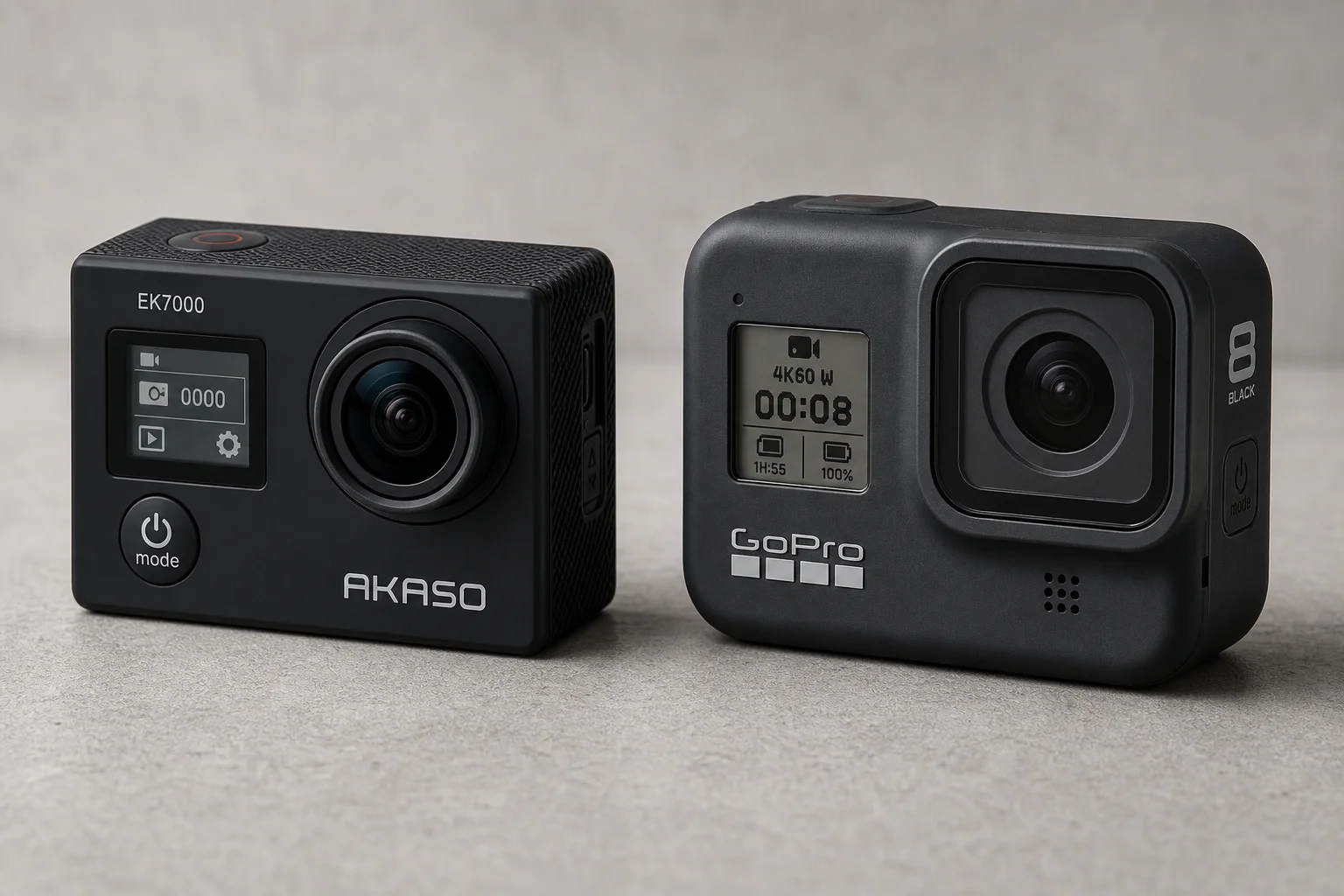
Akaso EK7000 vs GoPro Hero 8 Black: Budget Action Camera Tested
A $50 budget action camera faces off against the GoPro Hero 8 Black. Here's how the Akaso EK7000 really performs in video, audio, and photo quality.
Action Cameras
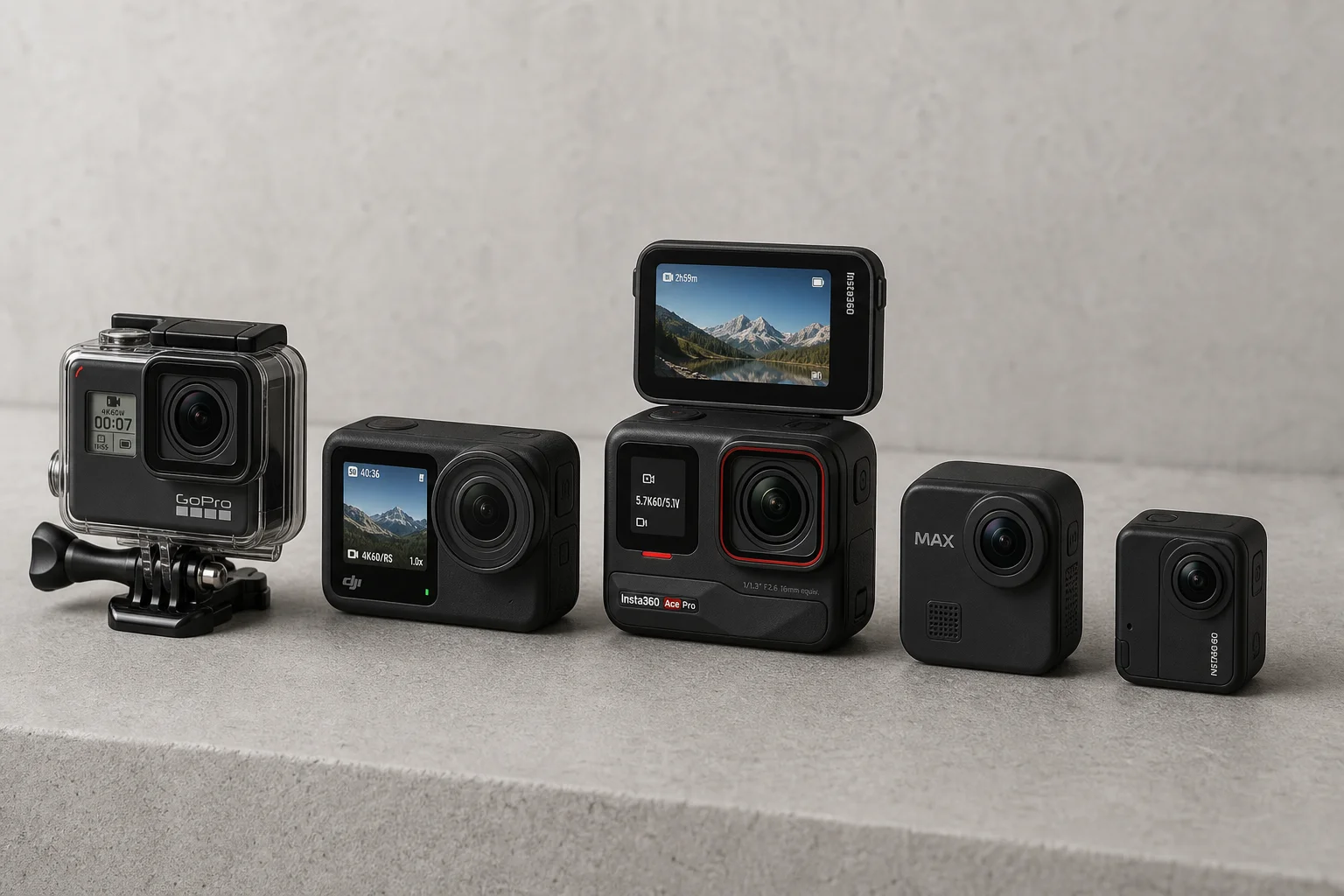
Best Action Cameras 2026: Five Top Picks Ranked
A comprehensive ranking of five action cameras from budget-friendly to premium, covering durability, video quality, stabilization, and low-light performance.