Action Cameras
Insta360 One RS Review: A Modular Action Camera With Real Trade-Offs
The Insta360 One RS pairs a 4K Boost lens with a 360 module, but slow-motion workflow limits and bulk mean it is not an automatic upgrade for everyone.
Introduction
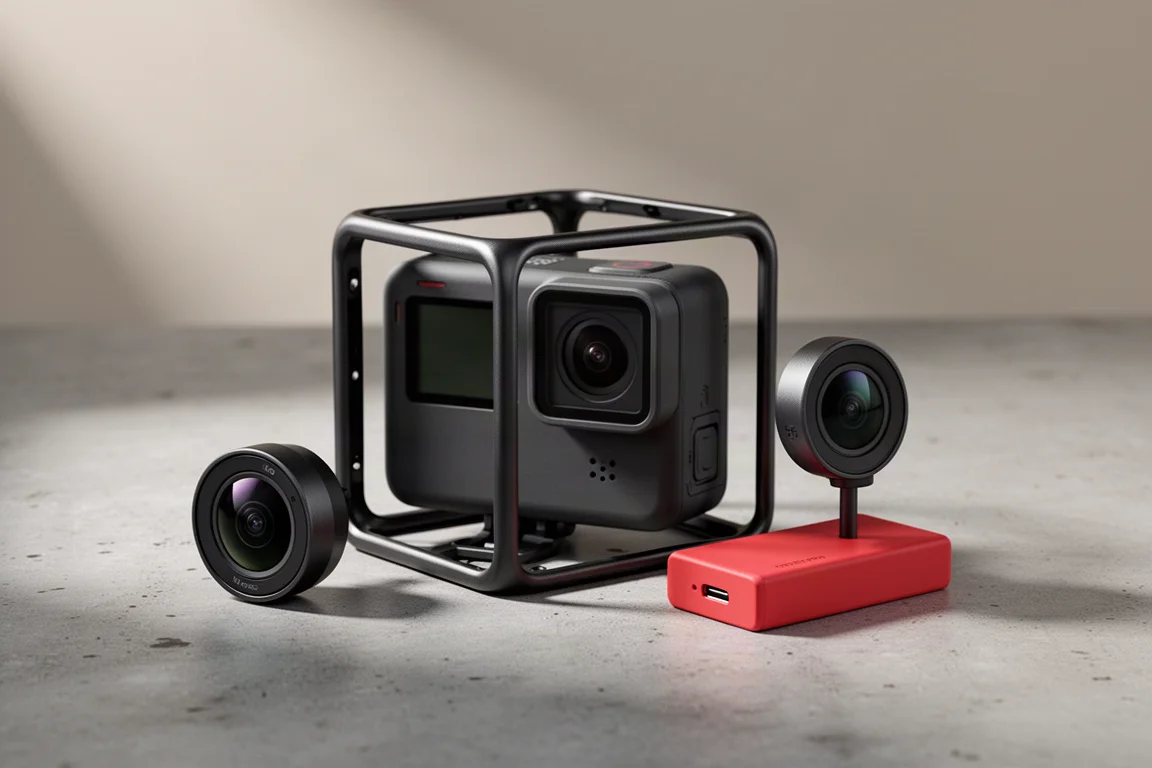
The original Insta360 One R introduced a modular design that was interesting in concept but difficult to work with in practice. The Insta360 One RS is the updated version, and it aims to make that modularity genuinely useful: a GoPro-style action camera that can also become a 360 camera by swapping lens modules. After spending real time running, cycling, and vlogging with it, the picture that emerges is mixed. The 360 module and the 4K Boost lens are genuinely strong, but frame rate limits, bulk, and an annoying slow-motion workflow mean this is not an automatic buy for everyone.
Design and Modules: Building Blocks, Not a Monolith
At its core, the One RS is a stack of three building blocks. The 4K Boost lens is the main update in the One RS, the RS module acts as the brains of the operation, and the red battery sits underneath. Each part separates, so you can mix and match: the screen can even be flipped to face the lens for selfie-style framing, then turned back around for capturing the world ahead.
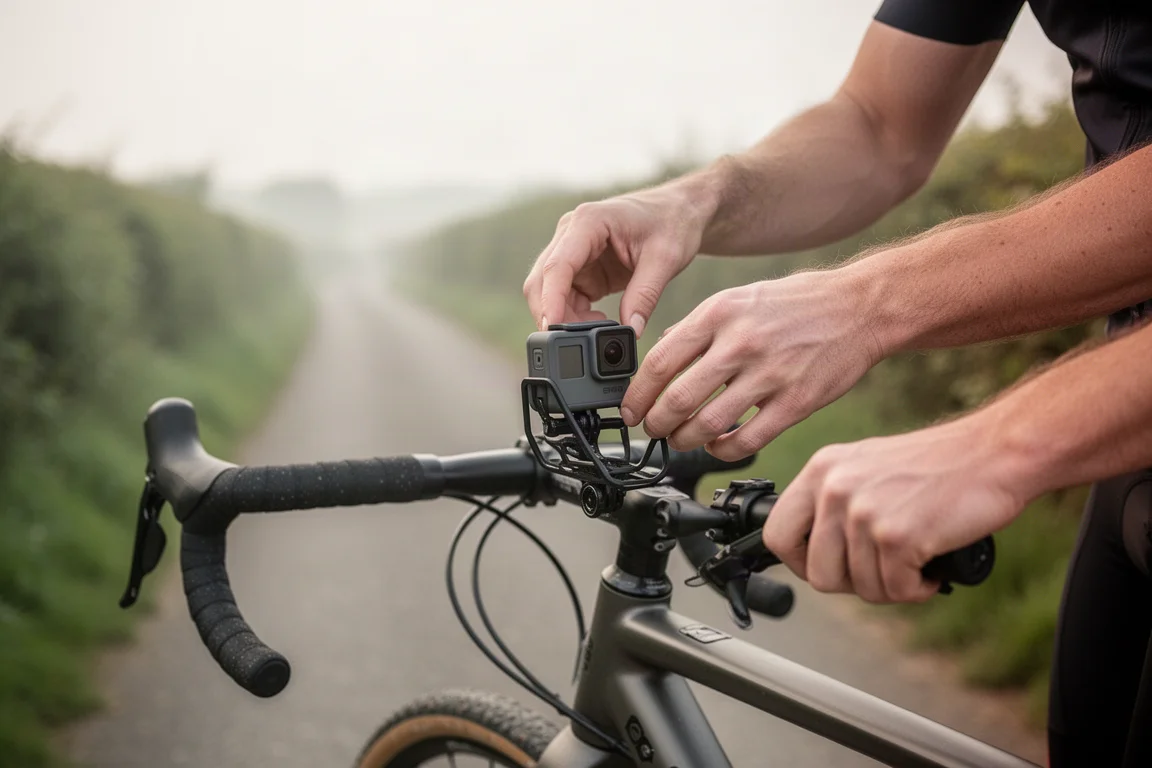
The other module is the 360 module, which carries lenses on each side and comes with a small rubber cover to protect the glass. Snap it onto the RS module, add the battery, and slide the whole assembly into the case, and you have a fully capable 360 camera. Notably, the camera itself is waterproof to 16 feet, which is impressive given how many seams a modular design creates.
What Is New in the RS
The battery is slightly larger than last year’s at 1,445 mAh. The RS module brings interface improvements on the screen and an additional microphone intended to improve audio, along with a small piece of foam inside the case designed to sit over the mic hole and cut some wind noise. There is also an instant zoom function that works in any mode, which is genuinely useful when flipping between wide selfie framing and tighter shots of your surroundings.
Wi-Fi transmission is 50% faster, which matters for the typical creator workflow: shoot on a run or ride, pull footage into the Insta360 app, make a quick edit, and post to social media. Shooting options are plentiful, spanning HDR video, slow motion, a long list of time-lapse modes, and many photo modes, which can feel overwhelming. A customizable quick-access button helps by putting your most-used settings within easy reach.
Strengths: 360 Footage and High Frame Rates
The biggest strength here is the 360 module. Insta360 has nailed 360 footage in terms of usability, workflow, and image quality, and the hardware is essentially the same as the Insta360 One X2, a camera widely regarded as excellent in this category. The 360 module can shoot up to 3K at 100 frames per second, which slows down nicely to quarter-speed slow motion, a genuinely useful tool for dynamic footage.

The 4K Boost lens is also capable. It uses a half-inch sensor with an f/2.4 aperture, shoots 4K at up to 60 frames per second, and captures 1080p at 120 frames per second for slow motion. If you want maximum resolution, it can shoot up to 6K, though at a 2.35:1 cinematic aspect ratio that most people will rarely use. Paired with Insta360’s long selfie stick, the 1080p/120fps mode is confident enough to anchor full video projects, from product reviews to multi-day vlogs.
Things to Consider Before Buying
The most significant drawback is that 4K tops out at 60 frames per second. Competing action cameras offer 4K at 120 frames per second, which lets you use a single setting for everything: product footage, action shots, and vlogging. With the One RS, you have to switch modes for slow motion, which increases tinkering, raises the odds of missing a shot, and makes it easier to leave the camera in the wrong setting.
In scenes where light changes quickly, such as moving between a bright sky and shadowed subjects, the camera takes a while to adjust and the dynamic range feels weaker than expected. Size and weight are also real concerns: once the modules and case are assembled, the whole package is noticeably bigger and heavier than a typical action camera. On the end of a long selfie stick, the camera is heavy enough to make the stick bend and bow. A larger battery adds little value for most people, since battery life was never the limiting factor on the original.
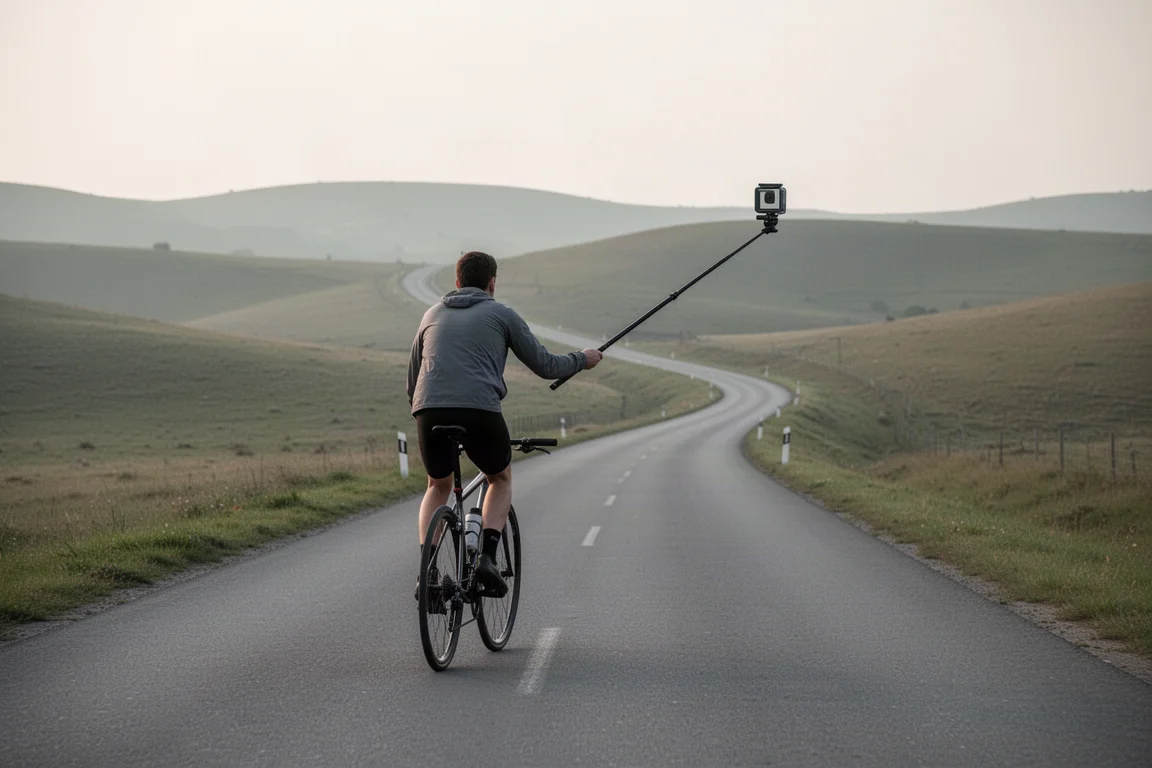
Then there is the workflow annoyance. While 4K60 footage is fine straight out of the camera, slow-motion 1080p/120fps files must first be run through the Insta360 Studio app to apply stabilization. That means opening each file, making sure it renders at 1x speed so audio survives, applying FlowState stabilization, and exporting one by one, with no batch processing. Exports are fast, but the process is repetitive and hard to love.
Other annoyances include the single screen on the RS module, which makes framing tighter non-fisheye shots trickier, especially since the 4K Boost lens cuts in tighter than many competitors. The screen can be rotated to face you for selfie shooting and still fits in the case, but you then lose the ability to see what the camera sees when turning it around. Finally, in 360 mode, the mount has no notch to lock the stick perfectly vertical, and the invisible selfie stick trick only works cleanly when it is dead straight. Off-center footage ends up showing part of the stick, which looks jarring in an otherwise seamless image.
Who Should Buy It, and Who Should Skip It
The Twin Edition, which bundles the 4K Boost lens and the 360 module, costs $550 and is effectively two cameras in one: an action camera plus a 360 camera. If you own neither, or you are looking to upgrade both categories while saving money, that bundle is a genuinely good deal. If you already own a recent dedicated action camera and a dedicated 360 camera, there is little reason to upgrade.
If you only want the action camera side and have no interest in 360, the bare-bones setup with the RS module, battery, and 4K Boost lens costs $300. At that price, heavily discounted flagship competitors with 4K at 120 frames per second become hard to argue against, and older models under $300 are also worth a look. You also avoid the mandatory slow-motion workflow step entirely. Alternatively, for the price of the 4K Boost lens alone, a much smaller and lighter thumb-sized camera with no screen but a tiny form factor may be the better first running camera if weight is your priority.
Conclusion
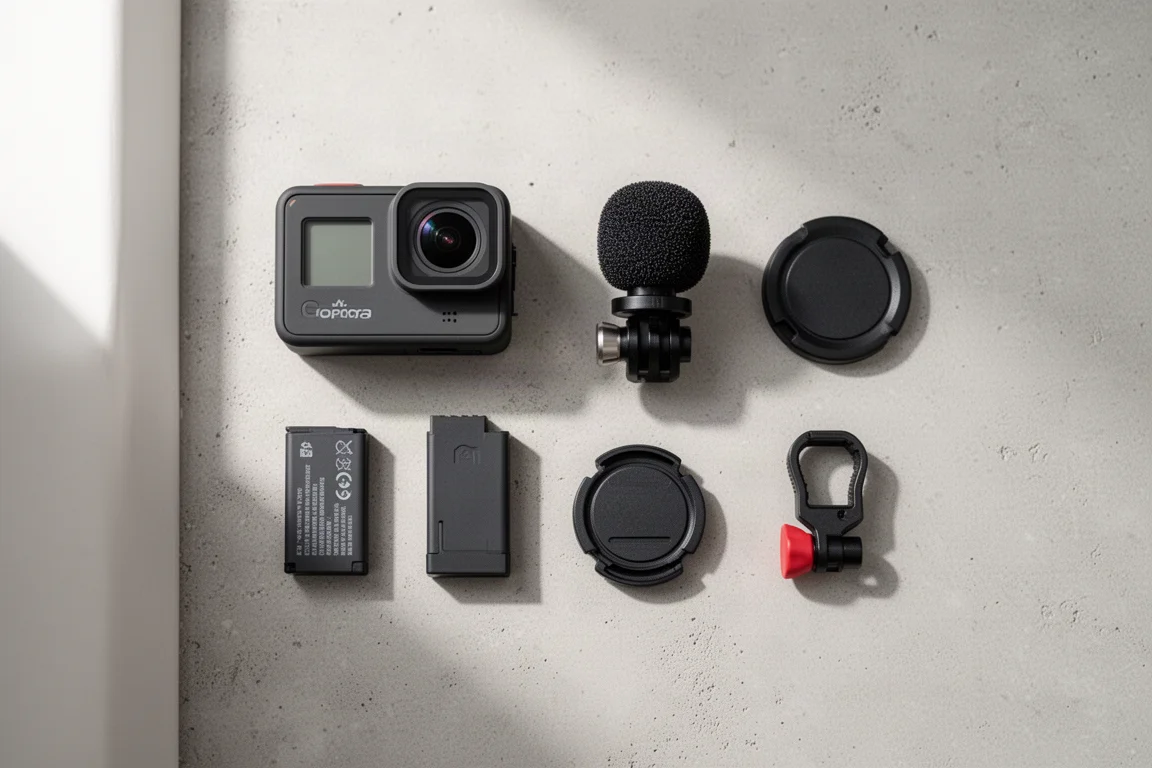
The Insta360 One RS is a well-executed modular system with a genuinely excellent 360 module and a capable 4K Boost lens, and the waterproofing and faster file transfer are meaningful improvements. But 4K capped at 60 frames per second, a heavier and bulkier assembled package, and a slow-motion workflow that demands extra processing keep it from being an easy recommendation for everyone. Buy it if you want one device that covers both action and 360 shooting; skip it if you only need a traditional action camera, where dedicated competitors offer more for similar money.
Product link
View more details for Insta360 One RS
This product is mentioned in the review. Check the specifications, options, and compatibility before buying.
View more details for Insta360 One RSFurther reading
Related Reviews
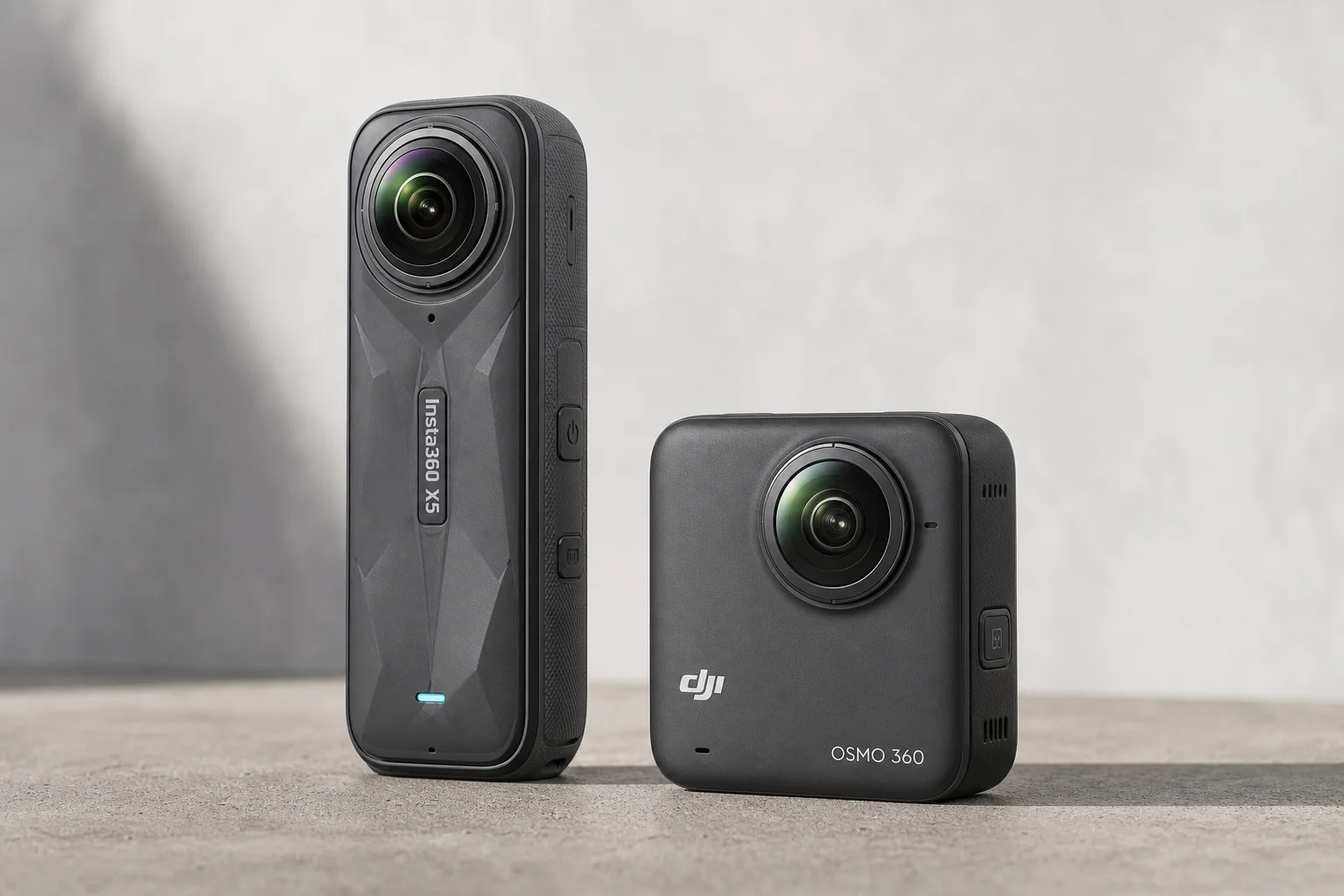
Action Cameras
360 Cameras for Adventure Motorcycling: Insta360 X5 vs DJI Osmo 360
Two 360-degree action cameras designed for off-road and adventure riding. A detailed comparison of features, stabilization, and real-world performance for motorcycle touring.
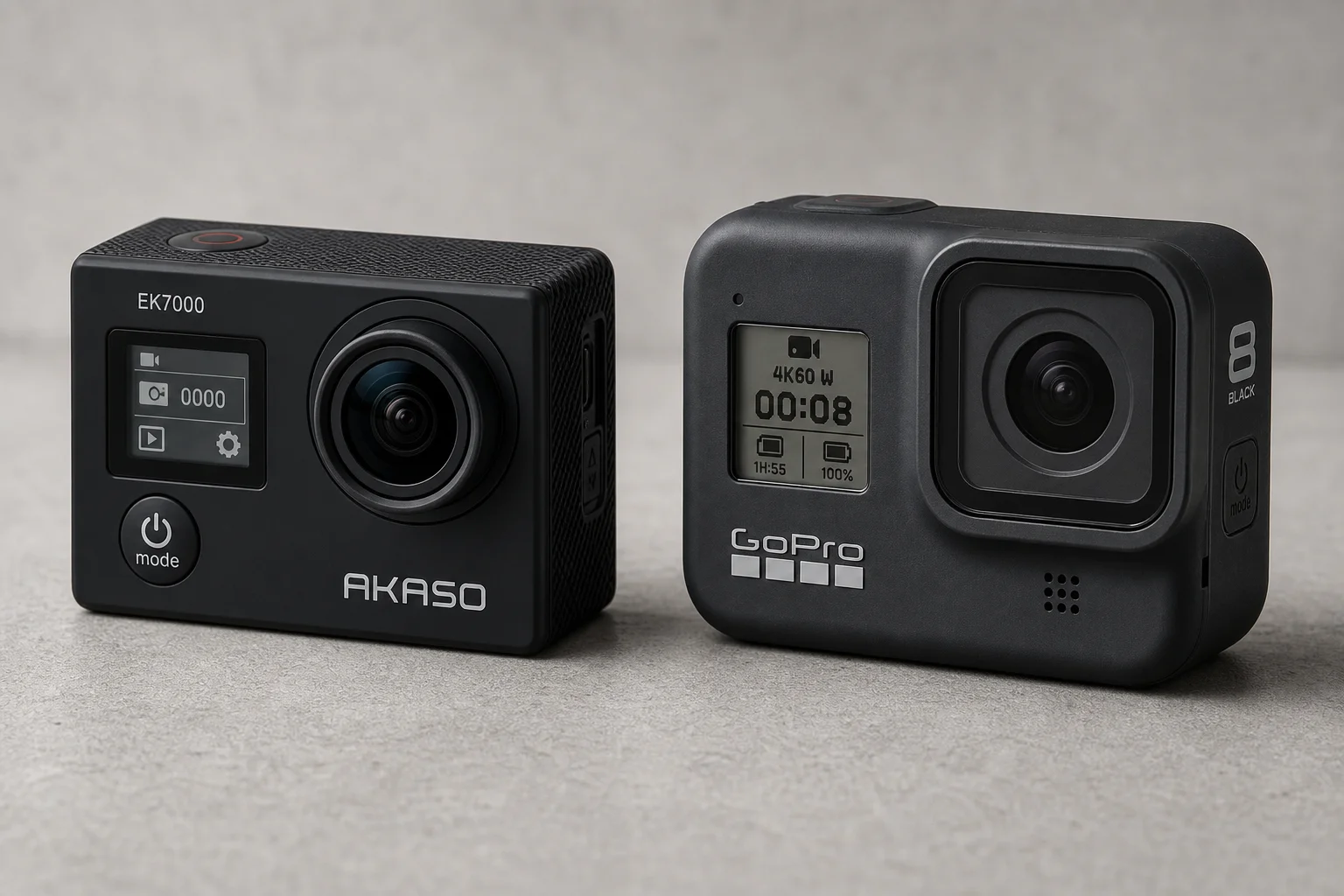
Action Cameras
Akaso EK7000 vs GoPro Hero 8 Black: Budget Action Camera Tested
A $50 budget action camera faces off against the GoPro Hero 8 Black. Here's how the Akaso EK7000 really performs in video, audio, and photo quality.
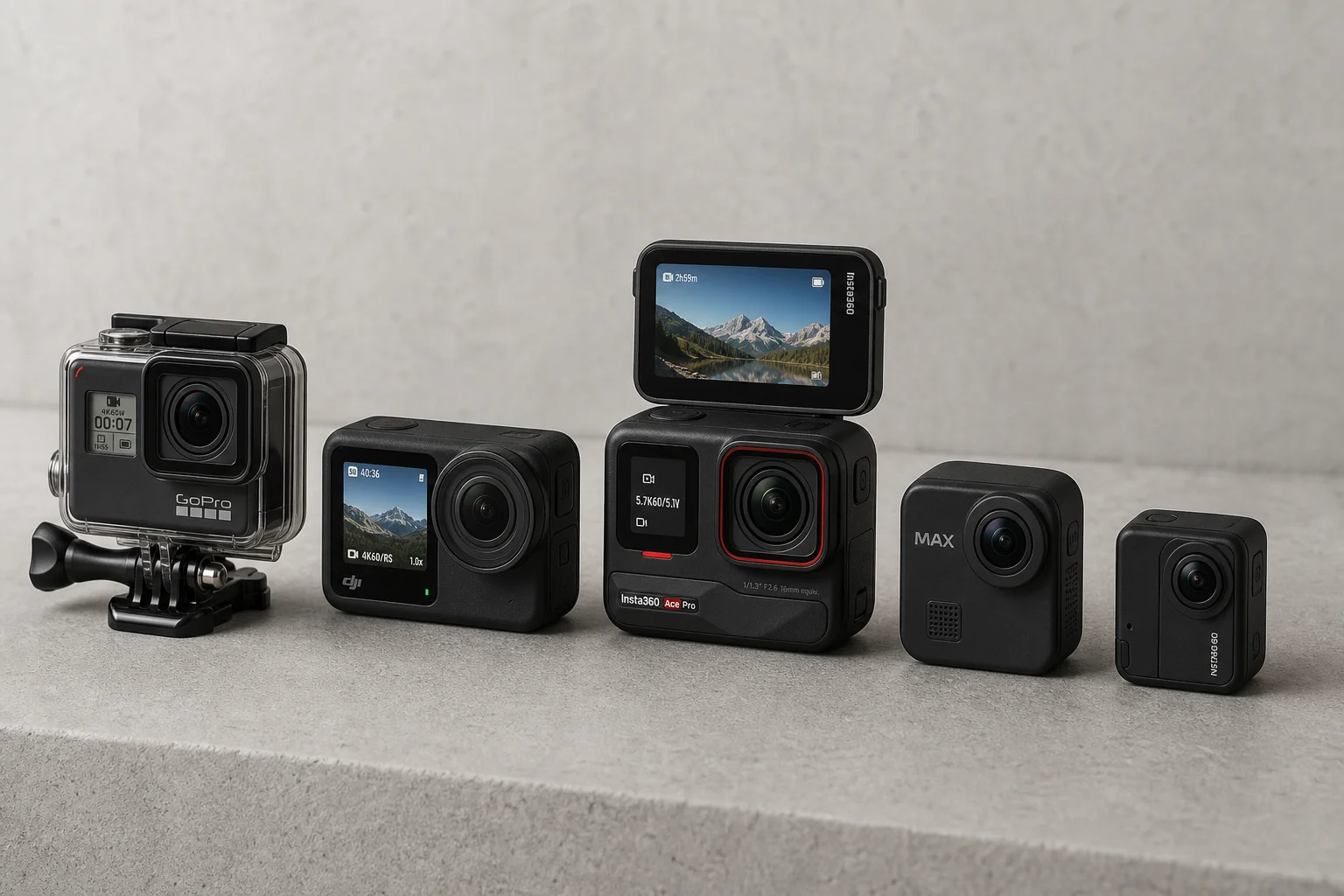
Action Cameras
Best Action Cameras 2026: Five Top Picks Ranked
A comprehensive ranking of five action cameras from budget-friendly to premium, covering durability, video quality, stabilization, and low-light performance.