Action Cameras
Insta360 GO 3S Review: A Tiny 4K Action Camera That Goes Anywhere
The Insta360 GO 3S brings 4K recording to a wearable action camera, with magnetic mounts, an Action Pod touchscreen, and a genuinely simple workflow for riders and outdoor athletes.
Introduction
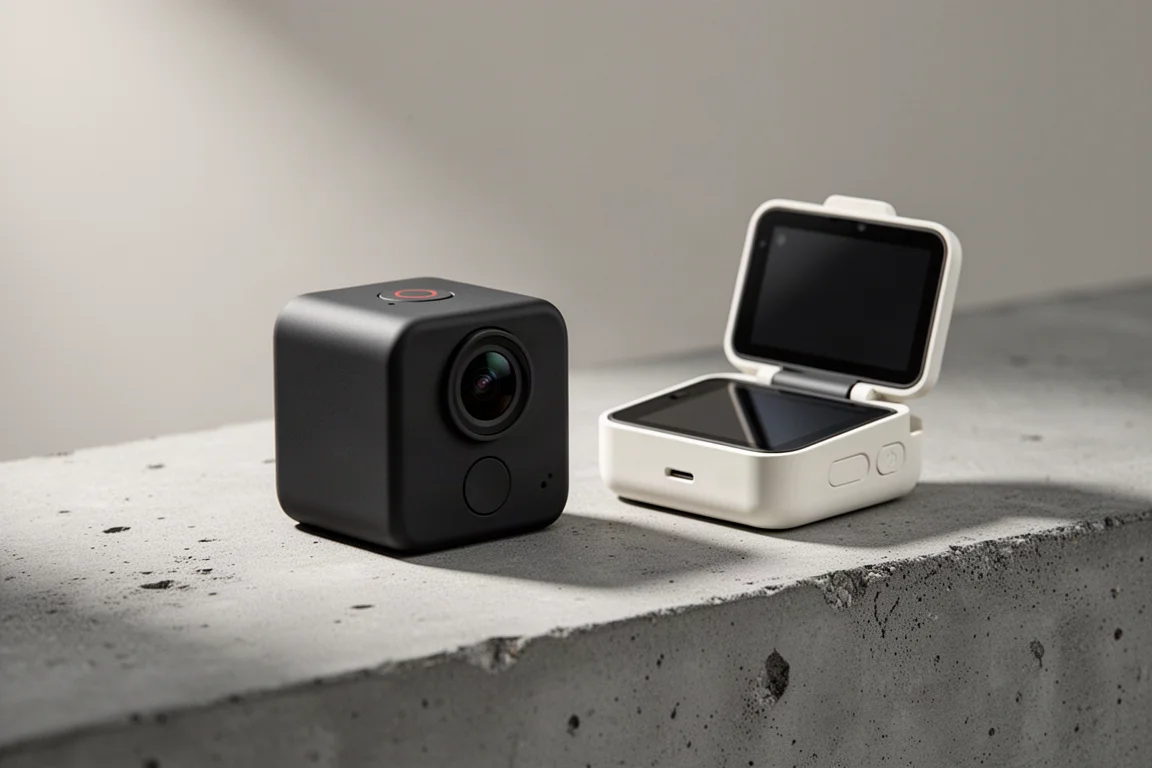
The Insta360 GO 3S is a very small action camera, and the change that matters most is resolution. It now records in 4K, where the previous generation topped out at 2.7K, which was never quite enough for detailed footage. That gap has now closed.
What makes the camera interesting is not only the resolution bump. It is small and light enough to wear, clip, or stick almost anywhere, and its magnetic mounting system turns it into something closer to a wearable camera than a conventional action cam. Used across bikes, on foot, and on longer rides, the appeal is easy to understand.
Who the Insta360 GO 3S Is For
This camera suits anyone who wants an easy way to record whatever they are doing. That includes cycling, hiking, mountaineering, kayaking, and the general run of outdoor activity where carrying a bulky camera is a hassle.
It is also a good fit for people who would rather not film with a phone, whether because of the size, the risk of damage, or simply because a phone is awkward to mount and operate while moving.
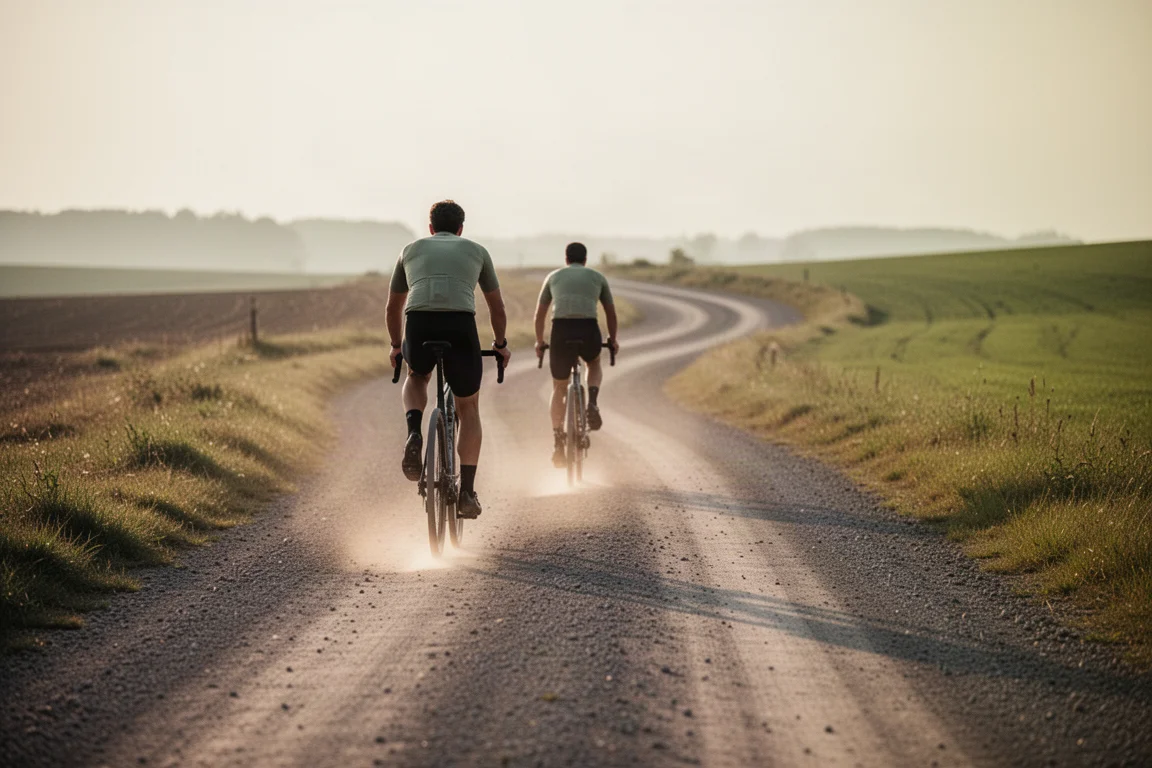
The strongest case for the GO 3S is convenience. It is a camera you can leave attached to a jersey, a cap, or a handlebar and forget about until you want to press record, which is a very different experience from setting up a full action camera rig.
Main Strengths: 4K Footage in a Tiny Body
The 4K footage is sharp and detailed straight out of the camera, which is the single biggest reason to consider this generation. Footage also looks smooth thanks to FlowState stabilisation, which handles the vibration and bumps of riding without any obvious effort.
A tilt fix mode keeps the horizon level no matter what angle the camera is mounted at. That is genuinely useful, because it means you can attach the camera wherever it fits and not worry about getting it perfectly straight.
That jump in quality comes from a processor that is around 50 percent more powerful than the one in the previous camera, yet the camera itself has not grown or gained weight. It now offers four shooting modes, including a new MegaView option that captures a very wide field of view with less distortion at the edges, so the result does not look like it was shot through a goldfish bowl.
Mounting Options and the Action Pod
The camera body is tiny and light, with a single button on the front that starts recording immediately. A double press switches into FreeFrame.
The Action Pod is the companion piece and does more than it first appears. It charges the camera battery, which is useful on longer shoots, and it adds a 2.2 inch touchscreen that flips out. That screen lets you see what the camera sees, whether you are filming yourself or checking a shot from a camera mounted elsewhere on the bike, and it gives access to the full settings menu: resolution, frame rate, tilt lock, horizon lock, and FlowState stabilisation.
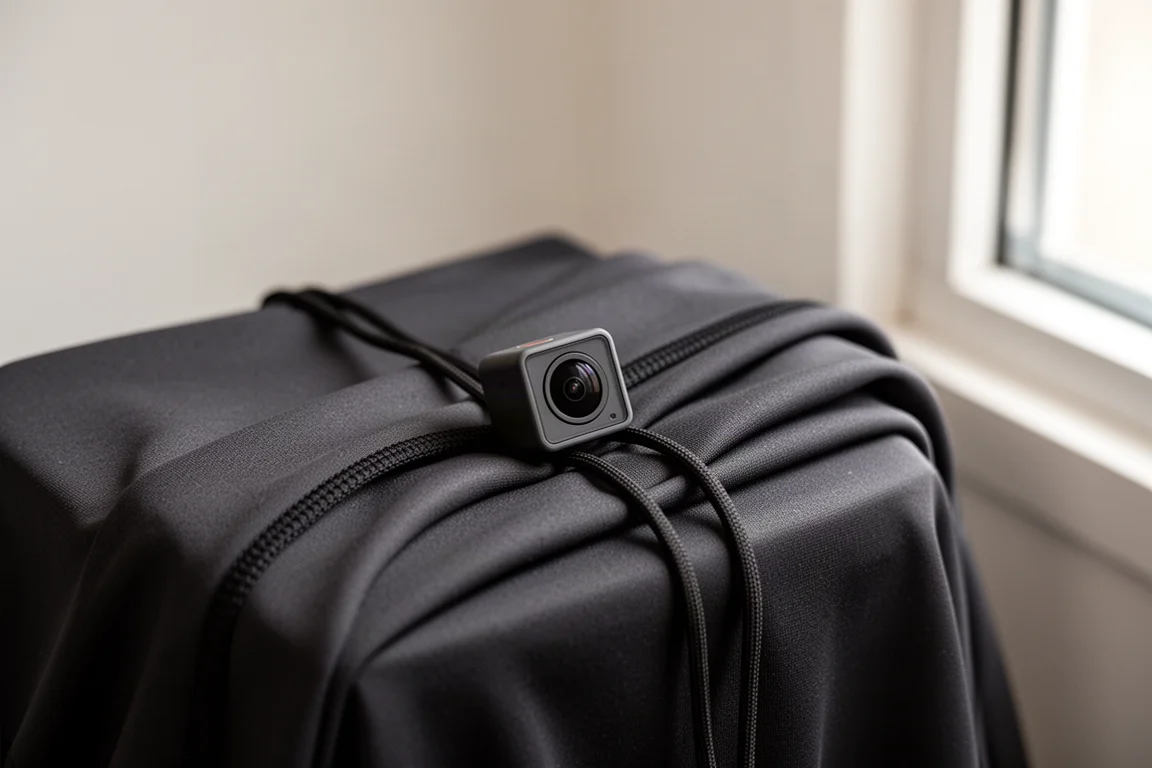
Pressing the button on the side releases the GO 3S from the Action Pod so it can be used on its own, which makes the setup genuinely dual purpose. Once detached, the magnetic base becomes the real story. A necklace mount is included and snaps onto a t-shirt or jersey for a first person point of view that is far less obvious than a large chest mount, and far more comfortable, since there is no strap around the shoulders and back.
Other mounts are included as well. One uses the same magnet system with additional reassuring clips and provides a two prong fitting that works with existing action camera mounts on handlebars, stems, or saddles. Another clips onto the peak of a cap. Between them there are plenty of ways to place the camera without buying extra hardware.
Shooting Modes, Stabilisation, and App Editing
Interval Video is new on this model. You set a timer and the camera switches on and records a clip at set intervals through a ride, and the auto edit mode in the app can then assemble those clips into a complete video. For anyone riding a long sportive or a gravel race, that removes the need to remember to press a button at the right moments.
FreeFrame lets you reframe a shot as horizontal or vertical after filming, which is handy when you want one clip to work both as a landscape video and as a vertical social media clip. A double press on the front button activates it.
Gesture controls carried over from the larger Insta360 Ace Pro are included too, and the camera supports Apple Find My, which helps if you misplace it. The smartphone app handles trimming, lets AI do the heavy lifting on edits, and includes motion ND and motion blur style effects among other options. The whole process of turning a ride into a finished clip is quick.
Battery Life and Built-In Storage
Standalone battery life is the obvious compromise of such a small camera. The GO 3S runs for around 32 minutes filming 4K at 30 frames per second on its own. Slot it into the Action Pod and that extends to a much more usable 122 minutes, which is actually longer than the roughly 100 minutes the Ace Pro manages on its own.
Storage is built into the camera, with no memory card to remove or lose. Buyers can choose 64GB or 128GB, a meaningful step up from the 32GB entry point on the previous model.
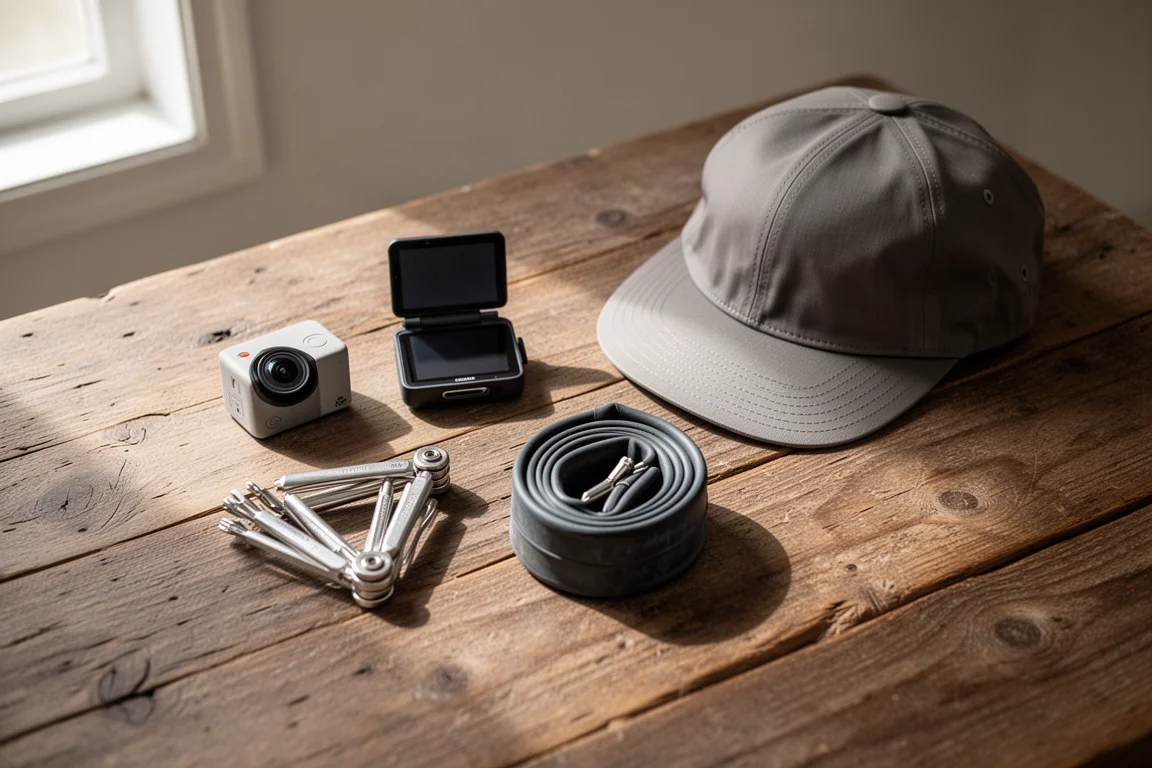
In practice the combination works well for a day out. The internal storage removes the need to carry spare cards, and the Action Pod tops the battery up between takes without a separate power bank.
What to Consider Before Buying
Battery life on the camera alone is short, so the Action Pod is close to essential for longer sessions. There is also no removable storage, which means you cannot swap cards or expand capacity later, so it is worth choosing the larger capacity if you shoot often.
The other thing to weigh is image quality against the larger Insta360 Ace Pro. That camera records up to 8K, has a much bigger sensor and a much bigger, higher quality lens, and performs better in low light with a dedicated low light mode. Side by side, the 4K footage from the two cameras is closer than the hardware gap would suggest once it is compressed for sharing, but the Ace Pro still has the edge for outright quality.
Buying Advice
The GO 3S costs $400 and is available now. The Insta360 Ace Pro is also $400 under a current offer, so the two sit at the same price point and the choice comes down to what you actually want from a camera.
Choose the GO 3S if simplicity and convenience matter most. It mounts anywhere, weighs almost nothing, and is easy to use without a lot of setup. For racing in particular, the weight is a non factor and the interval mode is ideal for longer events. If you are only an occasional action camera user, this is likely all you need.
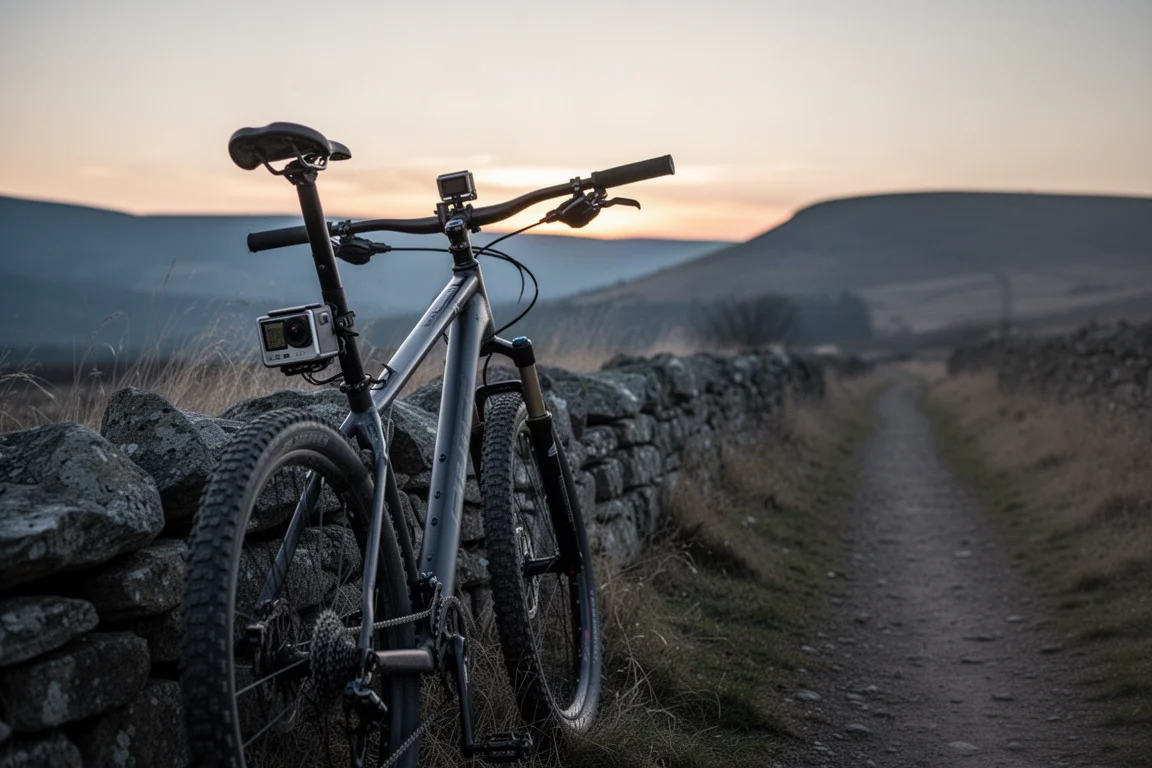
Choose the Ace Pro instead if you want the best possible quality and full creative control, and you do not mind the extra weight and bulk. Both are strong cameras. They simply suit different priorities.
Conclusion
The Insta360 GO 3S is a genuinely pocketable action camera that now delivers 4K footage, which makes it a far more complete proposition than the model it replaces. It is packed with features yet easy to use, the app makes editing straightforward, and the magnetic mounting system is the reason it stands out: you can put it almost anywhere, including places a normal action camera will not fit.
For anyone who wants to capture rides and other adventures without the size, weight, and complexity of a bigger camera, it is an easy recommendation. For anyone chasing maximum image quality, the larger Ace Pro remains the better tool.
Product link
View more details for Insta360 GO 3S
This product is mentioned in the review. Check the specifications, options, and compatibility before buying.
View more details for Insta360 GO 3SFurther reading
Related Reviews
Action Cameras
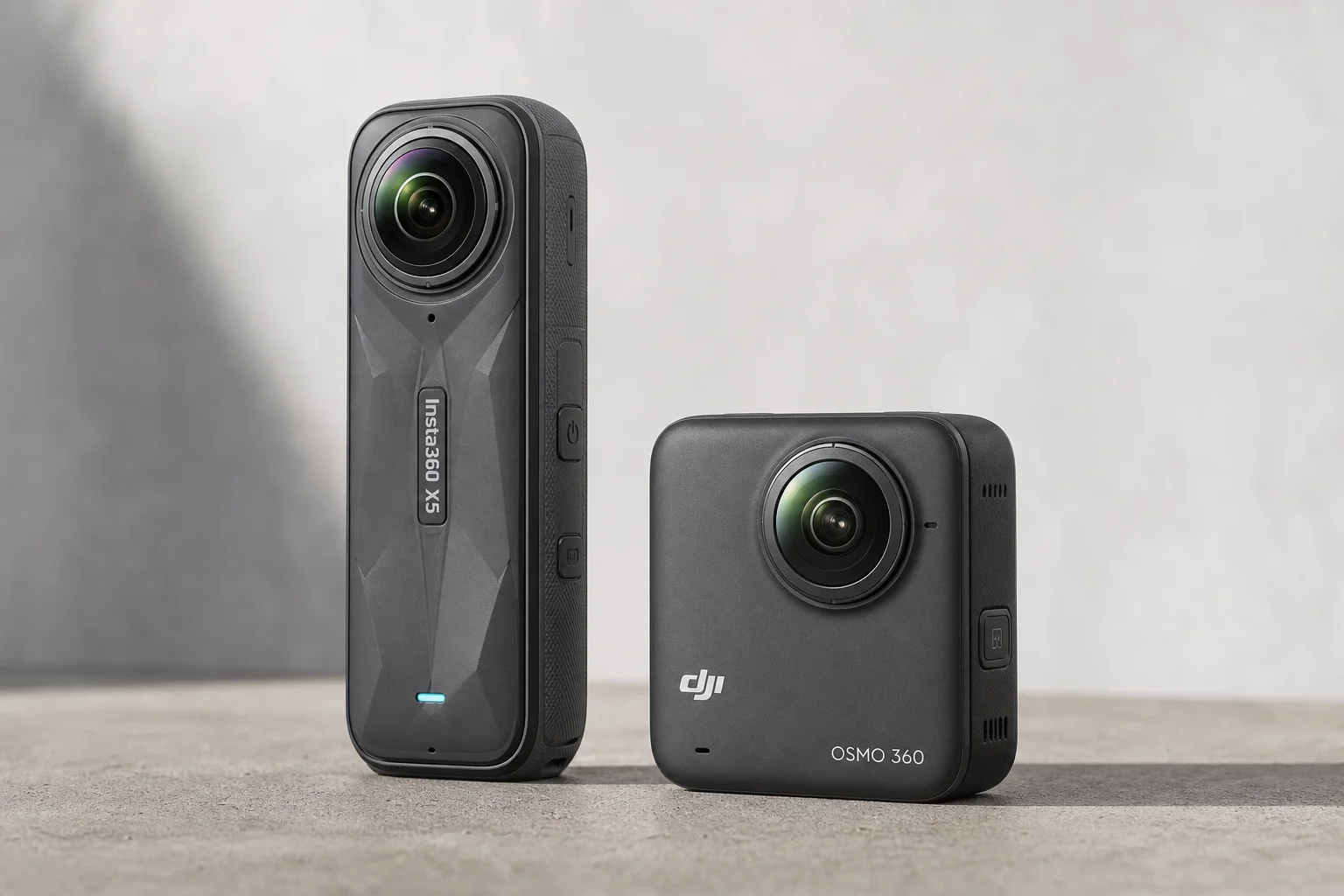
360 Cameras for Adventure Motorcycling: Insta360 X5 vs DJI Osmo 360
Two 360-degree action cameras designed for off-road and adventure riding. A detailed comparison of features, stabilization, and real-world performance for motorcycle touring.
Action Cameras
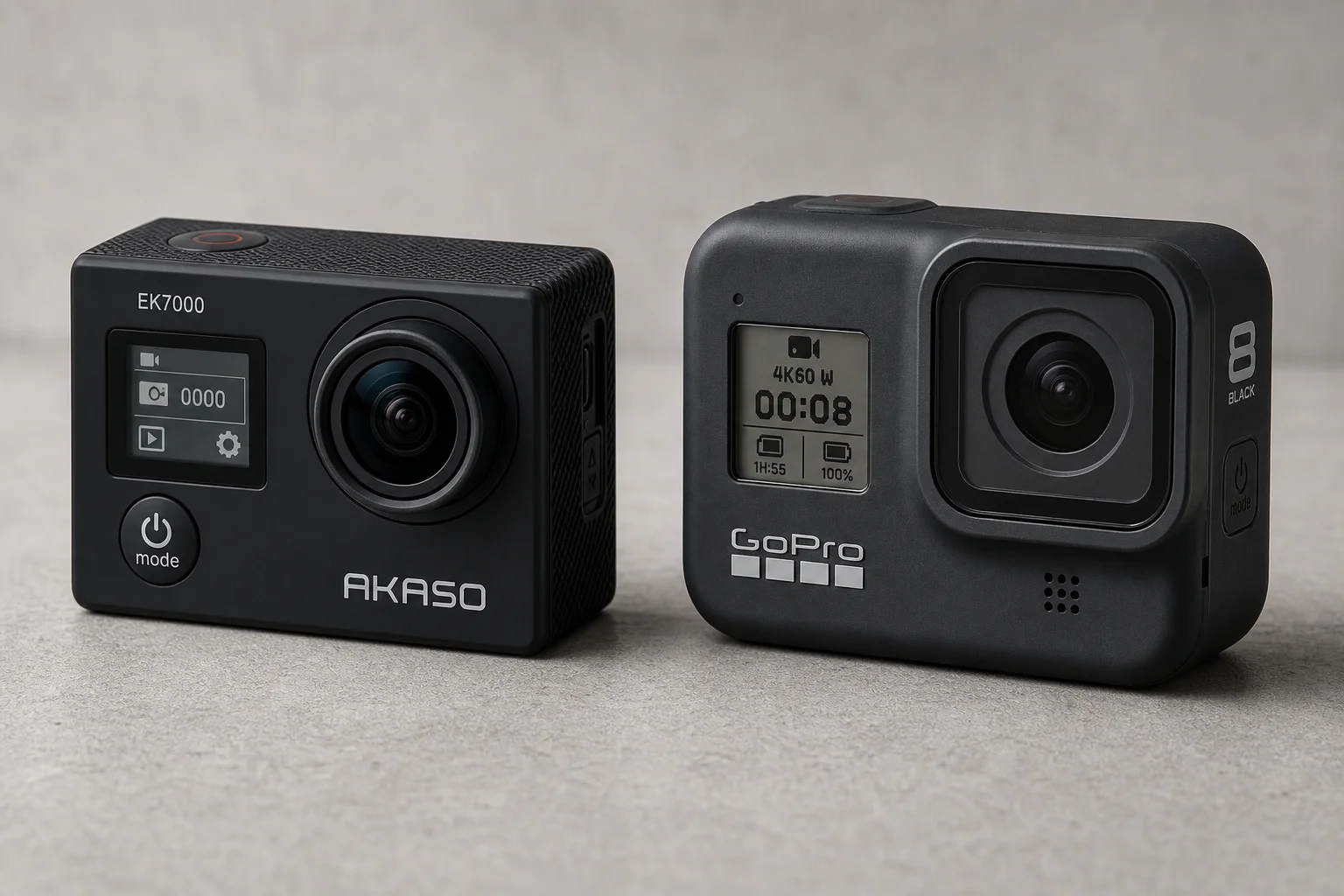
Akaso EK7000 vs GoPro Hero 8 Black: Budget Action Camera Tested
A $50 budget action camera faces off against the GoPro Hero 8 Black. Here's how the Akaso EK7000 really performs in video, audio, and photo quality.
Action Cameras
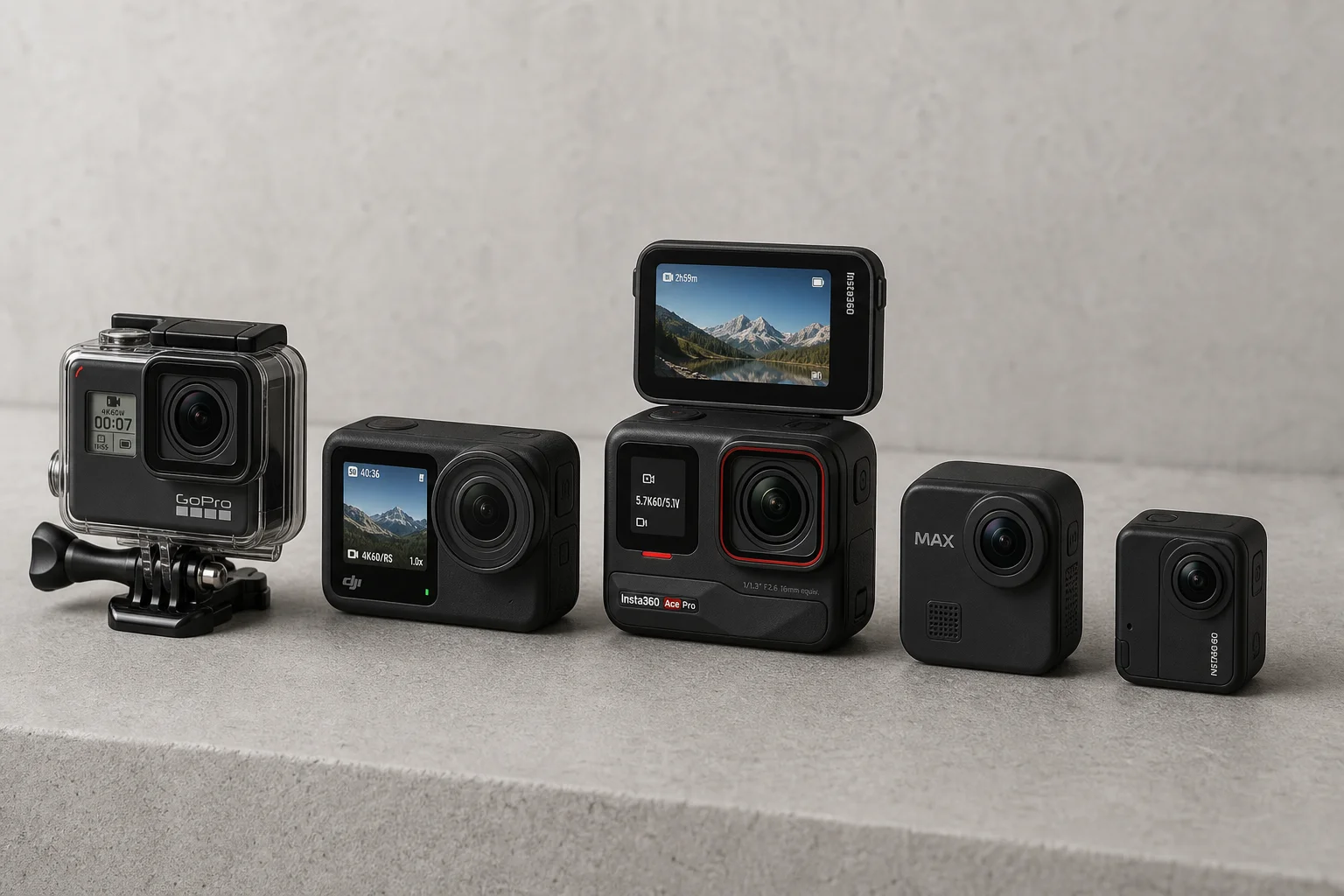
Best Action Cameras 2026: Five Top Picks Ranked
A comprehensive ranking of five action cameras from budget-friendly to premium, covering durability, video quality, stabilization, and low-light performance.