Action Cameras
Insta360 GO 2 Review: A Tiny Action Camera With Real Trade-Offs
A close look at the Insta360 GO 2, covering its magnetic mounting system, stabilized 1440p footage, and the compromises that come with such a small body.
Introduction
The Insta360 GO 2 is one of the smallest action cameras you can mount on a person or a bike, and that single design decision shapes everything else about it. It records stabilized footage, pairs with a smartphone app for editing, and uses a magnetic mounting system instead of the usual bracket and housing approach. That combination makes it genuinely easy to carry and easy to use, but it also means giving up things a larger camera provides, including a preview screen and higher-resolution recording. This review covers who the camera suits, where it performs well, and the trade-offs worth understanding before buying.
Who This Camera Is For
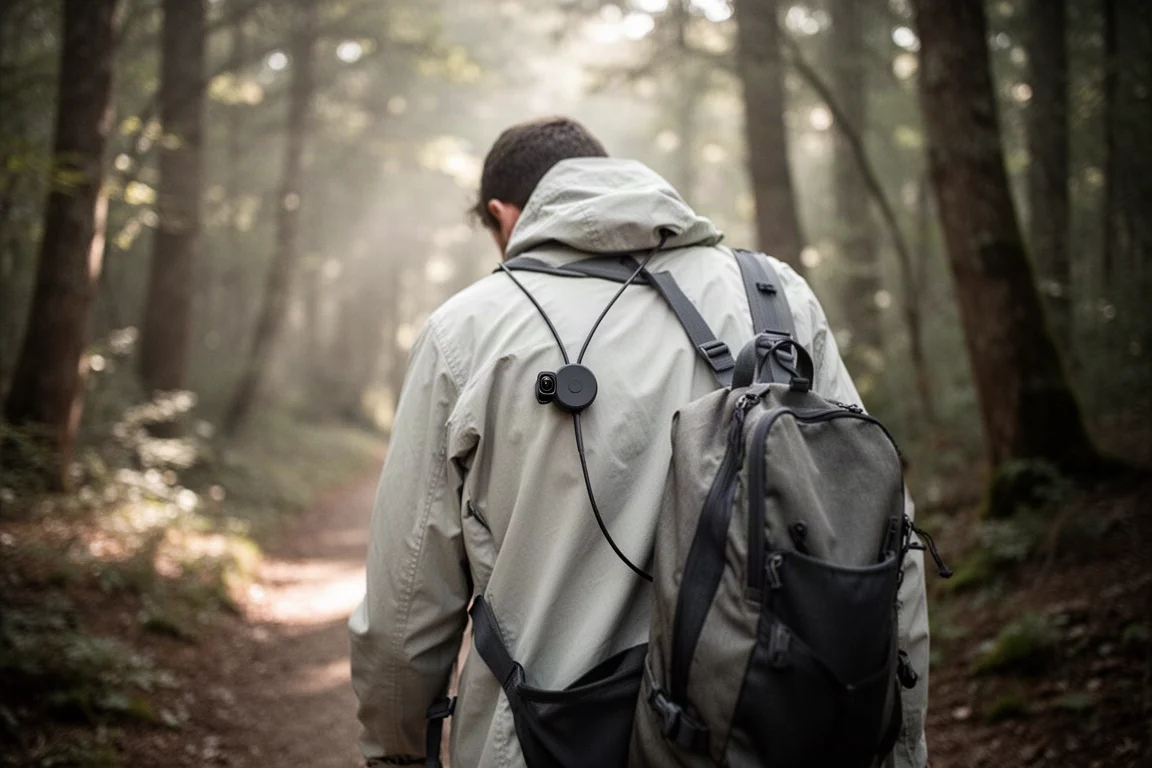
This camera is aimed at riders, hikers, backpackers and casual filmmakers who want a light, unobtrusive way to capture their own adventures without pulling out a phone. It works well for anyone who wants footage of themselves and their surroundings with minimal setup and very little gear to manage.
It is a strong fit if you shoot short clips regularly, want quick edits on the phone, and value a camera you can largely forget you are wearing. It is a less natural fit if your priority is the highest possible resolution or precise framing of fast descents, where a screen makes a real difference to the shots you bring home.
What Stands Out
The appeal is not one feature but the way the small body, the mounting hardware and the smartphone app work together as a system.
Size and Mounting Flexibility
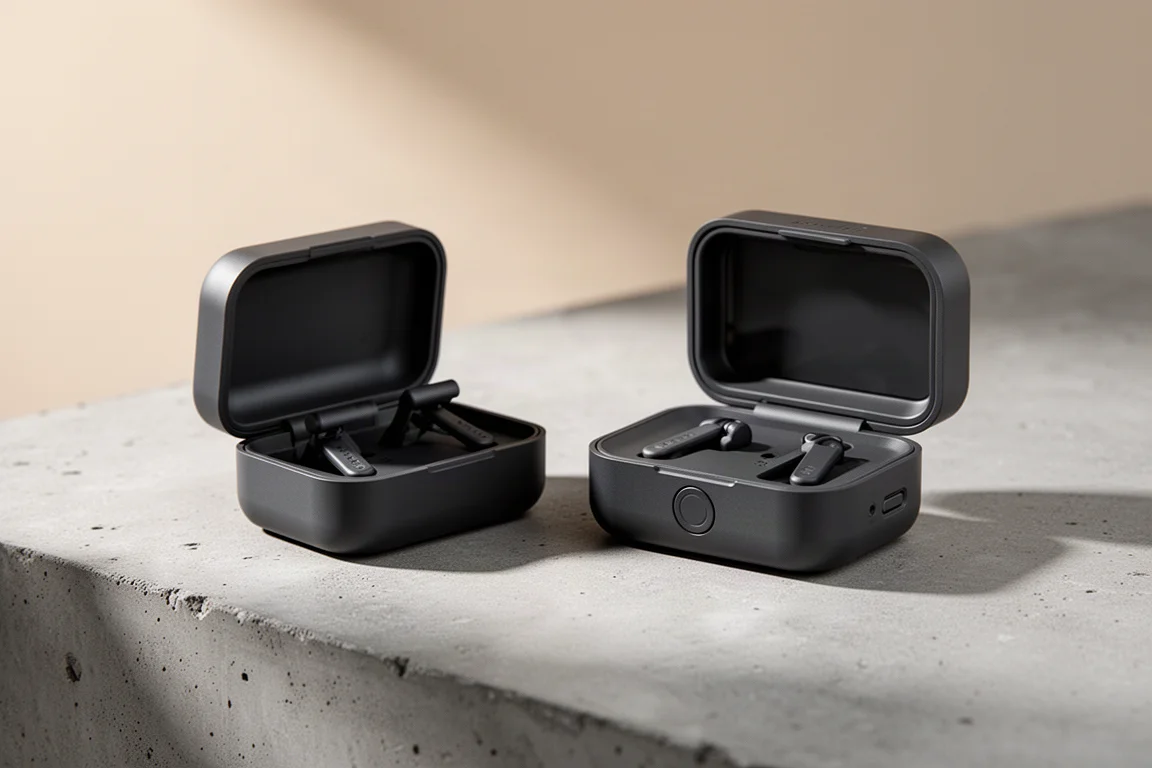
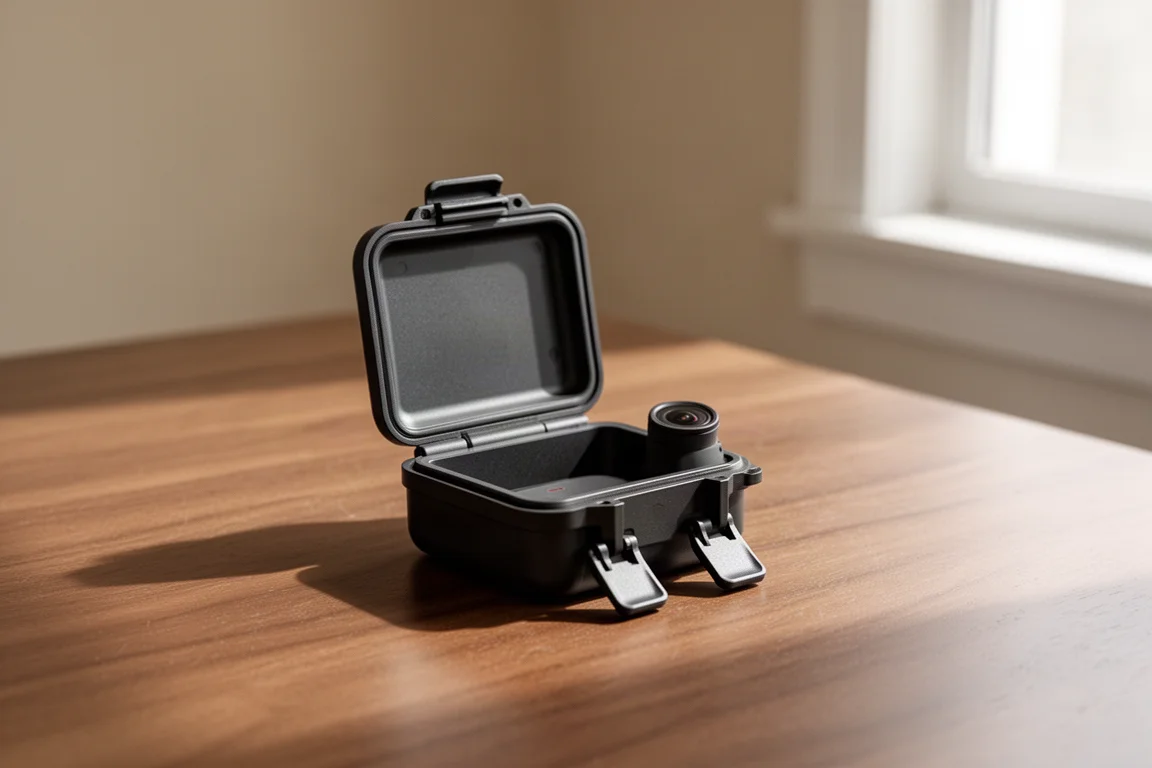
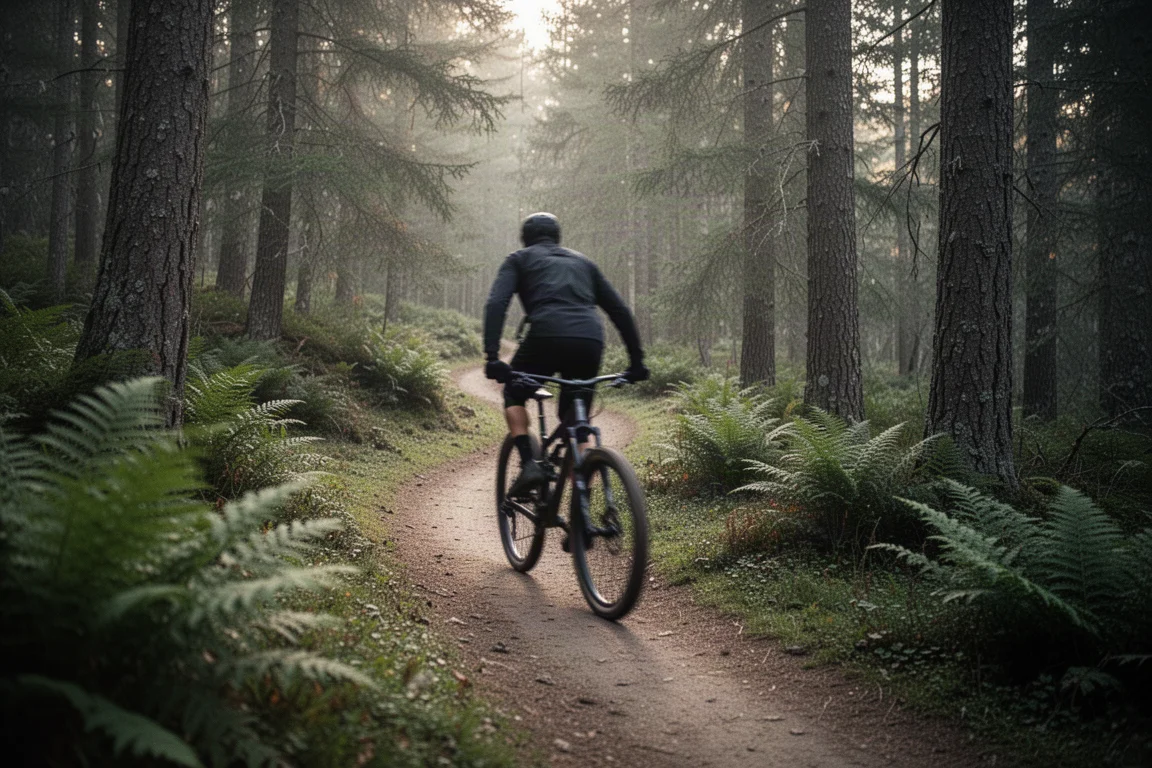
The camera body is tiny and light, and the magnetic mount sits against the chest so it stays out of the way. Compared with a chest harness and a larger camera, it is quicker to put on and far less bulky. The clamshell case protects the camera, tops up the battery between sessions, and opens into a small tripod for tabletop filming.
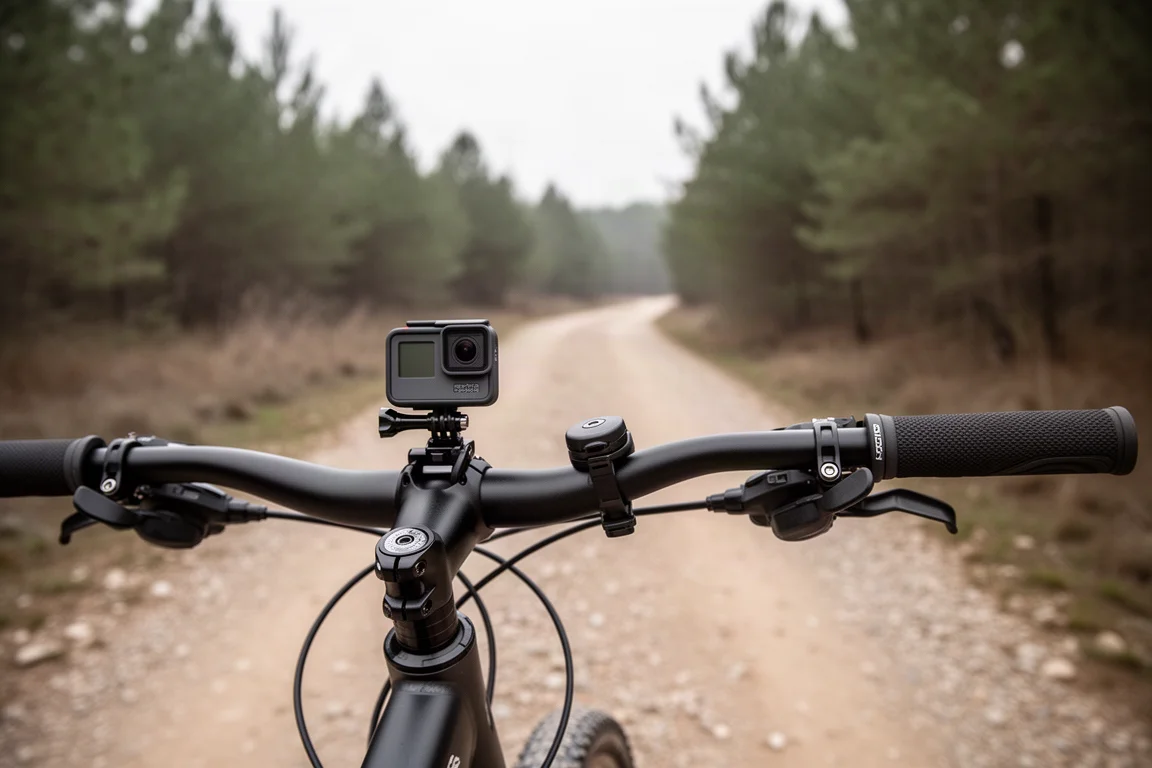
Additional mounts broaden what you can shoot: a case with a standard action camera mount for existing tripods, a handlebar mount, and a case with a small handle plus a sticky pad for attaching the camera to the bike. The body is fully waterproof, so rain, splashes, puddles and water sports are not a problem.
One mounting quirk is worth knowing before you buy. When you lean far forward over the bars, the camera can end up angled down at the bike rather than at the trail ahead, so you may need to adjust the mounting angle to keep the ride in frame.
Video Quality and Stabilization
Footage is recorded at up to 1440p, which is lower than the 4K and higher resolutions that larger action cameras offer. In practice the detail is good, colors are well saturated, and the camera holds up in shaded woodland as well as in brighter, open conditions. Stabilization is the standout: clips come out smooth and steady, and it compares closely with the stabilization found on larger cameras. That smoothness matters more than raw resolution for most handheld and ride footage, because it keeps clips watchable without extra processing work afterward.
Things to Consider Before Buying
The camera is simple to live with, but the compromises are real and consistent across everyday use.
Living Without a Rear Screen
There is no rear screen, which is exactly why the camera is so small. You cannot preview a shot or confirm the angle before recording. The case includes a small menu screen, but it is for settings rather than for framing. Larger action cameras with front and rear screens make it much easier to check that a helmet, chest or bar mount is aimed correctly.
To keep operation simple, the camera uses a single front button. Presses cycle through modes, and the smartphone app lets you configure what each press does. Setting one press to open a preferred video mode makes the camera quick to start, though you still have to trust the angle rather than check it.
Price and Value
Pricing sits around £300 in the UK, which is close to what a discounted larger action camera costs. That is a lot for a camera that records at 1440p and has no preview screen. The value argument rests on size, weight, the mounting system, the included accessories and the app experience rather than on specification alone.
Buying Advice
Buy this camera if the small size is the point. It suits anyone who wants quick, easy clips of rides, runs, hikes and time outdoors, and who is happy to edit on a phone and work without a preview screen.
Think twice if your priority is maximum resolution, or if you regularly need to frame fast, technical descents precisely, since a larger camera with screens handles that job more comfortably. The app-based workflow keeps setup light either way. The camera is intuitive enough that you can charge it, mount it and start recording without reading a manual, then edit the clips on your phone and return the camera to its case to recharge. If the footage you want is mostly casual and personal, that simplicity is likely to be worth more than the missing resolution.
Conclusion
The Insta360 GO 2 earns its place through size and ease of use rather than through specifications. Footage is clear and exceptionally well stabilized, mounting is quick and flexible, and the app makes editing straightforward. The lack of a preview screen and the 1440p ceiling are genuine limits, so it is best understood as a convenient camera for casual adventures rather than a direct replacement for a full-size action camera. If portability is your main concern, this is an easy camera to recommend. If resolution and framing control come first, a larger camera is the better choice.
Product link
View more details for Insta360 GO 2
This product is mentioned in the review. Check the specifications, options, and compatibility before buying.
View more details for Insta360 GO 2Further reading
Related Reviews
Action Cameras
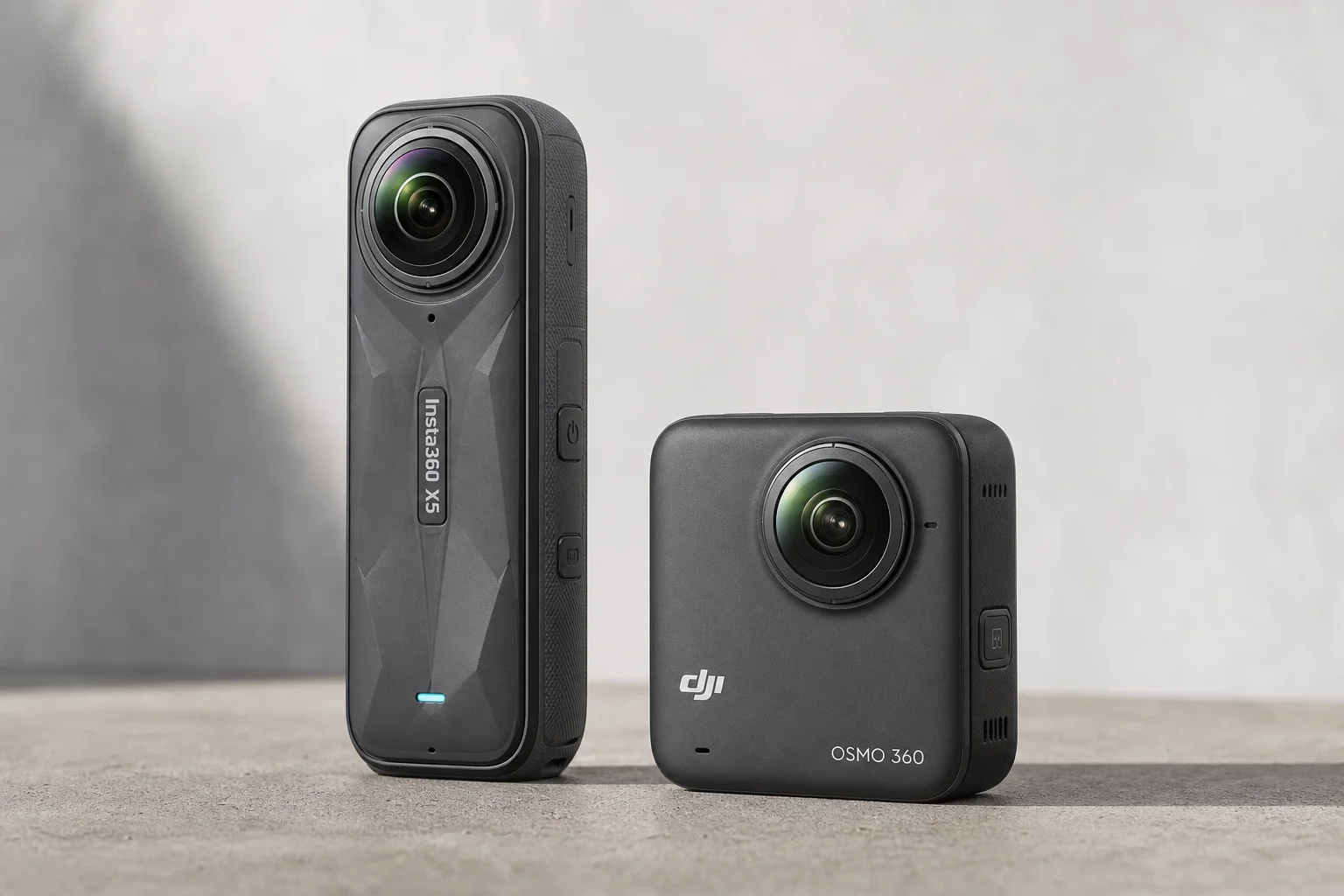
360 Cameras for Adventure Motorcycling: Insta360 X5 vs DJI Osmo 360
Two 360-degree action cameras designed for off-road and adventure riding. A detailed comparison of features, stabilization, and real-world performance for motorcycle touring.
Action Cameras
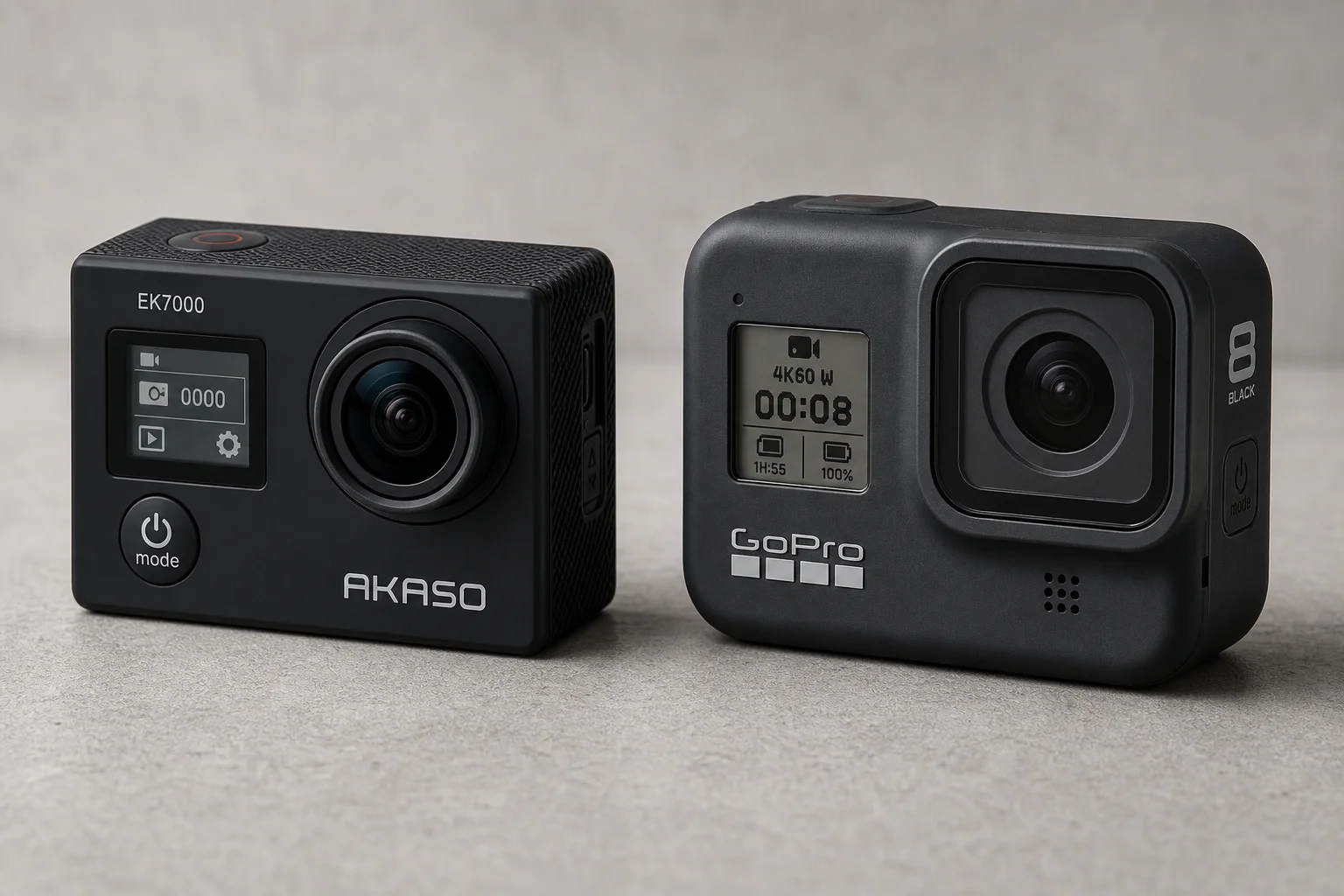
Akaso EK7000 vs GoPro Hero 8 Black: Budget Action Camera Tested
A $50 budget action camera faces off against the GoPro Hero 8 Black. Here's how the Akaso EK7000 really performs in video, audio, and photo quality.
Action Cameras
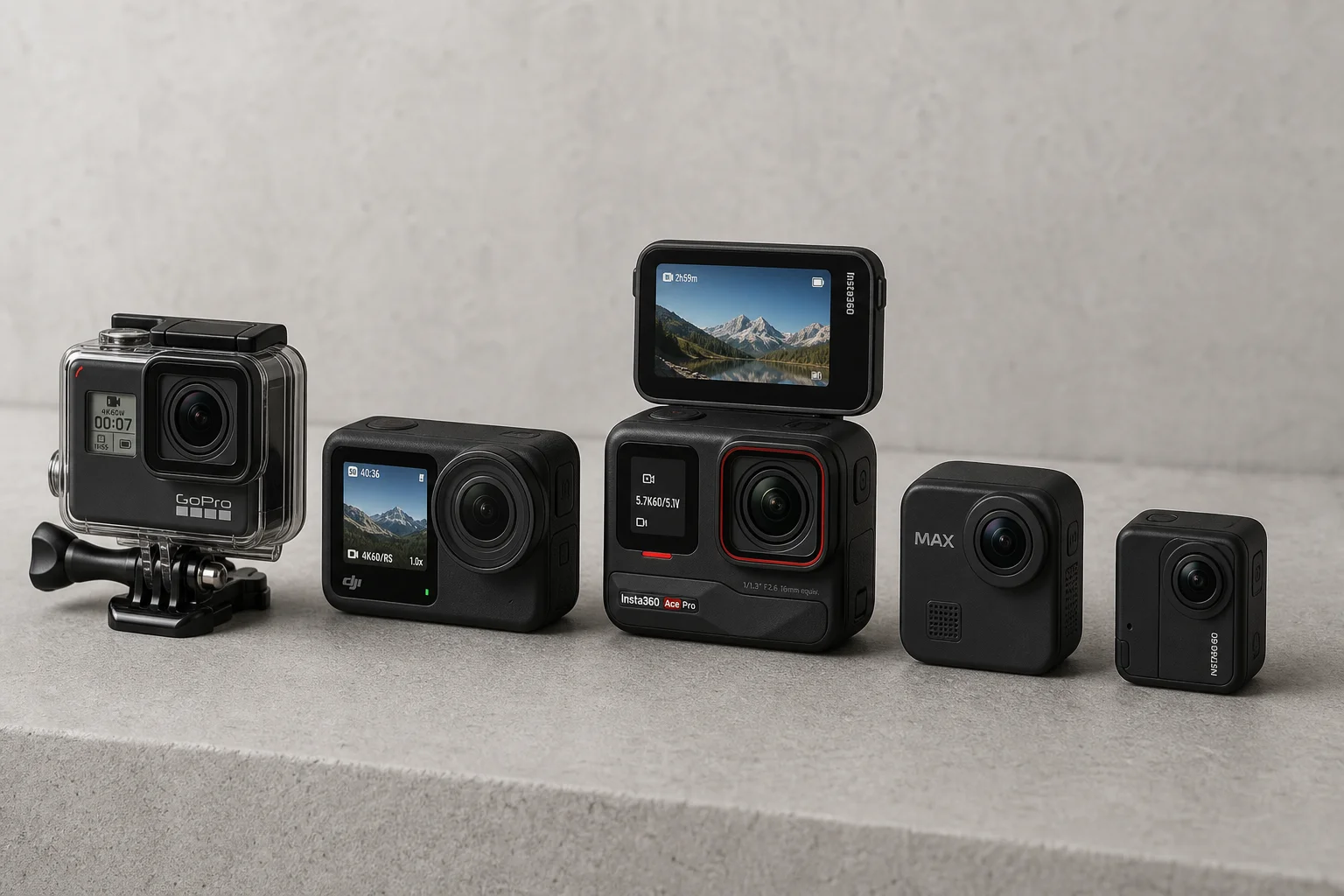
Best Action Cameras 2026: Five Top Picks Ranked
A comprehensive ranking of five action cameras from budget-friendly to premium, covering durability, video quality, stabilization, and low-light performance.