Cycling Gear
Insta360 Bike Mounts and Cameras for Filming Bike Rides
A practical roundup of the Insta360 X4, Ace Pro, and two bike mounts that make filming a ride simpler, steadier, and more flexible.
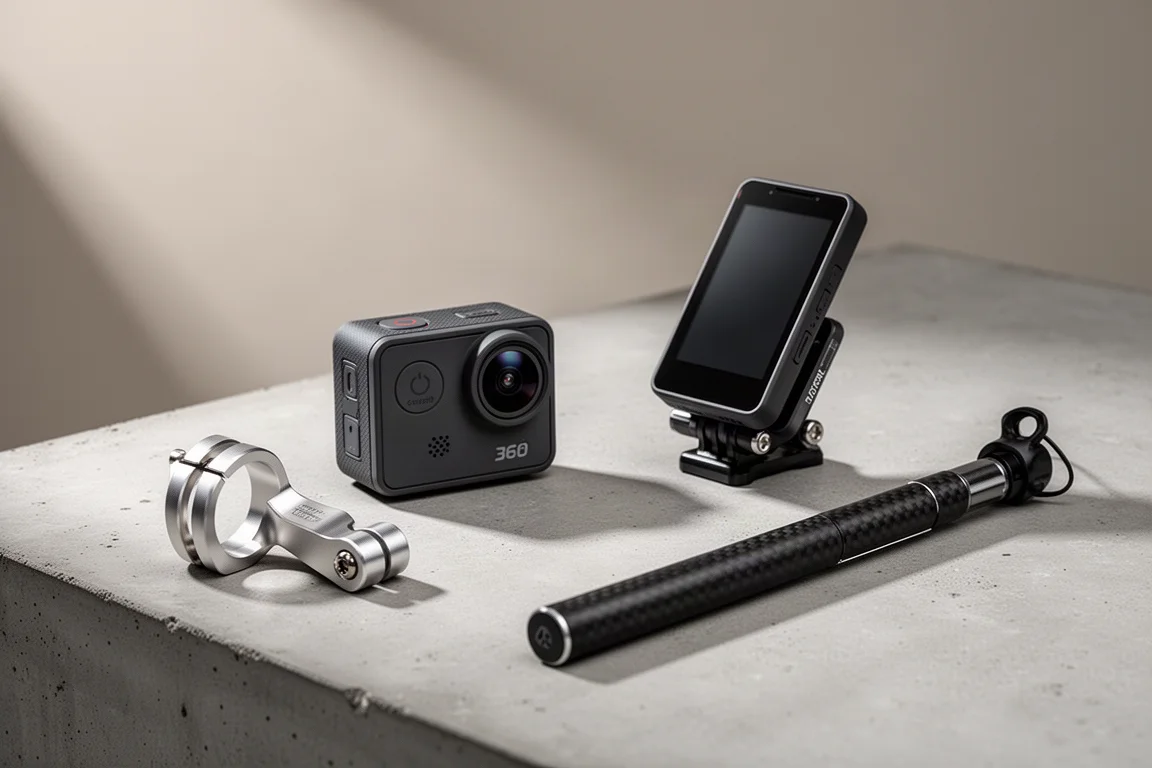
Introduction
Few tools have changed how bike rides get filmed as much as a 360 camera. Instead of committing to a single framing at the moment of capture, a dual-lens camera lets you mount the unit on the bike, the body, or the helmet and decide the composition afterwards in the smartphone app or on the desktop. That flexibility matters when the view in front of you and the view behind you are both worth keeping, and it makes editing far quicker for whatever platform the footage ends up on.
The catch has always been mounting. A camera that shifts, rattles, or works loose is worse than no camera at all. Two new mounting options from Insta360 address that problem directly, and they sit alongside two cameras that make the most of them.
What These Insta360 Bike Mounts Solve
Modern race and gravel bikes increasingly use a one-piece carbon fibre handlebar. It looks clean and it is aerodynamically efficient, but it leaves almost nowhere to attach a light, a computer, or a camera. Many of those bars do include two bolts underneath, originally intended for a computer mount, and that is the foundation the Insta360 bike computer mount is built on.
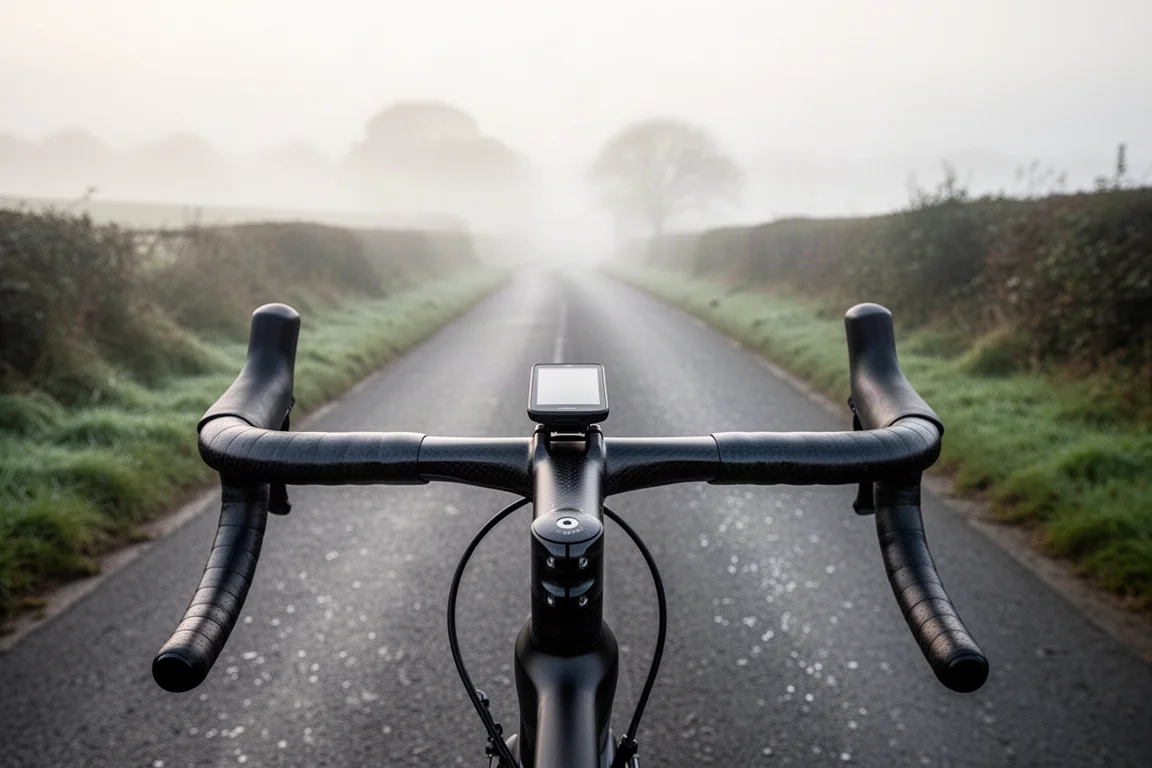
The result is a single, tidy attachment point that can carry a Garmin or Wahoo computer and an Insta360 camera at the same time, with an optional GoPro-style mount underneath for a light or a second camera. For riders who want their cockpit to stay uncluttered, that combination is the whole appeal.
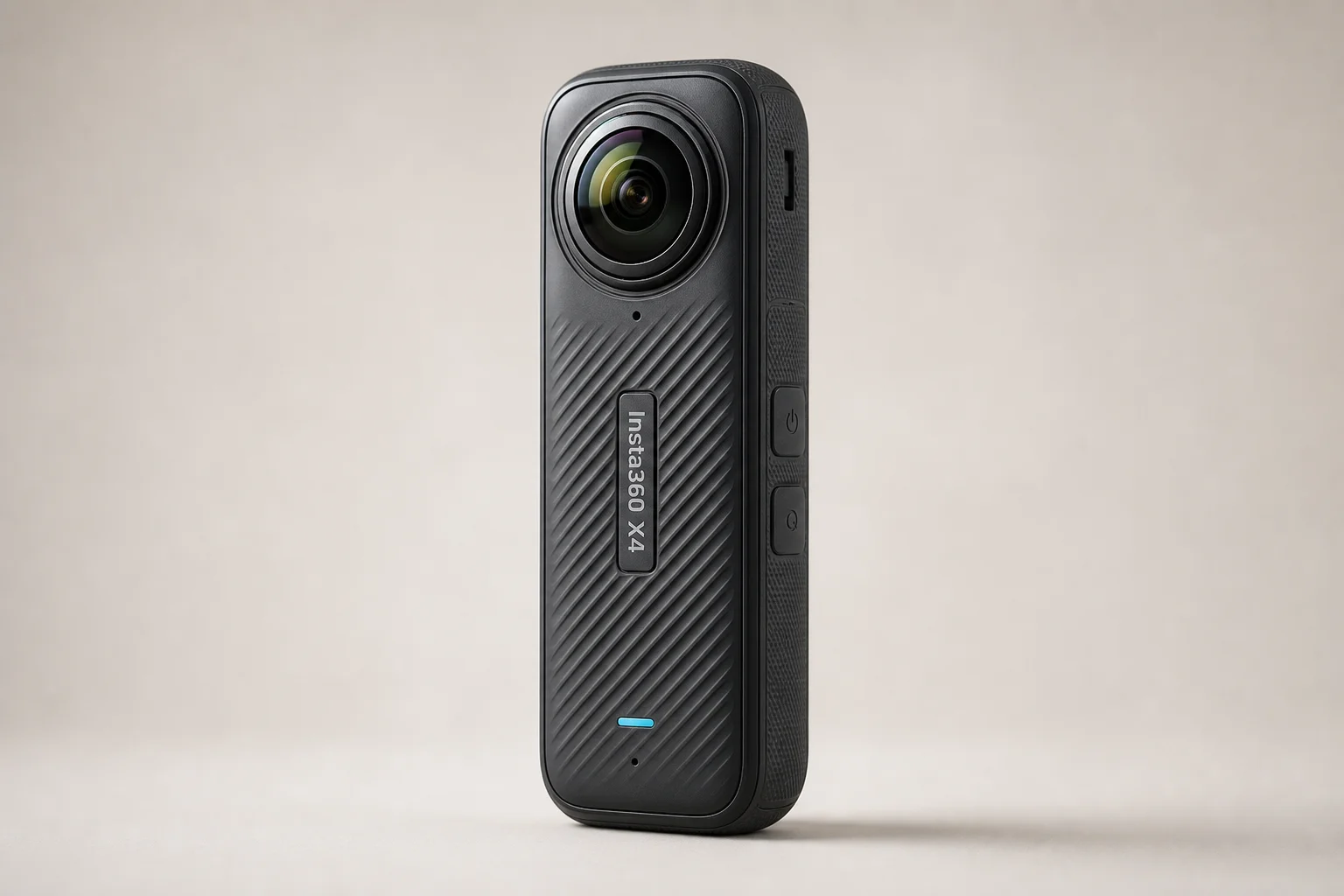
Insta360 X4
The X4 is the camera that makes this setup worthwhile. Two lenses capture what is happening in front of the rider and behind at the same time, so a single mount position produces footage that can be re-framed later into a forward shot, a rear-facing shot, or anything in between.
That changes the way a ride is filmed. There is no need to stop and reposition a camera to get a different angle, and no risk of discovering afterwards that the best moment of the descent was framed badly. The X4 is a fairly hefty camera, which is worth knowing before pairing it with a lightweight mount, but it is the reason the mounting hardware exists in the first place.
Insta360 Ace Pro
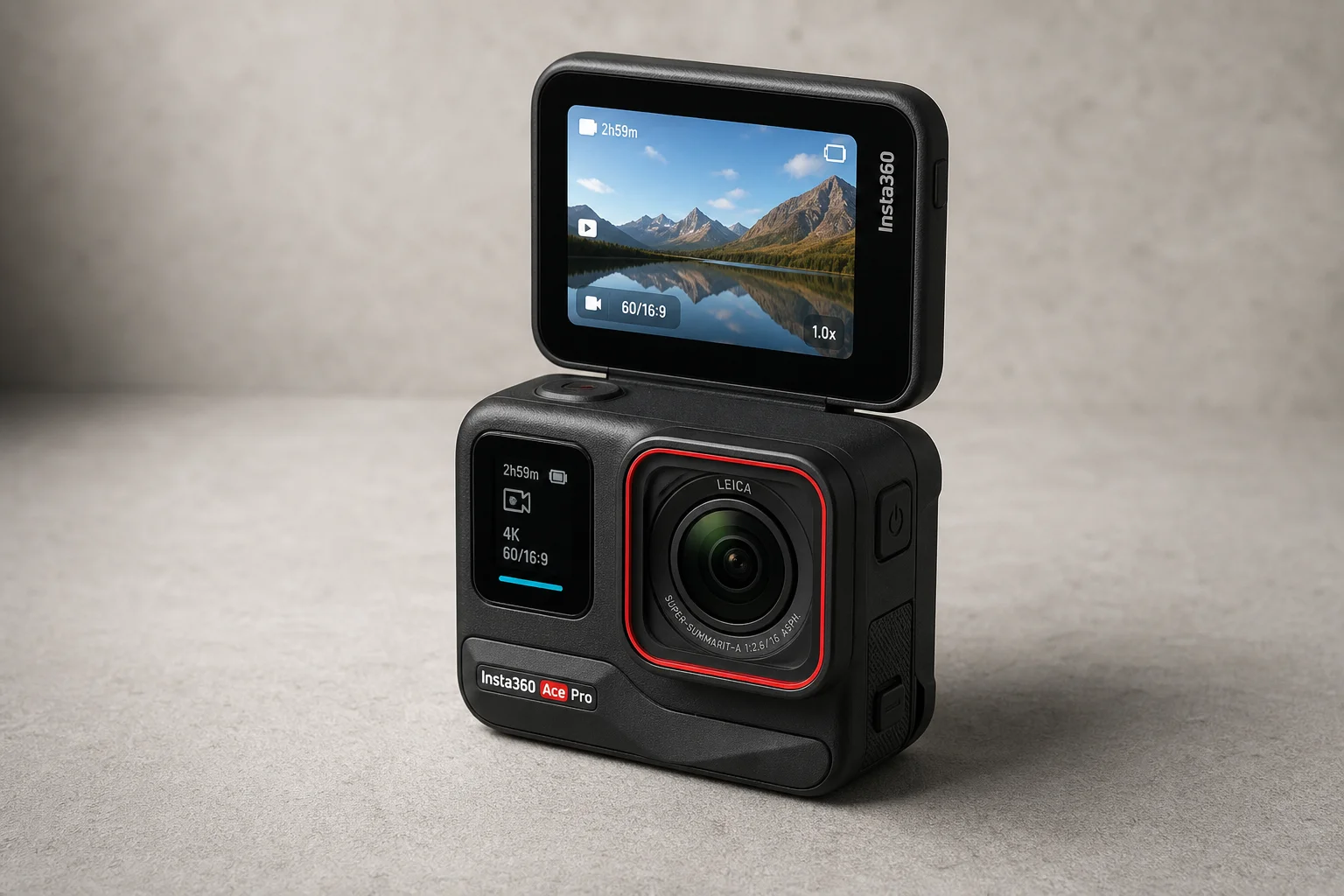
Alongside the X4, the Ace Pro handles the more conventional side of ride filming, including talking to camera while riding. Wind noise is the usual enemy of that kind of footage, and the workaround here is refreshingly low tech: stick-on wind muffs fitted over the camera’s microphones cut the noise down enough to record without an external microphone.
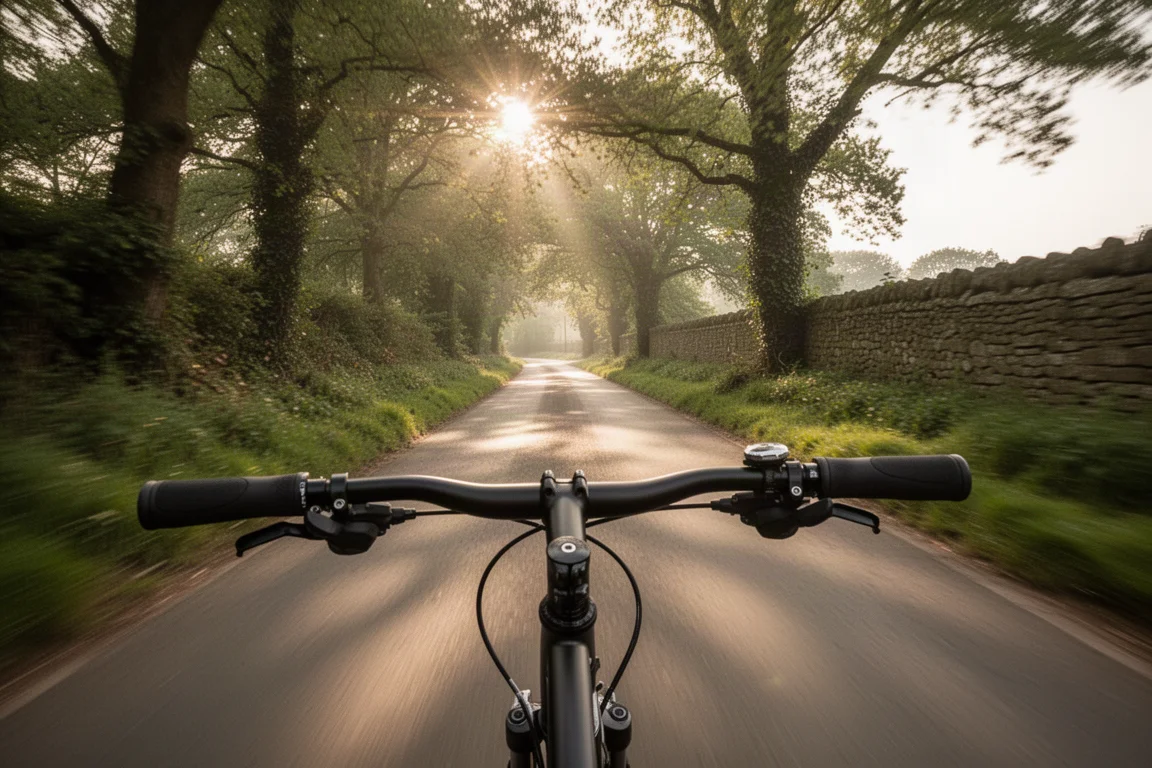
They look a little odd on the camera, but the trade is straightforward. Clean audio without extra kit is worth more than a tidy silhouette, and the muffs can be removed whenever they are not needed.
Insta360 Bike Computer Mount
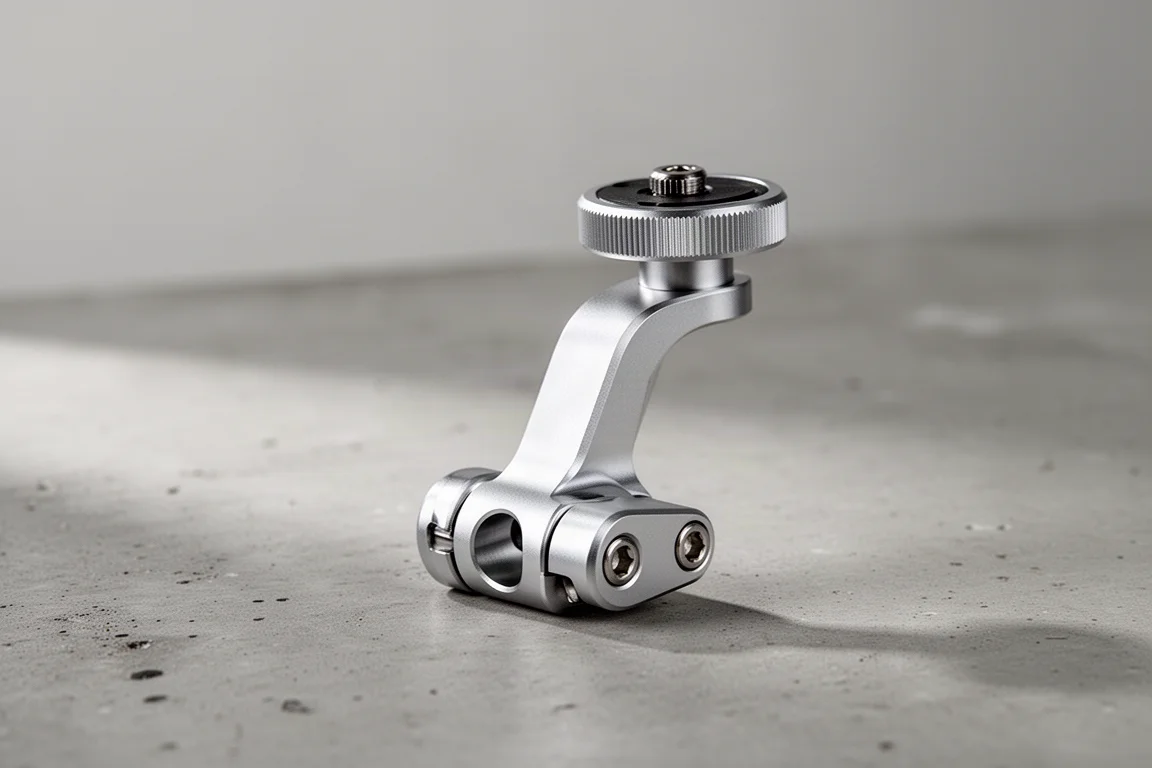
The bike computer mount is a small aluminium part with a lot going on. Two slots bolt it to the handlebar with a useful range of fore and aft adjustment. A separate two-bolt interface holds a Garmin or Wahoo computer, and swapping between the two takes seconds. On the front, the X4 screws into place, and a turn dial sets the camera angle exactly where it is wanted.
Underneath, an optional GoPro-style mount can carry a second camera or a light bracket for commuting in the dark. The whole assembly is light, feels well made, and has held up well over extended use.
The load figures are worth noting. Insta360 claims the mount supports up to 500 g and handlebar speeds up to 60 kph, and it has held firm well beyond that in testing. On rougher surfaces it can bounce a little, and the mount is not recommended for bumpy roads, so smooth gravel and dirt roads are a more sensible fit than technical terrain.
Insta360 Third Person Bike Tail Kit
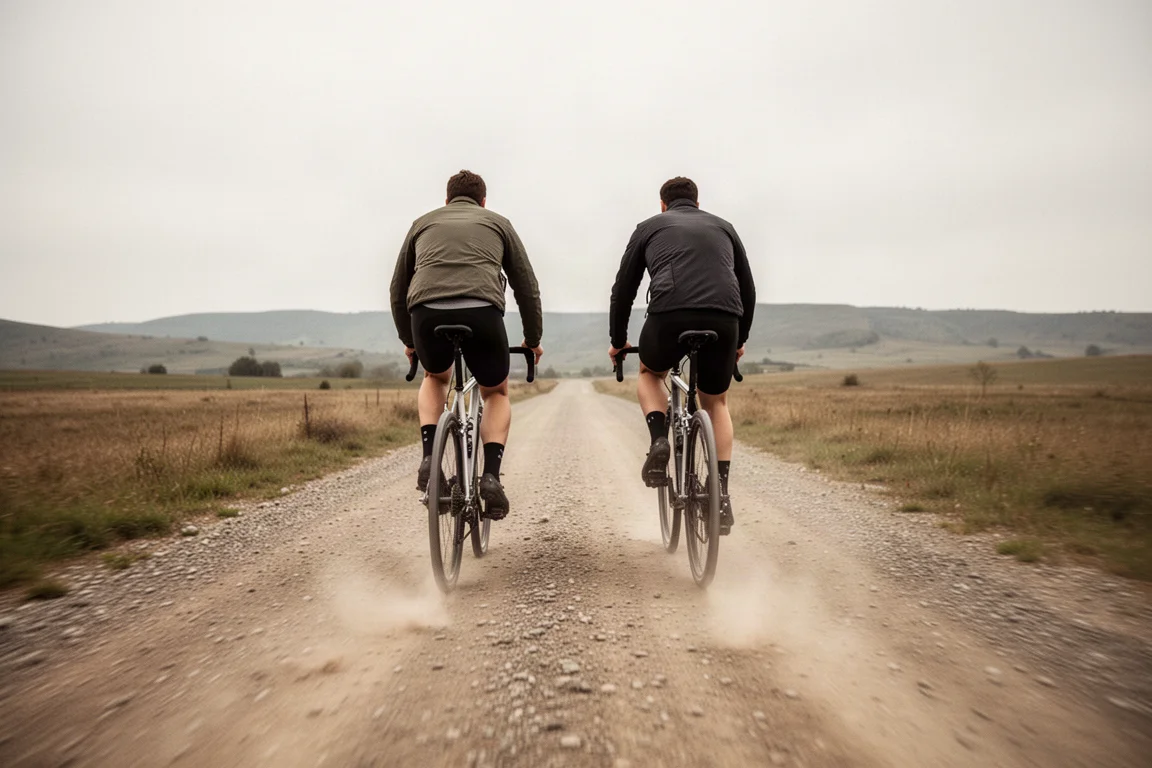
The third person bike tail kit tackles the angles an out-front mount cannot reach. It comes in two parts. The first is a rail mount that attaches to the saddle rails and holds a camera underneath, so the X4 or the Ace Pro films from behind. Fitted to a friend’s bike while riding behind them, it produces a tracking shot that shows what the rider is doing and how fast the terrain is passing.
The obvious drawback is mud. The rear wheel throws spray straight at the lens, and on wet ground that means cleaning the camera more often than anyone would like.
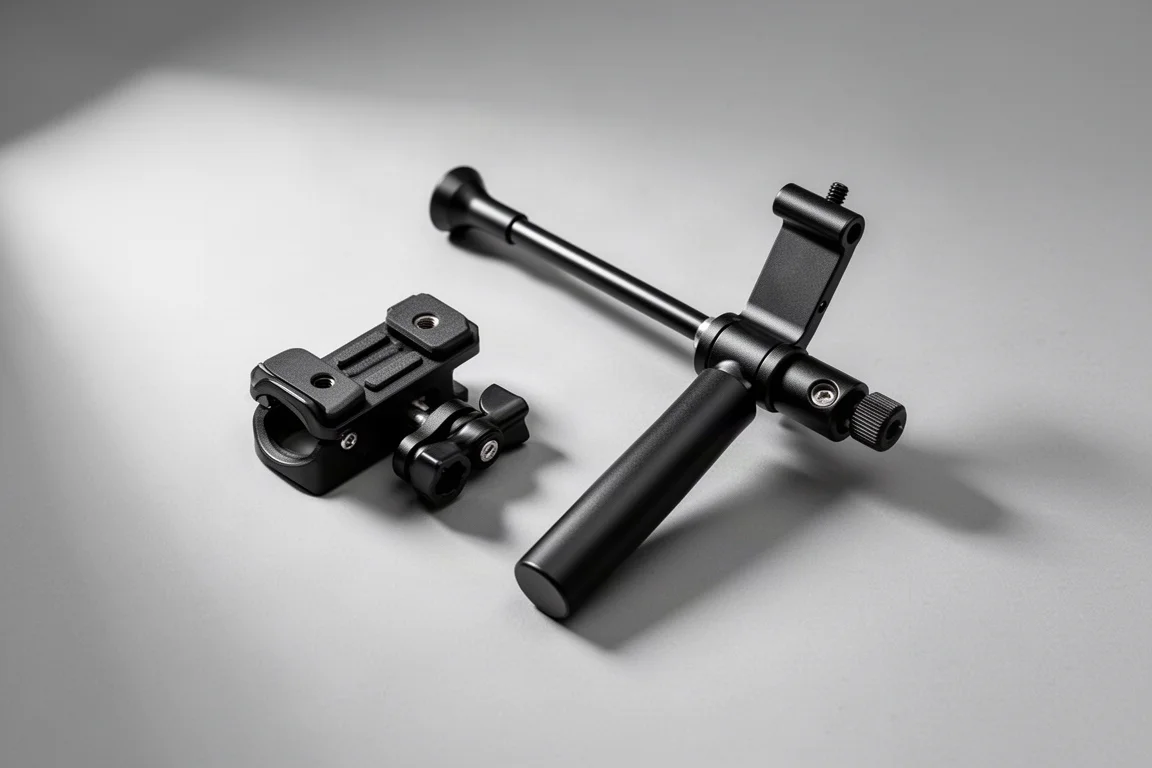
The second part of the kit is a bracket that bolts to the seat post and braces a selfie stick between the post and the saddle rails. Fully extended, it creates a convincing fake drone effect. Drones are expensive and can be crashed, so a selfie stick that never leaves the bike is a practical alternative, even if fitting it takes more time than the out-front mount.
Mounting Compatibility to Check First
Both mounts depend on what is underneath the handlebar. The computer mount needs the two-bolt pattern found on many one-piece carbon bars. Bikes that use a proprietary single-bolt arrangement, such as the Canyon Aeroad with its Gear Groove, cannot take it.
For bikes without a one-piece handlebar, Insta360 also offers a version that bolts to the stem face plate. That is the one to look at if the standard two-bolt setup is not present.
Overall Buying Advice
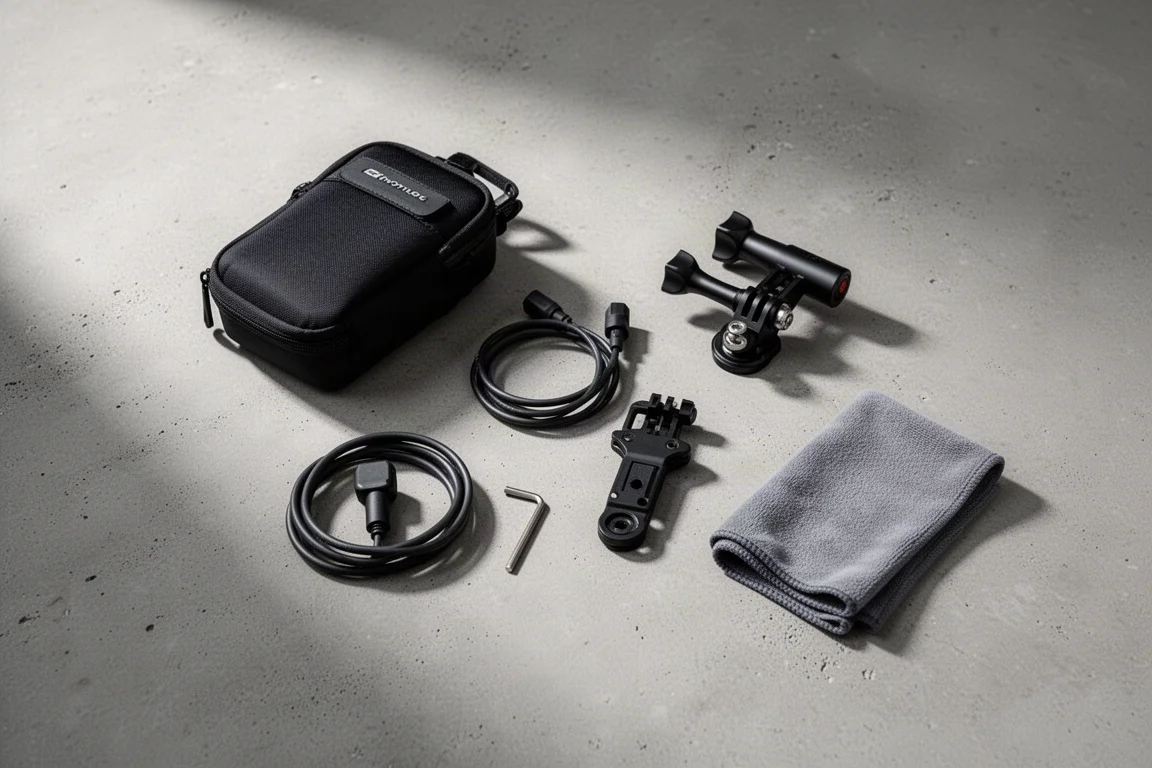
Start with the handlebar. If it has two bolts underneath, the out-front mount is the simplest way to carry a computer, a camera, and a light from one attachment point, and the adjustable dial makes it easy to set the camera angle for the road ahead. If the bar uses a single proprietary bolt, the stem face plate version is the alternative.
Then decide what kind of footage matters most. The X4 earns its place if re-framing after the ride is the priority, because one mount position can produce several different shots. The Ace Pro suits riders who talk to camera, particularly with stick-on wind muffs handling the audio. The third person tail kit is the one to add for following shots and selfie-stick drone angles, as long as mud spray and a slightly longer setup time are acceptable.
None of this is complicated, but it is worth matching the hardware to the bike before buying. Get that right and filming a ride stops being a compromise.
Conclusion
Ride filming has come a long way. A camera that captures every direction at once, mounted securely on a bike that was never designed to carry one, is a genuinely useful combination for anyone who wants to bring home footage worth watching. The two mounts here solve the practical side of that equation, and the two cameras show what the hardware is capable of.
Check the handlebar, pick the mount, and choose the camera that matches how you ride.
Further reading
Related Reviews
Cycling Gear
8 Cycling Products Riders Keep Coming Back To
Eight cycling components and accessories with clear strengths, honest trade-offs and long-standing reputations among riders and mechanics.
Cycling Gear
Aero Helmets and Bottle Setups Tested: Six Options Ranked by Measured Watt Savings
Wind tunnel data on six aero helmets and bottle setups, with real watt savings, practical trade-offs, and guidance on what is worth buying first.
Cycling Gear
Aero Road Bikes and Fast Tires Worth Watching in 2026
Four aero road bikes and one fast road tire, with the real strengths, the open questions, and what to check before you buy.