Action Cameras
Insta360 Ace Pro 2 vs DJI Action 5 Pro: Which Action Camera Earns a Spot in Your Bag
A detailed look at the Insta360 Ace Pro 2's hardware and software upgrades, and how it stacks up against the DJI Action 5 Pro for everyday shooting.
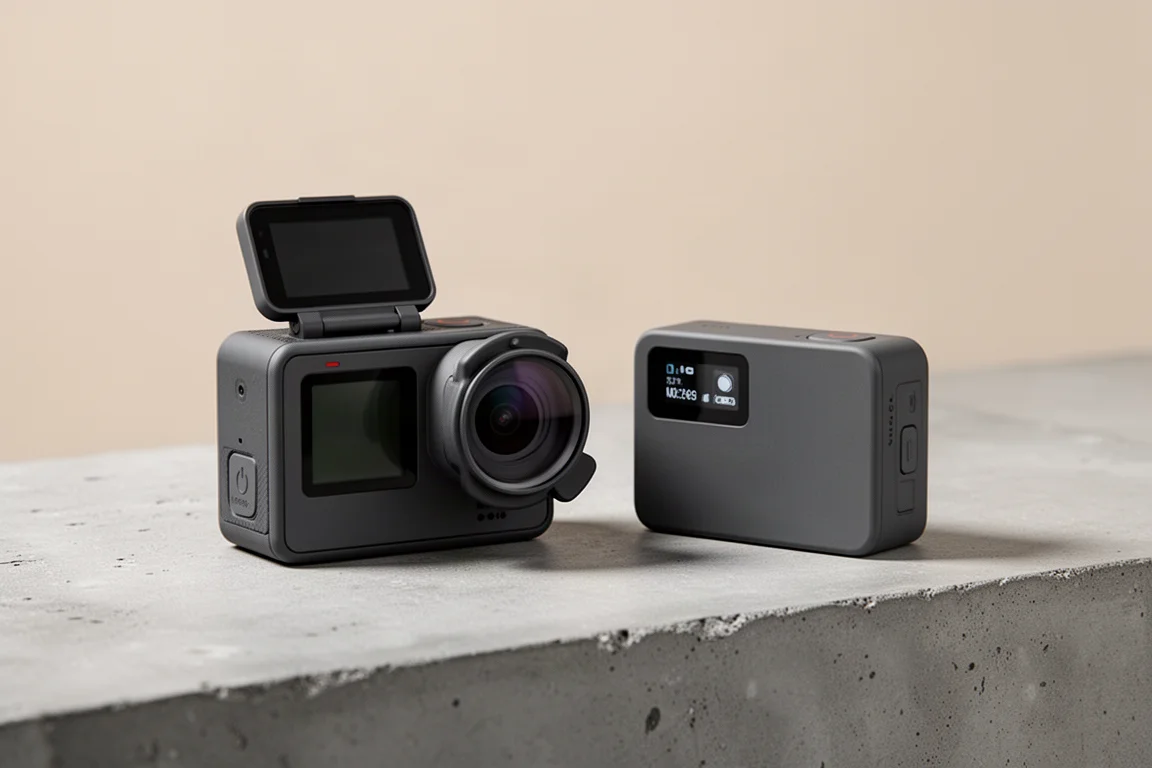
Introduction
The Insta360 Ace Pro 2 arrives with a long list of hardware and software updates, and the obvious question is how many of them actually matter when you are filming. Placed against the DJI Action 5 Pro, which shares the same underlying sensor but makes very different processing choices, it becomes easier to see who each camera is really for. This breakdown walks through the meaningful changes, where each camera excels, and where both still fall short.
Hardware: What Has Actually Changed
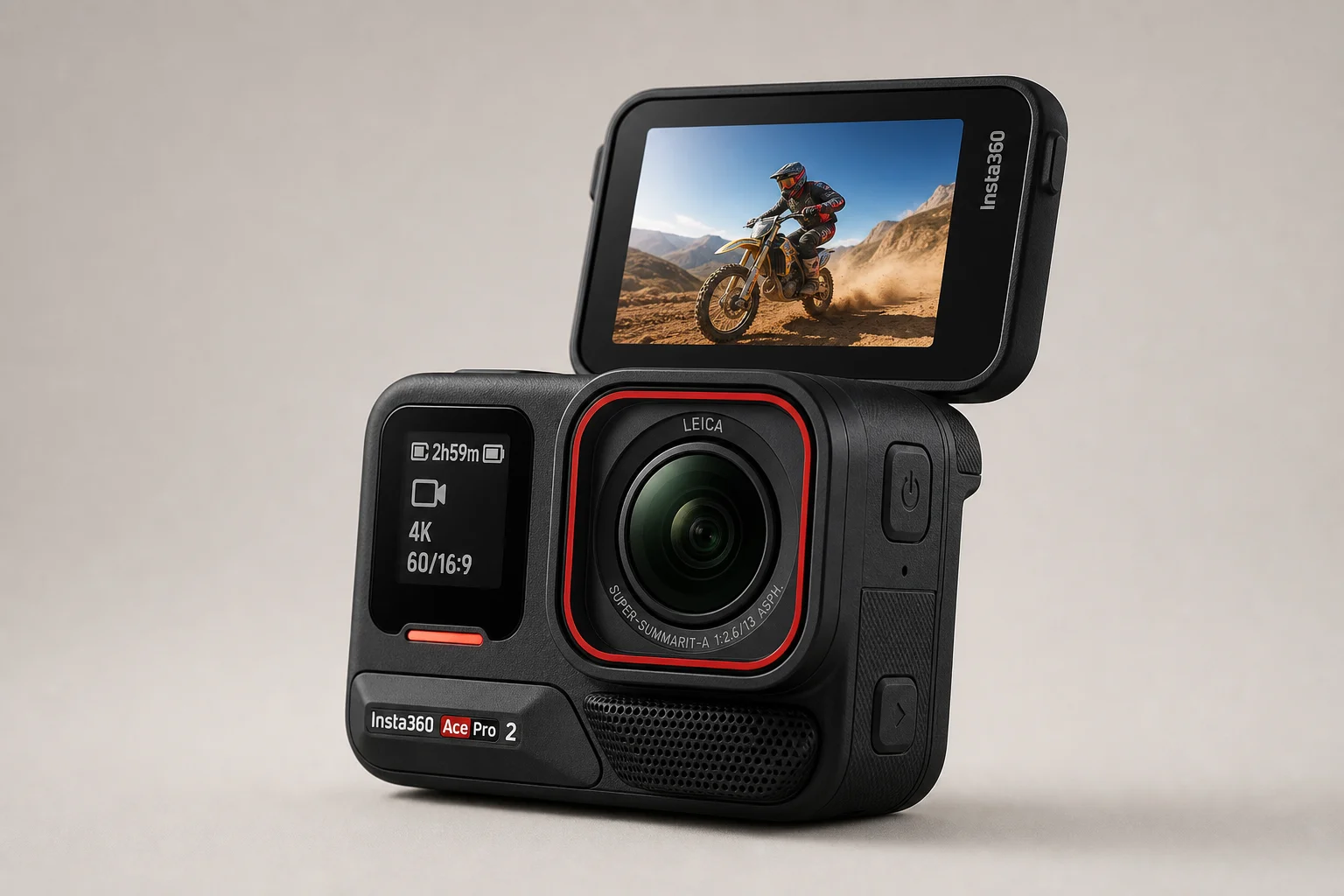
The headline hardware change is a secondary chipset added alongside the original Ace Pro chip, handling tasks like denoising, clarity, and dynamic range so the main processor is not overloaded. The field of view also expands from 151 degrees to 157 degrees, which is noticeable on chest mounts where the original Ace Pro felt restricted. GoPro still offers a taller field of view in its 8x7 mode, so the Ace Pro 2 does not fully close that gap.
The sensor itself remains a 1/1.3-inch unit, the same one DJI uses in the Action 5 Pro. The key difference is that DJI limits that sensor to 4K capture while Insta360 pushes it to 8K, running custom firmware to control both resolution and image processing.
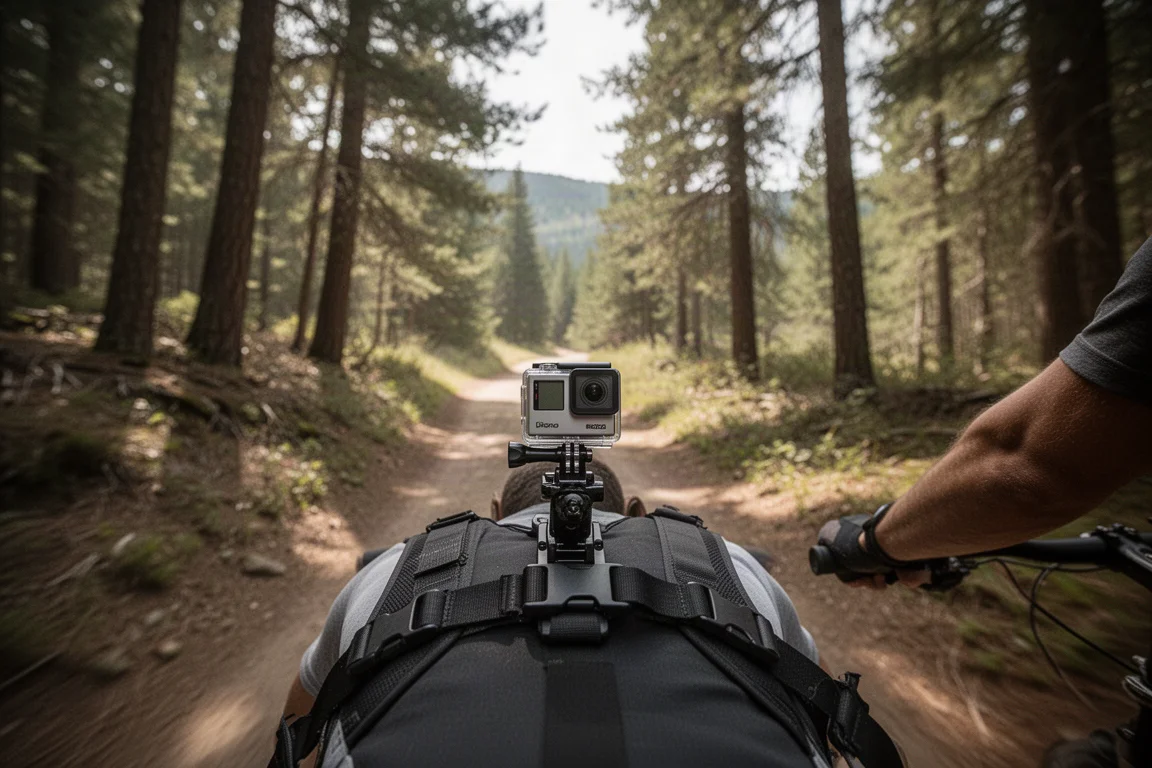
Battery capacity grows from 1,650mAh to 1,800mAh, with the batteries staying interchangeable between the two Ace generations. Swapping batteries across cameras occasionally caused startup glitches in testing, with the camera needing a few extra presses to power on. Reverse charging is a genuinely useful addition: with an 1,800mAh cell, you can top up a phone from the camera’s USB-C port in a pinch.
The flip-up screen grows from 2.4 to 2.5 inches, with 70% higher pixel density and slightly brighter output. It is rated for 50,000 hinge cycles, double the previous figure. The trade-off remains the small status-only front screen, which cannot preview footage, making the flip-up screen cumbersome for gloved action scenarios.
Audio: Removable Windguard and USB-C Mic Support
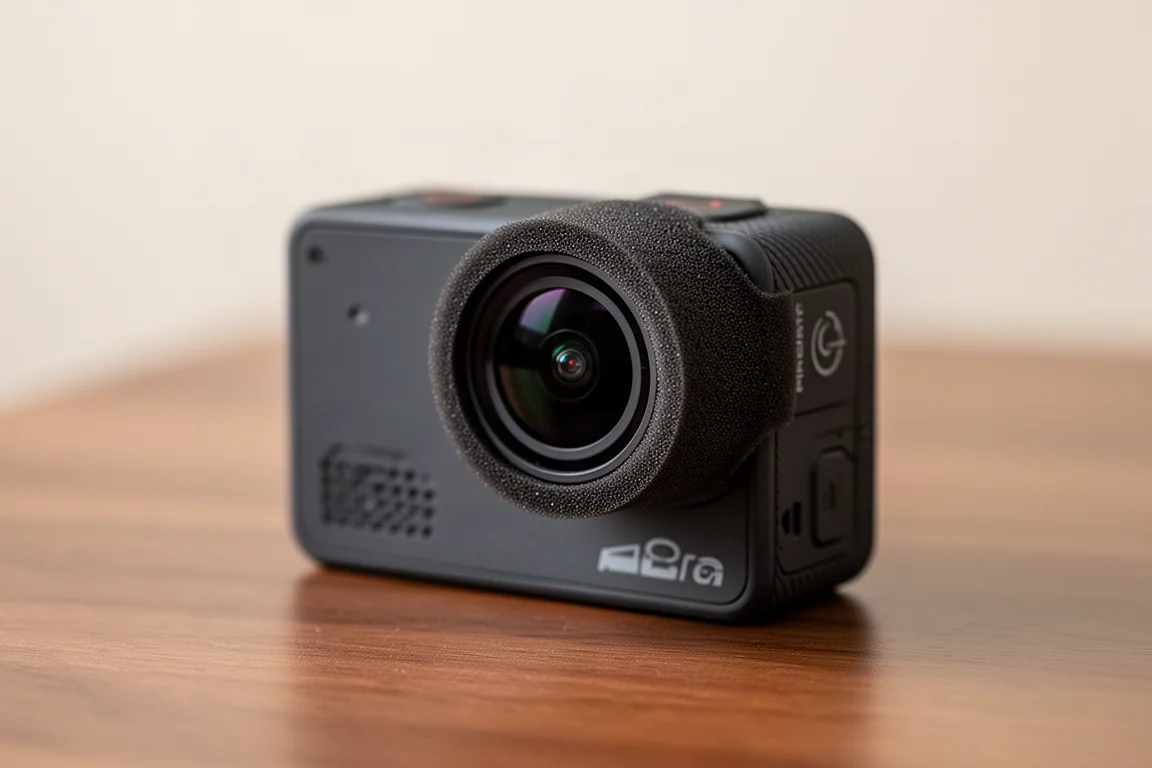
The new removable windguard uses internal foam to cut wind noise without relying on software reduction across the three microphones. It can stay on in the water; you just need to let the foam dry for a few hours before expecting good audio quality, or swap back to the standard mic cap.
USB-C microphone support is a quietly excellent upgrade. You can plug a DJI wireless receiver directly into the camera for better reception and quality than Bluetooth pairing, and crucially you get multichannel support, with two mics feeding a receiver into the camera versus only one Bluetooth mic at a time.
Imaging: 8K, 4K, and What Matters in Practice
8K recording moves from 24fps to 30fps. Insta360 itself concedes that 8K is not really an action mode; it is a marketing-driven feature. Where it is genuinely useful is scenery: shoot 8K of a landscape and crop down to sharp 4K in post, something the Action 5 Pro cannot match from a 4K source. For actual action, 8K shows more artifacting than you would expect, and most shooting still belongs in 4K. A GoPro-style middle resolution option would have made the daily workflow easier.
Low Light: 60fps Night Video
Dedicated low light mode jumps from 30fps to 60fps, and both Insta360 and DJI remain far ahead of GoPro at night, which still has no dedicated low light video mode. Between the two, Insta360 generally reproduces the scene more faithfully and retains detail better, while DJI tends to brush detail away and artificially brighten areas. That said, DJI wins in some scenes: on a bridge shot, Insta360 got the lower half right but added brightness to the sky that simply was not there.
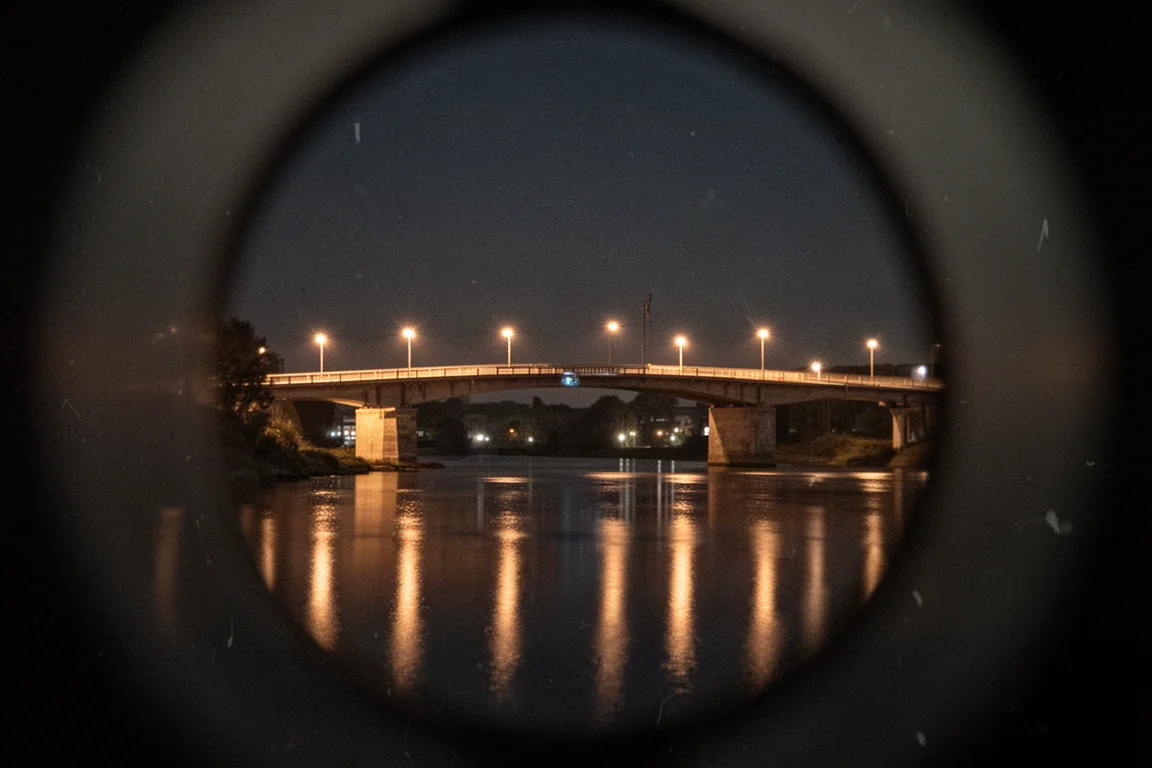
One honest piece of advice: do not buy an action camera for its night footage if you mainly shoot in daylight. Buy for the scenarios you actually use.
Daytime Quality and Underwater Mode
In daylight, GoPro still reproduces colors and overall scene feel more true to life than either Insta360 or DJI, whose output tends to look more popped. The underwater mode on the Ace Pro 2 is the clearest illustration. In bright midday sun just a couple of meters down, both Insta360 and DJI render skin tones noticeably too dark, and DJI blacks out clear transparent goggles entirely. GoPro comes far closer to the actual brightness of the scene, even if its highlights run slightly hot. If you are posting stylized clips to social media, the darker look may appeal, but it is not rendering the scene correctly.
Practical Extras: Data Overlays and Dash Cam Mode
The smaller features add real everyday value. Mega View blends the ultra-wide view with linear for less edge distortion. A new endurance battery mode for 4K30 trades wind reduction and some stabilization for 50% more battery life, ideal for tripod use. Log video arrives, but only 8-bit rather than 10-bit, which will disappoint some. In-camera horizon lock keeps the horizon level while the camera rotates, and stills resolution creeps from 48 to 50 megapixels with no visible difference. Timecode support helps multi-camera productions, pre-recording extends to 90 seconds at 1080p and 120 seconds at 4K versus roughly 30 seconds for competitors, and a dash cam mode starts recording automatically when power is applied.
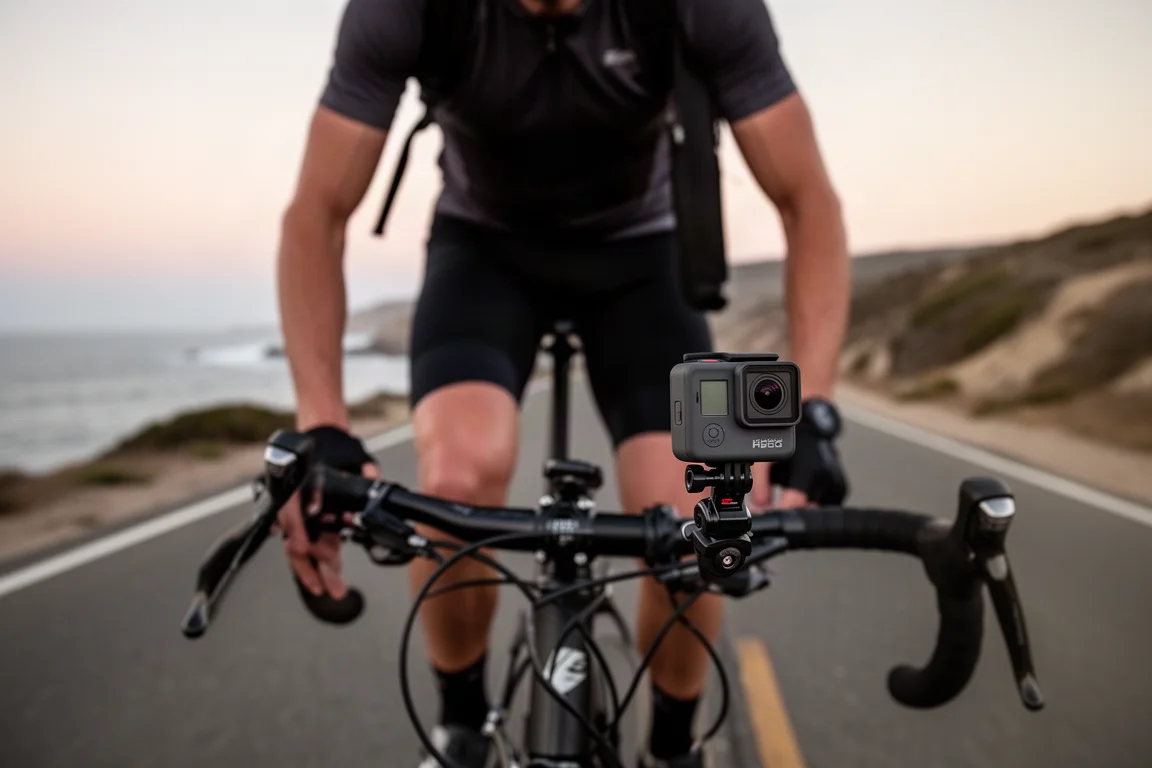
For sports users, the Ace Pro 2 can now pull activity data recorded in the Insta360 app, overlaying speed, distance, and GPS metrics onto footage without needing a separate GPS device, joining an already best-in-class automatic watch and bike computer overlay system.
Buying Advice
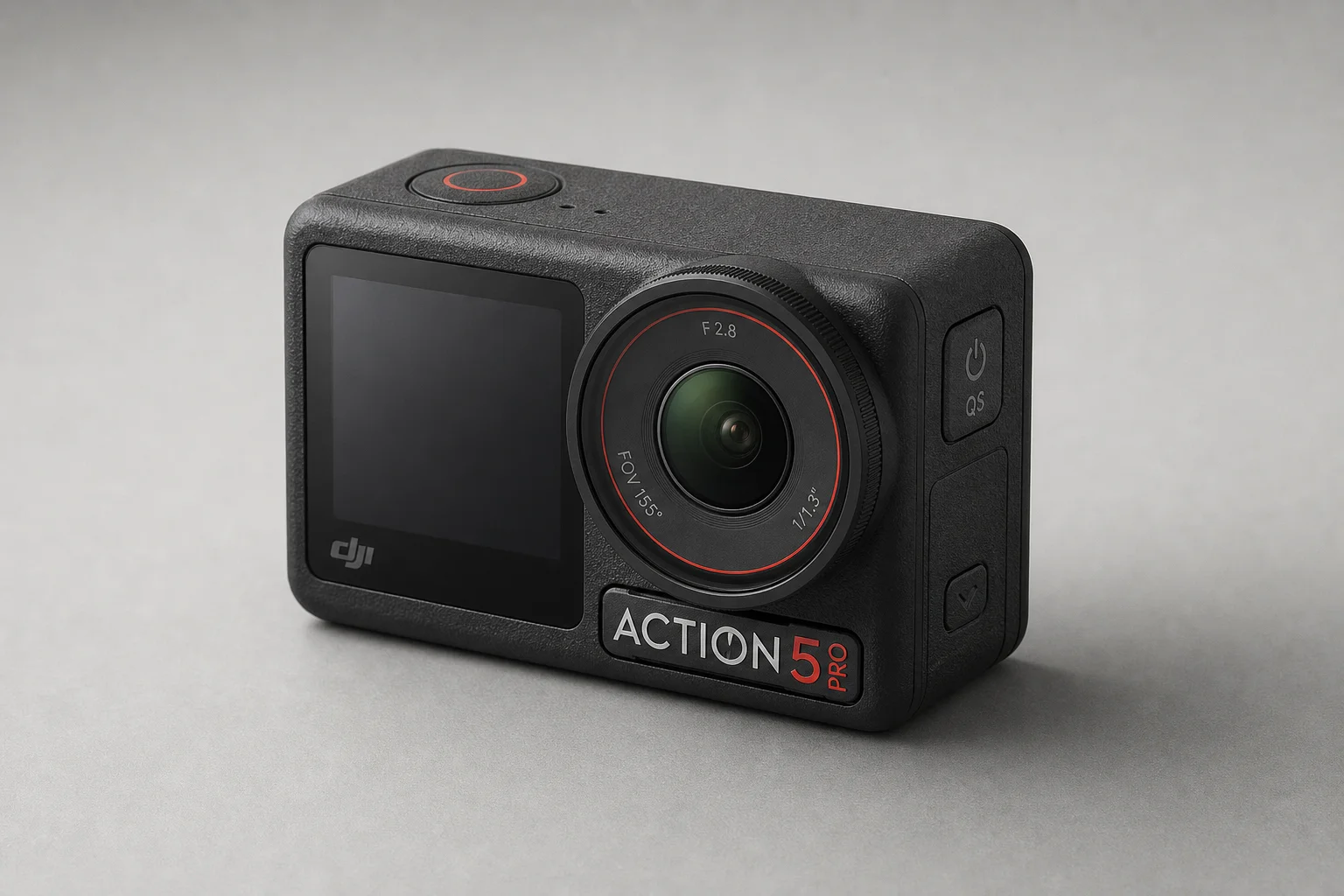
The DJI Action 5 Pro shares the same sensor but caps at 4K, offers a depth gauge underwater, and delivers its own strong night performance, though it darkens details and cannot disable its HDR behavior. Choose it if you value a cleaner low-light look and underwater depth readouts. Choose the Ace Pro 2 if you want 8K flexibility for landscape cropping, reverse charging, better audio options, and the strongest sports data overlay implementation available. Both beat GoPro at night, while GoPro still leads on true-to-life daytime color.
Conclusion
The Insta360 Ace Pro 2 stacks practical, usable features on top of solid hardware, and the wider field of view makes it a viable daily driver where its predecessor was not. 8K30 is more marketing than necessity, but the flexibility it enables is real. Paired with the DJI Action 5 Pro’s strengths in low light and underwater features, this generation gives buyers two genuinely strong options, with the right choice depending on whether you prioritize workflow conveniences or simplified imaging modes.
Further reading
Related Reviews
Action Cameras
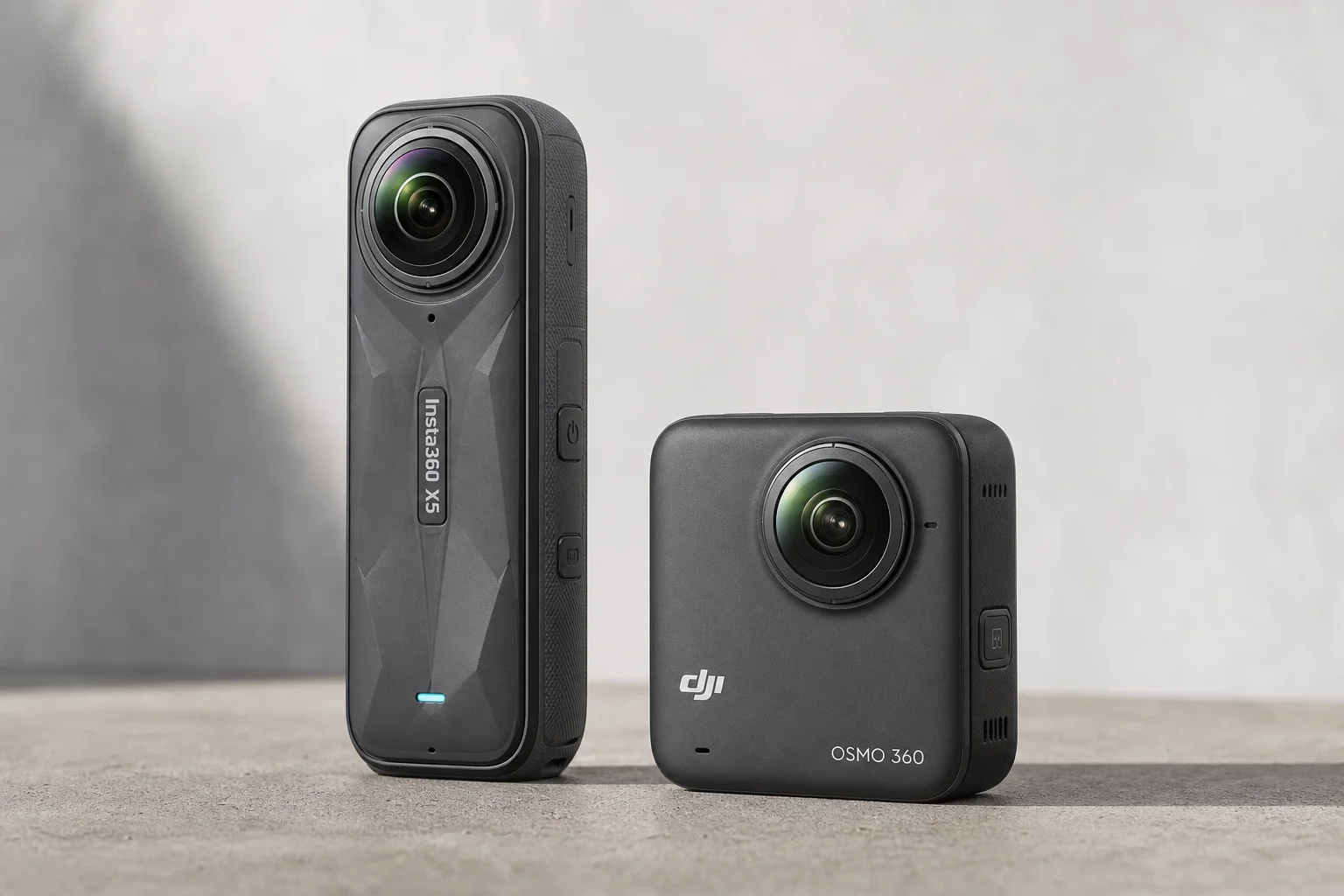
360 Cameras for Adventure Motorcycling: Insta360 X5 vs DJI Osmo 360
Two 360-degree action cameras designed for off-road and adventure riding. A detailed comparison of features, stabilization, and real-world performance for motorcycle touring.
Action Cameras
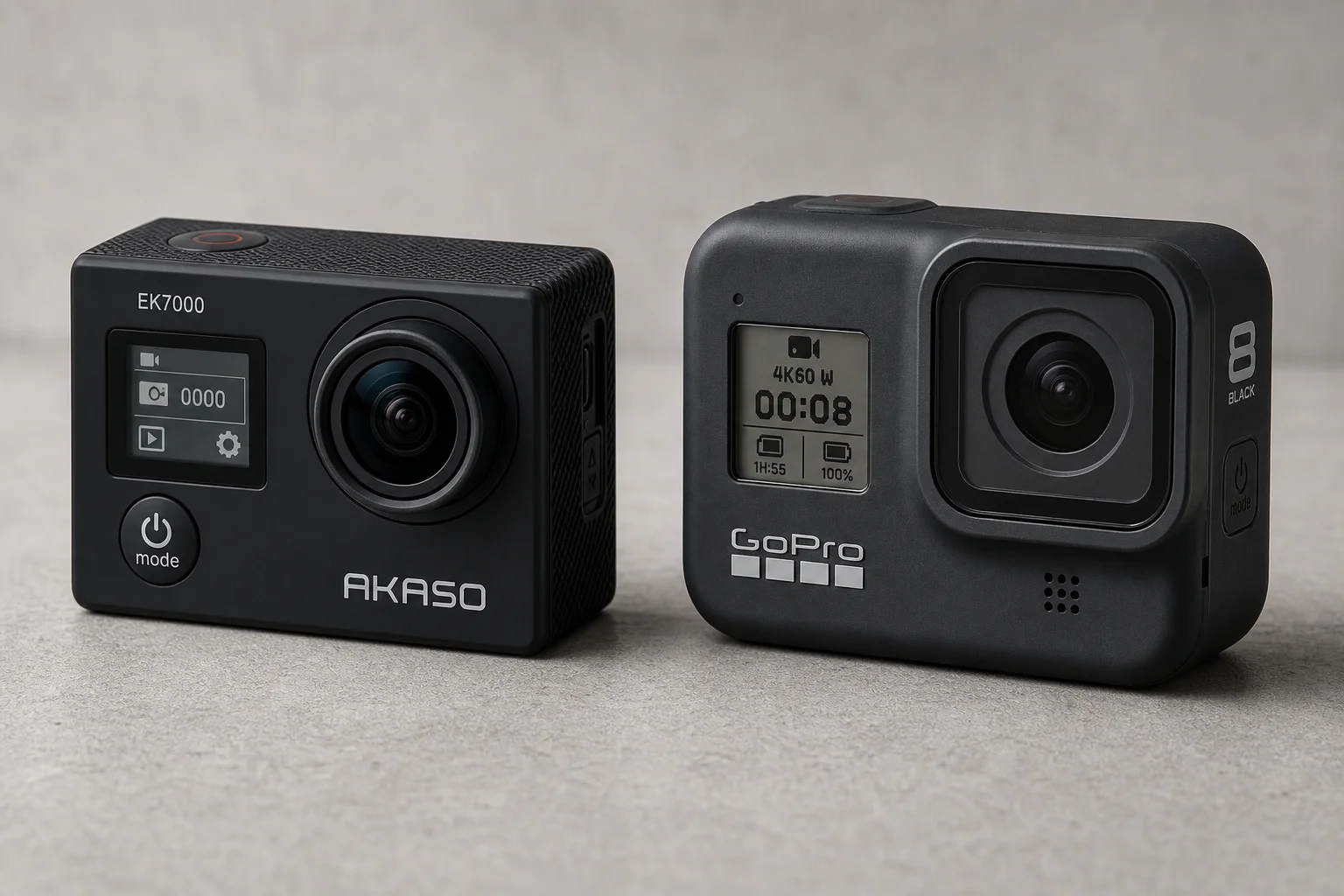
Akaso EK7000 vs GoPro Hero 8 Black: Budget Action Camera Tested
A $50 budget action camera faces off against the GoPro Hero 8 Black. Here's how the Akaso EK7000 really performs in video, audio, and photo quality.
Action Cameras
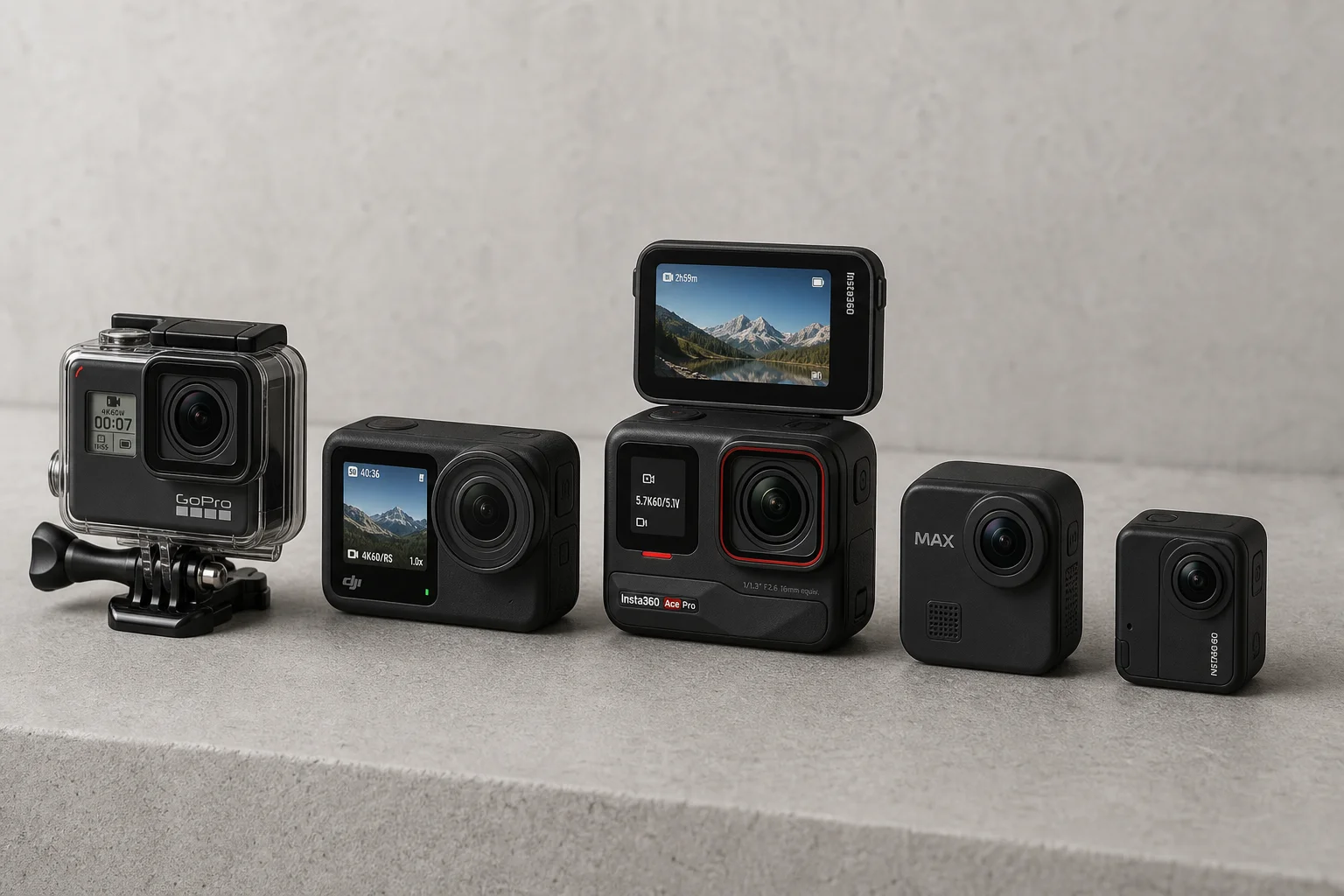
Best Action Cameras 2026: Five Top Picks Ranked
A comprehensive ranking of five action cameras from budget-friendly to premium, covering durability, video quality, stabilization, and low-light performance.