Cycling Gear
Insanely Expensive Bike Products: 12 Premium Upgrades Worth Wanting
A roundup of high-end cycling gear, from race tires and carbon wheels to tool kits, storage and travel cases, with honest notes on where the money actually goes.
Introduction
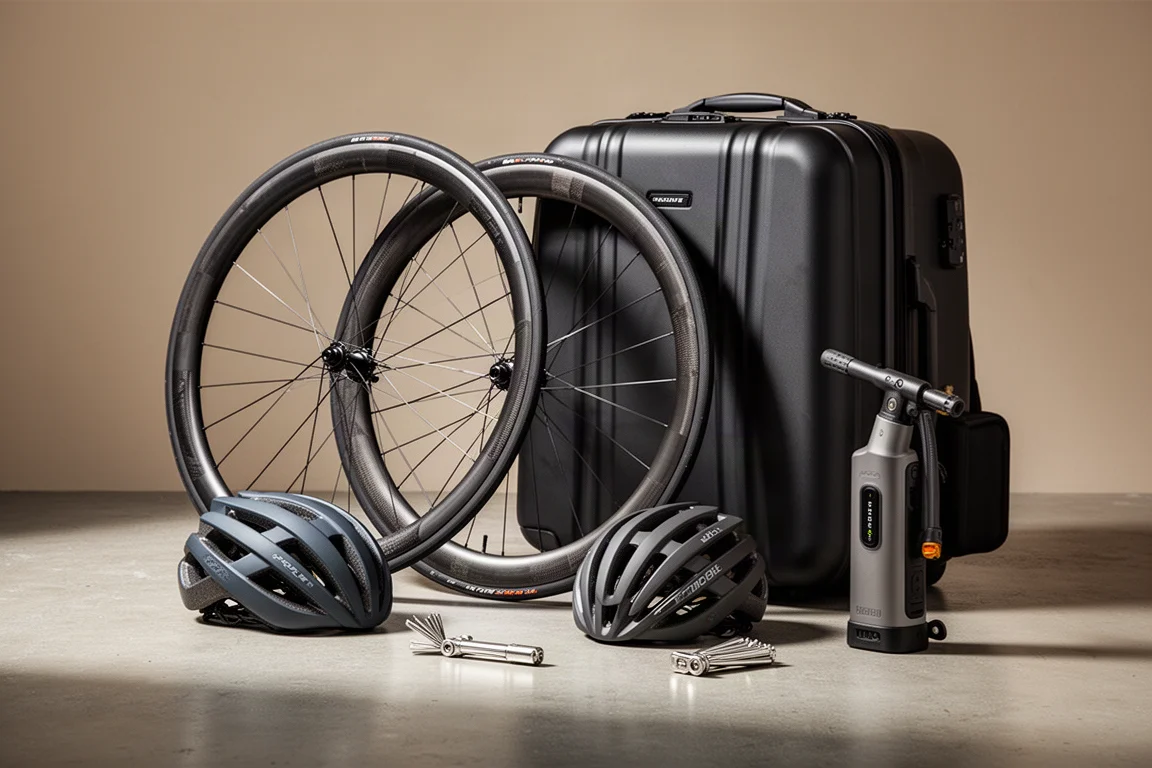
Most riders do not need any of the products in this roundup. That is the honest starting point. What follows is a set of genuinely high-end cycling items, each with a clear reason to exist and a price tag that reflects it. Some of them solve real problems. Others are pure indulgence. Knowing which is which is the whole point of a list like this.
Every product below earns its place on merit rather than placement, and the notes are just as useful if you are only window shopping as they are if you are building a dream bike.
What You Are Actually Paying For
Above a certain price, cycling components stop being about function alone. Tires get faster and more puncture resistant at the same time. Wheels shed grams and add aerodynamic efficiency. Helmets get lighter and cooler. Tools become more compact and more complete.
Helmets are the clearest example. Almost every helmet on sale passes comparable safety testing, so an expensive helmet does not protect your head more effectively in a crash. What you pay for is weight and ventilation. Weight matters more on your head than anywhere else on a bike, because anything mounted up there is felt through the neck. Airflow is the difference between a comfortable summer ride and a miserable one. Past the mid-range, those gains get smaller and more expensive.
Storage and travel gear sit in a different category again. There, you are paying for convenience: less time wrestling with straps in the rain, fewer scuffs on a bike that has to survive an airport. None of it makes you faster, and all of it can make riding easier to live with.
Continental GP5000: The Tire Many Riders Come Back To
The GP5000 has become the default road tire for a large number of riders, and the reason is balance. It is quick enough that racers are happy to use it, yet it offers meaningfully better puncture protection than the wafer-thin time trial options in the same family. Grip in the wet, ride feel and durability all sit in a sensible middle ground rather than chasing a single number. Continental describes it as an all-rounder, which is about right.
The family is broader than the name suggests. There is a standard clincher, an All Season version with more wet grip but a slower rolling speed, the tubeless-ready S TR, and a TT version built purely for speed. The standard tire is around £69 per unit, which is a lot for one tire and still the most affordable thing on this list.
Continental GP5000 S TR: The Same Character, Tubeless Ready
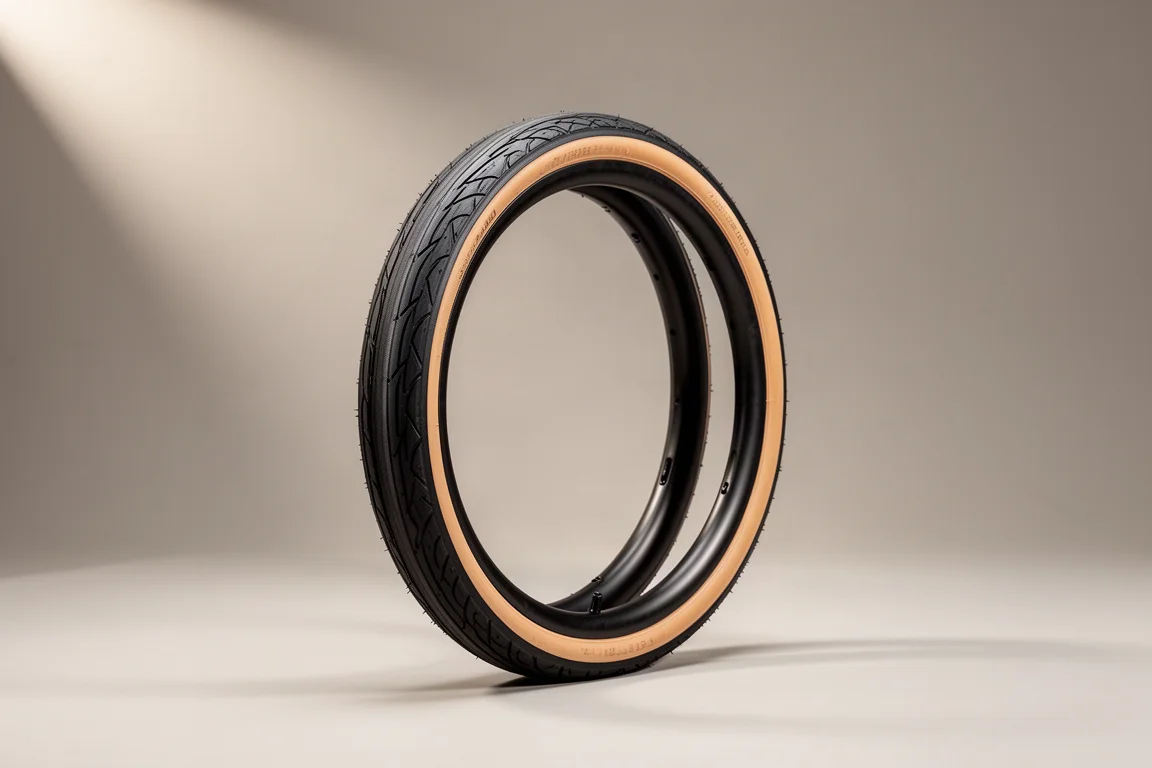
The S TR is the tubeless-ready member of the family and the version many riders choose for everyday road use. It keeps the same overall character while allowing lower running pressures and the puncture-sealing benefit of a tubeless setup. It costs around £80 per tire.
Mounting experiences vary. Some riders report a struggle with the latest tubeless iteration, while others fit them without drama on the right rim. In practice, a difficult tubeless install is usually a combination of one specific tire and one specific wheel rather than a fault in either. If a setup fights you, changing the tire or the wheel is often the quickest fix.
Muc-Off Mobile Pressure Washer: Cleaning Without a Hose
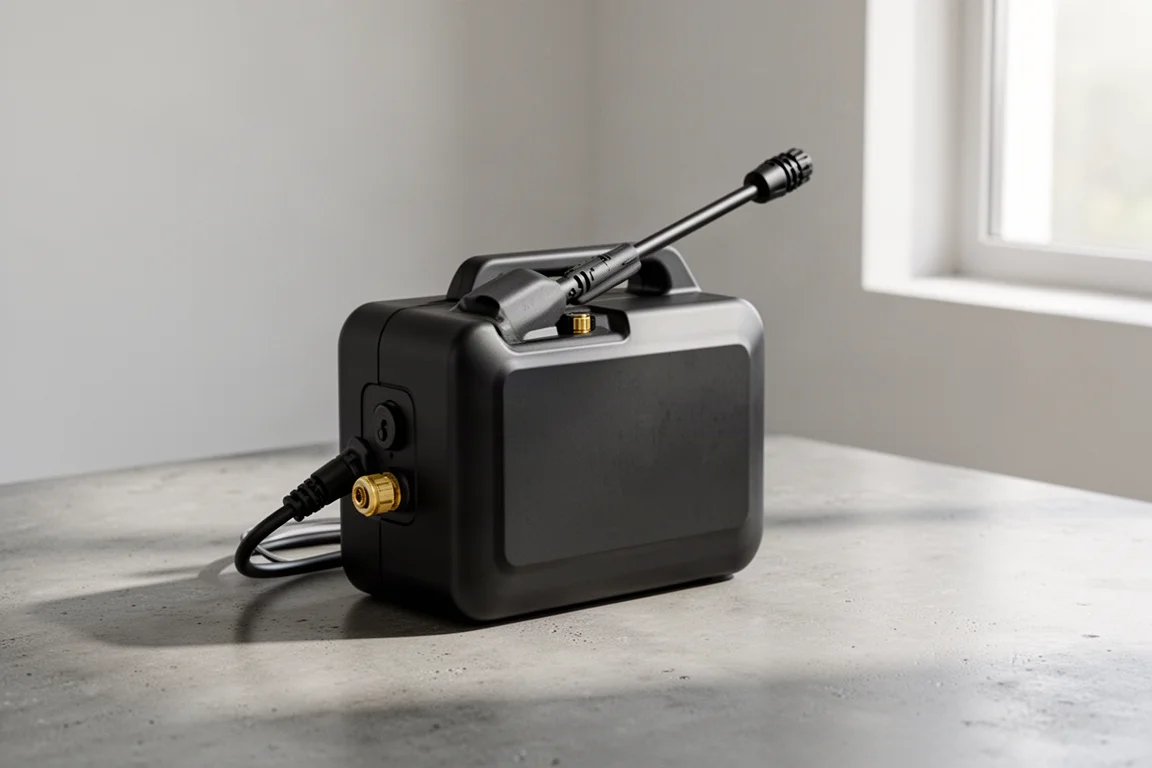
Most pressure washers assume you have a tap and a hose. This one does not. It is battery operated, portable, and draws from its own water supply, which makes it useful for anyone who needs to clean a bike without access to an outside tap.
It is powerful enough to shift mud properly, and that power is also the thing to respect. High-pressure water forced into bearings will push grease out of them, and that applies to any pressure washer rather than this one specifically. Keep the jet away from hubs, bottom brackets and headsets, and the machine is a genuinely useful tool.
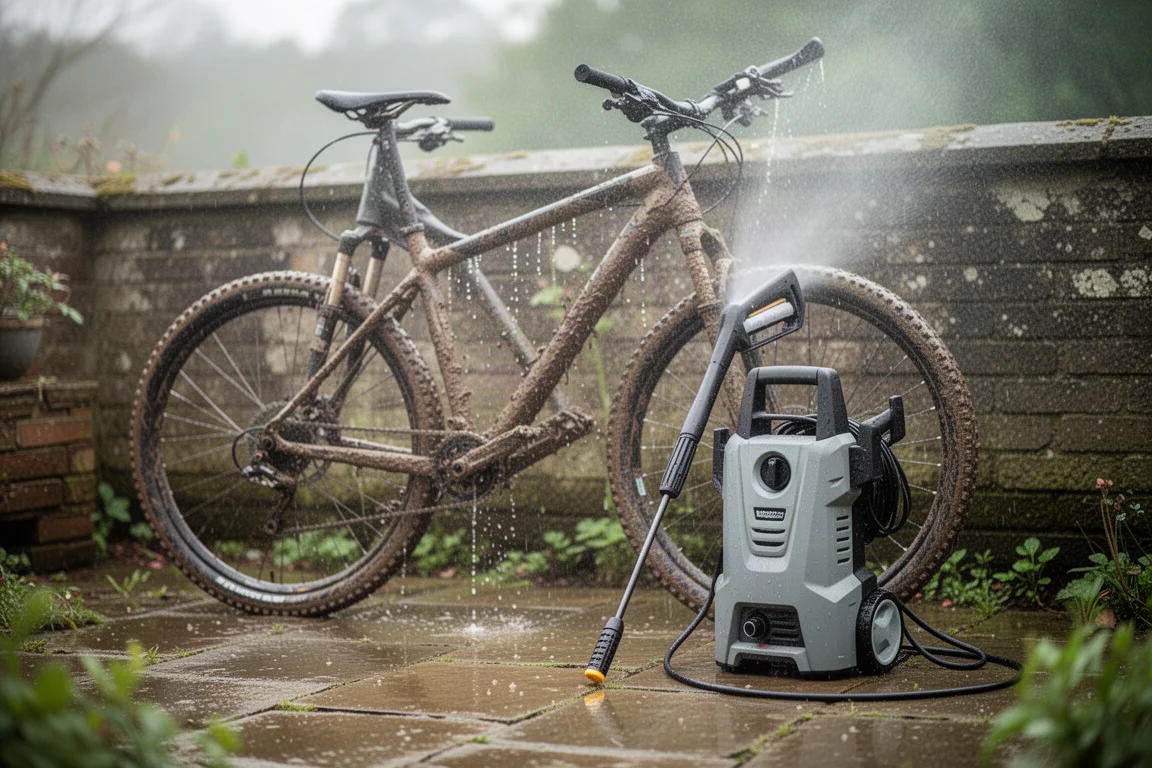
Price is where it gets interesting. The list price is around £250, but it has been discounted to roughly £187 through other retailers, and Muc-Off itself has sold it for around £150. At the lower figure the convenience argument becomes much stronger.
Wolf Tooth 8-Bit Kit Two: A Workshop in Your Pocket
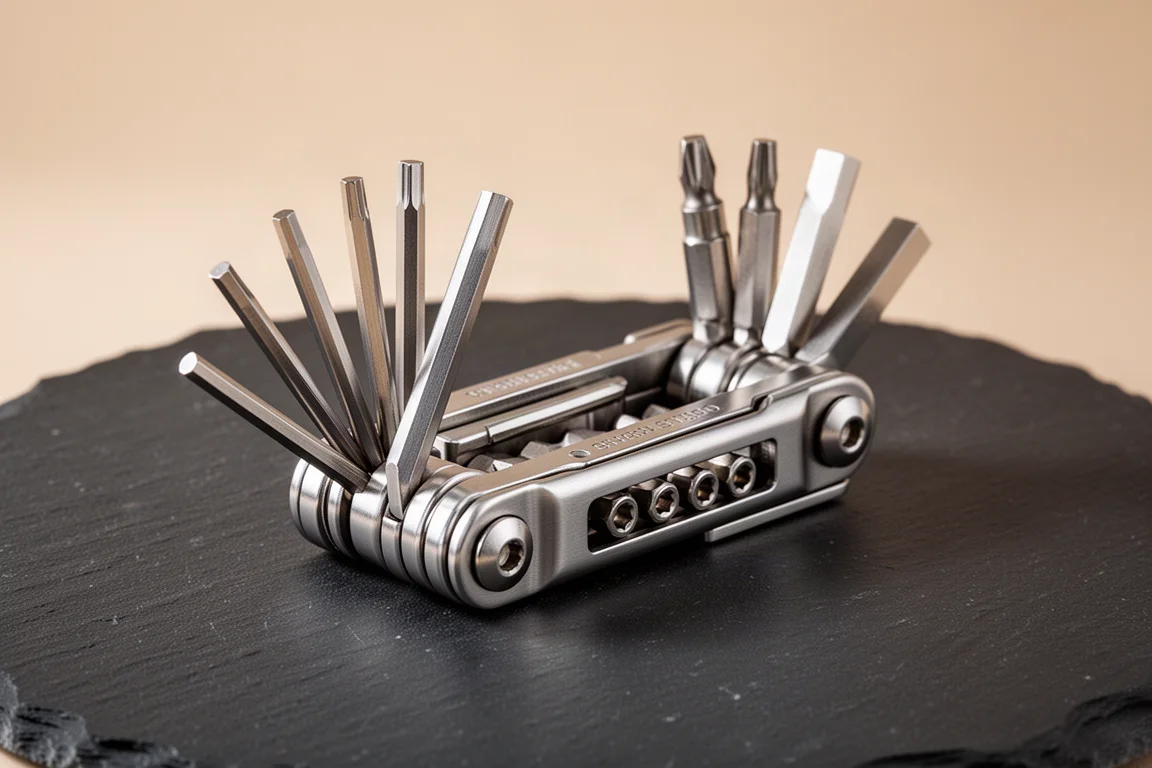
This is a stainless steel multi-tool that covers an unusual amount of ground: chain breaker, tire lever, tubeless plug tool, Allen keys, Torx keys, a screwdriver, a valve core tool, a knife, storage for quick links and tubeless worms, and a rotor truing slot. For a long ride or a remote route with no bike shops and no easy pickup, it replaces a small toolbox.
The trade-off is familiarity. Anything built from separate bits is fiddlier to use than a single-piece tool, especially at the roadside with cold hands, and small parts are easy to drop in grass or mud. Wolf Tooth sells replacement bits individually, which softens that considerably. The stainless construction means it will not rust, and the finish and hand feel are a step above most multi-tools.
At around £120, it is priced like a workshop tool rather than a saddlebag afterthought.
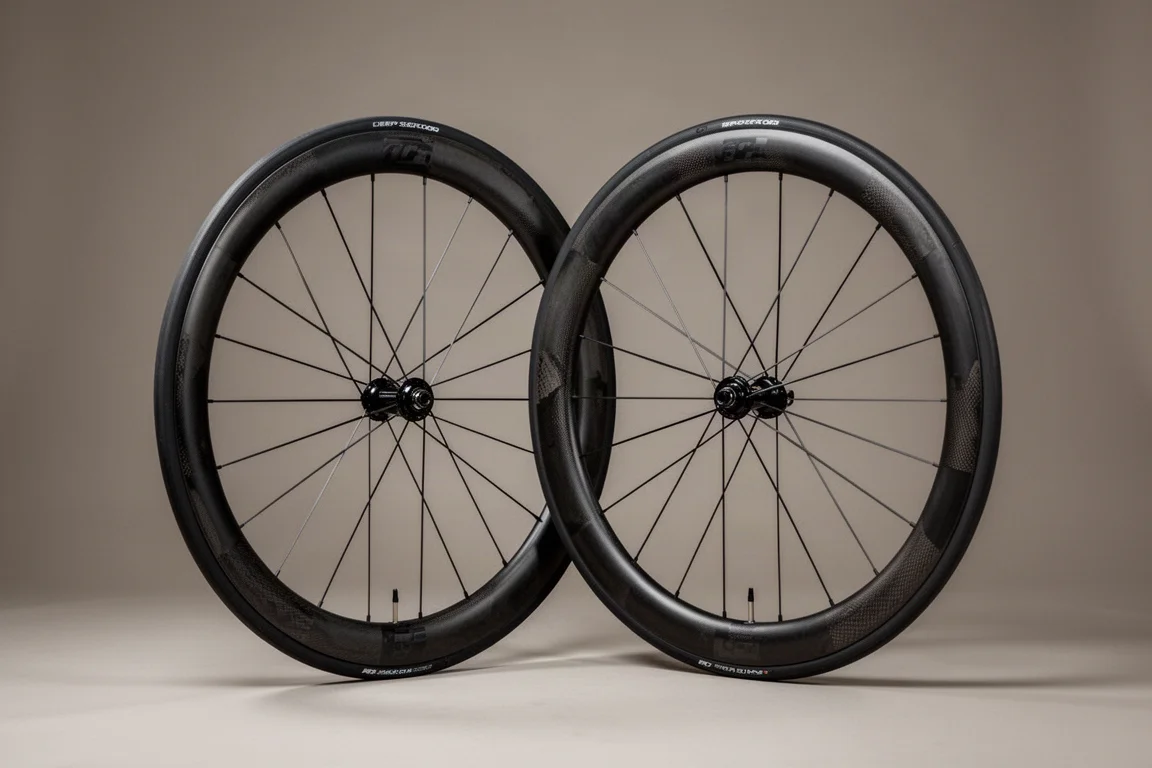
Scope Artec Wheels: Lightweight Carbon at a Serious Price
At £3,498, these are among the most expensive wheels you can put on a road bike. The numbers explain part of it: 1,120 g for the 45 mm rim depth, against roughly 1.61 kg for a standard aluminium wheelset. They are carbon, disc brake only, and available in 22 mm, 45 mm and 65 mm depths, with hooked rims and a 23 mm internal width.
That internal width is worth noting if you ride wider rubber. A 30 mm road tire sits generously on a 23 mm internal rim, which pays off in comfort and cornering confidence.
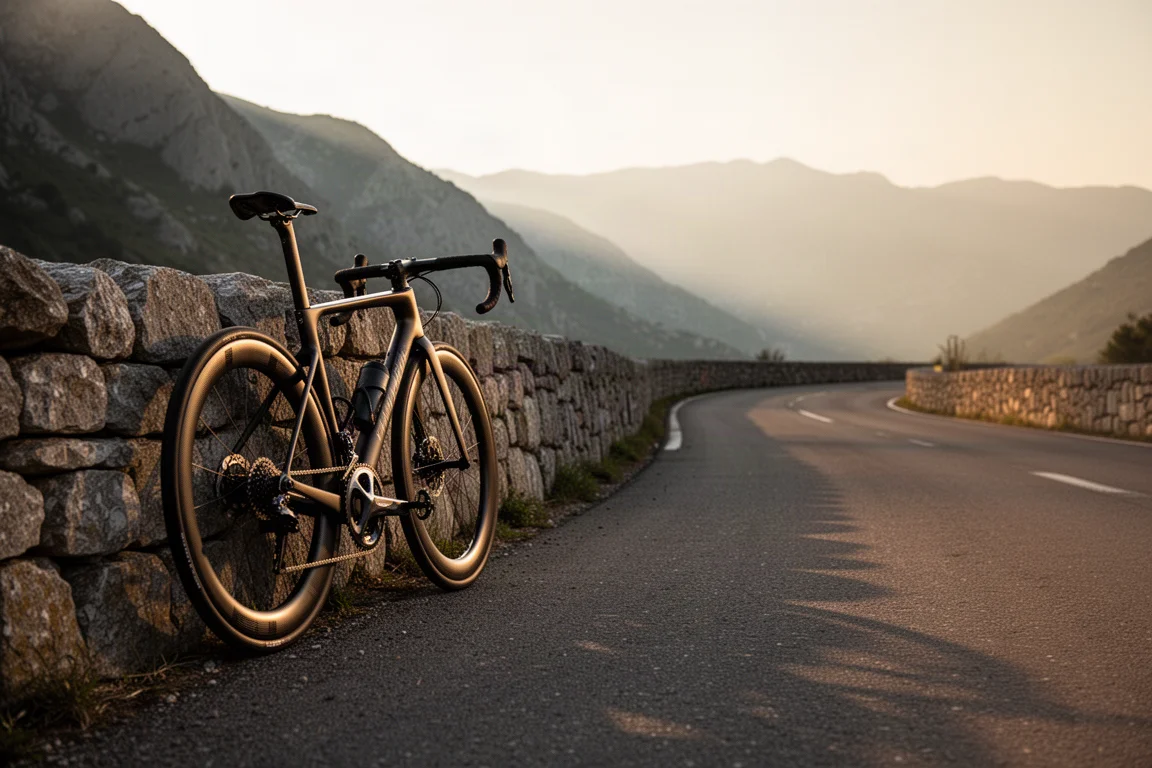
The finish is distinctive, with a surface that reads almost like snakeskin. Independent aero testing has ranked them at the very front of the category, and in back-to-back riding they noticeably reduce vibration through the frame compared with a standard aluminium wheelset.
Competition at this price is fierce, with several well-regarded carbon wheelsets from established brands occupying the same territory. One point in Scope’s favour is that the company makes nothing else, so the wheels do not commit you to a matching component family on a dream build.
Met Rivale: The Sensible Premium Helmet
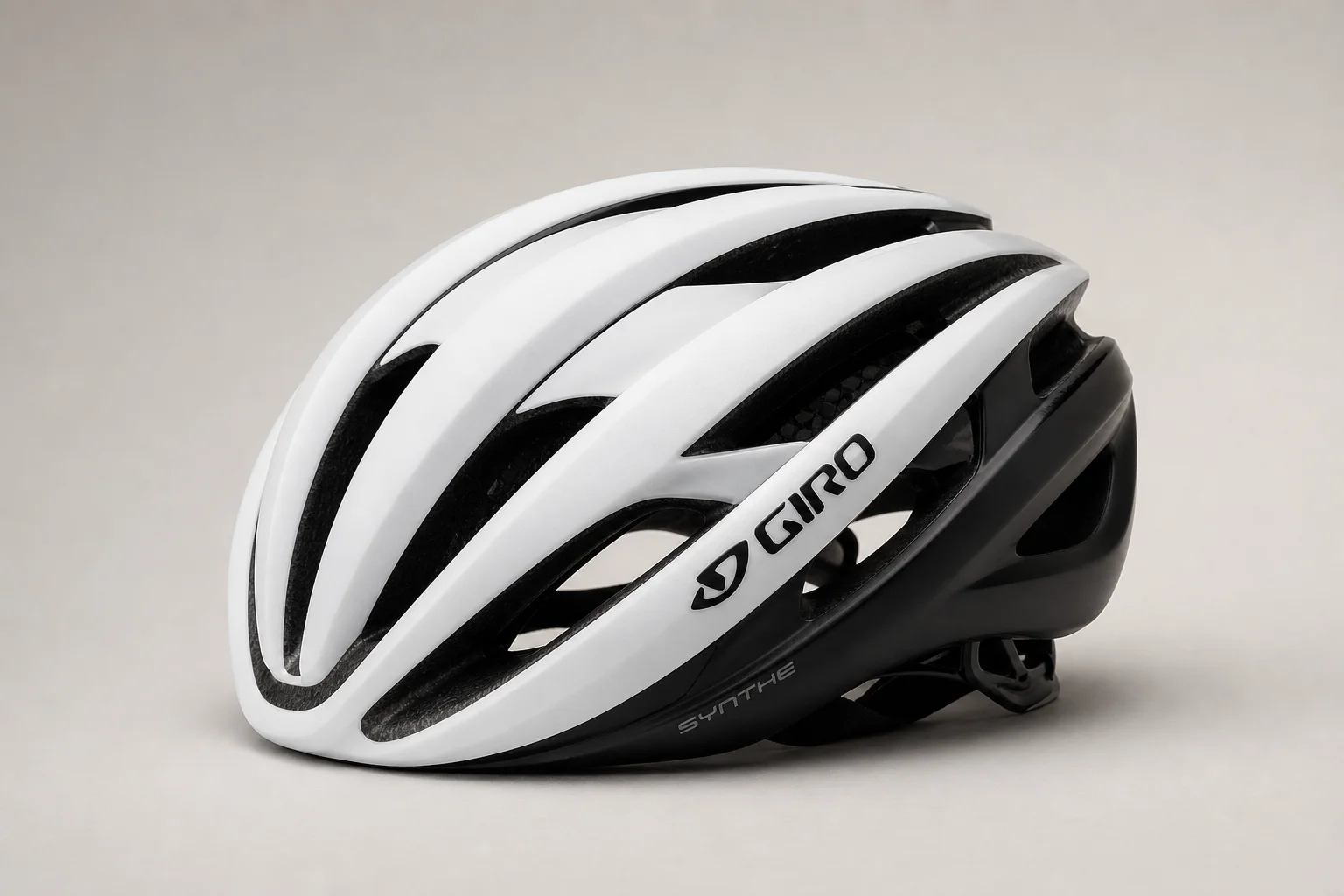
If you want most of what an expensive helmet offers without the flagship price, this is the sweet spot. Weight and ventilation are the two things that genuinely improve as helmet prices rise, and this model delivers both at a more reasonable figure.
That is the honest summary of premium helmets in general. The gains are real, but they arrive early, and past the mid-range you are mostly buying finish, styling and marginal improvements.
Kask Protone: Expensive, and Honest About It
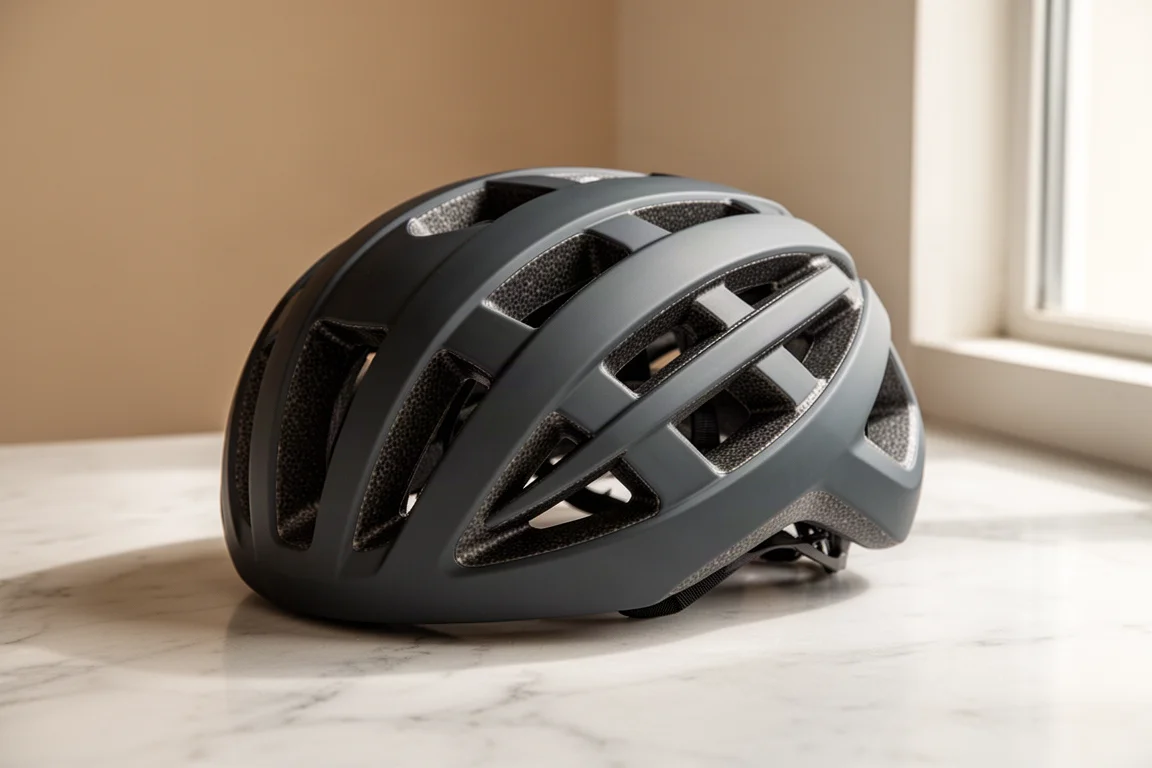
At around £250, the Protone is a premium helmet in the traditional sense. It has a distinctive shape that avoids a bulky silhouette, a well-finished strap system, and a look that holds up on a bike you enjoy being seen on.
It also does the same job as helmets that cost considerably less. Almost every helmet on the market is designed to deform in a crash instead of your head, and all of them pass comparable safety testing. What you are buying here is weight, airflow, and the pleasure of using something that feels considered every time you put it on. For riders logging many hours a week, that is not a trivial thing.
Stashed Space Rail: Wall Storage for Eight Bikes
Bikes accumulate. Most riders discover this roughly five minutes after buying the one they thought would be enough. The Space Rail is a wall-mounted solution that holds up to eight bikes and clears floor space in a workshop or garage.
At £889.99, it is a serious purchase for a storage problem, but it addresses the thing that makes a crowded workshop unpleasant: tripping over bikes that have nowhere to live.
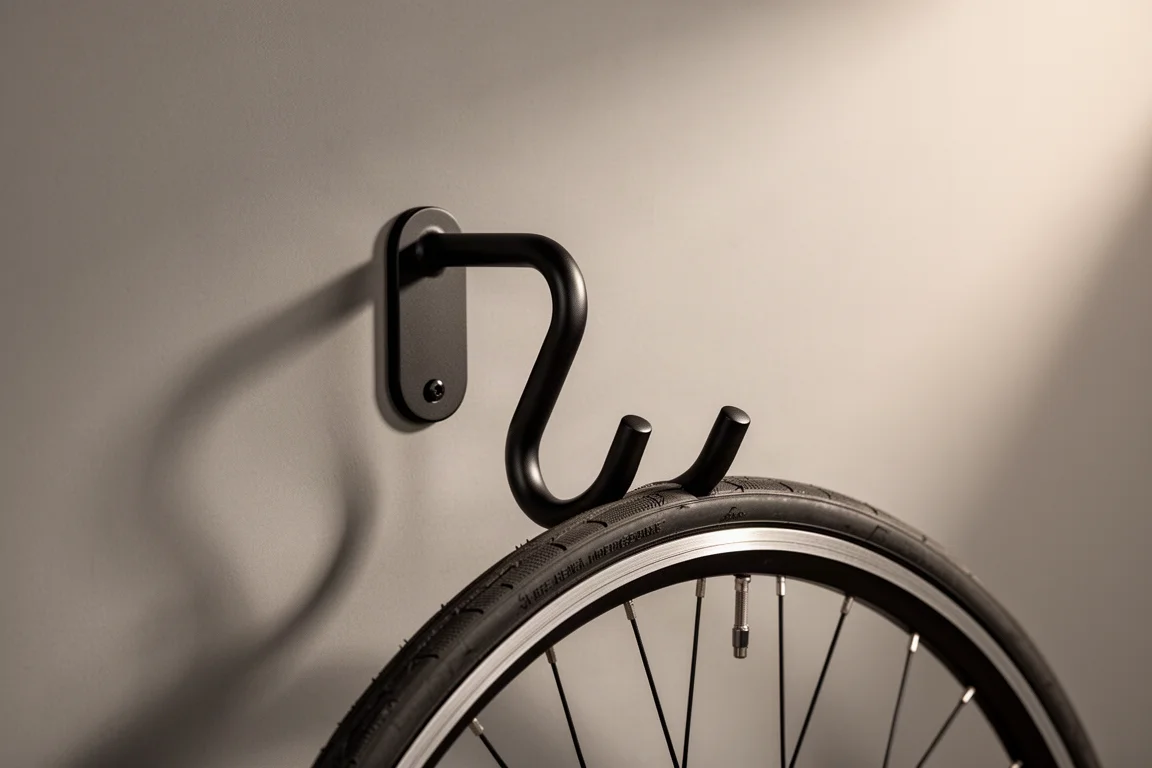
Hanger Mounts: Display Storage That Looks the Part
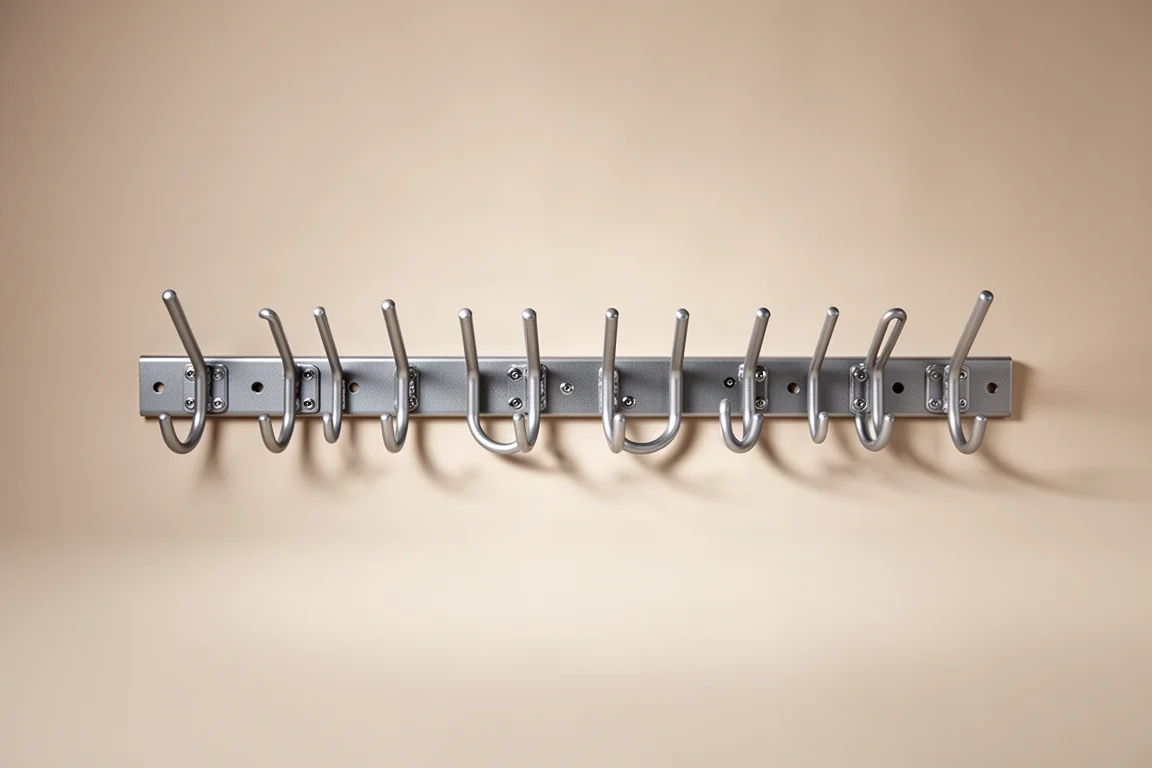
If you want a bike displayed on a wall rather than tucked into a rack, these mounts do it well. They hold a bike securely and look clean and deliberate once installed, which is why they turn up in workshops, studios and living spaces alike.
The catch is installation. They are fiddly to fit properly, and it is not a job to rush. Once they are up and sitting level, though, the result is one of the better-looking storage options available.
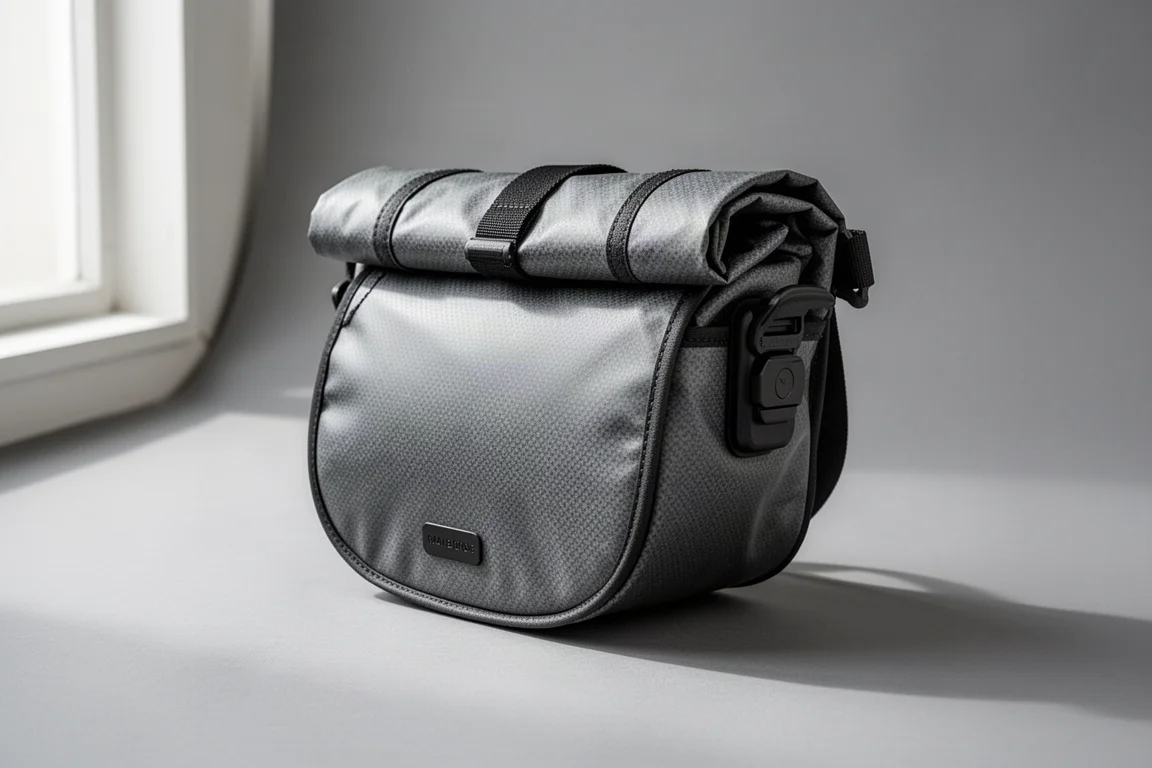
Fidlock Pin Clip Saddle Bag: Quick Access Done Right
Threading saddle bag straps through rails while balancing a bike is one of cycling’s small, recurring miseries. This bag removes it. A magnetic clip holds the bag to a saddle mount and a single button releases it, so it comes off in seconds.
The current version is a roll-top design and is highly water resistant, which matters if you ride in real weather. Access is quick without removing the bag, and the roll-top orientation keeps contents from spilling. Small and medium sizes are available, and the saddle clip can be bought separately, so a single bag can move between several bikes.
At £50, it is expensive for a saddle bag, and it is also the kind of product you stop thinking about once it is on the bike.
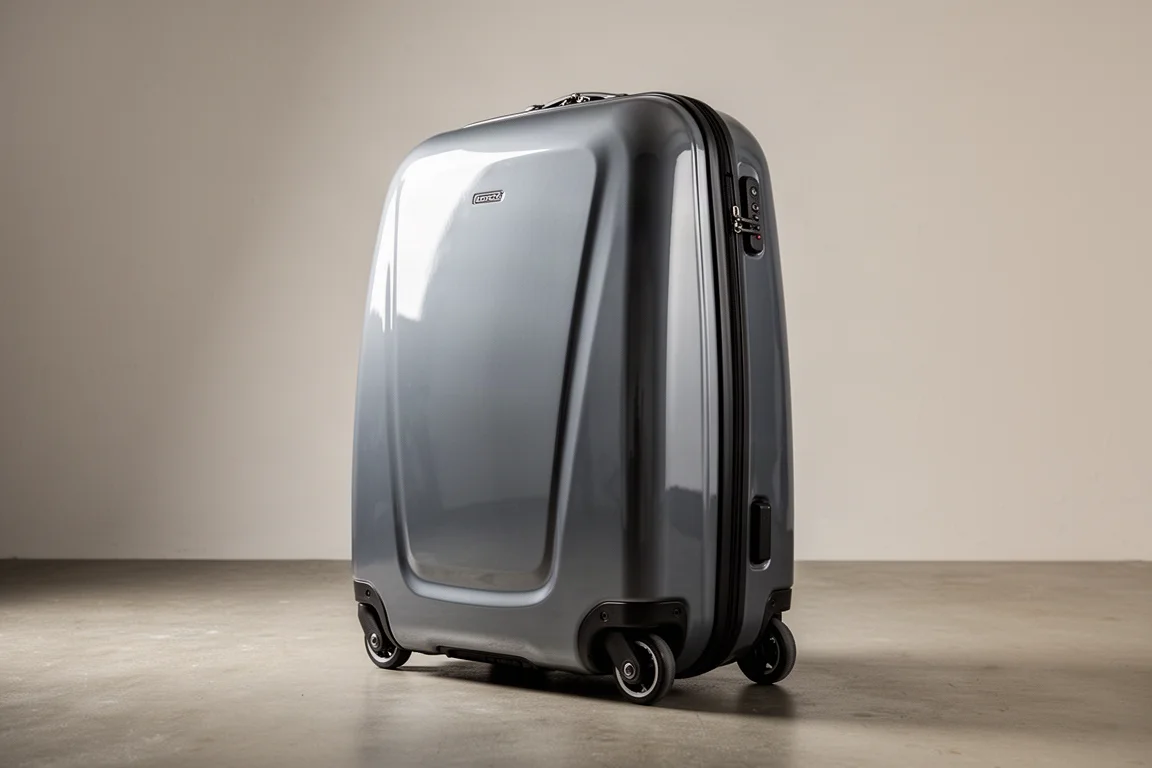
Bike Box Alan Aero Easy Fit: Travel Protection Without the Faff
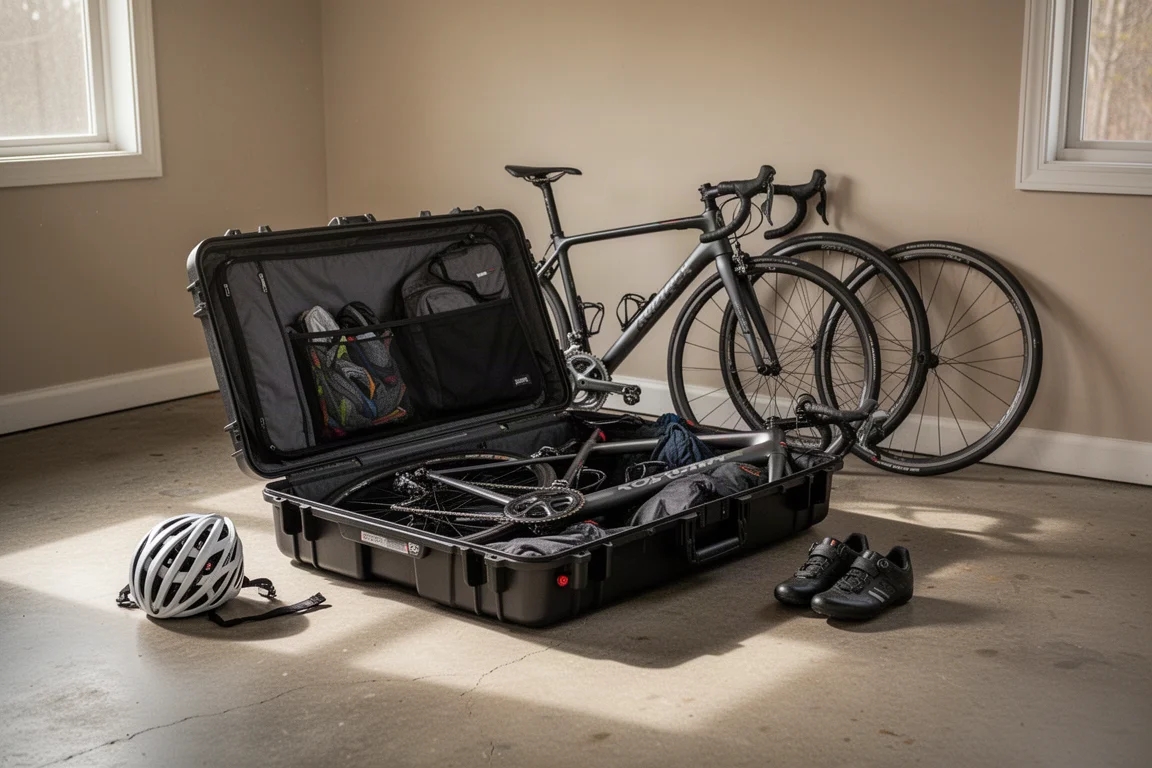
Soft bike bags are a gamble. Baggage handlers are not gentle, and damage is usually a matter of when rather than if. A hard case is the safer choice, and this one is designed around a specific frustration: modern aero road bikes with integrated cockpits make handlebar removal awkward or impossible.
The Easy Fit lets you leave the handlebars in place. Wheels off, pedals off, and for shorter riders the seatpost can stay too. At 13 kg it is light for a hard case. Two versions are available, one around £540 and a deluxe model around £630.
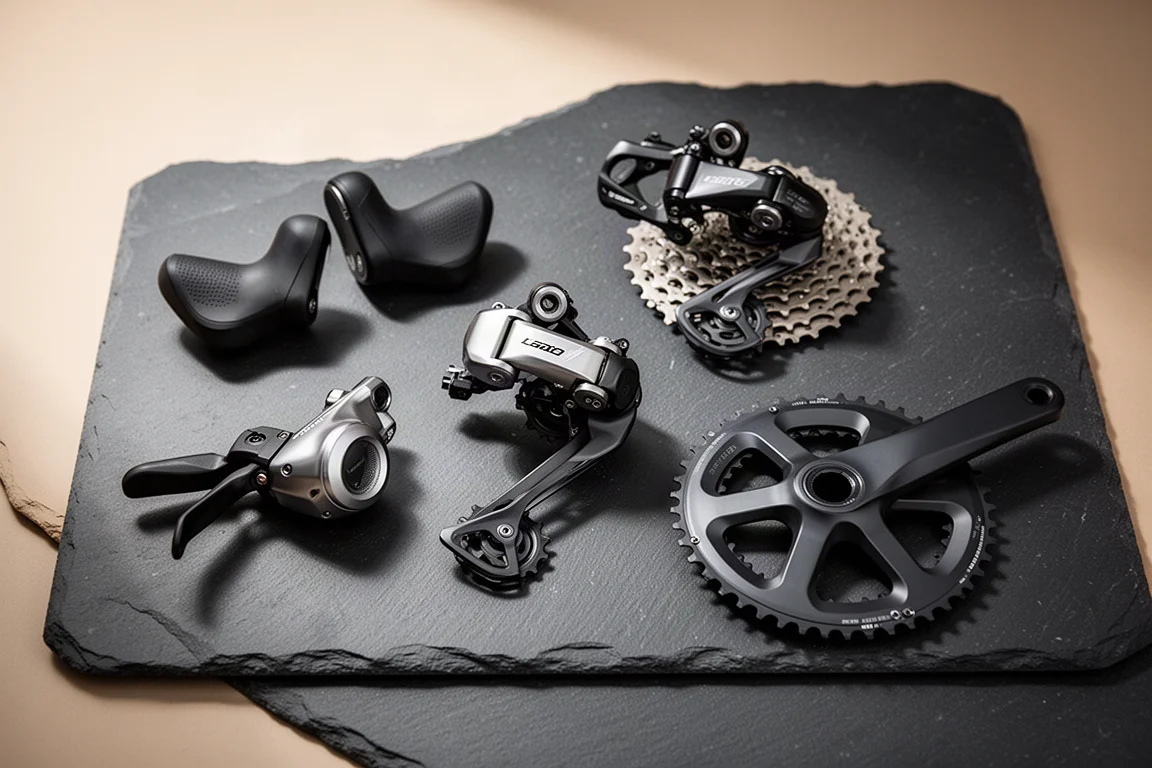
Shimano Dura-Ace Di2 9200: The Shifting Benchmark
Dura-Ace remains the reference point for road groupsets. Shifting is fast and precise, and the shifter ergonomics are the standout feature: the shape and feel make the controls seem bolted to your hands rather than something you have to reach for. It has been on the market longer than its closest rival and it still holds its own.
Price is the obvious obstacle. It launched at £3,579 and can now be found online for as little as £2,099. That is still a lot of money, and it is worth noting that top-tier groupsets from other manufacturers often cost more, which makes the current pricing look comparatively reasonable at the very top of the market.
Buying Advice: Where the Money Goes Furthest
If you are deciding where to spend, start with the parts you touch and the parts that keep you moving. Tires are the single most effective upgrade on any road bike, and a fast, durable tire changes how a bike feels more than almost anything else per pound spent. A helmet that fits well and vents properly is worth paying for, because you wear it on every ride.
Beyond that, the value depends entirely on your circumstances. A portable pressure washer makes sense if you have nowhere to connect a hose. A hard bike case pays for itself the first time it saves a frame. A complete multi-tool earns its price on remote rides where a mechanical would otherwise end the day.
Storage and display mounts are convenience purchases with a visual payoff, and carbon wheels and flagship groupsets sit at the deepest end of the market, where the gains are real but small and the cost is high. None of this is necessary. All of it is enjoyable, and the sensible approach is to spend where a genuine problem gets solved rather than where a specification looks best on paper.
Conclusion
Premium cycling gear is neither a scam nor a necessity. The best of it solves a specific problem well, whether that is a faster tire, a lighter wheel, a helmet you forget you are wearing, or a bike box that gets your bike to the start of a trip undamaged. Match the product to the problem you actually have, and the price becomes much easier to justify.
Further reading
Related Reviews
Cycling Gear
8 Cycling Products Riders Keep Coming Back To
Eight cycling components and accessories with clear strengths, honest trade-offs and long-standing reputations among riders and mechanics.
Cycling Gear
Aero Helmets and Bottle Setups Tested: Six Options Ranked by Measured Watt Savings
Wind tunnel data on six aero helmets and bottle setups, with real watt savings, practical trade-offs, and guidance on what is worth buying first.
Cycling Gear
Aero Road Bikes and Fast Tires Worth Watching in 2026
Four aero road bikes and one fast road tire, with the real strengths, the open questions, and what to check before you buy.