Stationery
Innovative Japanese Stationery Finds: 11 Clever Tools That Solve Everyday Problems
From three-way highlighters to ratcheting sharpeners, these Japanese stationery tools fix small annoyances you didn't know could be fixed.
Introduction
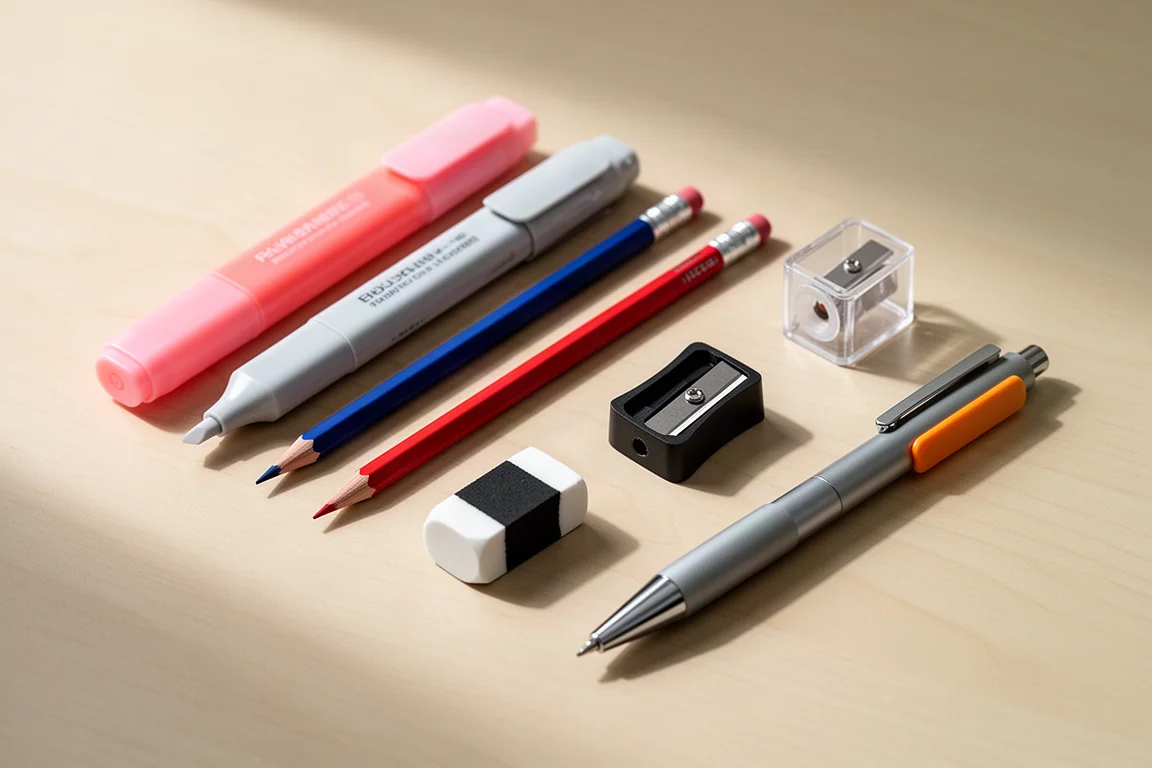
Japanese stationery has a reputation for solving problems you didn’t even know you had, and this roundup shows why. Each item here targets a very specific need: better emphasis when studying, a more comfortable pencil grip, less wrist strain when sharpening, or cleaner erasing. If you like tools that are thoughtfully engineered for small daily tasks, there is something here worth a closer look.
Highlighters That Do More Than Highlight
If ordinary highlighter marks are not attention-grabbing enough, the Sakura Mixline Underline Highlighters take emphasis further. One end combines a chisel tip with a fineliner, so you can pair a broad highlight with an underline in the same stroke. The opposite end has a single fineliner tip that matches the underlining color, ideal for writing extra notes. Colors come in fun complementary and contrasting pairings.
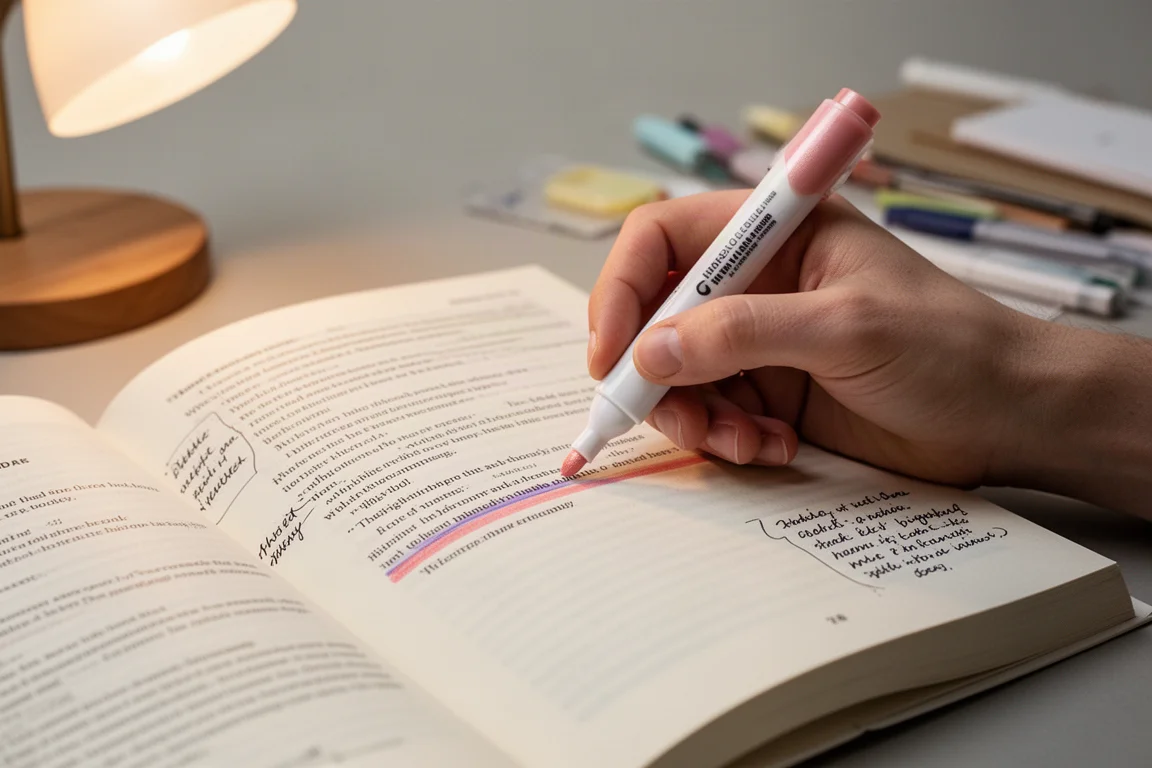
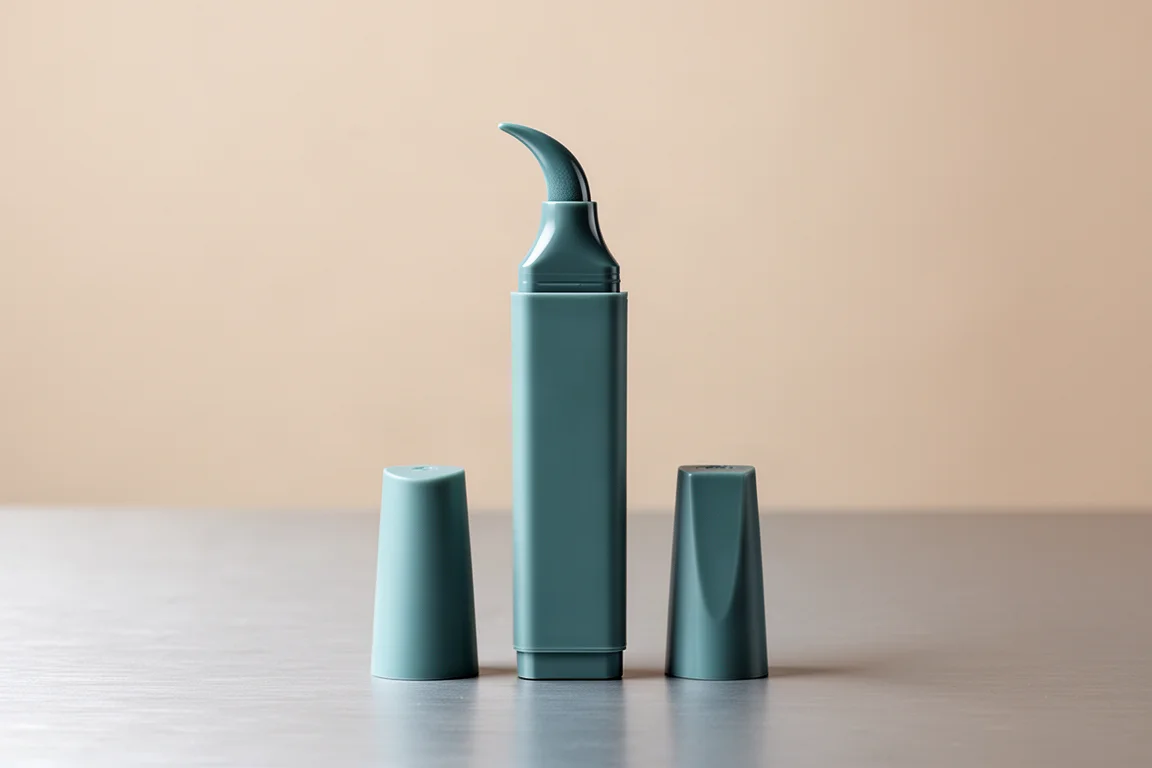
The Kokuyo Beetle Tip 3Way Highlighter gets its name from a creative tip shape reminiscent of a beetle horn. Depending on the angle you hold it at, one marker delivers three functions: broad highlights, fine underlines, or double lines. The ink colors are vivid without being glaringly bright, which keeps highlighted pages readable.
Customizable Grips
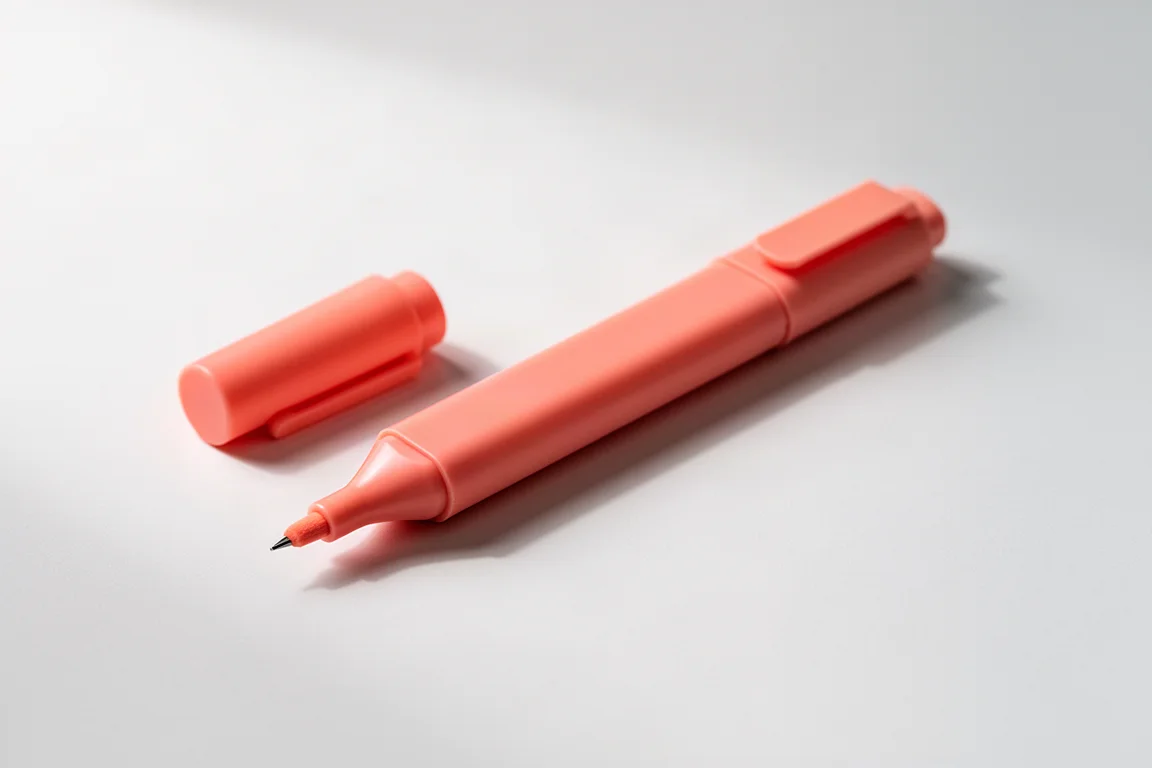
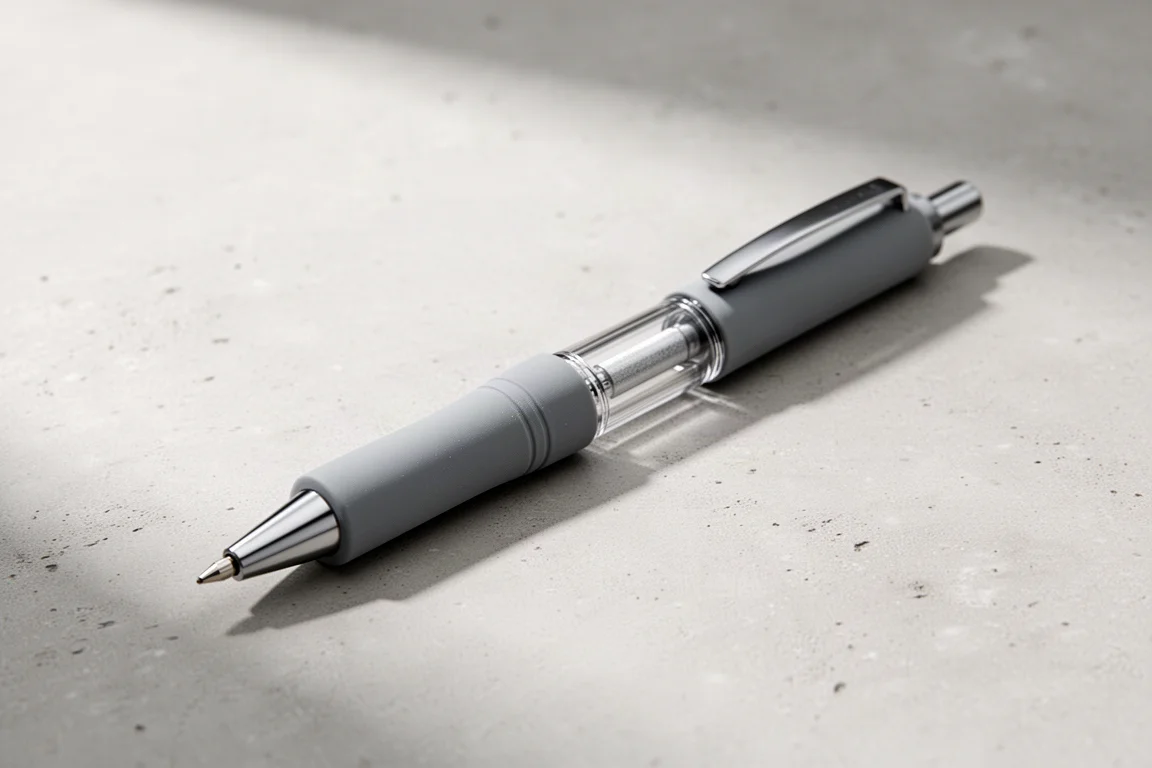
The Pilot Dr. Grip CL Play Balance lets you tune your pencil’s weight and center of balance through its unique grip design. Each pencil includes two kinds of inner grips: soft silicone for a cushioned, lightweight feel, and metal rings for a firmer, weighted writing experience. Twist off the tip, remove the translucent outer grip, and rearrange the inner grips to your liking. Up to eight different weight and center-of-gravity configurations are possible, so you can dial in exactly how the pencil feels in your hand.
Double-Sided Colored Pencils
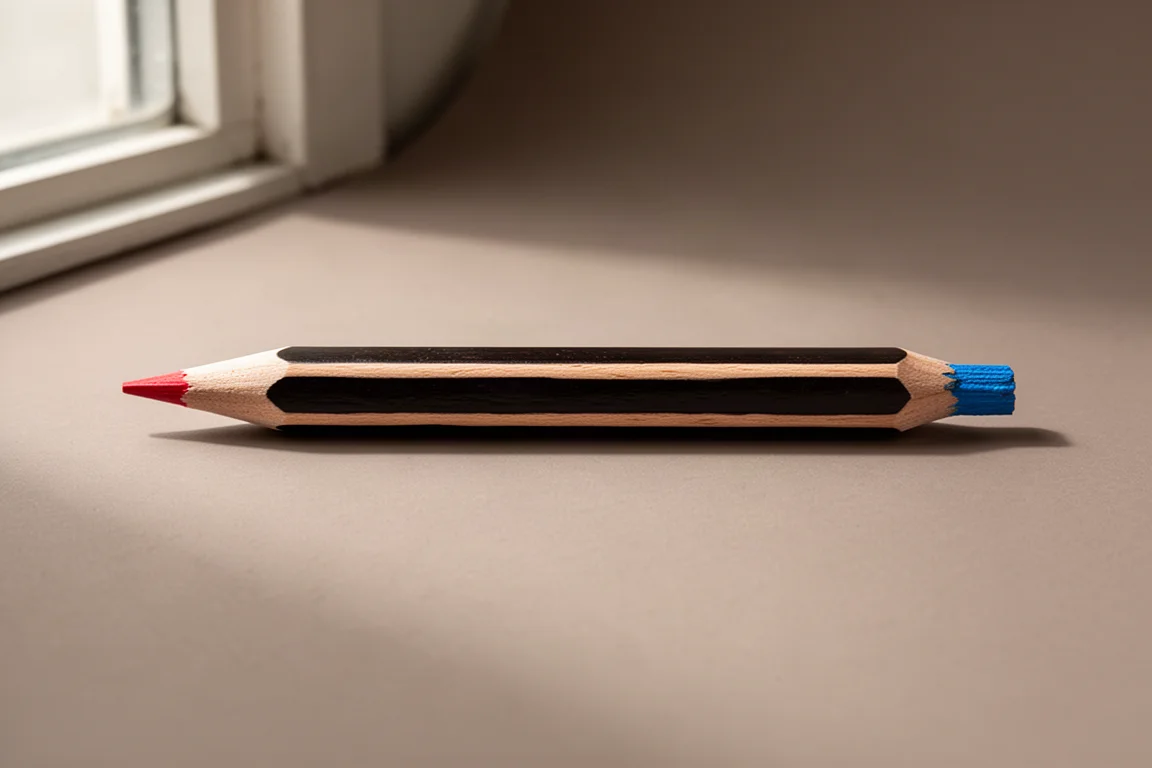
The Uni Vermilion and Prussian Blue Pencil is a double-ended pencil with a red tip on one end and a blue tip on the other. Editing pencils like this are traditionally used by teachers and editors to mark corrections on written materials. The smooth, vibrant lead also works well for drawing, and switching colors is as simple as flipping the pencil over.
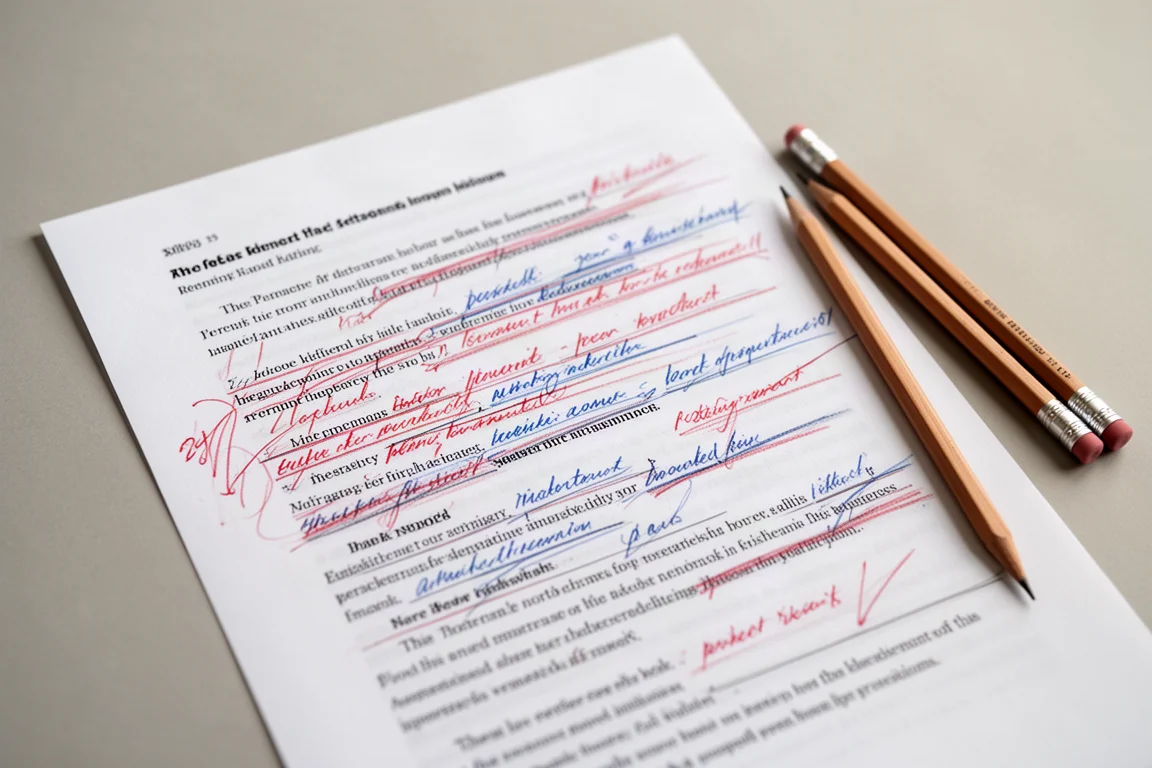
For heavy editing work, the 7:3 Pencil carries more red lead, matching how often red marks appear on a typical page. If you prefer one color, erasable single-color pencils are also available so you can stock up on exactly what you use most.
Ratcheting Pencil Sharpeners
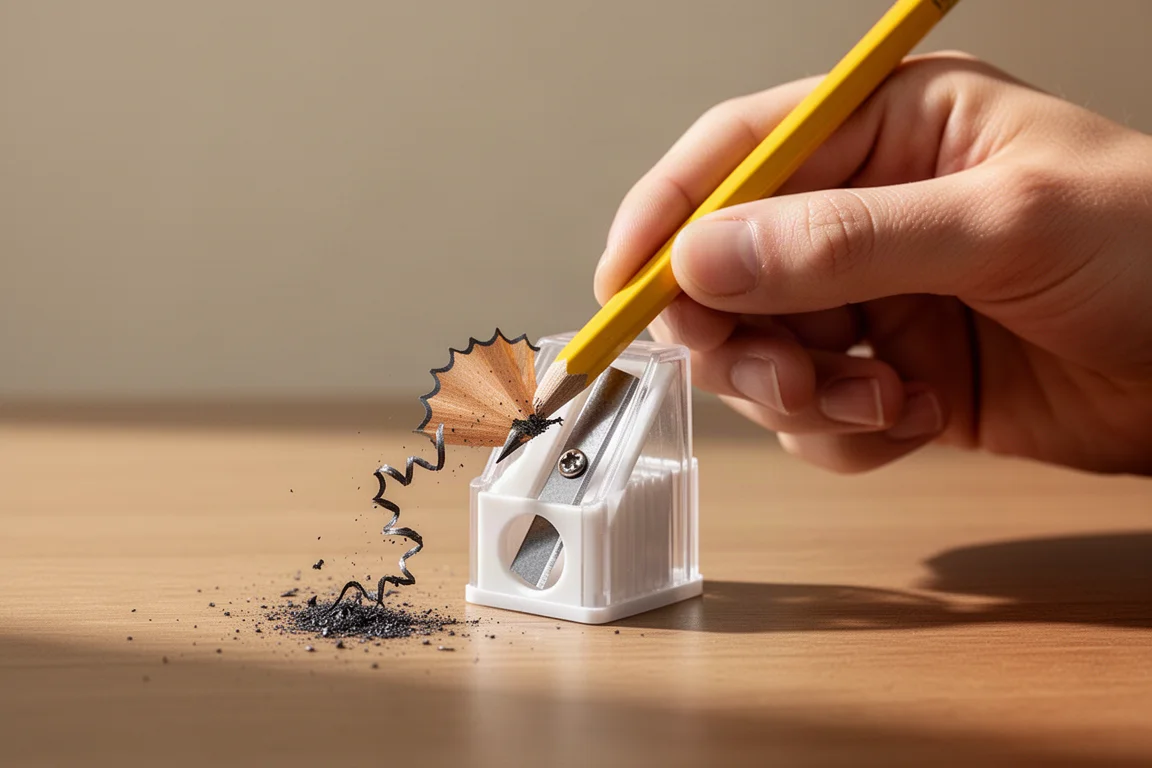
The Sonic Ratchetta Pencil Sharpener is designed to spare your hand and wrist. Traditional sharpeners require repeatedly re-gripping the pencil, but the ratcheting, screwdriver-inspired Ratchetta only needs the pencil rotated back and forth.
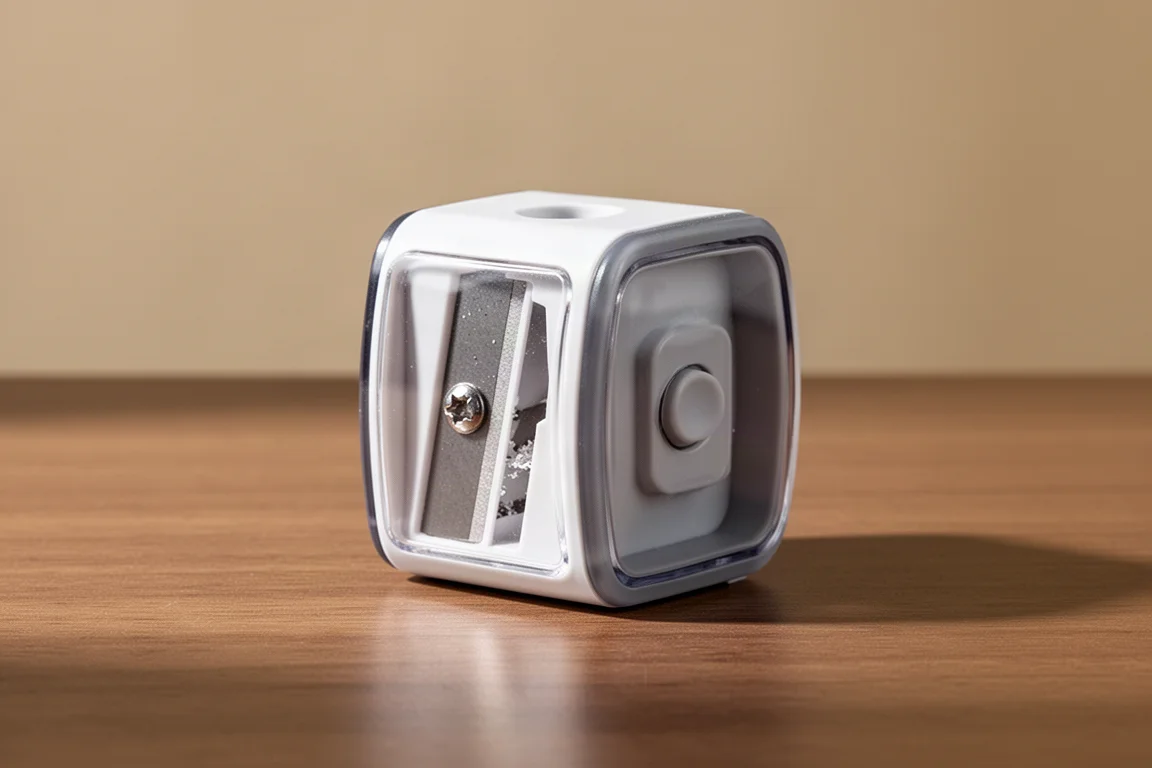
Two versions are available. The Notification Ratchetta has a button that pops up with a click when your point is sharp and ready, which prevents over-sharpening and broken graphite. The Point Adjustment Ratchetta offers a dial with two sharpness settings: a fine point for precision work and a broad point for softer lines.
Specialized Erasing Tools
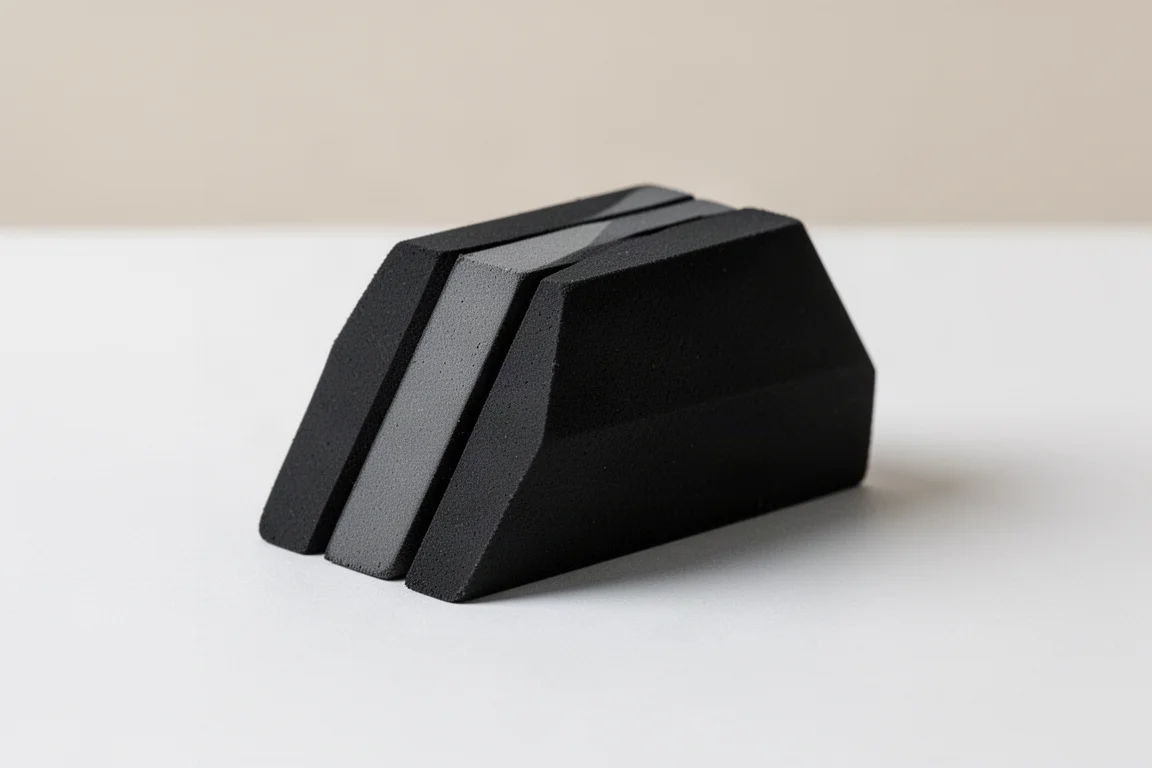
Whether it is a single character or a whole sentence, the Kokuyo Mirikeshi Eraser is shaped to handle both. Its five sides each have a different width: a corner plus three and four millimeter faces for erasing small marks, and five and six millimeter faces for removing entire lines or larger mistakes. It comes in black and white.
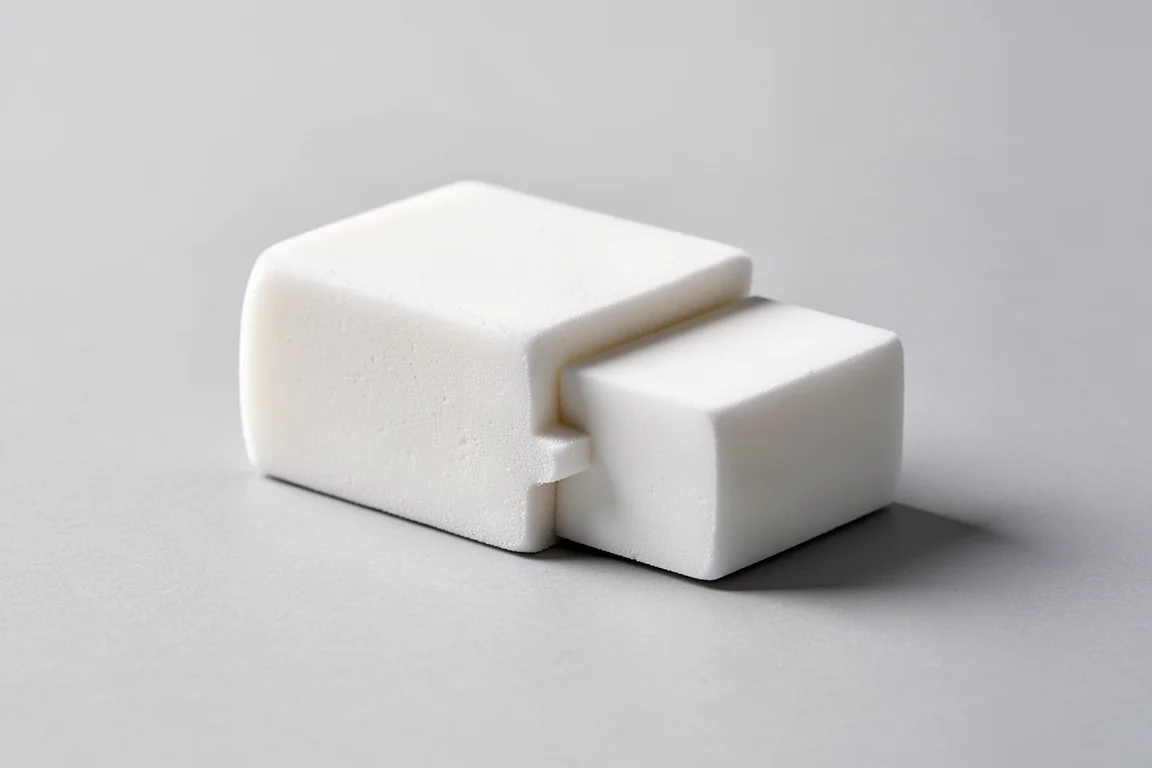
The Nakabayashi Logical Eraser is effectively two erasers in one. A bigger, soft section erases large areas with a light touch, while a smaller, firm section handles precise corrections. The two are joined by a dovetail that lets you slide the bottom section forward or backward to switch between them.
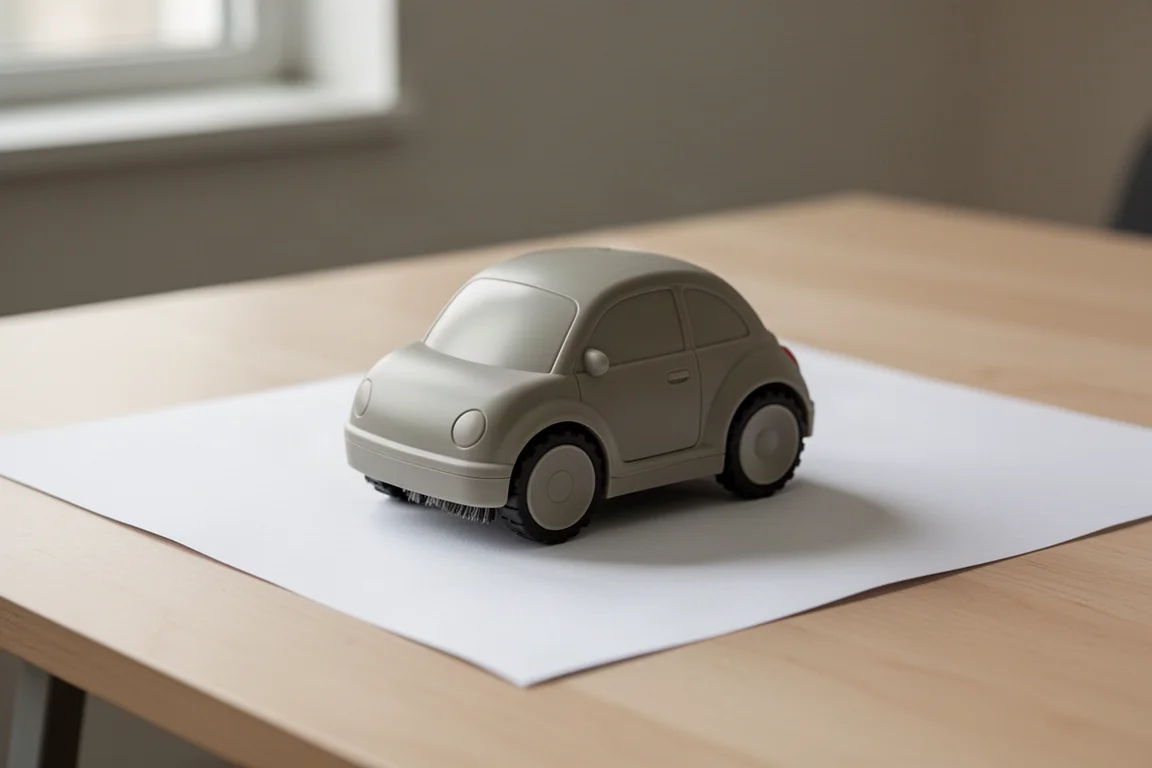
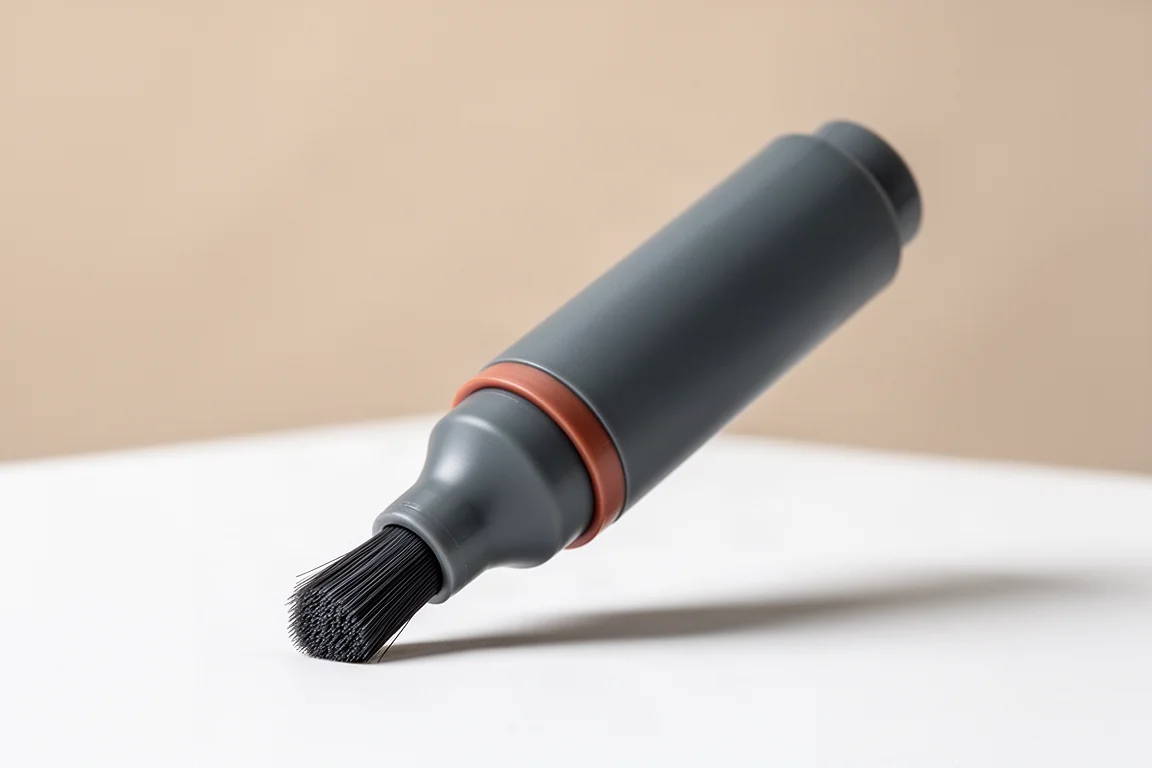
Cleaning up afterward is easier too. The Midori Eraser Dust Mini Cleaners are made just for picking up eraser shavings: roll the cleaner over the mess and the brushes scoop up dust and debris. Flip open the dust trap to empty it, but do so frequently, since erasers contain plasticizers that might melt the plastic dust pan.
Brush Strokes on a Whiteboard
The Pentel Knockle Dry Erase Marker produces expressive, brush-like strokes thanks to a flexible, grooved tip that flexes as you write, letting you vary line thickness. That makes it a fun option for practicing calligraphy on a whiteboard. It also features a pump system that keeps the tip saturated: post the cap onto the back of the marker, hold it tip-down, and press the cap a few times to pump ink into the tip.
A Pen You Can Fidget With
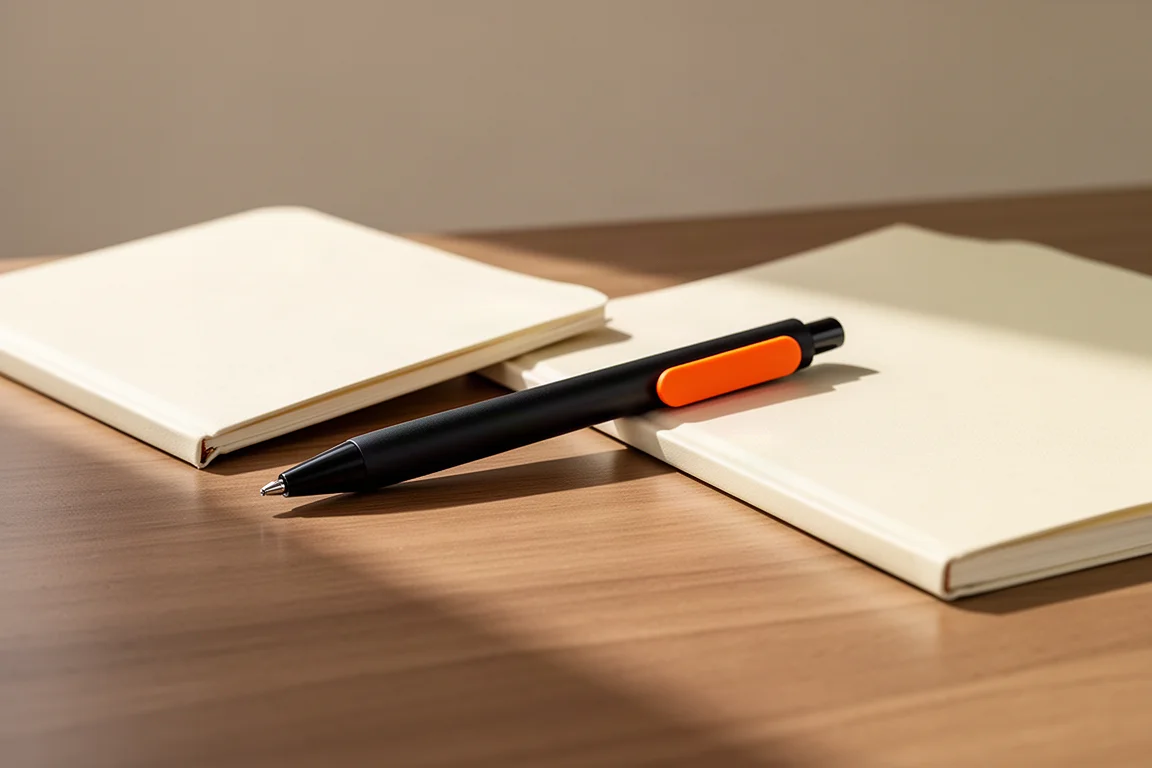
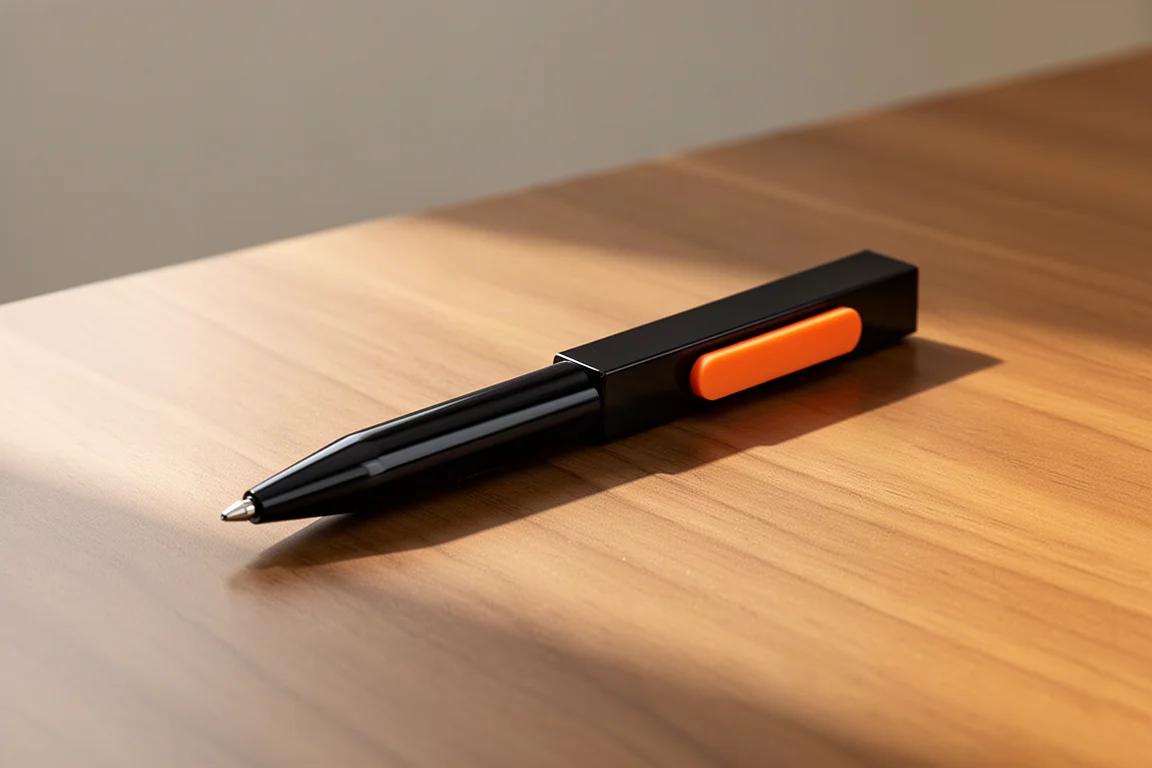
First made in 1979, the Uni Boxy 100 Ballpoint Pen is versatile and dependable. Its flat-sided shape keeps it from rolling off a desk, and a signature orange side button retracts the tip while releasing the top push button. The retraction mechanism is snappy and satisfying to play with, which makes the Boxy a favorite fidget pen, though you may want to go easy on the clicking around neighbors. In Japan, these pens were even used for games, using the force of the push button to propel erasers forward.
Buying Advice
Match each tool to your actual routine. Students and note-takers get the most from the multi-function highlighters and the Mirikeshi eraser. Writers who spend long hours with a pencil should consider the Dr. Grip CL Play Balance or the Ratchetta sharpener. Editors and teachers will appreciate the double-ended Uni pencil, while the Midori dust cleaners are a smart add-on for anyone who erases a lot. The Knockle and the Boxy 100 are the most playful picks, suited to people who enjoy stationery with personality.
Conclusion
What unites these eleven products is specific, practical problem-solving rather than gimmicks. Pick the one that targets your biggest daily frustration, and even a small desk upgrade can make everyday writing noticeably more pleasant.
Further reading
Related Reviews
Stationery
Musgrave Pencils Review: Four Classic Pencils from Tennessee's Last Pencil Factory
We put four Musgrave pencils to paper, from the classic Harvest to the Unigraph 1200 drawing pencil, to see what a century-old Tennessee workshop can still do.
Stationery
Fountain Pen Tiers Explained: From Starter Pens to Luxury Grails
A practical overview of the different levels of fountain pens and inks, from a sub-$20 starter setup to Italian piston fillers and retractable gold-nib everyday carries.
Stationery
HP Premium 32 lb Copy Paper Review: A Fountain Pen Friendly Everyday Printer Paper
A heavy, smooth 120 GSM copy paper that handles fountain pens far better than standard printer stock, with only minor trade-offs in shading and sheen.