Audio Gear
Inline Preamp Guide: Cloudlifter, Radial McBoost, Royer dBooster, and Triton FetHead
How to tell whether you actually need an inline preamp, plus four popular options and what each one does differently.
Introduction
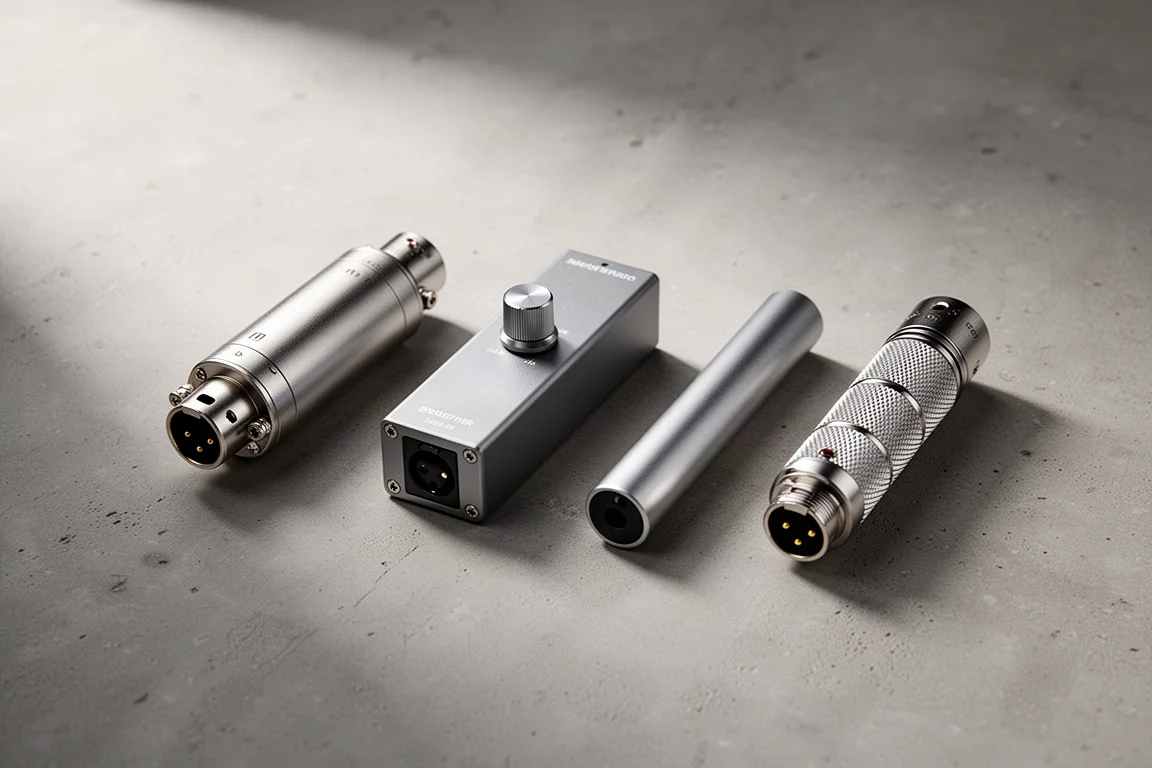
An inline preamp is a small device that sits between the microphone and the audio interface and adds gain before the signal ever reaches the microphone preamp. The Cloudlifter is the best known example, and it adds 25 dB of gain. The idea is straightforward: lift the microphone signal early, and you no longer have to push the interface preamp so hard.
Inline preamps are neither magic nor universal. They work only with dynamic and ribbon microphones, and they only help when the rest of the signal chain genuinely needs more gain. This guide walks through the questions that decide whether an inline preamp will change your recordings, then looks at four popular options: the Cloudlifter, the Radial McBoost, the Royer dBooster, and the Triton FetHead.
How to Decide If You Need an Inline Preamp
The answer depends on four things: the type of microphone you own, the gain range of your interface, the noise floor of that interface, and how loud your source is at the microphone.
Which Microphones Work With an Inline Preamp
Inline preamps are not compatible with condenser microphones, so a condenser microphone rules them out entirely. Dynamic and ribbon microphones can be used with an inline preamp, but being compatible is not the same as needing one.
Matching Preamp Gain to Microphone Sensitivity
Microphone sensitivity describes how much voltage a microphone produces at a given sound pressure level. The Shure SM58 produces 1.85 mV at 1 Pascal, while the Shure SM7B produces 1.12 mV at 1 Pascal. The same sound pressure therefore produces a lower signal from the SM7B, which means that microphone needs more gain from the preamp.
Gain range is where many interfaces fall short. The first-generation Focusrite Scarlett 2i2 covers -4 dB to +46 dB, and the third-generation model reaches 56 dB. Shure’s guidance for the SM7B calls for a preamp that supplies at least 60 dB of gain, so both of those interfaces land short on paper. A UA Apollo Twin, by contrast, spans +10 dB to +65 dB, which is enough for the SM7B without any help.
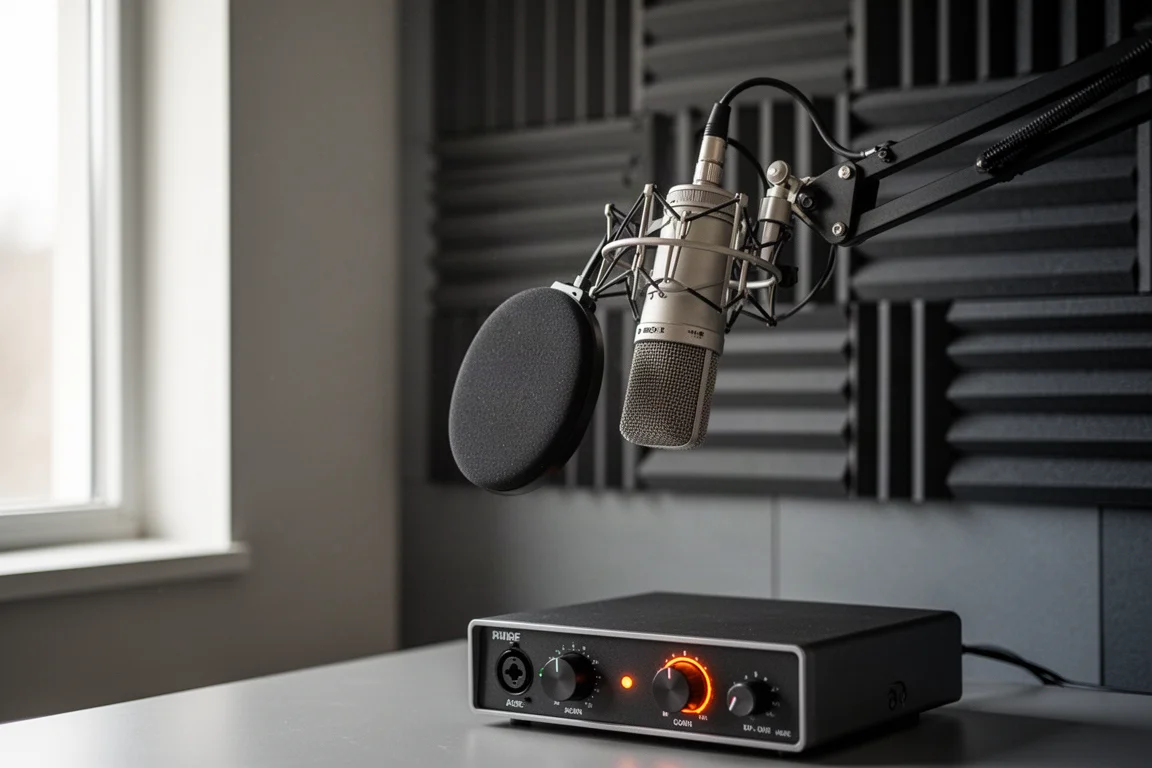
Adding the Cloudlifter’s 25 dB to a third-generation Scarlett 2i2 brings the total to 71 dB, which is plenty for most microphones.
Noise Floor and EIN
A common misunderstanding is that inline preamps add gain without any noise. They do not. The self noise of most inline preamps is extremely low, but modern preamps are also very quiet, so the difference is often small.
The useful number to check is the equivalent input noise, or EIN, in your interface’s specifications. If the EIN is -128 dBu or lower, an inline preamp is unlikely to reduce the noise level of your recording in any meaningful way. Some preamps are noisier: the Zoom H5, for example, has an EIN of -120 dBu, and at that point an inline preamp starts to make an audible difference.
Source Level and Microphone Distance
The loudness of the source matters as much as the preamp. Placing an SM7B in front of a trumpet, a snare drum, or a guitar amplifier rarely creates a gain problem, because those sources are loud. Vocals and spoken word are quieter by nature, and a soft-spoken performer will need more gain than someone who projects.
Distance compounds this. Every doubling of the distance between the source and the microphone costs about 6 dB of level. Moving closer raises the level but also changes the tonal balance through the proximity effect. A practical target is a healthy recording level with peaks around -12 dBFS and an average around -18 dBFS at roughly 3 inches from the microphone. If you cannot get there without maxing out the preamp, an inline preamp or a more powerful preamp is worth considering.
Cloudlifter
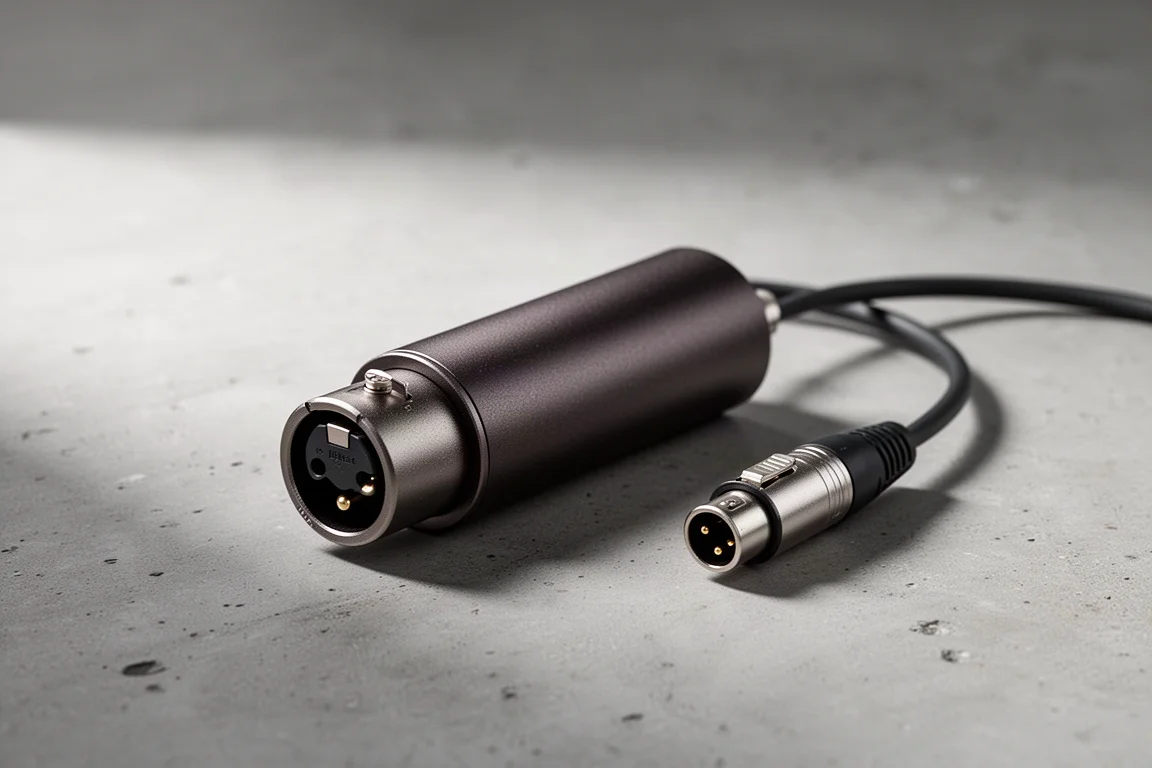
The Cloudlifter adds 25 dB of gain in line between the microphone and the preamp. With an SM7B and a first-generation Focusrite Scarlett 2i2, whose gain range tops out at +46 dB, the interface preamp has to be opened all the way to reach peaks around -12 dBFS. Insert the Cloudlifter and the same level arrives with the preamp closer to three o’clock, which leaves room to push the gain further for quieter talkers.
It is not a universal fix. On an interface with a wide gain range such as the UA Apollo Twin Mark II, which spans +10 dB to +65 dB, an appropriate level is reachable without the Cloudlifter at all. Any differences in harmonic distortion are subtle, and the device is simply unnecessary when the preamp already supplies enough gain.
Radial McBoost
The Radial McBoost handles the same core job, but it adds a gain knob. That single control lets you fine-tune how much boost is applied instead of accepting a fixed amount, which is genuinely useful when you are matching a microphone to an interface with a narrow gain range or working with performers whose levels vary.
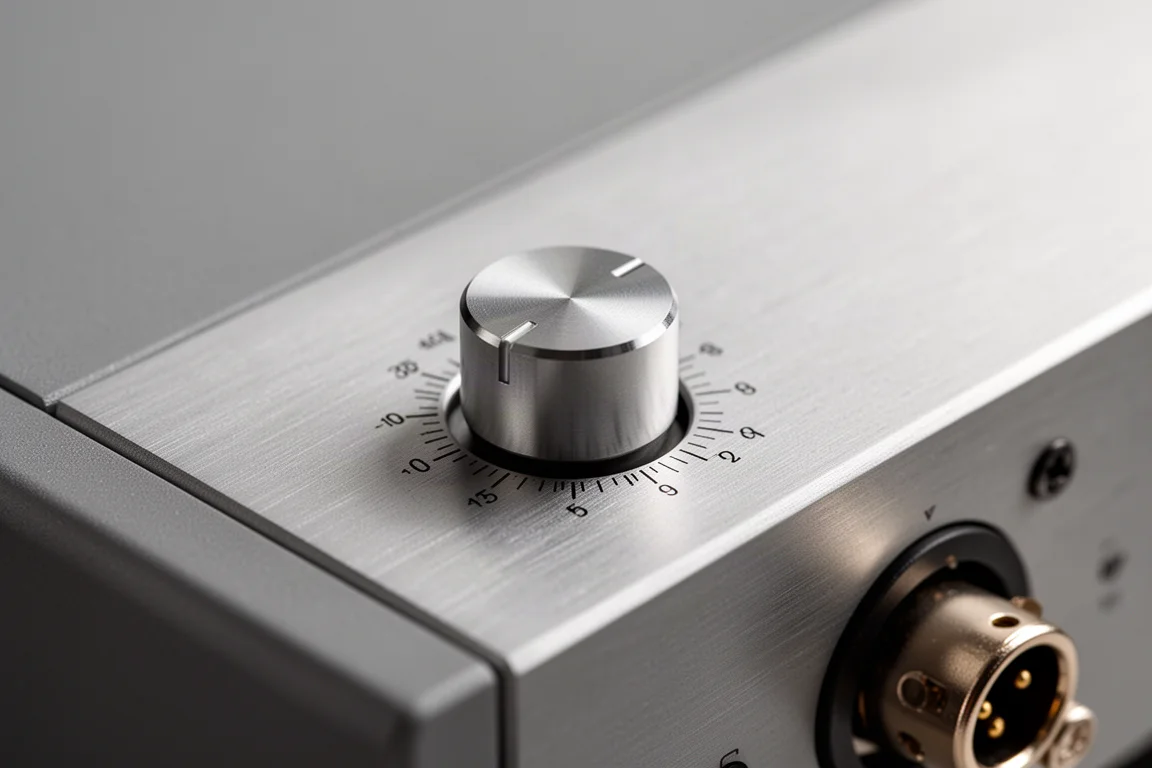
That extra control is the main reason to choose it over a fixed-gain design. If you already know exactly how much gain you need, a fixed boost is simpler. If you want to dial the amount in, the McBoost gives you the adjustment.
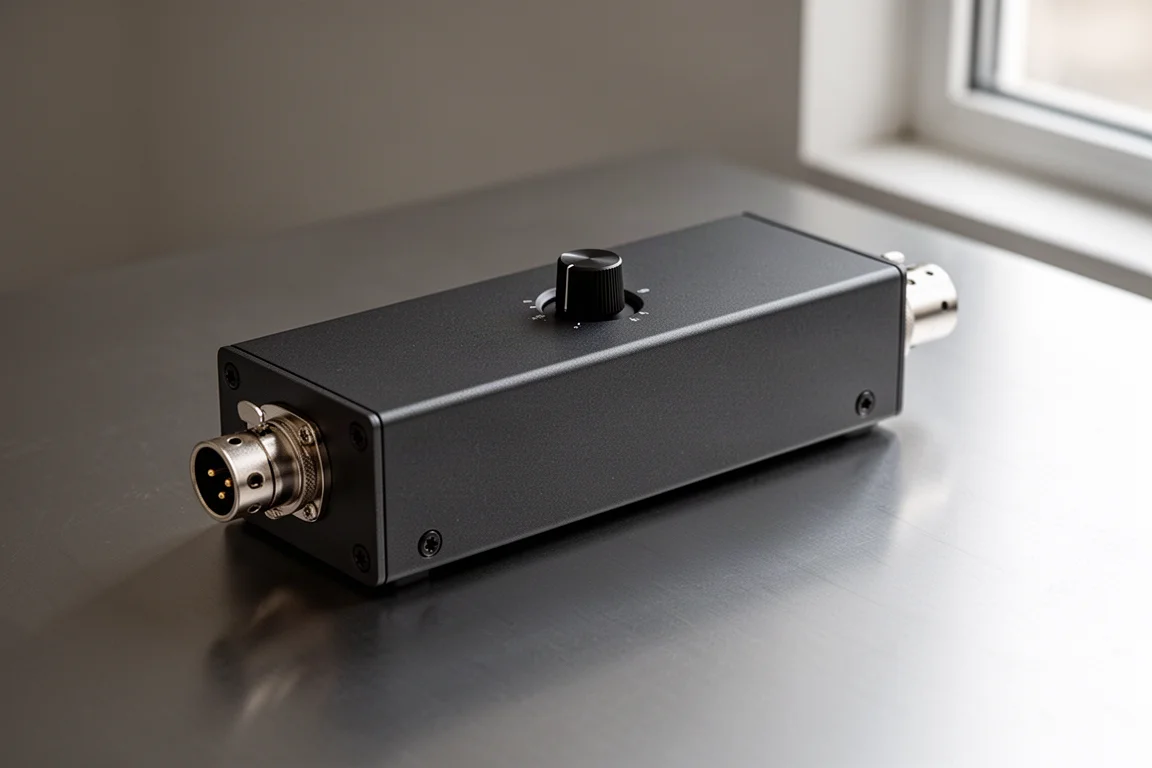
Royer dBooster
The Royer dBooster is another established inline preamp and sits in the same category as the Cloudlifter. It provides the extra gain that low-sensitivity dynamic and ribbon microphones need before the signal reaches the interface, and it is one of the options worth comparing when a straightforward boost is the right fit.
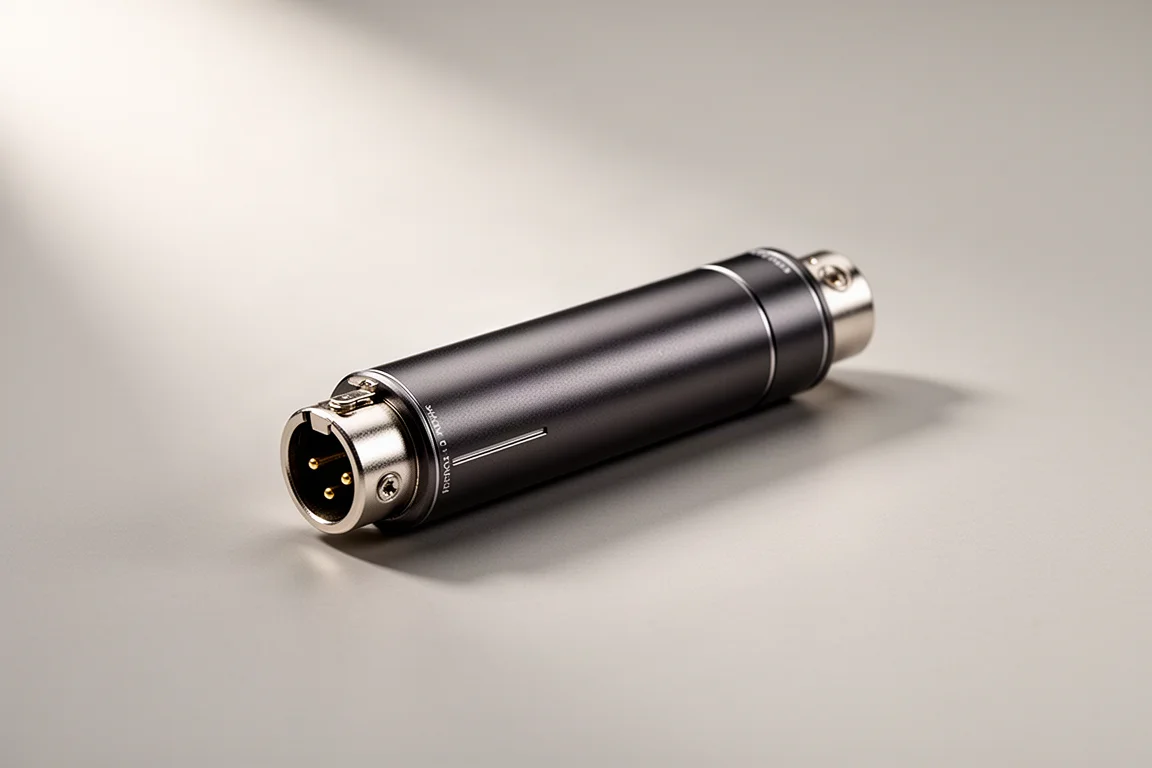
Triton FetHead
The Triton FetHead rounds out the shortlist of popular inline preamps. Like the others here, it is designed for dynamic and ribbon microphones that need more gain than the interface can supply on its own, and it is a reasonable alternative for anyone shopping at a similar price to the Cloudlifter.

For most buyers, the choice among these four comes down to ergonomics and control rather than a dramatic difference in the amount of gain on offer.
Buying Advice
Start with your interface rather than the accessory. Find the EIN and the gain range in the specifications, then compare that gain range against what your microphone needs. If the EIN is -128 dBu or lower and the gain range comfortably covers the microphone, an inline preamp is unlikely to change your recordings much.
If the numbers say you are short on gain, the decision becomes simpler. A fixed boost such as the Cloudlifter, the Royer dBooster, or the Triton FetHead is the direct route, while the Radial McBoost adds a gain control for setups where you want to adjust the amount. All four sit in a similar price bracket, so the practical question is how much control you want over the boost.
One more check before you buy: a condenser microphone cannot use any of these devices at all, so confirm your microphone type first.
Conclusion
Inline preamps solve a specific problem: not enough gain from the interface for a low-sensitivity dynamic or ribbon microphone. They do not remove noise, and they are not needed on interfaces that already supply plenty of gain. Match the device to the microphone and the preamp you already own, and the decision usually makes itself.
Further reading
Related Reviews
Audio Gear
Best Budget Audio Gear 2022: Award-Winning Speakers, Amps, DACs, and Streamers
A rundown of the standout budget audio products of 2022, including award winners and honorable mentions across speakers, amplifiers, DACs, and streamers.
Audio Gear
Best Gifts for Audio Engineers and Musicians: 10 Practical Ideas
Ten practical gift ideas for audio engineers and musicians, from hearing protection and microphones to headphones, DI boxes, and the small studio accessories that get used every session.
Audio Gear
Best Value Audio Gear: Four Standout Picks for Streaming, Speakers, and DACs
Four audio products that reset expectations for what a given budget can buy, from a compact network streamer to a sub-$1,000 DAC.