Indoor Cycling
Indoor Cycling Training Apps Compared: Zwift, TrainerRoad, RGT Cycling and Wahoo SYSTM
A practical comparison of four indoor cycling platforms, from gamified virtual worlds to stripped-back structured training, and how to pick the one that fits your sessions.
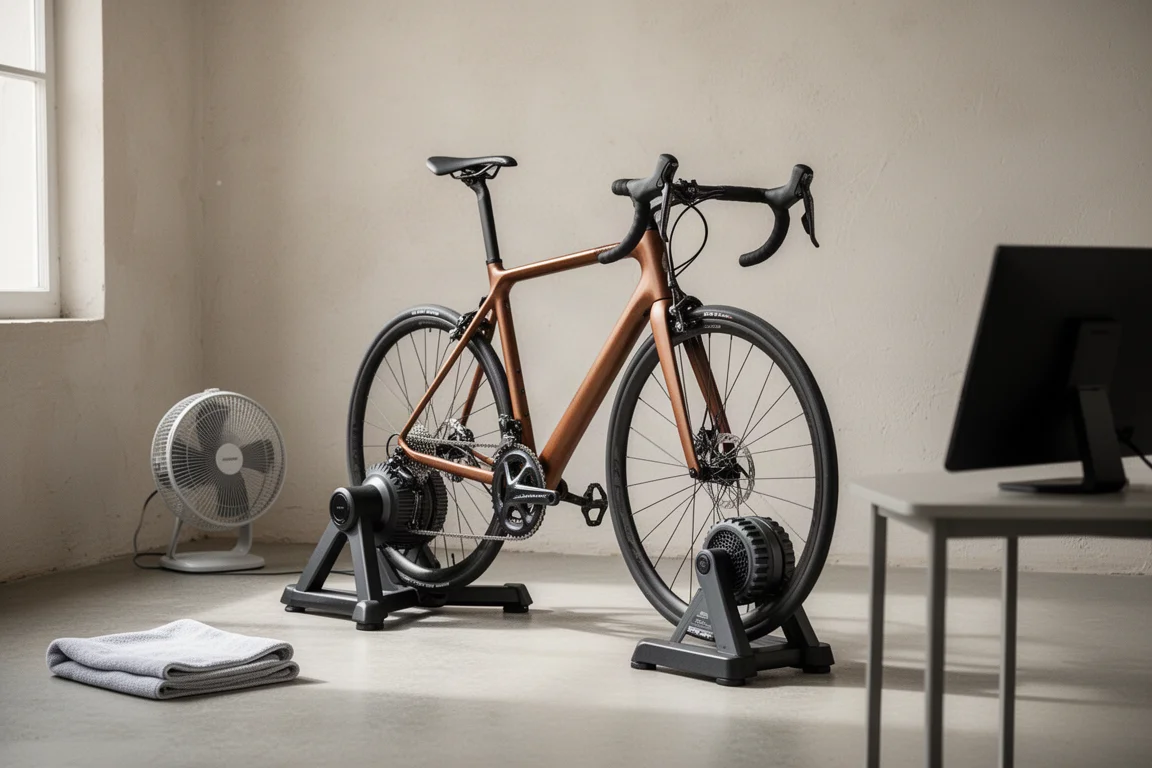
Introduction
Indoor cycling has changed a great deal. Virtual worlds, avatars, race simulations and in-app rewards now sit alongside the structured workout tools that riders have used for years. That is genuinely good news for anyone who struggles to stay motivated in a spare room, but it is not automatically good news for training.
Extra stimulation can pull attention away from the numbers that matter: power, heart rate and rate of perceived exertion. This comparison looks at four indoor cycling platforms, Zwift, TrainerRoad, RGT Cycling and Wahoo SYSTM, and asks one simple question of each. Does it help you complete the session you planned?
How We Evaluated These Indoor Training Apps
The first criterion is structure. A platform should make it easy to follow prescribed intervals, and ideally adapt a training plan to the rider over time. The second is distraction: how much of the screen, and how much of your attention, is taken up by something other than the workout.
The third is setup simplicity. A smart trainer takes care of power, so a phone and a heart rate monitor are often all that is needed. Anything beyond that should earn its place in the routine.
There is also a physiological argument for keeping things plain. Base training is meant to stay below the top of zone 2, and it is easy to drift above it when a climb or a rival avatar appears up the road. Zone 3 tempo work is fatiguing relative to the fitness it returns, and too much of it is a common route to indoor training burnout and possibly overtraining.
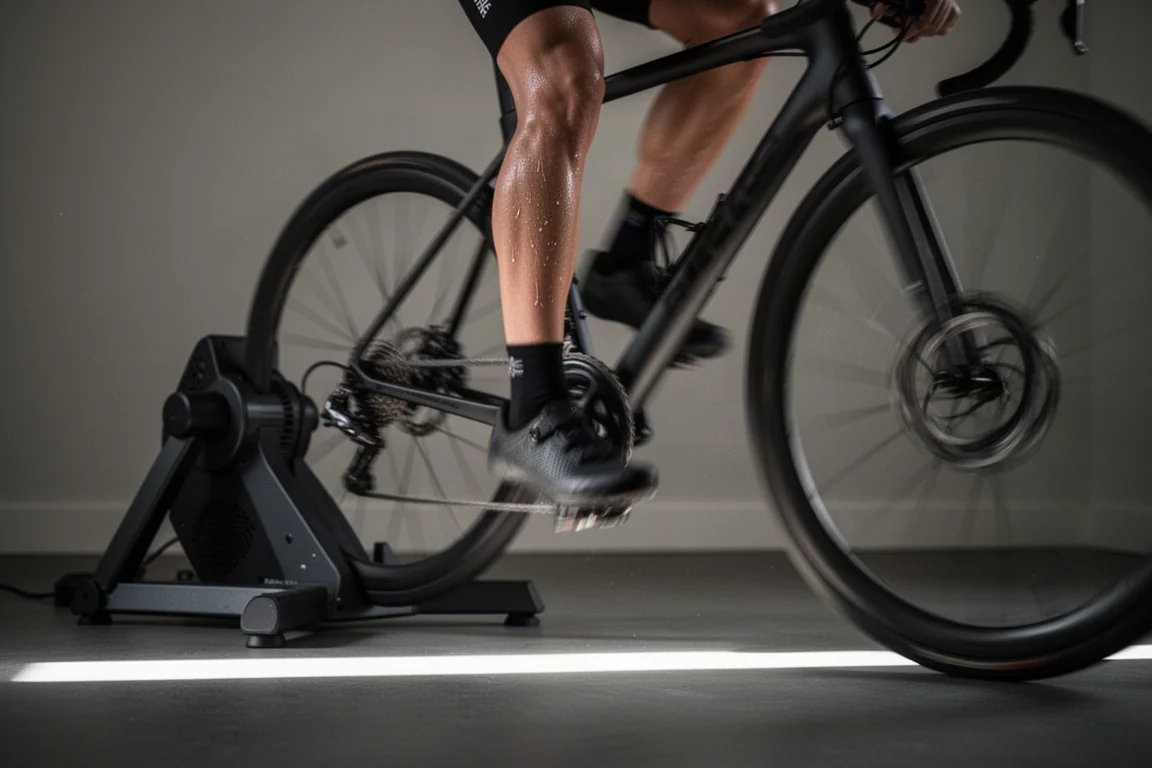
For riders working on aerobic development, the controlled environment of an indoor trainer is the advantage rather than a limitation. The same logic applies to mental preparation: time spent on a trainer can rehearse the duller stretches of a long outdoor ride. Jenny Graham used a turbo trainer with a map of the Nullarbor in front of her while preparing for a record-breaking ride around the world, ticking off kilometres on a road that runs 145.6 km in a straight line. Very few riders need that level of preparation, but the principle behind it holds.
Zwift: The Most Gamified Virtual World
Zwift is the platform most riders think of first, and its virtual world is the reason. Riders share a persistent online environment with other avatars, racing, leaderboards, Tron bikes, power-ups and unlockable jerseys. The gamification is deliberate and it works, because it is easy to find a reason to get on the bike.
Zwift does support structured workouts, and they are a legitimate way to train. The caveat is behavioural rather than technical. The banners displayed above avatars suggest that a large share of riders are on unstructured free rides rather than following a plan with a physiological goal such as improving VO2 max.
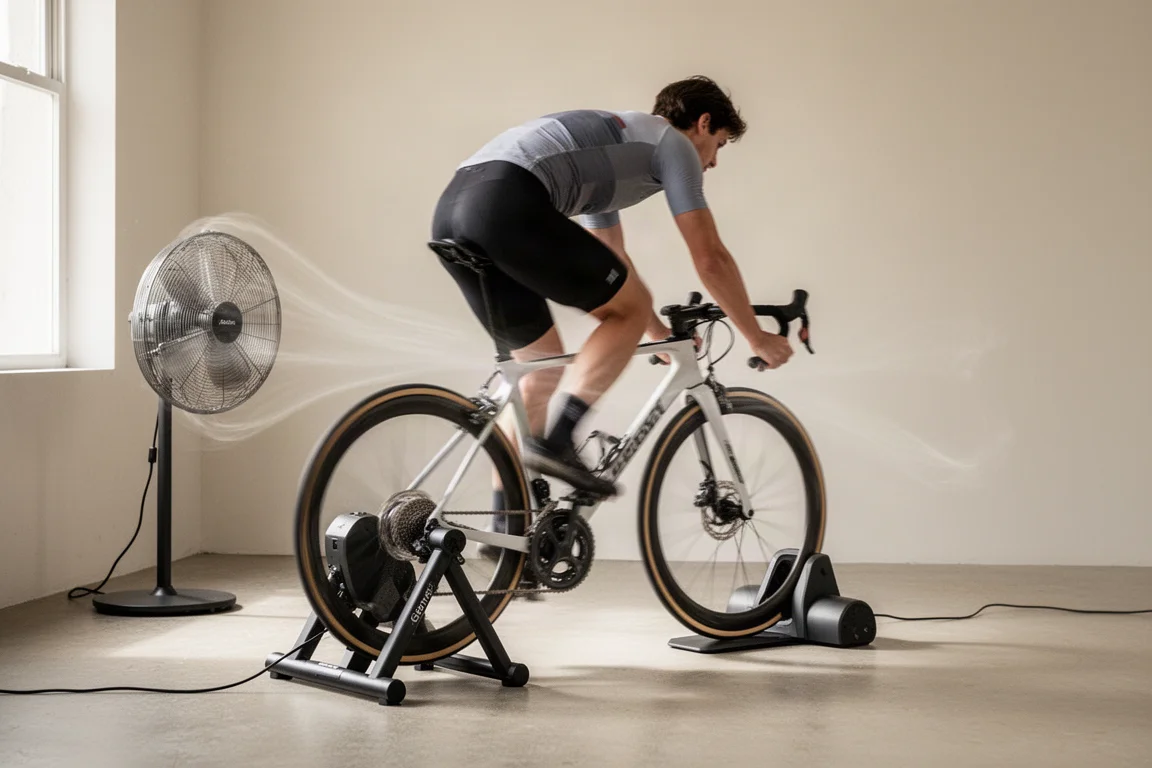
For riders who need engagement to train consistently, that trade-off is often worth it. For riders trying to hold a low aerobic zone, the constant presence of other riders and climbs creates a standing temptation to push harder than the session allows.
TrainerRoad: Structured Training Without Distractions
TrainerRoad takes the opposite approach. Virtual worlds, power-ups and special jerseys are cast aside, and structured workouts and adaptive training plans are essentially the whole product. You tap away at the prescribed power output, watch your heart rate respond, and get on with it.
That sparseness is the point. Without avatars to chase and terrain to react to, holding a target zone becomes a matter of discipline rather than a fight against temptation, and interval sessions stay on plan. The obvious cost is stimulation: if a plain screen makes it hard to start a session at all, this is not the platform that will fix it.

RGT Cycling: Realistic Virtual Roads
RGT Cycling also builds virtual worlds, with an emphasis on roads that feel closer to the real thing. That realism is a feature for many riders, and it makes longer sessions more interesting.
It also adds stimulus. When a virtual road looks convincing, it invites the same reactions as a real one, including steering around other riders and responding to gradient. Those reactions are exactly what some riders are trying to remove from a structured session, and detailed scenery can compete for attention with power, heart rate and perceived exertion.

Riders who want their indoor kilometres to resemble outdoor riding will get more from this approach than riders who want a bare workout screen.

Wahoo SYSTM: Race Simulation and Structured Workouts
Wahoo SYSTM combines structured training with simulations of World Tour races. The race content gives hard intervals a context, which can make sustained efforts at high intensity easier to complete than the same effort against a plain bar graph.
The same extra layers that provide motivation can become unwanted distraction. If the goal is uninterrupted sustained effort, race footage and race scenarios add stimulus that a rider may prefer to do without. Used deliberately, though, the race simulations suit riders who respond to competition.
Which Indoor Training App Should You Choose?
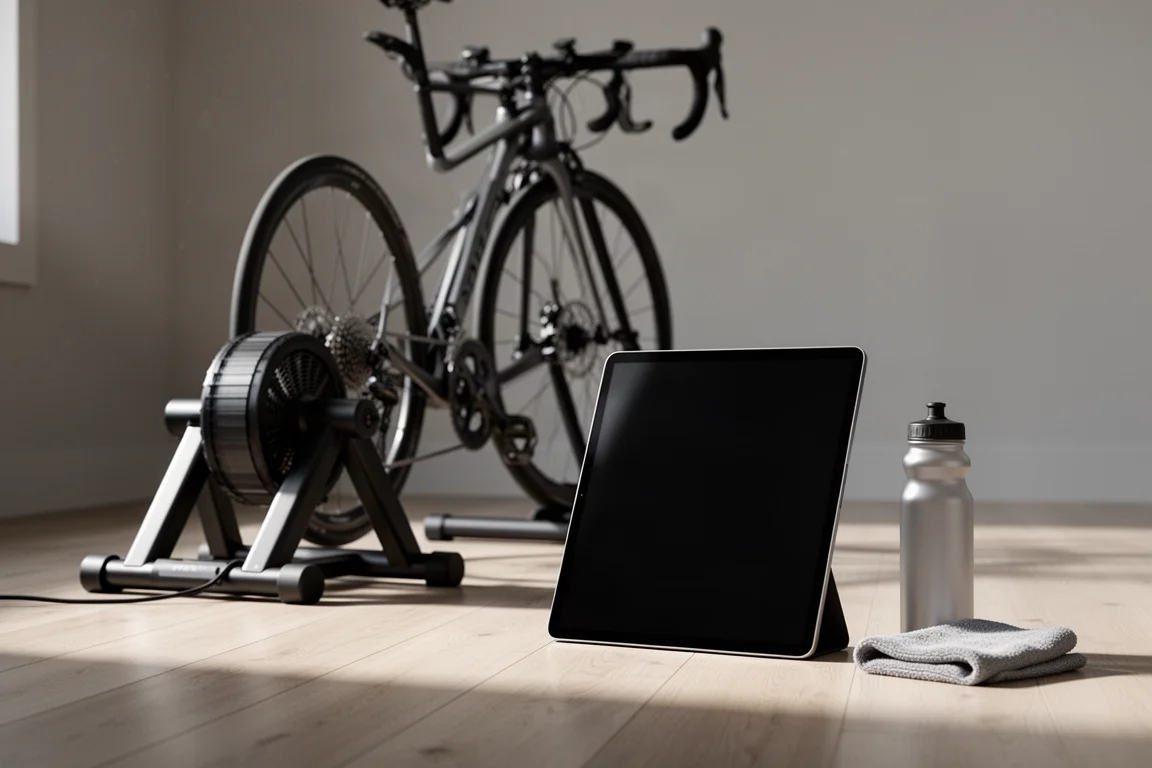
Start with the session you actually want to do. If the answer is structured intervals and adaptive plans, a stripped-back platform is the more effective tool, because nothing on screen competes with the prescribed power target. If the answer is anything that gets you on the bike three times a week, engagement is not a gimmick, it is the mechanism that makes the training happen.
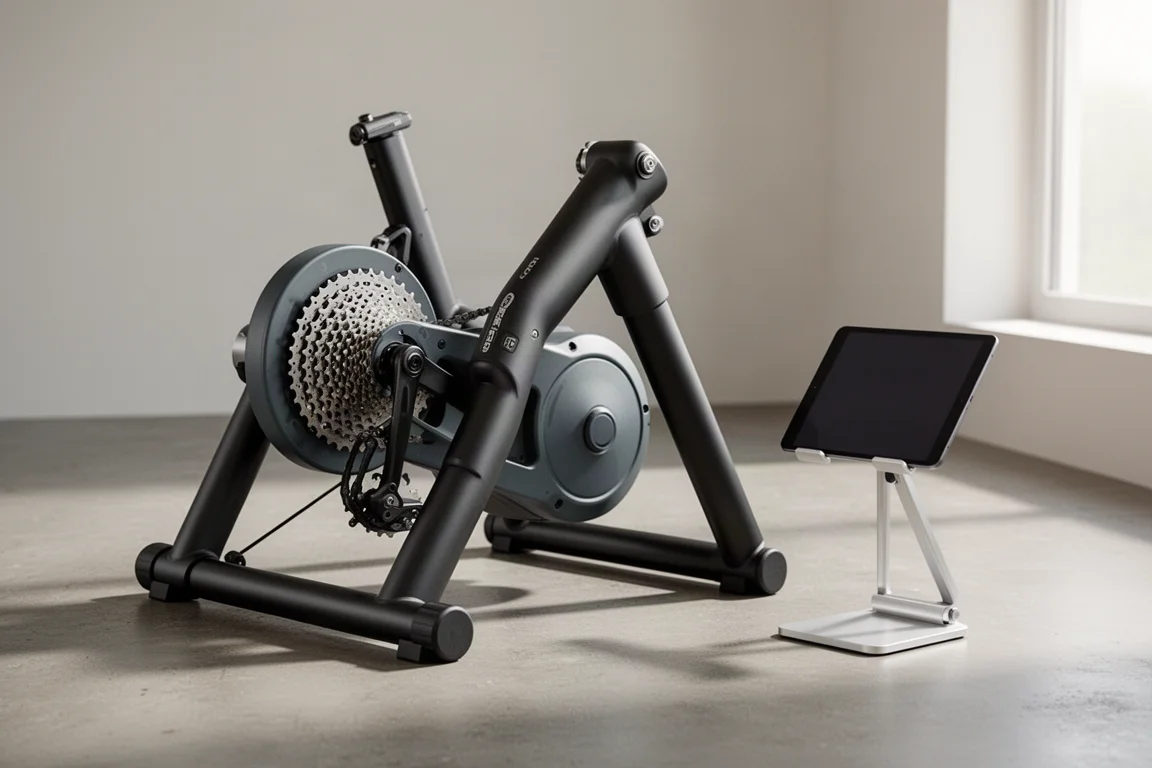
Setup matters as much as content. A smart trainer covers power, so a phone and a heart rate monitor are enough to run most sessions, and there is no need to project interval blocks onto a laptop or add a keyboard, a headset or a handlebar-mounted controller. A trainer table is genuinely useful; steering blocks and rocking plates add complexity that a rider can simply get from riding outdoors.
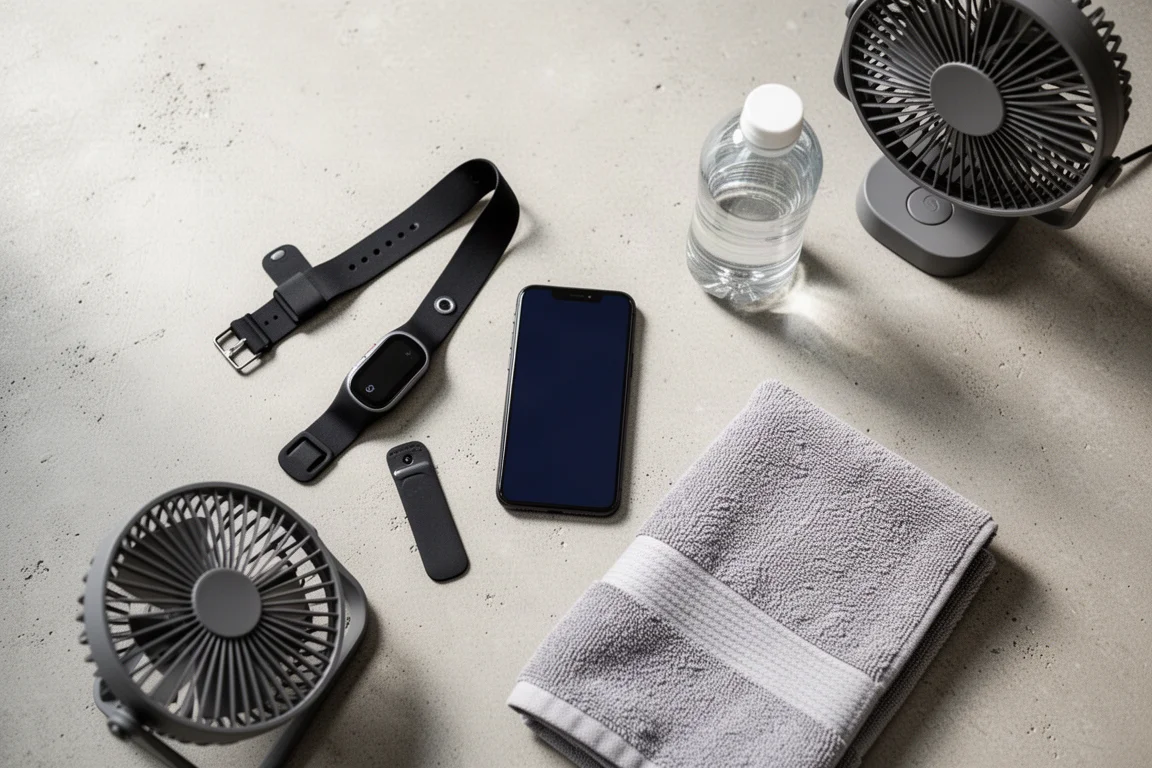
Whichever platform you settle on, the deciding factor is whether it helps you complete the sessions your plan calls for. A rider who finishes structured work consistently will improve more than a rider who free-rides more often, however entertaining those rides were.
Conclusion
Indoor cycling apps are more engaging than they have ever been, and for many riders that is a real gain. For riders chasing specific physiological goals, the simpler platforms remain compelling. TrainerRoad offers structure without distraction, Zwift and Wahoo SYSTM supply motivation and race context, and RGT Cycling delivers realistic virtual roads. Match the platform to the session you need to complete, and the choice becomes straightforward.
Further reading
Related Reviews
Indoor Cycling
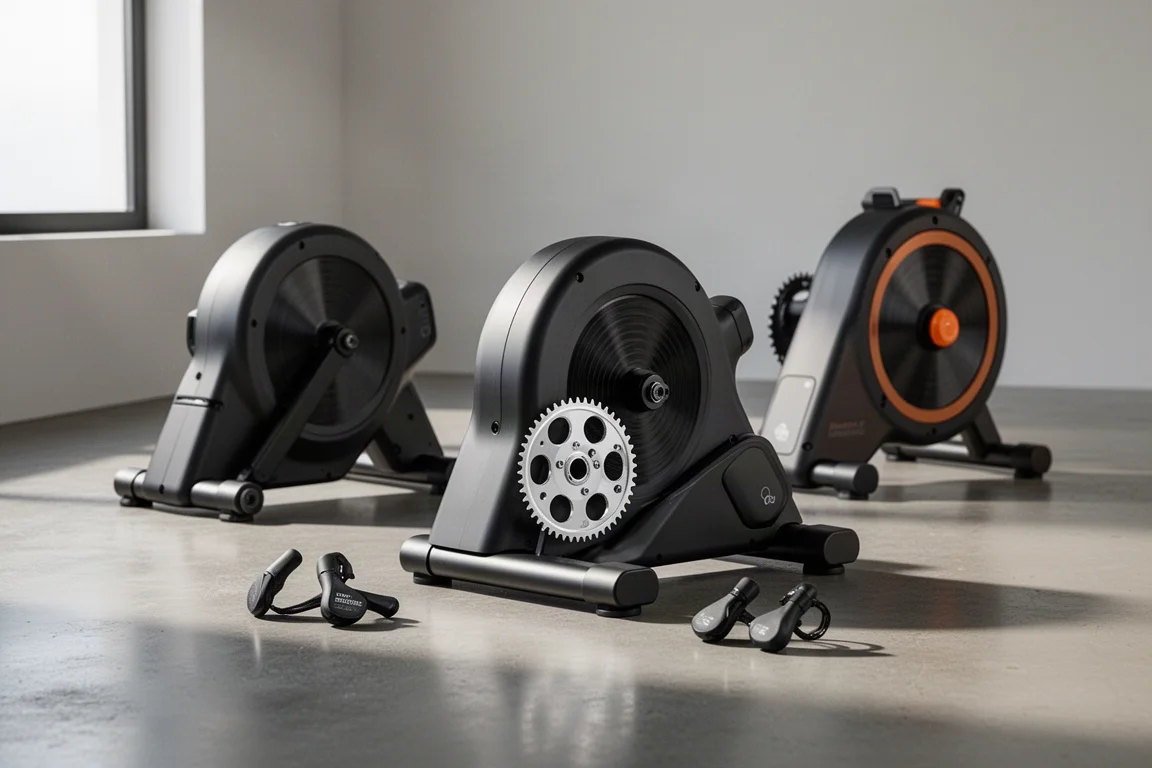
Best Budget Smart Indoor Trainer Setups: Six Options Worth Considering
Smart indoor trainers keep getting better while prices come down. Six setups and components worth considering, from the cheapest Zwift-ready option upward.
Indoor Cycling
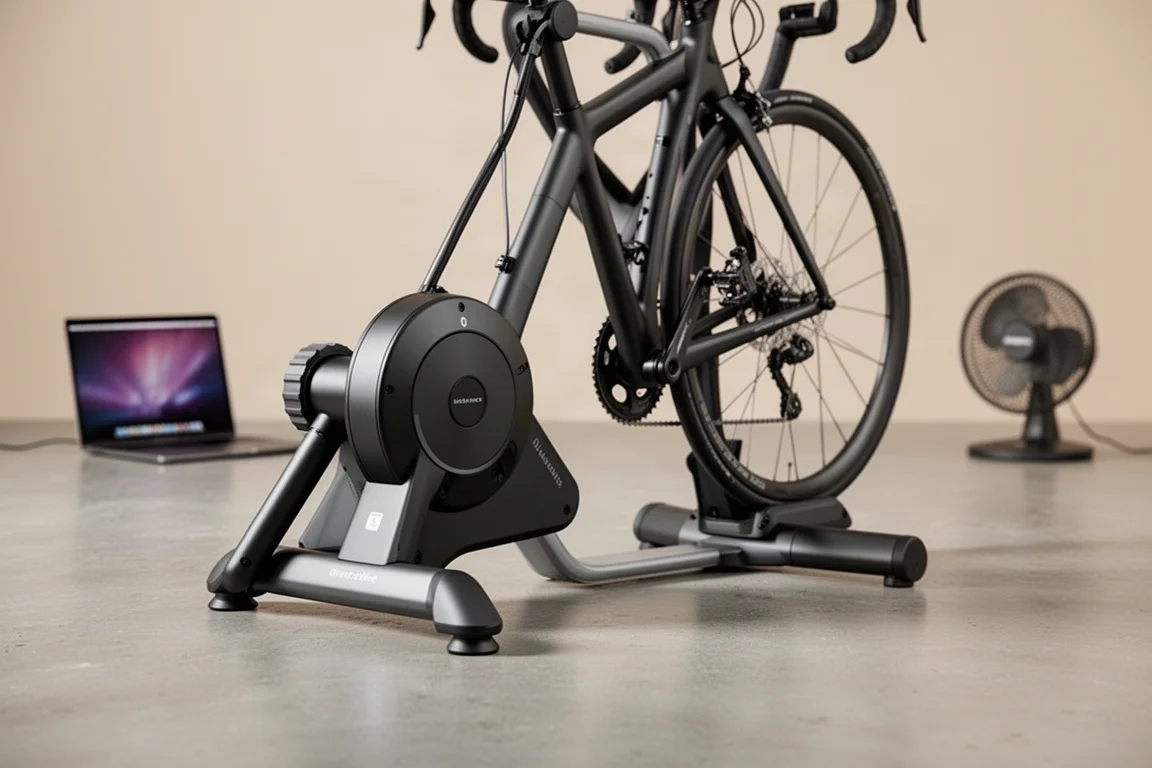
Best Budget Smart Indoor Trainers for Immersive Cycling in 2026
A practical guide to affordable smart indoor trainer setups, including budget and mid-range options with virtual shifting.
Indoor Cycling
Best Indoor Cycling Apps and Smart Trainers: A Winter Buying Guide
A practical look at the indoor training platforms and smart trainers that matter this season, from a new challenger to Zwift to the entry-level trainer that stands out on value.