Maker Space Setup
Improving 3D Printer Workspace Air Quality: What Actually Works
Air quality in maker spaces matters more than most realize. Here's what testing revealed about circulation, filtration, and the real pollutants to watch.
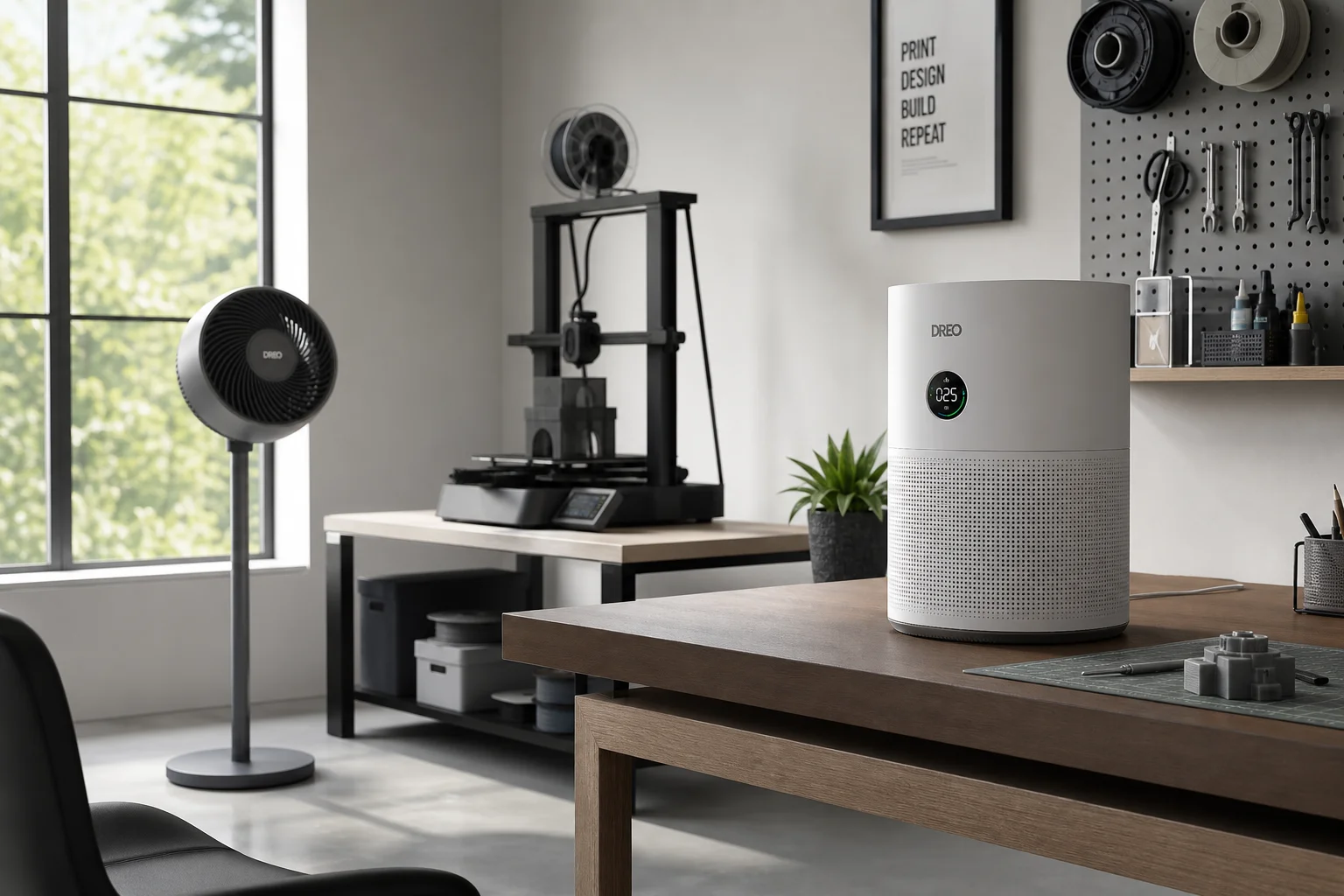
Introduction
Air quality in maker spaces rarely gets the attention it deserves. Most makers focus on printer settings, material choice, and post-processing techniques, but the air you breathe while working matters just as much. Testing a combination of air circulation and filtration equipment revealed surprising truths about what actually improves workspace air quality and what doesn’t.
The Real Pollutants in Your Workspace
The biggest surprise from testing was that ABS and ASA printing alone produce far less air pollution than most online communities suggest. Printing these materials on a single printer in a reasonably sized room had minimal measurable impact on air quality metrics like PM2.5 and volatile organic compounds (VOCs).
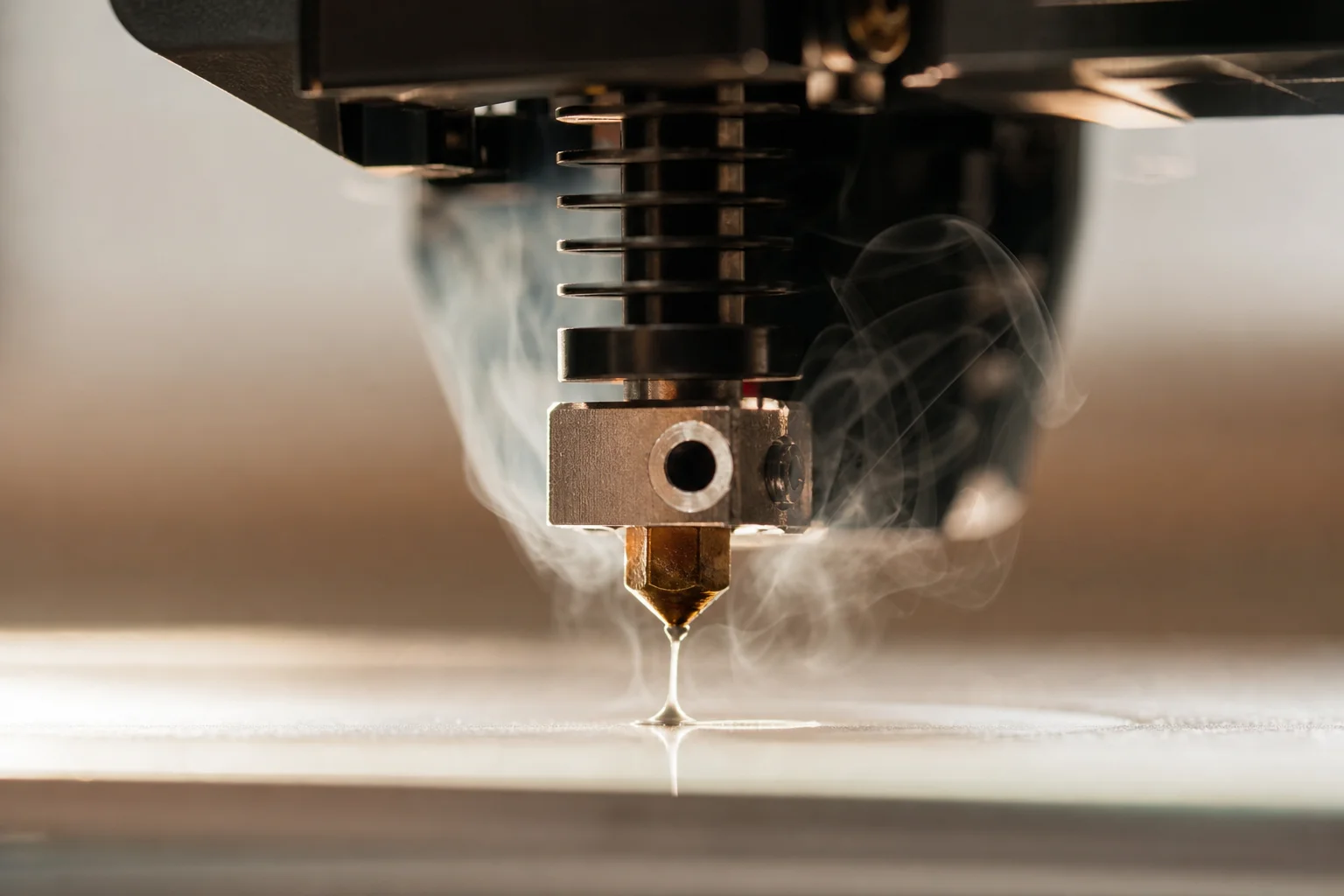
The real culprits are the complementary activities that happen in most maker spaces. Soldering, filament drying, heatset insert installation, and post-processing with chemicals like acetone, epoxy, or 3D Gloop create far more noticeable air quality degradation. A single overnight session of drying water-logged filament alongside running printers showed dramatic air quality decline, far more severe than a full day of ABS printing.
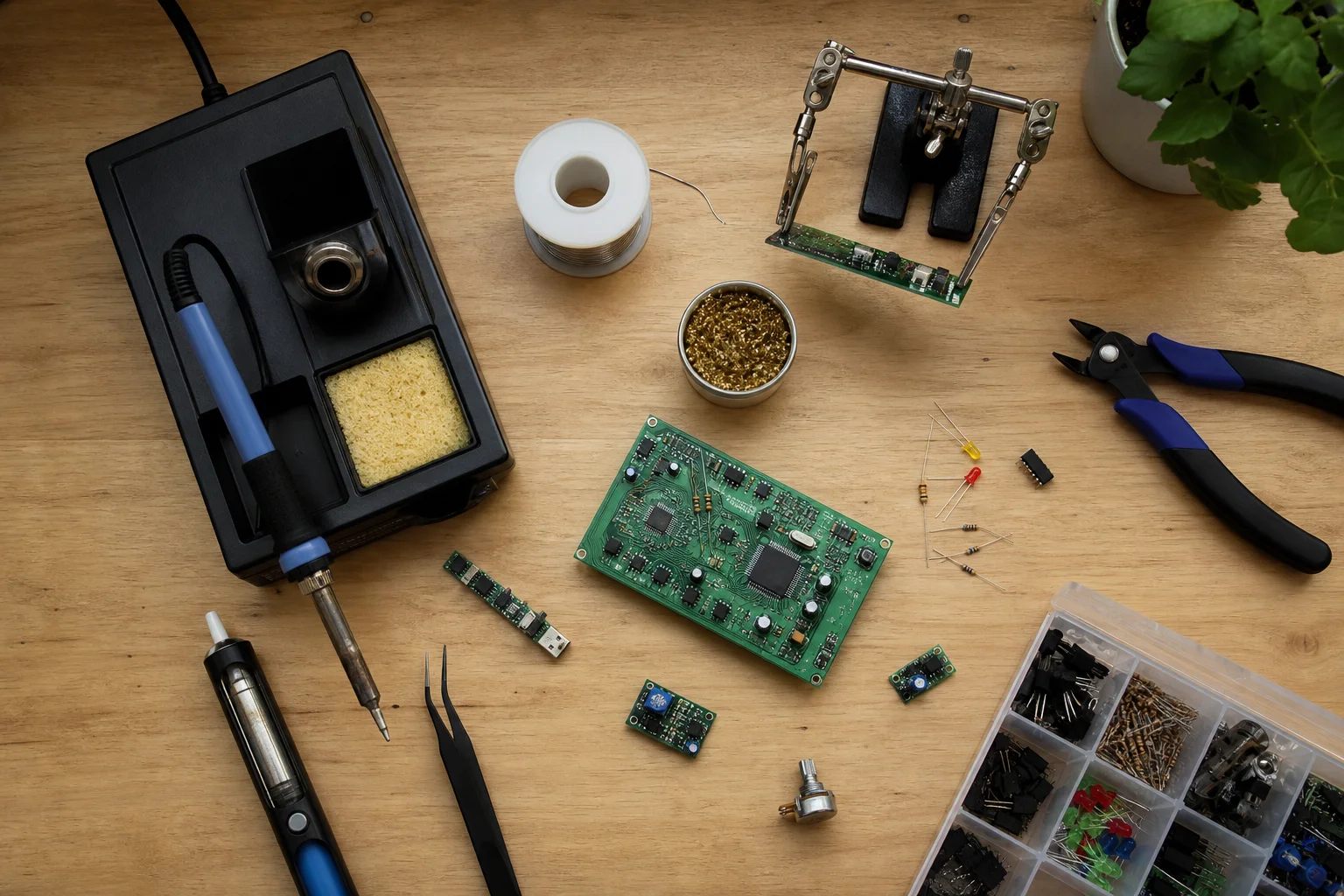
If you work with resin printers, laser cutters, or table saws, these activities compound the problem significantly. The cumulative effect of multiple pollution sources creates a genuinely hazardous environment that requires active management.
Air Circulation and Ventilation Strategy
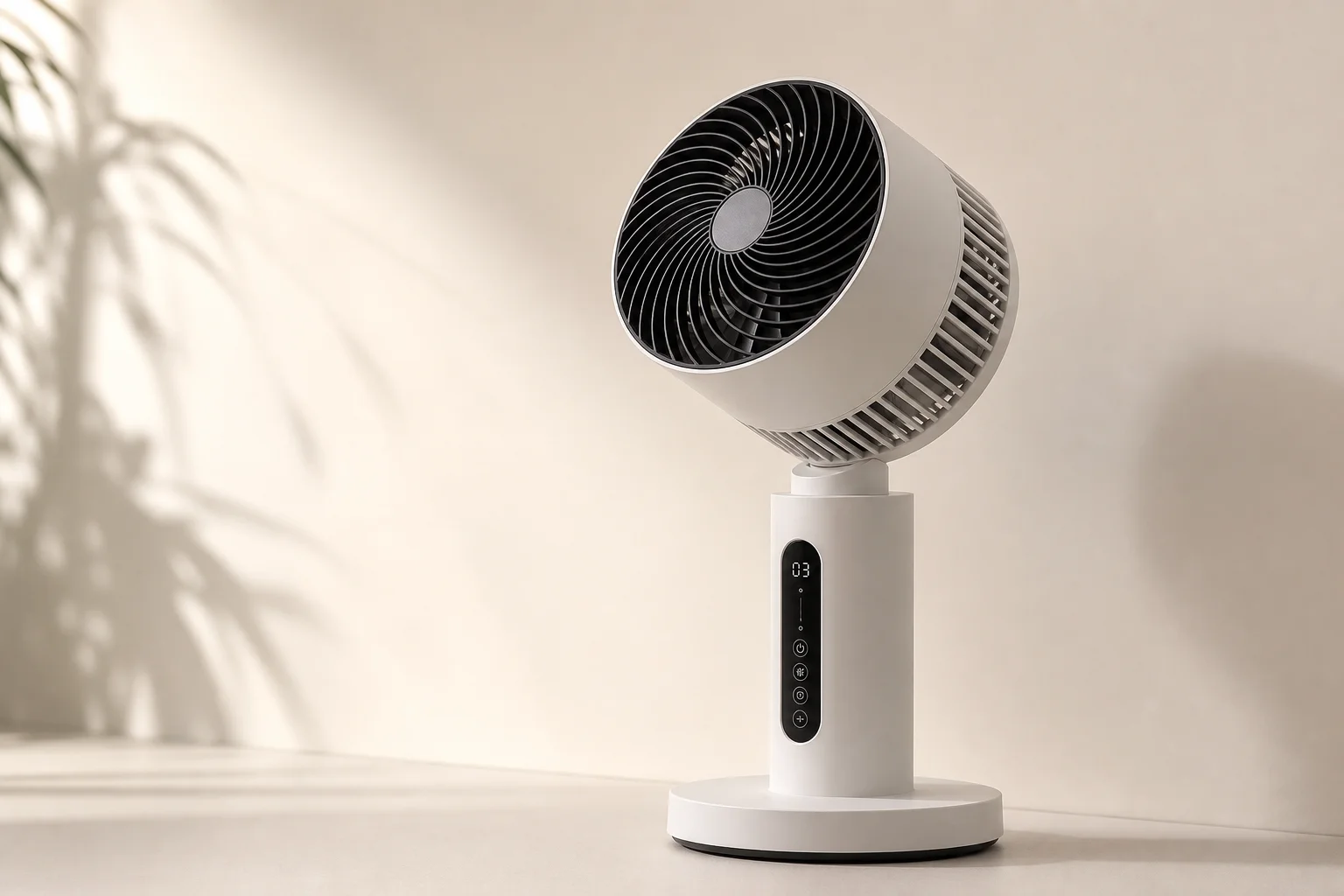
Simply cracking a window is not enough. Passive ventilation does almost nothing to move polluted air out of your workspace. Instead, you need active air circulation that moves air in random patterns throughout the room and then pushes it out through a window or door.
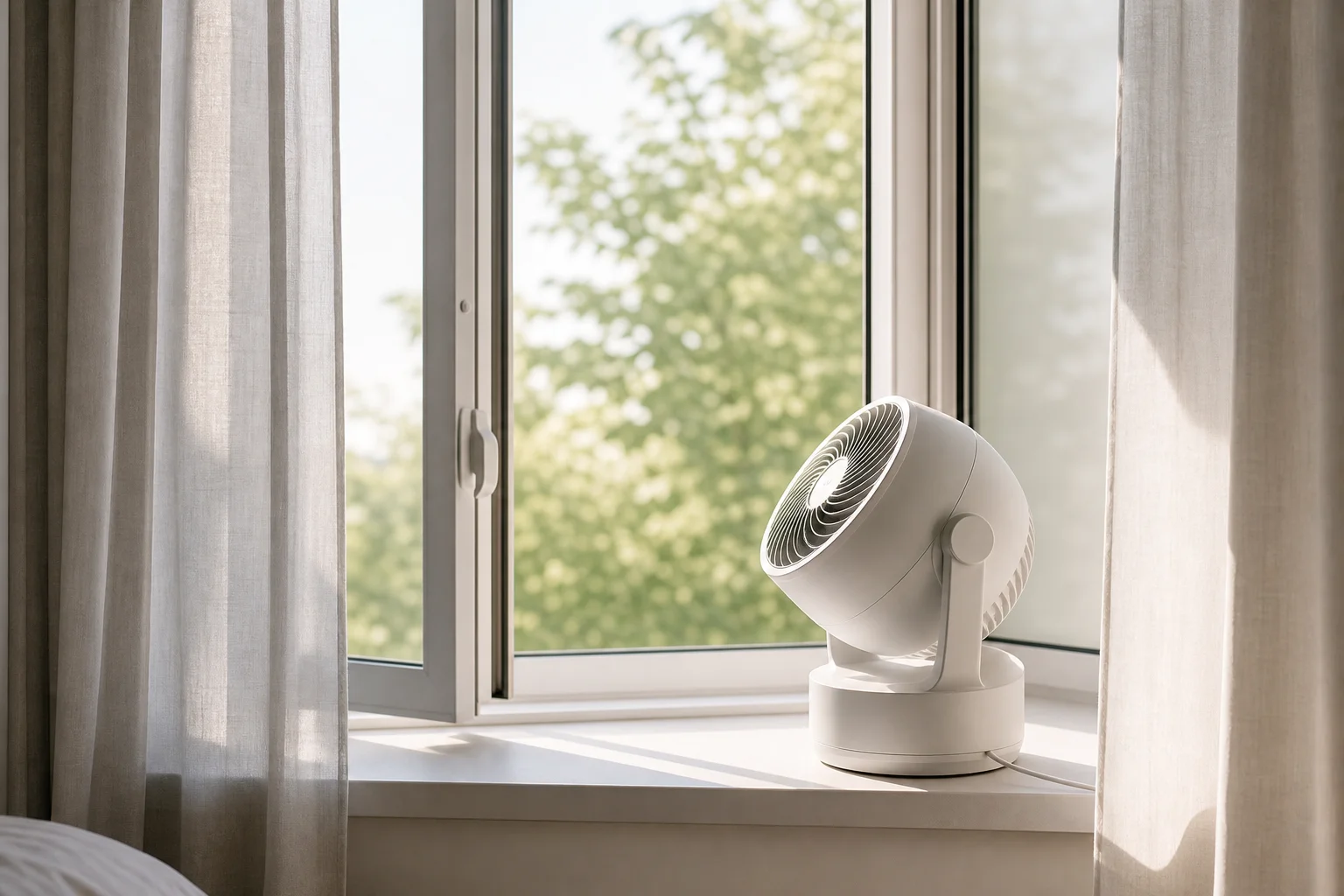
The most effective approach combines two strategies. First, use a powerful circulation fan to move air around the room in varied patterns and push it toward an exit point like a window. Simultaneously, create an inlet on the opposite side of the space, such as a partially open door, so fresh air can flow in freely. This creates a complete air exchange rather than just recirculation.
One critical finding: clearing accumulated pollutants takes far longer than expected. Even with active circulation, it typically requires overnight or many hours to bring air quality back to acceptable levels after a pollution event. This means prevention through source control is more practical than relying on cleanup afterward.
The Outside Air Problem
Another unexpected discovery is that outdoor air quality directly impacts your ability to improve indoor air. If you live in an urban area with construction, traffic, or industrial activity, the air outside may contain as much or more fine particulate matter as your workspace. Opening windows to vent VOCs works well, but it simultaneously brings in outdoor PM2.5 pollution.
This creates a two-phase strategy: first vent out the worst volatile organic compounds using circulation and open windows, then close everything up and use filtration to remove fine particles that came in from outside or accumulated indoors.
Monitoring and Maintaining Air Quality
Without real-time air quality data, you have no way to know if your efforts are working. A smart air filtration system that measures PM2.5 and displays readings in a mobile app lets you see exactly what you’re breathing before you enter your workspace each day.
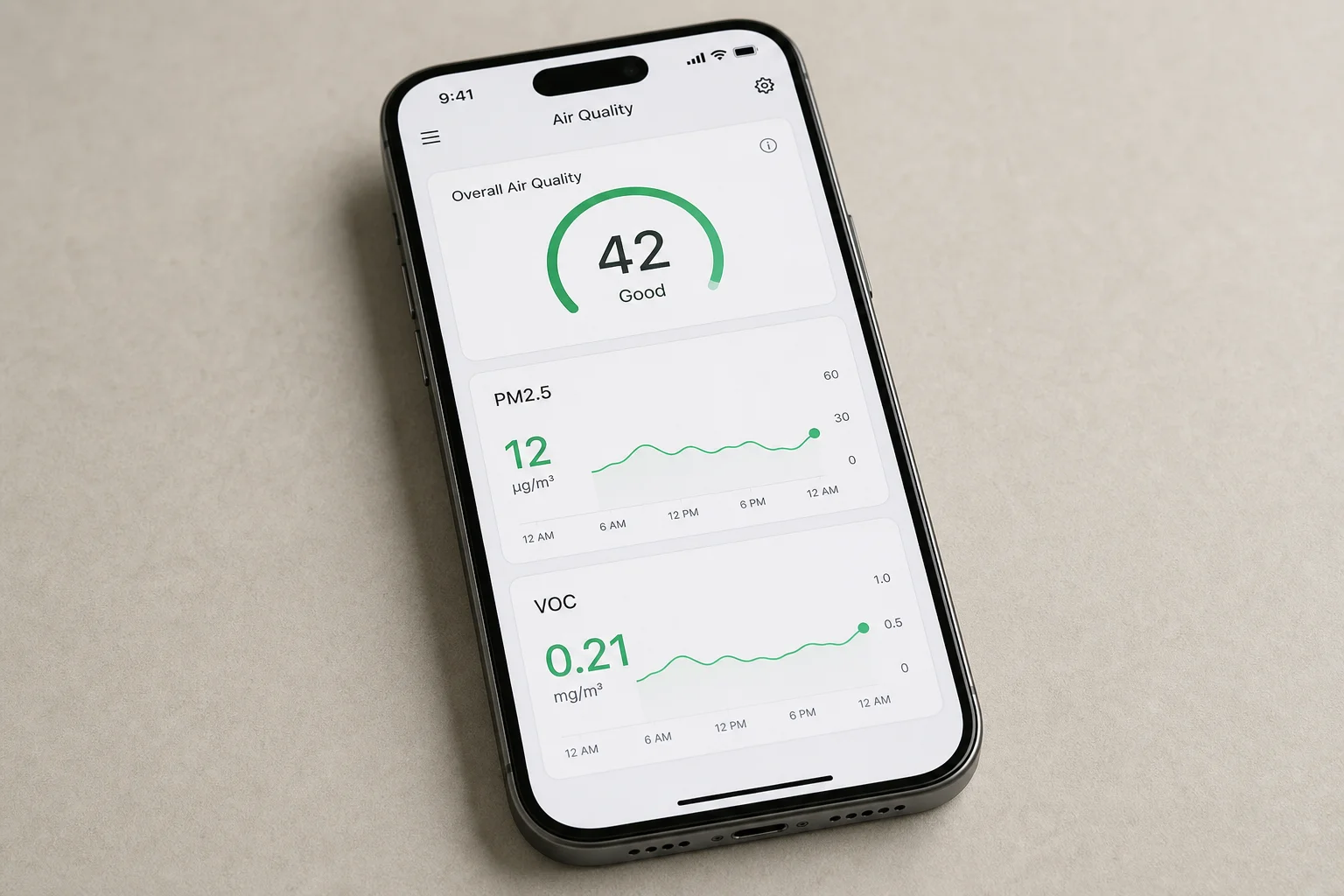
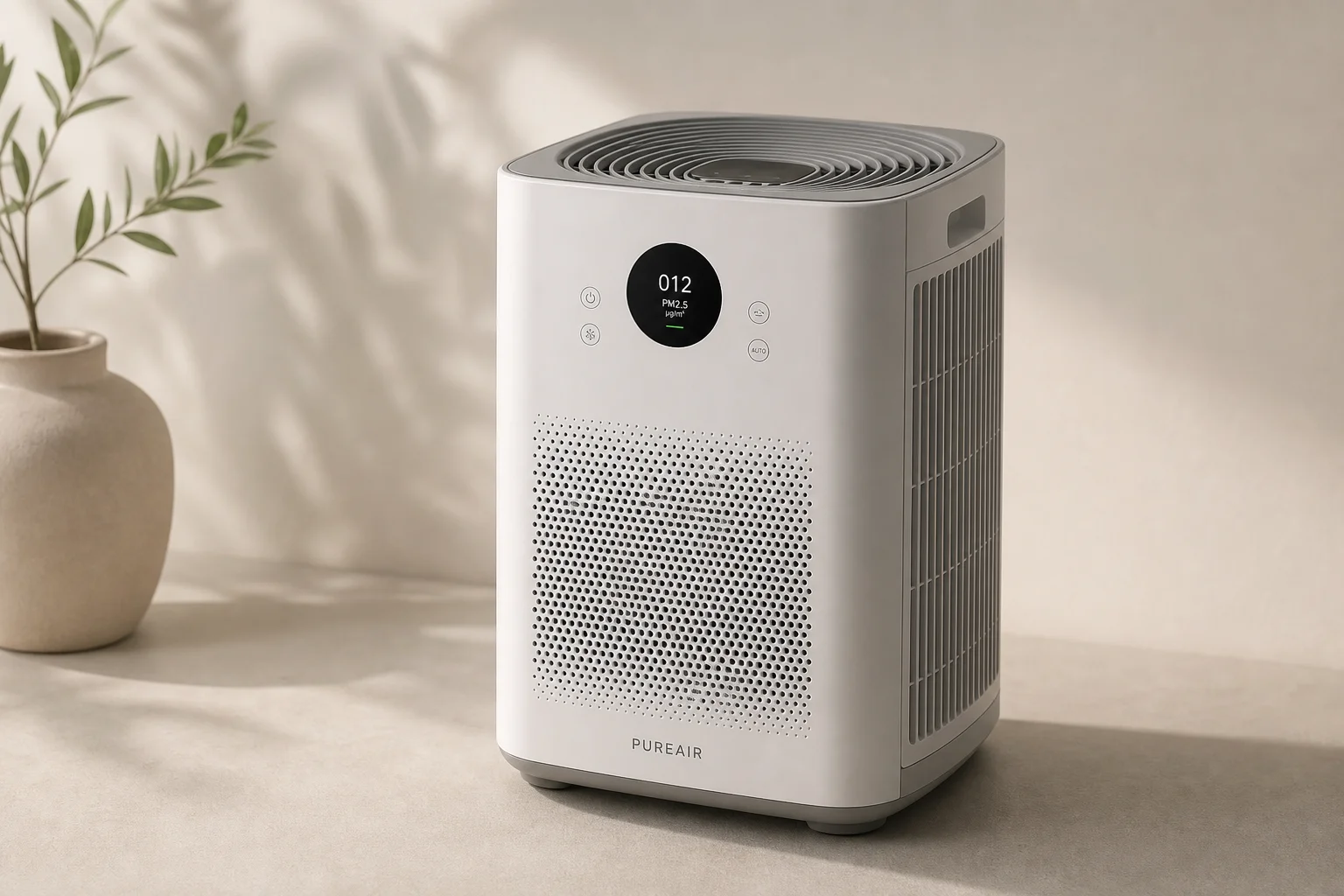
Equally important is automating the process. Setting your air purifier to auto mode means it runs continuously based on detected air quality, not just when you remember to turn it on. This prevents pollutants from accumulating overnight or during periods when you’re not actively working.
Practical Recommendations
Based on testing, a multi-pronged approach works best. Leave an air purifier running on auto mode at all times to handle fine particles and provide real-time air quality visibility. Use a powerful circulation fan whenever you’re doing activities that generate VOCs, such as soldering, gluing, or laser cutting. Schedule the most noxious activities for the end of the day so air quality can recover overnight before you return.
For materials like ABS or PLA, on-printer filtration solutions like the Nevermore or Bento Box remain valuable as part of an overall strategy, but they should not be your only line of defense. They work best combined with room-level circulation and filtration.
The key insight is that air quality management requires multiple layers: source control, active circulation, filtration, and monitoring. No single solution solves the problem alone.
Conclusion
Maker spaces accumulate air pollution from many sources, and most of it comes from activities other than 3D printing itself. Active circulation, strategic ventilation, and continuous filtration provide measurable improvements in workspace air quality. The investment in proper equipment and the discipline to use it consistently pays dividends in both health and the ability to work comfortably in your space for years to come.
Further reading
Related Reviews
3D Printing
3D Printing Trends 2026: Multi-Material Systems, Stronger Filaments, and Desktop Metal Casting
FormNext 2025 revealed the direction of 3D printing in 2026: accessible multi-material printers, high-strength filaments, and innovative software solutions that bring industrial capabilities to the desktop.
3D Printing Materials
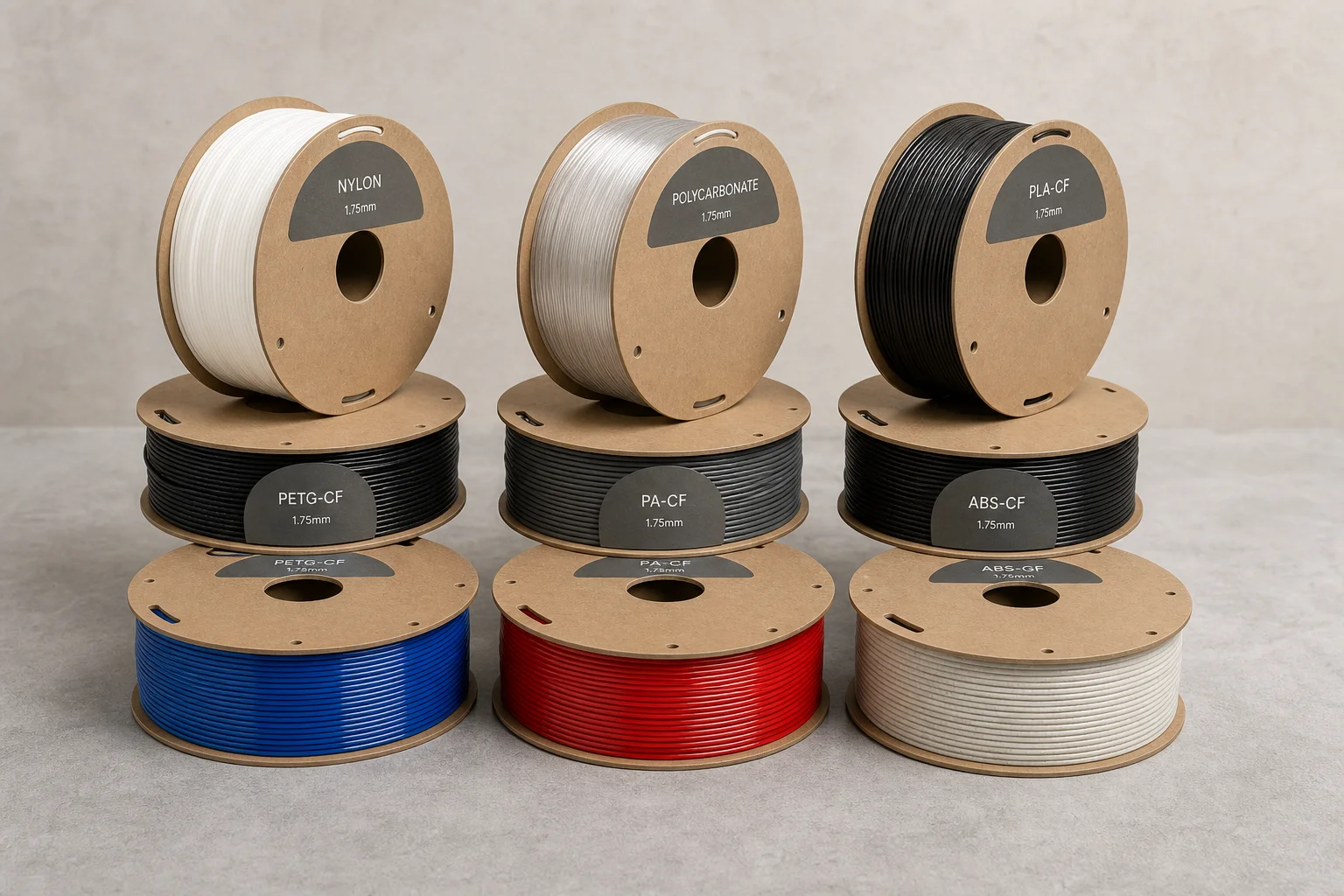
9 Advanced 3D Printer Filaments: A Practical Guide to Engineering-Grade Materials
Explore nine advanced filament types for 3D printing, from Nylon and polycarbonate to carbon fiber composites. Learn their strengths, trade-offs, and best applications.
3D Printing Materials
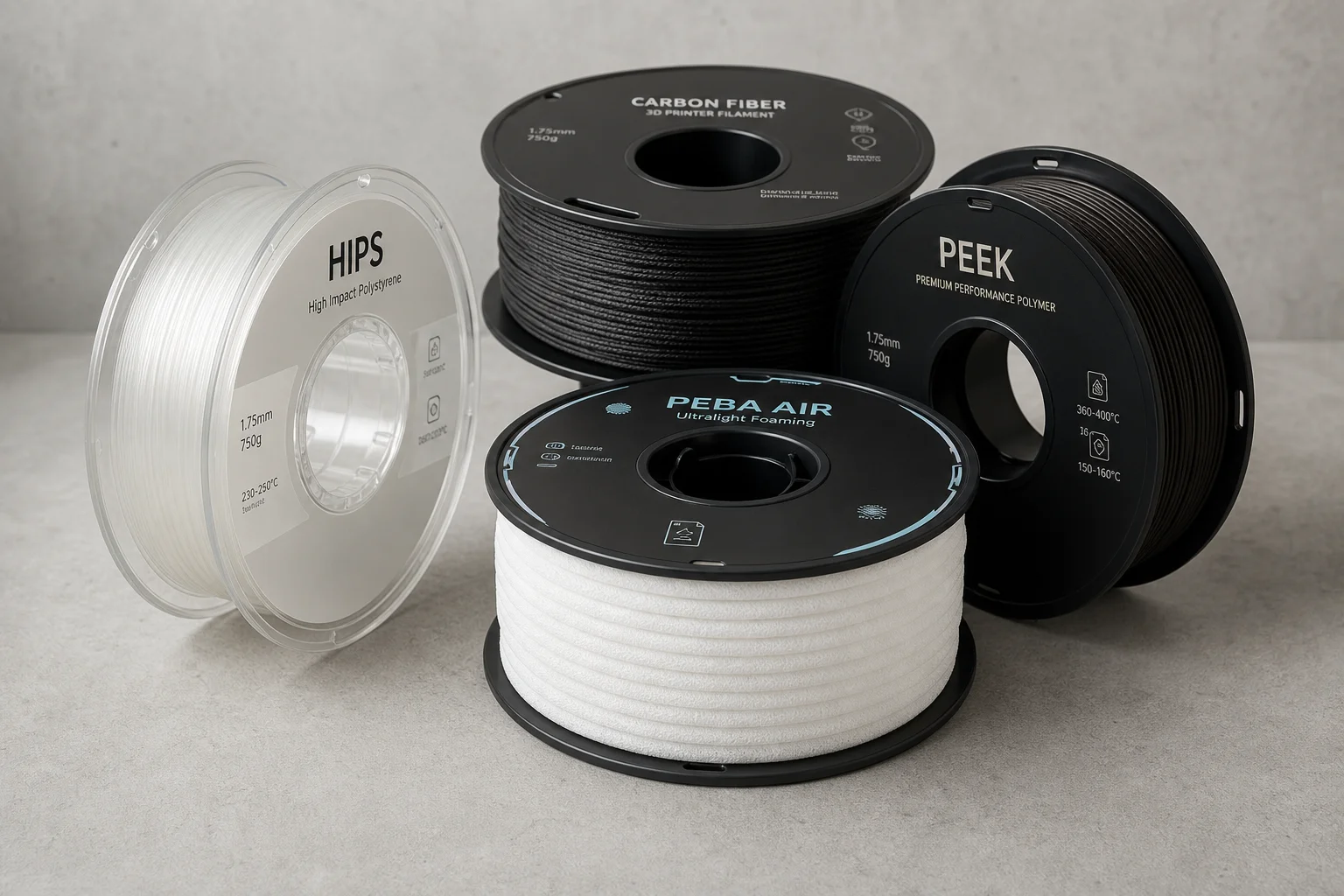
Advanced 3D Printing Filaments: 15 Functional Materials Beyond PLA and PETG
Explore over 15 specialized 3D printing filaments with unique properties, from flexible PEBA Air to extreme-temperature PPS-CF. Learn what each material excels at and how to print it successfully.