Phono Preamps
iFi Zen Phono 3 Review: Affordable Vinyl Sound Worth the Upgrade
A close look at the iFi Zen Phono 3, an affordable phono preamp with moving magnet and moving coil support, a balanced 4.4mm output, and a remarkably quiet noise floor.
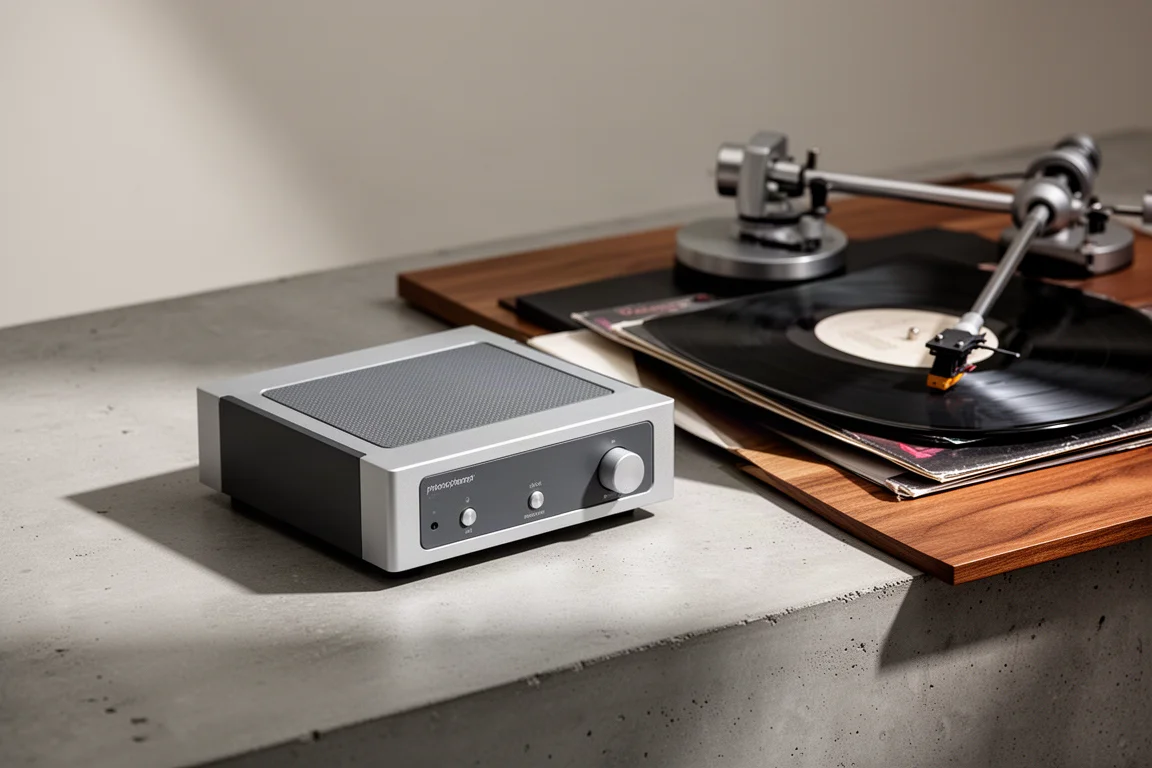
Introduction
Vinyl is often described as the gold standard for analog sound, yet many turntables hide their weakest link inside the chassis. The built-in phono stage on a lot of affordable decks is small, pushed into the mid-range, and far less dynamic than the rest of the system deserves. For a listener whose first turntable experience comes after years of streaming or CD playback, the result can feel flat rather than warm.
That is the gap the iFi Zen Phono 3 is built to close. It is the third iteration of a phono preamp that has long served as a reference point for affordable vinyl upgrades, and it arrives at around $250, roughly $50 more than the original generation. The fair question is whether it can hold its own against phono stages that cost twice as much, or even four times as much.
Who This Phono Stage Is For
The Zen Phono 3 suits listeners who want a clear, immediate improvement in sound quality without rebuilding an entire system. Two changes move the needle most on a turntable: the cartridge and the phono preamp. Both make a bigger difference than many people expect, and both are easier to swap than the turntable itself.
It is also a strong fit for anyone whose turntable has a built-in phono stage that is holding the rest of the setup back. A dedicated phono preamp can make the sound bigger, more organic, and more detailed even when the deck stays exactly as it is. Because the upgrade can be added later, there is no need to buy everything at once.
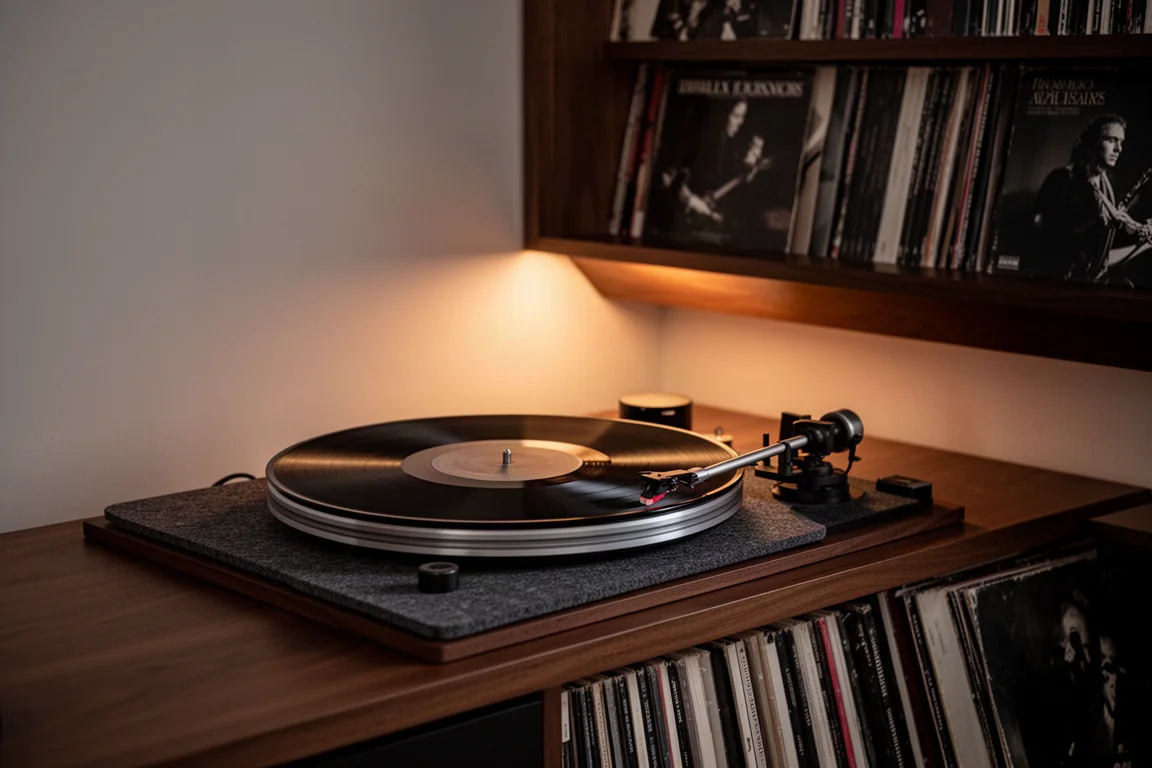
Owners of turntables with a removable headshell have an even easier path, since cartridge swaps become simpler and the phono stage can follow along from one deck to the next. This is a component that rewards a gradual approach rather than a single large purchase.
Main Strengths
The most consistent strength of the Zen range is value, and the Zen Phono 3 continues that pattern. The feature that stands out most is how quiet it is. An isolated, high-grade power supply keeps the noise floor whisper low so that only the audio signal is amplified, and the result is a dark, inky background that lets quiet passages breathe.
A subsonic filter is built in as well. It is described as intelligent, targeting record warp rather than the entire low end, and it does work on warped records. In practice the effect is modest, because other phono preamps with subsonic filters handle warp in much the same way, but the feature is present and it does no harm. It runs from a 5V barrel power supply.
A balanced output is another unusual addition at this price. It uses a 4.4mm Pentaconn connection rather than a pair of XLR sockets, which keeps the compact chassis intact. Very few balanced phono preamps are available this affordably.
The RIAA equalization circuitry is also designed to track the standard curve tightly, and that kind of accuracy is one of the details that separates a carefully built phono stage from a careless one. It is not a headline specification, but it shapes how faithful the final result sounds.
Cartridge Support and Setup Flexibility
The Zen Phono 3 handles both moving magnet and moving coil cartridges. It also offers four input impedance settings, and gain and loading can be adjusted independently of each other, so a wide range of cartridges can be matched without guesswork. For a listener with more than one deck or more than one cartridge, that flexibility has real practical value.
Moving coil support is welcome, though it will not matter to every buyer. Most people who run a moving coil cartridge tend to spend more on their phono stage, so the capability is a bonus rather than the main reason to buy.
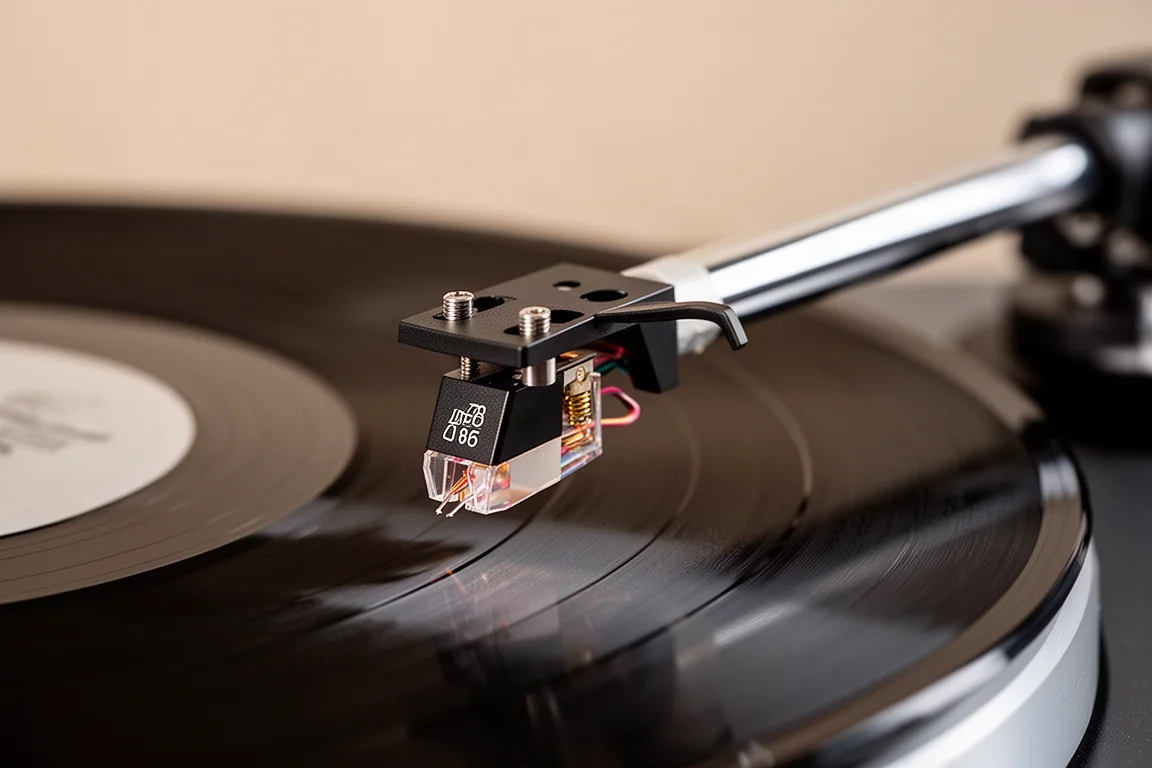
For anyone stepping up from a turntable with a fixed, non-adjustable phono stage, this level of control is a genuine upgrade in itself. It means the preamp can stay in a system through several cartridge changes rather than being replaced alongside them.
Things to Consider Before Buying
The styling is divisive. The Zen Phono 3 has a futuristic, almost binocular shape with a two-tone finish and a textured top panel. Buyers who dislike the look can simply tuck it behind the turntable, where it will not be seen and where it will not affect the sound in any way.
The subsonic filter is useful but not transformative. It copes with warped records, yet the audible difference next to other well-made phono stages is small, so it should not be the deciding factor on its own.
It is also worth setting expectations about diminishing returns. In vinyl, the biggest gains tend to arrive early, and the curve flattens out quickly once a good phono stage and a good cartridge are in place. Spending more can change the character of the sound, but it does not automatically make that sound twice as good.
How It Compares With Pricier Phono Stages
Against the Pro-Ject Tube Box S2, which sells for around $500, the Zen Phono 3 gives up a little in presentation. The tube-based design adds a sense of space and a touch of second order harmonic character while keeping a similarly dark background. That is a matter of taste rather than outright fidelity, and it does not sound twice as good despite costing twice as much. The Tube Box S2 also uses an unusual 18V power supply.
The Gold Note PH5 is a different class of product at around $1,000. It is clearly better, and at that price it should be. It offers multiple equalization curves and a display screen, which makes it a genuinely flexible tool for listeners who want to explore different pressings and settings. For anyone deeply committed to vinyl, that price can represent fair value rather than extravagance.
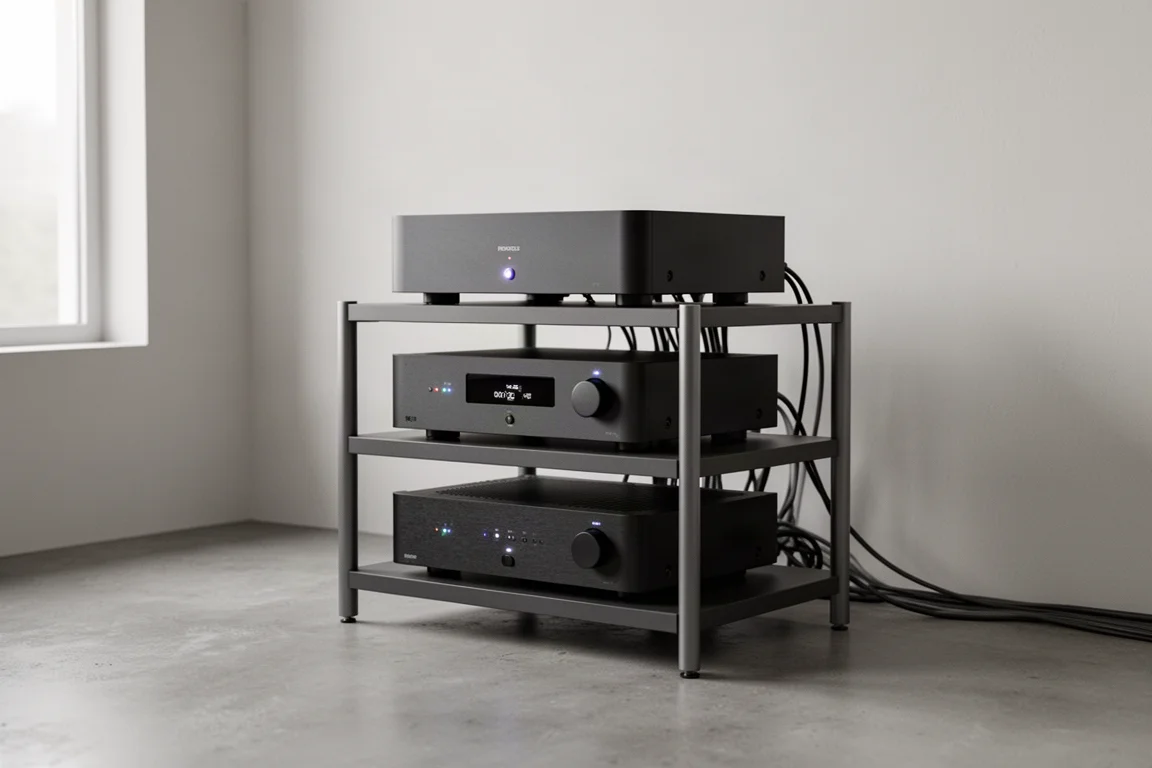
For everyone else, the Zen Phono 3 keeps its footing. It is the next iteration of the best affordable phono stage around, and it holds up in company that costs considerably more. The differences at the higher end are real, but they are refinements rather than transformations.
System Matching and Pairing Suggestions
The Zen Phono 3 slots neatly into modest but capable setups. It pairs well with turntables such as the Fluance RT85, the U-Turn Orbit, and Audio-Technica models, although the stock cartridge on some of those decks is worth replacing. A complete system built around this phono stage can come in comfortably under $1,000.
Cartridge choice shapes the result as much as the phono stage does. The Ortofon 2M Blue, at around $200, delivers a clean and detailed presentation that suits listeners who want vinyl to sound as close to a high-quality digital source as possible. The Nagaoka MP-110 leans warmer, trading some detail for a more relaxed, atmospheric character. Neither is objectively better, and the right pick depends entirely on the sound a listener is chasing.
Buying Advice
Start with the phono stage if the goal is the largest improvement for the least money. It is the easiest single change you can make to how a turntable sounds, and the Zen Phono 3 delivers that change at a price that stays within reach. Anyone whose built-in phono stage is the weak point in their setup will hear the difference straight away.
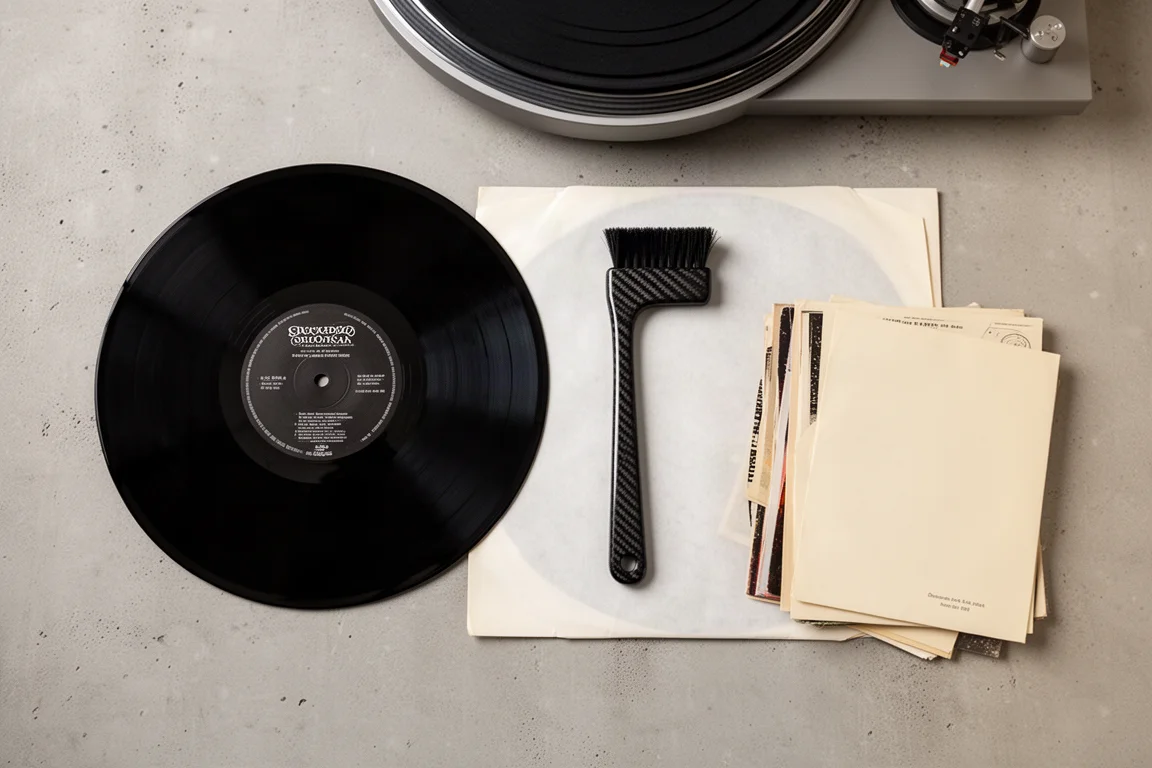
If tube character and a slightly more spacious presentation are worth $500, the Pro-Ject Tube Box S2 is the alternative to weigh. If the goal is a long-term reference with adjustable equalization curves and a display, the Gold Note PH5 justifies its price for committed listeners.
For most buyers, though, the Zen Phono 3 is the sensible stopping point. It offers moving magnet and moving coil support, a balanced output, and a remarkably quiet background for around $250, and the system around it can still land under $1,000. That combination is hard to beat without spending a great deal more.
Conclusion
The iFi Zen Phono 3 does not need to beat phono stages that cost twice or four times as much in order to be worth buying. It needs to make vinyl sound markedly better than a built-in phono stage does, and it succeeds at that. If a decent cartridge and a good phono stage can transform a record collection, this is one of the most affordable ways to find out for yourself.
Product link
View more details for iFi Zen Phono 3
This product is mentioned in the review. Check the specifications, options, and compatibility before buying.
View more details for iFi Zen Phono 3Further reading
Related Reviews
Phono Preamps
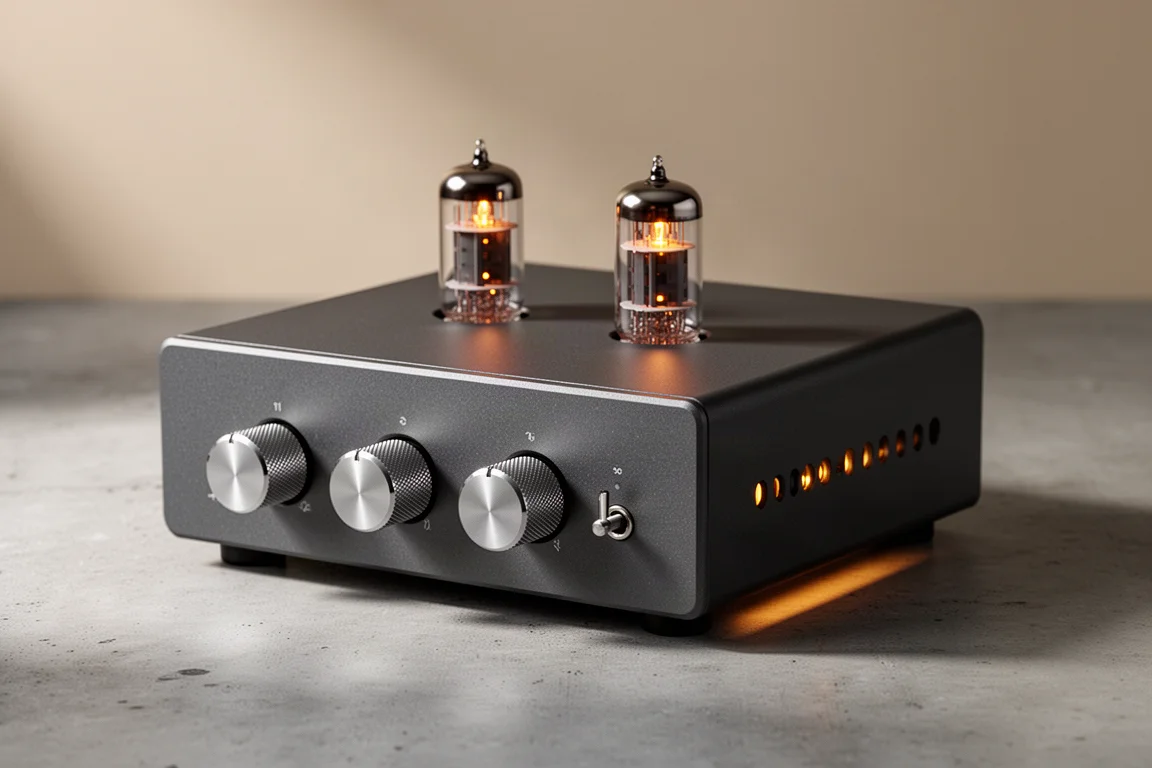
Ampapa A1 Review: A $130 Tube Phono Preamp With Tone Controls
A compact tube phono preamp with bass and treble controls, a headphone output, and a design-origin claim worth reading carefully.
Phono Preamps
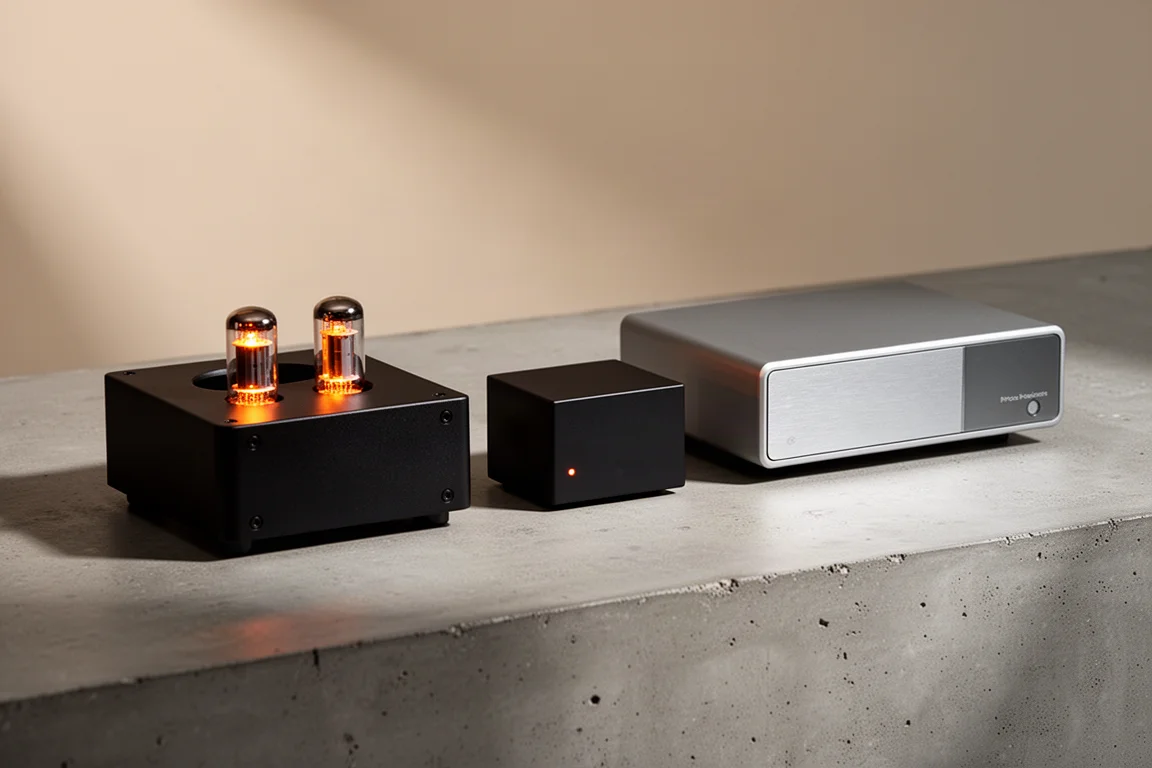
Three Phono Preamps Worth Considering: Budget, Detail, and Flexibility
Three phono preamps at three price points, compared by sound, adjustability, and cartridge compatibility so you can pick the right one for your vinyl setup.
Phono Preamps
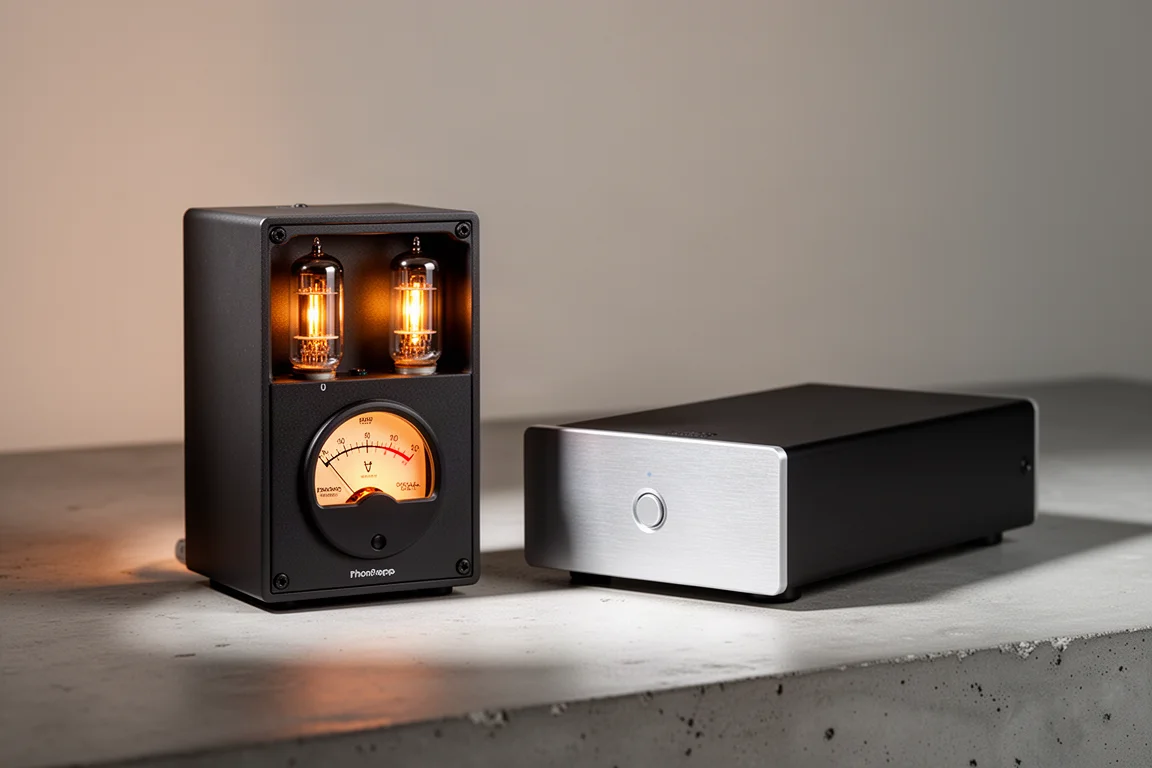
Duke Audio T4 Plus vs Andover Phono Preamp: Which One Suits Your Turntable?
A tube phono preamp at around $100 against a $250 model with an extra analog input: how the Duke Audio T4 Plus and the Andover Phono Preamp differ in sound, features, and value.