Road Bikes
Five Iconic Tour de France Race Bikes of the Past 25 Years
From the first carbon Tour de France winner to one of the lightest frames ever built, five race bikes that shaped the modern peloton.
Introduction
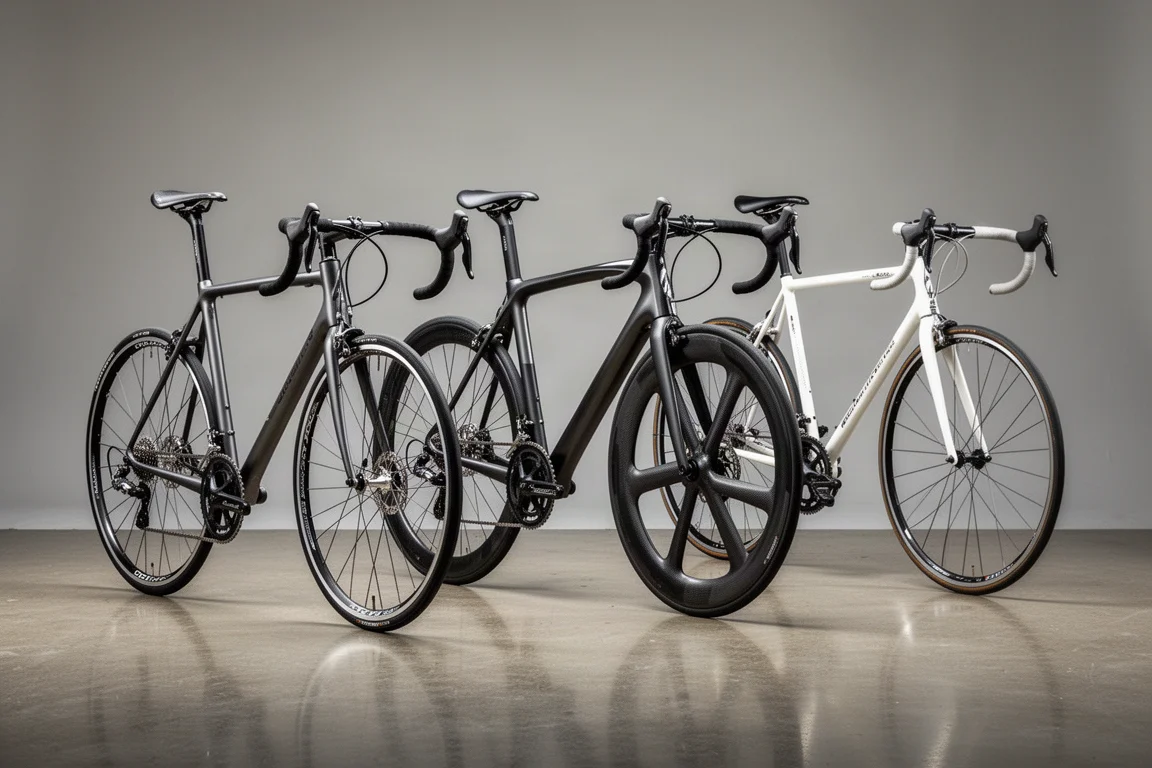
Race wins still sell bikes, and 25 years of Tour de France racing have reshaped almost every part of the road bike. Frame materials changed, groupsets went electronic, aerodynamics arrived, cockpits narrowed and tyres grew wider. The bikes that carried riders to the biggest victories are the clearest record of that shift. Some were the first of their kind. Others simply got everything right at the right moment. These five stand out from the past quarter century.
Key Tech Shifts of the Past 25 Years
The early 2000s marked the move away from aluminium and magnesium frames towards carbon fibre. Shimano Di2 arrived in 2009, and electronic and then wireless shifting gradually replaced mechanical systems. Aerodynamics arrived in the 2010s and changed the way road bikes look, carbon fibre wheels became the norm, and handlebars moved from round two-piece designs to aero cockpits while also getting narrower.
Tyres went the other way, growing from the 21 to 23 mm of 25 years ago to 28 to 30 mm and wider, and those tyres are now tubeless with sealant inside rather than tubulars glued to the rim. Disc brakes arrived as perhaps the most controversial development of the period. Despite a UCI weight limit of 6.8 kg, bikes today are not really lighter than they were 25 years ago.
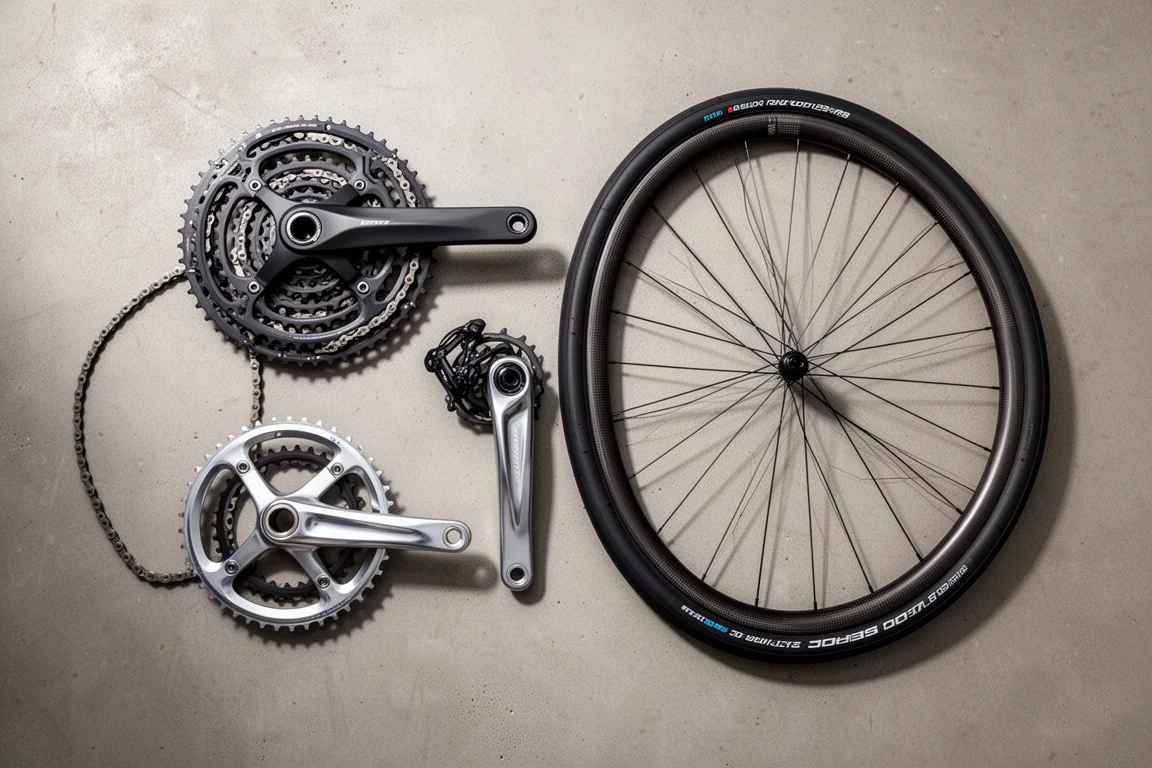
Each of the bikes below answered the question of its moment. Taken together, they show how a material experiment turned into a mature engineering discipline.
Trek 5500: The First Carbon Tour de France Winner
Go back 25 years and the Trek 5500 was the first carbon fibre bike to win the Tour de France, and it set the tone for everything that followed. It was made in the USA using Trek’s own OCLV carbon fibre layout, a genuine manufacturing leap at the time. OCLV tightly compacted the carbon layers with minimal resin, increasing strength while reducing weight, a technique that is now commonplace in carbon manufacturing.
The frame weighed around 1,250 g, heavy by today’s standards but a revolution then. The build used Shimano Dura-Ace 7700, a nine-speed groupset, with traditional handlebars and aluminium wheels. Aerodynamics was not yet part of the conversation. The 5500 was the precursor to the Madone, a name that arrived in 2003 and eventually became Trek’s only race bike.
Specialized Tarmac SL: Stiffness Before Aerodynamics
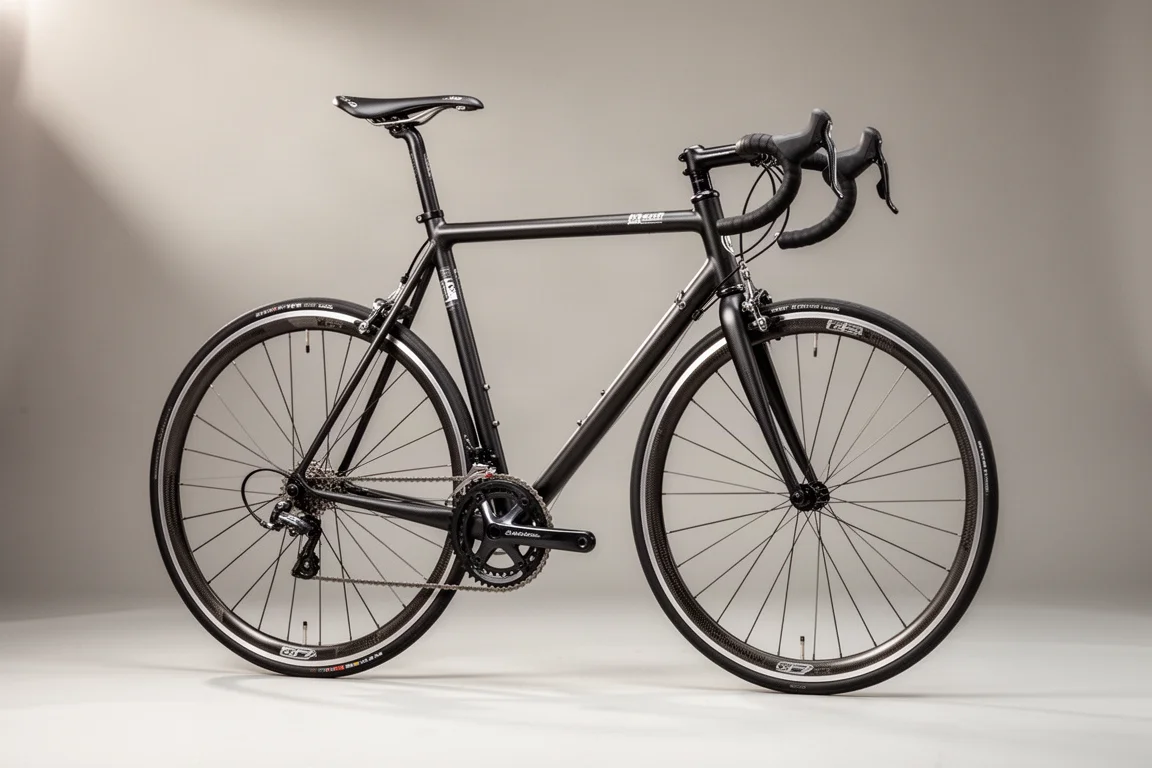
Launched in 2008, the Tarmac SL was Specialized’s first real success in competitive race bikes after a long stretch of figuring out how to build one. It was among the stiffest bikes of its era and was raced with distinction by riders like Tom Boonen. At the time, a complete bike could be built at just over 6 kg for around $5,000, and prices have risen considerably since.
The SL series evolved a long way, through the SL2, SL3, SL4 and SL5 before the SL6 brought a more aero profile. The early bike was not about aerodynamics at all. It was about weight and stiffness: sharp, aggressive and super stiff, which is exactly what a rider wants from a race bike. The platform went on to take Tour de France victories in 2010 and 2014.
For buyers today, the appeal of the early Tarmac SL is that directness. It is a bike that rewards hard efforts rather than smoothing them out, and it still looks as purposeful as it did at launch.
Pinarello Dogma F8: The Most Decorated Platform
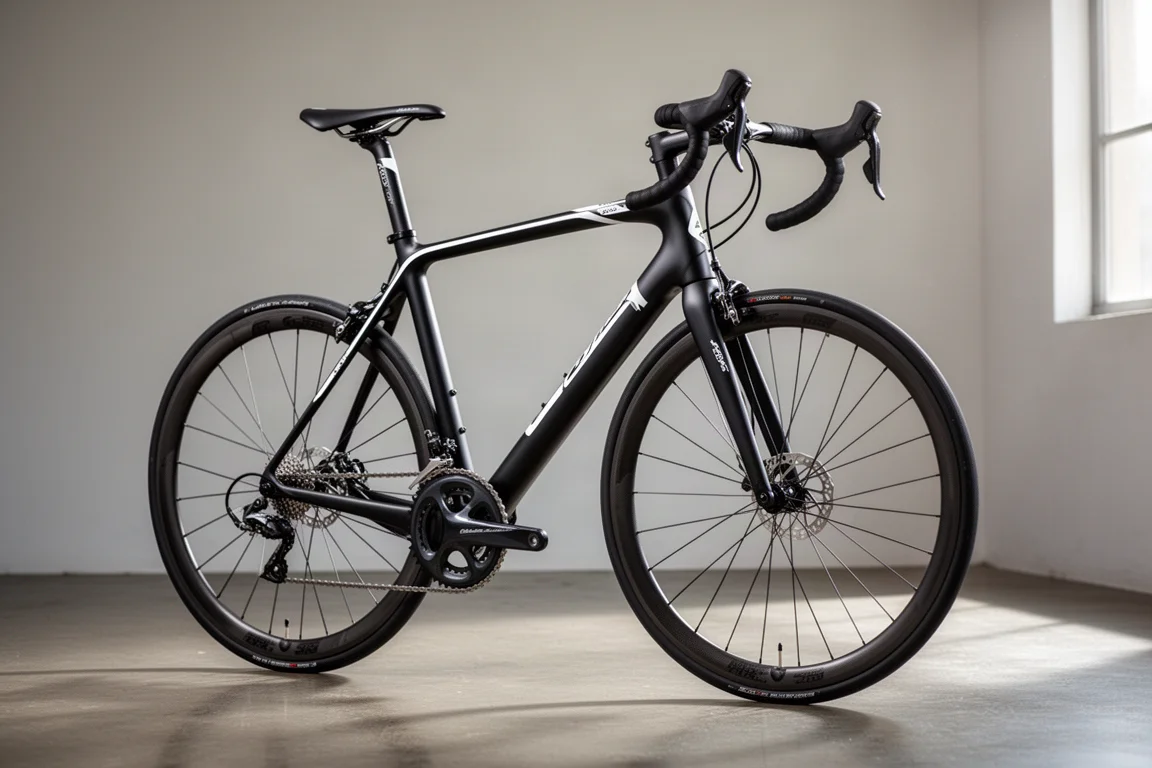
The Dogma has won more Tour de France victories than any other bike, largely thanks to the dominance of Team Sky and later Ineos Grenadiers. In 2006 the Dogma FPX blended magnesium and carbon fibre in the frame, but for many the F8 was the turning point. Developed in partnership with Jaguar, it combined aero shaping with low weight in a true all-rounder, years before other brands merged their aero and lightweight platforms into one.
Its asymmetric frame was designed to balance the forces passing through the bike when stamping on the pedals, and it added aero features without compromising ride quality. The Dogma has been refined many times since, but the fundamental design ethos of the F8 is still visible in the current Dogma F.
Cervélo R3: Light, Stiff and Comfortable
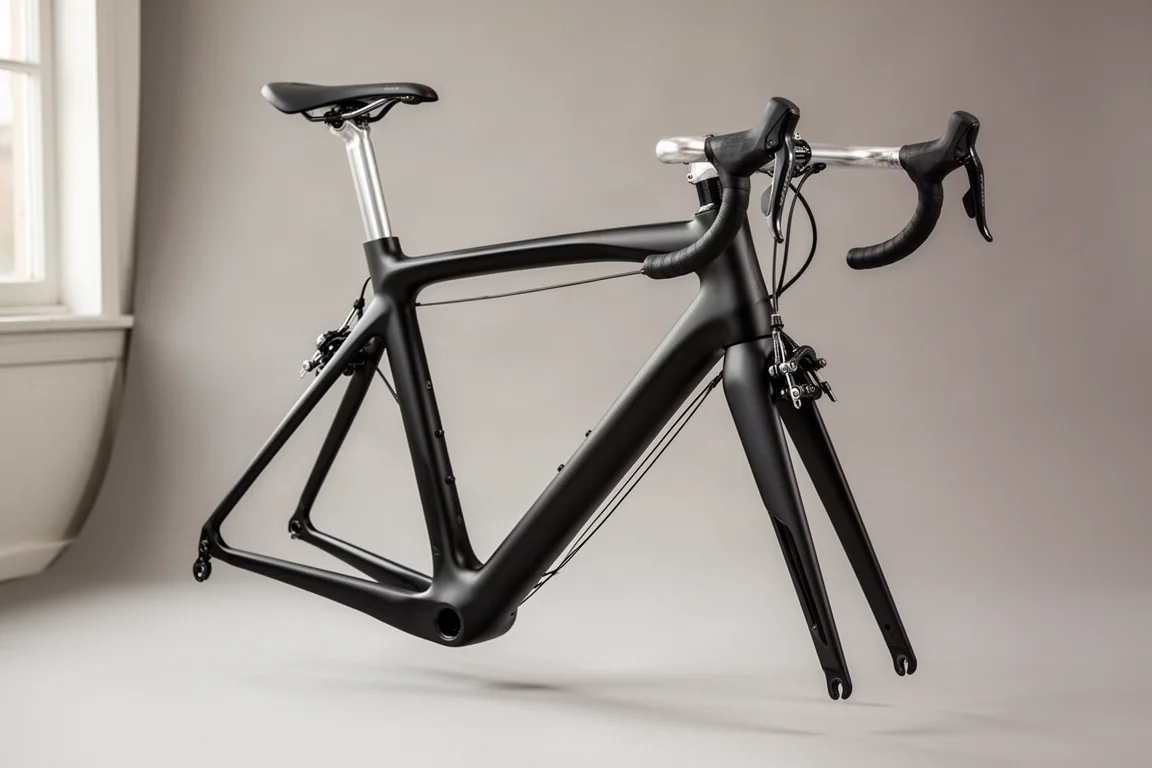
Cervélo’s first Tour de France victory came in 2008, with Carlos Sastre winning on the R3 SL. The frame weighed under 1 kg at a time when most rivals were much heavier, and its stiffness-to-weight ratio made it a favourite among climbers and classics riders. The trademark squoval down tube and pencil-thin rear stays made it instantly recognisable, and for a few years a white R3 was the bike to have.
Fabian Cancellara’s two Paris-Roubaix wins aboard an R3 did much to cement that reputation. The blend of lightness, stiffness and comfort was unmatched at the time and made the R3 one of the most desirable bikes of its era. Cervélo has been a consistent presence in the peloton ever since, from the CSC team through Cervélo TestTeam to today’s Team Visma-Lease a Bike. The original founders are no longer involved and it is not really a Canadian company anymore, but it remains a strong, innovative brand.
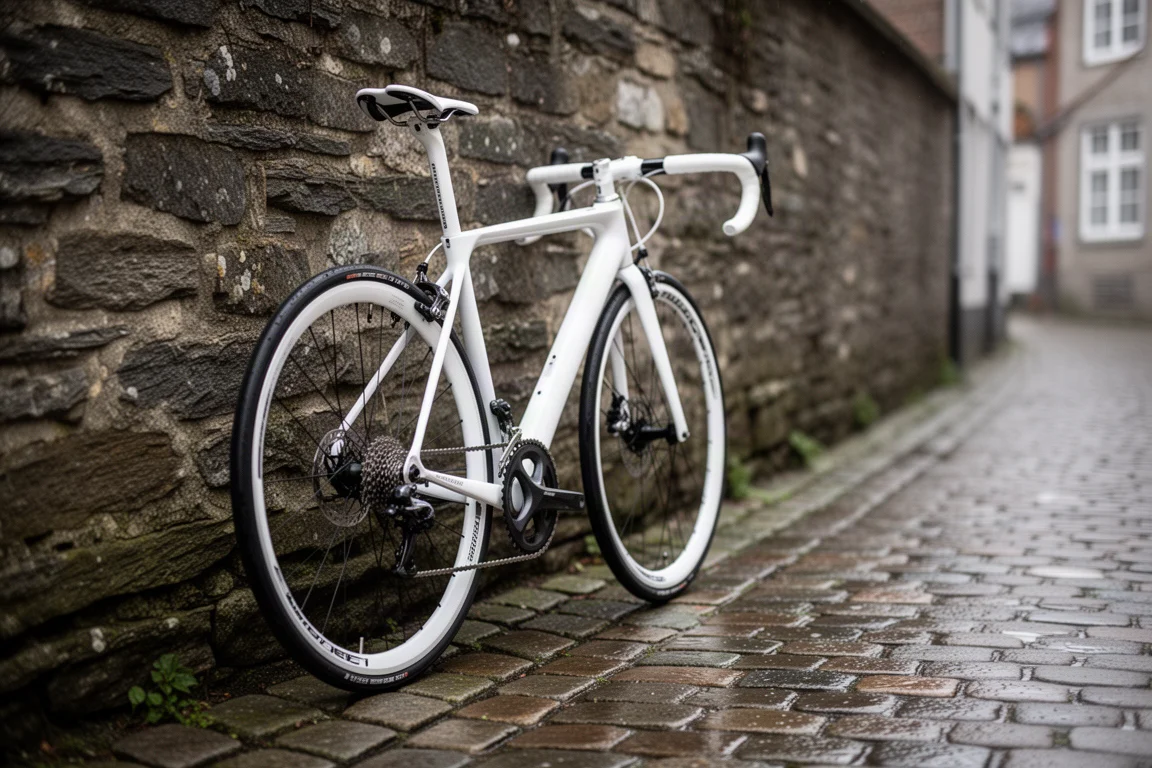
That balance is why the R3 still reads as a modern bike. It was comfortable enough for long days in the saddle without giving up the sharpness that makes a race bike feel fast.
Cannondale SuperSix Evo Hi-Mod: The Cult Classic
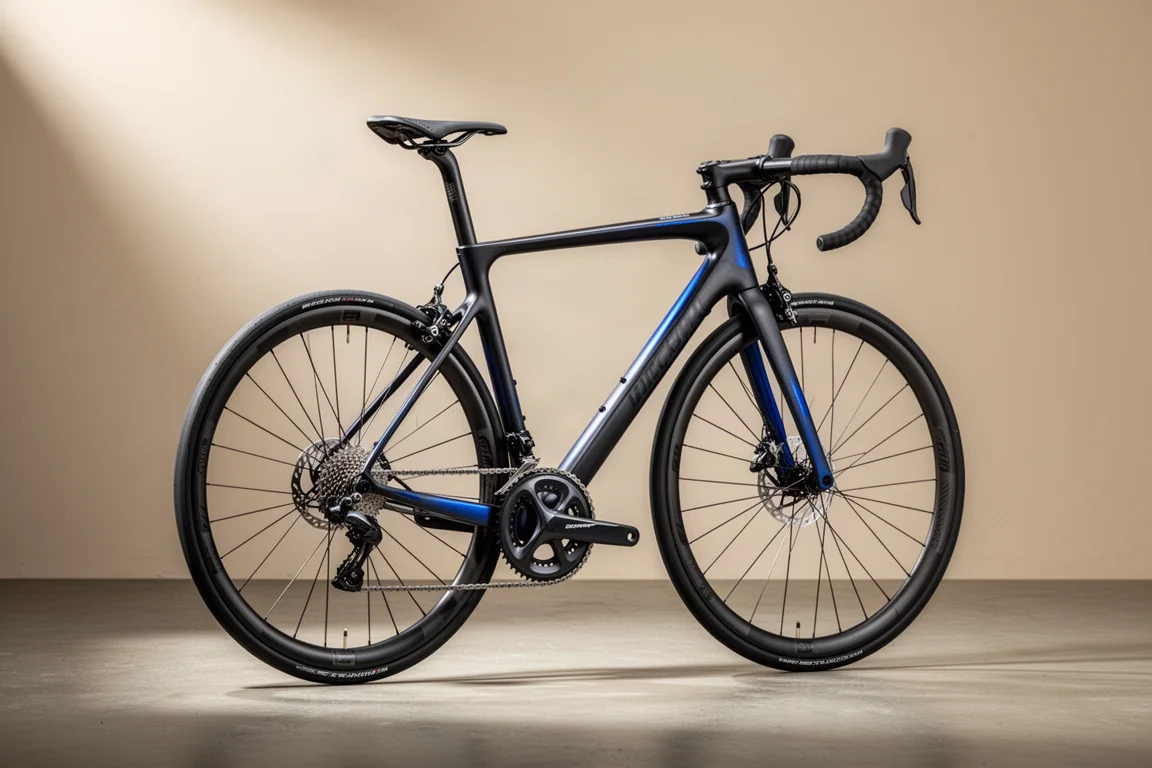
One of the most iconic Tour de France race bikes never actually won the race. Cannondale was slow to carbon: while Trek was pioneering carbon fibre 25 years ago, Cannondale was still producing high-end aluminium frames such as the CAAD4, raced in the 2000 Tour, followed by the iconic CAAD8. Its first steps into carbon came with the Six13, which combined a carbon top tube, down tube and seat tube with an aluminium rear triangle.
That reluctance to give up aluminium heritage eventually led to the first full carbon frame, the SuperSix, launched in 2007. The SuperSix Evo arrived in 2012 and marked a massive leap forward, not just for the brand but for carbon fibre bikes in general. It remains one of the lightest frames ever made, far lighter than today’s disc brake equipped bikes, with phenomenal stiffness-to-weight, sharp intuitive handling and comfort that was remarkable for a race bike. The original Hi-Mod used high-modulus carbon in key areas of the frame to reach a weight of 695 g with paint, and less again if the paint is stripped. It earned a cult following quickly.
Buying Advice: What to Check Before You Buy
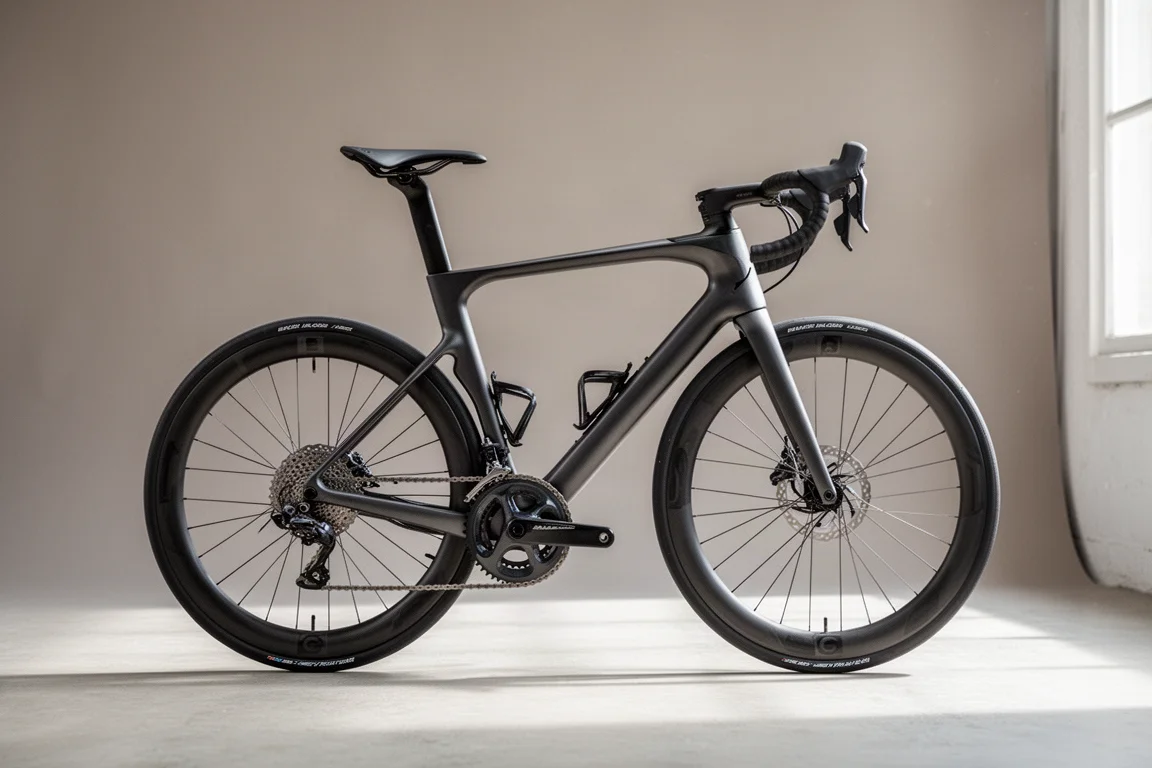
Most of these bikes now change hands on the second-hand market, so the details that date each platform matter more than the model name on the down tube. Rim brakes and narrow tyre clearance are the clearest reminders of the era, and the groupset tells you a lot about how a bike was built and maintained, since mechanical shifting was gradually phased out in favour of electronic and wireless systems.
Wheel and tyre choice is the other big one. Older bikes were designed around tubular tyres glued to the rim, while today’s equivalent runs tubeless with sealant and a wider 28 to 30 mm profile. Because the UCI weight limit sits at 6.8 kg, a light frame from this period is still competitive on weight alone, which is part of why the early Tarmac, the R3 and the original SuperSix Evo Hi-Mod remain so appealing.
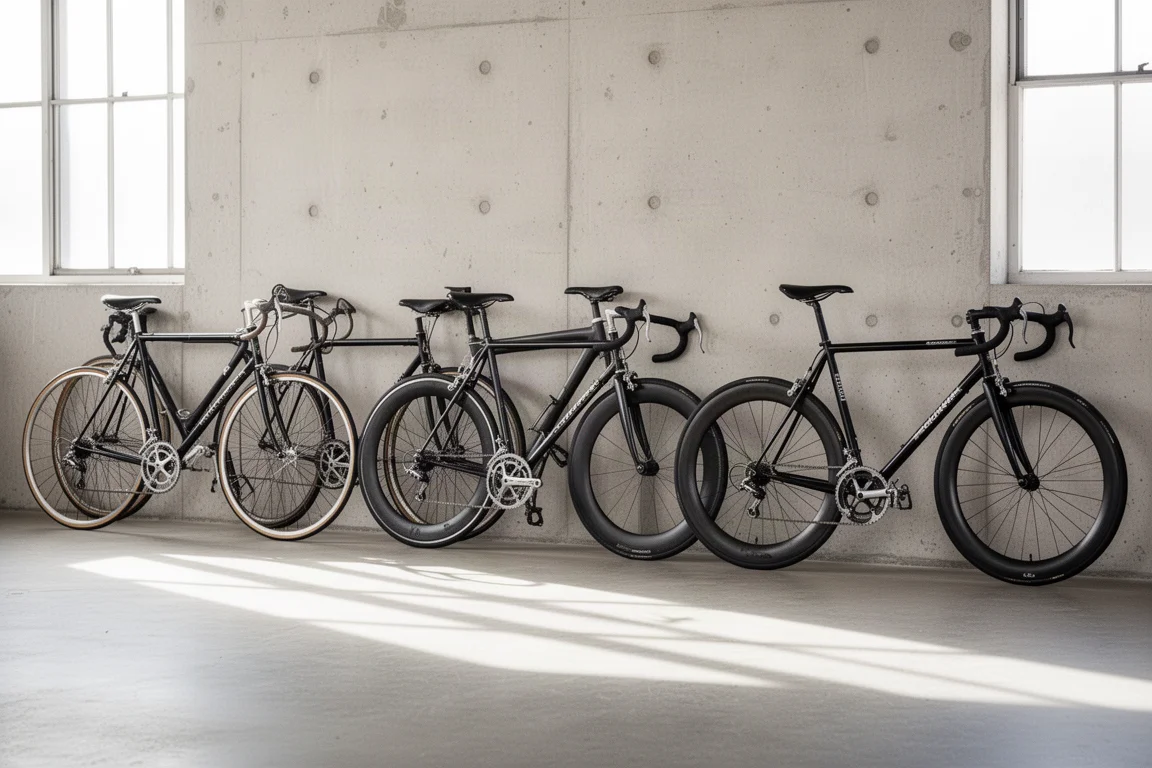
None of these are disposable purchases. They are bikes with a clear engineering story, and knowing which generation you are looking at is the difference between buying a piece of history and buying a project.
Conclusion
Twenty-five years of Tour de France racing produced more than a list of winners. It produced a sequence of ideas: OCLV carbon on the Trek 5500, stiffness and low weight on the Tarmac SL, aero shaping with all-round manners on the Dogma F8, sub-kilogram construction on the R3, and a 695 g frame on the SuperSix Evo Hi-Mod. Each one moved the road bike forward, and any of them still makes a compelling ride today.
Further reading
Related Reviews
Road Bikes
10 New Road Bikes Worth Watching: Aero, Titanium, Steel and Endurance Standouts
A practical roundup of 10 new road bikes, from aero flagships chasing single-watt gains to titanium, steel and endurance platforms built for real roads.
Road Bikes
2026 Tour de France Road Bikes: Six Race Machines Worth a Closer Look
Six race bikes from the 2026 Tour de France grid, reviewed for paint, silhouette, wheels and the specification details that matter to buyers.
Road Bikes
3T Strada Italia Review: A Radical Aero Road Bike That Rides Smooth
A made in Italy carbon aero road bike with a deep head tube, wide tire clearance and a genuinely comfortable ride. Here is what to know before buying.