Cycling
Iconic Aero Bikes vs Modern Road Bikes: What Decades of Testing Actually Show
Eight landmark bikes and groupsets from the last fifty years, measured against modern aero road bikes, and what the results mean for riders buying today.
Introduction
Modern aero road bikes are the product of wind tunnels, computational fluid dynamics and years of incremental refinement. Yet a surprising number of the ideas they depend on can be traced back to machines built between the late 1980s and the mid 2000s, several of which were legislated out of professional racing entirely.
This roundup covers eight pieces of equipment that still matter: carbon monocoque superbikes that the sport’s governing body eventually banned, aluminium-era race frames that won Grand Tours, one narrow-bodied custom machine built for a Tour de France contender, a groupset family that spans fifty years, and a modern aero benchmark to measure them all against.
The through line is simple. Aerodynamics is not a recent discovery, and a well-built old frame with good components is rarely as slow as its age suggests.
How We Evaluated These Bikes
Each machine was ridden over a fixed test course against a modern aero road bike, with power meter pedals used to hold effort as consistent as possible between runs. Where a rider could not hold the same position on both bikes, results were treated as indicative rather than definitive.
That caution matters, because a test like this stacks several variables together at once: riding position, tyre width and pressure, gearing, cockpit width, chain efficiency and road surface. A few seconds either way can come from any of them.
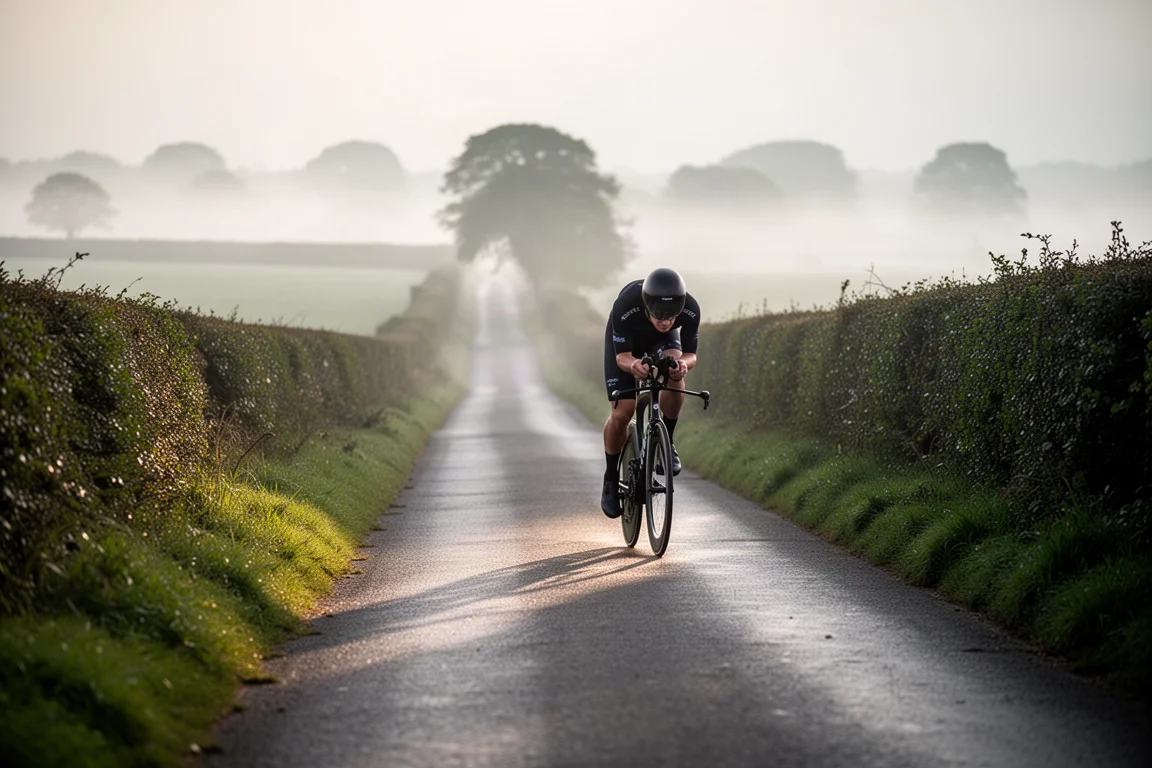
What the comparisons do show is how quickly old designs stop being slow. A 1990s monocoque that predates widespread carbon manufacturing is not automatically left behind by a bike designed with modern simulation tools, and in some cases the opposite is true. The most useful way to read the results is as a ranking of overall setups, not of frame tubes alone.
One recurring conclusion stands out. Position and components dominate. A 30-year-old frame rebuilt with modern wheels, tyres, chainset and cockpit can outperform a contemporary aero bike, while the same frame in original specification finishes well behind it.
Hotta: The Retro-Modern Pioneer
Hotta was devised in 1992 around a carbon monocoque frame, and the production model that followed in 1993 used a dual-stay rear end and a carbon fork. The frame was built in three pieces that came together out of a mould, a striking approach for the era. It collected wins on the domestic British time trial scene before reaching the top of the sport, and its lightweight carbon bladed fork was easy enough to fit to sponsor-correct frames that it ended up on the time trial bikes of the Motorola and Festina teams.
The frame itself won the 1997 and 1998 Tour de France prologue time trials, although it was badged as something else at the time. The concept was later consigned to the history books when the sport’s governing body banned it, along with a generation of other unconventional designs.
On the road, the original specification is demanding. The front end is notably flexy, 19 mm tyres transmit every bump, and the low, aggressive geometry puts a lot of load through the hips. Ridden back to back against a modern aero road bike, the original-spec Hotta finished 21 seconds slower over the test course at around 200 watts. The retro-modern build, which keeps the original frame but adds modern wheels, tyres, gearing and cockpit, was 20 seconds quicker than the modern bike over the same course. That is the clearest illustration in this roundup of how much of your speed comes from everything bolted to the frame.
Cervélo S3: A 2010 Tour de France Race Bike
Cervélo was founded in 1995 by two engineers, Gerard Vroomen and Phil White, who met at McGill University in Canada. Their first production machine was an outrageous time trial bike, and the company’s momentum carried through to the P3 before the story picked up again in 2002 with the aluminium Soloist. That bike broke new ground with NACA-profile tube shapes, sourced at first from a supplier of landing gear for light aircraft and later extruded to the company’s own specification.
Sponsoring the CSC team from 2003 gave the design a platform, and a carbon Soloist followed in 2005. In 2006 the Soloist name was dropped but the lineage continued with the SLC-SL, which shed 200 g and brought the frame under a kilogram. The S3 arrived in time for the 2008 Beijing Olympics, where it was ridden to second, third and fourth in the men’s road race, and one example here was raced at the 2010 Tour de France.
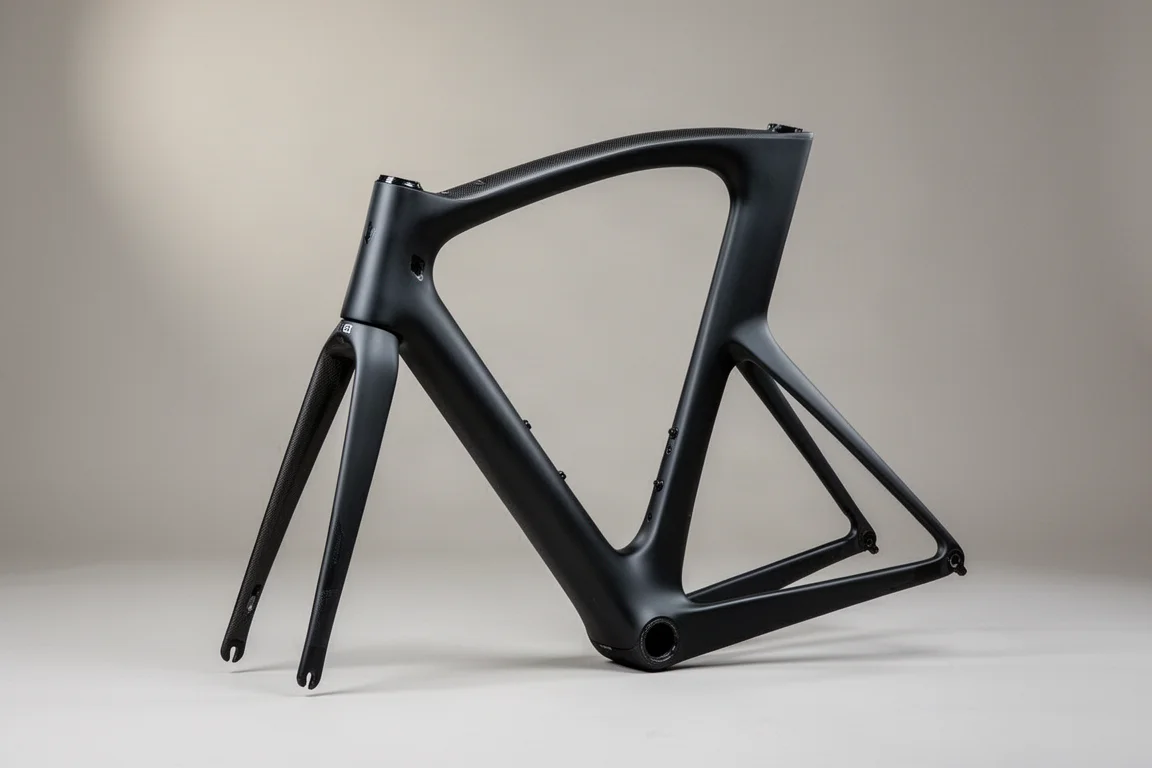
Up close, the S3 is strikingly thin by modern standards. The tube profiles still carry a classic teardrop shape rather than the truncated aerofoils used today, and the down tube tapers to a fine point. Claimed frame weight is around 1,050 g, and a complete build tipped the scales at 6.64 kg including power meter pedals, a full kilogram lighter than the current S5. Against a modern aero road bike it averaged about 5 seconds slower across three runs on each bike. On the flat the modern bike was quicker, but not by much, and on the climb the featherweight Cervélo clawed part of that deficit back.
Lotus 110: The Road-Going Hour Record Machine
The Lotus 110 evolved from the 108, the machine used to win individual pursuit gold at the 1992 Barcelona Olympics and set a world record in the process. In the eyes of many, the 108’s hour record distance of 56.3 km still stands as the benchmark, and it remains further than a recent modern attempt using current aerodynamic equipment. The concept originated with Mike Burrows, a designer who spent much of his life chasing lighter and more aerodynamic bikes.
The 110 is the road-going version of that idea. It uses a more conventional fork, vertical dropouts instead of track ends, and cables, brakes and gears. A complete Gan team rode them at the 1994 Tour de France, where the fastest ever prologue time trial was set on one at an average of 55 km/h.
Riding it is an experience rather than a comfortable one. The bike is heavy, likely somewhere around 10 to 11 kg, and the front end is visually busy in a way no modern aero bike would tolerate. Measured against a modern aero road bike over the test course, one rider was within a single second of the modern machine and another was 13 seconds slower. It is still outrageously fast, but it is not clearly better than a current aero road bike, and both test riders found their positions better suited to the modern bike.
Wührer: A Custom Narrow-Body Aero Machine
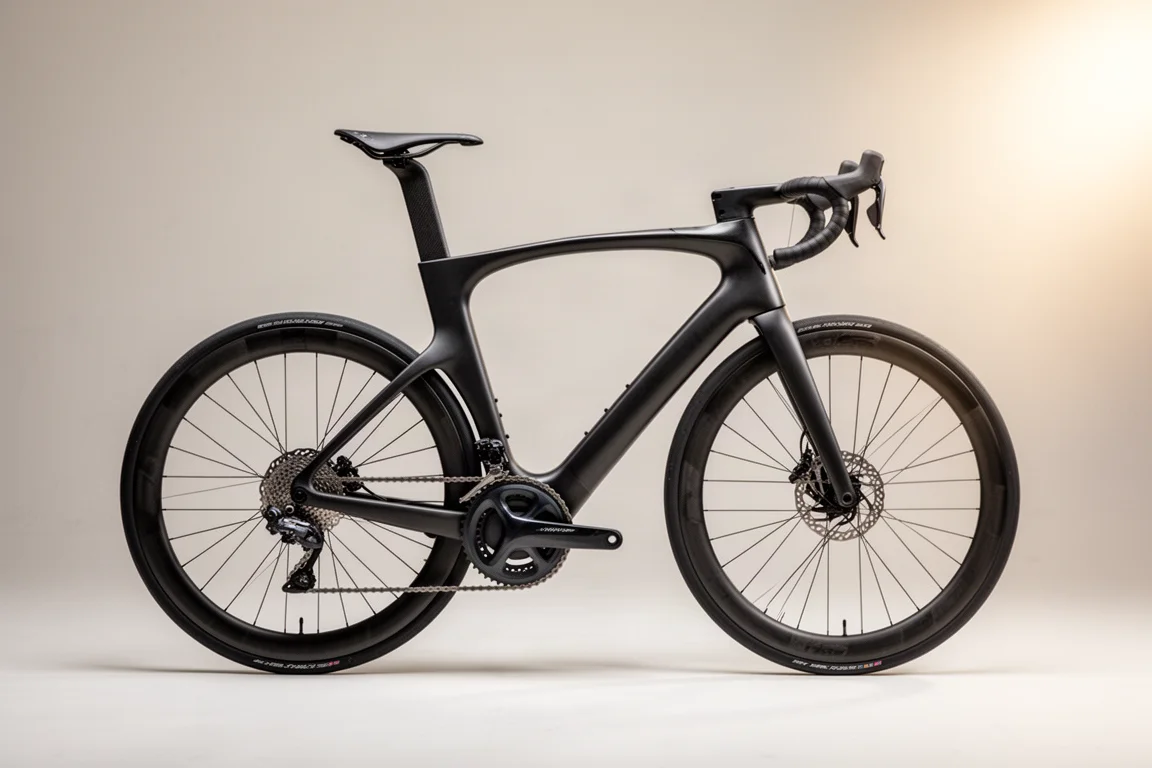
This frame was made by Andy Wührer, a Swiss architect turned carbon fibre craftsman who first built a bike for Jan Ullrich in 2003 and continued making them for the rest of his career. The example here comes from Ullrich’s T-Mobile period.
Its defining feature is width, or the lack of it. Rear hub spacing is just 110 mm, 20 mm narrower than a standard road or time trial bike, and the bottom bracket shell is only 50 mm wide, giving a much narrower Q factor. That makes custom cranks and custom rear wheels mandatory. This particular build runs 10-speed Dura-Ace but carries only nine sprockets, one of which had to be filed down and removed to make the wheel fit, paired with a nine-speed shifter.
The design earned its reputation. Ullrich rode a Wührer at the 2003 Tour de France, winning stage 12’s time trial by 1 minute 30 and closing to within 36 seconds of the yellow jersey. A rival later commissioned a copy of the design, but reportedly did not get on with the narrow Q factor and abandoned the idea. Against a modern aero road bike over an 8.5 km course at matched power, the Wührer was 34 seconds quicker, a margin that comes largely from its far lower and more aerodynamic riding position rather than the frame alone.
Bianchi Mega Pro XL: The Pantani-Era Climber
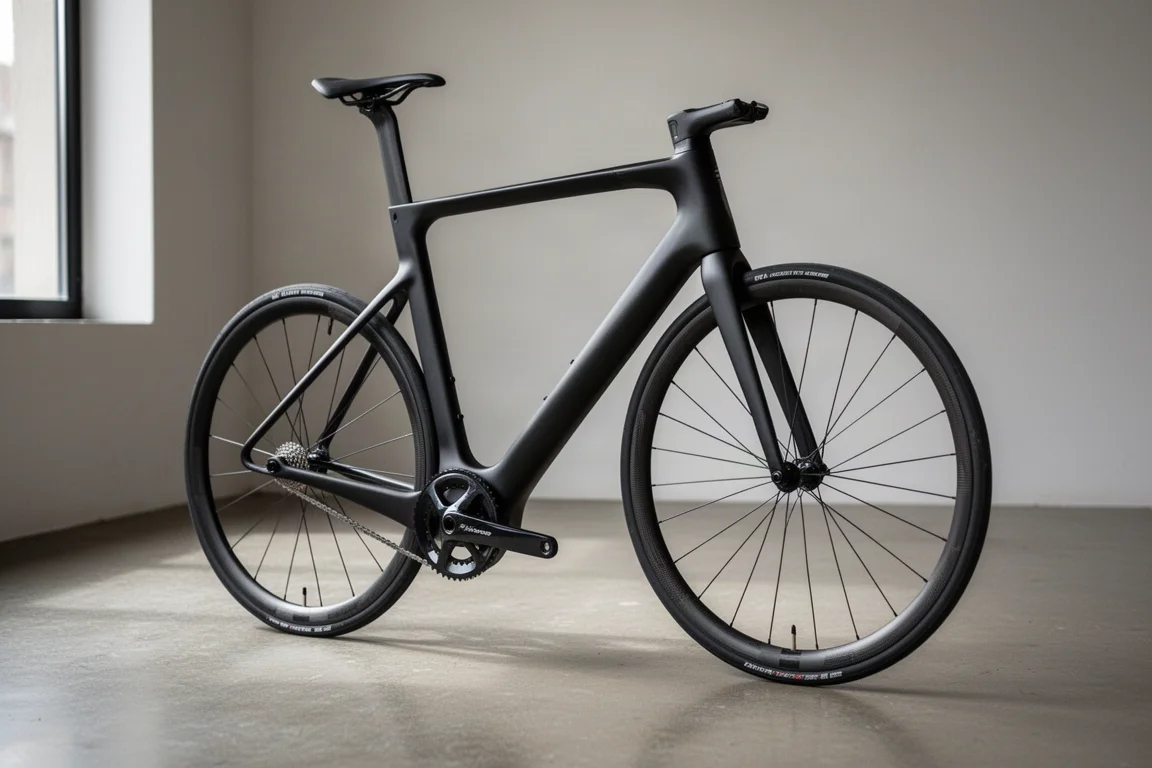
1998 was close to the high point of aluminium in the professional peloton, and Marco Pantani’s frames were custom made by Bianchi from a personal selection of 7000-series Dedacciai tubing. They were rumoured to weigh under 1,000 g, and durability was sacrificed to get there: reportedly around 30 frames were used across a single season. The welding is functional rather than beautiful, and the down tube was shaped to be more aerodynamic, which is where the Mega Pro part of the name comes from.
The rest of the build is a period piece. Carbon Time forks, nine-speed Campagnolo Record, Shamal wheels, a Selle Italia Flite saddle and an ITM Big One stem. Pantani’s own bike was rumoured to weigh around 6.96 kg, just above the minimum weight limit of the day.
Riding a lightweight aluminium race frame from this era is not a compromise in the way you might expect. Against a modern climbing bike on a 4 km climb, the Bianchi finished just 2 seconds slower, and it did so while the rider was putting out around 10 watts more. The real difference is emotional rather than measurable: slender tubes, a pared-back silhouette and a ride quality that many riders still find more rewarding than a modern carbon frame.
Giant MCR: The Aero Bike the UCI Banned
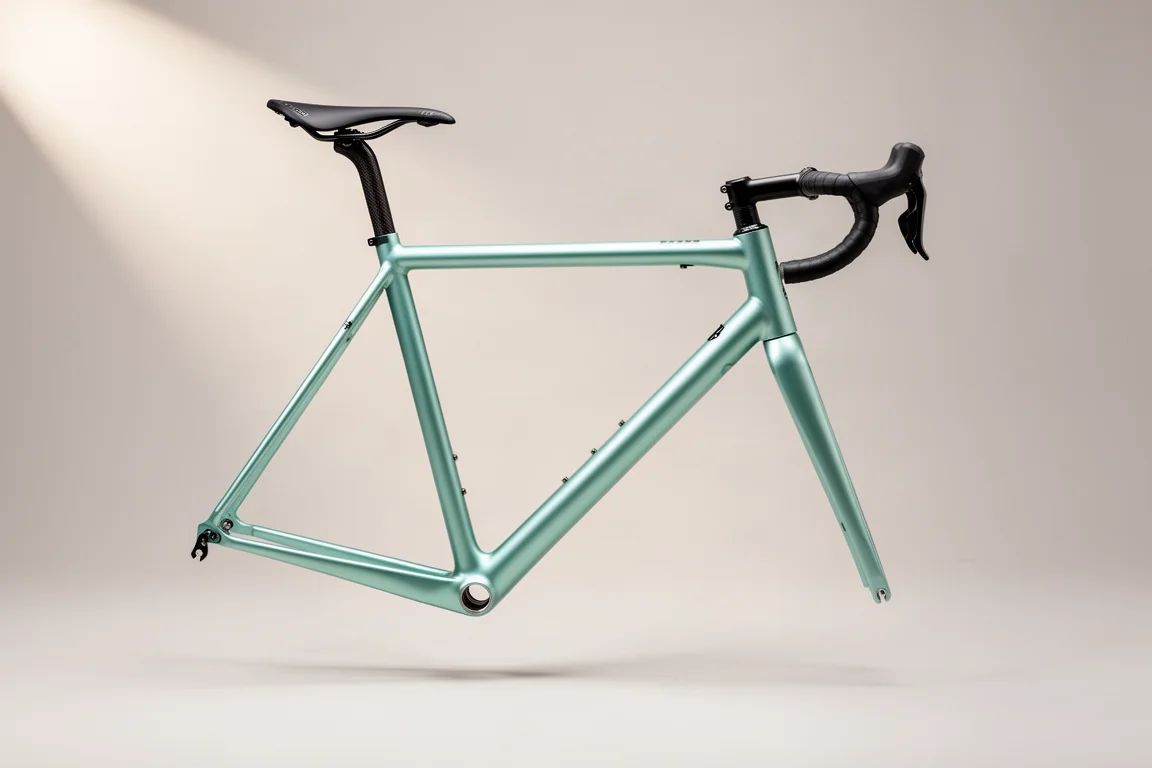
The MCR was a carbon monocoque aero road bike from 1997, designed by Mike Burrows, with the design process begun as an undergraduate project. Its purpose was to take the performance benefits of the prohibitively expensive Lotus and bring them to a wider market. At £2,000 in 1997, roughly $3,000 at the time and around £4,000 in today’s money, it was a bargain by superbike standards.
The specification was ahead of its time. Internal cable routing of a similar concept to what Cervélo adopted nearly a decade later, an integrated headset, and a single frame size that was intended to fit almost every rider through a long seatpost and an adjustable-height stem. The theory was that longer seatposts are more aerodynamic and more comfortable, but the reality is that riders far from the ideal fit either ended up with twitchy handling from a very short stem or vague handling from a very long one.
It was banned from professional racing, along with other unconventional designs, under the sport’s sweeping reforms of the late 1990s. In testing, it weighed 9.6 kg with its original wheels and a 1,825 g frame, and finished 19 seconds slower than a modern aero road bike over the test course for one rider and 26 seconds slower for the other. Riders who tried it came away convinced that the frame shape itself is far closer to a modern aero design than the era suggests, and that the deficit came mostly from wheels, tyres, handlebar width and gearing.
Shimano Dura-Ace: Fifty Years of Shifting Evolution
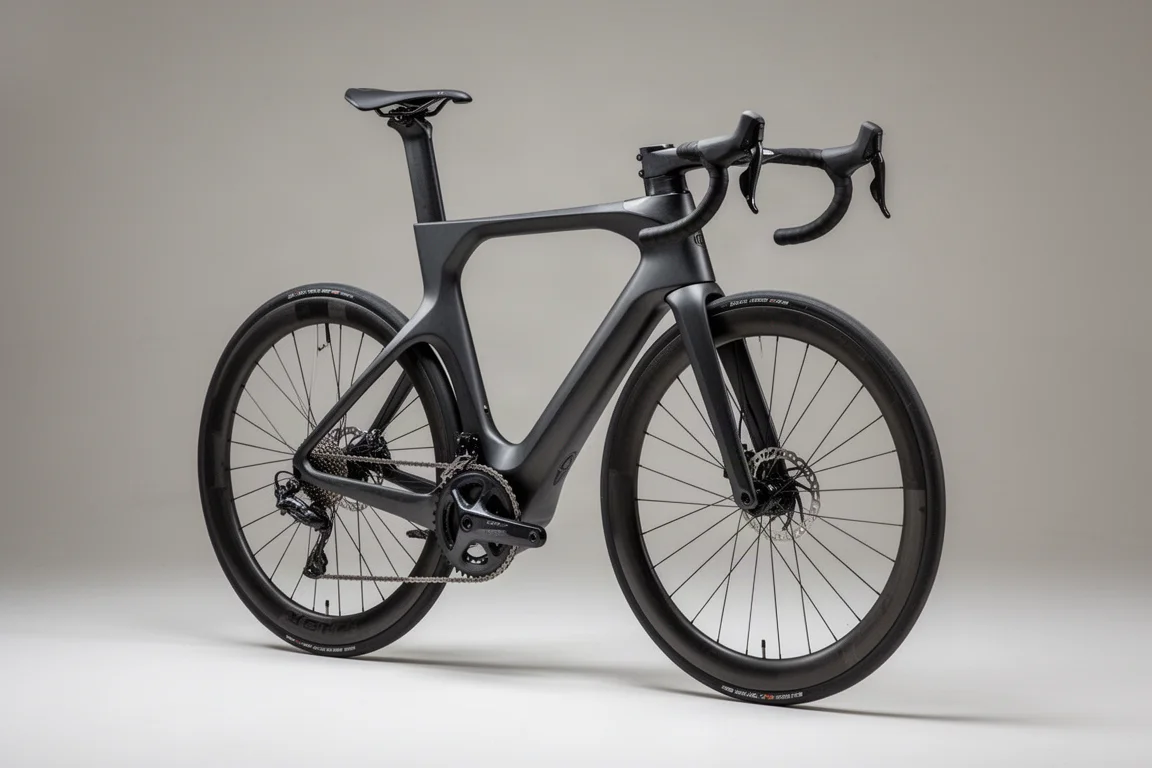
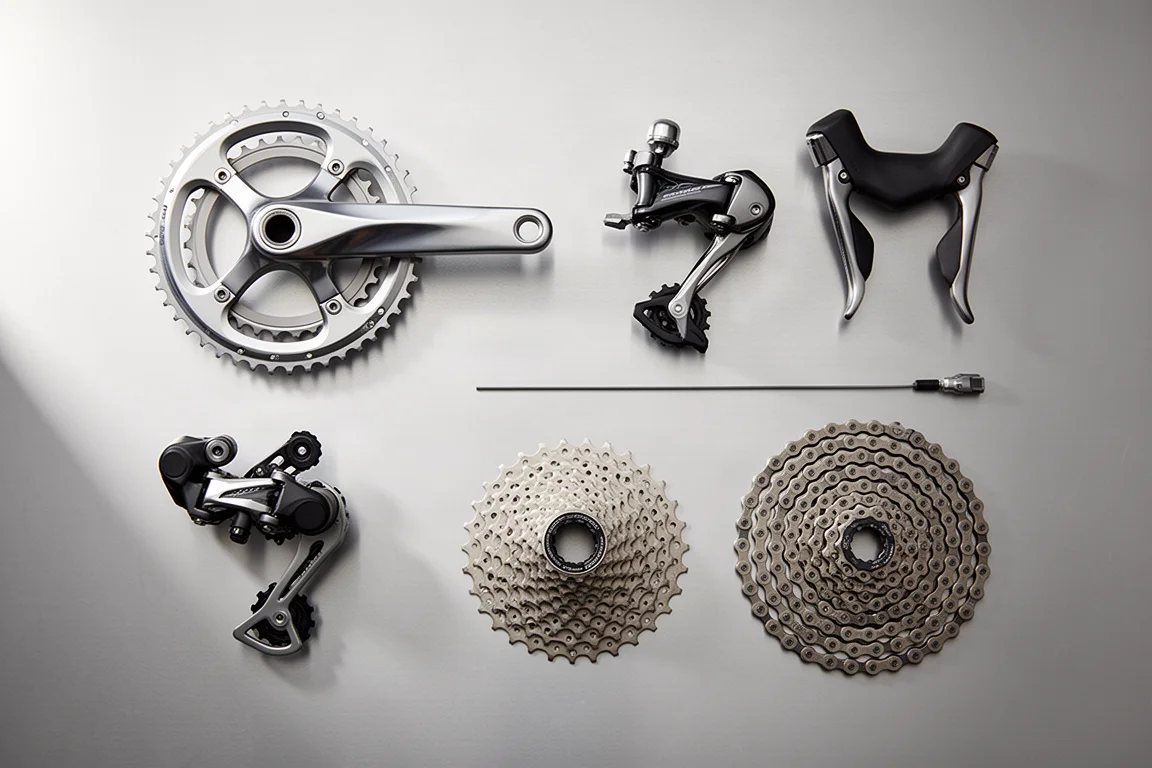
2023 marked the 50th anniversary of Dura-Ace. Launched in 1973 as Shimano’s first high-performance road racing groupset, the name combines duralumin, durability and Ace. Getting a foothold in Europe meant working with a professional team, and Shimano found one in the Flandria team from Belgium, on the condition that rider feedback was fed back into the product. That arrangement became the blueprint for how the company has worked with teams ever since.
The milestones came steadily. An 11-tooth sprocket arrived in 1978. The 7400 group set of 1984 introduced indexed shifting, adding clicks so riders no longer had to trim gears by feel. In 1990, STI moved the levers up to the brake levers, which meant gears could be changed out of the saddle, during a sprint, or while braking. The 7700 generation was 500 g lighter than its predecessor, largely through a hollow crankset and bottom bracket axle, a technology still central to the range today.
The 7900 Di2 generation brought reliable electronic shifting that was lighter than the mechanical version it replaced. In 2011, the Tour de France was won for the first time on an electronic groupset, with the green jersey and multiple stage wins taken on the same generation. In 2016 came hydraulic disc brakes, an integrated power meter and semi-automatic Synchro shift. In 2017 the groupset completed a Grand Slam at the Tour, with every stage and jersey taken on Dura-Ace. The current 9200 generation is 12-speed and wireless, with no mechanical option offered at all.
Worth knowing for collectors: the 1980 Dura-Ace AX was the most futuristic version ever produced, an aerodynamic experiment that was released about 30 years too soon. It was a commercial disaster, but it pushed rivals to re-engineer their own products.
Canyon Aeroad CFR: The Modern Benchmark
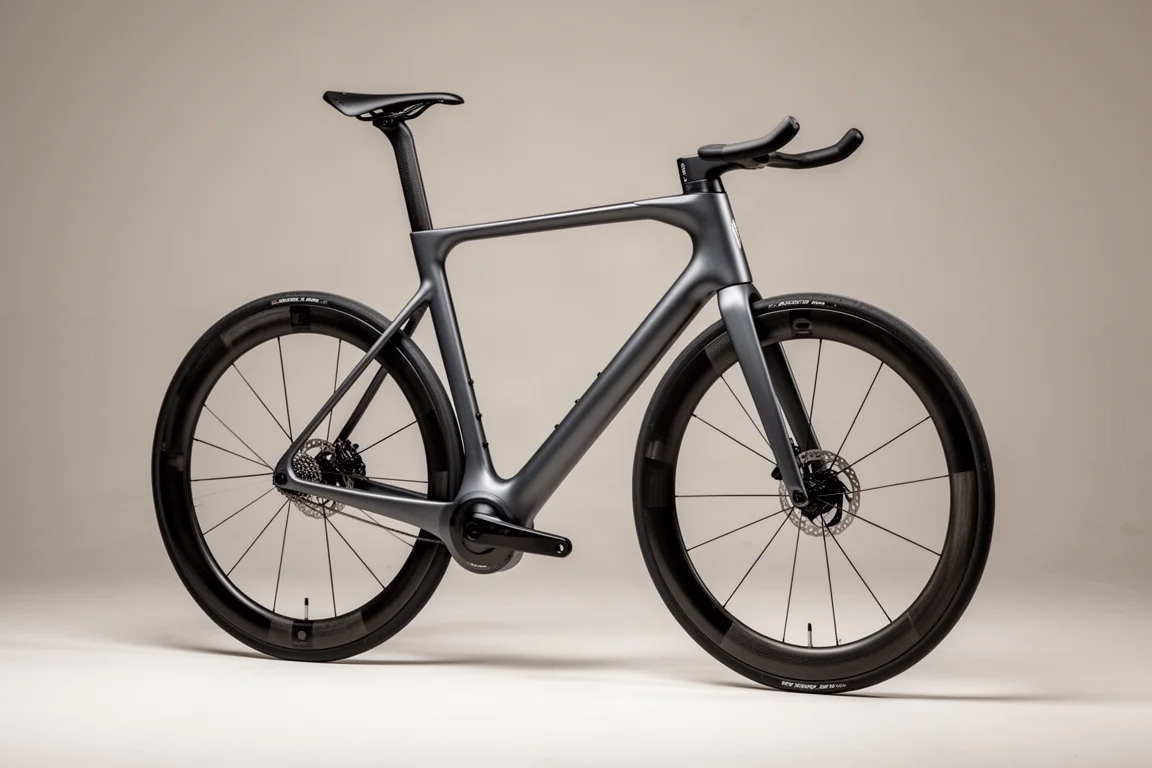
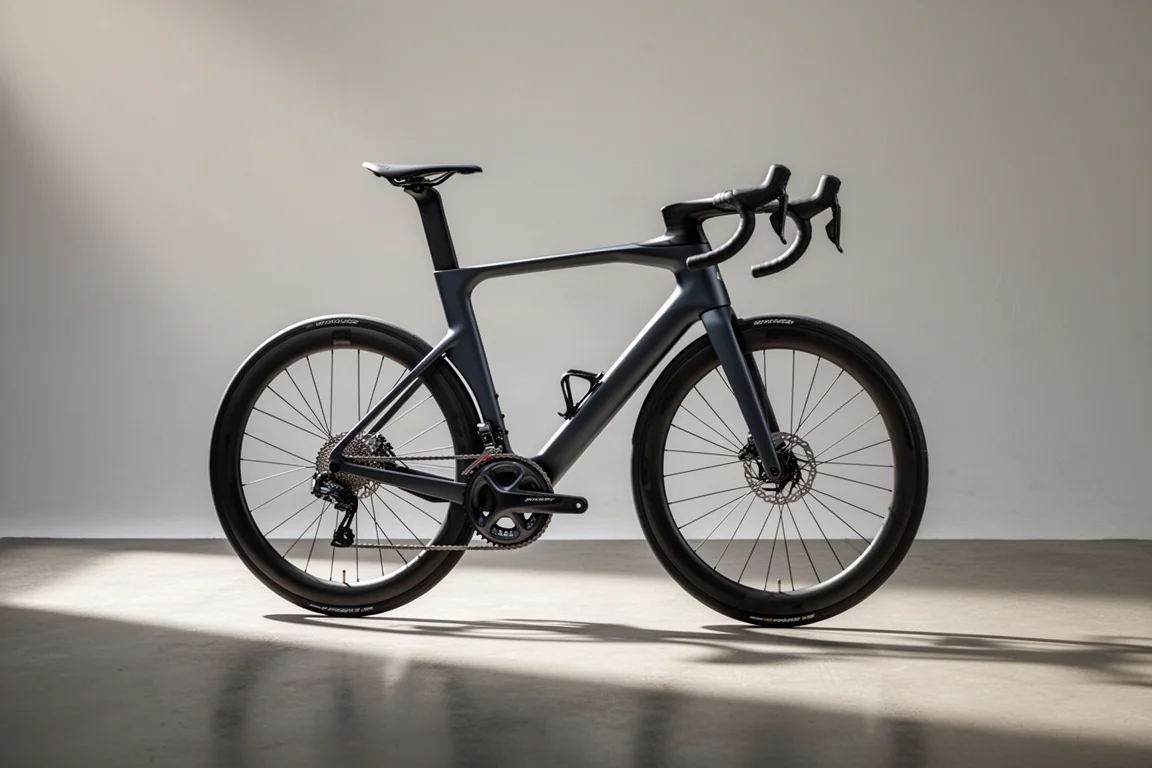
The modern aero road bike used as the reference point here is a UCI-legal team-edition machine with disc brakes, through axles, a one-piece cockpit and tubeless tyres roughly 10 mm wider than the 19 mm rubber on the older machines. Its frame shapes are the product of countless hours of computational fluid dynamics, with hard-edged truncated profiles that simply do not exist on bikes from the 1990s.
The differences go beyond the frame. Wider tyres at lower pressure make the ride dramatically more comfortable, a wider gear range with instantaneous shifts keeps cadence steady on rolling terrain, and a slightly higher front end can actually produce a faster overall position by allowing the elbows to bend and the torso to flatten.
Those advantages show up clearly in the numbers. Against an original-spec Hotta the Canyon was 21 seconds quicker over the test course. Against the same Hotta frame rebuilt with modern wheels, tyres, gearing and cockpit, it was 20 seconds slower. Against a 2010 Cervélo S3 it averaged about 5 seconds quicker across repeated runs. The pattern is consistent: the modern bike is faster, but the margins are far smaller than the age gap between the machines would suggest.
Buying Advice
The most useful takeaway from these comparisons is that frame age tells you very little about how fast a bike will be. What matters far more is the total package: your position on the bike, the tyres, the wheels, the drivetrain and the cockpit.
That has practical consequences for anyone shopping. A well-preserved older aero or time trial frame can be built into something genuinely rapid with modern components, often for less than the cost of a new frame. Just be honest about the compromises. Older frames tend to have narrow tyre clearance, limited gearing, flexy front ends and rim brakes, and the aggressive geometry of a 1990s time trial bike is uncomfortable for most riders over anything longer than a short effort.
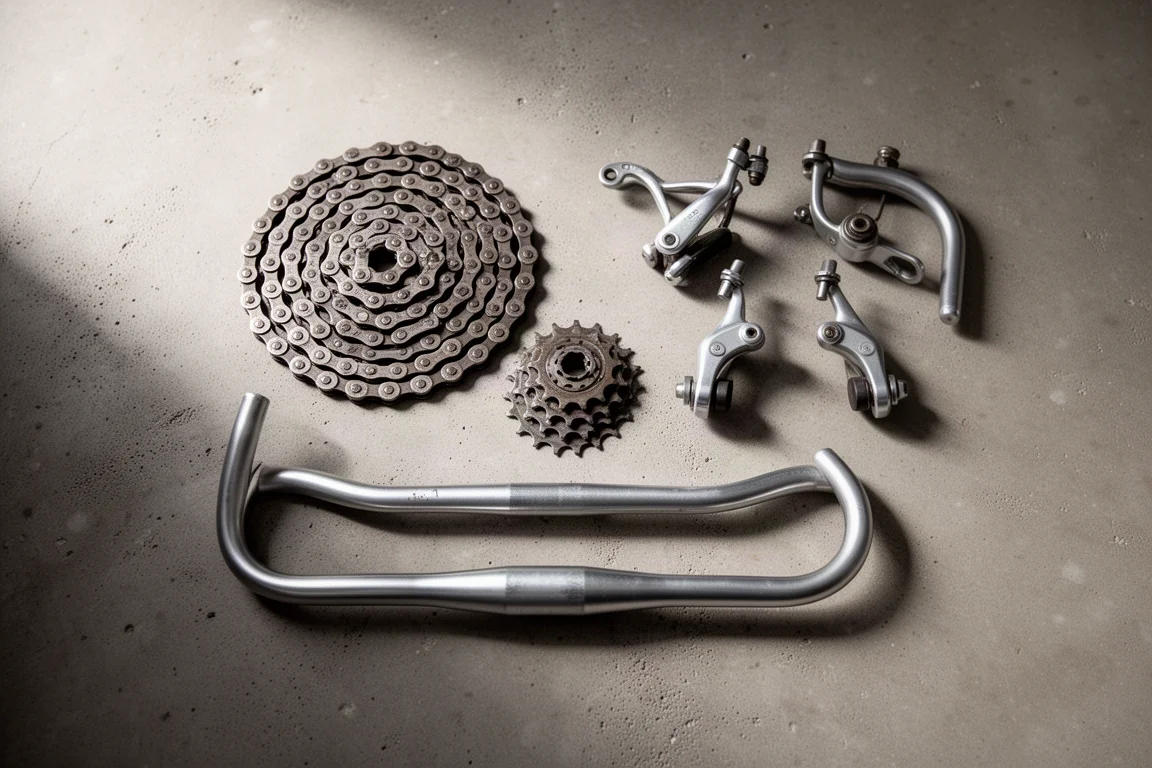
Condition matters enormously. Frames from this period were raced hard and often repaired, and unusual designs sometimes require proprietary parts that are difficult to source. Where a frame uses custom hub spacing, custom cranks or an integrated headset, confirm that replacements are available before you commit. And if your goal is simply to ride faster on your local roads, remember that a modern cockpit and a good set of tyres on a frame you already own will usually deliver more than a new frame will.
Conclusion
Thirty years of wind tunnel time, simulation and manufacturing refinement have produced genuinely better bikes. They are faster, more comfortable, better braked and far easier to live with day to day.
But the gap is smaller than the era difference implies. Across these comparisons, a 1990s monocoque was 21 seconds behind a modern aero bike in original specification and 20 seconds ahead of it once rebuilt with modern parts. A 2010 Tour de France race bike lost around 5 seconds on average. A 1998 aluminium climbing frame lost 2 seconds on a 4 km climb. An unconventional narrow-bodied custom aero machine was 34 seconds quicker over 8.5 km.
The lesson is not that old bikes are secretly better. It is that position and components do most of the work, and that a thoughtfully built older frame remains a genuinely competitive way to ride. Whether you are chasing a personal best or simply want something distinctive under you, these machines have earned their place in the conversation.
Further reading
Related Reviews
Cycling
2026 Bike of the Year and the Cycling Gear Worth Watching
A drop bar roundup for 2026 covering the Ridley Kanzo Fast 2.0, Shimano Dura-Ace Di2 R9300, Trek Checkpoint ALR Gen 3, Specialized Tarmac SL9, Garmin Fenix 9 and Insta360 X6.
Cycling
Best All-Road Bikes 2026: Six Versatile Endurance Road Bikes Worth Considering
A practical look at six all-road and endurance road bikes, from lightweight carbon speed machines to steel all-rounders and comfort-focused mile eaters.
Cycling
Best All-Road Bikes 2026: 8 Endurance Bikes for Road and Light Gravel
Eight all-road bikes that blur the line between endurance road and light gravel, compared on tire clearance, ride character, practicality, and value.