Portable Fridges
ICECO JP30 Review: A Portable 12V Fridge That Ends the Ice Runs
The ICECO JP30 is a 32 qt compressor fridge built for car camping and overlanding. Here is what it does well, where it falls short, and who should buy it.
Introduction
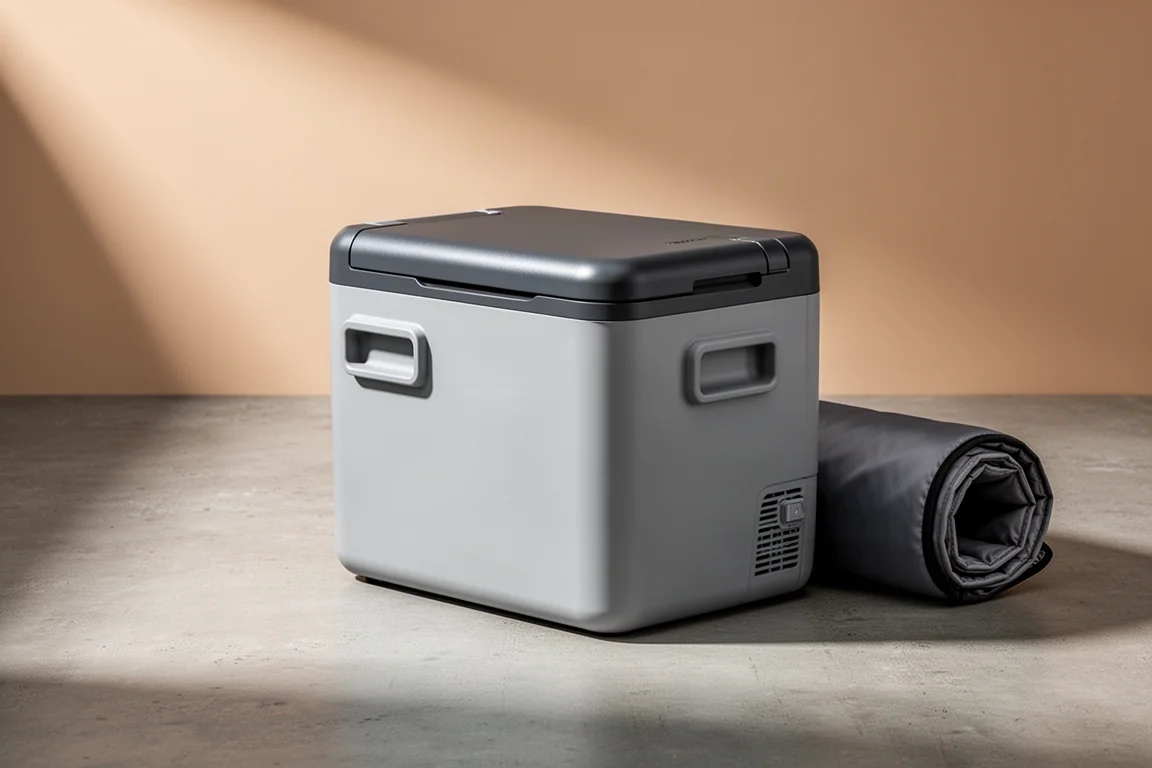
A good cooler still carries one recurring cost into every trip: ice. It takes up space that could hold food, and it only holds temperature for so long. A compressor fridge changes that math. The ICECO JP30 is a 32 qt (31 L) portable fridge that runs on either AC or DC power, so it can plug into a wall outlet at home or a 12V socket in a vehicle and hold a set temperature instead of depending on melting ice.
The value proposition is simple. You choose a temperature, the unit maintains it, and you stop buying ice. At roughly $500, the JP30 sits above the cheapest portable fridges on the market and below the high-end units that many long-distance overlanding setups use.
Who This Product Is For
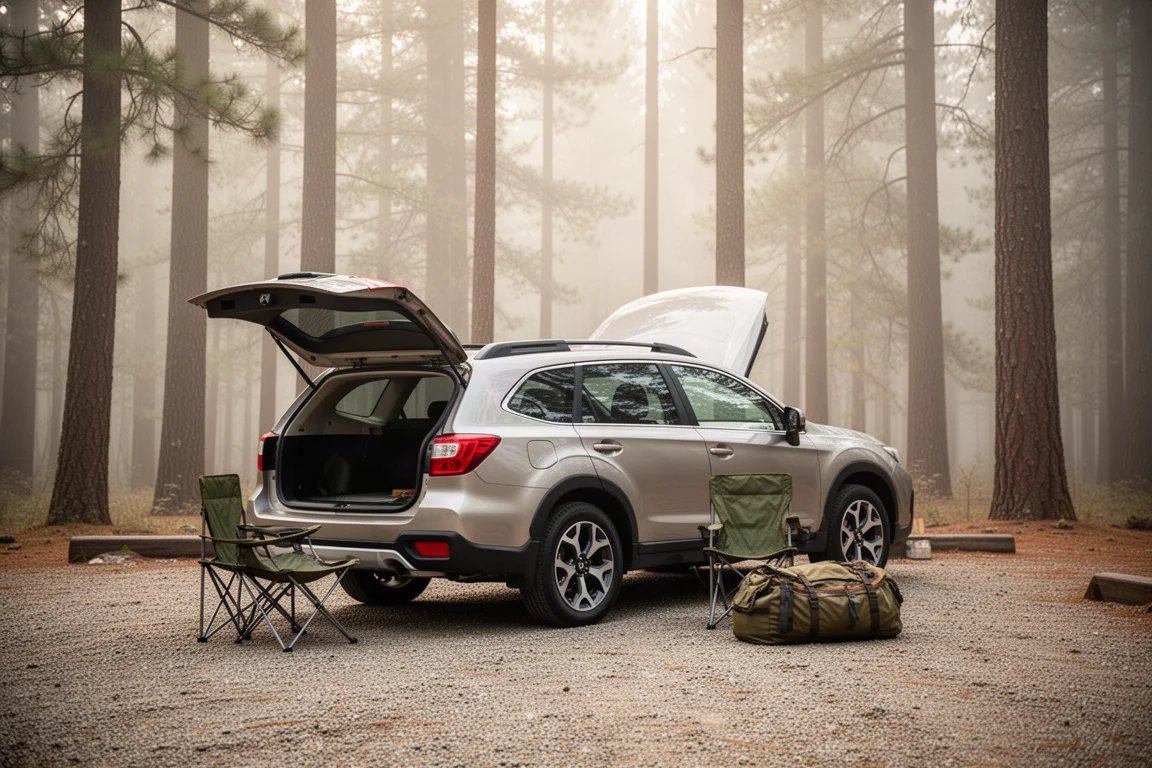
This fridge makes the most sense for people who camp out of a vehicle. Car camping, overlanding, tailgating, and long picnic days all benefit from a box that keeps food cold without a detour to the ice machine.
It is also a strong fit for compact SUVs and other vehicles with limited cargo space. The JP30 measures about 23 to 24 inches across with the handles, roughly 15 inches tall, and just under 14 inches wide, which lets it sit lengthwise from the back of a seat to the rear hatch instead of lying flat and consuming the whole load floor. That shape matters when the rest of the cargo area is already full of gear.
For weekend trips, capacity is more generous than the footprint suggests. Around four days of food fits comfortably, and as items are eaten, the free space can be filled with drinks that need chilling.
Main Strengths
Consistent Temperature and a Compressor Worth Trusting
Much of what you pay for in a portable fridge lives in the compressor, and the JP30 uses a Danfoss compressor covered by a five-year warranty. In practice that shows up as steady temperatures that hold close to the set point rather than drifting, and it does so without a large power draw. Cheaper units tend to cool less effectively, run less efficiently, and insulate poorly, which is the trade-off that becomes obvious over a long trip.
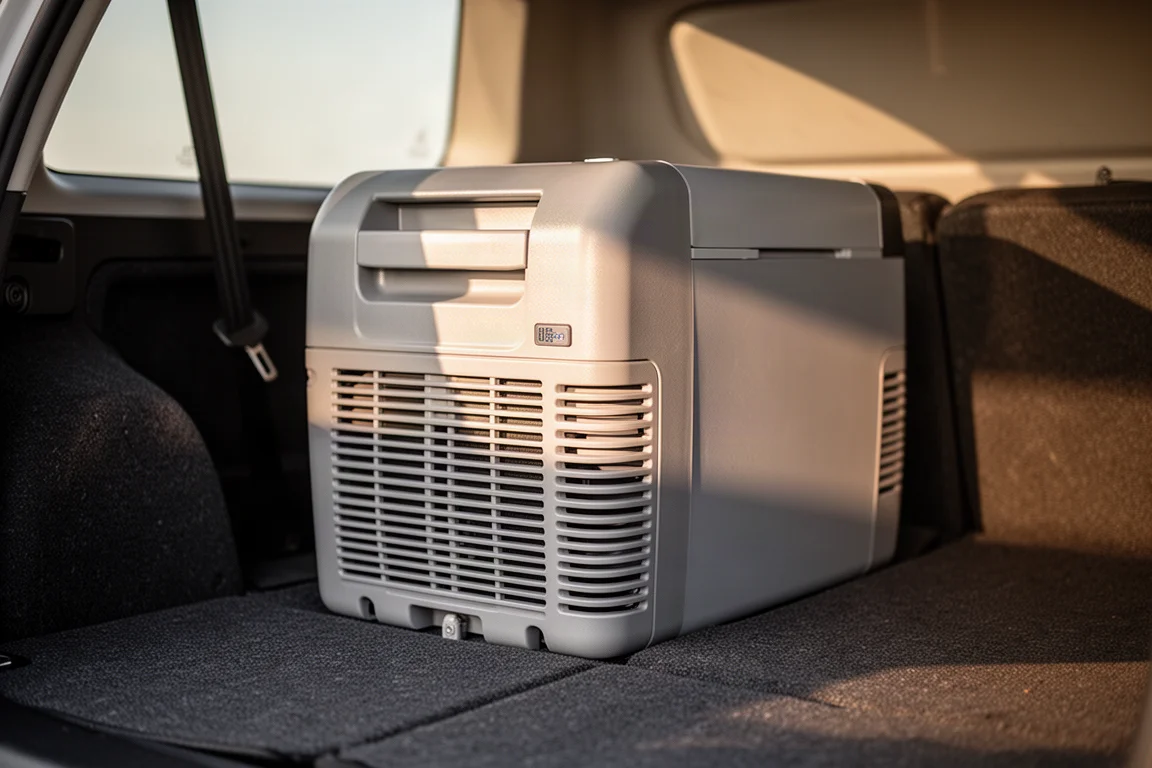
Controls are simple. You set a target temperature, then choose between Max mode, which drives the compressor hard to pull the interior down to temperature as quickly as possible, and Eco mode, which holds that temperature using the least power it can. Pre-cooling the unit at home before loading food means it starts the trip already at its working temperature.
Efficient Power Draw and Battery Protection
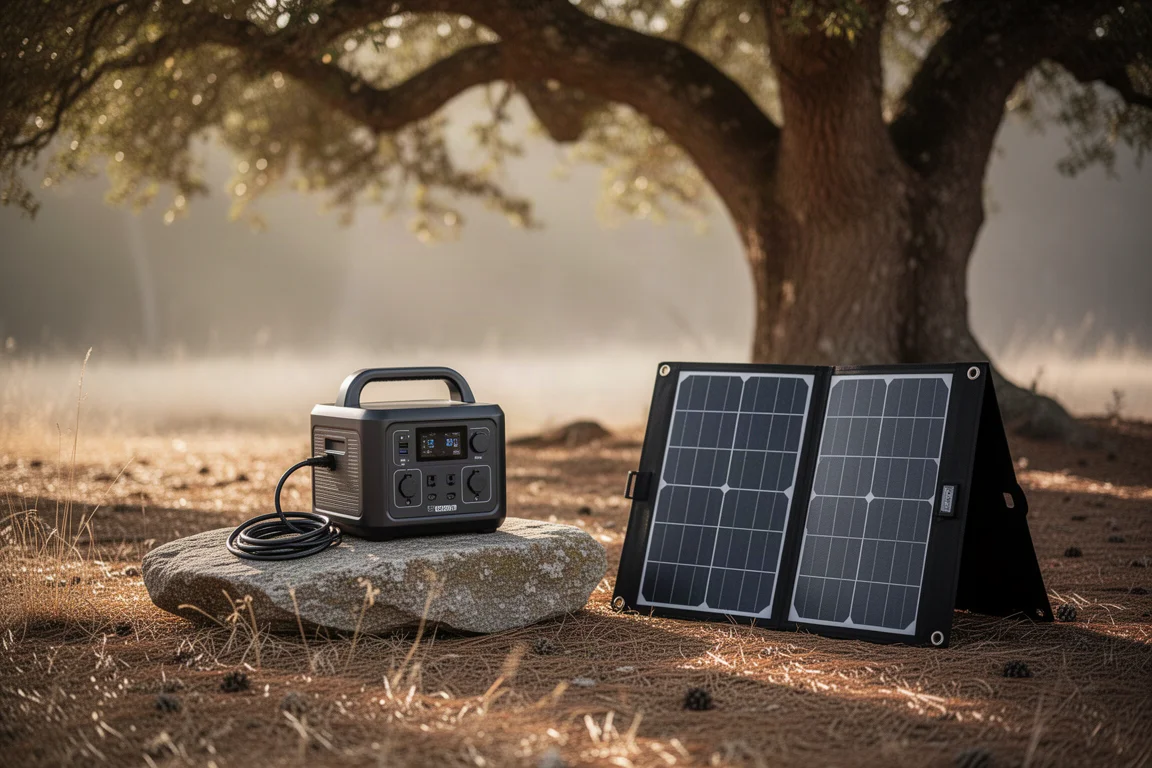
Running on DC, the unit draws roughly 30 to 50 watts depending on whether it is in Eco or Max and how hard it is working to recover temperature. Paired with a 700 Wh portable power station, it ran for about 48 hours at roughly 30 to 32 degrees Fahrenheit, which is cold enough for the food you would normally bring along.
The unit also includes three-stage battery protection with low, medium, and high settings. If the source battery drops to a set level, the fridge shuts itself off rather than draining it, which protects the vehicle battery when the unit is plugged into a 12V outlet.
Practical Details That Make Daily Use Easier
An insulated cover adds about an inch of foam around the body. It helps the fridge hold temperature, and it also shields the plastic from direct sun that could otherwise warp or overheat it.
Inside, a divider splits the compartment and creates a milder zone that suits fruit, cheese, or a bag of salad, items that suffer if they sit too close to the coldest area. Those details are small on paper, but they are the ones that decide whether a fridge is pleasant to live with on day three of a trip.
Things to Consider Before Buying
A portable fridge is an electronic device, and that brings failure points a passive cooler does not have. Compressors, fans, and control electronics can wear out, and the unit needs a constant power source to do its job.
That requirement shapes how you travel. Away from the vehicle, the fridge has to run from a battery bank, and the battery bank only lasts so long. Recharging it means solar or another power source, plus enough cable to reach the sun and a place to plug the fridge in at the same time. None of that is difficult, but it is more to manage than dropping ice into a cooler. In dusty environments, the fan can also pull in dirt over time.
Two design points are worth knowing before you commit. The lid opens along the long side, which makes the unit feel top-heavy and means it does not always stay open on its own, and against a back seat there may only be enough clearance to open it partway. A lid that opened across the short side would load more easily. The JP30 is also a single-zone fridge rather than a dual-zone model, so there is no separate freezer section for ice cream or ice trays. There is no companion app either, so you cannot check the interior temperature remotely while driving. Larger JP models are available in 40 qt and 50 qt versions if you need more room.
Buying Advice
If you already own a cooler you like, the JP30 is not so much a replacement as a different tool. The case for buying one rests on how often you travel with food and how much you dislike buying ice. For regular car camping, overlanding, or long days out, the math works out quickly: the space ice used to occupy becomes usable capacity, and the temperature stays where you set it.
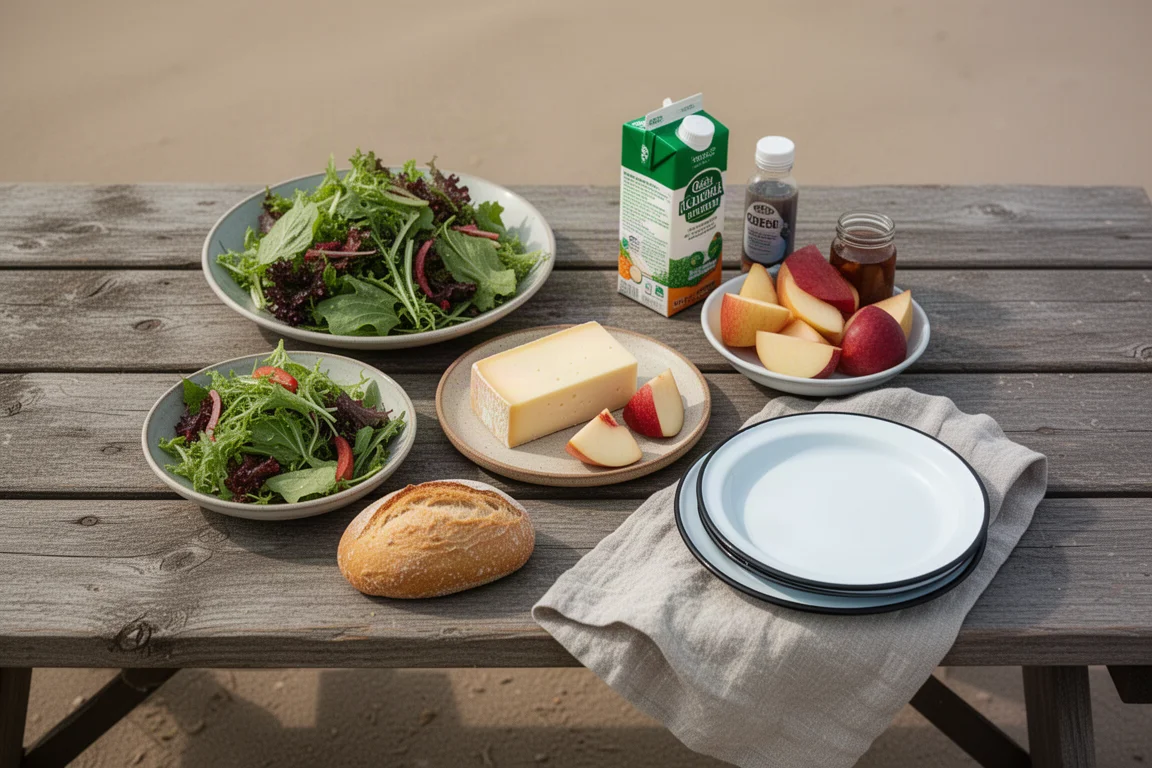
Check three things before ordering. First, measure your cargo area, because the JP30 is sized to run lengthwise in compact vehicles and that is where much of its convenience comes from. Second, confirm you have a way to power it, whether that is a 12V outlet, a portable power station, or both. Third, decide whether a single zone is enough. If you want frozen desserts and fresh food at the same time, a dual-zone fridge is the better match, and the JP30 is not that. For everyone else, the 32 qt model is the value pick in the range at around $500.
Conclusion
The ICECO JP30 does the one thing a portable fridge has to do: it holds a steady temperature for days without ice, and it does so efficiently enough to run from a modest power source. Its dimensions suit compact SUVs, the Danfoss compressor and five-year warranty address the part most likely to fail, and the interior layout is genuinely usable for a long weekend of food.
The trade-offs are honest ones. It needs power, it asks for a little more planning than a cooler, and it stops short of dual-zone flexibility and app control. Buyers who want those features will pay more elsewhere. Buyers who mainly want cold food, cold drinks, and no more ice runs will find the JP30 a sensible middle ground.
Product link
View more details for ICECO JP30
This product is mentioned in the review. Check the specifications, options, and compatibility before buying.
View more details for ICECO JP30Further reading
Related Reviews
Portable Fridges
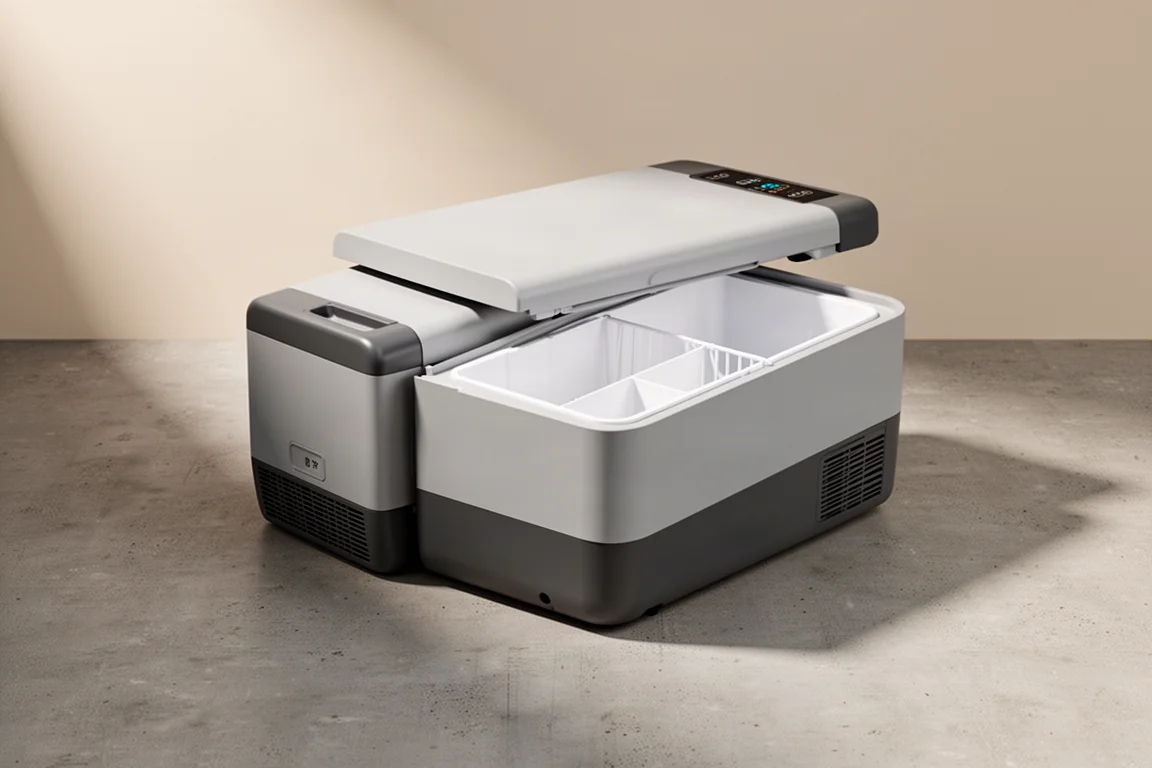
ICECO GO20 12V Fridge Review: Compact Cooling for Weekend Car Camping
A compact 20 quart 12 volt fridge with a Danfoss compressor, dual zone divider, and low power draw. Here is where it shines and what to expect before buying.
Camping Air Mattresses
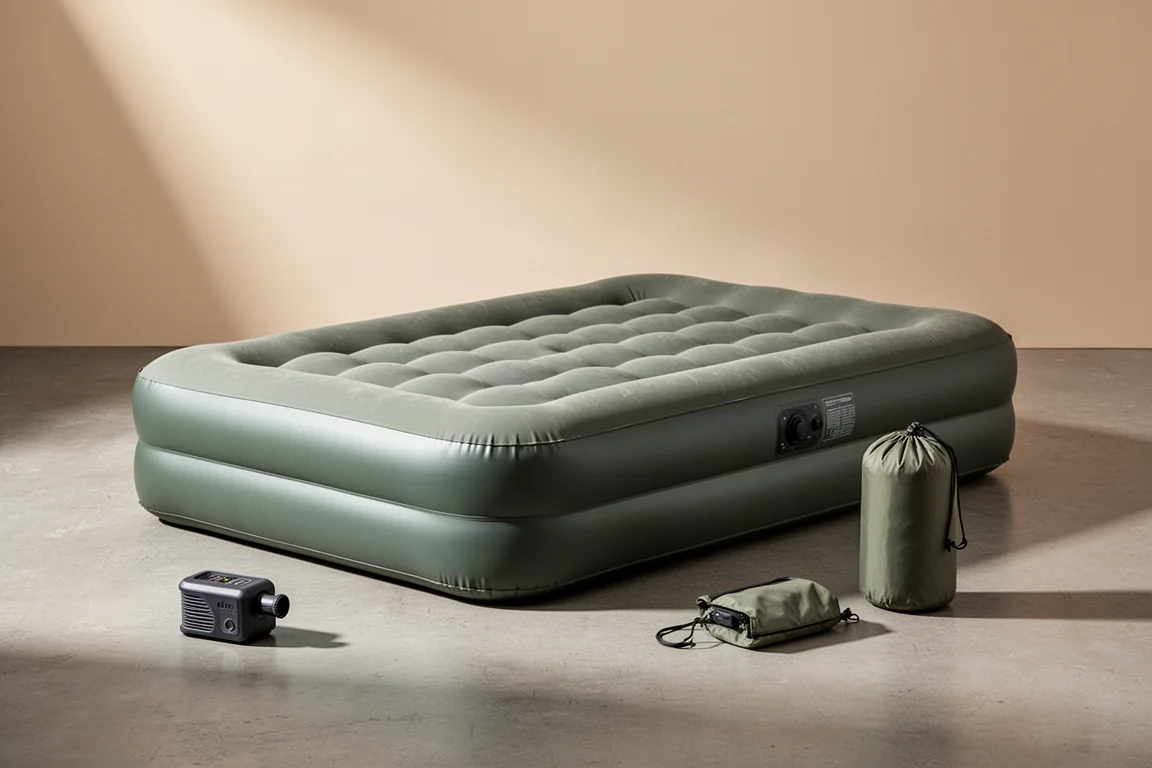
Alps Mountaineering Vertex Air Bed Review: A Nearly Queen-Size Camping Mattress
A detailed look at the Alps Mountaineering Vertex Air Bed, covering comfort, air retention, inflation, packed size, tent fit, and overall value.
Camping Tarps
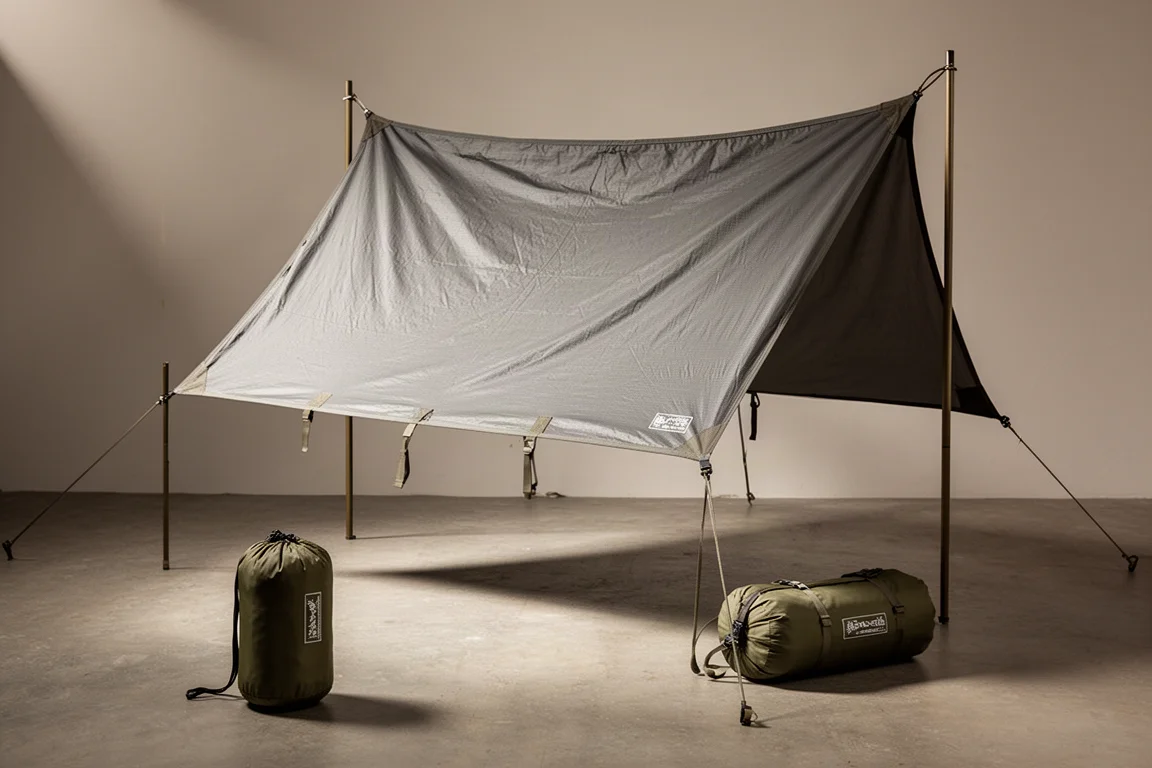
Aqua Quest Defender vs Safari 20x13: Which Large Tarp Fits Your Setup?
A side-by-side look at Aqua Quest's two 20 ft by 13 ft tarps: the 9.2 lb, 20,000 mm Defender and the 4.5 lb, 5,000 mm Safari, plus sizing, setup, and warranty details worth knowing.