Aquarium Equipment
IceCap CO2 Scrubber Review: A Compact Fix for Chronically Low Reef Tank pH
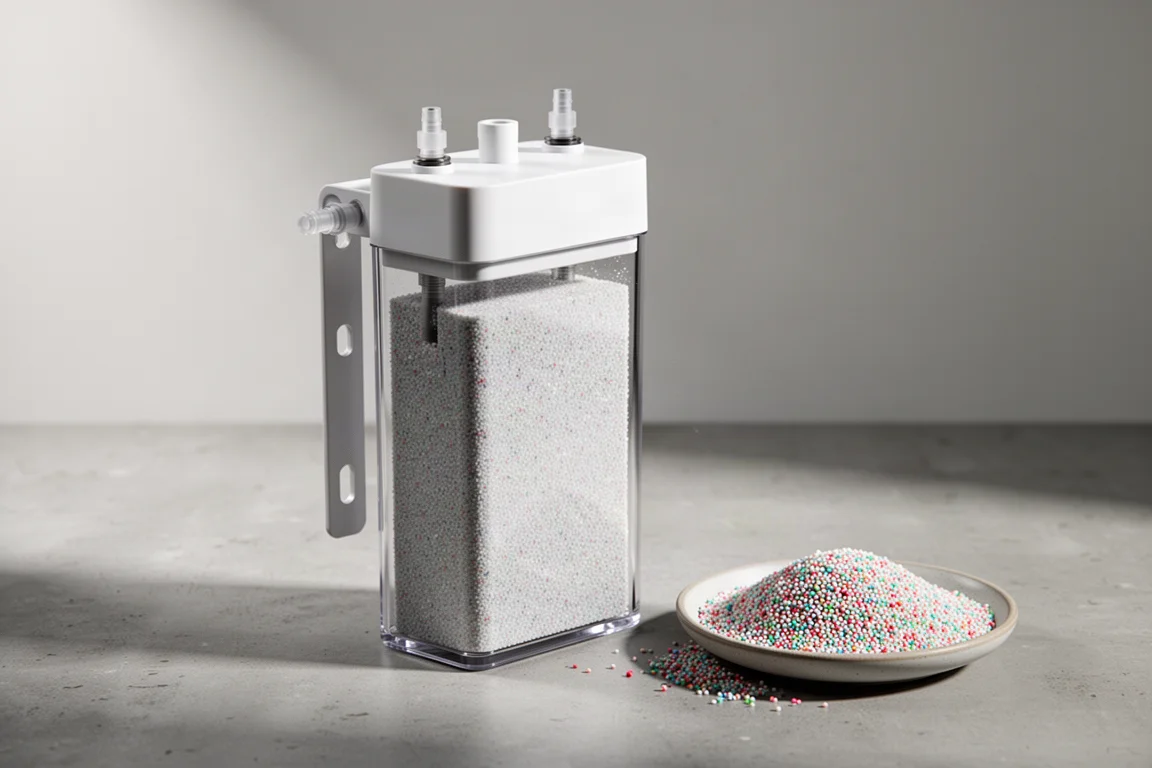
A compact, bracket-mounted CO2 scrubber for protein skimmer air intakes, with three sizes, push-connect plumbing, and color changing media included.
Introduction
Reef keepers spend plenty of time dialing in light, flow, and water chemistry, but pH is often the parameter that quietly limits coral growth. Low pH makes it harder for corals to build skeleton, while higher pH levels, in the region of 8.3, can result in accelerated coral growth. In most homes the obstacle is atmospheric CO2, which finds its way into the aquarium through gas exchange, and the protein skimmer is one of the largest contributors to that exchange. That makes the skimmer air intake a logical place to intervene.
The IceCap CO2 Scrubber is built for exactly that job. It is a compact, easy-to-install scrubber that hangs on a tank or sump with a mounting bracket and connects inline with a protein skimmer’s air intake, removing excess CO2 before it ever reaches the water.
What the IceCap CO2 Scrubber Does
A protein skimmer pulls a large volume of room air into the system, and that air carries dissolved CO2 with it. A scrubber intercepts the air stream and passes it through CO2 absorbing media before it reaches the venturi, which is one of the simplest ways to get a useful bump in pH and push a tank toward that sweet spot for coral growth.
Out of the box, the unit arrives with one kilogram of IceCap Color Changing CO2 Scrubbing Media, so it is ready to fill and run. Air enters through the inlet port on the top, travels down through the media chamber, and exits through the output fitting on its way to the skimmer.
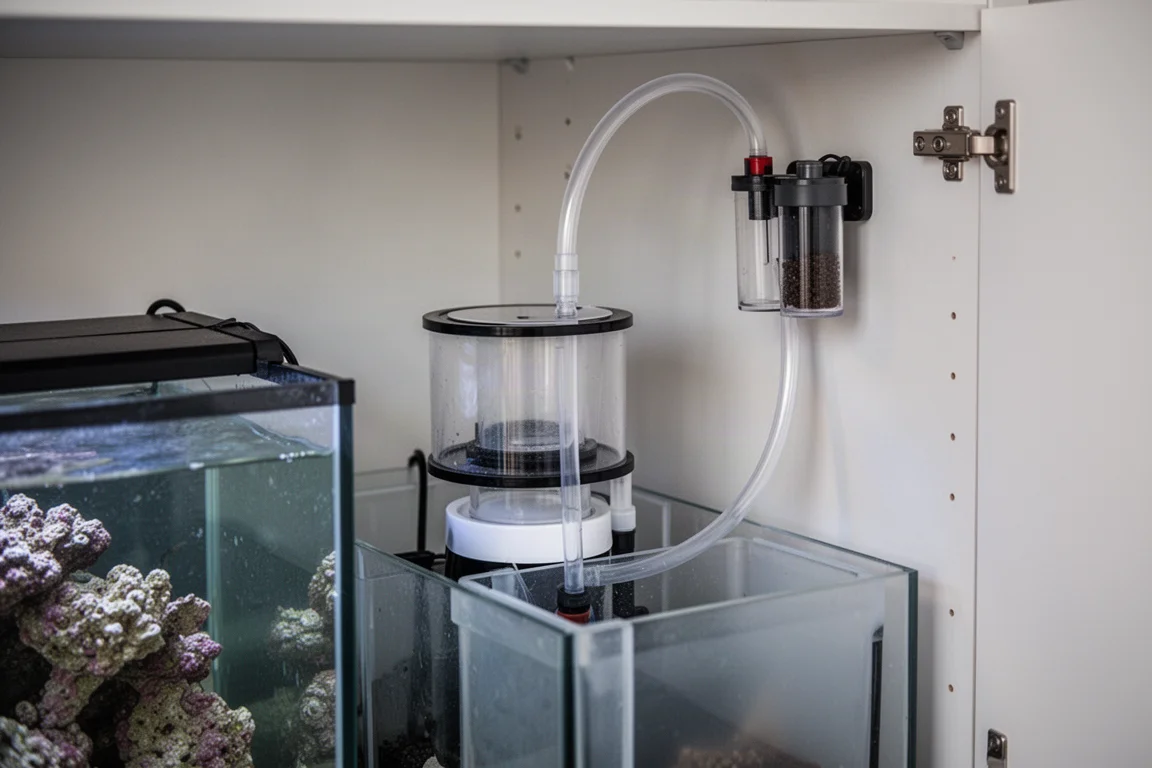
The approach is straightforward: reduce the CO2 going in, and the tank’s pH has more room to sit where you want it. It is a mechanical fix for a chemistry problem, and it slots into gear you already run rather than adding another pump or reactor to the sump.
Who This Product Is For
The scrubber comes in three sizes, small, medium, and large, holding 1.2, 2.2, and 4.4 pounds of CO2 absorbing media respectively. The small unit is genuinely compact at roughly four and a half by four and a half by six and a half inches tall, not including the hanging bracket, which makes it a strong fit for nano reefers or anyone who wants to run a scrubber but is tight on space.
The large unit takes a substantial amount of media while staying reasonably sized. That makes it the better pick for aquarists whose room carries a higher CO2 level and who burn through media faster, or for anyone who would simply rather change media less often. If your tank sits in a small, well-sealed room with people and pets in it, the larger chamber is usually the more comfortable choice.
Main Strengths
The lid design is the detail that stands out. The top hatch is held on with a few nylon screws, so refilling is a matter of removing them, filling the chamber with media, and putting it back. An o-ring seals the cover, which means air is drawn only through the inlet port on top rather than seeping in around the edges. That matters if you route the inlet tubing outside or run the unit in another inline configuration, because bypass air would quietly undo the work the media is doing.
Plumbing is handled with push-connect fittings on both the air intake and the output. Rigid tubing seats into the fittings, so you can draw air from outside the stand, run the scrubber between the venturi and the air silencer, or set it up in any other inline arrangement that suits your cabinet. That flexibility is what keeps the unit useful across different sump layouts rather than locking you into one configuration.
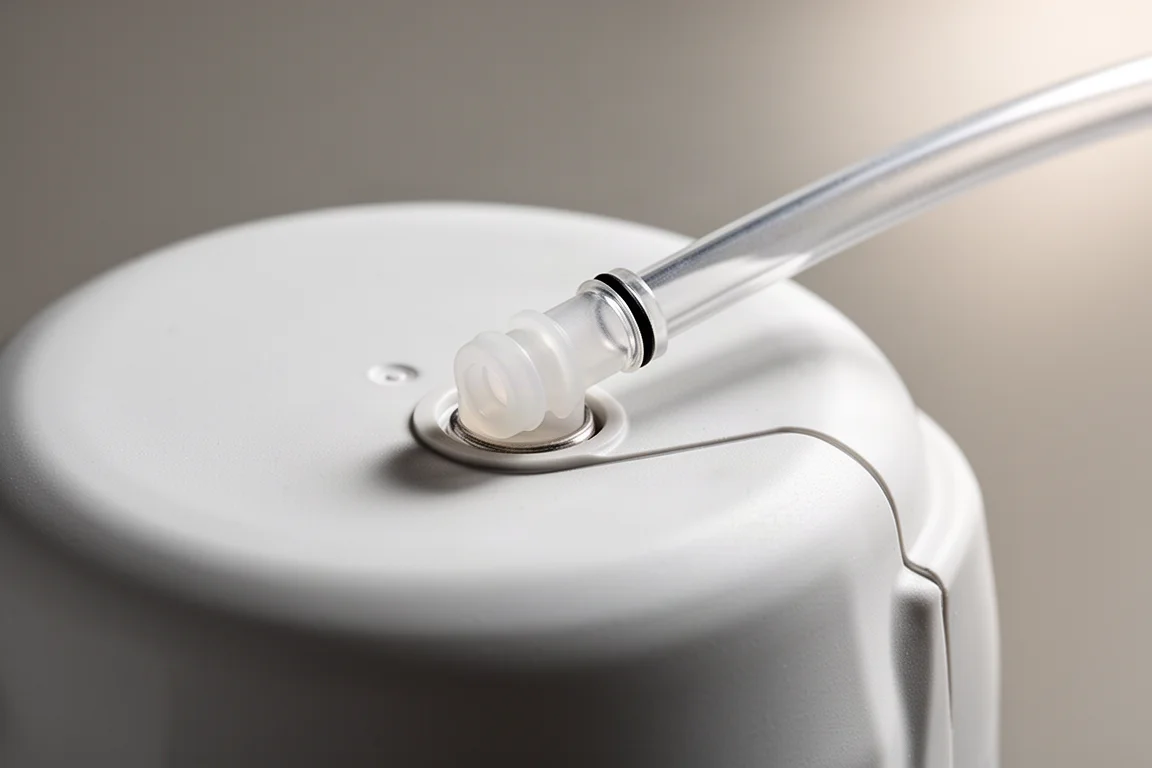
The build keeps the media contained and the airflow predictable, which is the whole point of a purpose-built scrubber. Everything about the layout is aimed at making sure the air you paid to filter is the air that actually gets filtered.
Sizing, Media, and Installation
Choosing a size comes down to two things: the space you have and how quickly you go through media. Small covers nano systems and cramped cabinets. Medium sits in the middle for typical sump footprints. Large is for high CO2 rooms and aquarists who would rather not think about refills every few weeks. The bracket lets the unit hang on the tank or the sump, so it does not need a dedicated footprint on a shelf.
Installation is short work. Take the air intake tube off the skimmer’s air silencer and attach it to the rigid tubing in the push-connect fitting on the scrubber. Because both the intake and output use push connectors, you can also pull air from outside the stand or place the scrubber between the venturi and the silencer if that suits your setup better. Once it is mounted and plumbed, the chamber fills from the top hatch and the unit is running.
Things to Consider Before Buying
Media is a consumable, and that is the main ongoing cost of running any CO2 scrubber. How often you refill depends on your room’s CO2 level, the size of the chamber you choose, and how hard the skimmer pulls air. The included color changing media takes some of the guesswork out of it, since the color shift signals when a change is due rather than leaving you to estimate.
It is also worth being realistic about what a scrubber can do on its own. CO2 media has been used to raise pH in reef aquariums for years and it can do a phenomenal job, but pH is influenced by more than one variable. If a tank is stuck at a chronically low pH, a scrubber is often most effective as part of a broader approach rather than as a single fix, and it pays to understand the other factors that push pH up or down before expecting one piece of equipment to solve everything.
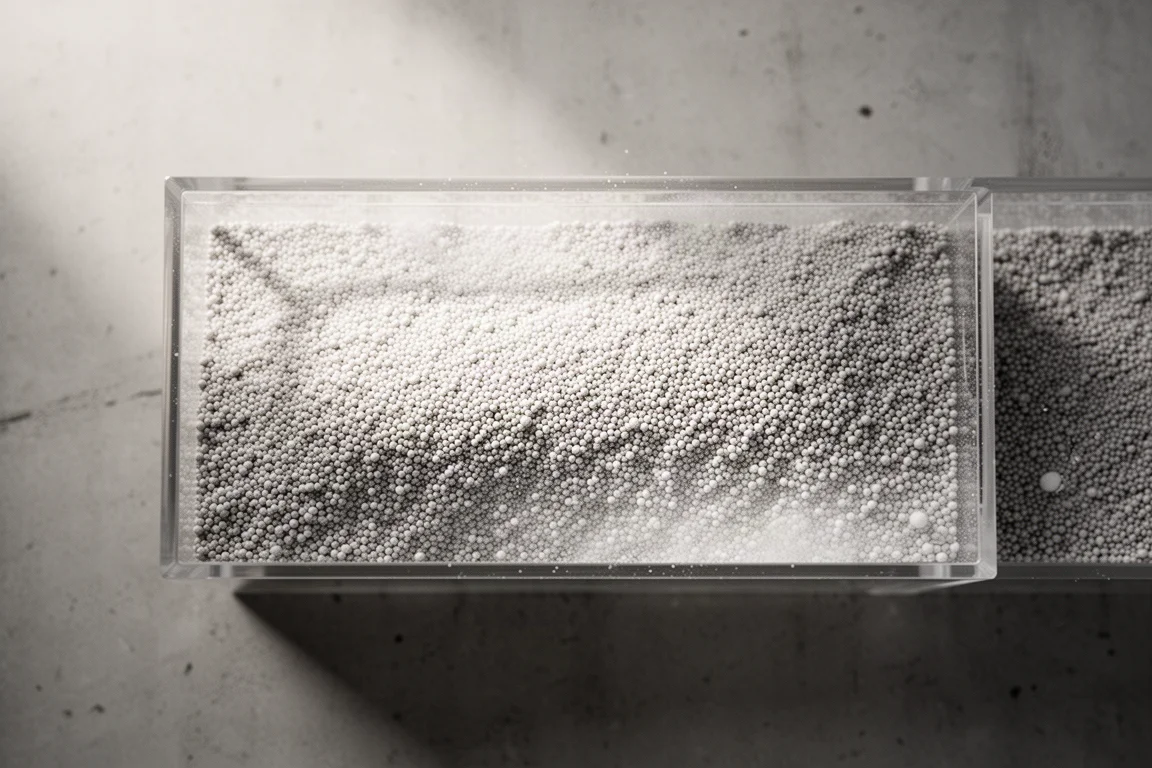
Approached that way, the scrubber becomes a dependable tool in the kit rather than a promise. It reliably removes CO2 from the skimmer air supply, and that is a meaningful, measurable contribution to the overall picture.
Getting the Most From a CO2 Scrubber
A few habits get more out of the unit. Route the intake to fresh outside air if your cabinet or room runs warm and stuffy, because that reduces the CO2 load the media has to handle. Watch the color of the media and change it on schedule rather than waiting for pH to drift back down, since a spent chamber is just an empty pass-through. And log pH alongside the change dates so you can see how long a full chamber actually lasts in your system.
Sealing matters too. The o-ring on the lid and the push-connect fittings are there to keep unfiltered air out, so check that the cover seats properly and that tubing is pushed fully home whenever you refill.
Buying Advice
Pick the size that matches your space and your media consumption. Nano reefers and anyone working with a cramped cabinet will get the most out of the small unit, which is compact enough to hang out of the way. Aquarists in rooms with elevated CO2, or those who would rather refill less often, should look at the medium or large chamber, where the extra media capacity buys longer intervals between changes.
Because the scrubber mounts with a bracket and connects with push fittings, it is easy to add to an existing skimmer setup without redesigning the sump. Start with the size that fits, plumb it inline, and give it a few weeks alongside your normal pH logging to see what it does in your specific system.
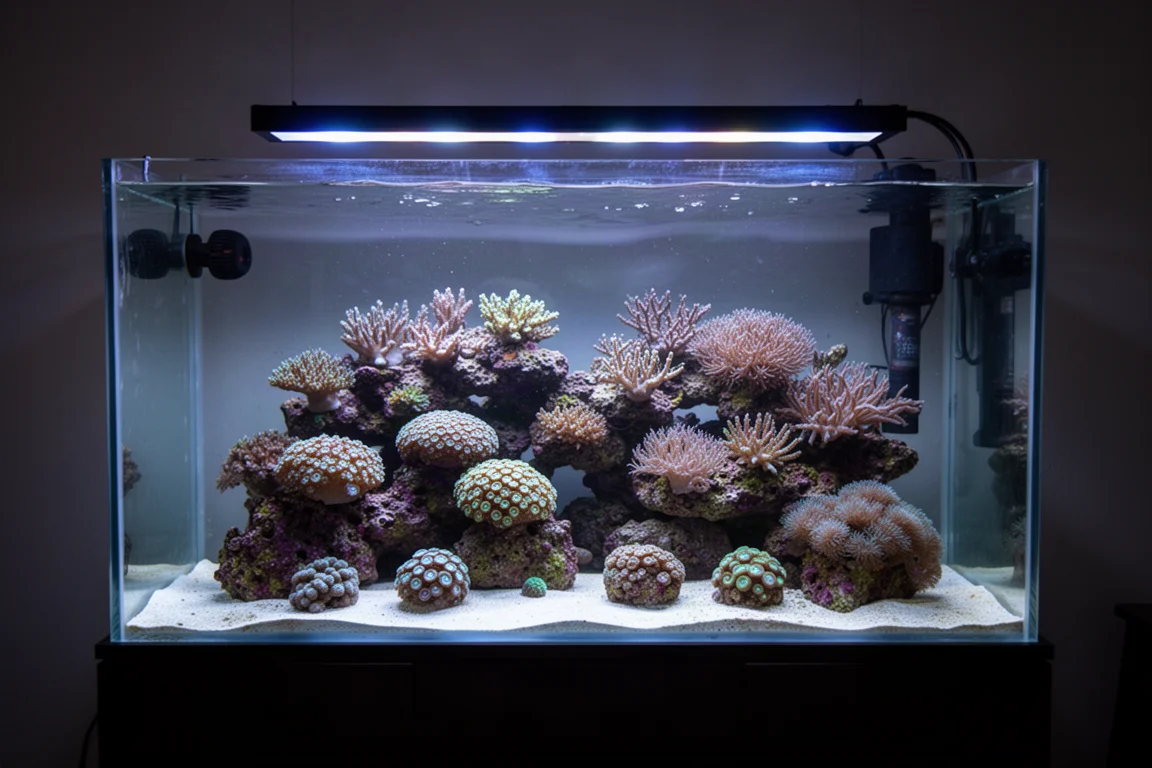
For reef keepers fighting chronically low pH, this is one of the simplest and least intrusive pieces of equipment to try. It targets the largest source of CO2 entering the tank and gives your corals a better shot at the pH range where they grow fastest.
Conclusion
The IceCap CO2 Scrubber is a focused piece of gear: compact, bracket mounted, sealed with an o-ring, and plumbed with push-connect fittings that let it fit a range of skimmer setups. It ships with a kilogram of color changing media, comes in three sizes to match space and refill habits, and addresses the air going into your protein skimmer rather than chasing pH after the fact.
If low pH has been holding back growth in your reef, this is a practical place to start. Match the size to your room and your cabinet, run it inline with the skimmer, and let it take excess CO2 out of the equation.
Product link
View more details for IceCap CO2 Scrubber
This product is mentioned in the review. Check the specifications, options, and compatibility before buying.
View more details for IceCap CO2 ScrubberFurther reading
Related Reviews
Aquarium Equipment
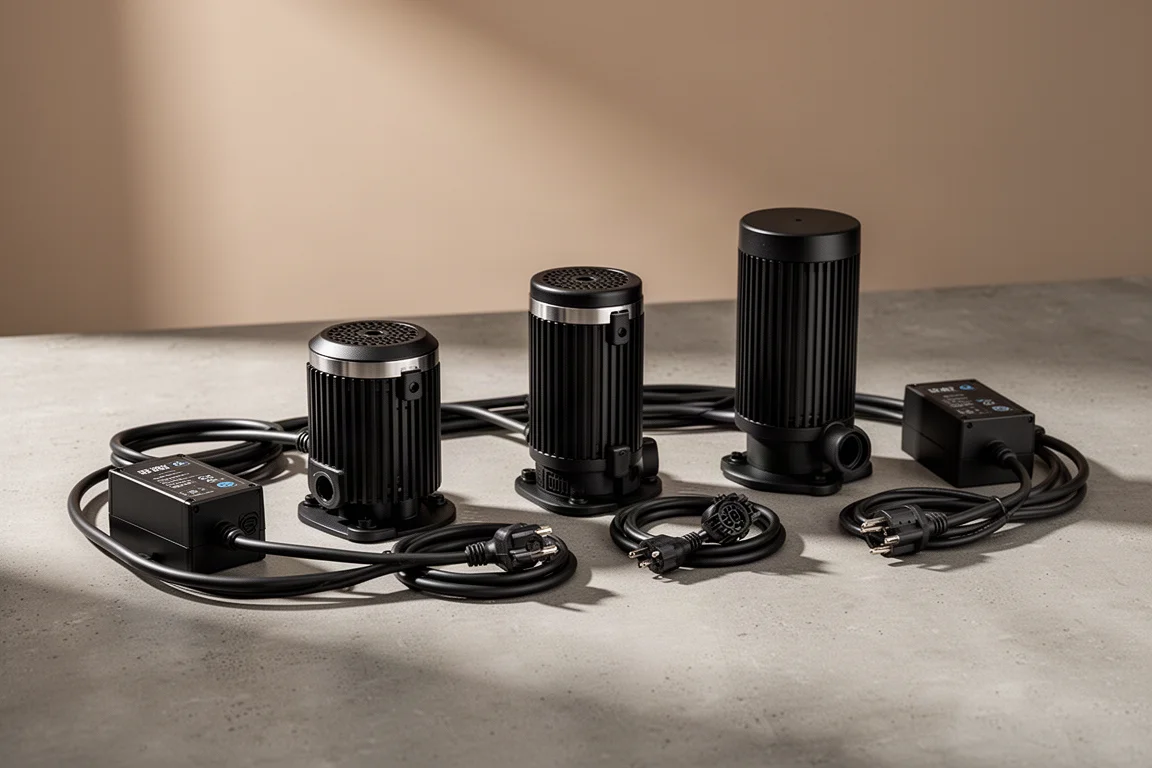
Abyzz Professional DC Pumps: A100, A200, and A400 Reviewed
A closer look at three German-made DC return pumps built for large reef systems, with titanium internals, fine flow control, and a 10-year warranty.
Aquarium Equipment
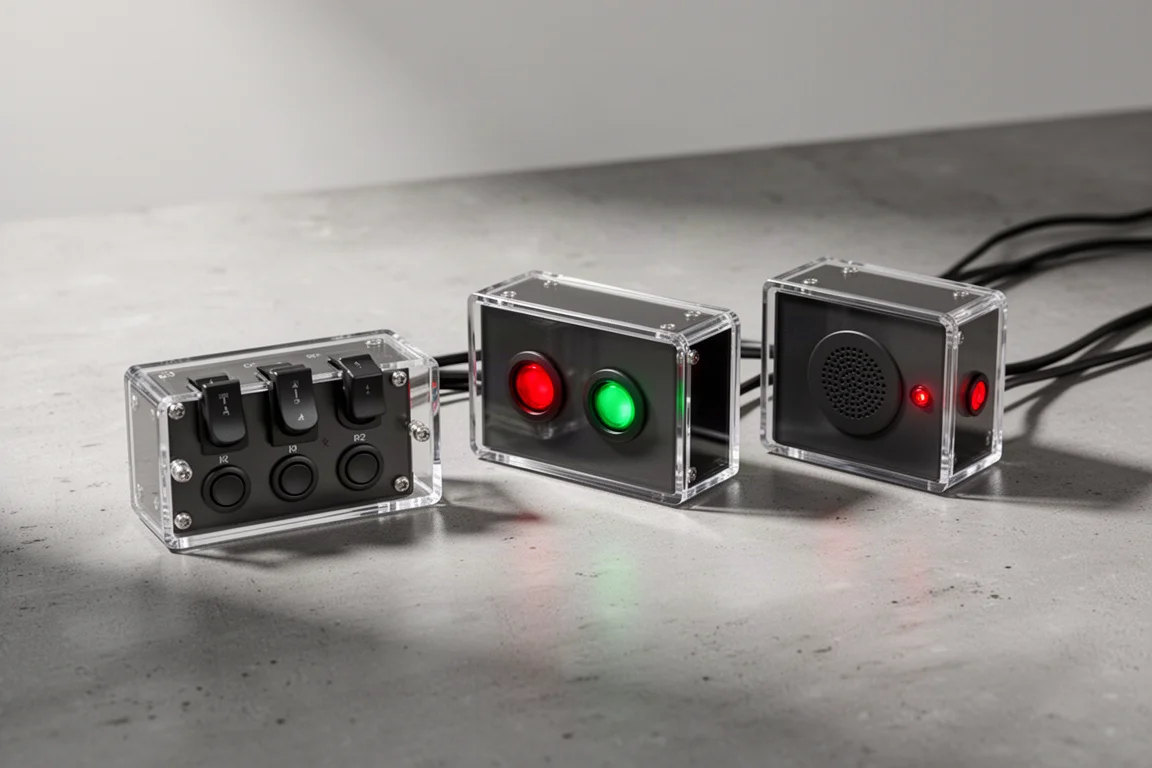
AdaptiveReef Controller Accessories: Three Tactile Upgrades for Your Reef Controller
A practical look at three AdaptiveReef add-ons that put physical switches, at-a-glance status lights, and a loud alarm within arm's reach of your reef tank.
Aquarium Equipment
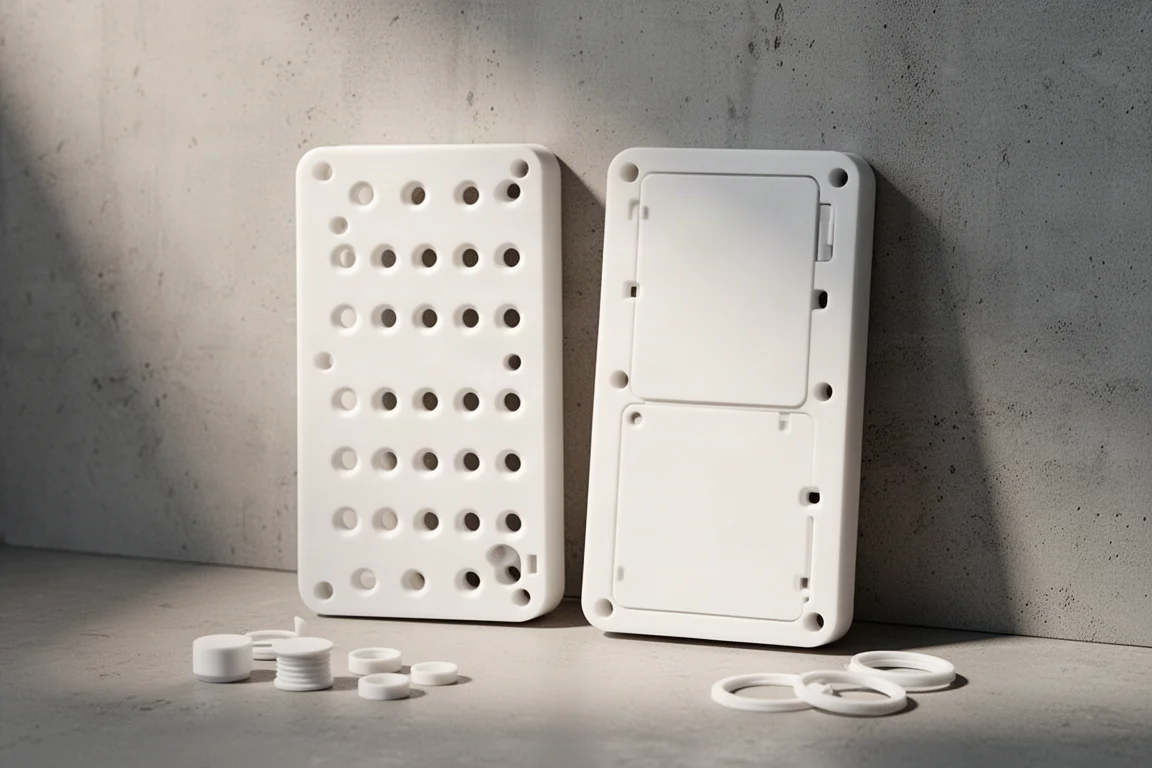
Adaptive Reef Controller Boards: Basic vs Deluxe for Cleaner Aquarium Gear
A practical look at the Adaptive Reef Basic and Deluxe controller boards, what each one includes, and how to choose the right size for your tank gear.