Wearable Technology
Hypershell X Review: A Wearable Exoskeleton Tested on Steep Hills and Flat Ground
A practical look at the Hypershell X exoskeleton: what its 1.8 kg leg units, 32 N of torque, and claimed 800 W peak output can and cannot do on climbs, runs, and flat ground.
Introduction
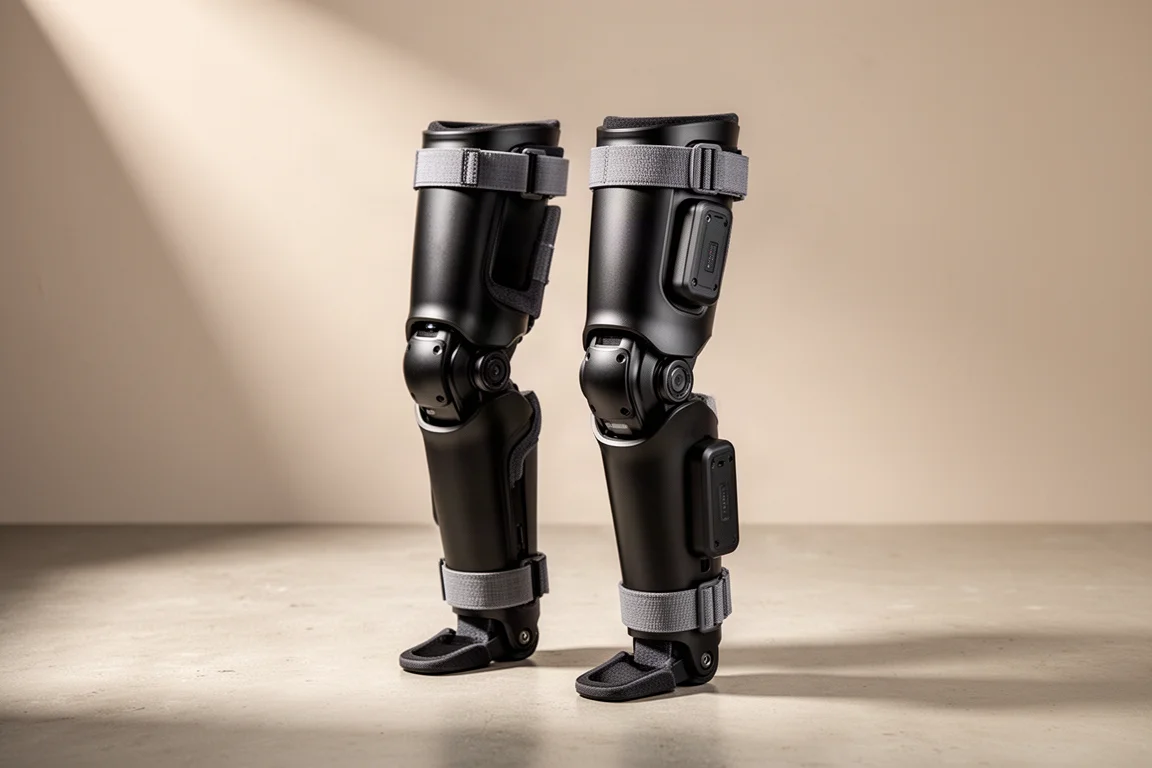
The Hypershell X is a compact wearable exoskeleton that straps onto the legs and uses robotics and AI to add assistance to each stride or pedal stroke. The pitch is straightforward: go further, explore more, and make hard climbs feel easier. That is a large promise for a device that weighs about as much as a full water bottle, so the real question is what it actually does once you put it on and start moving.
What the Hypershell X Does
The system consists of powered leg units listed at 1.8 kg, with a claimed peak output of up to 800 W and 32 N of continuous torque. Response time is quoted at around 2 milliseconds, which matters because assistance has to arrive in step with your own movement rather than lag behind it. Power is selected through riding modes, and Hyper mode runs through four levels shown by red indicator lights, with level four as the maximum setting.

Once running, the units audibly whistle as they work, and the sensation is unusual: the motors push the legs downward through the stride rather than simply removing weight from your body. That feeling takes some adjustment, and the assistance is most noticeable when the terrain or the effort level sits inside the device’s working range.
Who the Hypershell X Is For
This is not a race device. It does not have approval for competition use, and the assistance fades in and out of usefulness depending on how hard you are pushing. Competitive cyclists and triathletes chasing surges well above 450 W are not the target user, because the legs cannot match that kind of short, sharp effort.
Where it makes more sense is on sustained steep climbs, whether on foot or on a bike, and for anyone who wants a longer stride with less perceived effort on gradients. It is also relevant for riders and runners who value assistance at moderate, repeatable power rather than at maximum output.
Main Strengths
Steep uphill running is where the device makes its strongest case. On a gradient of roughly 25 to 26 percent, the 32 N of torque made each stride feel about a foot longer, and there was no instinct to shorten the stride as the hill got steeper. The extra weight of the units was more than offset by the assistance, and the effort felt genuinely different from an unassisted climb.
On the bike, the sweet spot sits at roughly 300 to 350 W of effort, where the legs make it feel closer to 250 W. On flat laps, a sustained lap power of around 360 W was reached, higher than the rider considered personally sustainable without assistance.
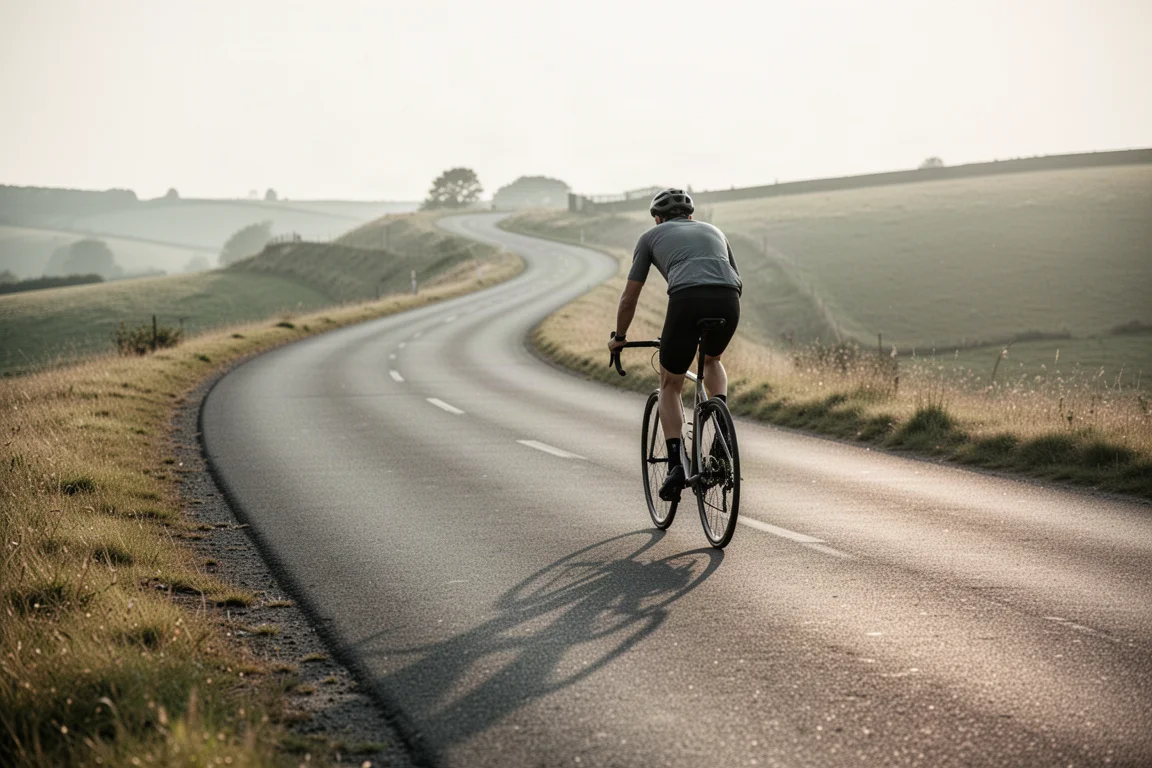
Both use cases point to the same conclusion: the assistance is most convincing when effort is steady and the gradient is steep, rather than when power spikes or the terrain flattens out.
Real-World Performance: Hills and Flats
The clearest limitation showed up on a 3 km climb at an average grade of about 5 percent. Despite holding over 450 W for a stretch, the assisted rider could not stay with a strong unassisted triathlete. Once effort climbed above roughly 300 W, the assistance felt like it gave up, and it could not respond to repeated surges in the 450 to 500 W range.
Flat running told a different story. Extended stride length allowed a pace of about 2 minutes 40 per kilometre, but the assistance tracked the rider’s own input closely. Relaxing slightly caused the assistance to relax as well, turning a comfortable lead into a sprint finish. That responsiveness cuts both ways: the device amplifies what you are already doing rather than doing the work for you.
Things to Consider Before Buying
The experience is unusual. Riders and runners report feeling less in tune with their own movement, and the motors are audible while they work. Battery life has to be managed deliberately, and carrying spare batteries undercuts the point of a lightweight wearable.
Competition is off the table for now, since the device does not have approval for racing. The broader market is also unsettled: it sits between assistive technology, outdoor gear, and performance equipment, and it does not replace an e-bike for cycling or a training plan for running.
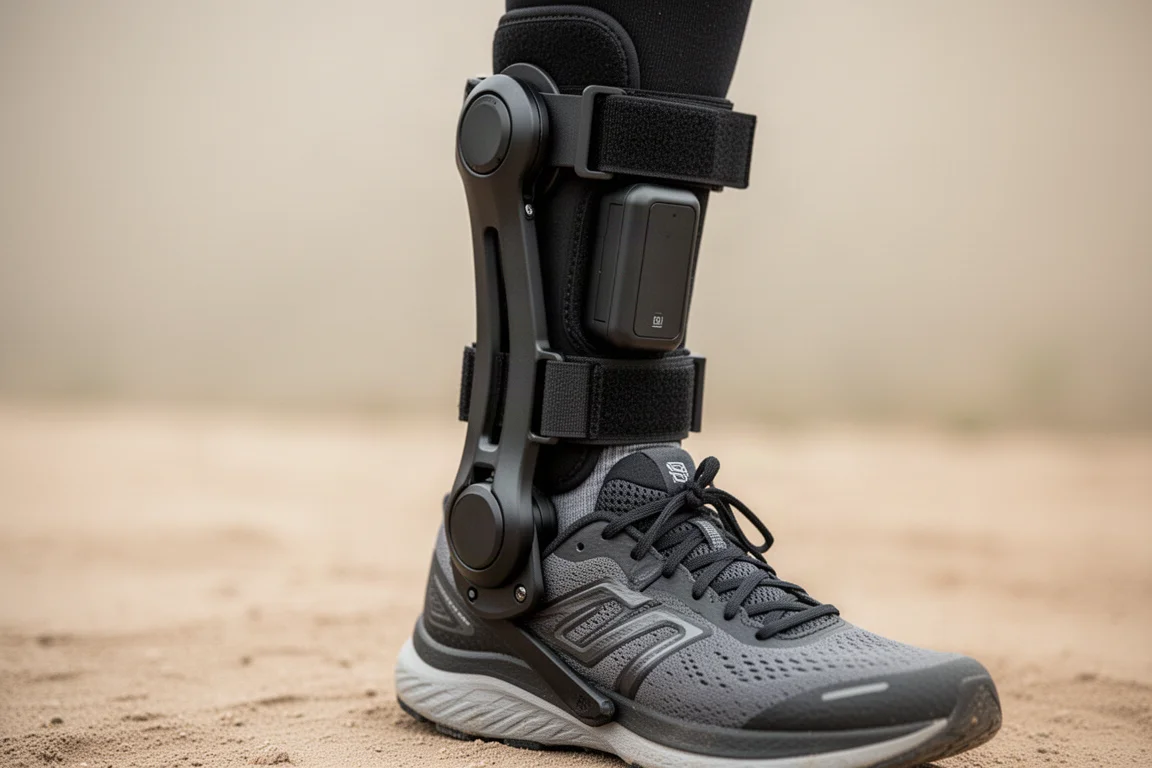
It is worth thinking of the Hypershell X as a tool for specific terrain rather than a general fitness upgrade. The benefit concentrates on steep, sustained climbs, and it thins out noticeably on flat ground or when the effort becomes explosive.
Buying Advice
Buy it if you want help on long, steep climbs and you are comfortable with a wearable that changes how movement feels. The strongest use cases are steep hill running and sustained moderate-power cycling, where the assistance feels most natural and most useful.
Think carefully if your goals involve racing, short high-intensity surges, or flat speed work, because those are the situations where the assistance contributes least. Match the device to the terrain you actually train on, and expect a short adjustment period before the assistance feels predictable.

The four power levels in Hyper mode give you a way to tune the amount of help to the climb in front of you, so it is worth spending time in the lower settings before defaulting to maximum.
Conclusion
The Hypershell X is a genuinely interesting piece of wearable robotics with real capability on steep gradients and a clear set of limits elsewhere. It will not rewrite your athletic history, and it is not a shortcut past fitness, but as an assistive tool for sustained climbing it does something an ordinary pair of shoes or pedals cannot.
Product link
View more details for Hypershell X
This product is mentioned in the review. Check the specifications, options, and compatibility before buying.
View more details for Hypershell XFurther reading
Related Reviews
Wearable Technology
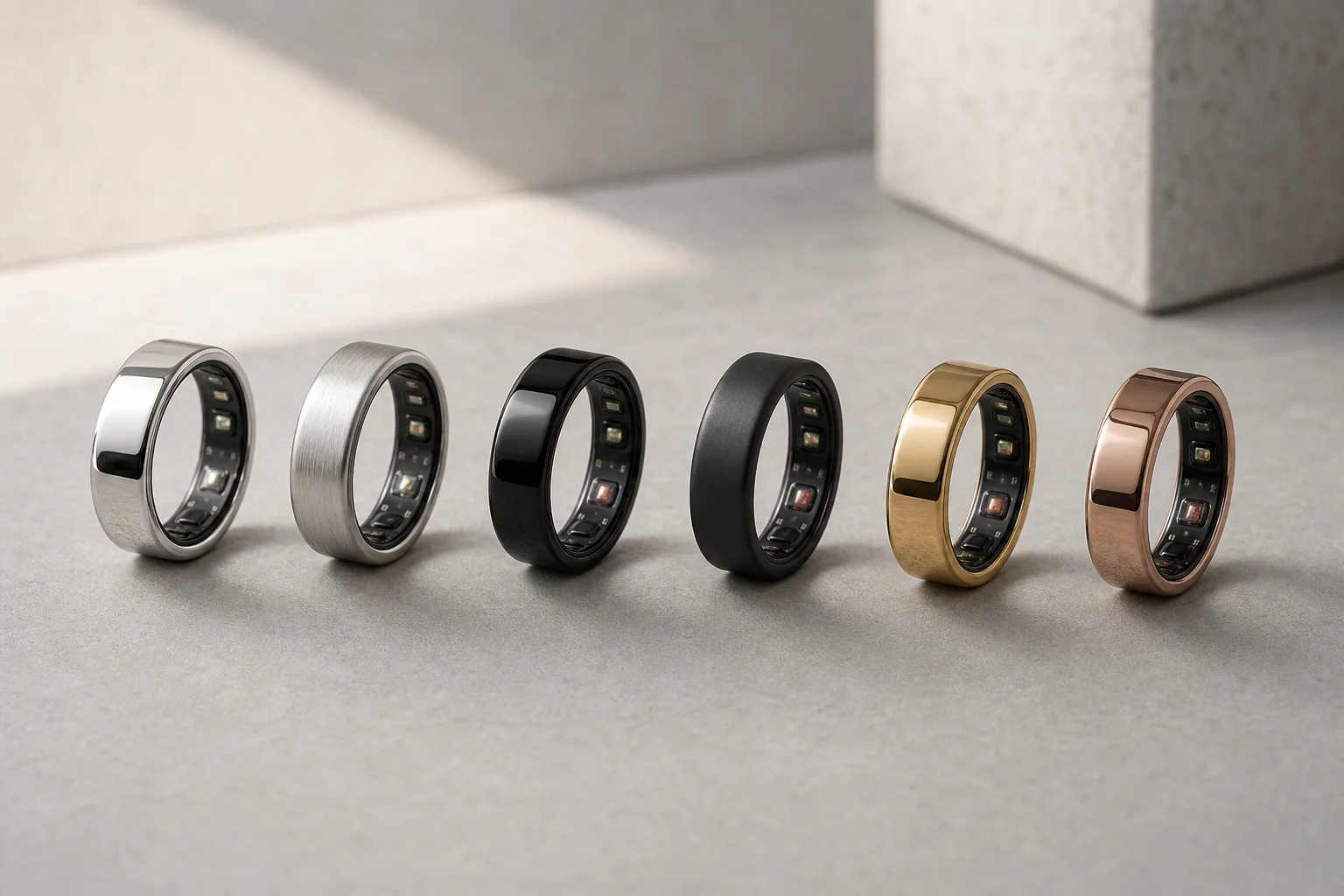
Oura Ring 5 Color Guide: How to Choose the Right Finish for Your Skin Tone
A practical look at all six Oura Ring 5 finishes and how each one looks on different skin tones, so you can pick the right color the first time.

Backpacking Gear
Building a 10 lb Base Weight: An Ultralight Backpacking Gear List
A practical walkthrough of the ultralight pieces behind a 10 lb base weight, from a 765 g pack and a roomy one-person tent to a full camp chair and a dependable water filter.

Road Bikes
10 New Road Bikes Worth Watching: Aero, Titanium, Steel and Endurance Standouts
A practical roundup of 10 new road bikes, from aero flagships chasing single-watt gains to titanium, steel and endurance platforms built for real roads.