Backpacking Packs
Hyperlite Mountain Gear Waypoint 35 Review: A Minimal Ultralight Pack for Fast Weekend Trips
A close look at the Hyperlite Mountain Gear Waypoint 35, a 35 liter ultralight backpack built for light weekend loads, covering its build, carry comfort, pocket layout, and the trade-offs to weigh before buying.
Introduction
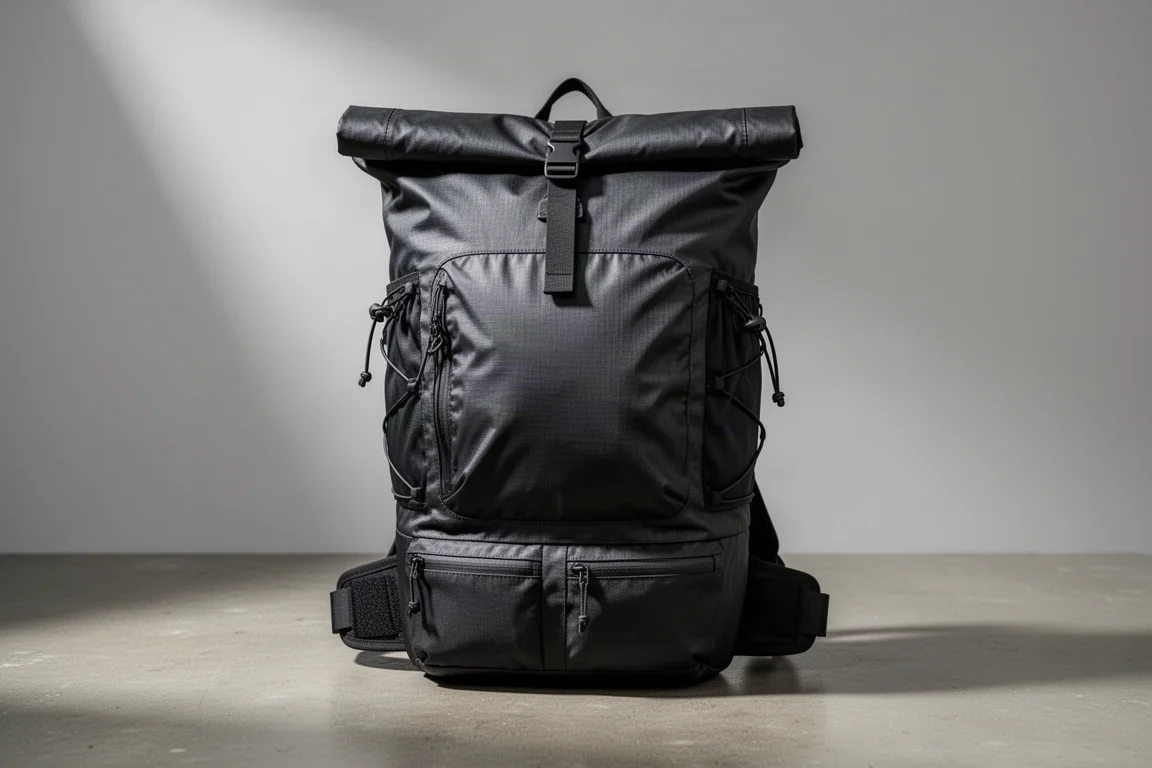
Some gear earns its place in a kit by doing one job exceptionally well, and the Hyperlite Mountain Gear Waypoint 35 is that kind of pack. It is a 35 liter ultralight backpack with a deliberately minimal design, aimed at fast and light trips rather than at hauling heavy or bulky loads. Inside, you get an internal frame, an integrated and removable hip belt, and a pocket layout that covers the essentials without adding clutter.
This review covers how the pack is built, the loads it carries comfortably, and the details worth knowing before deciding whether it belongs in your kit.
Who This Pack Is For
The 35 to 40 liter class tends to be the sweet spot for weekend trips, especially in warm weather when bulky insulation and heavy layers stay at home. The Waypoint 35 fits that brief closely. It pairs well with a base weight in the region of 12 to 15 lb and total loads kept to roughly 28 to 32 lb.
That range is where the pack feels at its best. It has been carried at up to about 32 lb comfortably, but it is not intended to be pushed much beyond that, and the 35 liter volume makes it difficult to load much more weight in the first place without adding a water carry.

Anyone whose kit compresses down well will find the capacity workable. Anyone who needs to carry a cold weather sleeping bag, a large tent, or other high bulk items should look at a larger pack instead, because the base of this one is genuinely low volume.
Materials, Build, and Packability
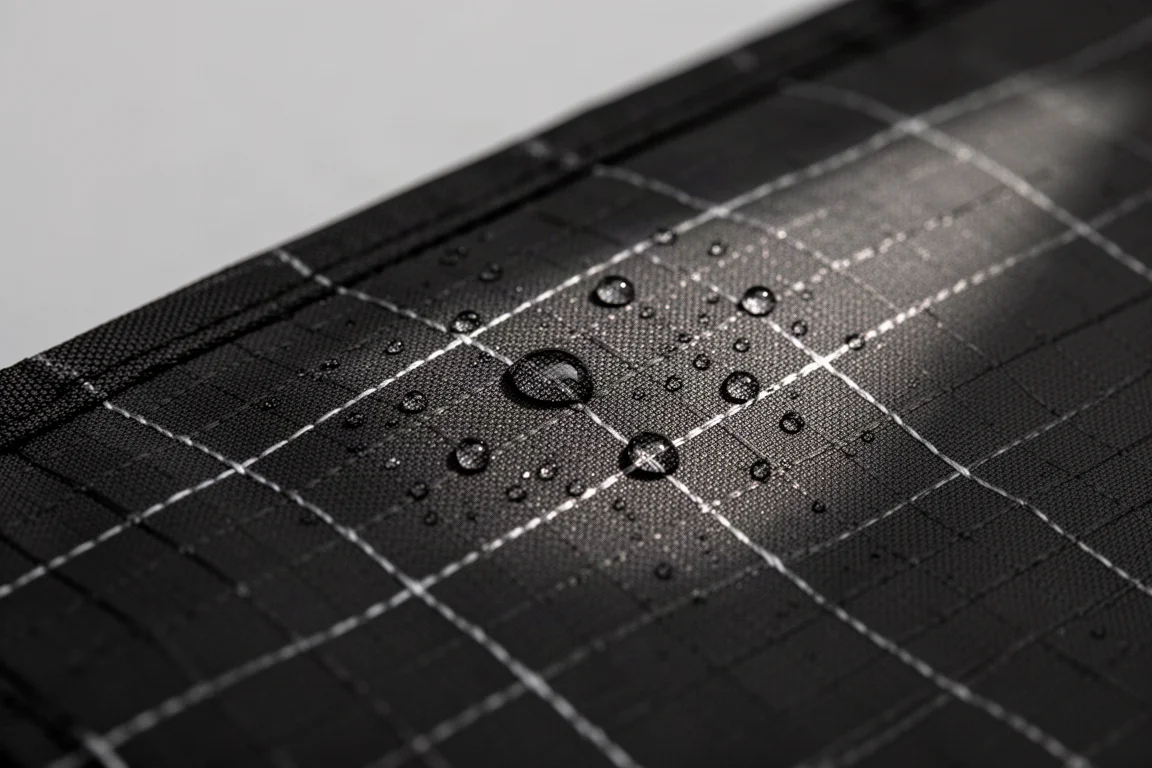
The body of the pack is made from a dyneema composite fabric, and the side pockets use a 100 denier dyneema material. The large front pocket is a dyneema stretch fabric, which is a sensible choice for durability. In narrow desert canyons and against slick rock, that stretch pocket is far less likely to be torn up than a lighter mesh would be.
The Waypoint 35 comes in two colors, white or black. The black version uses a heavier weight dyneema, while the white version uses a lighter weight dyneema. It is also offered in four torso sizes. A size medium in black weighs just over 23 ounces, which is light for a framed pack of this capacity.
Packing the Waypoint 35 takes a little discipline. The bottom of the pack is a small, low volume space, so a sleeping bag or quilt needs to compress down tightly to fit. Tents roll up and pack in without trouble, but bulky items in general are a poor match. The pack closes with a roll top and side buckles, and it compresses down neatly as the load shrinks. Those side straps are sewn into the pack rather than removable, so they are the natural way to manage compression.
Suspension, Hip Belt, and Carry Comfort
This is a framed pack in a limited sense. A single aluminum stay runs through the spine of the pack, and a roughly quarter inch layer of foam adds comfort and a little rigidity through the body. That is sufficient structure for a small volume pack, and it keeps the overall weight down.
The hip belt is integrated and removable, so it can be taken off entirely or swapped for a different size. The shoulder straps are wide and carry comfortably. The sternum strap uses a whistle buckle, has no elastic section, and can be adjusted for height.
Under heavier loads, the hip belt tends to slip, particularly around the lumbar area, so the pack gradually settles lower on the back and needs to be lifted and retensioned. The adjustment is also made at the buckle rather than at the edges of the belt, which is less comfortable than pulling the webbing across from the sides. Swapping in the hip belt from the Unbound 40, which is the same size but adjusts from both sides, noticeably improves how secure and comfortable the belt feels, and other owners report making the same swap.
Pockets, Straps, and Trail Access
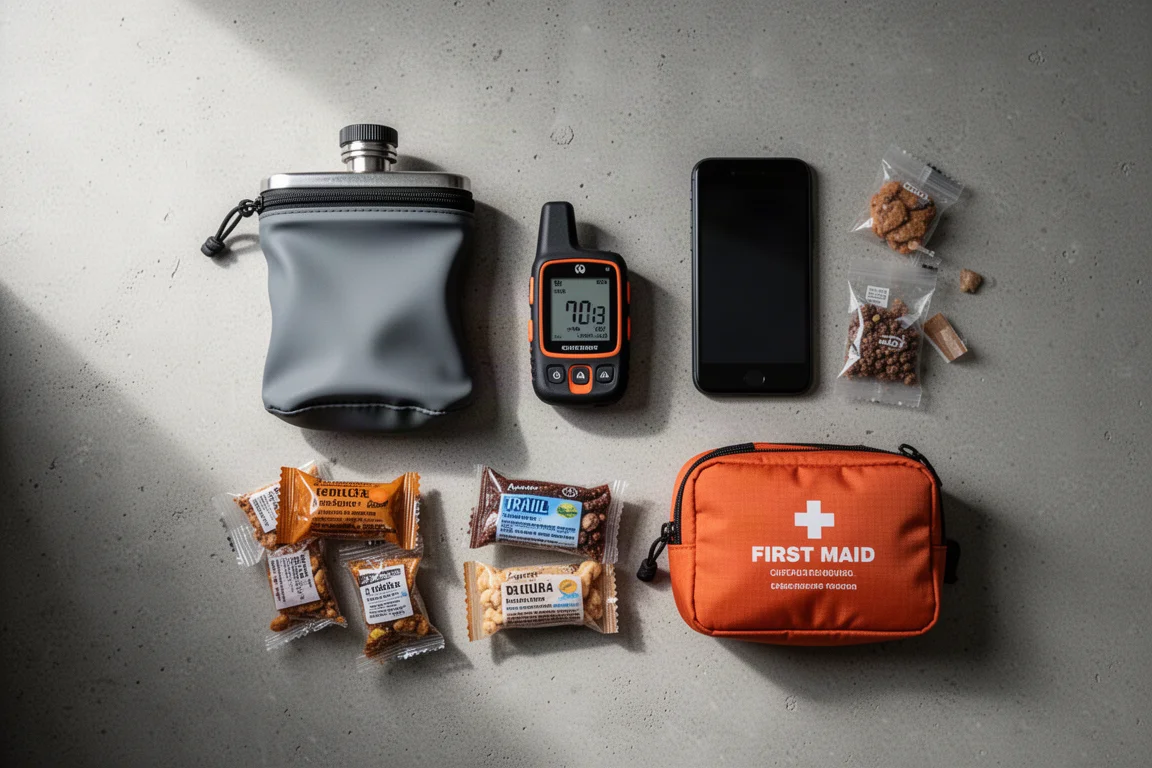
The front stretch pocket is generously sized and secured by a small plastic clip at the top that has no adjustment. It easily holds a bathroom kit and a first aid kit, and there is still room for a small jacket, an electronics kit, or water filtration gear.
The side pockets have enough volume for two water bottles, and they can be reached and reloaded with the pack on. A shock cord runs across each pocket for tensioning, though it is the kind of detail most people set once and leave alone. Each side also has a compression cord that detaches with a buckle, which is useful for securing trekking poles or tent poles and keeping taller items stable.
On the shoulder straps, dyneema stretch pockets with sewn-in shock cord offer a snug space for a 700 ml soft flask, a phone, snacks, or a satellite messenger. Having both shoulder and hip belt pockets is a welcome combination, and the hip belt pockets hold a phone and snacks comfortably. A Y strap across the top of the pack takes lower profile items such as a closed cell foam pad or a jacket, rather than something as large as a bear canister.
Weather Resistance and Real World Durability
The pack is seam taped on the inside, but only along the vertical seams. That adds some protection on wet days. The Waypoint 35 is not a waterproof design, so gear inside still needs its own protection, and adding tape to the horizontal seams is a straightforward way to improve that coverage.
Durability has held up well across months of use in the mountains and the desert. The dyneema fabrics and the stretch front pocket have handled scraping and rough terrain without issue, and the overall build quality is high.
Things to Consider Before Buying
The Waypoint 35 rewards a dialed-in, lightweight kit and punishes bulk. If your sleeping bag is a cold weather model, or you like to carry a lot of extra layers, the low volume base of the pack will be frustrating to work with.
The hip belt is the main compromise. Under heavier loads it slips around the lumbar area and needs periodic retensioning, and the adjustment at the buckle is less convenient to use than side adjustment would be. The pack is also not fully waterproof, with seam tape only on the vertical seams, so a pack liner or dry bags remain sensible for anything that has to stay dry.
At $359 at full retail, it is a genuine investment, and one worth weighing against how often you actually travel light. For the right user, the weight savings and the durable construction justify the cost, but it is not a pack to buy on a whim if your trips tend to run heavy.
Buying Advice
Buy the Waypoint 35 if your trips are weekend length, your base weight sits around 12 to 15 lb, and your total load stays in the 28 to 32 lb range. Choose your torso size carefully from the four available options, since the pack carries best when it fits properly.
If the hip belt behavior is a concern, the swap to the Unbound 40 belt is a simple and well documented improvement that keeps the same belt size while adding side adjustment. Pair the pack with a liner for wet conditions, and keep the load compact rather than heavy.

At $359, this is a pack for someone who already knows they travel light and wants a durable, minimal option they will keep reaching for over several seasons.
Conclusion
The Hyperlite Mountain Gear Waypoint 35 does exactly what a small ultralight pack should. It carries a light weekend load comfortably, uses durable dyneema fabrics, and stays out of the way on the trail. The hip belt behavior and the limited tolerance for bulky gear are the trade-offs to accept, and both are manageable for the right user. For backpackers who travel light and want a pack built to last, it is a strong choice.
Product link
View more details for Hyperlite Mountain Gear Waypoint 35
This product is mentioned in the review. Check the specifications, options, and compatibility before buying.
View more details for Hyperlite Mountain Gear Waypoint 35Further reading
Related Reviews
Backpacking Packs
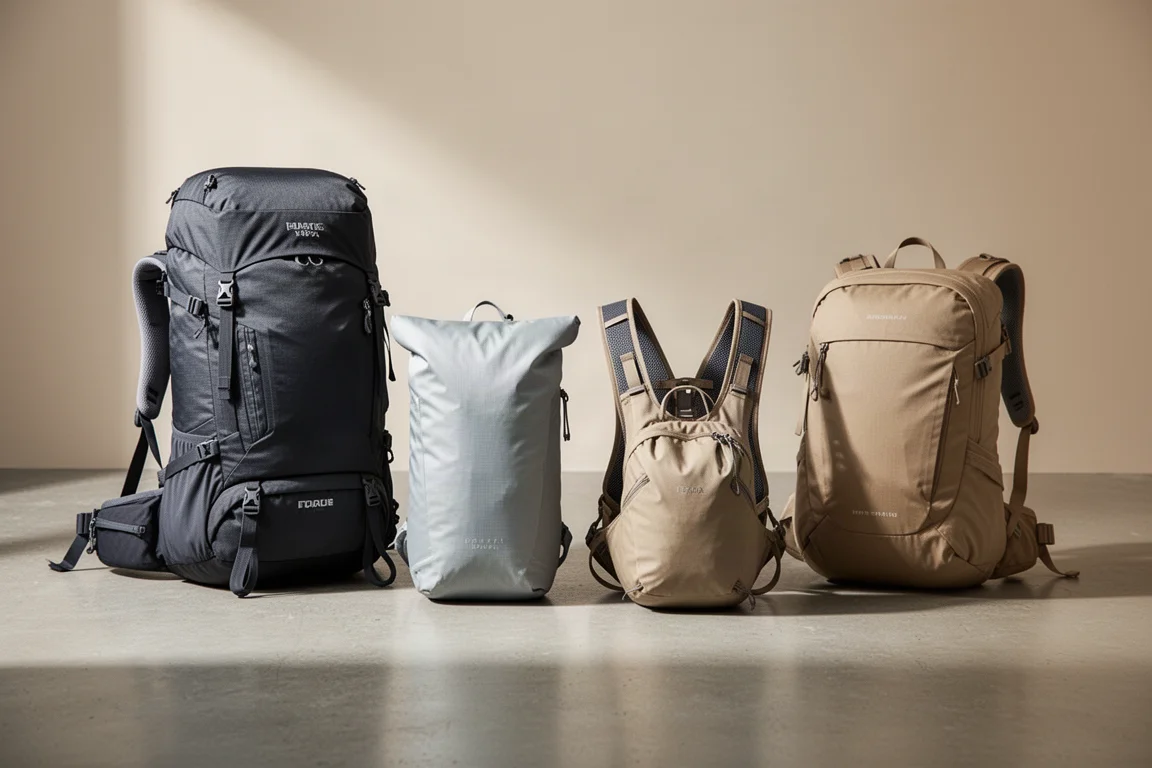
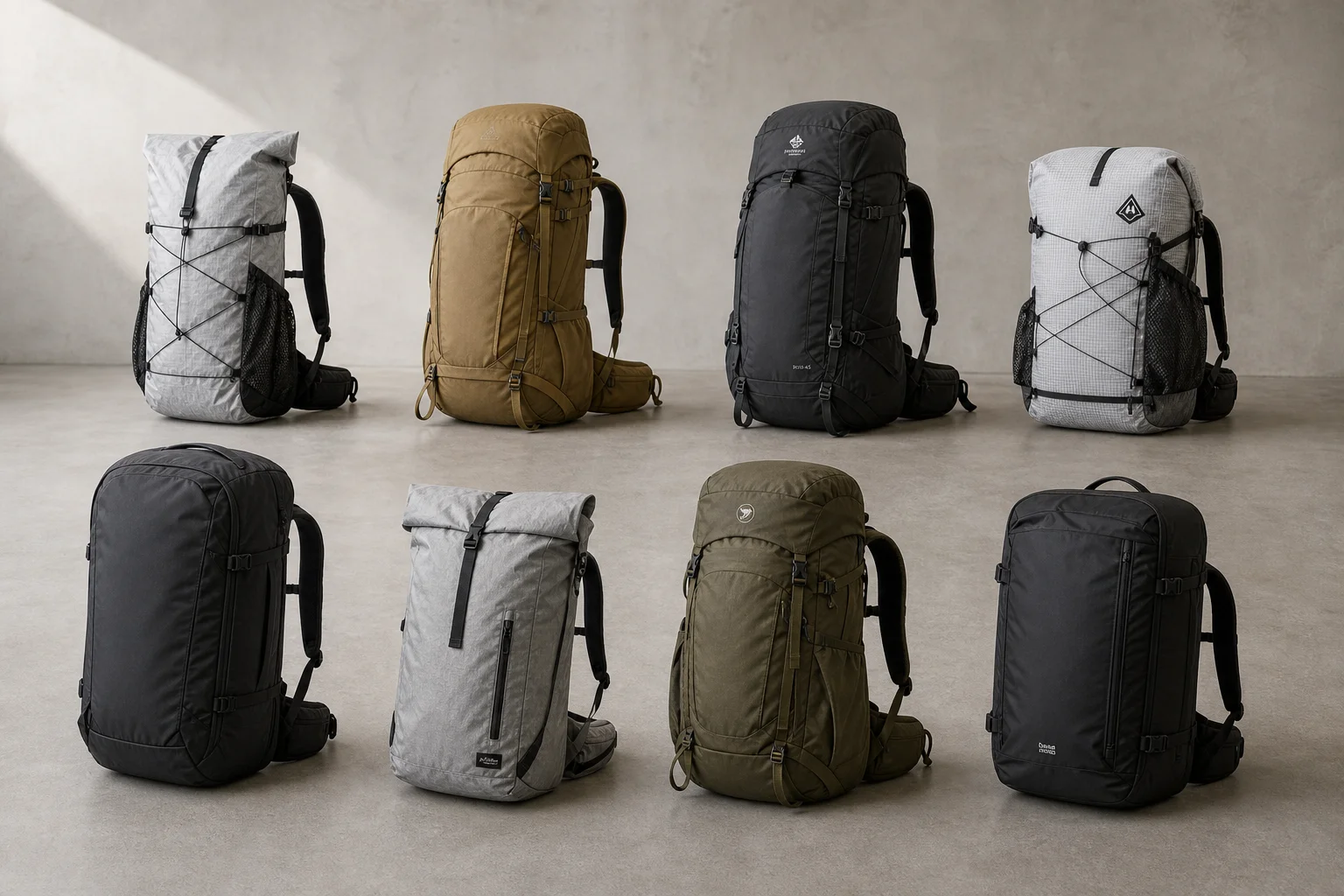
Backpacking Pack Types Compared: Traditional, Ultralight, Frameless, and Hybrid
Four pack categories, four representative packs, and a practical way to decide which kind of backpacking pack matches the weight of your gear.
Backpacking Packs
Best Backpacking Packs 2026: Six Picks for Every Style of Trip
Six backpacking packs that earned their place by weight class and purpose, with the real strengths and trade-offs to weigh before you buy.
Backpacking Packs
Big Agnes Prospector 50 Review: A Hybrid Pack That Sits Between Two Worlds
A 50-liter backpacking pack that mixes ultralight features with traditional padding and panel access. Here is who it suits and where it falls short.