Cycling Gear
Hutchinson Touareg, Scott Pro Shield and Specialized Ambush II: Three Cycling Gear Picks Reviewed
A fast gravel tyre, a pair of wide-field cycling glasses and a trail-focused mountain bike helmet, reviewed on real strengths, trade-offs and value.
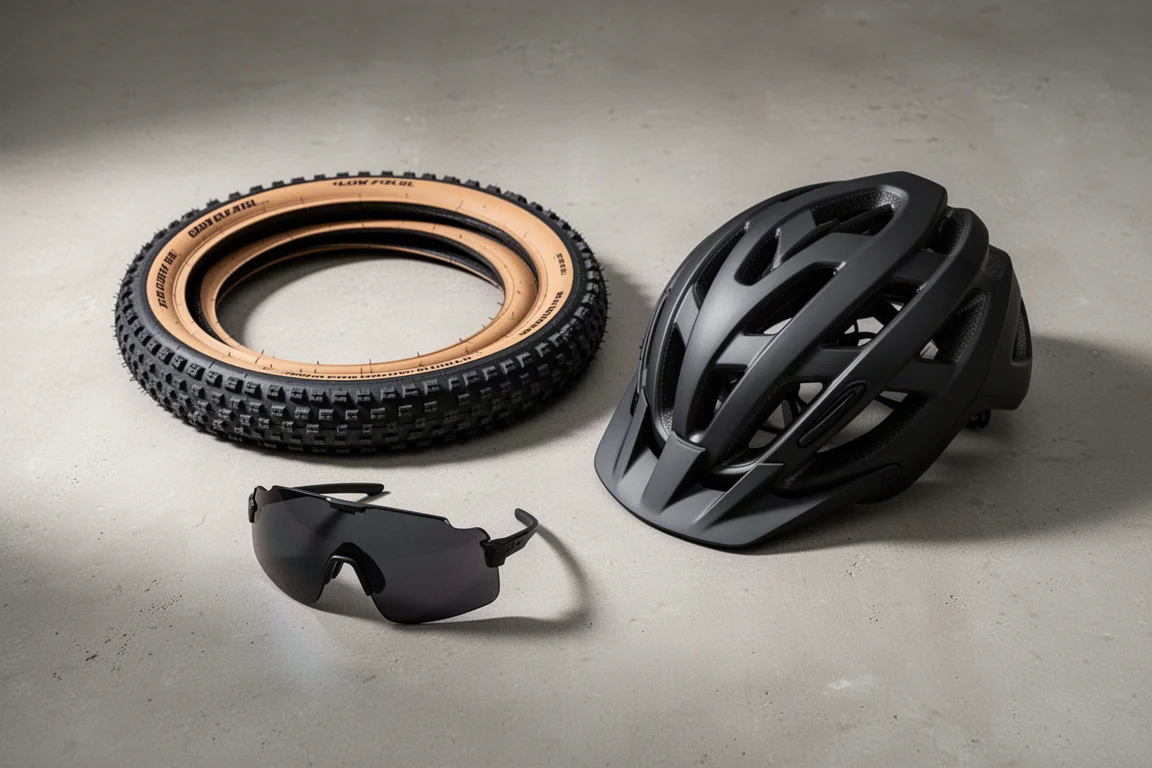
Introduction
Some cycling products earn a permanent place on the bike, and others get quietly retired after a few rides. This roundup covers three items that have seen months of real use across road, gravel and trail riding: a gravel tyre, a pair of wide-field cycling glasses, and a trail-focused mountain bike helmet.
Each one has something genuinely useful to offer, and each comes with a caveat worth knowing before you spend. The notes below focus on what the gear does well, where it falls short, and which riders get the most from it.
Riders shopping for one category rarely need to compromise on the others, so it makes sense to treat these as three independent decisions rather than a single kit list.
Evaluation Criteria
Three things matter most when judging this kind of gear: how it performs in the conditions it was designed for, how it holds up over months of use, and whether the price makes sense next to the alternatives.
Durability and fit carry extra weight here. A tyre that punctures or wears quickly, glasses that will not stay put, or a helmet that does not sit correctly all undermine whatever advantages the specification promises.
Hutchinson Touareg: A Fast-Rolling Gravel Tyre
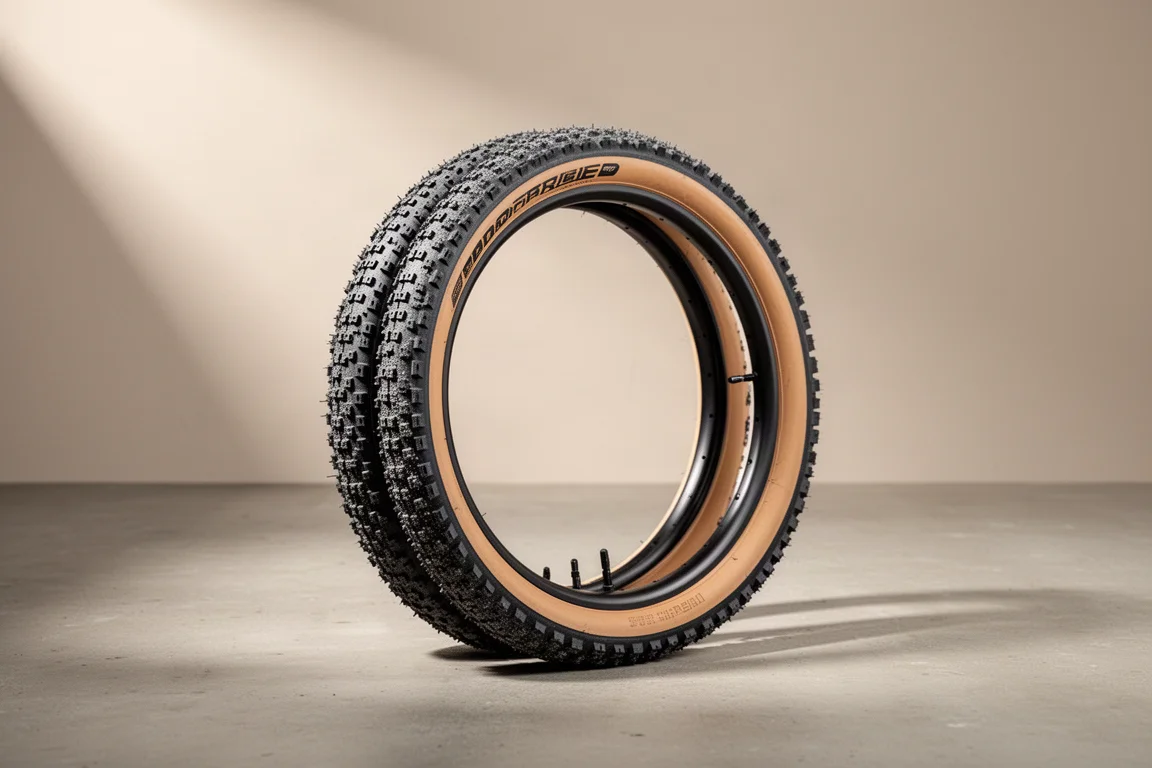
The Hutchinson Touareg is a gravel tyre that has been on the market for a while now, and that maturity shows in the pricing. Shoppers who look around online can often find it discounted substantially, in some cases close to half of retail.
On the bike, its strongest trait is speed. The compact, low-profile tread rolls quickly and quietly on tarmac and compacted gravel, and the rounded profile transitions smoothly into the shoulder blocks. That shape gives a progressive, confidence-inspiring feel when leaning into corners, rather than the sketchy sensation some squarer tyres produce.
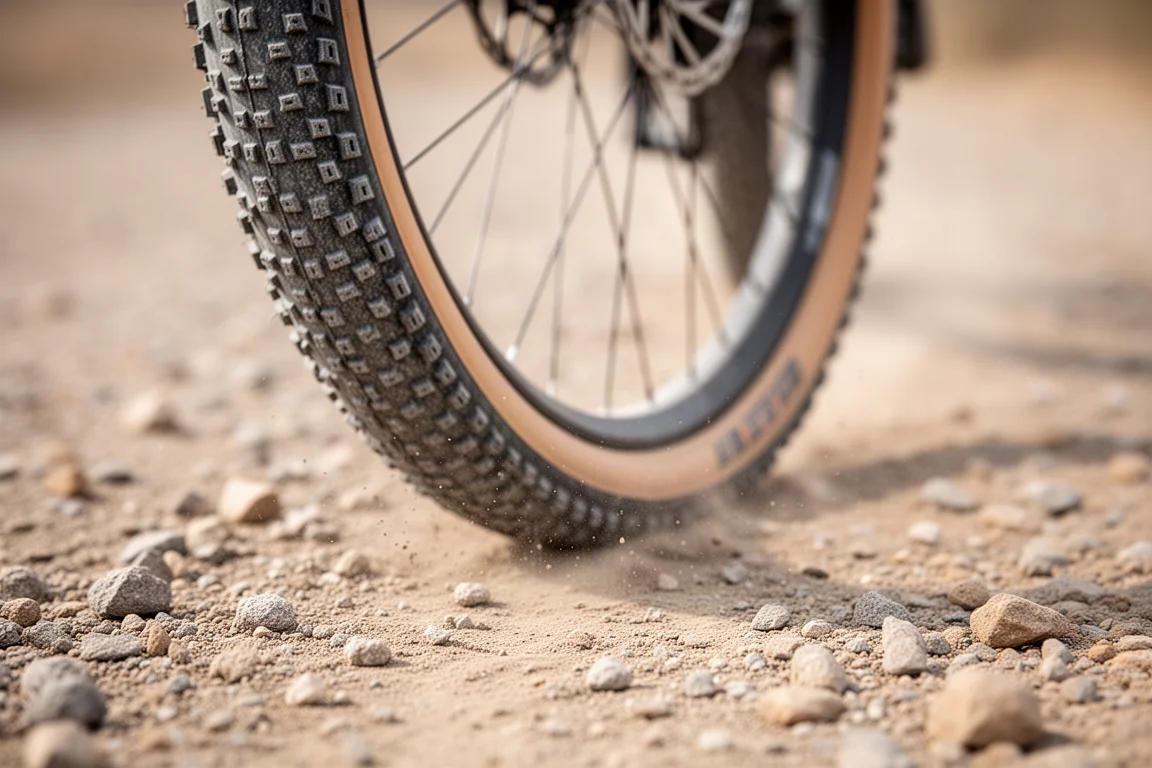
Grip from the tread compound is good, and the 127 TPI construction gives a reasonably supple ride that follows the contours of the trail at lower pressures. A puncture protection layer sits beneath the tread, and the sidewalls feel tough enough to take punishment from roots and rocks. The tread has worn well with no cuts or missing chunks, and the tyre mounts tubeless without drama and holds its bead in storage.
The tyre measured a true 40mm on a 23mm internal rim width in the 700c size. It is available in multiple widths and wheel sizes, with a tan sidewall or a black option.
Where it gives ground: it is not as fast-rolling as a Specialized Pathfinder, which uses a slick centre section and suits road-heavy riding better, and it is not as grippy in slippery or wetter conditions as a WTB Riddler. For dry gravel with a bit of road mixed in, it is a strong option.
Scott Pro Shield: Wide-Field Cycling Glasses
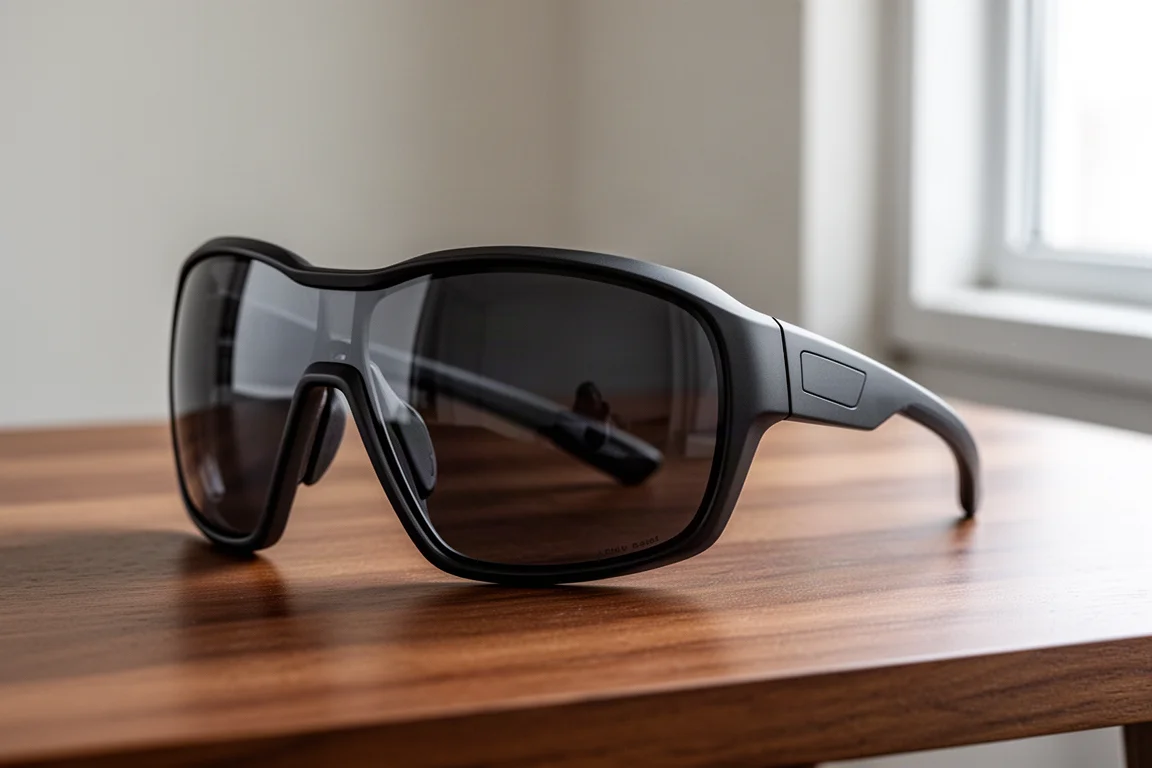
The Scott Pro Shield follows the current trend toward larger shades, and the practical payoff is a tall frame that keeps the field of vision clear. When riding in an aggressive position or down on the drops, there is no frame edge cutting across your line of sight.
They are lightweight, and they survive being dropped several times. The arms fold away for storage, and ventilation at the sides helps reduce fogging at lower speeds when airflow is limited, which proved useful on long mountain climbs.
The nose piece is tacky and grips well, though it is neither adjustable nor replaceable. Different colours and lens types are offered, but lenses cannot be swapped, so the high-contrast lens here suits cloudy and overcast days rather than bright sunlight. Scott does make other models with replaceable lenses.
The arm design is the sticking point. The arms bend down and hook behind the ears. Retention is adequate, but not as secure as designs that rely on tension against the temples, and longer five or six hour rides can bring discomfort behind the ear. Certain helmets and retention systems interact poorly with it as well.
At around £100 they sit below Oakley, 100%, Rapha and POC, which makes them a compelling option for riders who want the wide-shield look without top-tier pricing. Fit is subjective, so trying them in a shop is worthwhile.
Specialized Ambush II: Trail Protection and Ventilation
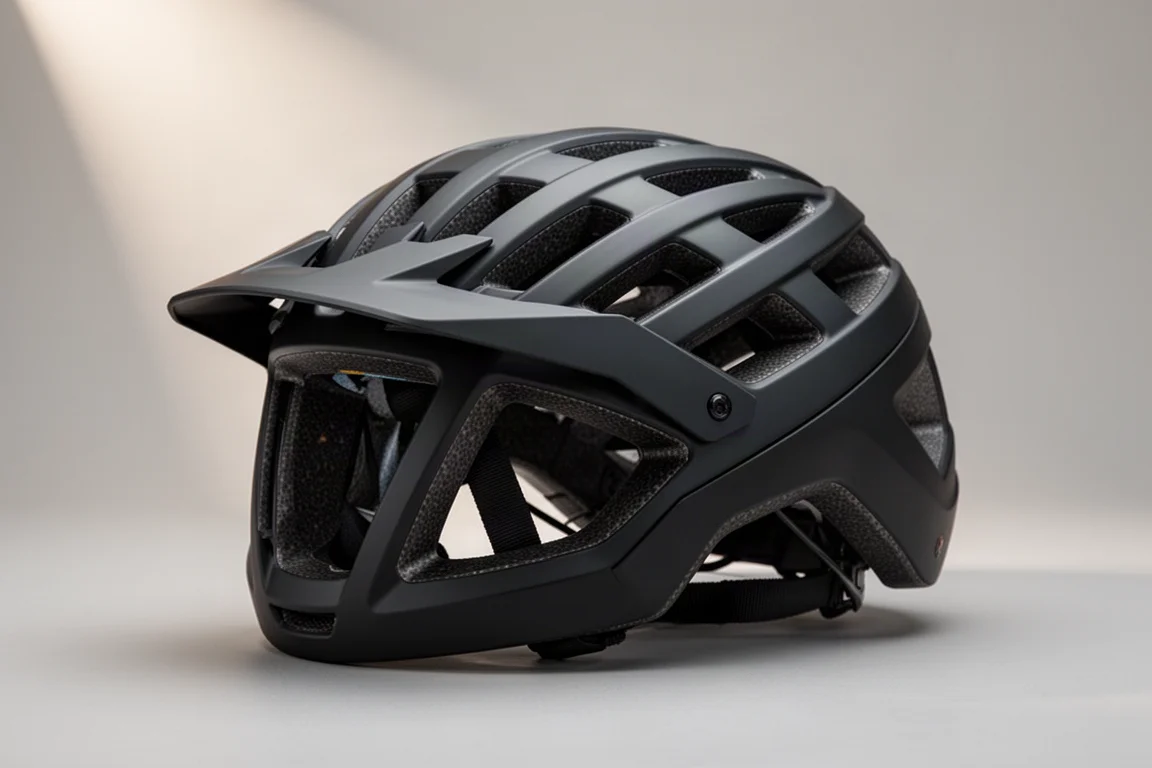
The Specialized Ambush II is a trail and enduro helmet built for riding where crashes carry bigger consequences. The shell extends lower at the sides and rear for more coverage around the neck and skull, and the lining uses MIPS SL for additional protection.
Fit is strong. A lightweight cradle with an easy adjuster dial, generous foam padding and light webbing straps combine to hold the helmet firmly in place after a couple of turns of the dial.
Ventilation has improved over the previous version. Larger vents across the top and around the back make it noticeably cooler at speed and comparable to a lightweight trail or cross-country lid. At very low speeds it is less effective, since it depends on airflow. Independent impact testing rated the helmet five stars.
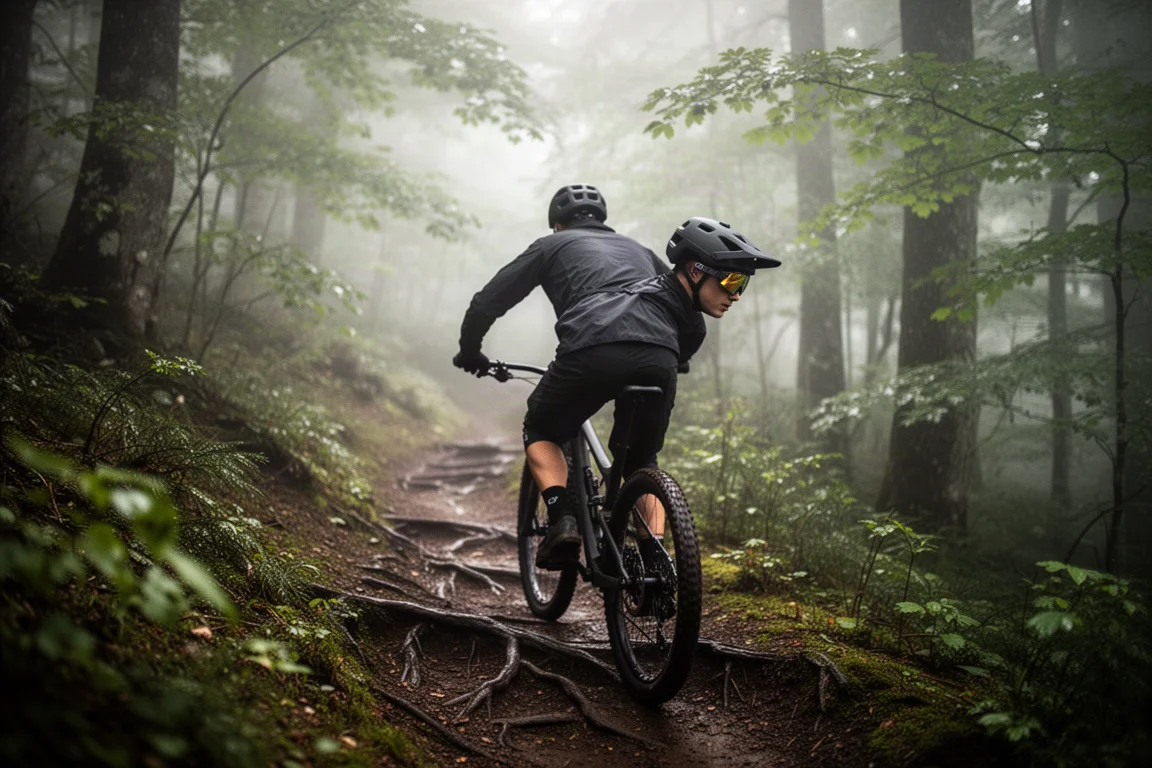
The eyewear ports on the front are a genuinely clever addition for enduro riding. Straight-arm glasses push into the sides and are held by small rubber flaps, keeping them clean and sweat-free for the next descent. They can be awkward to pull back out, but they stay put.
Two things to weigh up: the peak is fixed rather than adjustable, which limits how much you can tune sun protection, and the helmet is pricey. A cheaper Camber model with a similar design and less side depth is also available for riders who want the shape at a lower price.
How These Three Products Compare
These items occupy different parts of a rider’s kit, so they compete on priorities rather than against each other. The Touareg rewards riders who want speed on dry gravel and are happy to buy a tyre that has been on the market long enough to be discounted. The Pro Shield suits riders who value an unobstructed view and can live with an arm design that is less secure than some rivals. The Ambush II is aimed at trail and enduro riders who want deep coverage, good airflow at speed and secure eyewear storage.
Buying Advice: Matching Gear to Your Riding
Start with conditions rather than specification. A gravel tyre is only fast in the terrain it was designed for, and the Touareg is at its best on dry gravel and mixed surfaces, not mud or soaking wet trails. If your riding leans more toward road, a slicker centre tread will serve you better.
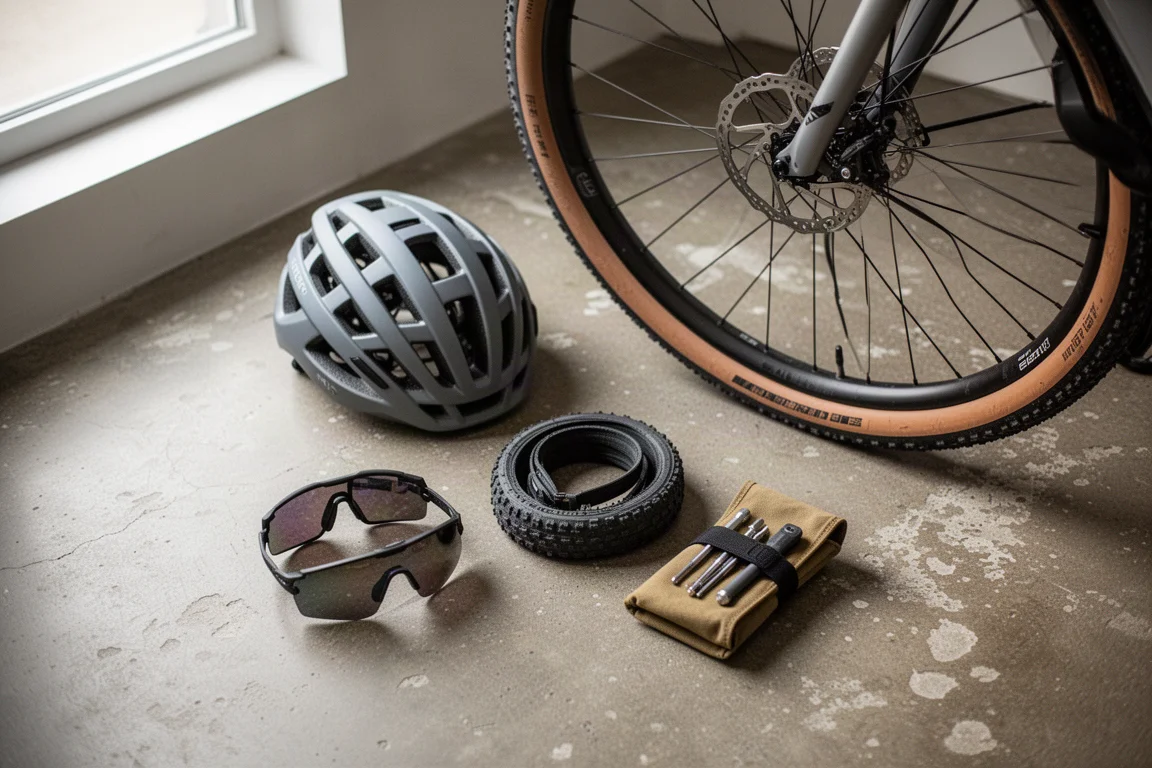
For glasses and helmets, fit decides everything. Try the Pro Shield with your own helmet where possible, since the arm design can clash with some retention systems. With the Ambush II, check that the size and shape suit your head, and consider whether you need an adjustable peak. Riders who want the protection without the price can look at the Camber.
Across all three, durability looks solid over months of real use, which is often the difference between gear that stays on the bike and gear that gets replaced within a season.
Conclusion
The Touareg is a fast, durable gravel tyre that has become notably better value as it has aged. The Pro Shield delivers a clear view and low weight at a price below most premium rivals, with an arm design that will not suit everyone. The Ambush II is a well-ventilated, secure-fitting trail helmet with excellent protection credentials, offset by a fixed peak and a high price.
Match each one to the riding you actually do, and all three make sense.
Further reading
Related Reviews
Cycling Gear
8 Cycling Products Riders Keep Coming Back To
Eight cycling components and accessories with clear strengths, honest trade-offs and long-standing reputations among riders and mechanics.
Cycling Gear
Aero Helmets and Bottle Setups Tested: Six Options Ranked by Measured Watt Savings
Wind tunnel data on six aero helmets and bottle setups, with real watt savings, practical trade-offs, and guidance on what is worth buying first.
Cycling Gear
Aero Road Bikes and Fast Tires Worth Watching in 2026
Four aero road bikes and one fast road tire, with the real strengths, the open questions, and what to check before you buy.