Cycling Training Apps
Humango Review: AI-Powered Coaching for a 100-Mile Gravel Race
A practical look at Humango, an AI coaching platform that builds and continuously adjusts a training plan around your metrics and your target event.

Introduction
Riding a first 100-mile gravel race is a serious project. Fitness, endurance and off-road handling all have to improve at the same time, and most riders have to fit that work around jobs, weather and family life. Humango is an AI-powered coaching platform built for exactly this problem. It assembles a training plan around your own metrics and your target event, then keeps adjusting that plan as your training unfolds.
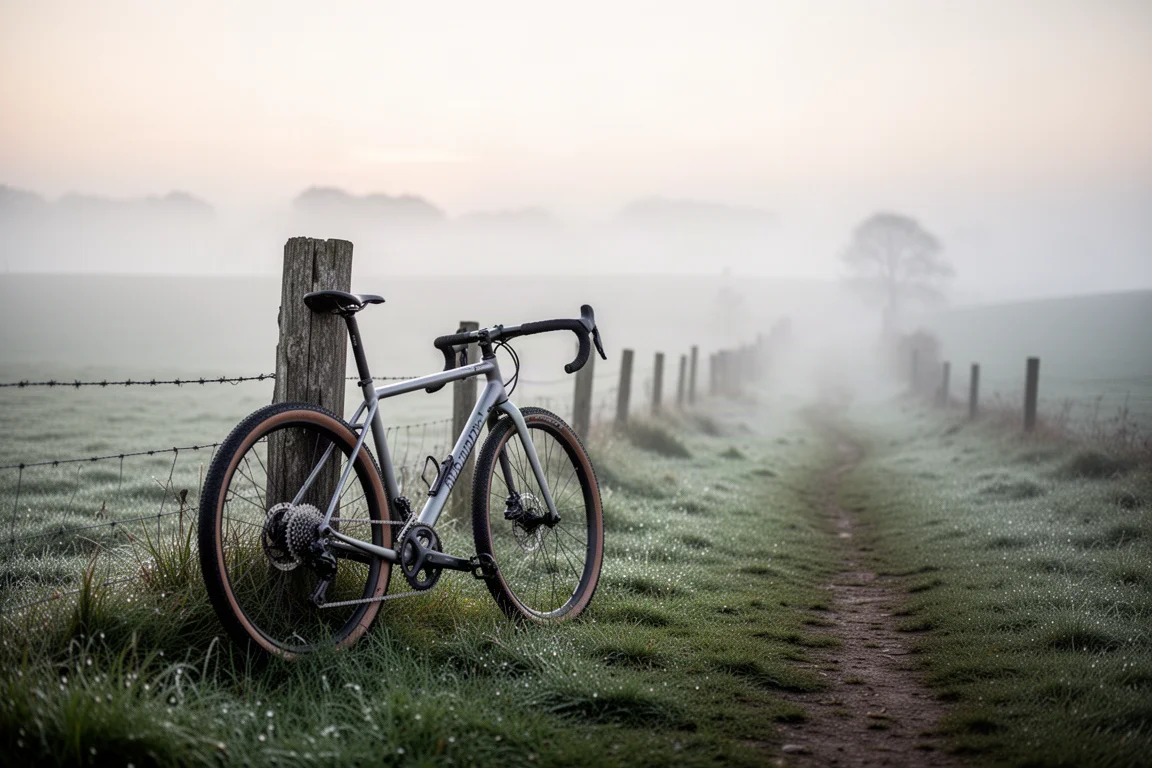
The platform’s coach is named Hugo. Rather than handing you a fixed schedule and leaving you to interpret it, Humango watches what you actually complete and reshapes the plan when your training load drifts away from what was intended. That behaviour is the core of what makes the product interesting, and it is also the part worth scrutinising before you commit to it for a long race build.
Who this product is for
Humango suits riders who are training for a specific goal event and who want structure without hiring a human coach. Two profiles stand out clearly.
The first is the rider with plenty of general cycling experience but little experience of structured training. If your riding has mostly been going out and pushing hard whenever you feel good, a platform that tells you what to do, how hard and when can remove a lot of guesswork. It also tends to correct a common habit, which is riding too hard too often and arriving at key sessions already tired.
The second profile is the experienced racer returning to structured work. Someone with years of high-level training behind them may see smaller gains from a coaching platform, because there is less obvious room to improve, but they still benefit from having sessions laid out and from being kept accountable to a plan.
Main strengths
The clearest strength is that the plan is generated around your own inputs and your own event. You create an account, enter your key metrics and details about the race you are targeting, and the platform works out what you need to do and when in order to reach race day in the best shape it can manage.
Workouts are flexible in how you follow them. Sessions can be exported to a head unit so you can complete structured intervals outdoors, or followed along on a computer when you are riding indoors. That matters for anyone training through a wet winter, because the same plan can be executed on the road, on gravel or on a turbo trainer depending on conditions and time available.
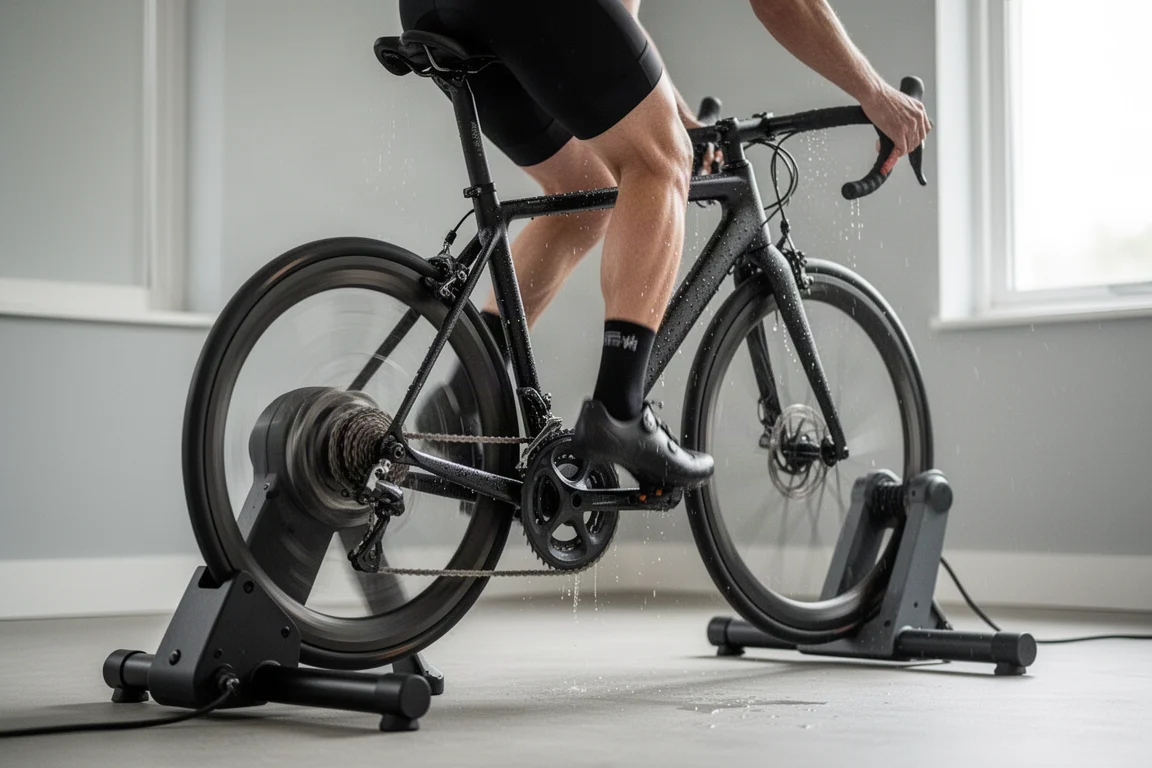
Adaptation is the second strength. When a training week ends up skewed, with too much time spent in higher intensity zones, the platform does not simply carry on. It issues an updated plan that rebalances the following weeks, which is closer to how a coach would respond than a static spreadsheet would be. For riders juggling work and life, this automatic replanning is what keeps the overall build on track rather than quietly falling apart.
How the adaptive coaching works
Setup is deliberately simple. You register on the Humango website, supply the metrics and personal details the system asks for, and describe the event you are training towards. From there the coaching engine produces a schedule and continues to monitor it.
The adjustments are triggered by what you record. If your completed sessions show a disproportionate amount of time at high intensity, the system recognises the mismatch and rebuilds the plan to bring the balance back. In practice this means the platform behaves less like a calendar of workouts and more like a running dialogue about load, intensity and recovery.
It is worth being honest about the limits of that process. The coaching is only as good as the information you feed it. Detailed, accurate inputs produce a plan that fits you well; sparse or inaccurate inputs produce something more generic, and the resulting gains will be smaller.
Measuring progress over a training block
Progress is measured with a ramp test, which gradually increases effort until you cannot continue. Doing the test before a training block and again at the end gives two comparable snapshots of where your fitness sits.
The results from a roughly seven-week block illustrate how differently riders can respond. A less experienced rider raised their best one-minute power from 235 watts to 270 watts, an improvement of 35 watts, or around 15 percent. A rider with a long racing background added 5 watts to the same measure, roughly a one percent gain. Neither result is a verdict on the platform by itself.
That gap is not a flaw in the coaching. It reflects the headroom each rider had to begin with. It also shows why a single test cannot capture everything, since a ramp test is a snapshot of one aspect of fitness and says nothing about bike handling, endurance over many hours, or how well you cope with a long day of rough gravel.
Things to consider before buying
Expectations matter most here. Improvements vary significantly depending on experience level, so a rider arriving with an already high level of fitness should not assume the same percentage gains as someone newer to structured training.
Structured sessions also take effort to fit into a normal week. Specific interval work can be awkward to complete on the road depending on where you ride, and transferring that structure onto gravel is trickier still. Many riders end up doing the precise efforts indoors and saving outdoor rides for skills, endurance and enjoyment.
There is also an element of trust involved. Following a plan you did not write yourself can feel wrong, particularly when a session looks easier than you expected. Riders who second-guess the schedule and add extra intensity tend to find the following sessions harder than intended, which is precisely the situation the adaptive replanning exists to correct.
Buying advice
Humango makes the most sense for riders with a dated goal, whether that is a long gravel event, a sportive or a first century ride. The value comes from having a plan that exists before you start, that adapts when life interferes, and that can be followed indoors or outdoors without extra work.
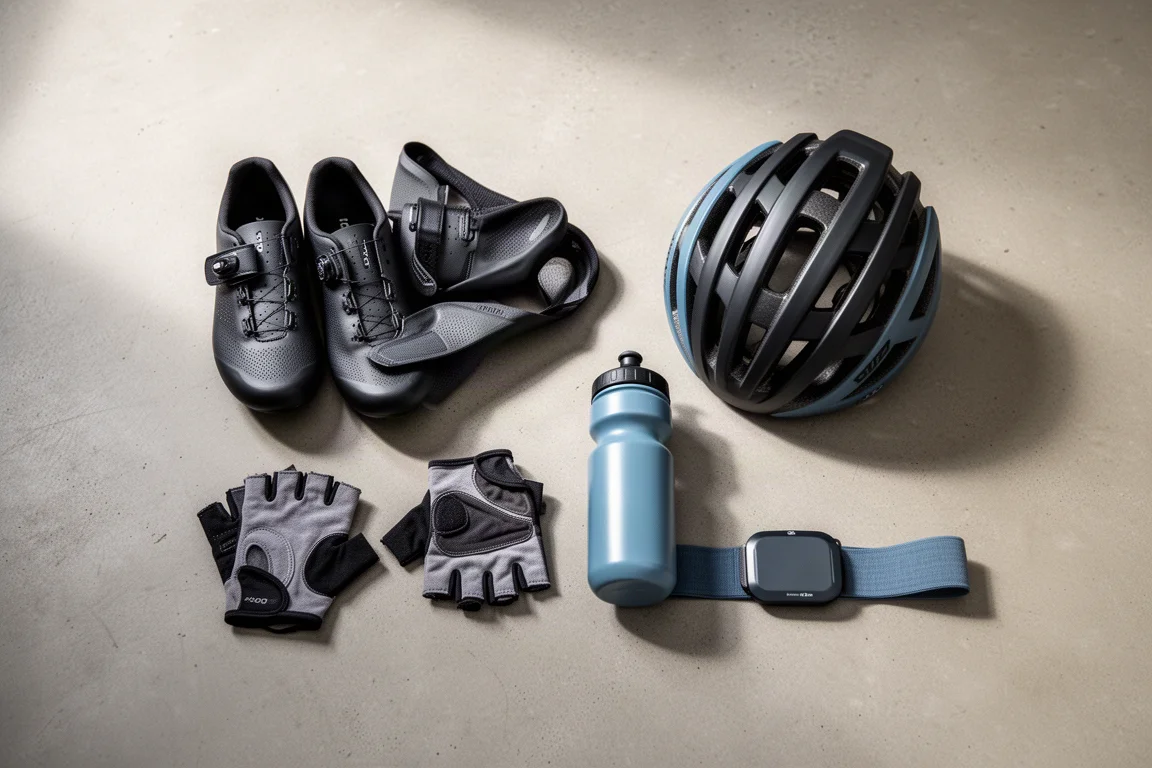
If you are new to structured training, go in with accurate data and follow the sessions as written for at least several weeks before judging them. If you have a deep racing background, treat the platform as a source of organisation and accountability rather than a guaranteed source of large fitness gains. In both cases, the more complete the information you provide, the more useful the plan you get back.
Conclusion
Humango answers a straightforward question well: can an AI-powered coaching platform help a rider prepare for a 100-mile gravel race? Based on a full training block covering gravel rides, road rides, indoor sessions and recovery, the answer is yes, with an important caveat.
Results depend heavily on the rider. Someone with more room to improve may see substantial gains, while an experienced racer may see only marginal ones. The platform’s real contribution is structure, automatic adjustment and consistency, which is often exactly what stands between a rider and the start line of a race they are not quite ready for.
Product link
View more details for Humango
This product is mentioned in the review. Check the specifications, options, and compatibility before buying.
View more details for HumangoFurther reading
Related Reviews
Gravel Cycling Gear
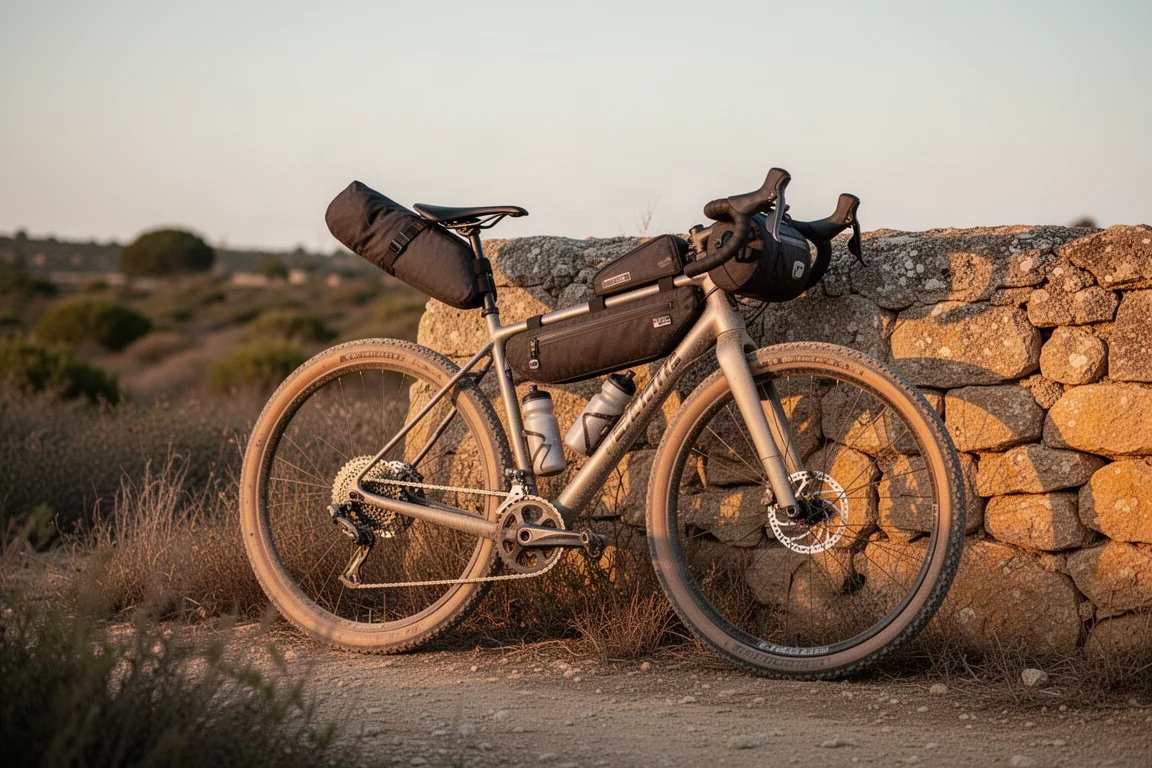
Badlands 2026 Bike Setup: The Gear That Survived 800 km of Gravel
A full breakdown of the gravel setup used for an 800 km ultra in southern Spain, covering frame, comfort, luggage, navigation, lighting, and the one change worth making before your own long ride.
Cycling Gear
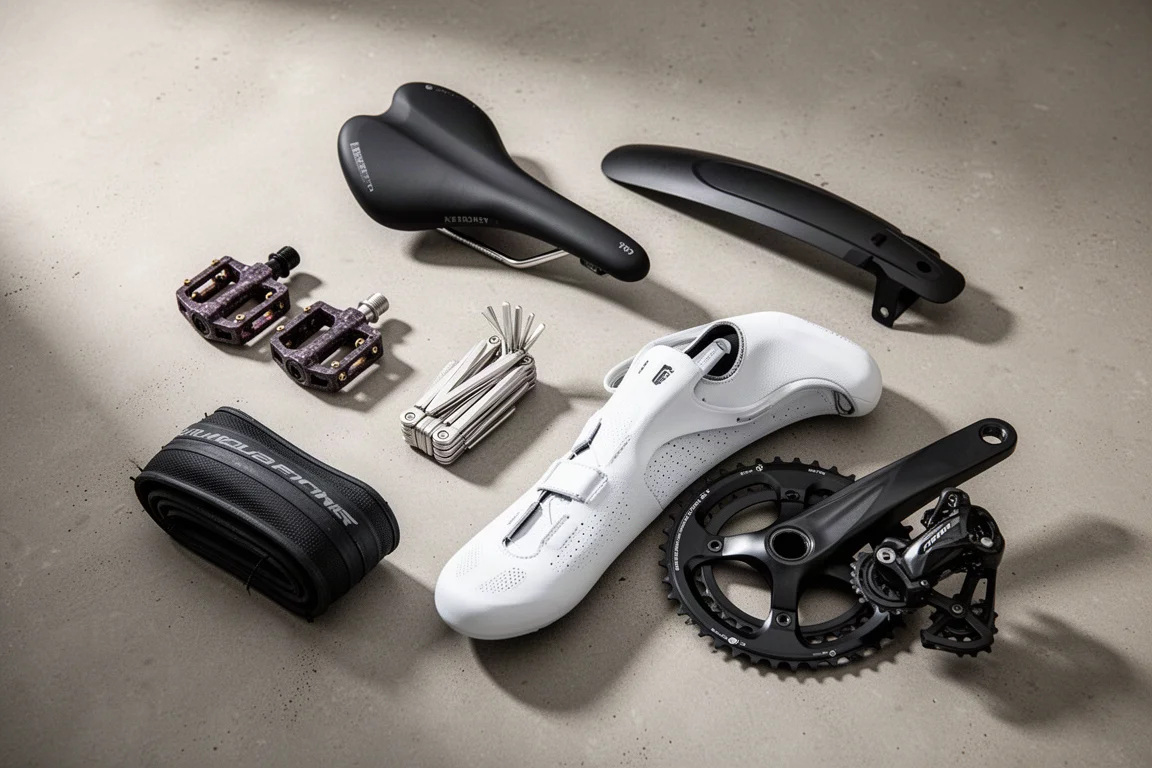
8 Budget Cycling Products Worth Buying: Affordable Upgrades That Deliver
Eight lower-priced cycling products that hold up in real riding, from reliable road pedals and a comfortable saddle to a 12-speed mechanical groupset.
Cycling Gear
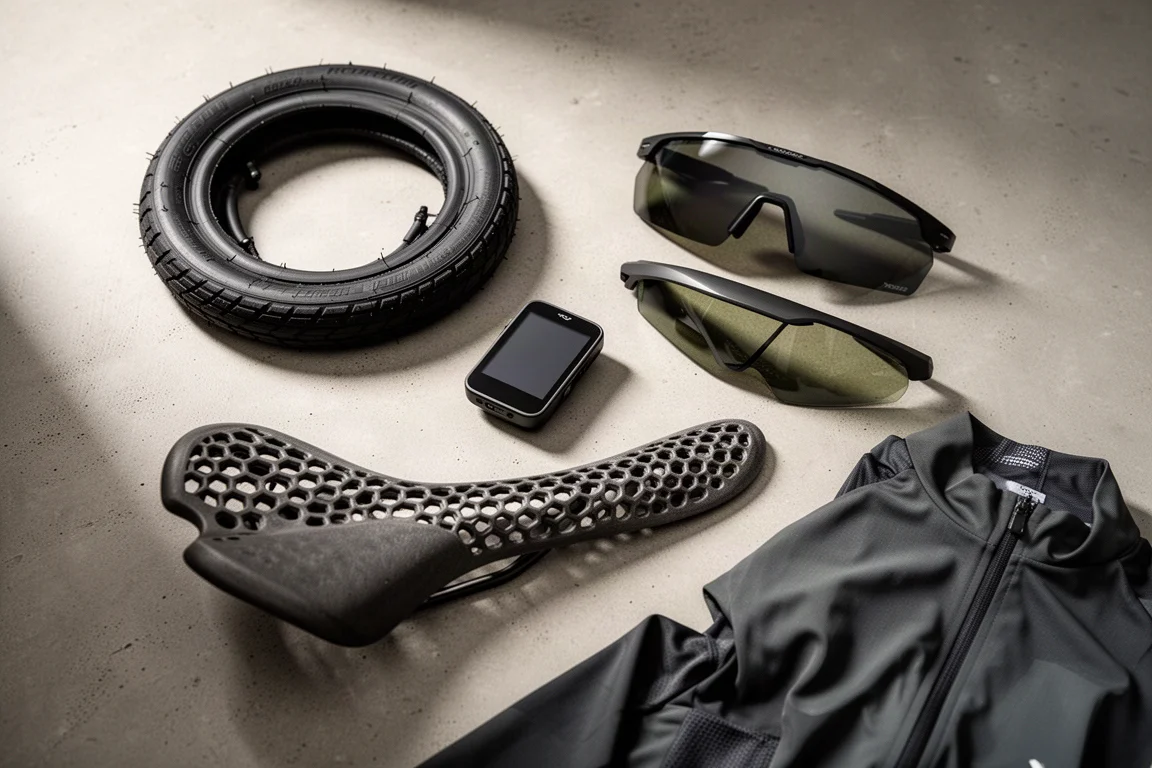
Best Cycling Gear 2025: Nine Standout Products Worth Buying
Nine cycling products that earned their place over a year of real riding, from road tires and a 3D printed saddle to an affordable electronic groupset, a bike computer, eyewear, and kit.