Gravel Cycling Gear
Badlands 2026 Bike Setup: The Gear That Survived 800 km of Gravel
A full breakdown of the gravel setup used for an 800 km ultra in southern Spain, covering frame, comfort, luggage, navigation, lighting, and the one change worth making before your own long ride.
Introduction
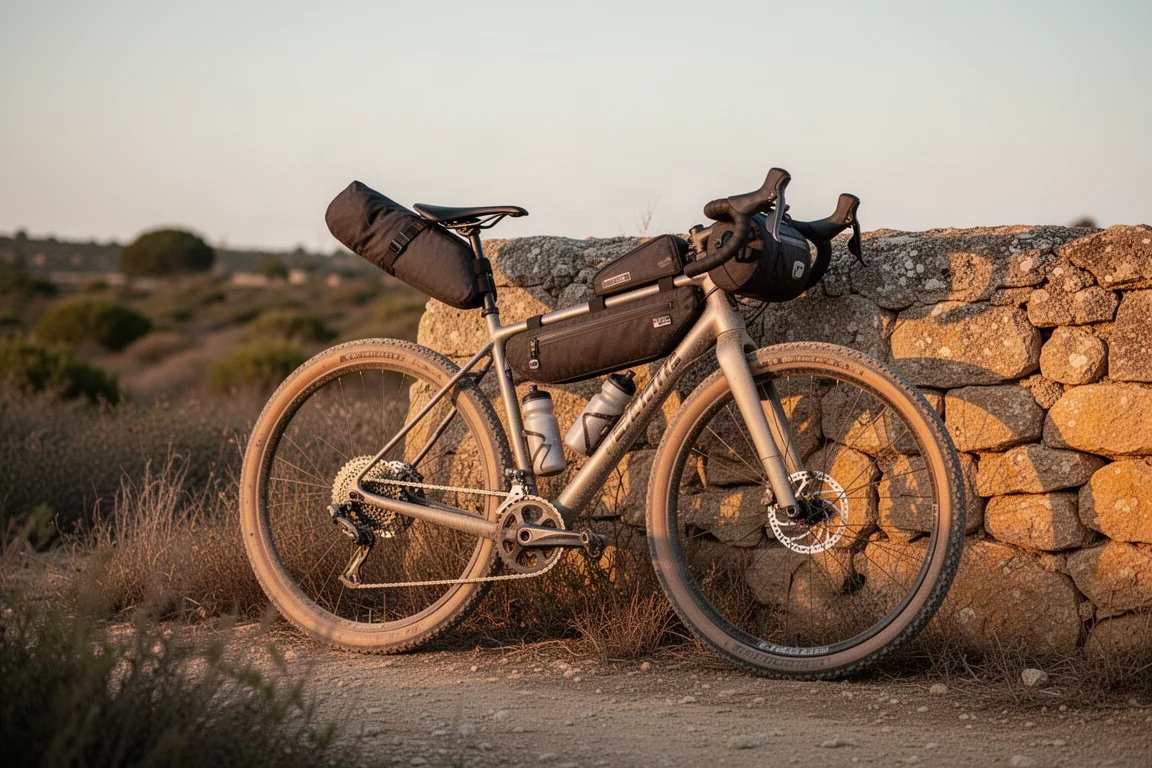
Badlands is an 800 km gravel race that runs through southern Spain, and the 2026 edition delivered exactly what the route is known for: rocky trails, big climbs, fast descents, long tarmac links, and heat that can reach around 45 degrees at midday before falling to 17 or 18 degrees after dark. Finishing it is a test of preparation as much as fitness.
This breakdown covers the complete setup used for the ride and the parts that held up over the full distance: a Fairlight GR4 frame, a Canyon S15 seatpost, an Ergon All Road saddle, a Tailfin full-length top tube bag, a Hammerhead Karoo, an Exposure Toro 16 front light, and an Insta360 X6 camera. Each one earned its place, and the notes below explain why, along with the single change worth making before a similar event.
What Matters on an 800 km Gravel Route
Ultra-distance gravel events ask different things of a bike than a weekend ride. The route mixes rough, rocky ground with sustained climbing, fast descending, and stretches of road. Riders often spend a second night on the bike, so handling has to stay predictable once fatigue sets in. Temperatures swing from desert heat to genuinely chilly night air.
That combination pushes three priorities to the front: stable handling, comfort at the contact points, and equipment that keeps working without attention. Weight matters far less than reliability. A part that rattles, drains its battery, or needs constant adjustment costs more time than a few grams ever will.
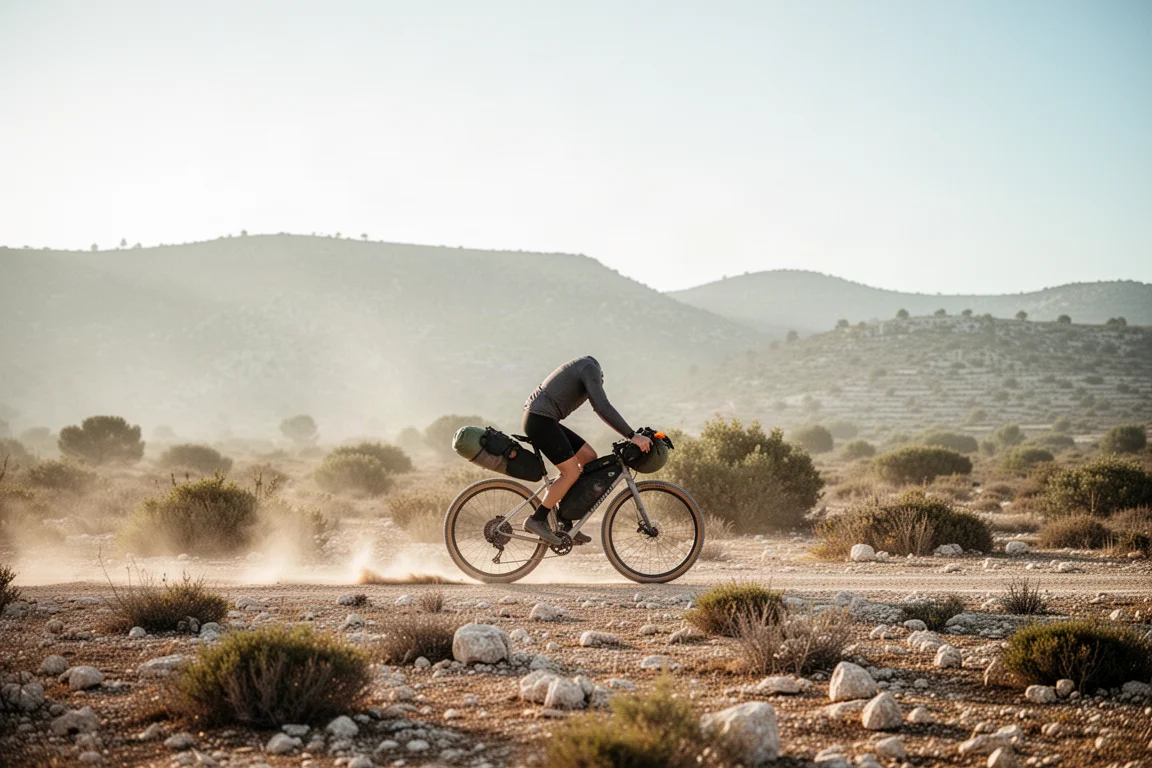
Luggage is the other half of the equation, and there is no single correct setup. At the start line you will see riders carrying anything from a minimal seat pack to a full bikepacking rig. The right answer depends on planned speed, sleep strategy, and how much comfort you want to carry with you.
The Frame: Fairlight GR4
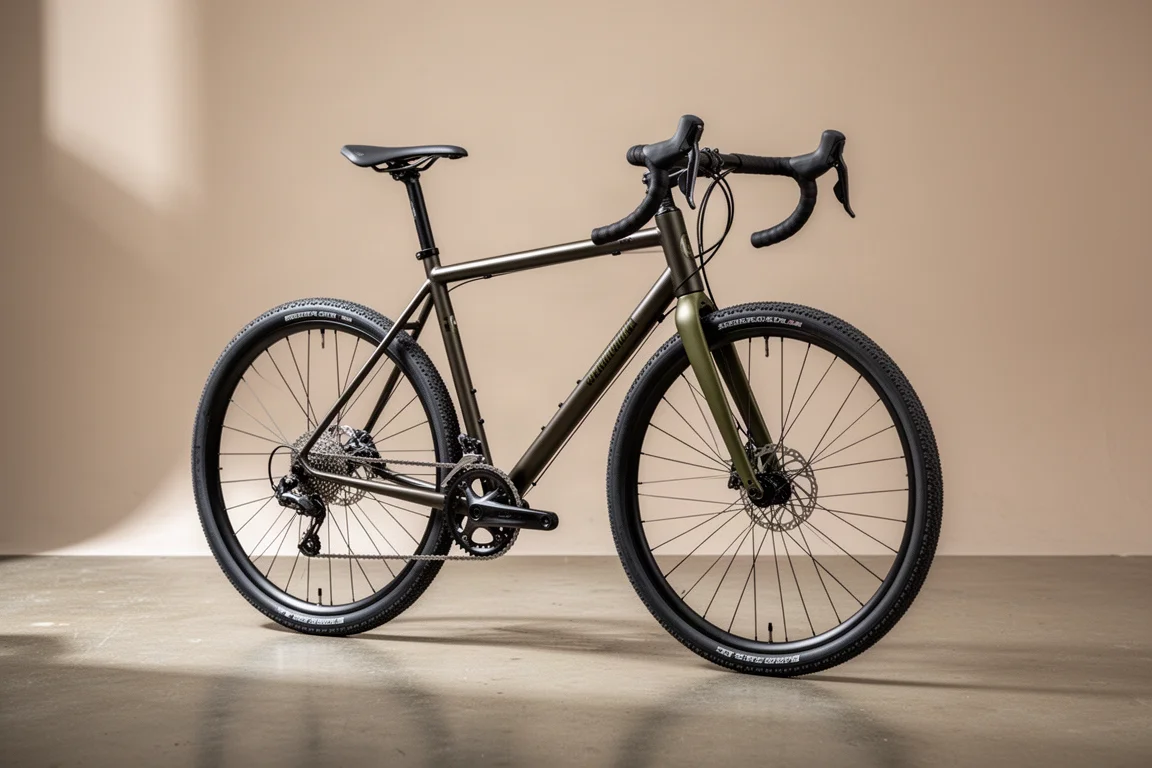
The GR4 handled the full mix of terrain without complaint. Its geometry sits close to a mountain bike with larger tire clearance, which shows up as a long wheelbase and a slack head angle that stops short of feeling lazy. The result is planted, stable handling that looks after the rider on rough descents deep into a second night.
The front end is not punishingly stiff either. That balance suits a bike designed for racing but used for an adventure where comfort helps decide whether you finish. The flared drop handlebar has a shaped section that works well as a palm rest when climbing or cruising, and the drops flare enough to stay useful on long descents.
Rear Comfort: Canyon S15 Seatpost
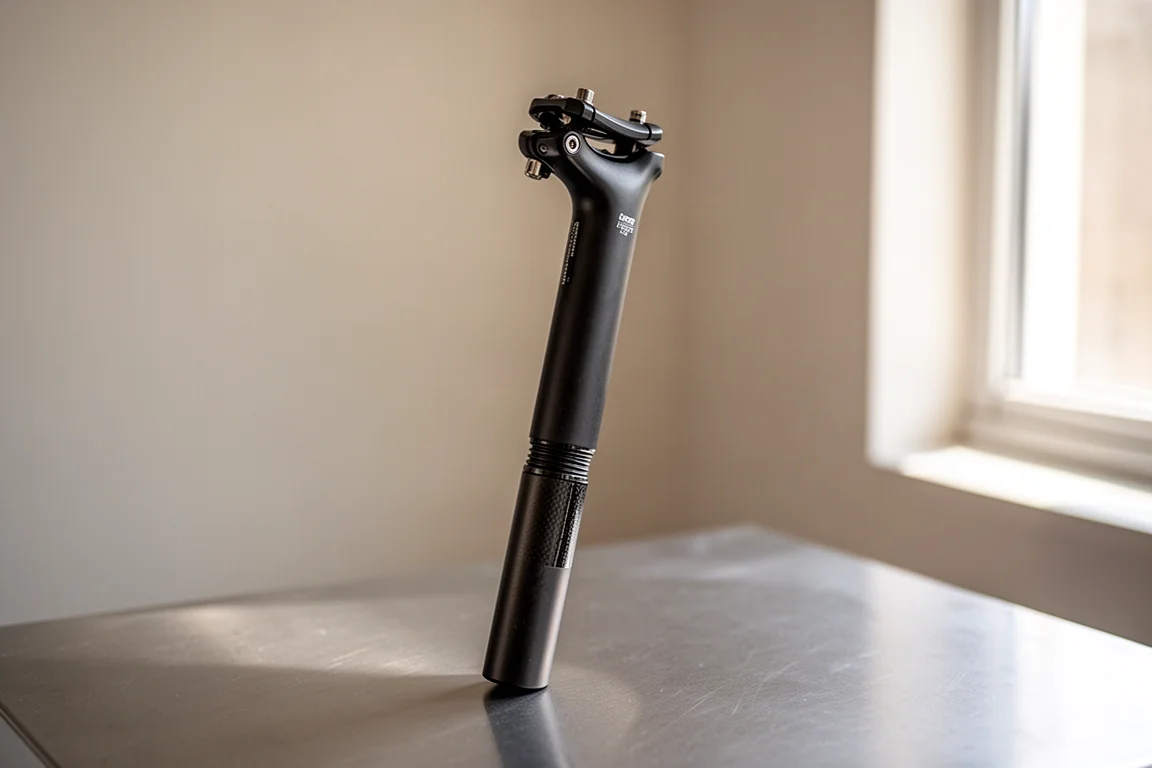
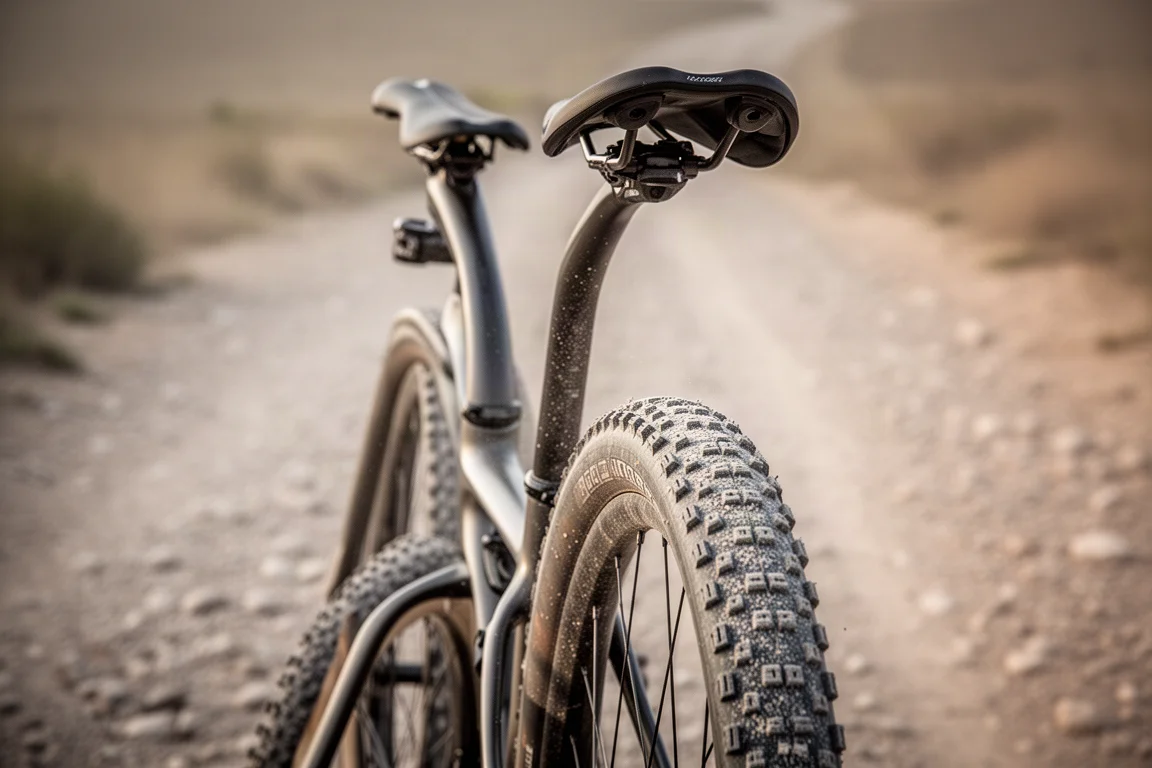
Rear-end comfort over a long gravel route comes down to how the bike absorbs vibration. The S15 seatpost is built around a deflection design that flexes roughly 10 to 20 mm fore and aft, which takes the sting out of rough surfaces without unsettling the bike’s handling.
That small amount of movement matters across 800 km. Paired with the right saddle, it turns a harsh tail end into something manageable, and it remains one of the simplest comfort upgrades available for a gravel bike.
Saddle: Ergon All Road
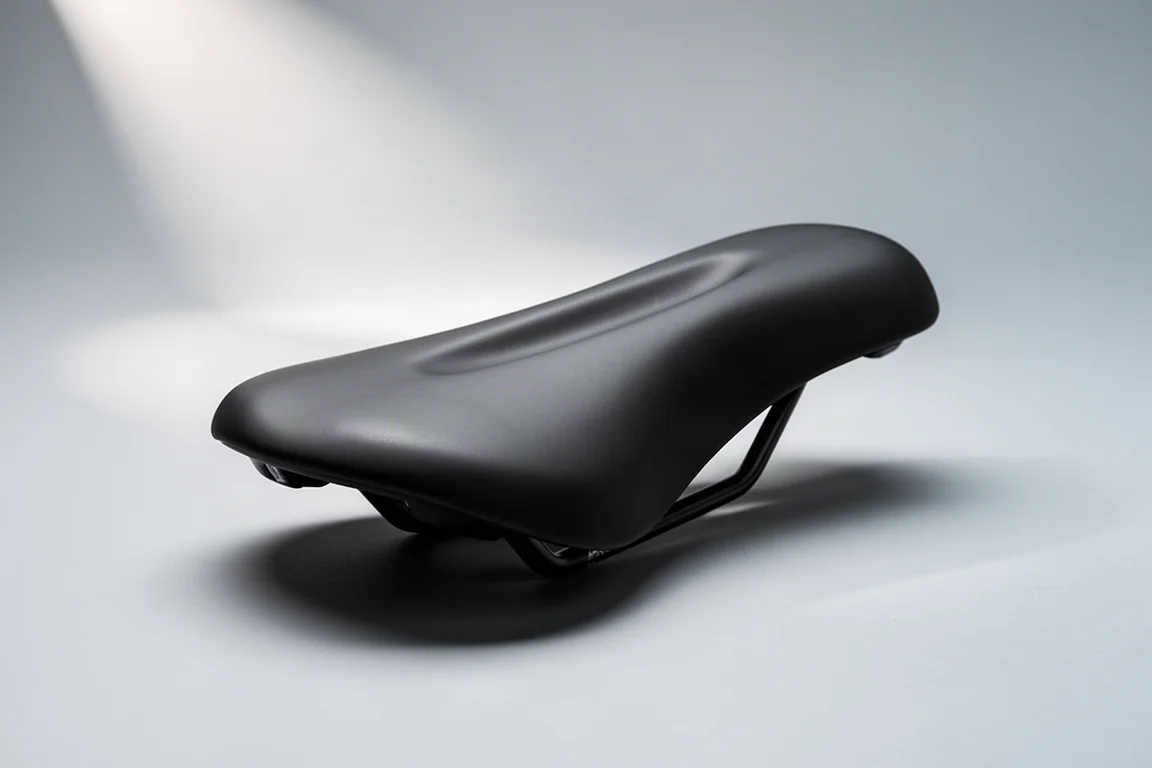
The All Road saddle combined with the flexing seatpost made a genuinely comfortable pairing. Its shape works for long days in the saddle, and a dedicated foam layer adds cushioning where it counts on multi-hour rides.
Three-dimensional printed saddles have become popular for endurance events, but a well-shaped foam saddle can still be the more forgiving option over very long distances. This one fits that description.
Saddle choice stays personal, so treat this as one proven option rather than a universal answer. What matters is matching shape and cushioning to your position and to the surfaces you ride most often.
Luggage: Tailfin Full-Length Top Tube Bag
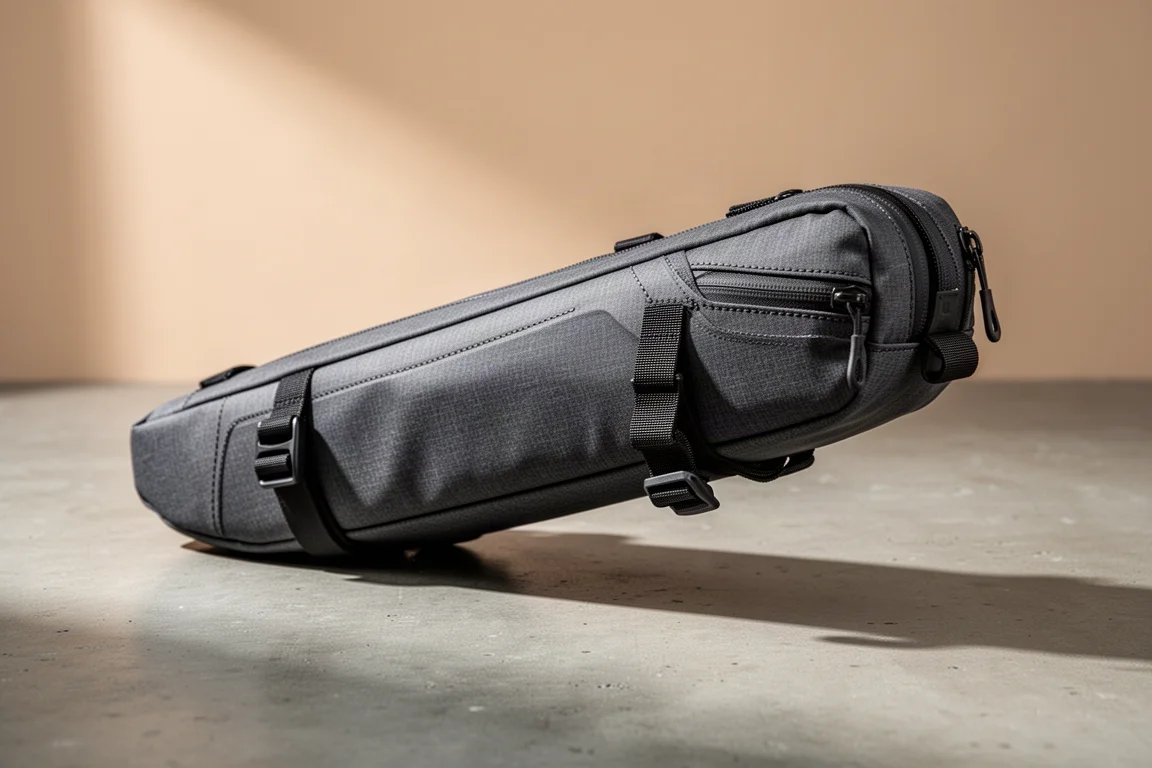
On an event of this length, a full-length top tube bag makes more sense than a short one. The extra volume holds more food, and food is the item you need to reach most often. This bag carried biscuits, gels, and bars for the duration.
It also has a sleeve on the side that keeps smaller essentials organised: a phone, a multi-tool, spare batteries, and small personal items. Three bags in total proved enough, with a 3-litre pack on the bars and a frame bag handling the rest.
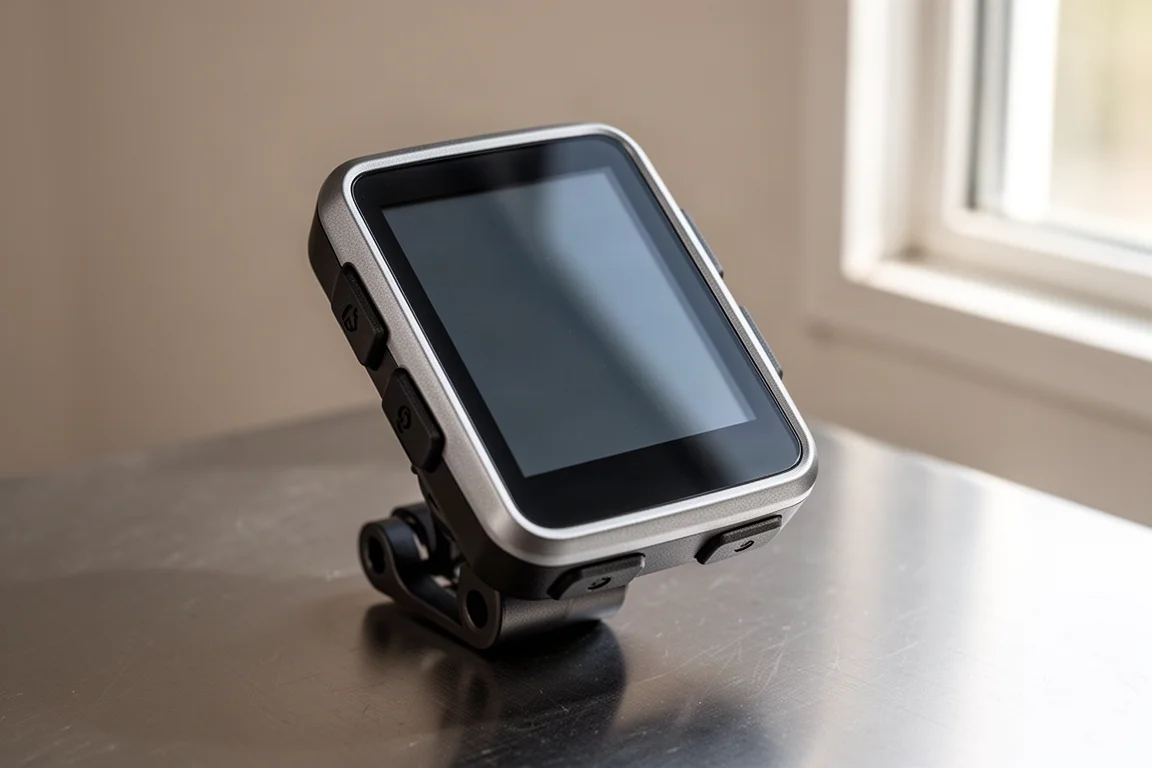
Navigation: Hammerhead Karoo
Navigation on an ultra needs to be simple, readable, and above all reliable. After 52 hours of riding, the Karoo still had around 50 percent battery remaining, which removes the anxiety of watching a percentage fall through the night.
Routing is straightforward and covers everything a long-distance event demands. Early software drew a mixed response at launch, with some features missing at the time, but that has matured over the two years since. It also finished the ride with a complete activity file, which is not something every computer manages over a distance like this.
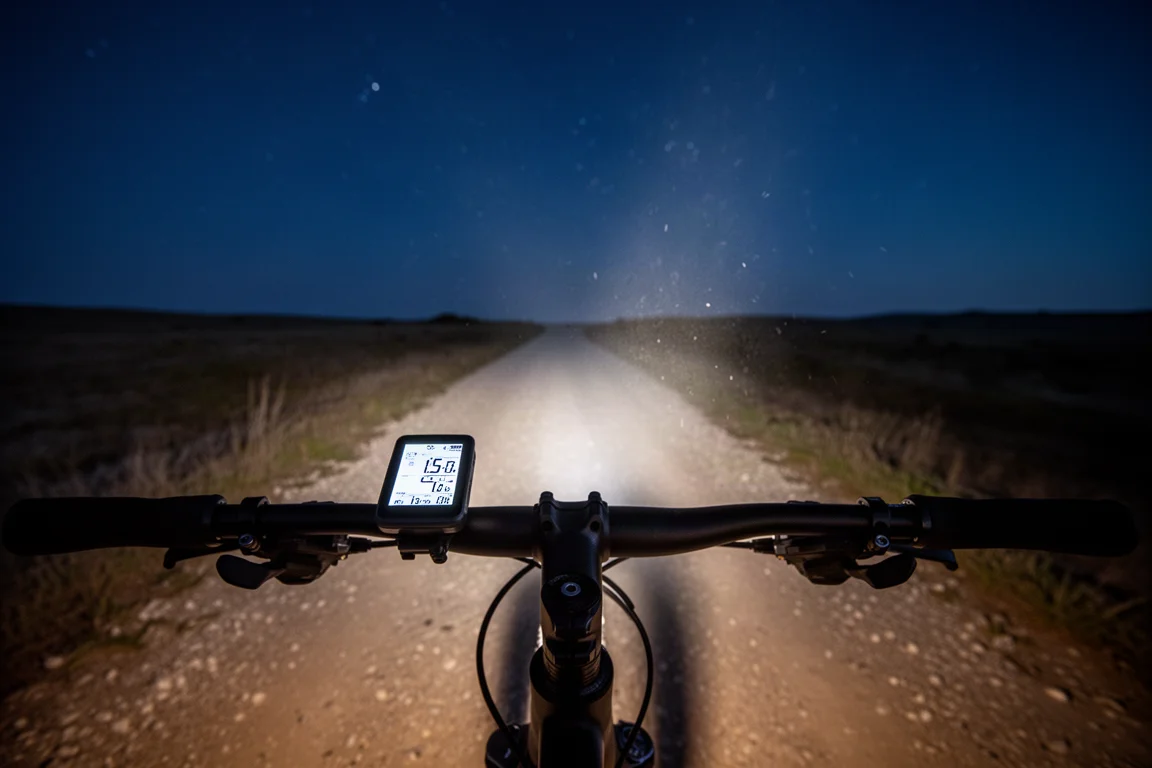
Battery life is the specification that matters most here. A computer that lasts 52 hours changes how you plan charging stops and takes one more worry off the list.
Lighting: Exposure Toro 16
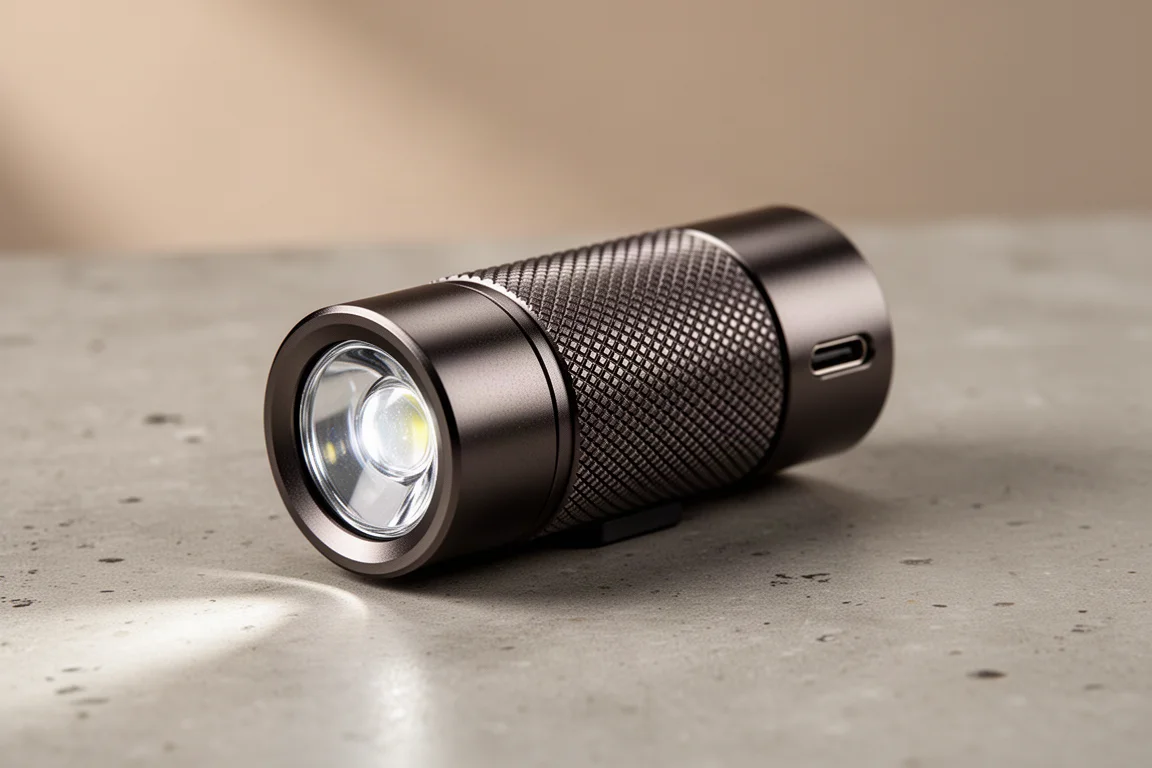
Two lights covered the nights, a Maxx-D for the first and the mid-size Toro 16 alongside it. The Toro 16 has a strong beam pattern and plenty of brightness, with run times of around 3 hours at maximum, 10 hours at medium, and 20 hours at low.
The USB-C port makes charging simple, and it can pass charge out to a phone, which is a genuinely useful feature when a battery bank runs low. On multi-night riding, that flexibility is worth more than a small gain in output.
On-Board Camera: Insta360 X6
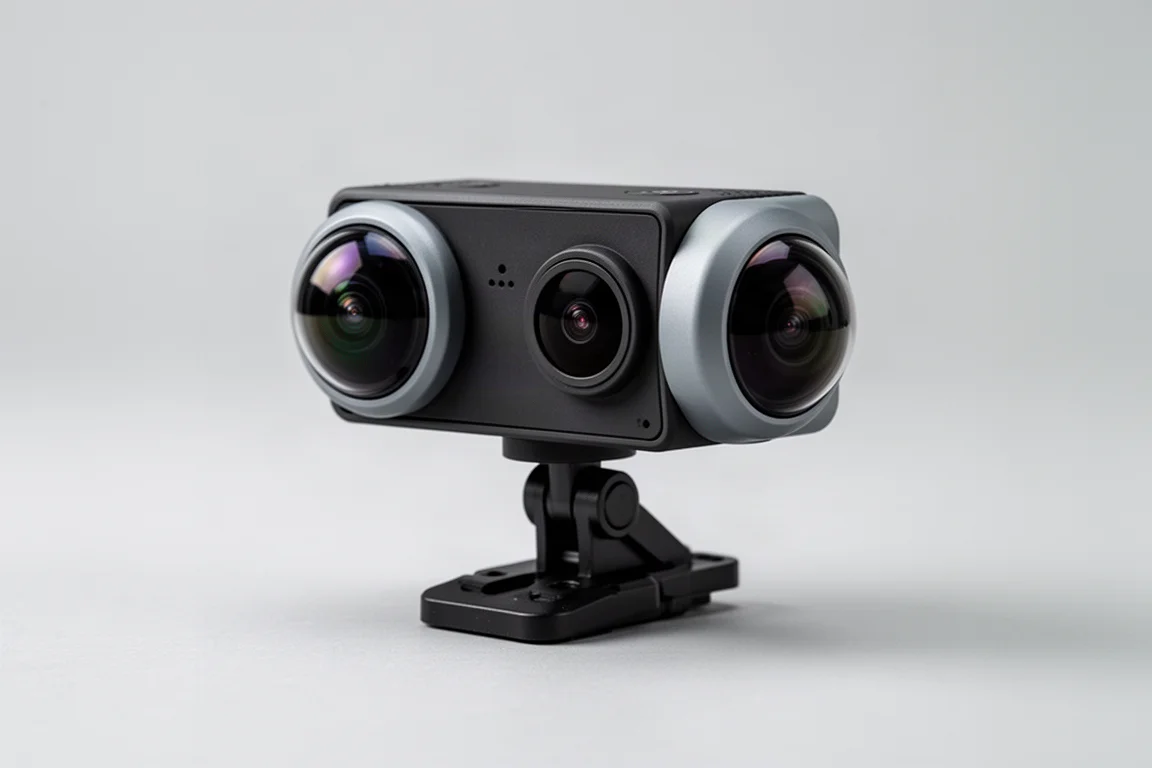
A stem-mounted action camera makes it easy to capture footage without stopping. The X6 sits within reach of the bars, so starting a recording is a single button press while riding, and it kept the setup simple rather than adding another task to manage.
Tire Pressure and Rolling Stock
The 50 mm tires were a standout. They rolled fast on tarmac, found grip on loose sand, and never felt slow or draggy. The wheelset came through without a single ding, crack, or squeak, and there were no punctures or sidewall cuts across the whole route.
Pressure mattered more than expected. Starting at 22 and 24 psi, following a tire pressure app recommendation, felt too firm. Dropping to 16 to 19 psi delivered an immediate and obvious comfort gain, particularly through the front end.
High-volume tires need low pressure to work as suspension. The usable window is narrow: too little pressure and the tire squirms in corners, too much and it bounces over rough surfaces instead of absorbing them.
Overall Buying Advice
If there is one change worth making before an event like this, it is gearing. A 40 or 38 tooth chainring would have been a better match than the larger option fitted, since most of the ride was spent in the 52 tooth sprocket. Low, spinny gears take strain off the lower back when the bike is loaded, the day is hot, and you have already been riding for 20 or 30 hours.
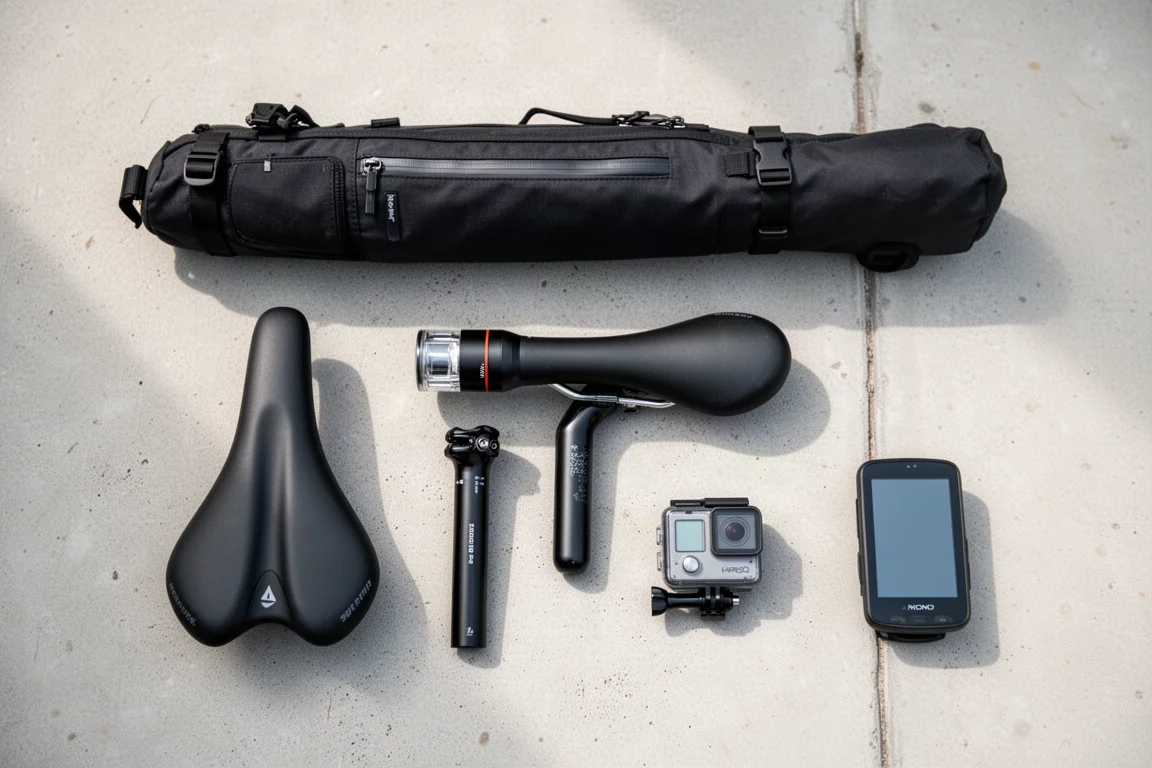
On luggage, there is no right or wrong answer. Riders who travel light and riders who carry everything can both finish. What matters is that the setup matches your speed, your sleep plan, and your tolerance for discomfort. Carrying two battery banks rather than one is a small and sensible hedge, since a single failure can leave every device flat.
Hydration and food followed a simple pattern: carbohydrate drinks through the heat of the day, real food in the evenings and early mornings, and gels in between. Two bottles on the bike plus a 2-litre hydration pack covered the route comfortably.
Conclusion
The setup finished the 2026 edition with almost everything working as intended: stable handling from the GR4, comfort from the S15 seatpost and All Road saddle, generous food storage in the Tailfin bag, dependable navigation from the Karoo, and lighting that covered two nights. The only real lesson was gearing. Choose easier gears than you think you need, then build the rest of the setup around reliability rather than weight.
Further reading
Related Reviews
Gravel Cycling Gear
Best Gravel and Bikepacking Gear 2026: Six Standout Picks
Six gravel and bikepacking products that earned a lasting place on the bike, from fork-mounted cargo packs and cargo bib shorts to carbon wheels, a damping stem and a button-driven GPS computer.

Backpacking Gear
Building a 10 lb Base Weight: An Ultralight Backpacking Gear List
A practical walkthrough of the ultralight pieces behind a 10 lb base weight, from a 765 g pack and a roomy one-person tent to a full camp chair and a dependable water filter.
Road Bikes
10 New Road Bikes Worth Watching: Aero, Titanium, Steel and Endurance Standouts
A practical roundup of 10 new road bikes, from aero flagships chasing single-watt gains to titanium, steel and endurance platforms built for real roads.