Cycling Gear
Best Cycling Gear 2025: Nine Standout Products Worth Buying
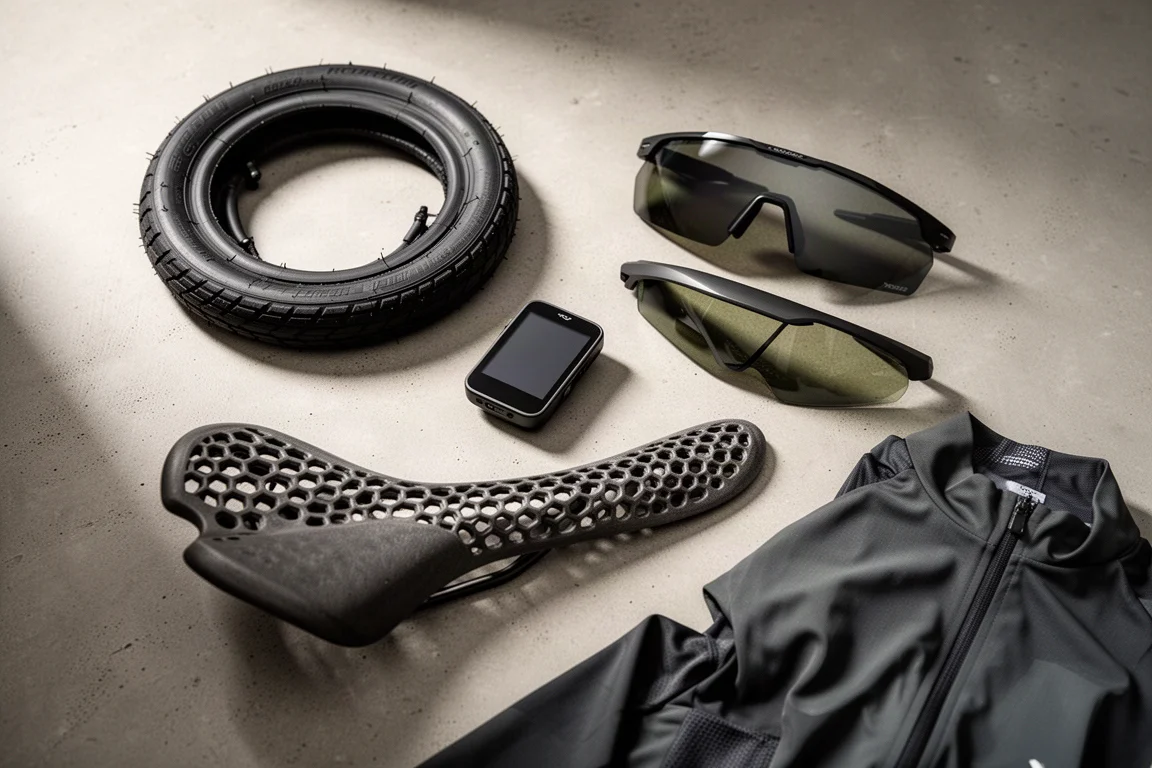
Nine cycling products that earned their place over a year of real riding, from road tires and a 3D printed saddle to an affordable electronic groupset, a bike computer, eyewear, and kit.
Introduction
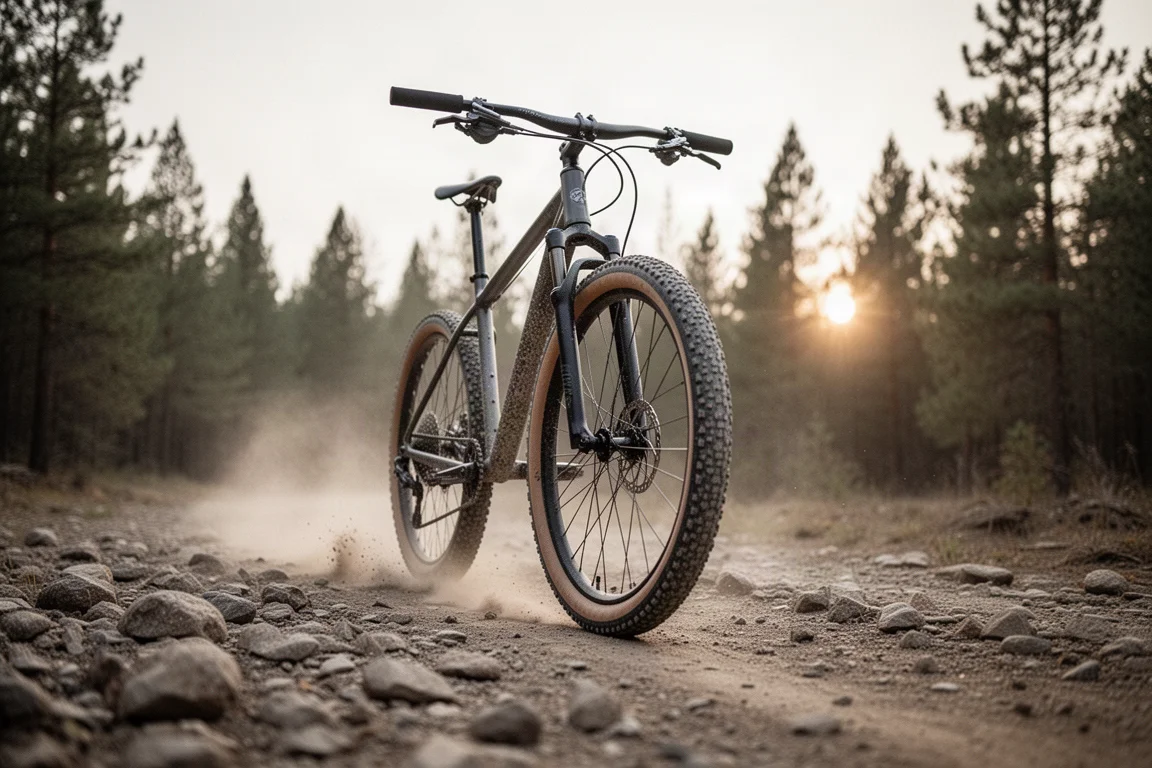
Some gear earns a permanent place on the bike, and some does not. This roundup collects the cycling products that stood out over the past 12 months, chosen because they were used regularly in real conditions rather than admired on a specification sheet. The selection runs from tires and saddles to a groupset, a bike computer, a suspension stem, eyewear, a mudguard, and a full kit.
The spread of prices is just as broad. A few of these picks cost very little and solve a small, persistent annoyance, while others are larger investments in speed, comfort, or reliability. Every product below is included because it delivered something noticeable out on the road or the trail.
Best All-Round Road Tire: Pirelli P Zero
The P Zero range covers an unusually wide spread of sizes. Widths start at 28 mm and continue through 30, 32, and 35 mm, with a 40 mm option that can turn a gravel bike into a road bike or add traction and comfort on a road frame with the clearance to take it. That makes the range relevant for fast road riding, endurance events, and all-road use alike.
Durability has been a genuine strength. On rough, broken tarmac these tires have produced fewer punctures than the Continental GP5000, and wear rates have stayed low. Tubeless installation is straightforward on both hooked and hookless rims, and the tires hold air well even without sealant, which means fewer top-ups before a ride.
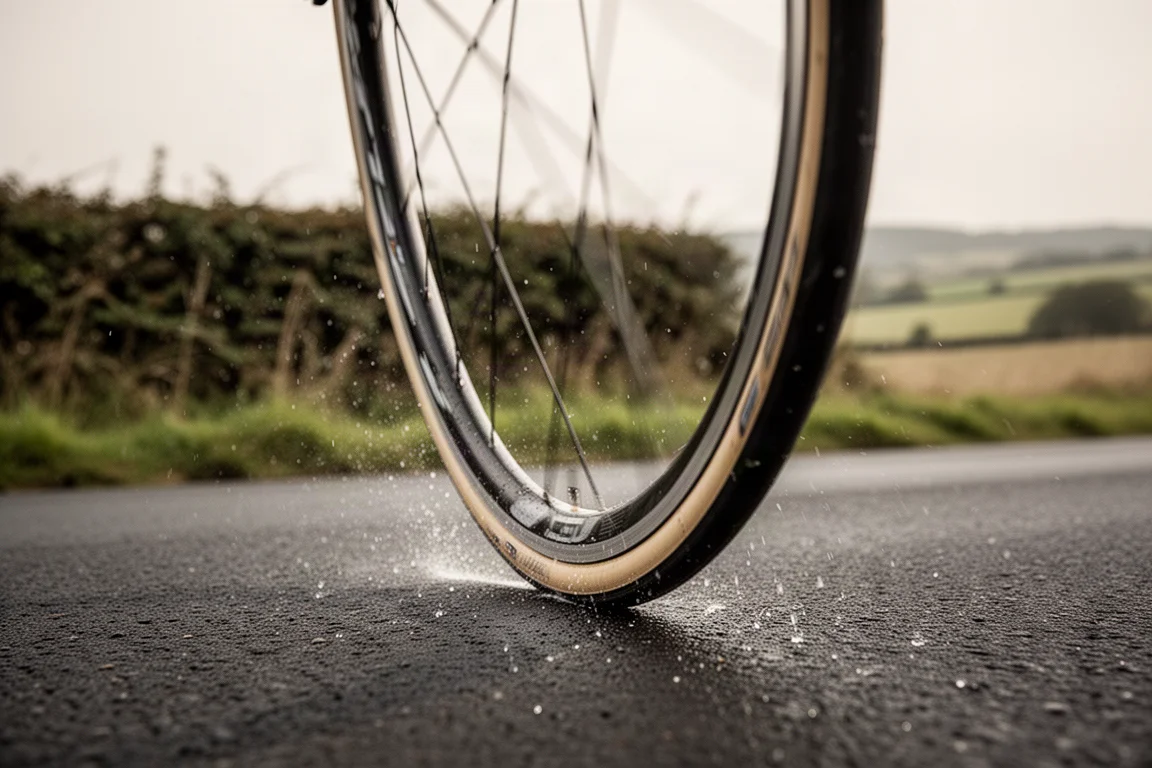
Speed and ride quality complete the picture. The tires test quick against the GP5000 STR benchmark, and the casing feels distinctly supple over poor surfaces, passing on useful feedback without harshness. Grip is very strong in both dry and wet conditions, which is not always the case with top-end race rubber, so these work as a year-round tire rather than a dry-day-only choice.
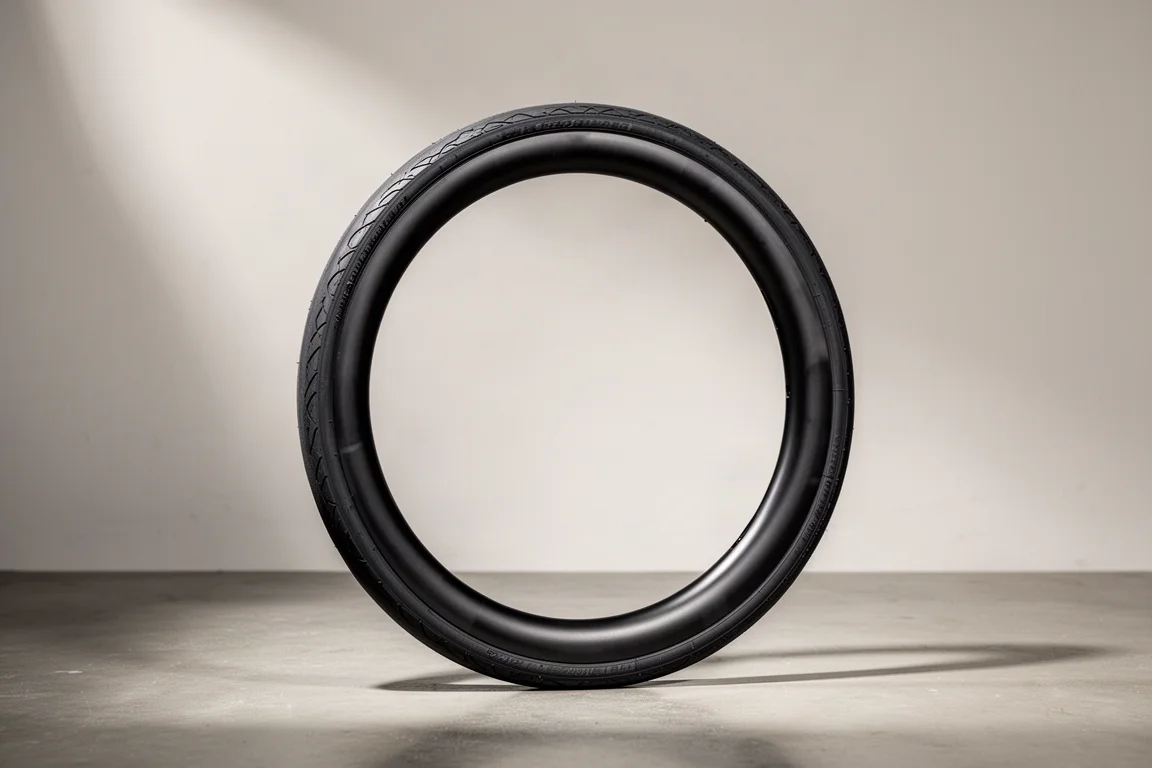
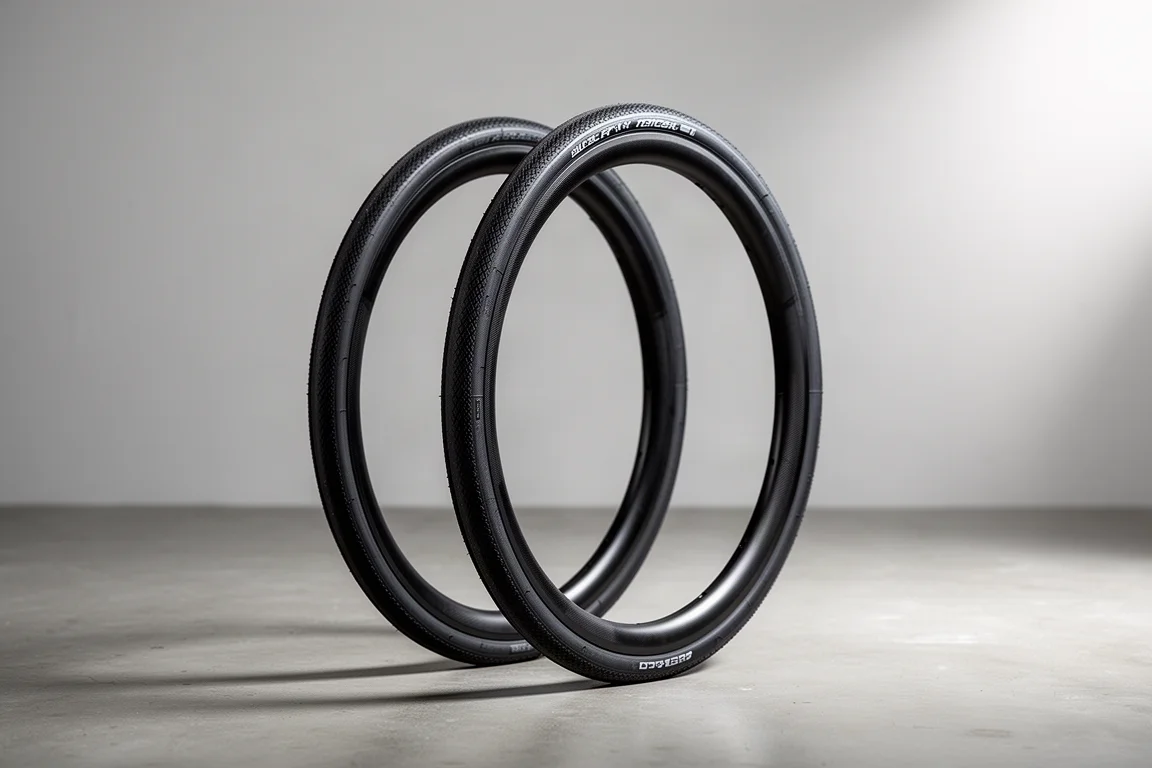
Best Race-Day Road Tire: Pirelli P Zero RS
The RS is the lighter, racier version of the same tire, and it keeps most of what makes the standard version easy to live with. Wear rates remain very good even with the lighter construction, and installation is just as simple on hooked and hookless wheels, so the faster option does not demand extra patience at the workshop bench.
What the RS adds is a sharper, quicker feel, with the same supple ride quality and confident grip in dry and wet conditions. For riders who want race-level speed without giving up reliability, it is the more focused choice in the range.
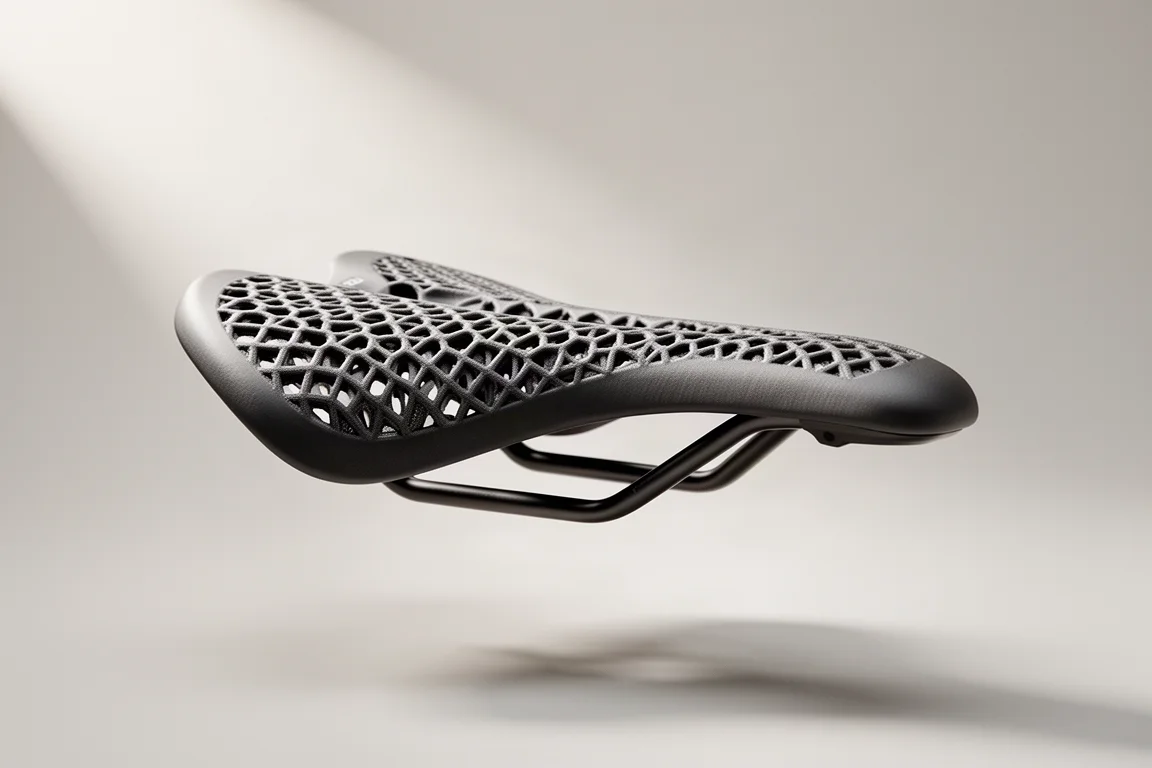
Best Endurance Saddle: Fizik Argo Adaptive
Saddle shape is personal, but this one works for a wide range of riders. The profile is broad at the rear with a relatively wide nose, which gives solid support for the sit bones when cruising on the tops and a comfortable platform when pushing hard on the rivet. A small relief channel and a softer central section reduce pressure down the middle.
The 3D printed honeycomb surface is the other half of the story. Conventional foam padding compresses and stays compressed, which tends to reduce comfort over long distances. The honeycomb structure stays supportive instead, creating a floaty feeling that holds up over century rides. It is also easy to clean, and durability has been excellent over more than 18 months of use, with only light wear along the sides.
The trade-off is price. The 3D printed construction carries a high cost, although prices are gradually coming down, and the version with standard rails is heavier but cheaper and easier to fit to a wider range of bikes. Carbon rails are not essential unless weight is the priority.
Best Value Electronic Groupset: SRAM Rival AXS
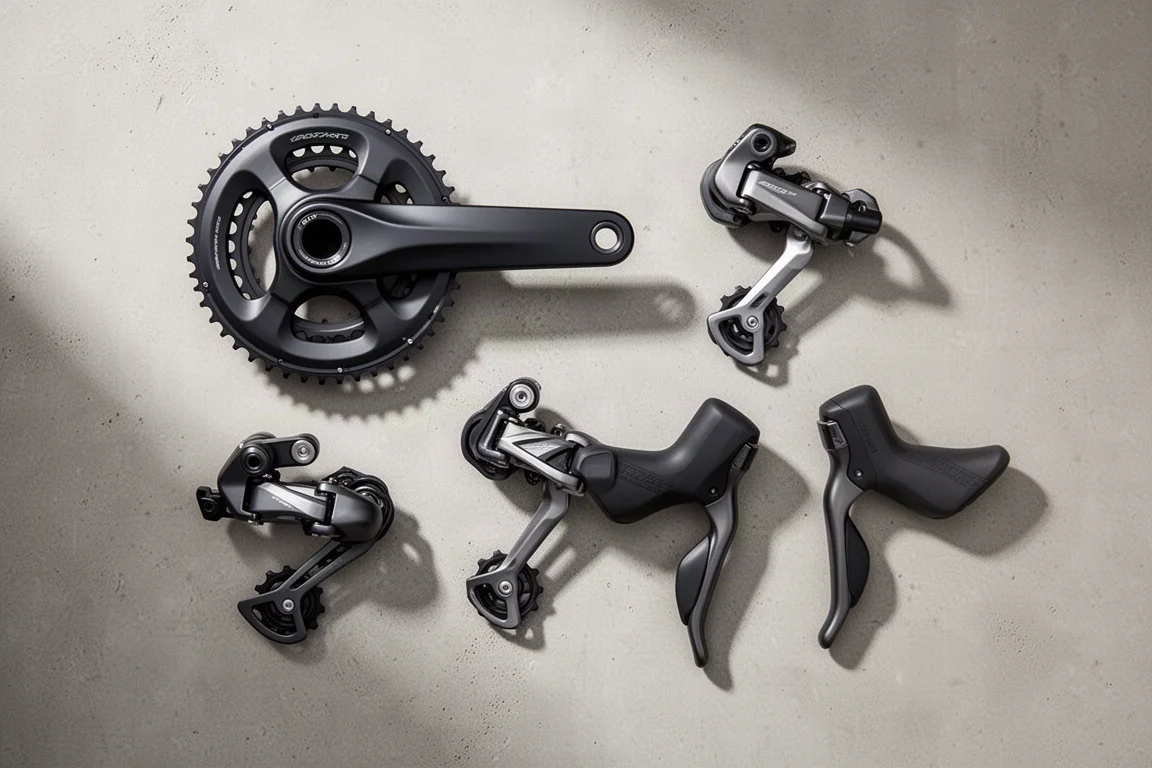
Wireless electronic shifting has long been associated with top-tier prices, and this groupset is the one that changes the equation. The latest update applies the same ergonomic treatment used further up the range, with reshaped hoods and lighter brake lever action. The improvement over the previous generation is significant, and the hand feel now stands comparison with the best in the market.
Braking benefits most. Lighter lever action makes one-finger and two-finger braking easier from both the hoods and the drops, which quietly makes a bike more pleasant to ride over long distances.
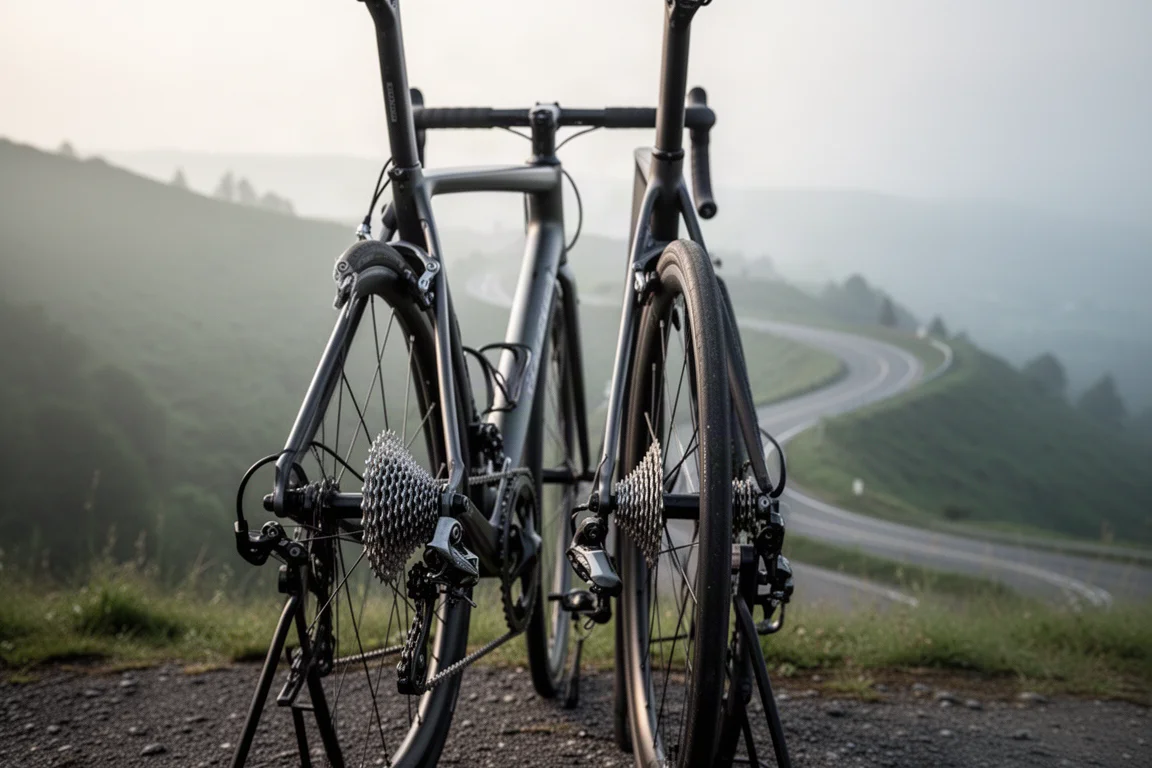
Two configurations are available: a 2x12 setup with a double chainset, and a 1x13 option aimed at gravel and endurance road bikes. On the 2x12 side, the gear ratios are a real advantage, pairing larger cassettes with smaller chainrings than the equivalent Shimano offering. For riders working through sportives and gran fondos, that means genuinely easier climbing gears where they are needed most.
Best Bike Computer: Wahoo ELEMNT ROAM 3
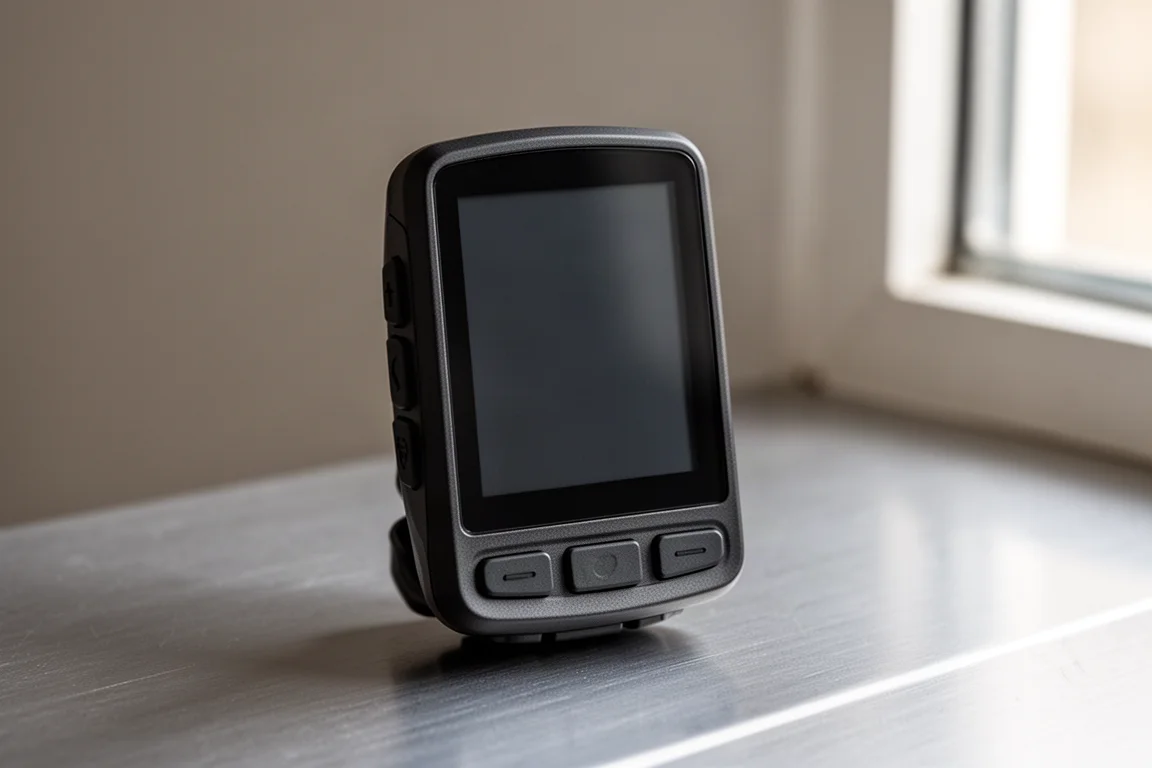
Screen size is where this computer gets it right. The display is large enough to read power, average speed, or a route at a glance, without dominating the handlebar the way a bigger unit can. Having both a touchscreen and physical buttons is a practical combination, since menus and options can be worked through either way.
Navigation has been the standout. Loading a route onto the computer is simple, following it is clear, and across 800 km of racing not a single turn was missed. Battery life is just as impressive, lasting around 20 hours while recording heart rate and power and following a route at the same time. Day to day, it has been reliable and easy to operate.
There is one blemish. On a ride where the unit ran flat, the recorded activity stayed locked on the computer and could not be uploaded to the companion app or to Strava. The manufacturer is aware of the issue and it is being investigated. Everything else about the computer has worked exactly as it should.
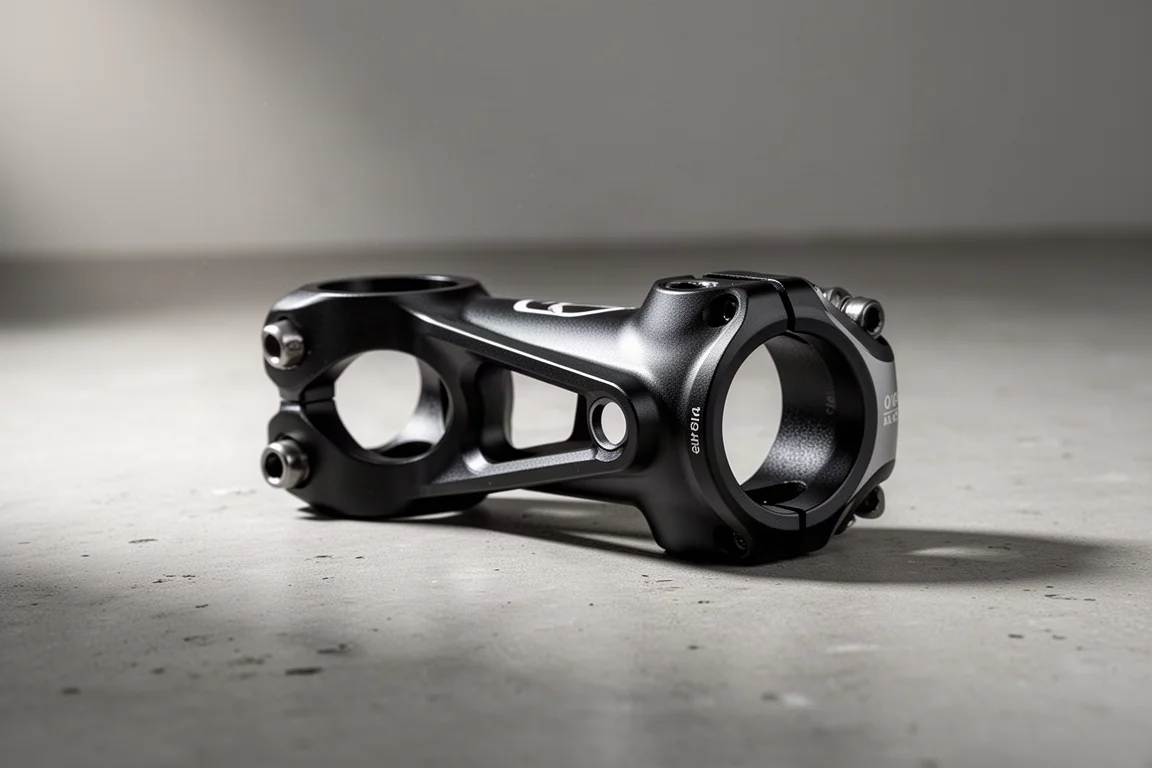
Best Comfort Upgrade for Gravel: Redshift Suspension Stem
Adding comfort to a gravel bike rarely gets easier than this. The stem allows a small amount of vertical movement at the handlebar, which takes the sting out of bumpy trails on a stiff carbon frame. The range of travel is limited, and the sensation takes a ride or two to get used to, but it quickly becomes second nature.
Tuning is handled with interchangeable elastomers that can be matched to rider weight or set firmer or softer. A firmer setting tends to work best, so the stem only moves on bigger impacts rather than constantly. It also looks reasonably clean for a suspension stem, and the added weight is modest, though weight-conscious riders will still notice it.
Compatibility is the main limitation. A one-piece handlebar and stem cannot be used, so the stem requires a conventional bar with external routing. The price is on the higher side, and there are pro and standard versions. For long bikepacking trips over rough terrain, it is an easy addition to justify.
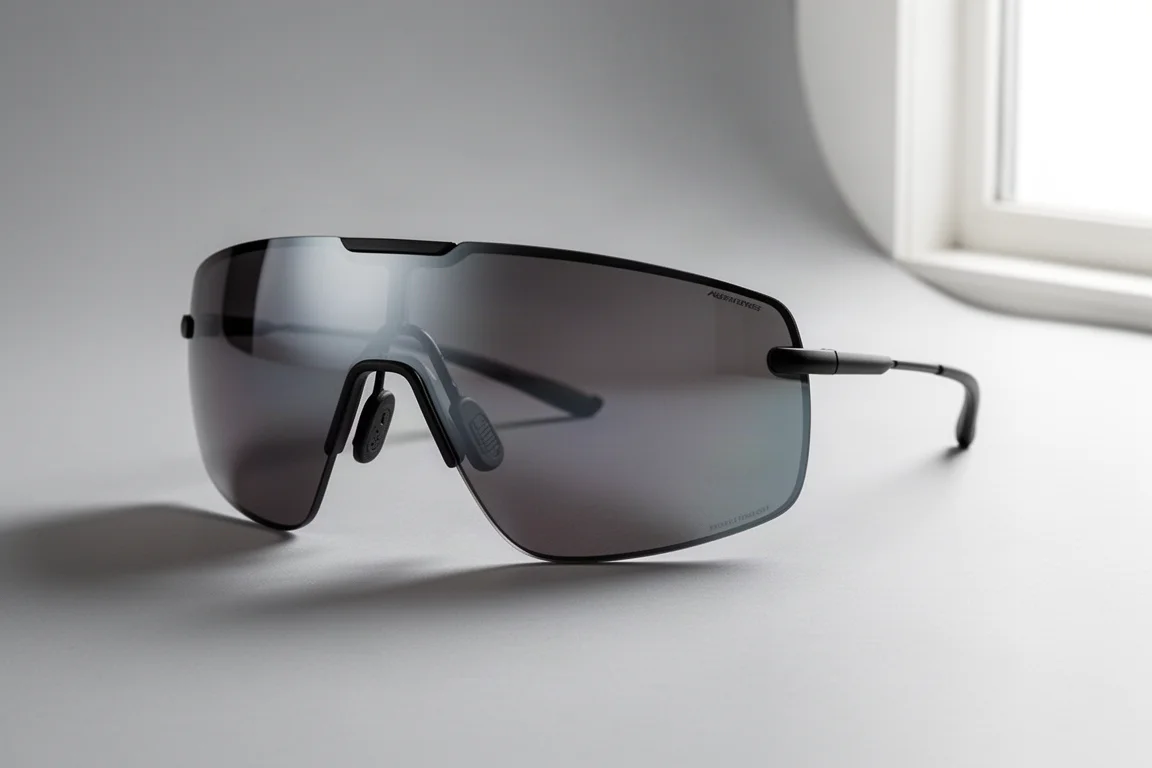
Best Cycling Sunglasses: Rudy Project Spinshield Pro
The oversized single-lens design is the defining feature here. With the frame pushed out of the line of sight, there is nothing obstructing the view, which matters most when the head is down and the effort is high. Lens quality is excellent, with strong clarity and contrast depending on the tint chosen, and the range includes plenty of colors and lens options.
Build quality is a clear step above budget eyewear. They are very light, with none of the creaking or squeaking that cheaper frames develop. The nose piece is tactile and grippy, so it stays put, and the thin arms work well with a range of helmets thanks to grippy material on the inside. Ventilation slots across the top of the lens help prevent fogging on steep climbs, which proves useful in warm conditions.
The one drawback is the hooked arm design. It holds the glasses securely on the head, but makes them awkward to slot into helmet vents. A straight-arm version would be the obvious next improvement.
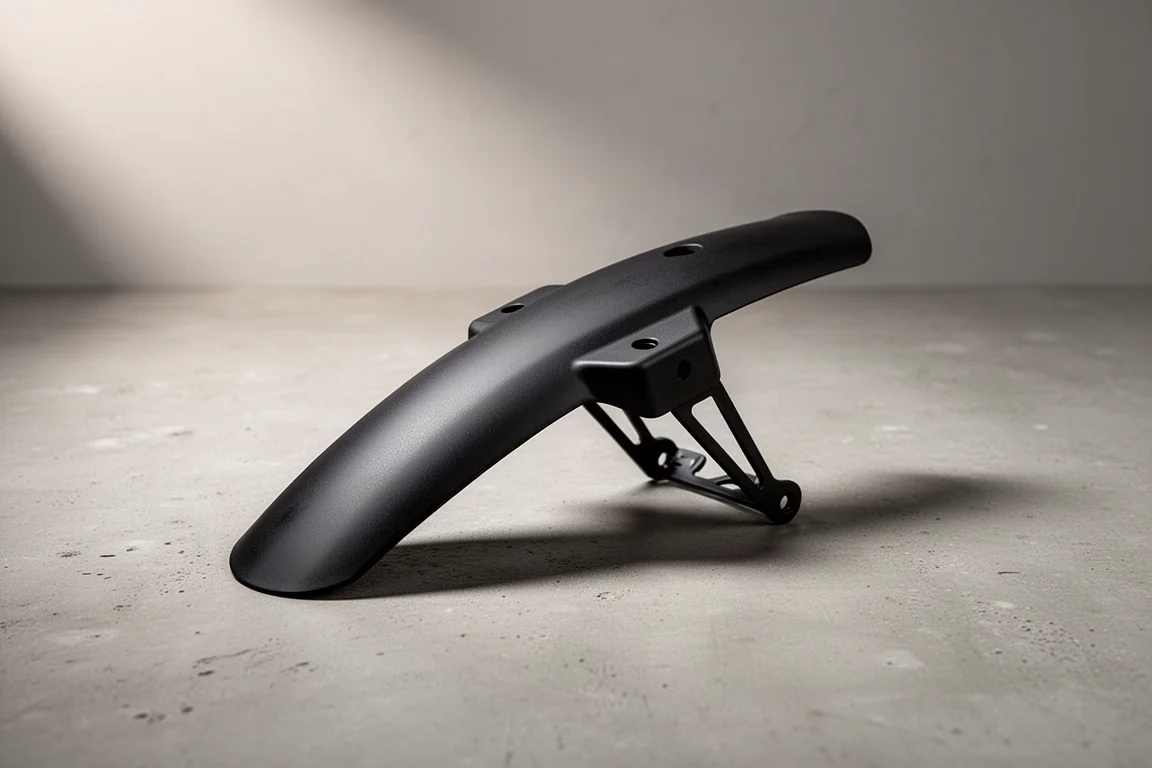
Best Simple Mudguard: Ass Saver Win Wing
Mudguards are not glamorous, but a soggy, muddy back is worse. This guard comes in road, mountain bike, and gravel versions, and it is inexpensive, lightweight, and fits any bike in seconds. Removing it is just as quick, which means there is no reason to leave it at home when the forecast is uncertain.
It will not match the coverage of a full-length mudguard, but it stops a surprising amount of spray and mud from flicking up onto the lower back, and it prevents the brown stripe that appears after a wet cafe stop. When the roads are wet and gritty, it is an easy addition to a road or gravel bike.
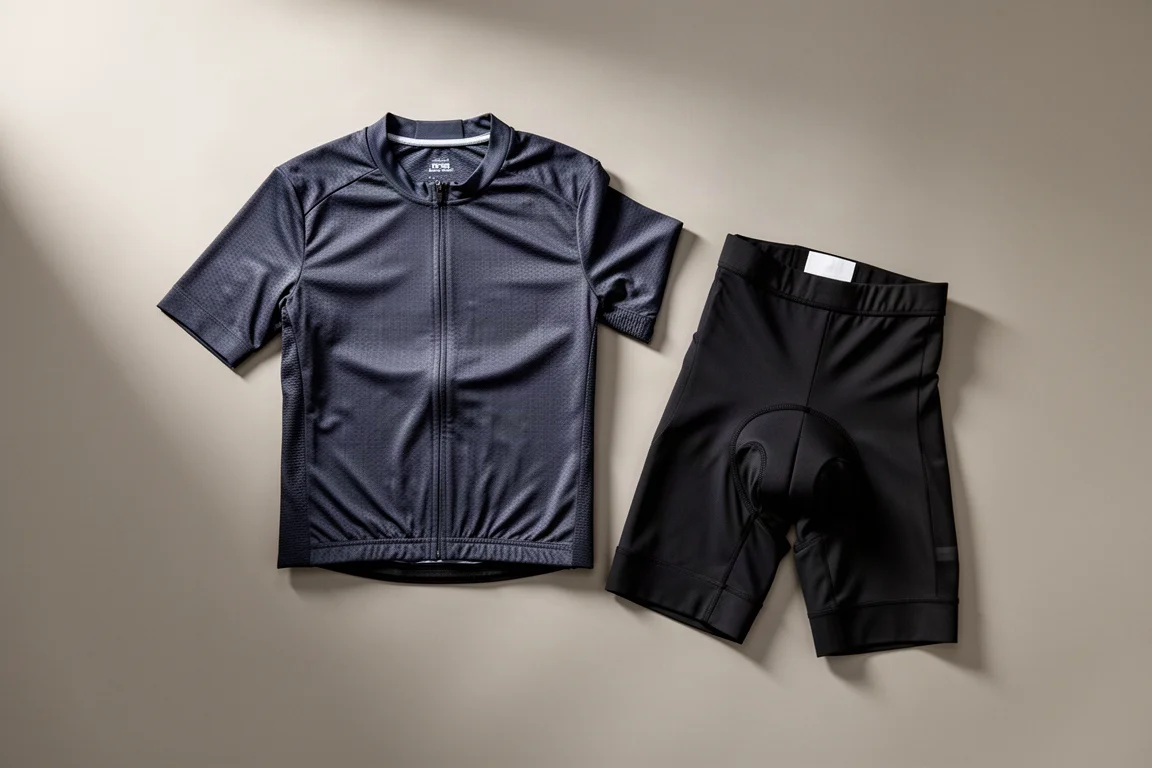
Best Cycling Kit: Castelli Espresso
The Espresso range is deliberately understated. There are no garish logos or slogans, just a small scorpion emblem, and the design lets the construction do the talking. Fabrics are well chosen, the fit is close without being restrictive, and the seam and panel placement is first class.
The shorts are the highlight. The padding is top quality, and comfort holds up over very long days, including multi-day events with no discomfort. A wide range of colors makes it easy to match tops and bottoms into an outfit that suits the weather and the mood.
What makes the kit work is that it disappears in use. Nothing needs adjusting, nothing rubs, and the functional details are all in the right places. That is exactly what good riding clothing should do.
Overall Buying Advice
Priorities matter more than price tags. Tires and comfort components, such as a well-matched saddle or a suspension stem, tend to deliver the most noticeable change per dollar for most riders, because they affect every ride.
If climbing is the part of the ride that hurts most, the gear ratios on an affordable electronic groupset can be worth more than a lighter wheelset. For riders who spend long hours navigating, a computer with a readable screen and dependable battery life is a practical investment, and eyewear with a wide field of view and reliable ventilation is easy to justify for anyone who wears glasses on the bike. Small items such as a quick-fit mudguard cost little and get used far more often than expected.
The safest approach is to buy for the riding you actually do. A gravel rider will get more from comfort-focused parts, while a road rider chasing speed will notice tires and kit first.
Conclusion
These nine products share one quality: they solve real problems on real rides. Some are inexpensive fixes, and others are serious investments, but each one earned its place over a year of regular use. Match them to your own riding and they should do the same for you.
Further reading
Related Reviews
Cycling Gear
8 Cycling Products Riders Keep Coming Back To
Eight cycling components and accessories with clear strengths, honest trade-offs and long-standing reputations among riders and mechanics.
Cycling Gear
Aero Helmets and Bottle Setups Tested: Six Options Ranked by Measured Watt Savings
Wind tunnel data on six aero helmets and bottle setups, with real watt savings, practical trade-offs, and guidance on what is worth buying first.
Cycling Gear
Aero Road Bikes and Fast Tires Worth Watching in 2026
Four aero road bikes and one fast road tire, with the real strengths, the open questions, and what to check before you buy.