Stationery
How to Start Your Fountain Pen Journey in Three Steps: Pen, Ink, Paper
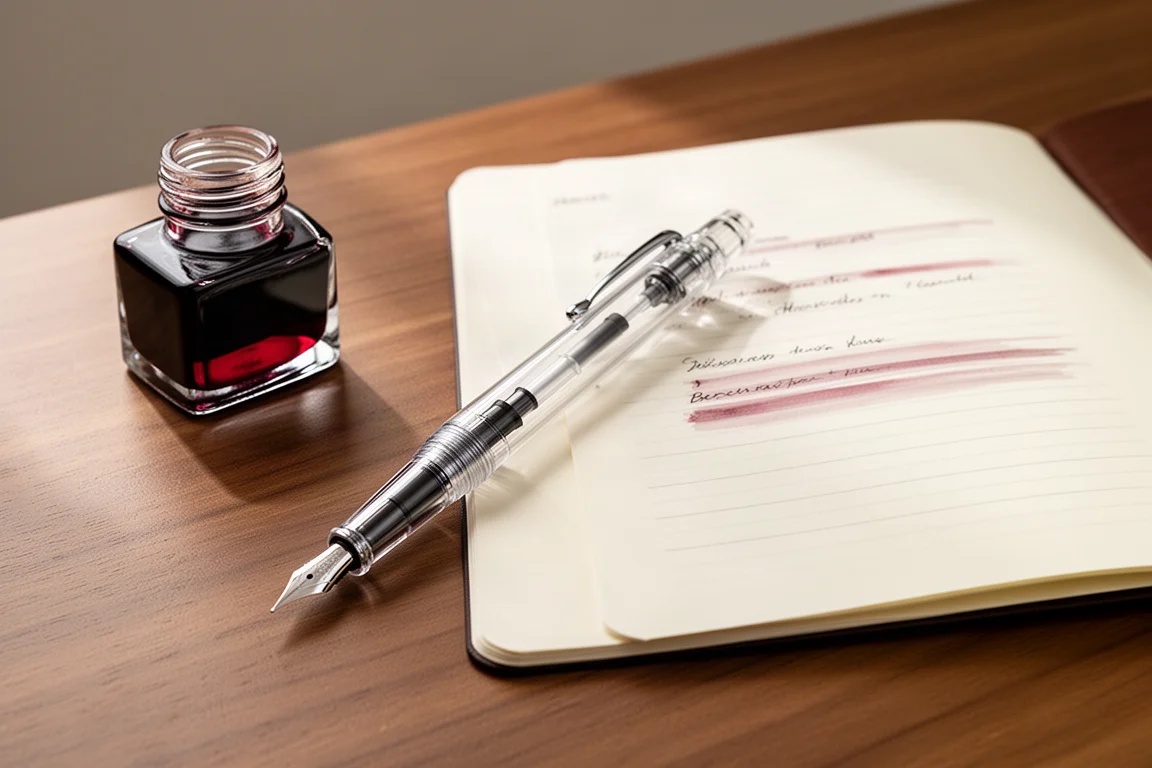
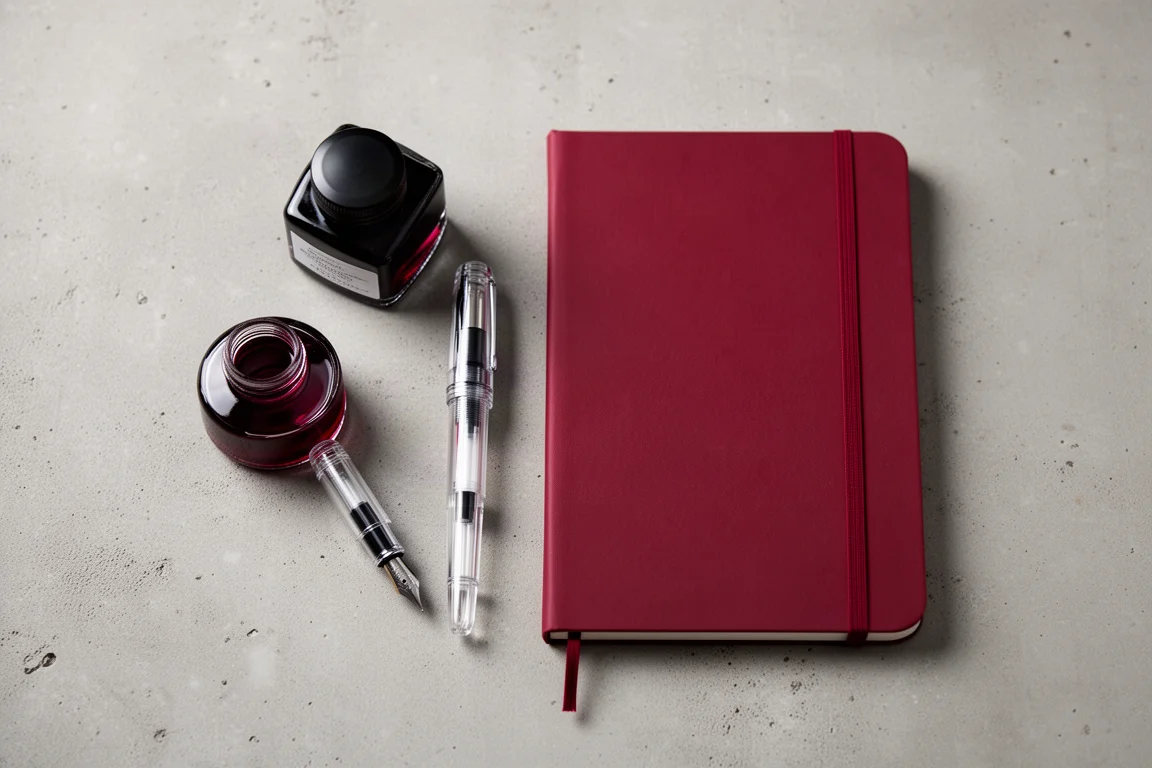
A simple starter kit for new fountain pen users: the TWSBI Eco, Diamine Oxblood ink, and a Tomoe River notebook, all in for around 56 dollars.
Introduction
Getting into fountain pens can feel overwhelming. There are dozens of beginner pens, hundreds of inks, and endless paper options, and it is hard to know where to start without wasting money. The simplest way in is a three-step kit: one good pen, one characterful ink, and one sheet of paper that shows both off properly.
The idea behind this roadmap is to get the complete fountain pen experience, including filling from a bottle, for not too much money. If the hobby turns out not to be for you, you can step away without sinking serious cash into it. Everything below comes in at roughly 56 dollars before shipping.
Step One: The Pen That Gives You the Full Experience
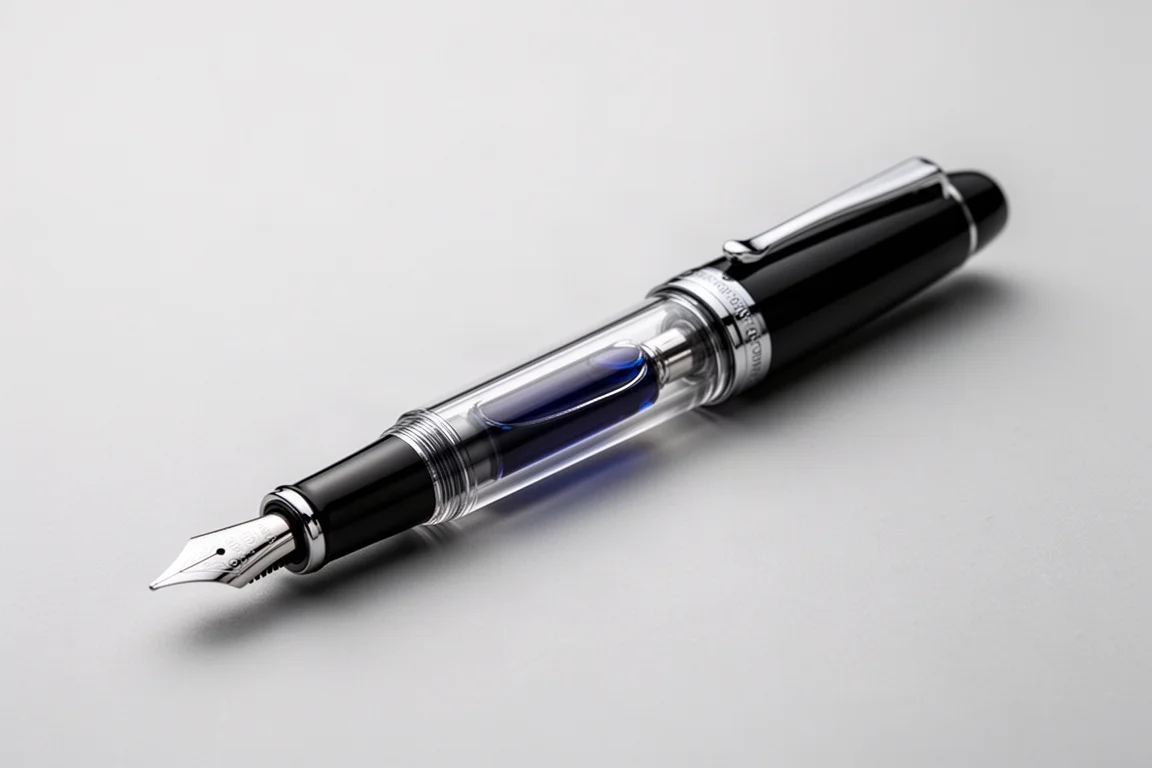
There are plenty of affordable entry points, from the 8 dollar Lamy-style disposables to the 10 dollar Pilot Kakuno. The pick here, though, is the TWSBI Eco at around 33 dollars, because of the sheer value it delivers for the money.
The recommendation is the clear demonstrator version with a fine nib. The transparent body is genuinely fun: when you twist the piston and draw ink up into the barrel, you can watch the pen take on the color of whichever ink you fill it with. A fine nib is also the gentlest transition if you are coming from ballpoints, since its line width is closest to what you are used to. You can explore stubs and wider nibs later.
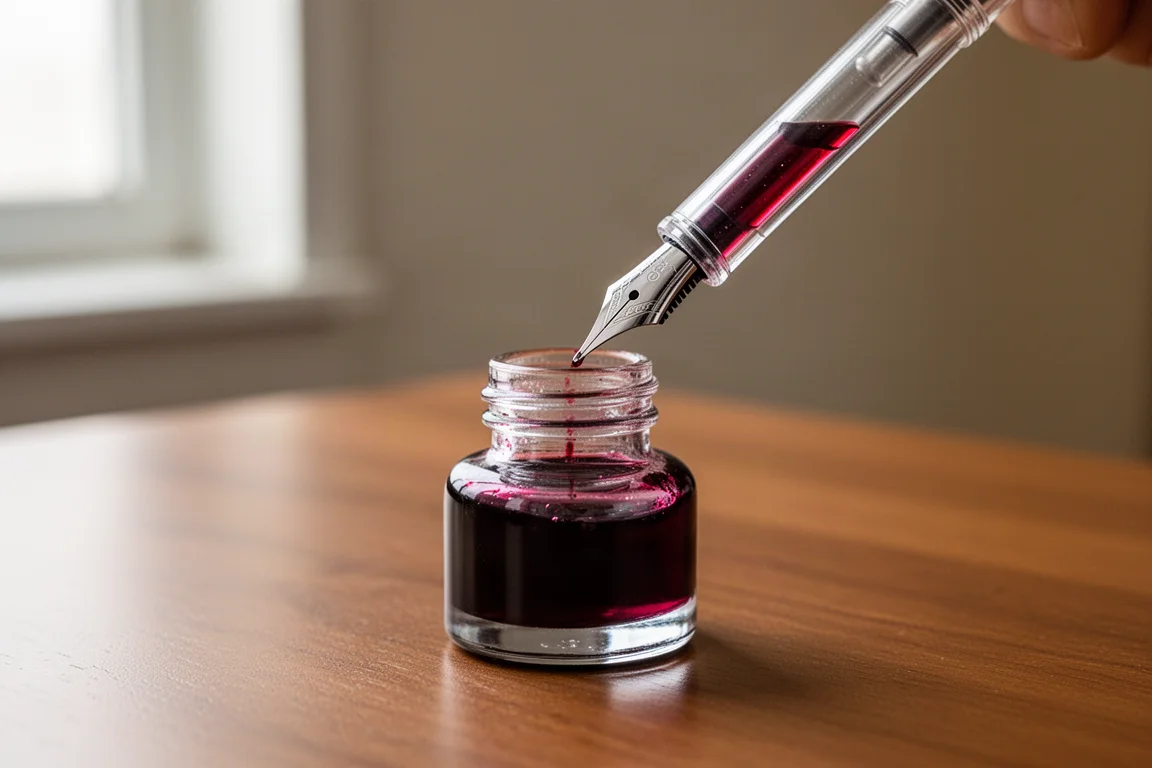
The Eco is a piston filler, which means you fill directly from an ink bottle instead of dealing with cartridges. It is the same mechanism style you would find on pens costing ten times as much, and it is a genuinely nice writer. Maintenance is easy too: the pen field-strips completely for rinsing, cleaning, or swapping the nib, though you should be careful with the fins on the back of the nib when popping it out.
Step Two: Choose an Ink With Personality
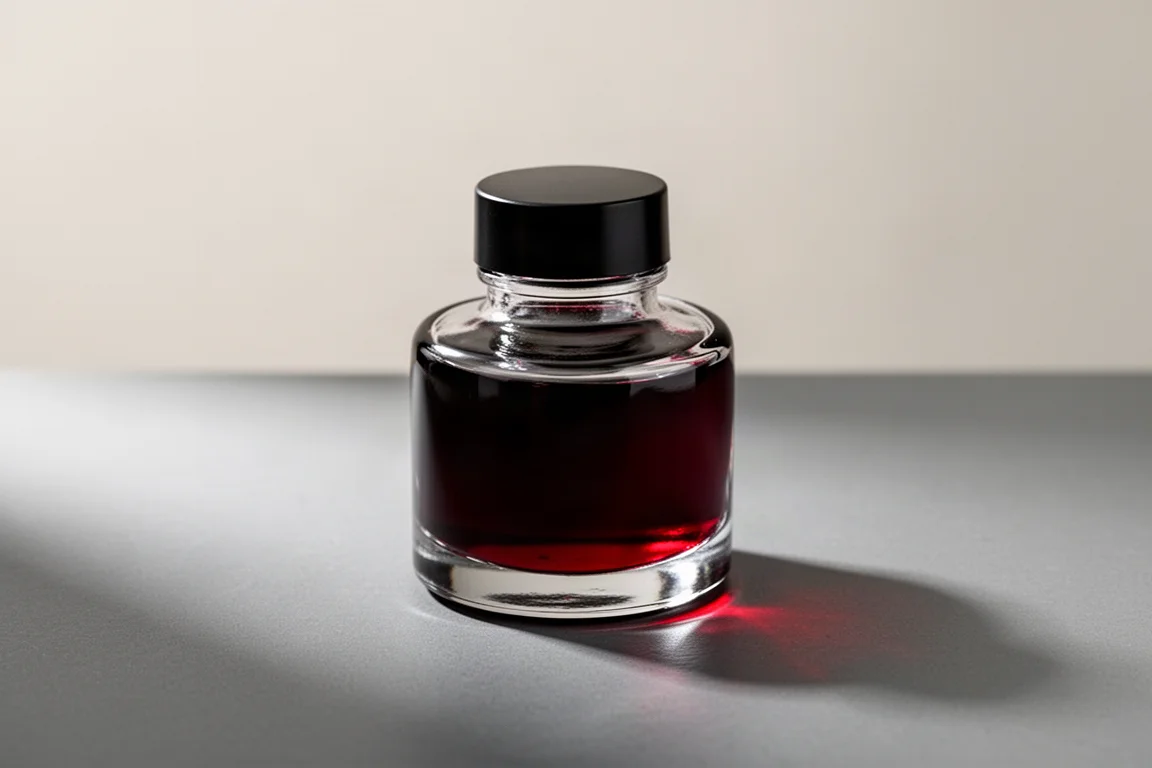
If you have been writing in blue or black all these years, this is the moment to have a little fun. The pick is Diamine Oxblood, a deep red with strong dark contrast that looks fantastic on the page.
What makes it work as a beginner ink is that it holds up as more than a novelty. It does not read like the red ink teachers use for corrections; it genuinely works as a correspondence and journaling ink. The 80 milliliter bottle runs about 15 dollars, and the ink also cleans up fairly easily, so a small spill will not be a disaster on hands or clothes.
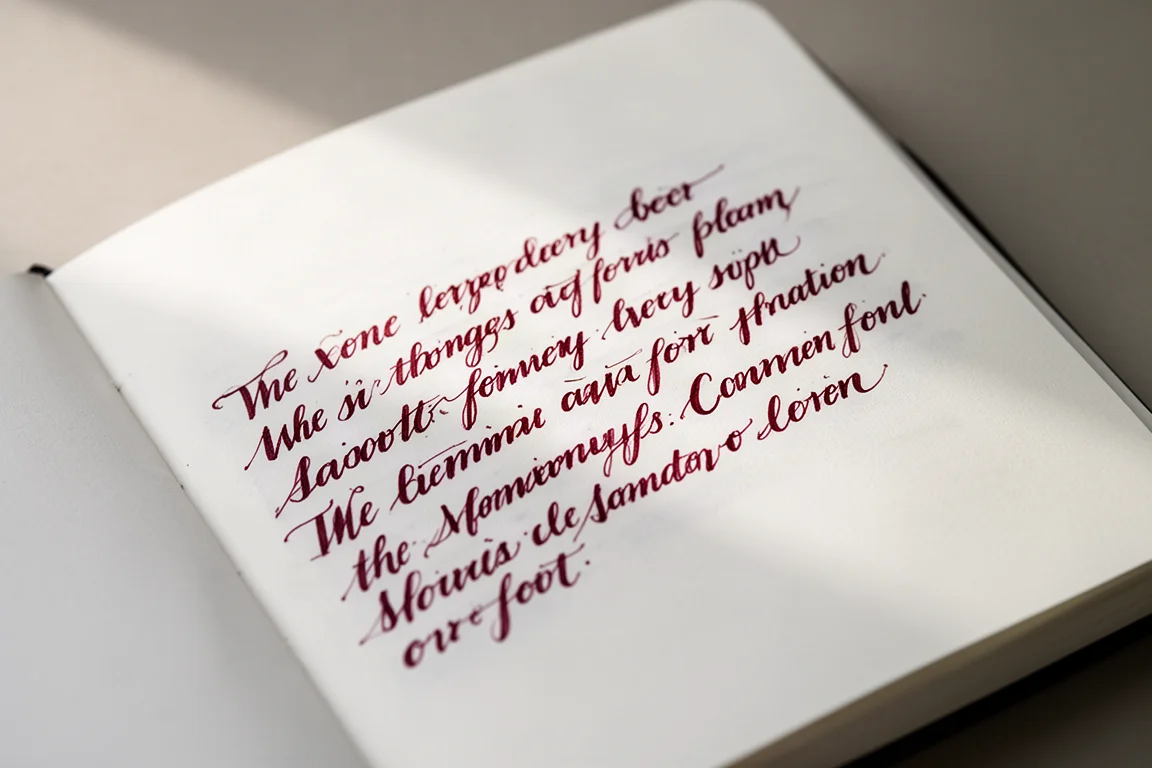
Whether a rich red fits a business setting is a judgment call you can make for yourself, but as a first bottle to make the hobby feel exciting, it is a strong choice.
Step Three: Paper That Makes Ink Look Its Best
The last piece is something to write on. The Goulet Tomoe River 68gsm notebook in A5 size comes in at around 8 dollars, and it punches well above that price.
Tomoe River paper is famous for bringing out the shading in fountain pen inks. If you have written in Moleskine notebooks or on loose leaf and watched ink feather out, a heavier, slicker grade of paper is a genuine upgrade. It has a subtle feedback and simply feels pleasurable to write on, especially paired with a smooth writer like the Eco.
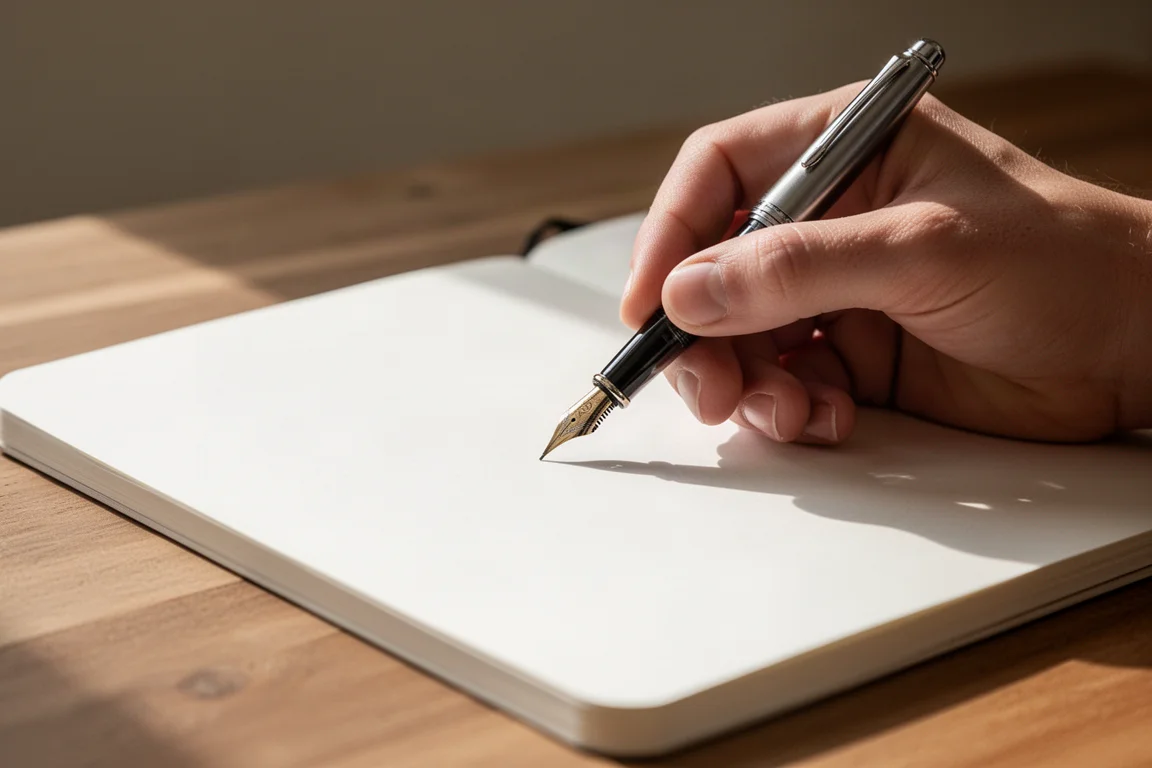
Cheap paper hides what a good pen and ink can do. This notebook shows them off.
What This Starter Kit Gets You for the Money
Add it up and you land just under 56 dollars: roughly 33 for the TWSBI Eco in fine, about 15 for the 80 milliliter bottle of Diamine Oxblood, and around 8 for the notebook. That is a complete setup with nothing missing.
The TWSBI Eco in particular is an easy recommendation at any price. It stands up well against pens costing far more, and the piston fill is one of the most satisfying parts of using it. From here, you can journal, practice handwriting, or start exploring calligraphy, all with equipment that will not hold you back.
Conclusion
Three purchases, about 56 dollars, and you have everything needed to begin: a fun piston-filling pen, an ink with real character, and paper that flatters both. It is a low-risk way to find out whether fountain pens are for you, and if they are, the hobby has endless room to grow from exactly this starting point.
Further reading
Related Reviews
Stationery
Musgrave Pencils Review: Four Classic Pencils from Tennessee's Last Pencil Factory
We put four Musgrave pencils to paper, from the classic Harvest to the Unigraph 1200 drawing pencil, to see what a century-old Tennessee workshop can still do.
Stationery
Fountain Pen Tiers Explained: From Starter Pens to Luxury Grails
A practical overview of the different levels of fountain pens and inks, from a sub-$20 starter setup to Italian piston fillers and retractable gold-nib everyday carries.
Stationery
HP Premium 32 lb Copy Paper Review: A Fountain Pen Friendly Everyday Printer Paper
A heavy, smooth 120 GSM copy paper that handles fountain pens far better than standard printer stock, with only minor trade-offs in shading and sheen.