Road Bikes
How to Spend a £3,000 Road Bike Budget: Frame Set, Complete Build or Upgrade
Three routes to a better road bike at around £3,000, from frame set builds and complete carbon bikes to a lower-cost upgrade path.
Introduction
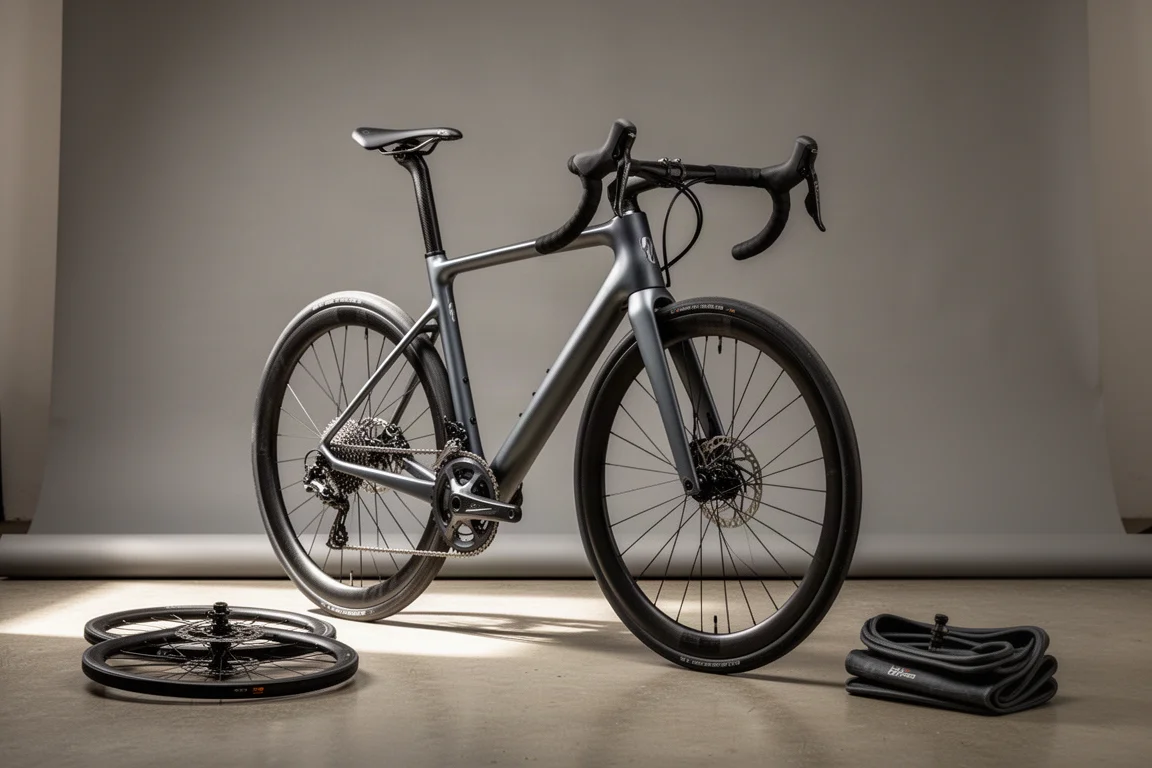
A £3,000 budget is one of the most popular price points for a brand new road bike, and also one of the most interesting. Spend it in the wrong place and the result is a machine that looks expensive but rides like a compromise. Spend it carefully and you can end up with a bike that fits properly, rolls on fast wheels and tyres, and still has room for the details that matter.
There is no single correct answer, but there are three clear routes: buy a frame set and build it up, buy a complete bike at the full £3,000, or buy a lower-cost bike and upgrade it toward a self-imposed ceiling. Each route carries a different set of trade-offs, and the right one depends on how much control you want over the final specification.
Three Ways to Spend a £3,000 Bike Budget
The first route is the frame set build. You buy the frame and fork on their own, then choose every component. It takes more research, but it gives complete control over gearing, wheels, tyres, bar width and stem length. If you have had a bike fit, the bike can be built to your own measurements from day one rather than adjusted afterwards.
The second route is the complete bike. You get a finished, warrantied machine and none of the assembly work. Value depends on how sensibly the brand has specced it, and stock builds often prioritise a headline groupset over the wheels and tyres that do more for ride quality.
The third route is the upgrade path. You start with a lower-cost bike, often around £1,500, and spend the difference on the parts that matter most. Wheels, tyres and a tubeless setup are the usual targets, and this approach can deliver a better-riding bike than a stock build at the same total spend, provided you accept that some original components will be left over.
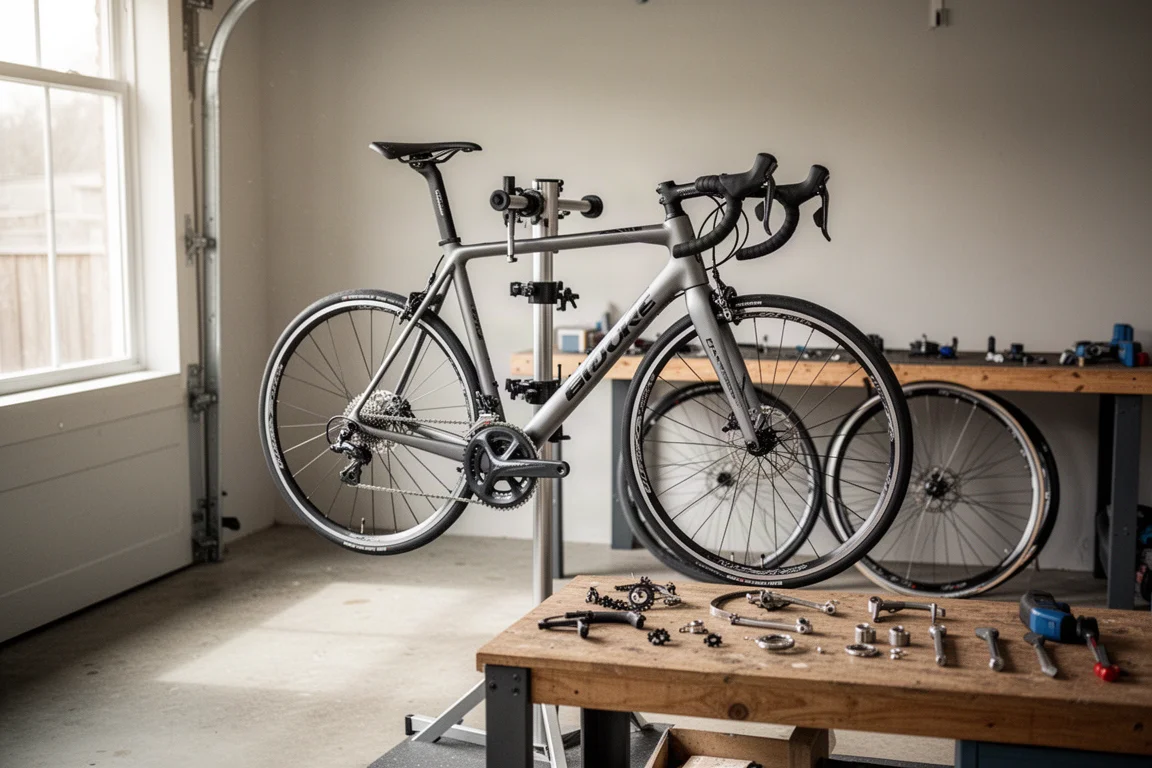
Whichever route you choose, the same principle applies: money spent on wheels, tyres and contact points tends to change the ride more than money spent on a groupset upgrade.
Specialized Allez Sprint Comp: The Complete Build
The Allez Sprint is an alloy race bike with a reputation for sharp handling, and it is available in two forms that matter here. The frame set costs £1,600, and there is a single complete build, the Allez Sprint Comp, at £2,600 with a mechanical Shimano 105 groupset.
That complete bike comes with a 105 disc groupset, DT Swiss R470 rims, Turbo Pro tyres, a Specialized Power Comp saddle, a shallow drop bar with an alloy stem, and Supacaz Super Sticky Kush bar tape. It is a coherent package, but the wheels and tyres are the entry-level part of it.
Pricing the same components individually through online retailers brought the total to a little under £2,600, with roughly £60 left over. That margin is enough to move up to Turbo Cotton tyres with 320 TPI cotton casings, which improve ride quality noticeably over the basic Turbo tyres and finish the build at around £2,540. The frame set route also lets you choose bar width and stem length to match your fit, which is worth more than it sounds on a race bike.
Trek Emonda ALR: The Frame Set Route
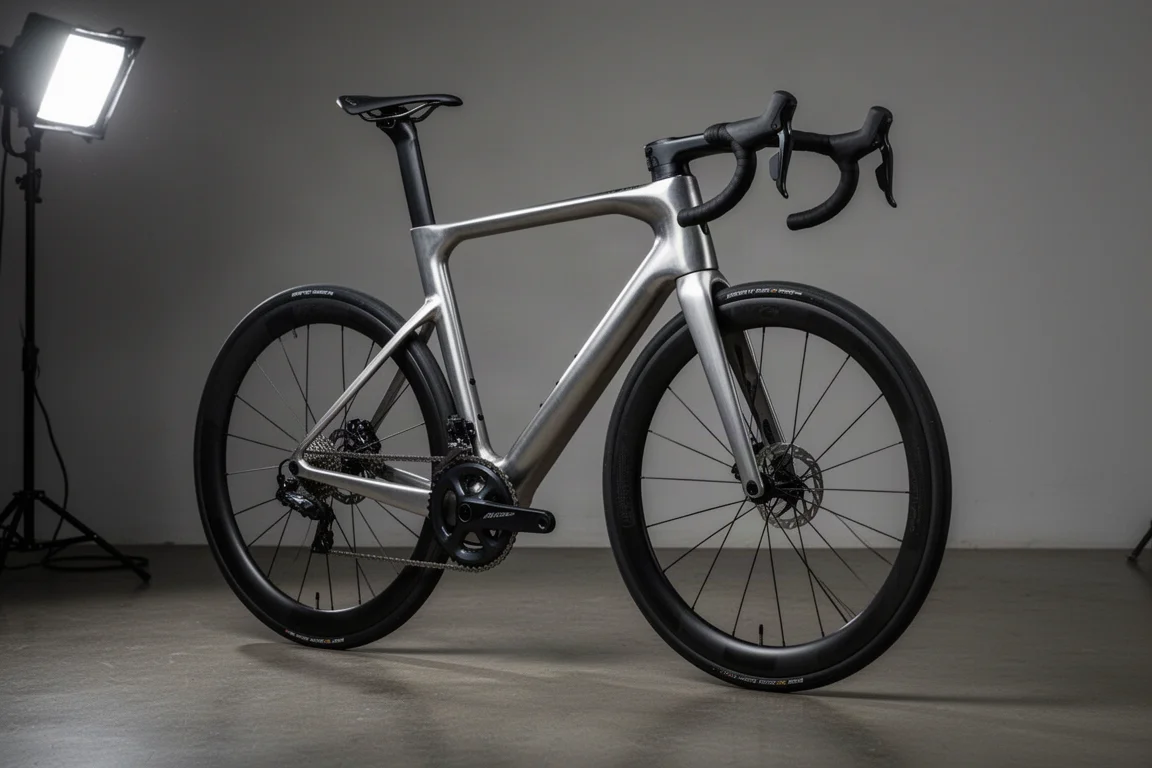
The Emonda ALR is offered as a 105 mechanical build, a 105 Di2 build, and as a frame set on its own. Starting from the frame set and choosing components individually produced a build that totalled £2,866.
The specification used a 105 mechanical groupset found online for around £450, Hunt 40 Carbon Disc wheels at £730, Continental GP5000 tyres, Silca sealant, a full Pro Vibe alloy handlebar, stem and seat post, a Fizik Argo Tempo saddle, Supacaz Super Sticky Kush bar tape, plus rotors and a bottom bracket. The Pro Vibe finishing kit saves weight over the standard parts, and the wheels and tyres are where most of the ride improvement comes from.
Adding roughly £300 for professional assembly takes the total to about £3,100, which is close to the price of the 105 Di2 complete build at around £3,160. That comparison is the interesting part. Mechanical 105 works well and needs nothing, while Di2 is a nice-to-have rather than an essential. A good set of wheels and tyres will do more for ride quality and weight than the shift upgrade, which is why the mechanical build with better wheels is the more rewarding choice for most riders.
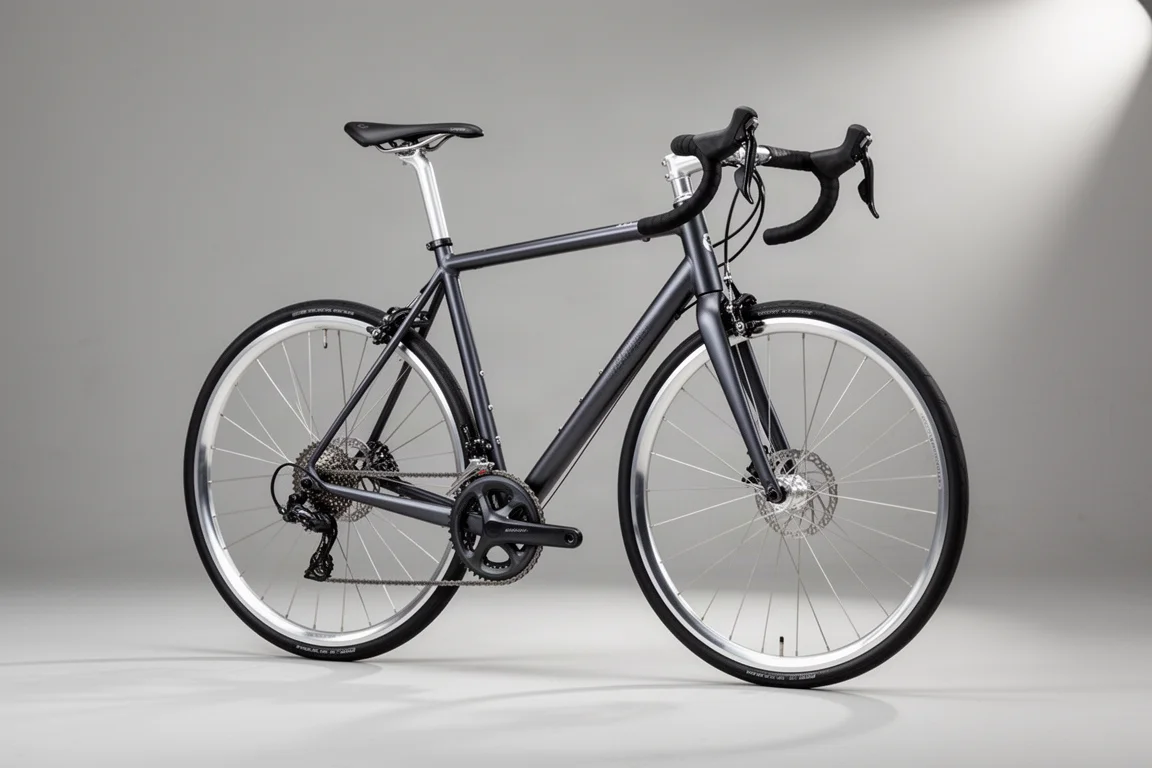
Dolan Ares: Carbon with Mechanical Ultegra
The Dolan Ares is a carbon race frame with a UCI sticker and a genuinely competitive price. The frame set costs £1,600, the same as the Allez Sprint, and the complete build at around £3,000 comes with a mechanical Ultegra groupset and wheels.
The more interesting option is to take the frame set and drop to 105, which frees up budget for better wheels. Combining that saving with the difference between the two groupsets puts a set of Hunt 40 wheels, at just over £700, within reach. If staying strictly inside £3,000 matters, a set of Vel wheels from Sigma Sport is another option: carbon, 38mm deep, 1,550g and £490, which leaves comfortable headroom. The finishing kit on the Ares is a Deda Superzero aluminium bar and stem, which is light and works well, so there is no urgent need to change it.
Either way, the Ares makes the case that a carbon frame does not have to sit above the budget if you are willing to choose components deliberately.
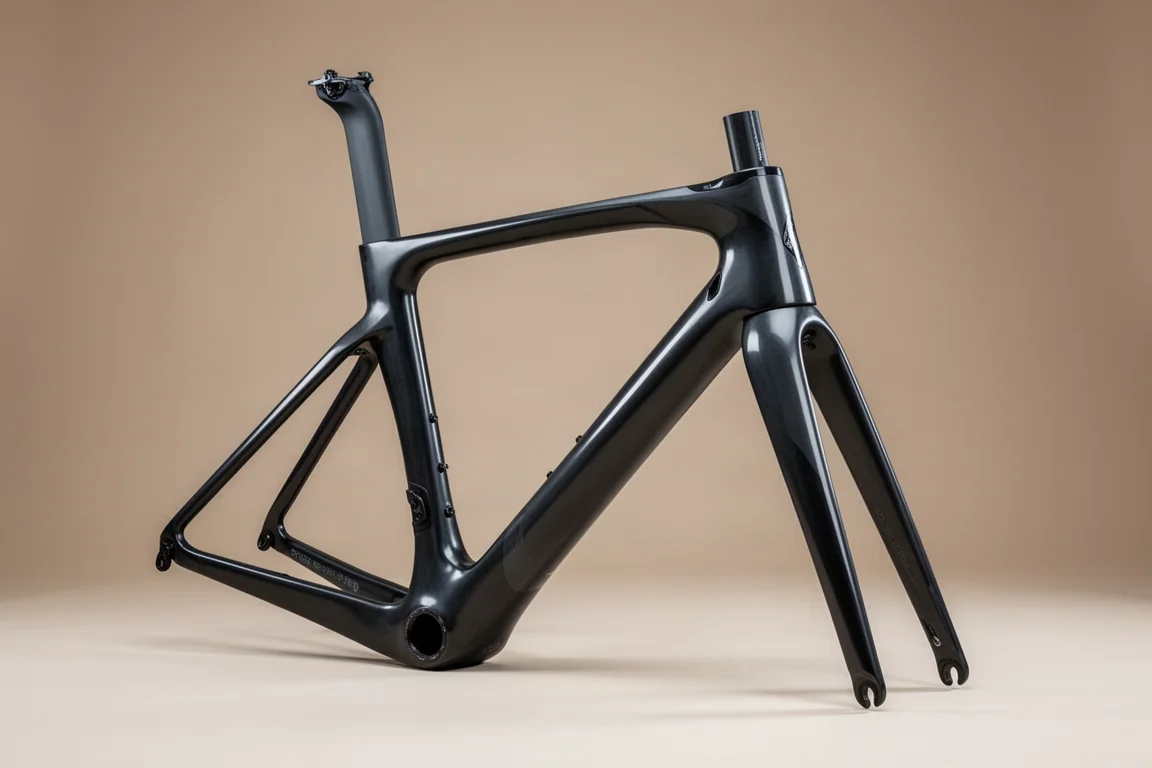
Canyon Endurace AL 7: The Upgrade Path
The Canyon Endurace AL 7 is the starting point for the upgrade route. It costs £1,449 in the UK, and because Canyon sells direct to customers there is real value built into that figure.
The first upgrades are the ones that matter most: Hunt carbon 40 rims at £730, a pair of Continental GP5000 tyres, and Silca sealant for a tubeless setup. That leaves roughly £700 to spend, and this is where the decision gets harder. Upgrading the cockpit, seat post and saddle is possible, but the value is less obvious. A professional bike fit, a high-quality head unit such as the Garmin Edge 1040 Solar, or a week of riding somewhere like Mallorca are all competing for the same money.
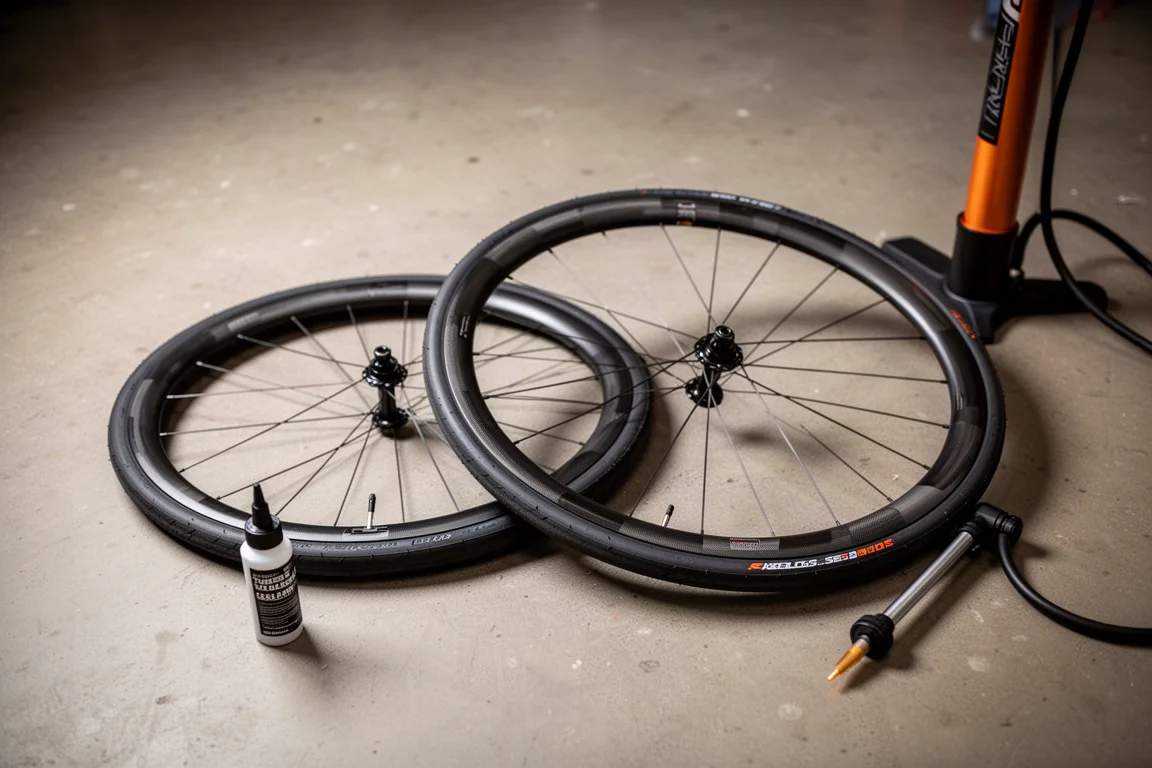
That leftover budget is genuinely a matter of personal priority, but the wheels and tyres are the part that will be felt on every ride. If you would rather not carry out the upgrades at all, the Canyon Endurace CF 8 below is the alternative to consider.
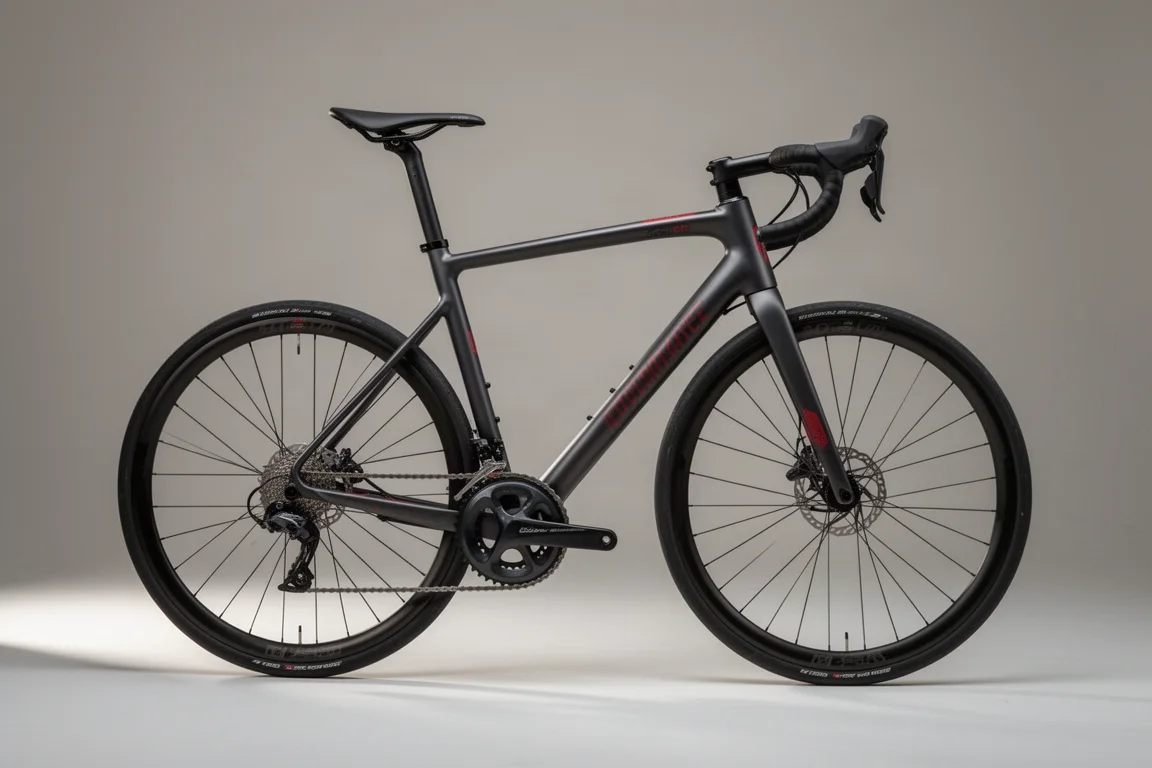
Canyon Endurace CF 8: The Carbon Alternative
The Endurace CF 8 costs £2,899 and answers the obvious question about carbon frames. It uses a carbon frame with a carbon cockpit and seat post, comes with decent wheels, Continental GP5000 S TR tyres and a comfortable saddle.
An earlier version of this bike was rated four out of five, with the only real criticism being heavy wheels. The current version upgrades both the wheels and the tyres, which addresses that weakness directly. The wheels will not match a set of deep-section carbon race wheels for weight or aerodynamics, but they are good enough for the job and the bike arrives £100 under the £3,000 ceiling.
For riders who want a finished carbon bike with no assembly or upgrade work, this is the most straightforward way to spend the budget. The trade-off is that you give up the ability to choose every component yourself, which is exactly what the frame set route provides.
Buying Advice
The strongest argument for the frame set route is waste. If you buy a lower-cost complete bike and then replace the cockpit, seat post and saddle, you are left with a pile of basic components that have almost no resale value. Building from a frame set avoids that entirely, because every part on the finished bike is one you chose.
The counter-argument is labour. If you are not building the bike yourself, budget around £300 for a mechanic, which pushes a £2,866 frame set build to roughly £3,100. That still leaves a bike that fits properly and needs no further upgrades, which is often worth the premium over a stock build.
Two rules are worth remembering. If electronic shifting matters, buy a bike that already has it fitted, because a stock build with Di2 is cheaper than adding it later. If you are choosing between a groupset upgrade and a wheel and tyre upgrade, choose the wheels and tyres. They change how the bike feels and how much it weighs far more than one tier of shifting does.
Conclusion
All three routes can produce an excellent bike at this budget, and the differences come down to how much control you want. A frame set build gives you the right fit, the right components and no wasted parts, provided you are willing to pay for assembly. A complete bike at the price point is simpler and often better specced than expected, particularly the Canyon Endurace CF 8 at £2,899. The upgrade path works best when you focus the extra money on wheels and tyres and accept that some original parts will be left over.
If you enjoy choosing components and want a bike that is set up for you from the first ride, the frame set route is the one that rewards the effort most.
Further reading
Related Reviews

Road Bikes
10 New Road Bikes Worth Watching: Aero, Titanium, Steel and Endurance Standouts
A practical roundup of 10 new road bikes, from aero flagships chasing single-watt gains to titanium, steel and endurance platforms built for real roads.
Road Bikes
2026 Tour de France Road Bikes: Six Race Machines Worth a Closer Look
Six race bikes from the 2026 Tour de France grid, reviewed for paint, silhouette, wheels and the specification details that matter to buyers.
Road Bikes
3T Strada Italia Review: A Radical Aero Road Bike That Rides Smooth
A made in Italy carbon aero road bike with a deep head tube, wide tire clearance and a genuinely comfortable ride. Here is what to know before buying.