Aquarium Setup
How to Set Up Your First Betta Tank: A Complete Beginner's Guide
A practical walkthrough for setting up a healthy betta aquarium, from choosing the right kit to acclimating your fish and maintaining water quality.
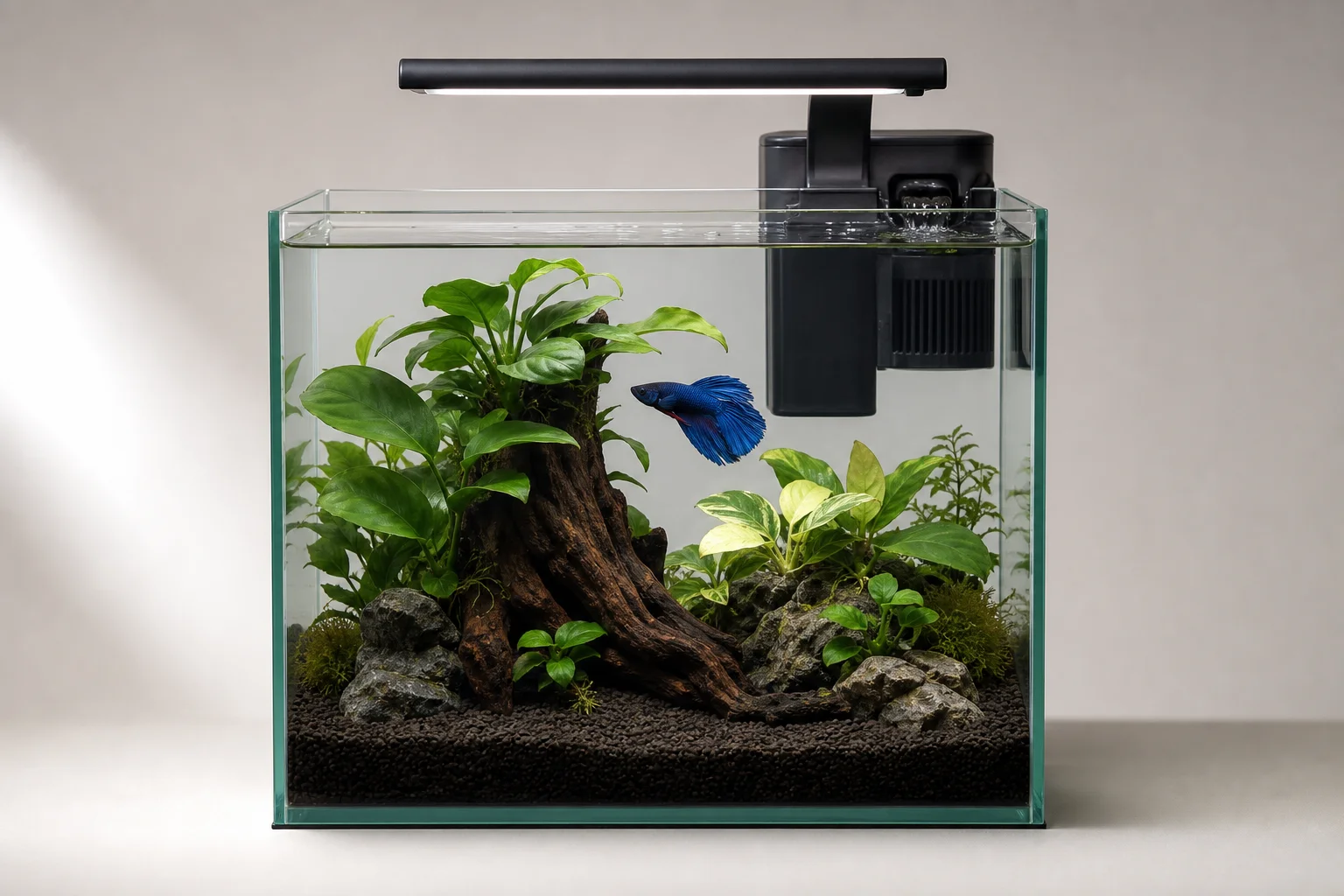
Introduction
Bettas are stunning fish, but they deserve far better than the cups they’re often sold in or the decorative bowls many people assume are adequate. A proper betta setup creates an environment where your fish can thrive, not just survive. The good news is that setting up a healthy betta tank is straightforward, especially with the right kit and a few key products to support the process.
Understanding Betta Needs
Bettas come from heavily planted natural environments in Southeast Asia. They need space to swim, places to hide, stable water temperature, and clean water free from harmful chemicals. A minimum of 5 gallons is ideal, though smaller kits can work if you commit to regular maintenance. The key is avoiding stagnant water and providing enrichment through plants and shelter.
Preparing the Tank Foundation
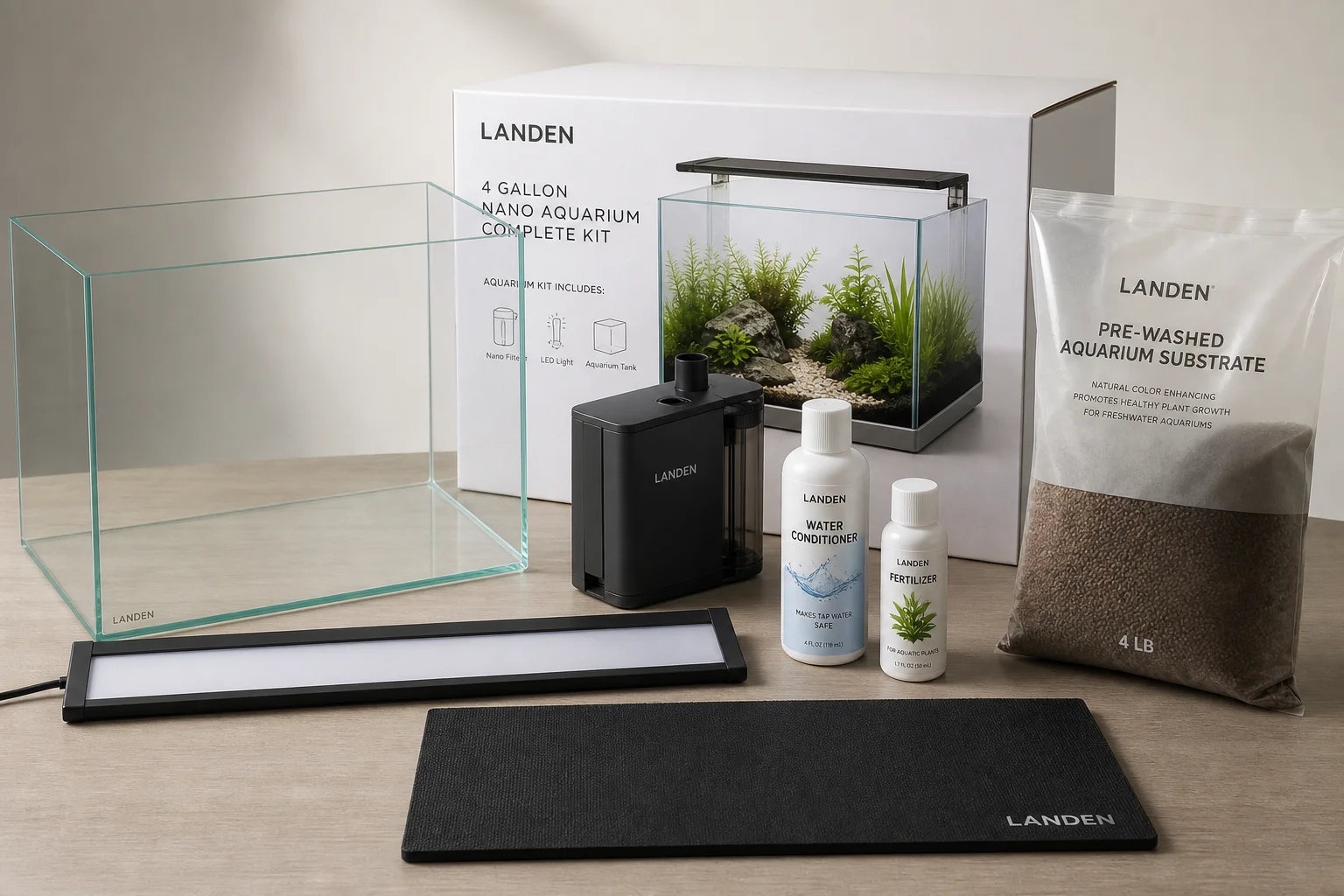
Start by placing your aquarium on a level surface. A leveling mat protects the glass and ensures the tank sits evenly, which is especially important for structural integrity. Pour your substrate into the tank, spreading it to a depth of 1 to 3 inches. Pre-washed soil allows you to skip the rinsing step and go straight to filling.
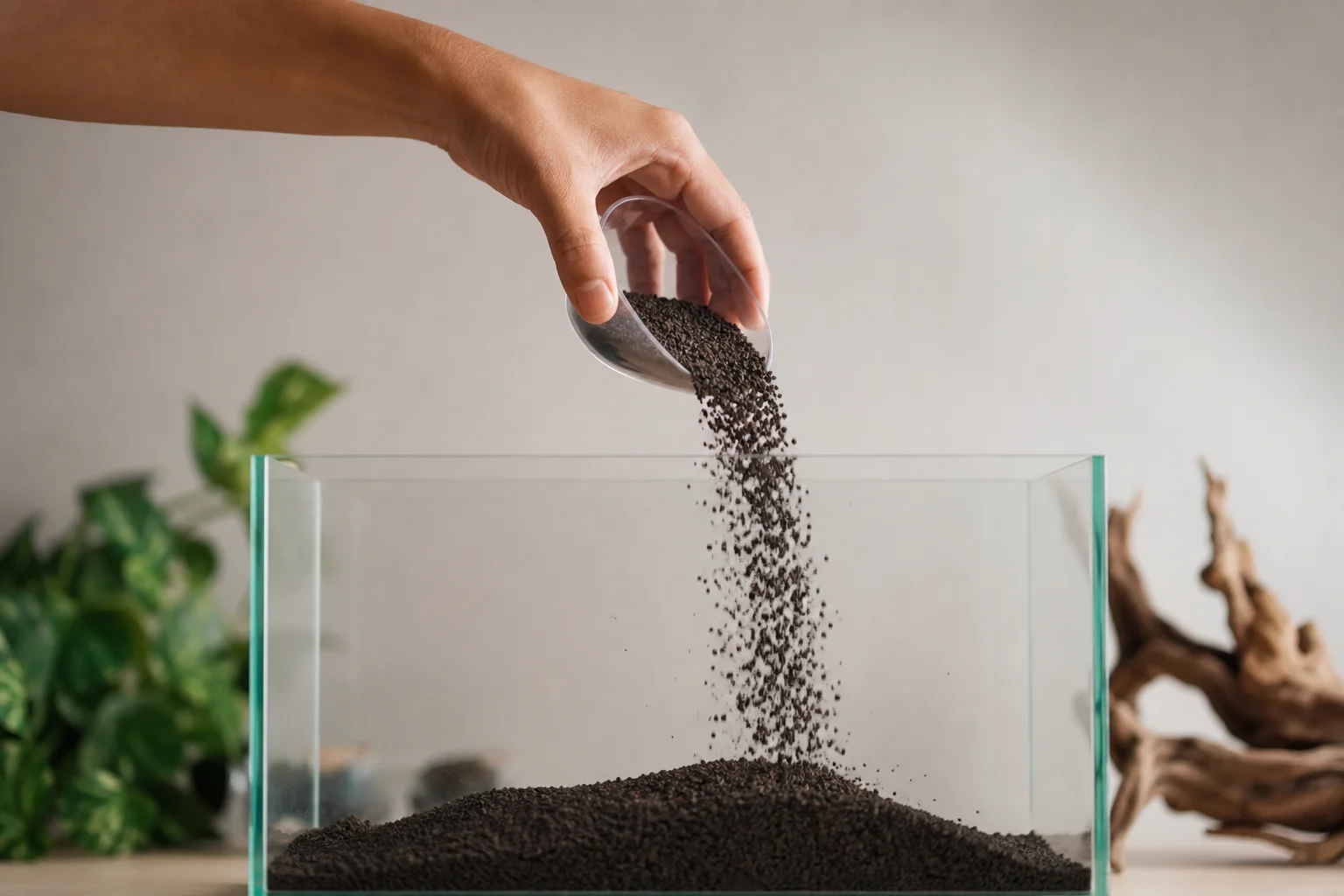
The substrate serves two purposes: it anchors live plants if you choose to add them, and it provides a natural-looking base that bettas find comforting. Spread it evenly across the bottom before moving to the next step.
Installing the Filter System
A compact nano filter is ideal for small betta tanks. These filters typically come with layered media that removes both coarse debris and fine particles. Before installing, remove any protective bags from the media cartridge. The filter design should allow you to adjust the outflow direction, either pointing downward for corner placement or toward the surface for gentler water movement.
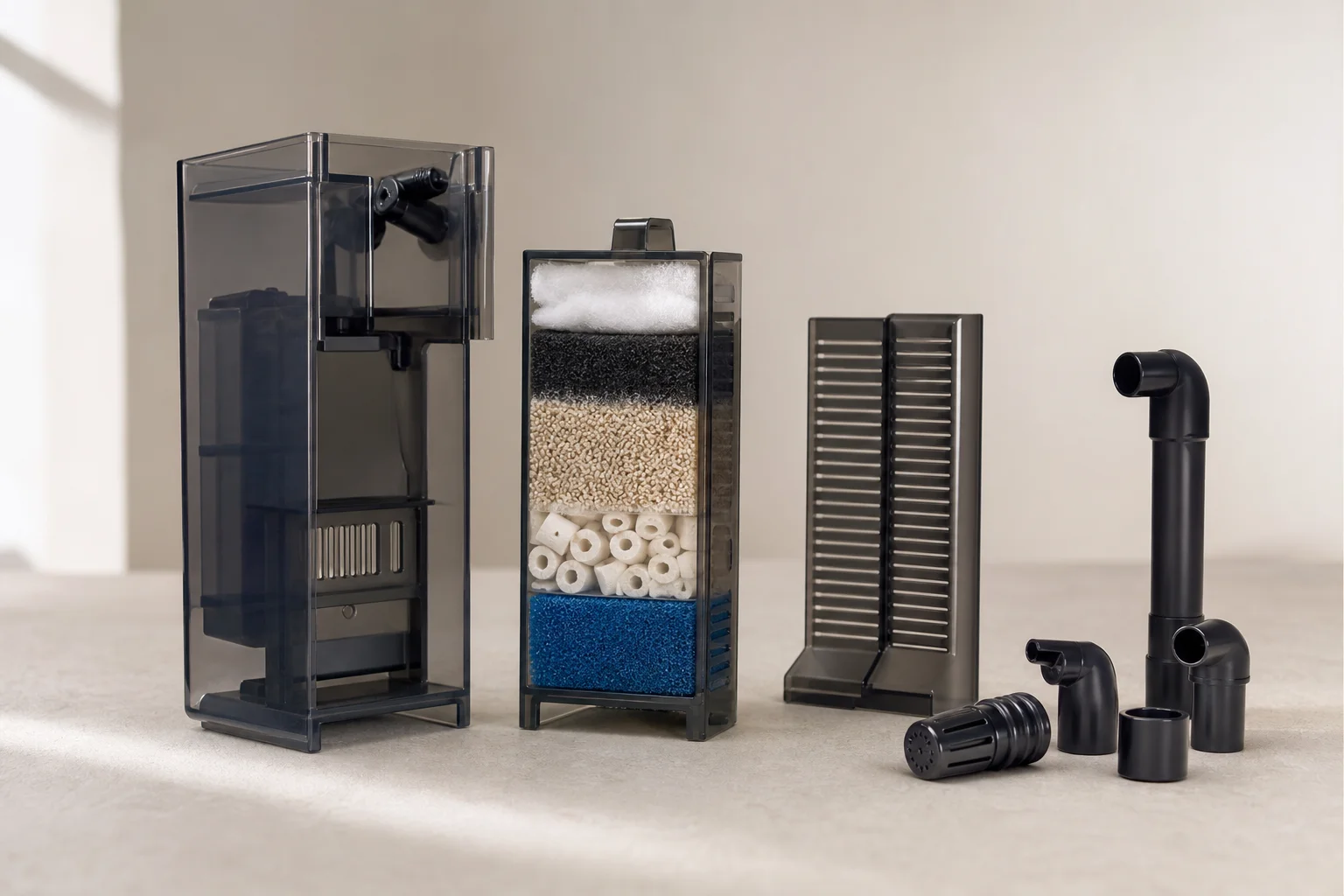
Position the filter intake and outflow so water circulates throughout the tank without creating excessive current that stresses your betta. Most nano filters snap together easily and require no tools. Once installed, you can adjust the outflow direction as needed.
Adding a Heater
Bettas require water temperatures between 75 and 80 degrees Fahrenheit. A small submersible heater is essential. Many heaters can be buried under the substrate to keep them out of sight. Never turn on the heater until water is in the tank. Place it in position before filling, then power it on once the tank is full.
Treating Your Water
Tap water contains chlorine, which is harmful to fish. Before adding water to your tank, use a dechlorinator to neutralize chlorine and chloramine. Follow the product instructions for dosing based on your tank size. For a 4-gallon tank, you typically need only a small amount. Add the dechlorinator to the tank, then fill slowly using a cup or pitcher to minimize splashing and substrate disturbance.
Adding Live Plants
Live plants improve water quality and provide shelter. Anubias species are excellent beginner choices because they’re hardy, low-light tolerant, and don’t require planted soil. Anubias Nana Petite, Anubias Nana, and Anubias Golden are all suitable options. Rather than burying them in substrate, anchor them to rocks using fishing line or zip ties, allowing roots to flow freely into the water column.
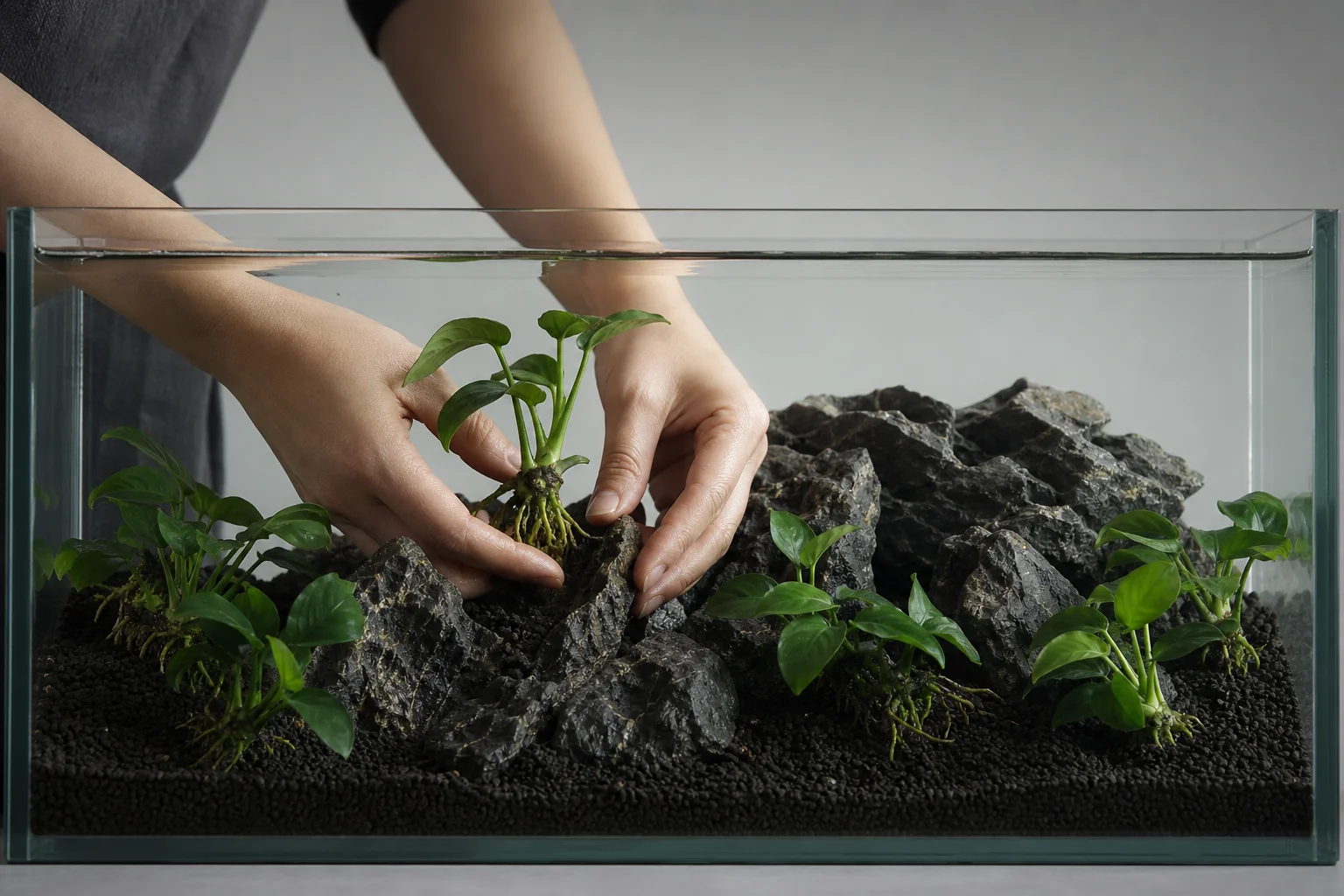
Position plants to create sheltered areas where your betta can rest and feel secure. Bettas naturally seek shelter, so creating small caves or dense plant areas reduces stress and encourages natural behavior.
Establishing Beneficial Bacteria
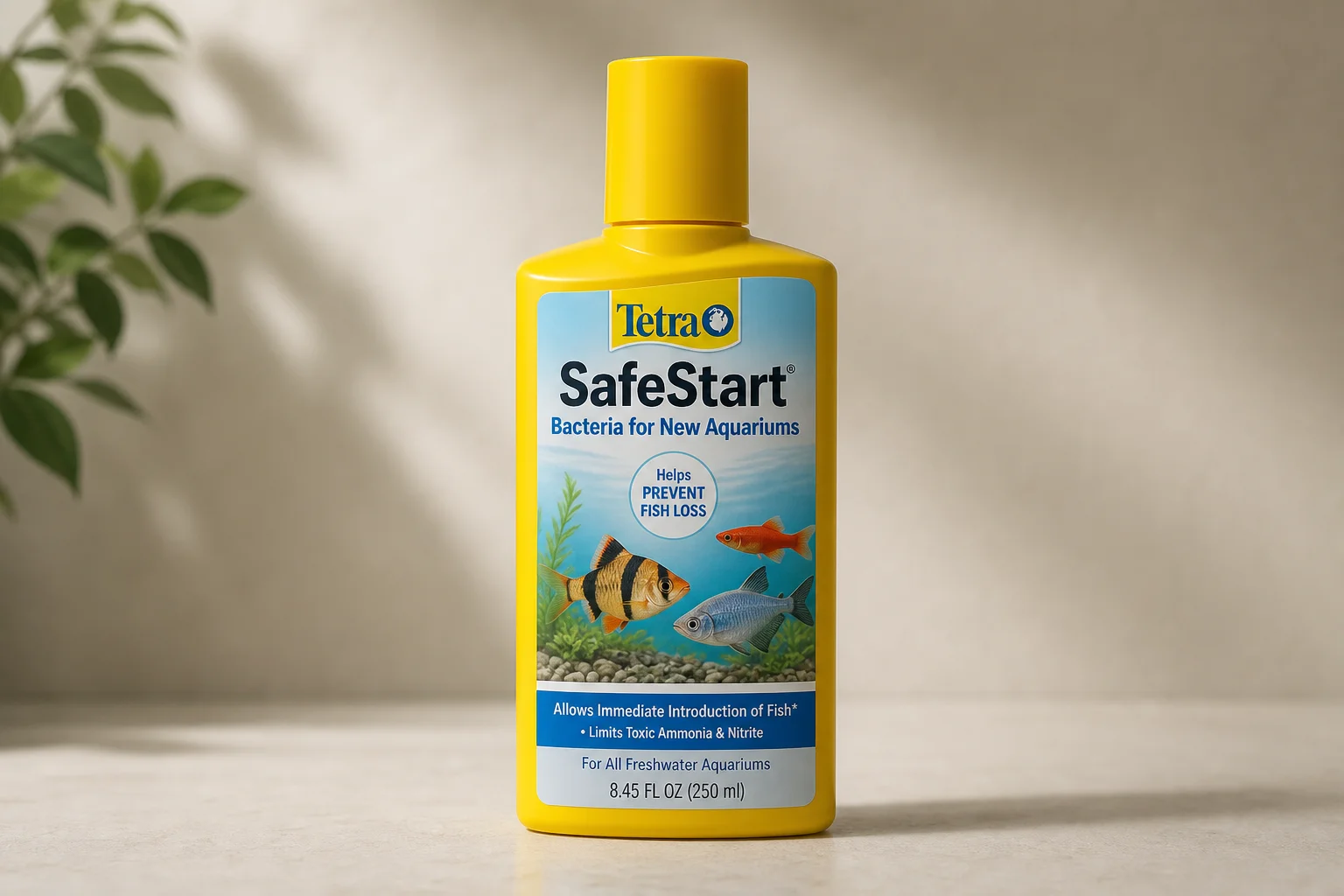
New tanks lack the beneficial bacteria needed to process fish waste. Ammonia and nitrite can spike and harm your fish. Adding a bacterial starter culture immediately after filling helps establish the nitrogen cycle faster, protecting your fish during the critical first weeks. Follow the dosing instructions on the product label.
Acclimating Your Betta
Never dump your betta directly into the tank. Instead, float the sealed bag or acclimation cup in the tank for 1 to 2 hours. This allows the fish to adjust to the water temperature gradually, reducing stress and shock. After acclimation, gently guide the fish into the tank by tilting the cup and letting it swim out on its own.
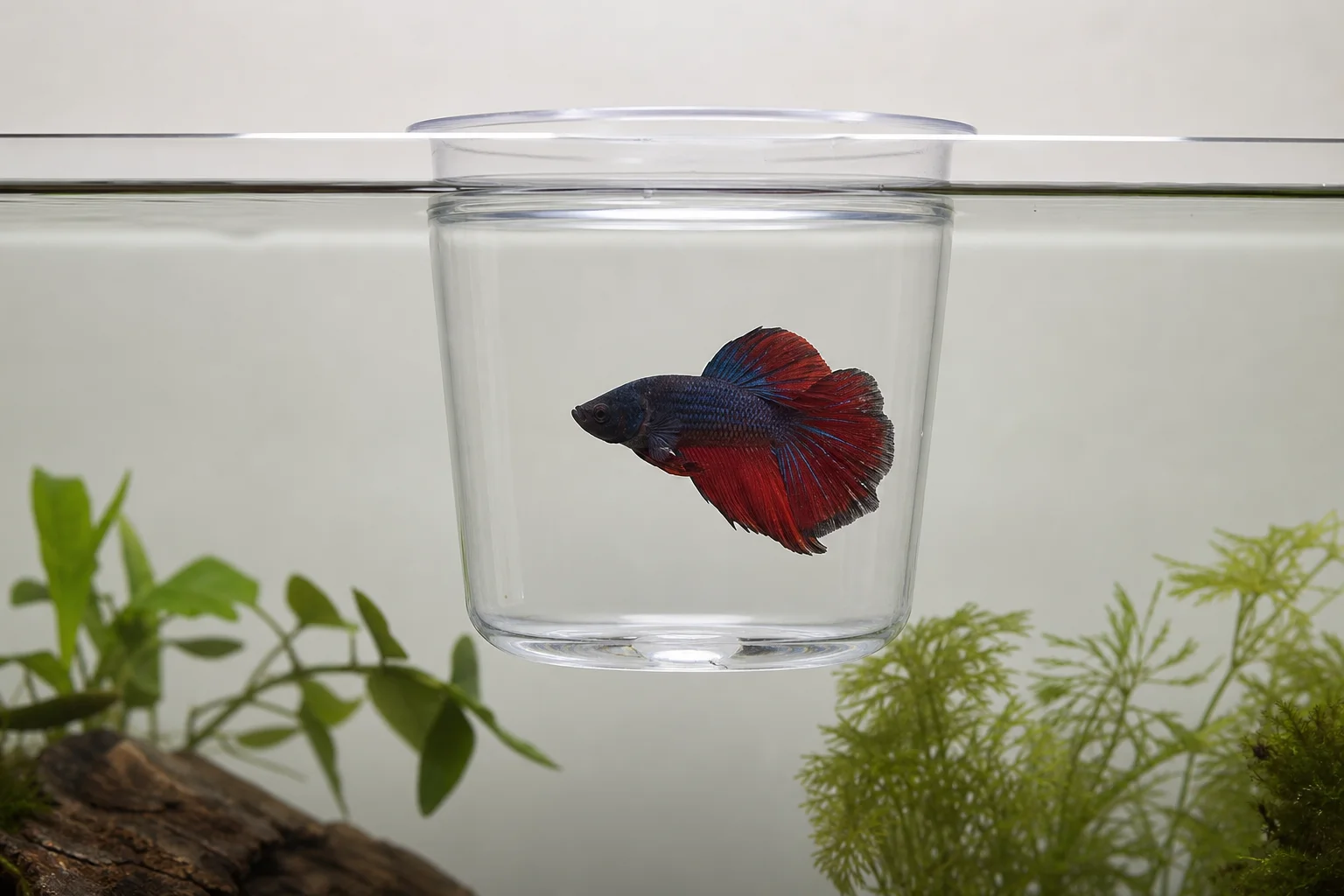
Avoid feeding your betta immediately after introduction. New fish are often stressed and won’t eat. Wait until the next day to begin regular feeding.
Feeding Your Betta
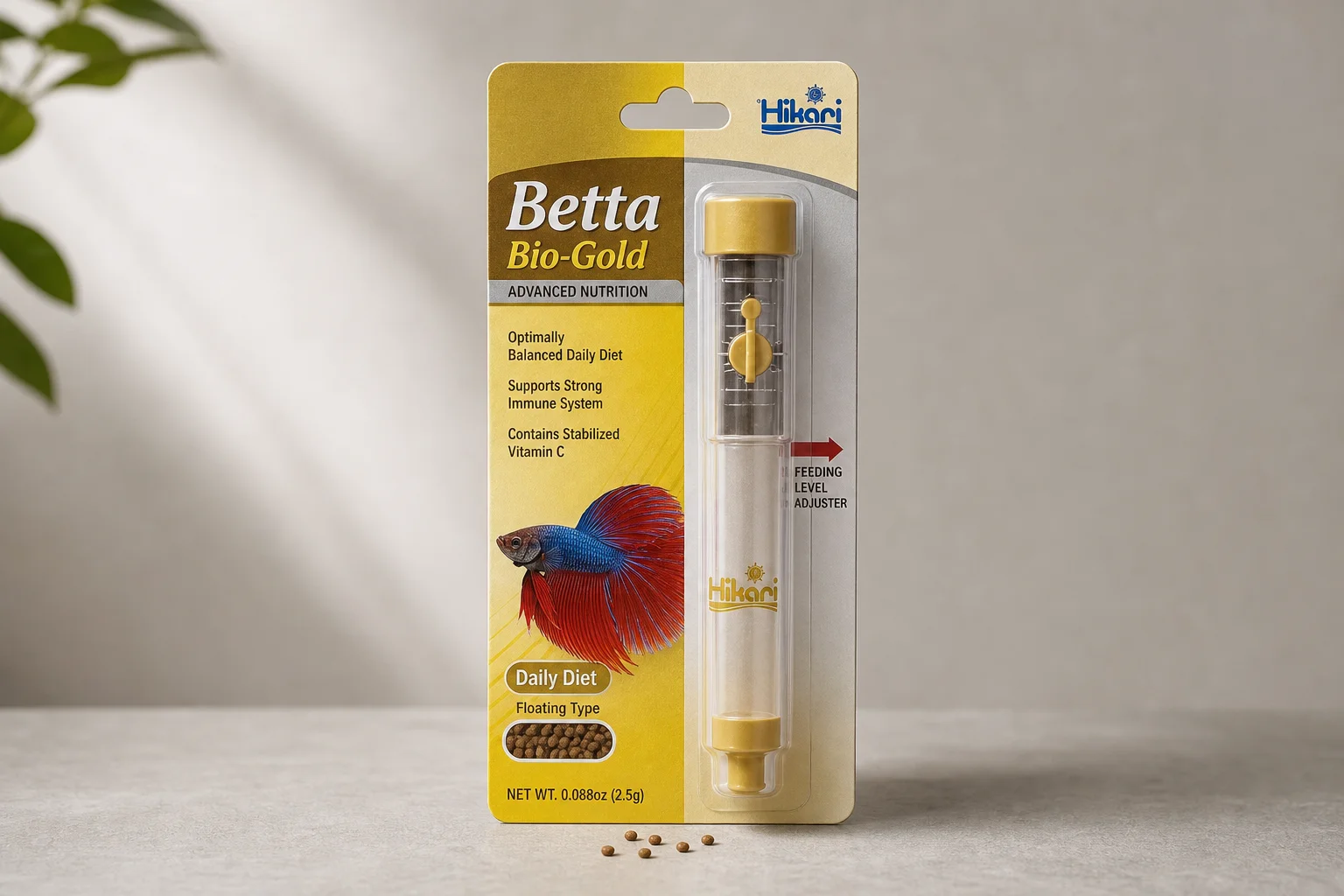
Overfeeding is one of the most common mistakes in betta care. High-quality pellet foods designed for bettas are ideal. A specialized feeder tube can help you portion food correctly, dispensing only a few pellets at a time. Start with 2 to 3 pellets, then gradually increase to a maximum of 10 pellets per feeding once your fish is settled. Feed once daily or split into two small meals.
Ongoing Maintenance
Keep your aquarium clean and clear with basic tools: an algae scraper for the glass and a small vacuum for the substrate. Place your light on a timer set to 6 hours per day to prevent excessive algae growth. Regular water changes and filter maintenance keep the environment stable and healthy.
Conclusion
Setting up a proper betta tank takes a few hours but creates a thriving home for your fish. With the right kit, essential products, and attention to water quality and temperature, your betta will display vibrant colors, active behavior, and a longer, healthier life than fish kept in cups or bowls.
Further reading
Related Reviews
Aquarium Setup
Saltwater Paludarium One Year Review: Lessons from a Hybrid Aquarium Setup
After 12 months maintaining a saltwater paludarium, key lessons on lighting, flow management, plant care, and the unexpected challenges of mixing marine and terrestrial ecosystems.
Aquarium Setup
Setting Up a CO2 System for Your Aquarium: A Complete Guide
Step-by-step instructions for installing and configuring a dual-stage CO2 regulator, from tank connection through diffusion setup and pressure tuning.

Airsoft Gear
Airsoft Beginner's Essential Gear Guide: What You Actually Need to Start Playing
A practical breakdown of the core equipment required to play airsoft, from eye protection and AEGs to magazines and protective gear, with honest advice on what matters and what you can skip.