Road Bikes
How to Choose the Right Road Bike: Aero, Climbing, Endurance and All-Rounder Explained
A practical guide to road bike categories, rider proportions, and two standout options: the custom-built Sarto Trireme and the all-rounder Basso Astra.
Introduction
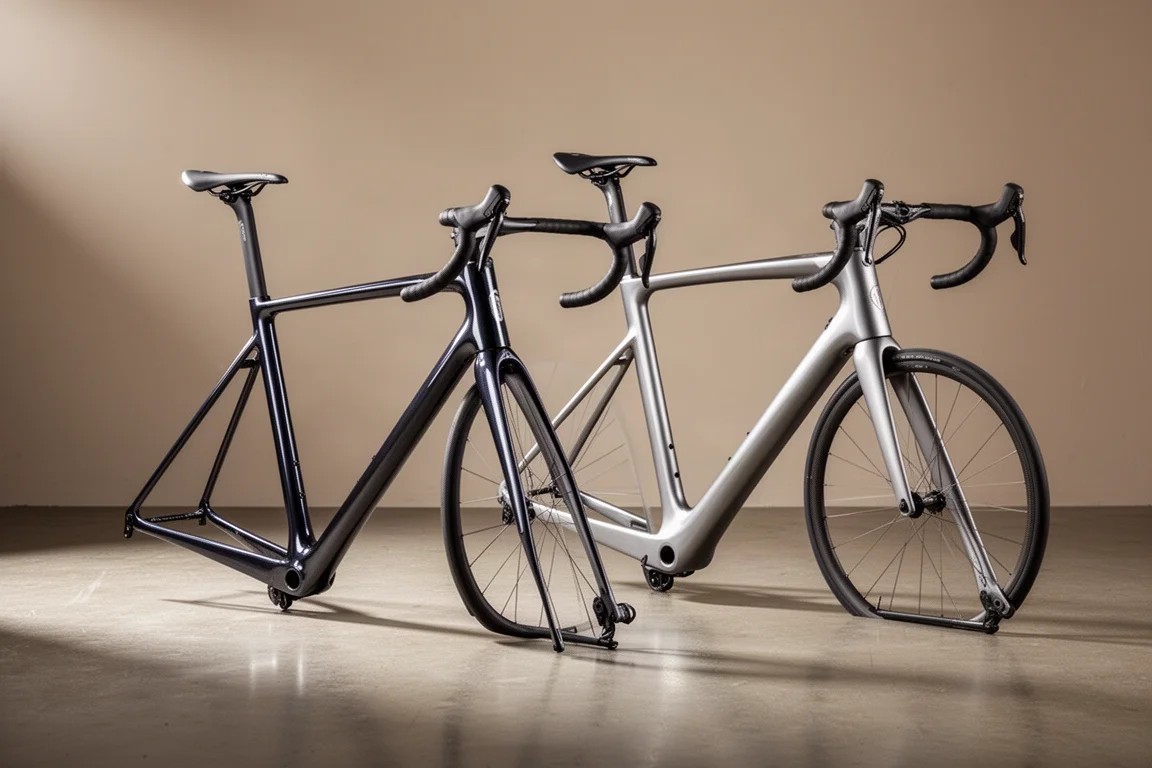
Road bikes are not a single product category. Two bikes that look broadly similar in a shop can behave very differently once you are riding them, because tube profiles, frame geometry and frame weight all change how a bike feels and who it suits. Choosing well comes down to matching the frame to your body and to the kind of riding you actually do.
This guide walks through the main road bike categories, explains why rider proportions matter as much as the specification sheet, and looks closely at two options at different points on the spectrum: the custom-built Sarto Trireme and the all-rounder Basso Astra.
How Road Bike Categories Change the Ride
Most road bikes on sale fall into one of a few broad families: aero, climbing, endurance, and the increasingly popular all-rounder that blurs the boundaries between them. Each family makes trade-offs. Aero bikes chase speed, climbing bikes chase low weight, endurance bikes chase stability and comfort, and all-rounders try to take a useful slice of each.
The trick is working out which of those trade-offs you will actually notice. A rider racing twice a week and a rider doing long weekend loops with friends do not benefit from the same frame, even if both want a road bike.
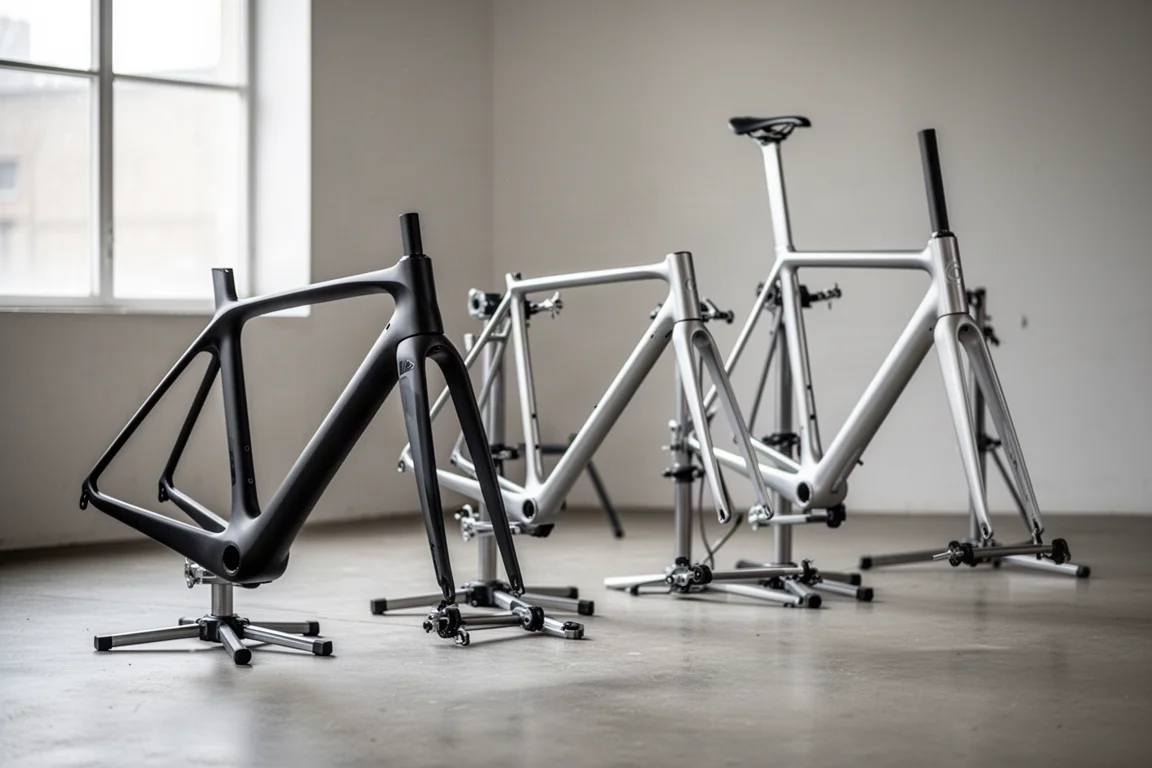
A little geometry vocabulary makes the differences easier to read. Seat tube angle affects how far forward the saddle sits over the bottom bracket. Top tube length and front end height determine how long and how low the riding position becomes. Stack and reach describe the relationship between the bottom bracket and the top of the head tube, and together they tell you whether a frame will feel tall and short or low and stretched out. Once those three ideas are clear, the categories below stop sounding like marketing language.
Aero Bikes: Deeper Tube Profiles and Aggressive Geometry
Aero bikes are defined by their aerodynamic tube profiling, with truncated and deeper tube shapes than other categories. They typically use steeper seat tube angles and more progressive racing geometry, which places the saddle further forward over the bottom bracket for more efficient pedalling.
The position is deliberately low and long. Top tubes tend to be longer and the front end lower, so the rider adopts an aggressive racing posture. That makes aero bikes a strong fit for category racers and fast club cyclists, and for riders who simply enjoy the feel of a quick bike. Riders with long torsos and short legs often get along with them particularly well, because the longer reach is easier to accommodate.
It is worth reading the small print on some aero models, because rider weight limits are sometimes imposed on the frames.
Climbing Bikes: Low Weight, Familiar Geometry
Climbing bikes borrow heavily from their aerodynamic counterparts. Tubing is usually slightly less truncated, the geometry is very similar, and the seat tube angle is often slightly slacker. The defining goal is low weight, and that shows up in frame figures.
A climbing bike suits weight-conscious riders and, broadly, the same group of riders who get on well with an aero bike. The riding position is comparable, often a touch more aggressive.
Frame weight is not the whole story. A handmade frame with custom tube profiles and a custom layup can come in around 830 to 840 grams, while some mass-produced frames can be lighter still. What a handmade frame offers instead is that it is designed around an individual rather than a size chart. Rider weight limits also appear on some climbing models, so check before buying.
Endurance Bikes: Stability and Comfort for Most Riders
Endurance bikes are the category best suited to most newer riders. They usually have taller head tubes and shorter top tubes, and the geometry is designed to feel more stable. Wider tyre clearance is common, along with suspension systems or vibration damping intended to improve comfort.
That combination makes them well regarded for longer distances, which is where the name comes from. They tend to suit riders who are new to the sport, heavier riders, older riders, people who spend long periods sitting at a desk, and riders with short torsos and long legs, who benefit from a shorter reach and a taller stack.

Some experienced riders find endurance bikes less exciting to ride than a race bike, and that is a fair criticism rather than a flaw. The category trades a little sharpness for stability, easier handling and comfort over distance. If your priorities are finishing long rides feeling fresh and feeling confident in traffic, that is a sensible trade.
Rider Morphology: Why Reach and Stack Matter
Rider proportions matter as much as the frame itself. Most riders have a reasonable idea of whether they have a short torso with long legs or a long torso with short legs, and that difference changes which bikes work well.
Riders with long torsos and short legs can generally ride a wide range of options, including long and low race geometry with a long stem. Riders with long legs and short torsos are far more common, and they are the ones who end up stretched out and overextended on the wrong frame. They benefit from a shorter reach and a taller stack.
The difficulty with racing frames in this situation is that shortening the position usually means lowering the front end, which taller riders and short-torso riders often cannot tolerate comfortably. That is why the same frame can feel composed under one rider and unrideable under another, and why a bike fit is worth more than an upgrade part.
Custom Climbing Bikes: Sarto Trireme
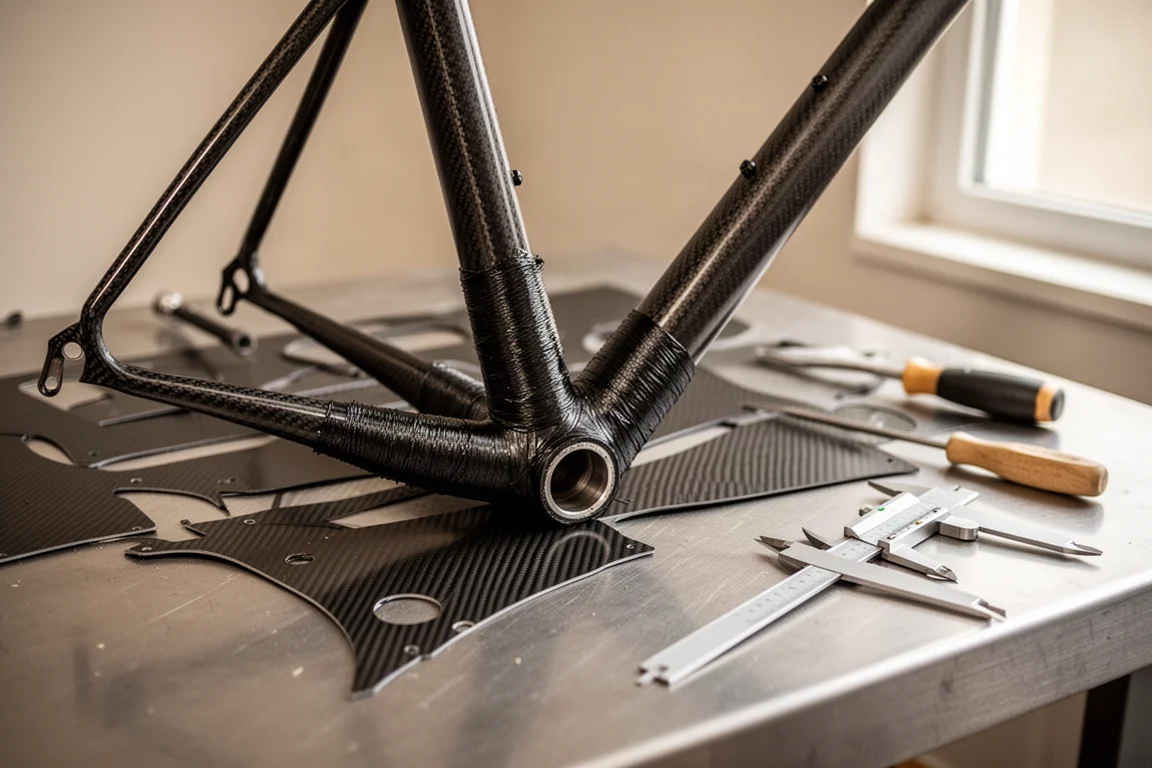
The Sarto Trireme is a handmade frame from Veneto, just outside Venice in Italy, and it is a useful illustration of what custom really means. The frame begins as a sheet of carbon fibre cut to micron-level thinness and laser cut, after which the tubes, the geometry and even the carbon layup are made for the individual rider.
In weight terms, the Trireme frame comes in around 830 to 840 grams, with the design built around low weight and climbing. Because each frame is made for a specific rider, the usual split between endurance models and race models largely disappears. The question of whether to choose a comfortable frame or a fast one matters less when the bike is designed around you.
Pricing has also moved on from the days when custom frames were seen as an unattainable category. Complete Sarto bikes start at around 7,500 with electric gears and carbon wheels, and a build of this kind comes in at about 12,000.
For riders who keep running into fit compromises on production frames, this is the option that removes the compromise rather than working around it. The trade-off is cost and the fact that a custom frame is a considered purchase rather than a spontaneous one.
All-Rounder Bikes: Basso Astra
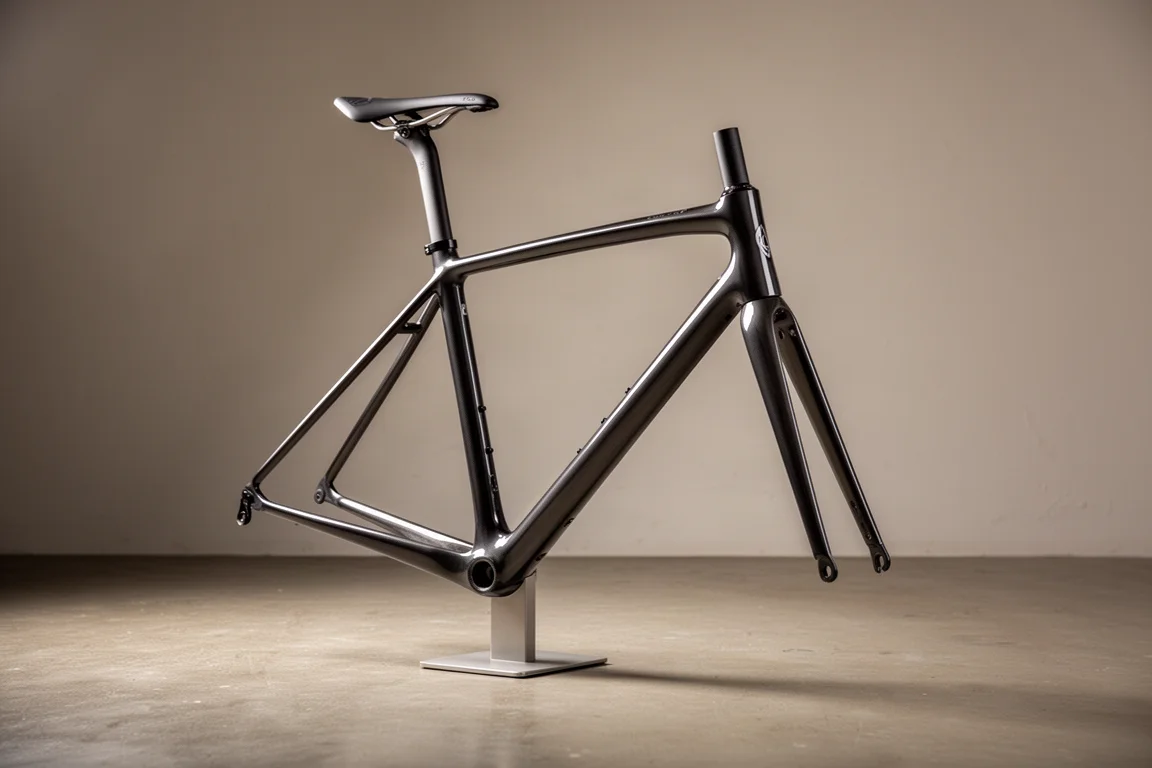
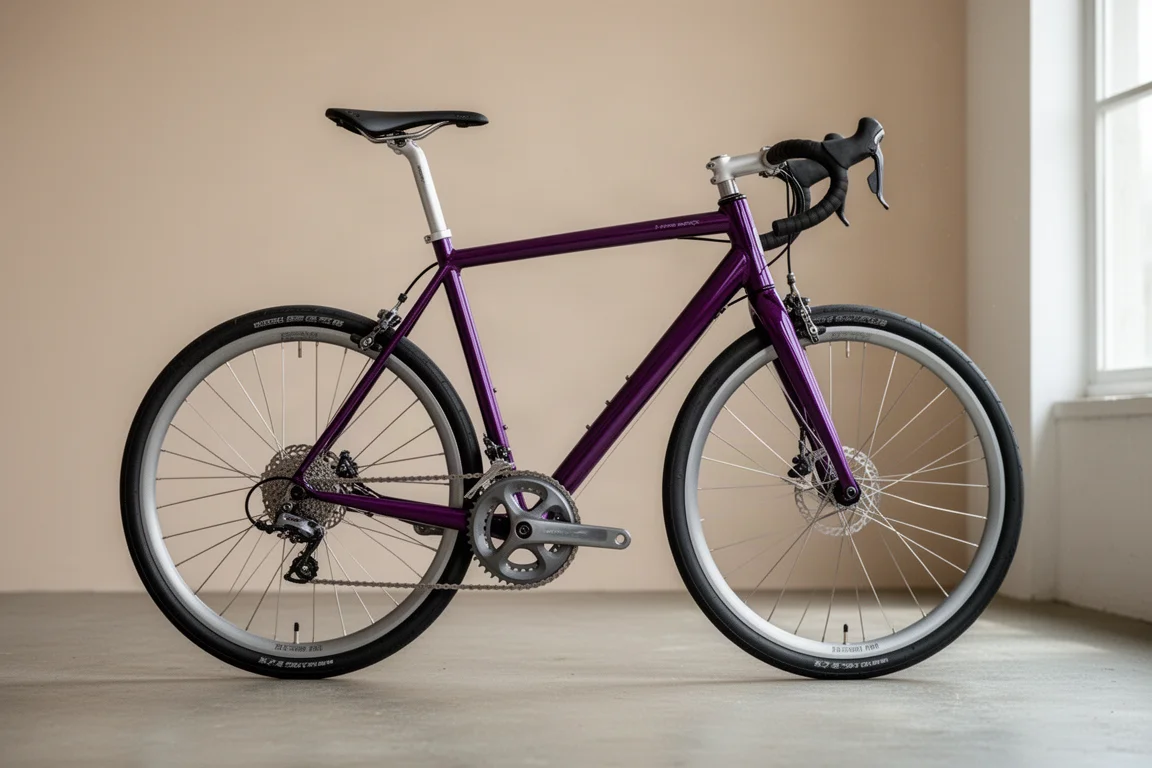
The Basso Astra sits in the space between a racing bike and an endurance bike, and it is a good example of a bike that blurs the lines rather than committing to one extreme. Head and seat angles sit at around 73 degrees, giving it a slightly taller and slightly shorter stance than a pure race bike, without the more relaxed feel of a typical endurance frame.
It uses an integrated cockpit and is presented as made in Italy. The intention is a ride that is more engaging than a benign endurance bike while remaining easier to live with than an aggressive racer. It is also described as good value for money, which makes it worth a look for riders genuinely torn between the two categories.
Buying Advice: Matching the Bike to the Rider
Start with your body and your riding, not with whichever category looks fastest. If you race or ride fast in a group and have the proportions for a long, low position, an aero bike makes sense. If low weight is the priority and you like the same general geometry, a climbing bike is the natural alternative.
If you are newer to the sport, ride longer distances, or simply want a stable and comfortable platform, an endurance bike is usually the safer and more enjoyable choice. If you sit between those two worlds, an all-rounder like the Basso Astra covers both without committing fully to either.

Budget matters too, but it is worth spending on fit before spending on components. Confirm tyre clearance and comfort features if long-distance riding is the goal, and check the small print for rider weight limits on aero and climbing frames. If fit is the thing that keeps going wrong, a custom frame is the option that solves it from the first ride.
Conclusion
There is no single perfect road bike for everyone, but there is a right category for most riders. Aero and climbing bikes reward good fit and fast riding, endurance bikes prioritise stability and comfort, and all-rounders split the difference. Custom frames go a step further by designing the bike around the rider from the start.
Match the frame to your proportions and to the riding you actually do, and the decision becomes far simpler than the range of options suggests.
Further reading
Related Reviews

Road Bikes
10 New Road Bikes Worth Watching: Aero, Titanium, Steel and Endurance Standouts
A practical roundup of 10 new road bikes, from aero flagships chasing single-watt gains to titanium, steel and endurance platforms built for real roads.
Road Bikes
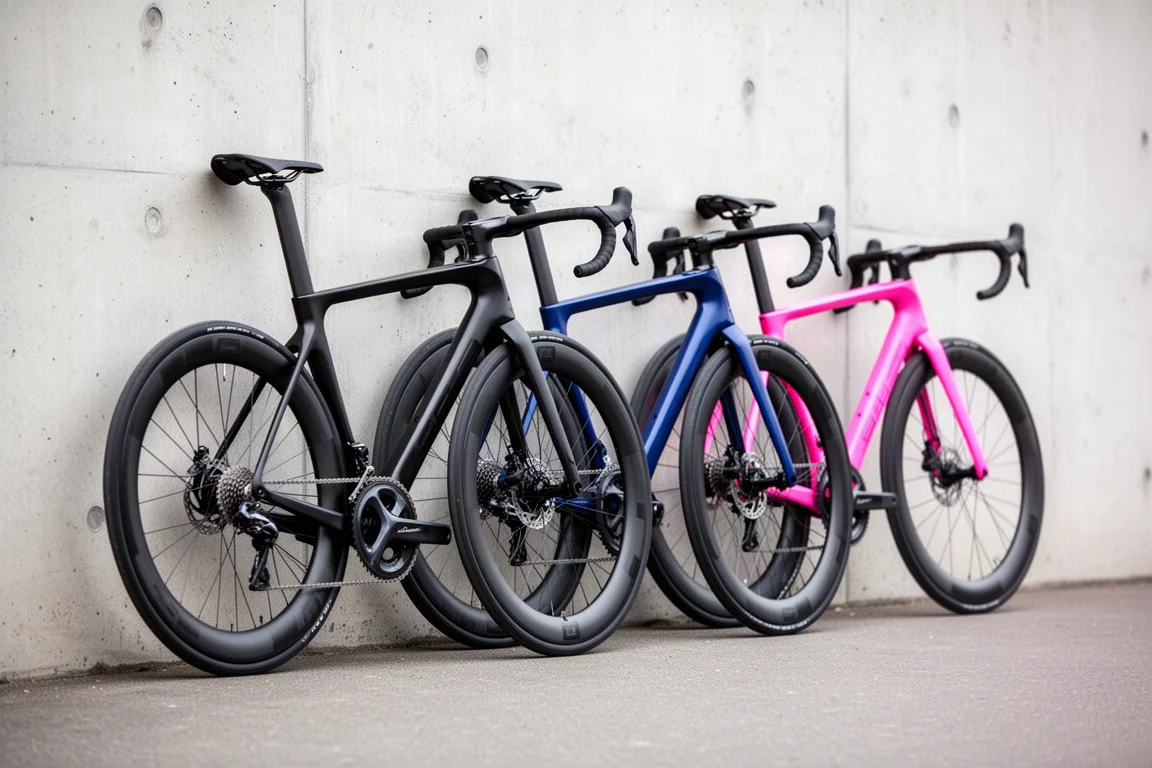
2026 Tour de France Road Bikes: Six Race Machines Worth a Closer Look
Six race bikes from the 2026 Tour de France grid, reviewed for paint, silhouette, wheels and the specification details that matter to buyers.
Road Bikes
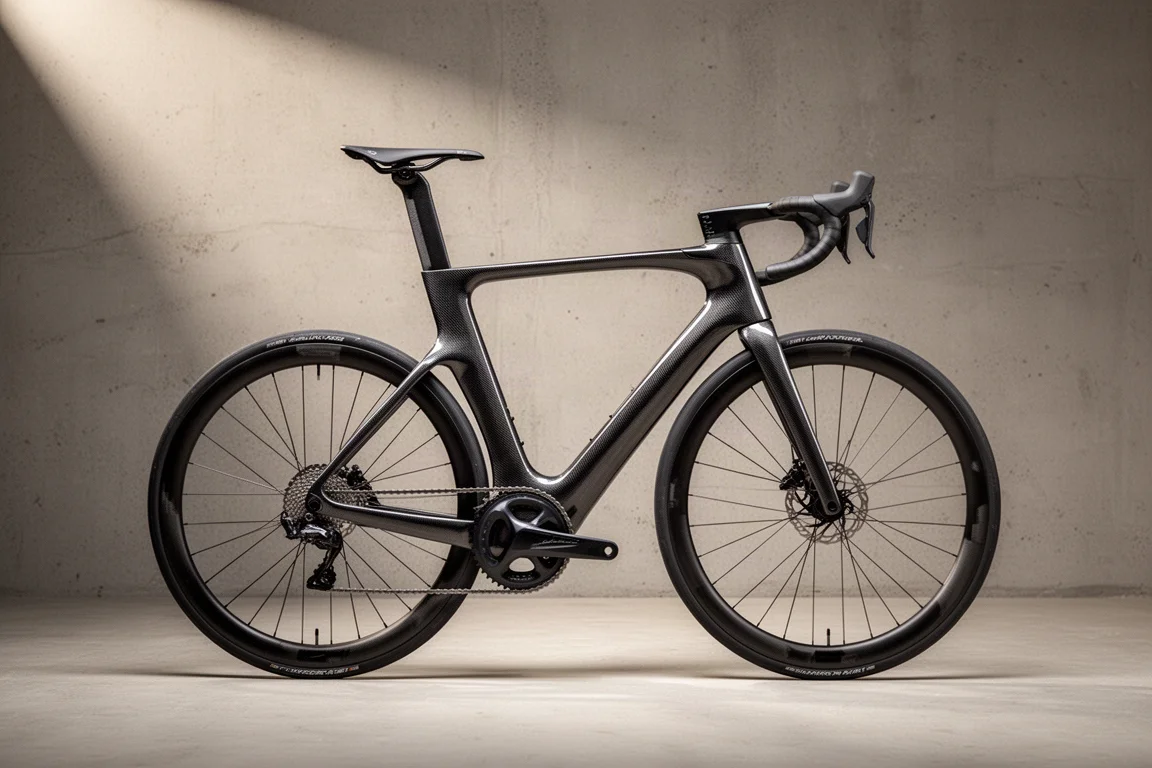
3T Strada Italia Review: A Radical Aero Road Bike That Rides Smooth
A made in Italy carbon aero road bike with a deep head tube, wide tire clearance and a genuinely comfortable ride. Here is what to know before buying.