Cycling
How to Choose the Right Bike Saddle: Six Practical Tips and Saddles Worth Shortlisting
A practical guide to saddle shape, width, padding, cutouts and setup, plus a shortlist of saddles and chamois creams worth considering.
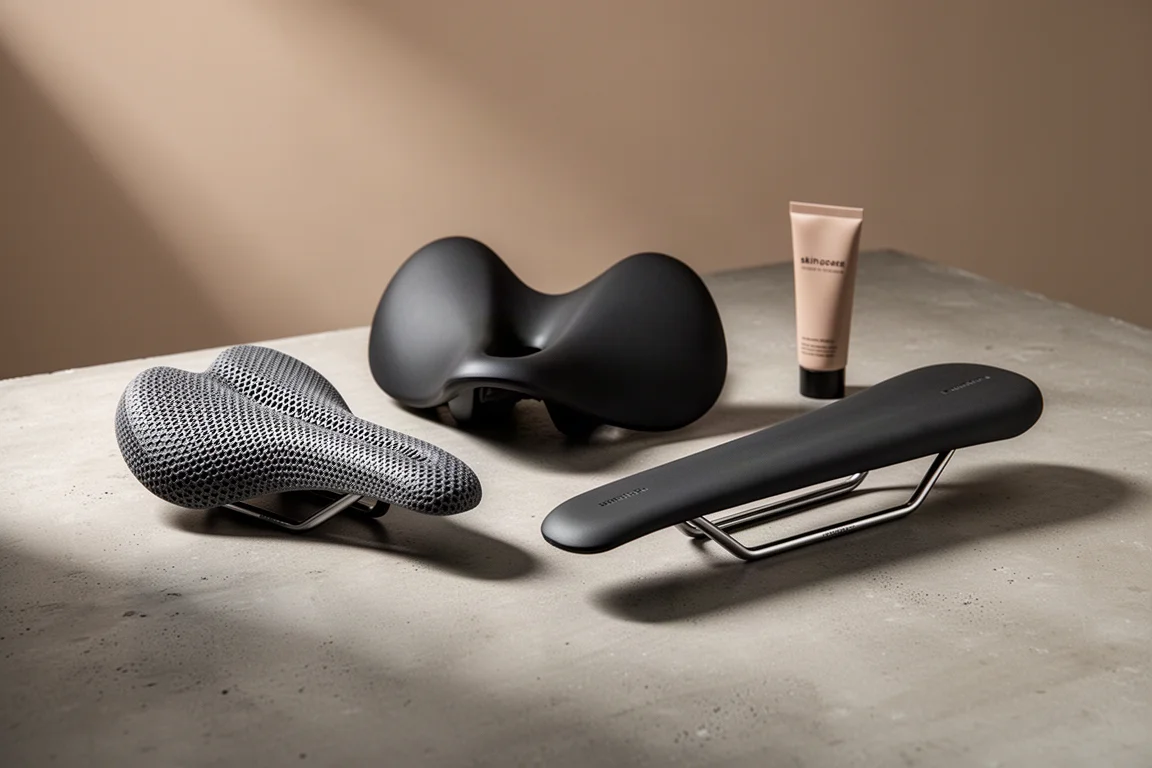
Introduction
Finding a saddle that disappears under you is one of the more stubborn problems in cycling. Road and gravel bikes now ship with genuinely good saddles from in-house brands, and plenty of riders never need to change anything. When a saddle does not work, though, it is worth shopping with a plan rather than guessing.
Saddle design has moved a long way from the leather era into plastic shells, foam padding and, more recently, 3D-printed surfaces. Brands have invested heavily in the research behind those shapes, which means there is far less guesswork involved than there once was. This guide covers the factors that matter most, shape, width, padding, cutouts, weight and setup, followed by a shortlist of saddles and skin-care products worth considering.
Start With Shape and Width, Not Price
Shape is the single biggest factor in whether a saddle suits you. A saddle needs to be narrow enough to allow freedom of pedalling and to avoid irritation, but wide enough to support your sit bones properly.
Saddle shape is usually matched to your position on the bike. Riders in a low, aggressive racing position generally do better on a shorter, narrower saddle, while riders who sit more upright on endurance or gravel bikes often prefer a wider shape. The difference between the two is marginal but clear once you place them side by side, and some brands offer two or three shapes to cover different positions and levels of flexibility.
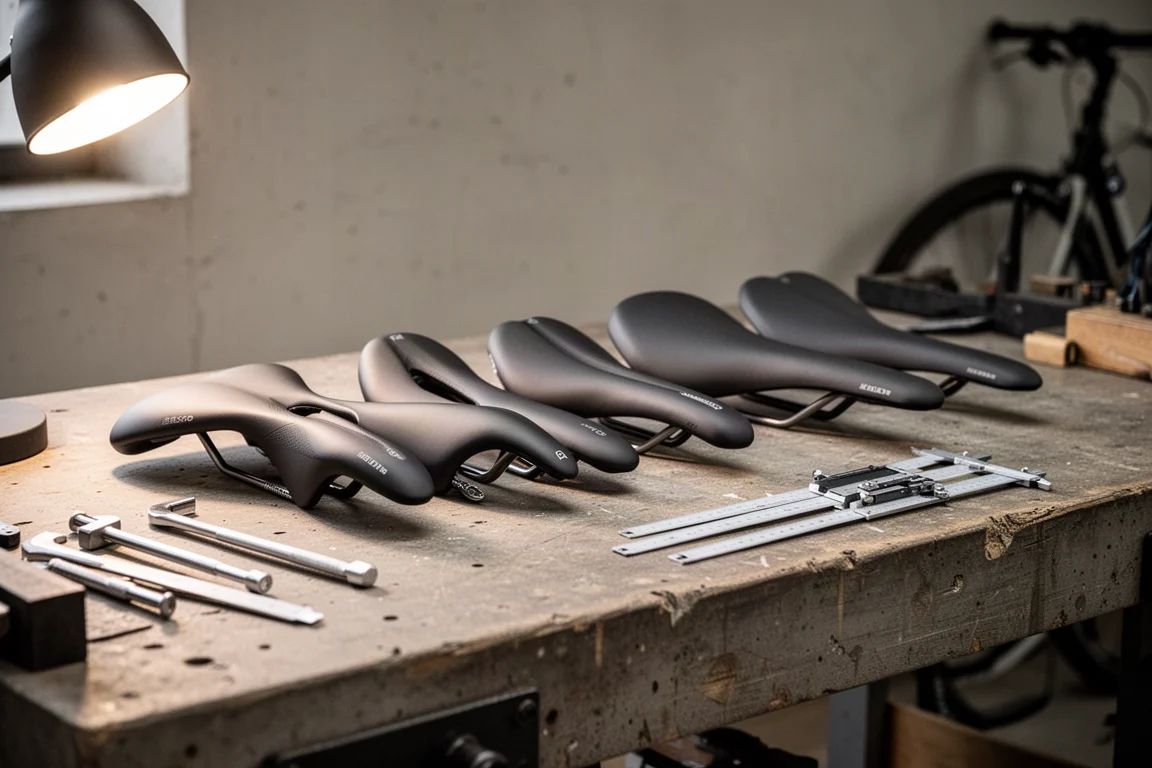
Many brands publish a fit calculator that recommends a shape based on their own research, which is a sensible starting point if you already like a particular brand. Plenty of riders fall outside those recommendations, which is exactly why trying a saddle before committing matters so much. A good shop that offers free saddle trials takes most of the risk out of the decision.
Width is personal and comes down to getting your sit bones properly located on the supported areas of the saddle. Measuring them is straightforward: many bike shops have a pressure-mapping pad you sit on, which shows where your sit bones land and points you toward the right width. A 143 mm saddle is a common middle ground, and most models are offered in narrower and wider versions of the same shape.
Padding, Cutouts, and the Rise of 3D Printing
Padding is the next consideration. As a rough rule, saddles aimed at racing have less of it, because a rider pushing hard on the pedals is partly supporting their own weight and does not need much cushioning under the sit bones. Newer riders, or anyone sitting more upright, usually want a little more.
More padding does not automatically mean more comfort. Deeply cushioned saddles can create more discomfort than firmer ones, which is why modern saddles use foams of different densities in different areas, often softer around the nose and firmer at the edges, to tune support for a specific riding style. A softer nose helps when you are riding right on the front of the saddle with your head down in the drops.
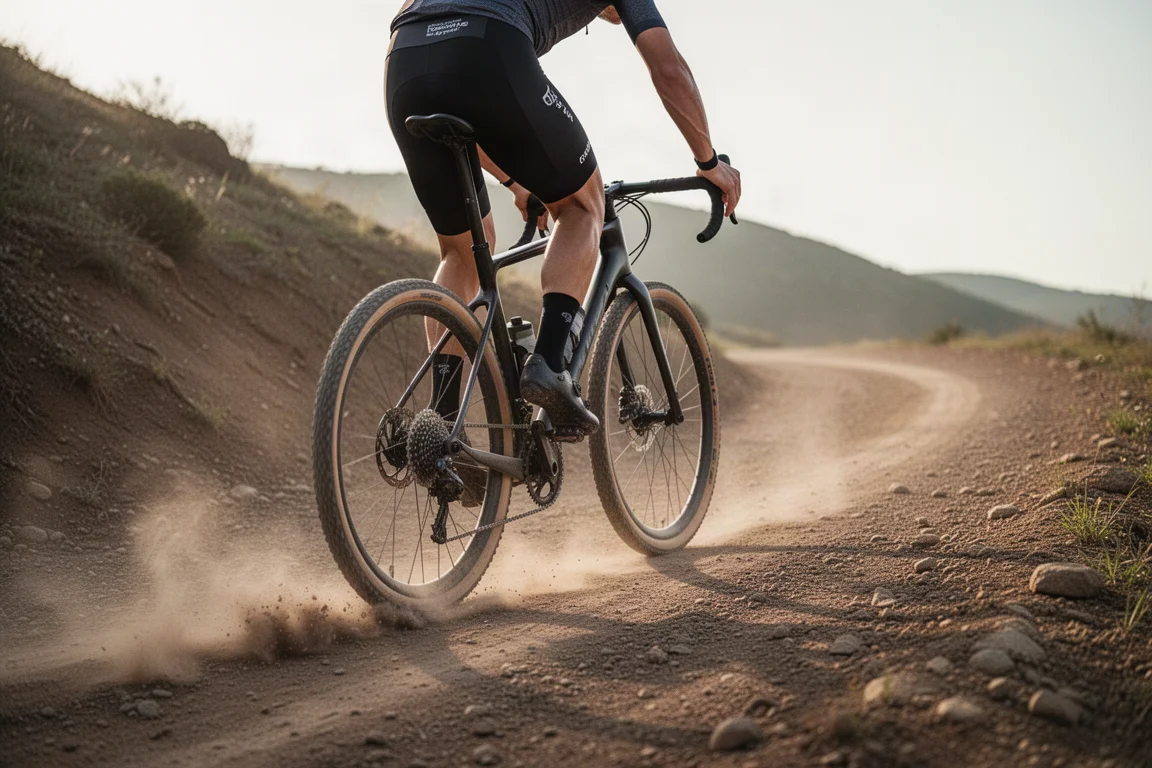
3D printing is the most interesting development in saddles in recent years. Printed surfaces allow support to be tuned zone by zone with more precision than a foam block can manage, which is why they tend to feel unusually comfortable. Long-term durability has held up well, and the main drawback is price, which is falling as the technology filters down to more affordable models.
Cutouts and channels are a separate question. A central hole, channel or recess is designed to relieve pressure on soft tissue and reduce numbness, and they are widely available because so many riders find them useful. They are not for everyone, and plenty of riders have spent years happily on flat saddles with no cutout at all. The sensible order is to get shape and width right first, then look at cutouts if discomfort down below persists.
Weight, Rails, and What Extra Money Actually Buys
Price is a poor guide to comfort. Some of the cheapest saddles around are among the most comfortable, and one-piece carbon models at the top of the market can be genuinely unpleasant over distance. Shape, width and padding have far more influence on how a saddle feels than the price tag does.
What extra money usually buys is lower weight. That comes down to the materials in the base and the rails: metal rails are heavier and cheaper, while carbon rails shave grams and add a significant amount to the cost. Whether that trade is worth it is personal, but comfort on such a critical contact point matters more than a small weight saving for most riders. A mid-range saddle with metal rails is a perfectly reasonable place to end up.
Saddle Setup: Position and Angle
Once you have chosen a saddle, two setup details matter: how far forward or back it sits on the seatpost, and its angle relative to the ground.
If you are replacing a saddle with one of a similar shape, starting from the same position usually works well. Moving from a long saddle to a short one changes the setup noticeably, and that is a good moment to work with a bike fitter or a shop that offers fitting. If you are starting from scratch, a simple approach is to set the rails in the middle of the seatpost clamp in a neutral position and adjust from there based on how it feels on the road.
Angle is just as important and just as personal. A saddle set level with the ground is the usual starting point: it stops you sliding forward as you would with the nose down, or backward with the nose up, and it keeps you supported while pedalling. Most saddles are designed around that level position, and it is worth making small adjustments across a few rides rather than settling on the first setting. In UCI racing the rulebook requires a saddle to be level with the ground, which says something about how these shapes are intended to sit.
Fizik Argo Adaptive
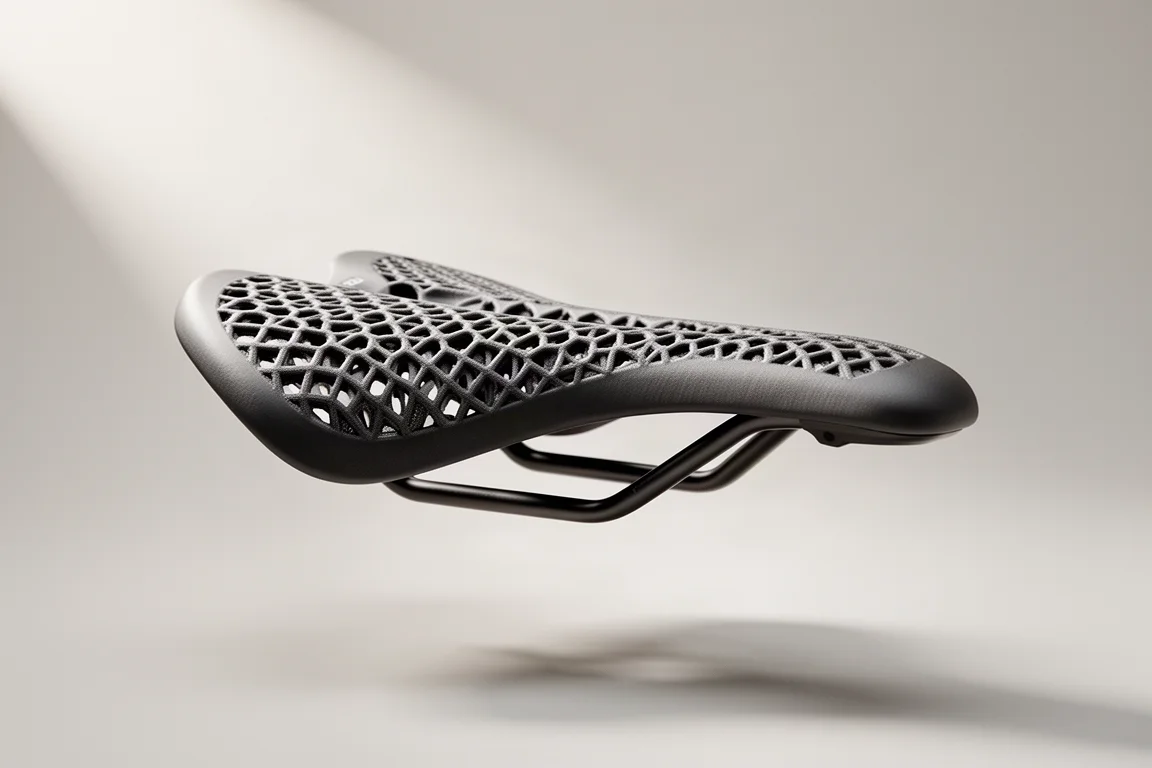
The Argo Adaptive is a short-nose saddle built around 3D-printed padding. The broad rear platform provides plenty of support, the printed surface is tuned to give cushioning where you need it and firmness where you do not, and the shape works whether you are perched on the nose or sitting more upright on the wider rear section.
It is available with carbon rails or alloy rails, and choosing the alloy version keeps the cost more reasonable without changing the character of the shape itself. The 3D-printed surface is not a gimmick: comfort is excellent, and long-term durability has proven solid. The main consideration is price, though it continues to come down as printed saddles reach lower price points.
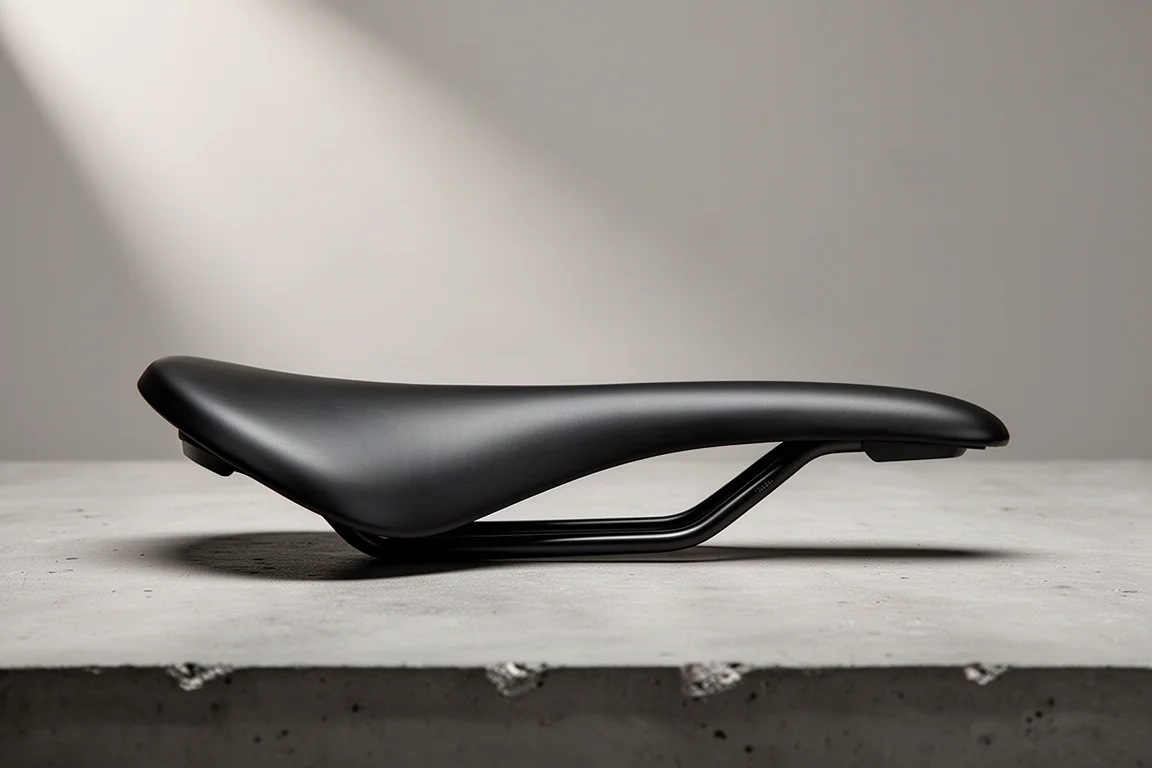
Fizik Aliante
The Aliante uses a scooped, hammock-like profile with a broad rear section. That scoop gives you something to push against when you are riding hard, which makes it feel planted under sustained efforts, while the width provides support without getting in the way of pedalling.
If you prefer a wider saddle with generous rear support and a narrow nose, this is the shape to look at. Riders who want something slimmer will find the Antares a better match.
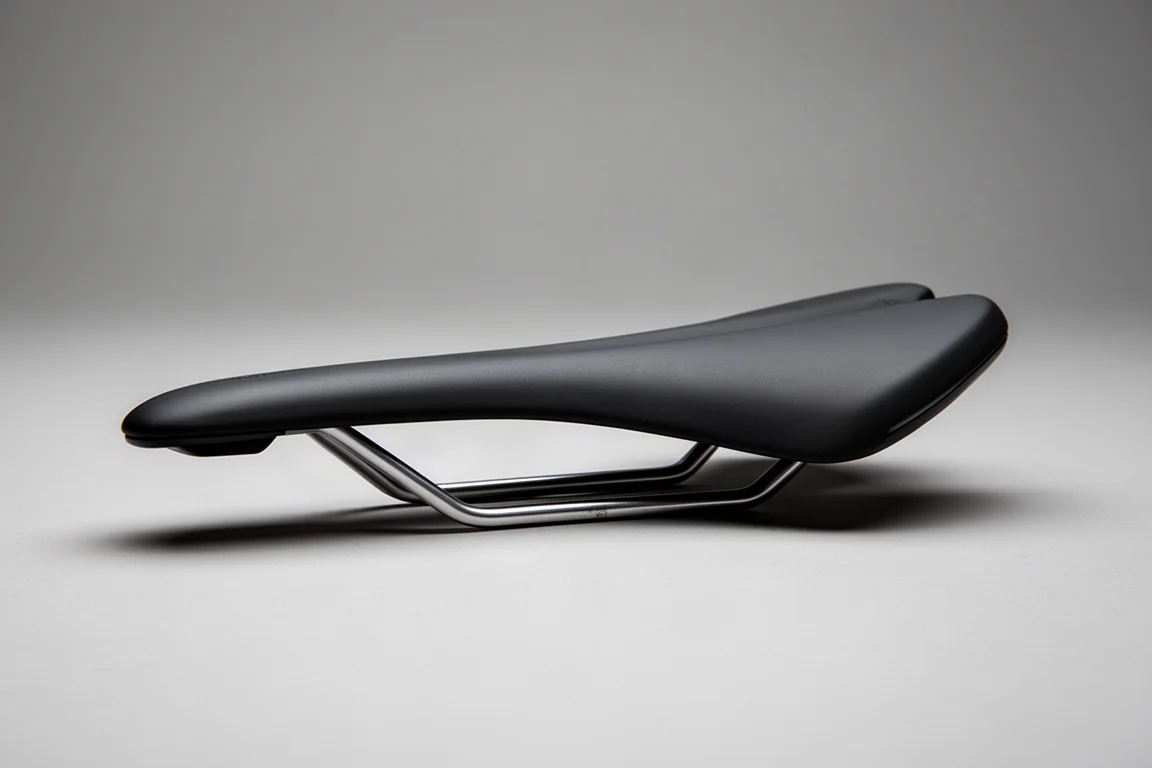
Fizik Antares
The Antares is the narrower option in this group. It keeps a slim profile and a narrow nose for pedalling freedom, trading some of the broad rear support of the Aliante for a lower-profile feel.
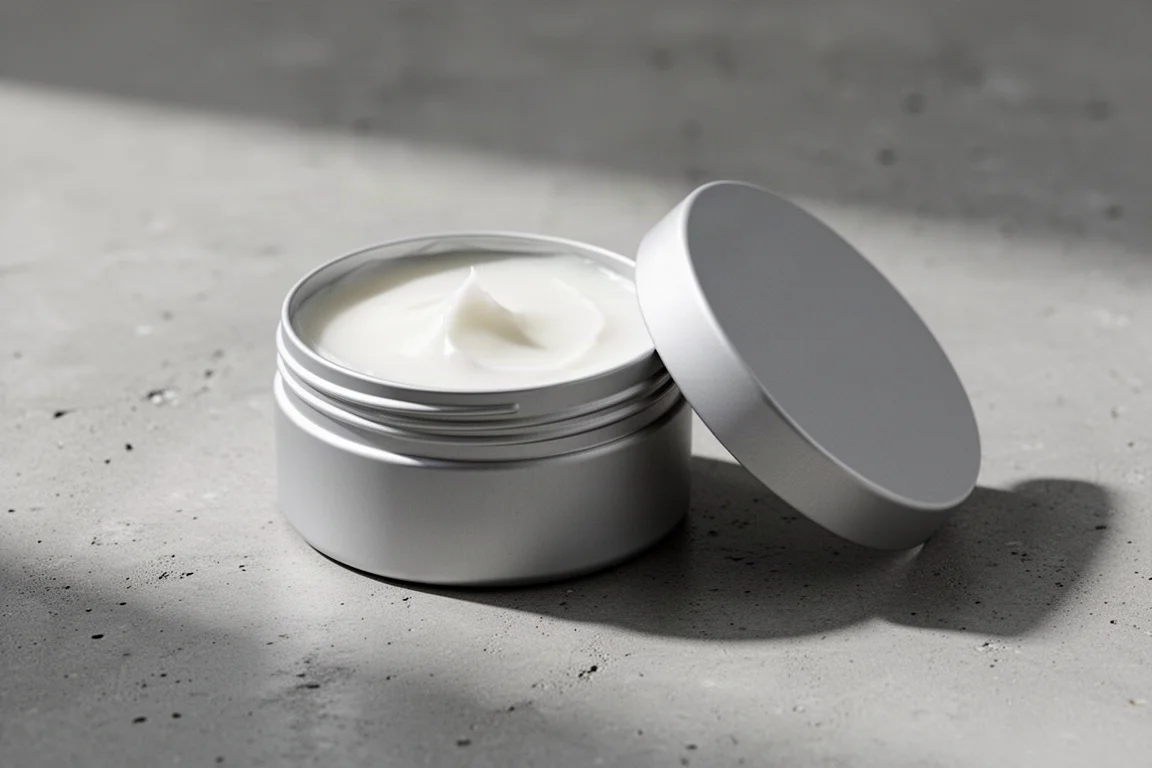
Chamois Butt’r Eurostyle
Friction is one of the most common causes of saddle discomfort, which is where chamois cream comes in. Applied before a ride, it creates a protective barrier between skin, shorts and saddle that reduces friction and the irritation that follows from it.
The Eurostyle version is easy to apply and lasts well into a long ride. Its distinguishing feature is a cool, tingling sensation on application, which feels refreshing at the start of a ride and is very much a matter of personal taste. It is available in large tubes and jars as well as small single-use sachets, so it is easy to keep a supply in a kit bag or a race bag.
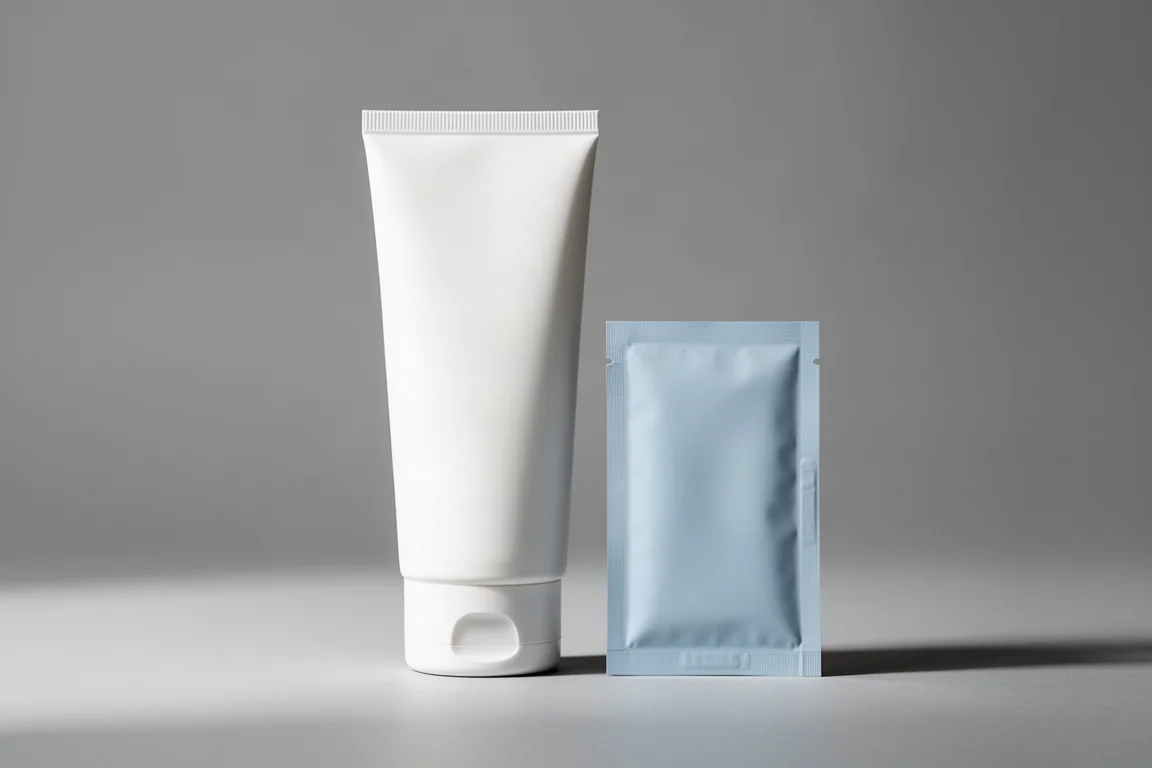
Chamois Butt’r Ultra Balm
Ultra Balm is the thicker option, formulated to leave a durable protective layer that holds up over a long day in the saddle. It suits all-day rides and events where stopping to reapply is not practical, and it works on the same principle: keep the skin protected, and friction-related discomfort is far less likely to build up.
Buying Advice
The single most useful thing you can do is try before you buy. Many good shops offer free saddle trials, letting you test different shapes and widths on your own bike before spending anything, and that is worth far more than any specification table.
Fit calculators from a brand you already trust are a reasonable starting point, but treat them as a guide rather than a verdict. Focus on shape and width first, add padding and cutouts as needed, and do not assume that spending more will buy comfort. Mid-range saddles with metal rails are more than good enough for most riders, and the money saved is better put toward a professional bike fit if the position is not quite right.
Conclusion
Saddle choice comes down to a short list of variables: shape matched to your position, width matched to your sit bones, padding matched to how you ride, and a cutout only if you actually need one. Weight and price sit at the bottom of that list, however tempting they are to shop by.
Try a few options, take advantage of shop trials and pressure mapping where you can, set the saddle up level and adjust it over a few rides, and protect your skin on longer days. Get those pieces right and the saddle stops being something you think about at all.
Further reading
Related Reviews
Cycling
2026 Bike of the Year and the Cycling Gear Worth Watching
A drop bar roundup for 2026 covering the Ridley Kanzo Fast 2.0, Shimano Dura-Ace Di2 R9300, Trek Checkpoint ALR Gen 3, Specialized Tarmac SL9, Garmin Fenix 9 and Insta360 X6.
Cycling
Best All-Road Bikes 2026: Six Versatile Endurance Road Bikes Worth Considering
A practical look at six all-road and endurance road bikes, from lightweight carbon speed machines to steel all-rounders and comfort-focused mile eaters.
Cycling
Best All-Road Bikes 2026: 8 Endurance Bikes for Road and Light Gravel
Eight all-road bikes that blur the line between endurance road and light gravel, compared on tire clearance, ride character, practicality, and value.