Aquarium Equipment
How to Choose a Sump: Three Practical Picks and the Lessons Behind Them
A practical guide to choosing an aquarium sump, covering fleece roller filtration, configurable baffle kits, and why dual return pumps are worth planning for.
Introduction
A sump rarely gets the attention that lighting or aquascaping does, but it quietly decides how much equipment you can run and how much trouble the tank gives you. Strip away the marketing and a sump is a box that holds your gear, hides it from view, and lets you run larger, better equipment than a display tank alone would allow.
That single idea shapes everything worth knowing about sump design: the best sump prioritizes function over form, and it earns bonus points for staying future proof. The three products below each approach that brief from a different angle.
How We Evaluate a Sump
Start with the job description. A sump exists to hold equipment and to make better equipment possible. Compartments that look impressive on paper but leave no space for a full-size skimmer, a roller mat, or a refugium work against the whole point. Open, adjustable space usually beats a highly specific layout, because a specific layout locks you into one configuration and often ends up being cut apart later.
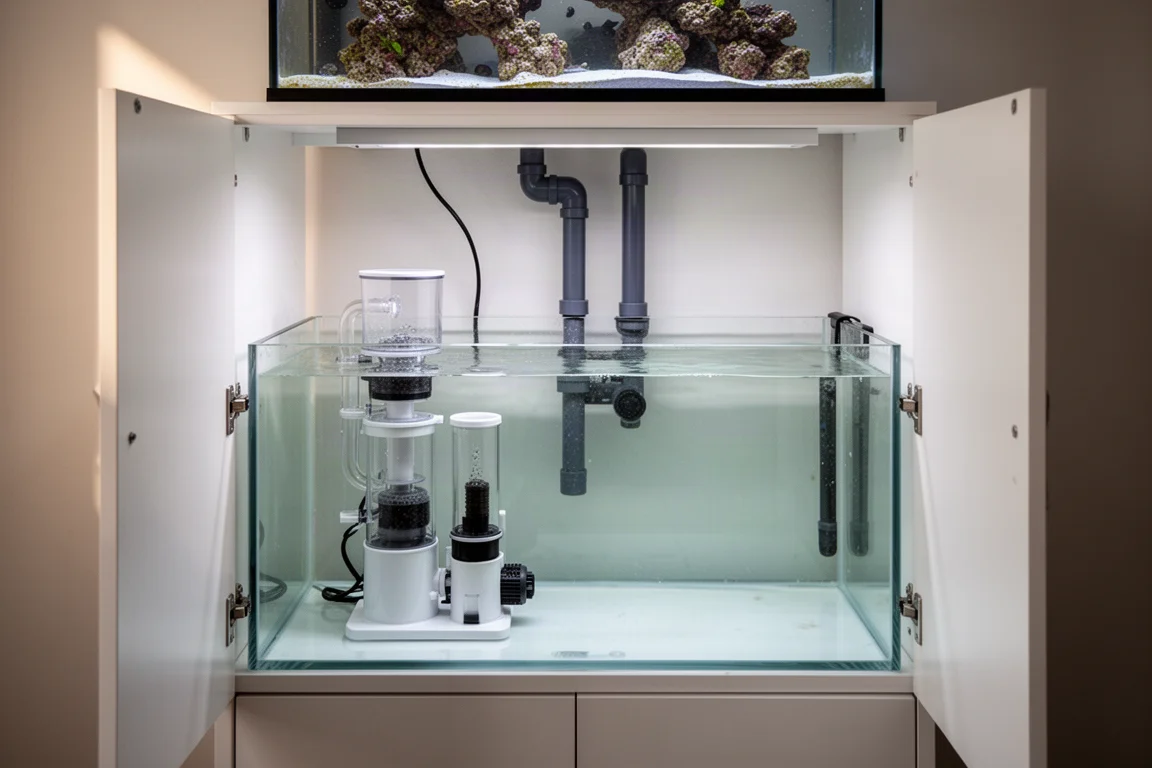
Water capacity comes next, and not in the way most people assume. A sump has to hold the water that drains back down when the return pump stops. That means working out how much water sits above the drain point and checking that the sump can contain it. A long return line that siphons backward can send far more water downstairs than expected, and holes drilled in the line to break the siphon can clog over time.
Serviceability is the third test, and it is the one most buyers ignore. If you cannot reach your arm into a chamber, or see the bottom of it, it will not get cleaned. Detritus that collects in a sump is easy to remove when the space is open, because there is no sand or rock in the way.
Finally, think about change. Sump layouts get revised, refugiums get added, and filtration gets swapped. A design that can absorb those changes is worth more than one that cannot.
Trigger Platinum Series: Fleece Filtration Built In
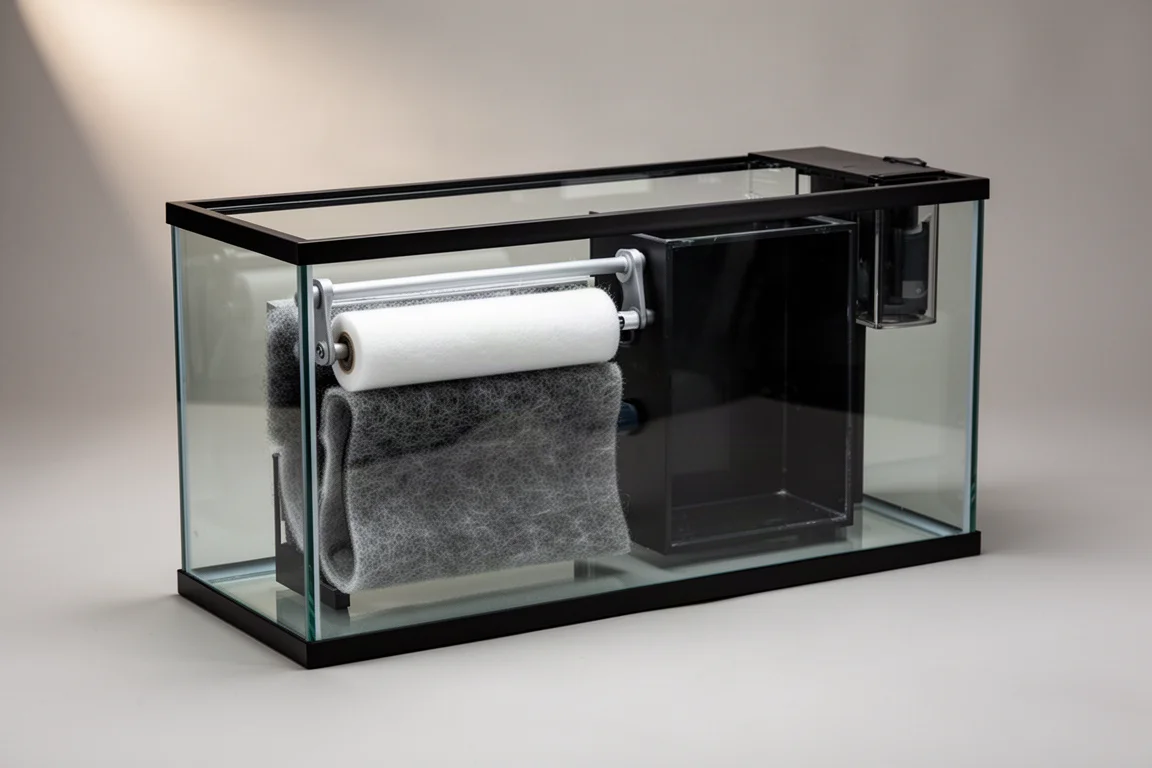
The Trigger Platinum series is built around fleece roller filtration, and the broader Trigger range is known for open layouts with large equipment areas rather than a maze of narrow compartments. That combination is close to the ideal described above: mechanical filtration handled automatically, and the rest of the sump left open for whatever you decide to run.
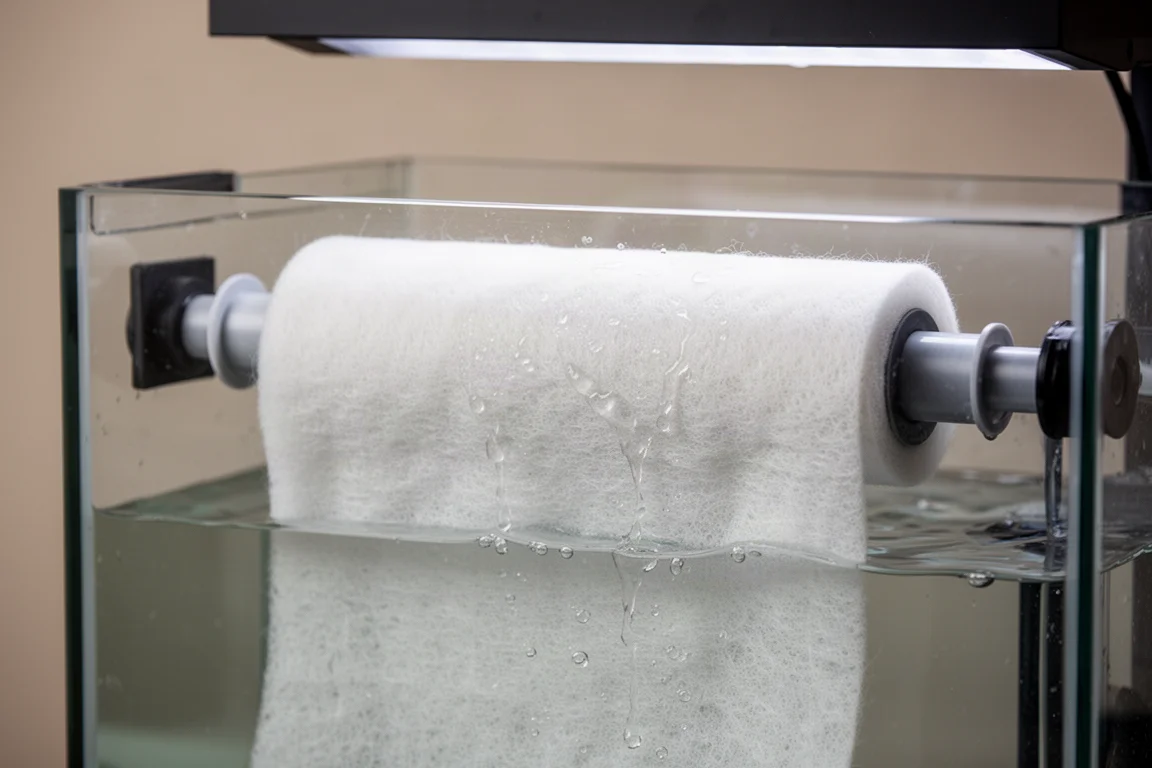
Fleece works differently from a filter sock. A motor and a float switch advance the roll as the material clogs, and many units let you set the water level so you control how much fleece sits in the flow. Set it low and only a small section is exposed, so the material loads and advances quickly, pulling waste out of the water almost immediately. Set it higher and more of the roll is submerged, which gives waste a chance to break down before it is removed. Either way, a roll typically lasts a month or two before it needs replacing, which is a very different commitment from changing socks every few days.
There is a side benefit worth knowing about. When fleece or socks are doing their job, the protein skimmer has less to pull out, so it appears to perform worse. Remove the mechanical filtration and skimmer production often increases noticeably. That is not a reason to skip the fleece: it is a sign the fleece is capturing waste before it ever reaches the skimmer.
Fiji Cube Sump Baffle Kits: Build the Layout You Want
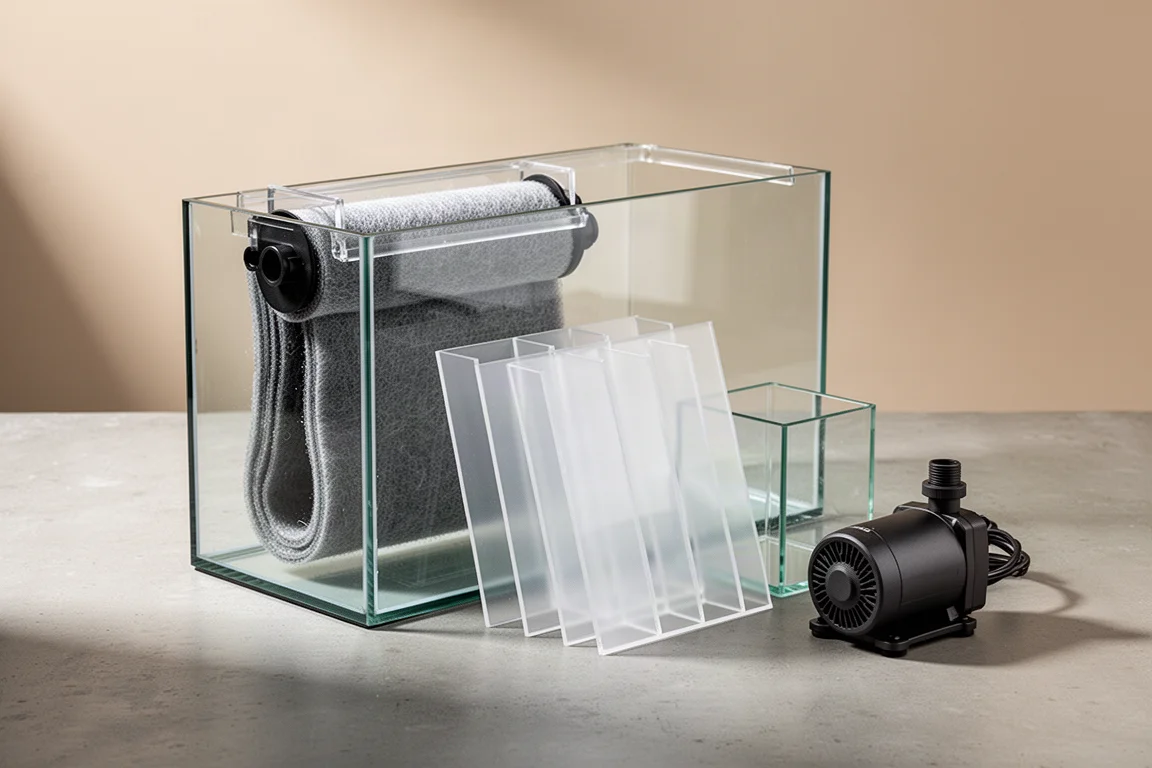
Not everyone wants to buy a finished sump, and Fiji Cube’s baffle kits take the opposite approach. They are sized for standard tanks such as a 10-gallon, a 20-long, or a 40-breeder, and they let you assemble the layout you actually want inside a plain glass box.
The practical appeal is reversibility. These plates are held in place with silicone, so a layout is not a permanent decision. If the arrangement stops working, you can cut the silicone away with a razor and rebuild it differently. The one thing to plan on is building and sealing the tank yourself, which makes this a good fit for anyone comfortable with basic DIY work.

EcoTech Vectra: The Case for Two Return Pumps
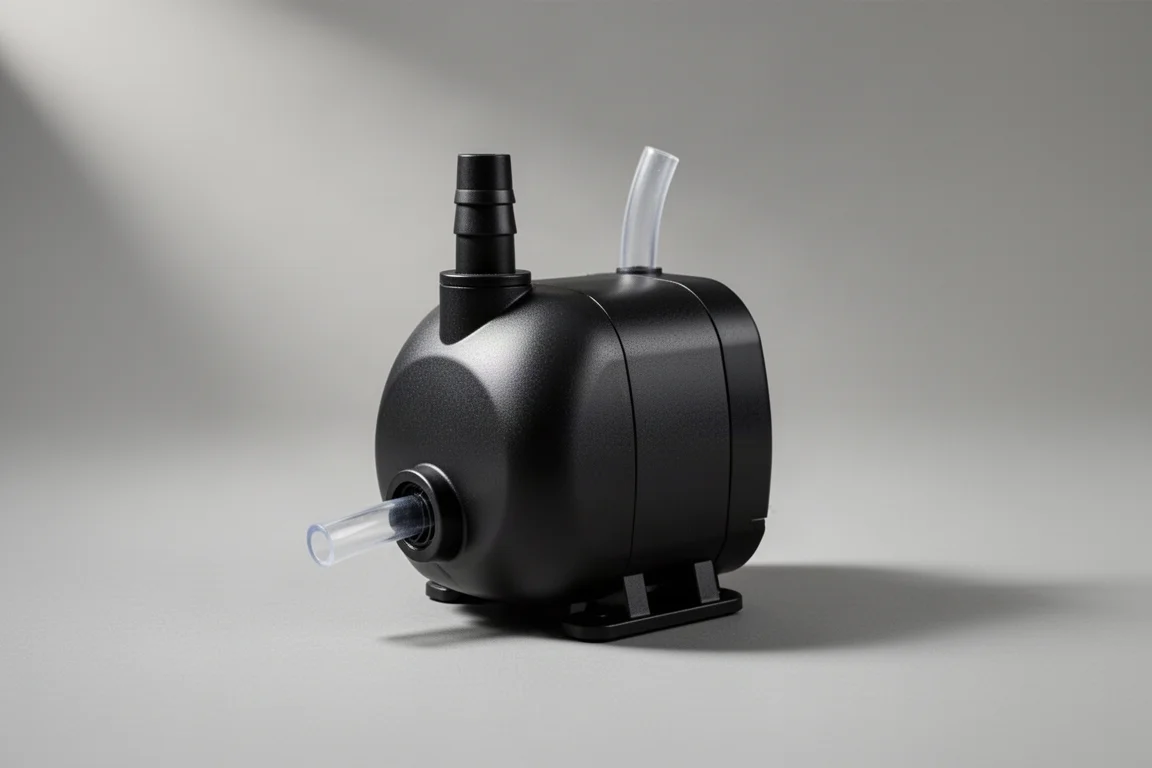
Return chambers are frequently too small to fit two return pumps, and that is a limitation worth avoiding. The return pump is the heart of the system: everything else depends on water continuing to move. A single pump, however good, is a single failure point.
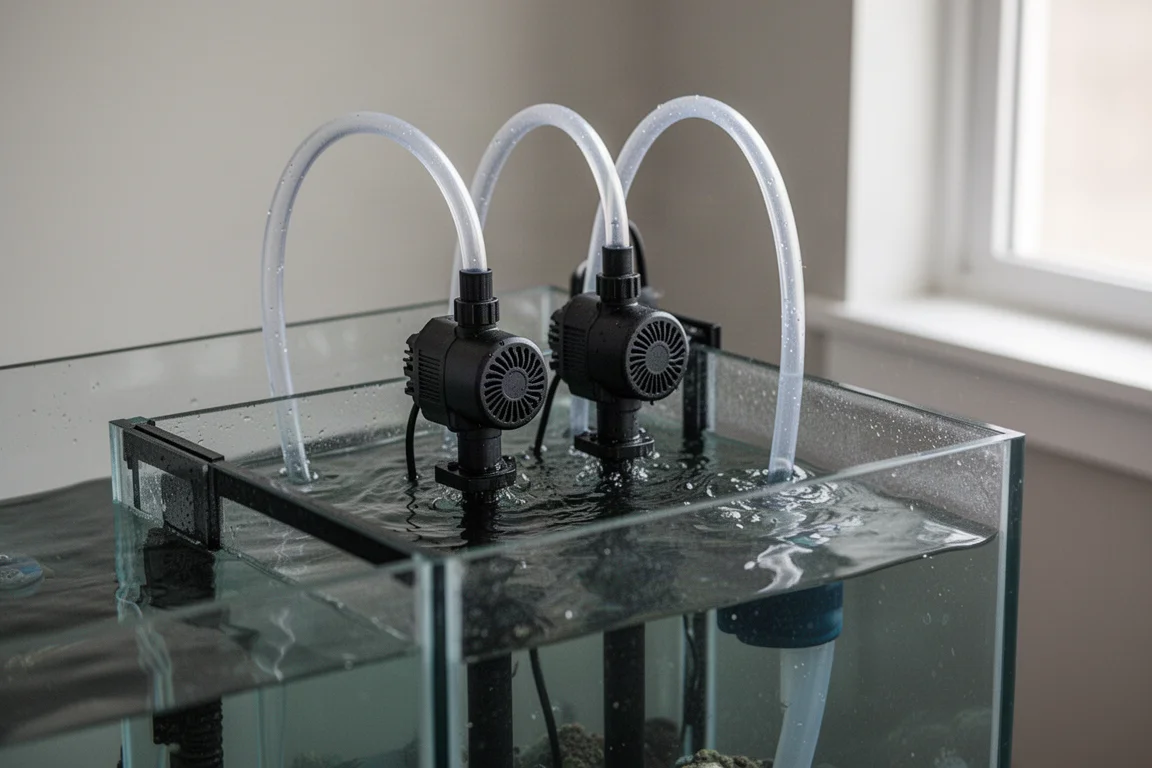
This is where the Vectra earns its place. At a few hundred dollars per pump, two of them can cost less than a single high-end return pump, and the redundancy is genuinely useful. You do not need perfect filtration if one pump stops, you just need water to keep circulating. On a tank with two overflow returns, each pump can feed one line, which is simpler and safer than splitting a single pump through a manifold.
The trade-off is space. Two pumps need a return chamber sized for both, so this is a decision you make when you choose the sump, not after. A single expensive pump with one failure point is a worse bet than two smaller ones, even before you compare prices.
Hard Lessons Worth Avoiding
Water volume is the most repeated advice in the hobby, and it is only half true. Adding water volume dilutes pollutants, but the effect depends on scale. Putting a 40-breeder under a small cube turns a modest system into several times as much water, which matters a great deal. Putting a 40-gallon sump under a 200-gallon tank changes very little: a nitrate reading that would have been 10 might land at 12, which is barely within the range a test kit can resolve. Bigger is not automatically better, because every extra inch of sump is space you cannot use for test kits, dosing reservoirs, or a calcium reactor.
Filter socks deserve a blunt rule. Buy a sump with a sock chamber only if you will change the socks every three days. Socks left in place stop filtering, trap food and waste, and let it decay in the water. They also consume space that could have been open. If sock maintenance is not going to happen, choose a design without that chamber, or one where the sock area can be removed.
Cleaning access is the quiet dealbreaker. Sump designs with tight lids and hidden rear chambers are nearly impossible to service: you cannot get a hand in, you cannot see the bottom, and the only option is to stir up the mess and hope. An open sump can be vacuumed with a small utility pump that draws from very shallow water, and the floor of the sump is the easiest place in the whole system to remove detritus because nothing is in the way.
Leave room for a refugium, even if you have no plans to run one. A refugium is one of the most effective and lowest effort filters available, and adding one later to a sump that has no space means external plumbing, another pump, and more places to leak. Buying a sump that can accept a fuge in the future costs nothing today.
Buying Advice
Work from the equipment outward. List what the sump needs to hold, such as a skimmer, a roller mat, a refugium, and the accessories you want out of sight, then check that the layout has open, adjustable room for all of it. Compartments that only fit one specific device are a liability.
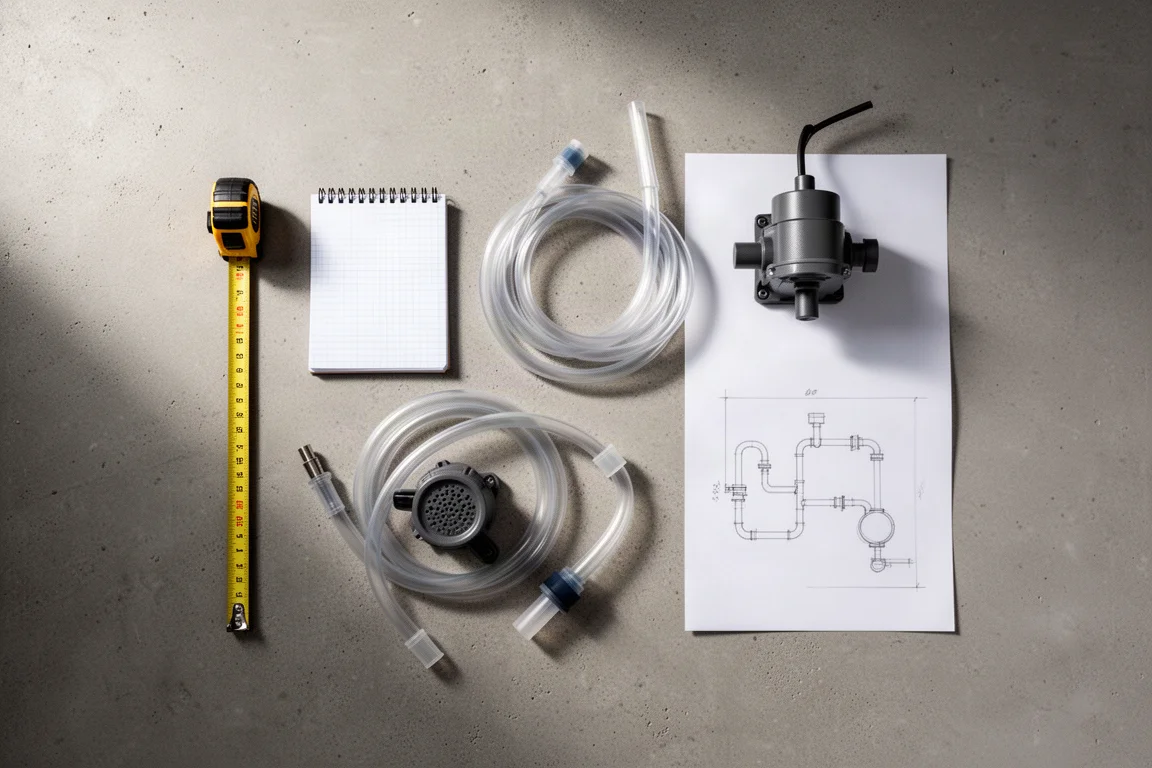
Then do the outage math. Find out how much water drains back when the return pump stops, and confirm the sump can hold it together with its normal operating volume. This is a short calculation, and it prevents the worst kind of flooding.
Finally, buy for the layout you might want in two years rather than the one you need today. Getting a sump right the first time matters more than getting any other component right, because a sump is the hardest part of a system to change: the plumbing, the glue, the downtime, and the wiring all get rebuilt with it. For a first tank, a simpler route is entirely reasonable, including an all-in-one system or a plain tank with mesh instead of baffles, with regular water changes doing the heavy lifting while you learn.
Conclusion
The best sump is not the most elaborate one. It is the one that holds your gear, leaves room for better gear later, survives a power outage, and can actually be cleaned. The Trigger Platinum series leans on automatic fleece filtration inside an open layout, the Fiji Cube baffle kits let you design and redesign a budget build, and the EcoTech Vectra makes a two-pump return setup affordable enough to be the default choice.
Further reading
Related Reviews
Aquarium Equipment
Abyzz Professional DC Pumps: A100, A200, and A400 Reviewed
A closer look at three German-made DC return pumps built for large reef systems, with titanium internals, fine flow control, and a 10-year warranty.
Aquarium Equipment
AdaptiveReef Controller Accessories: Three Tactile Upgrades for Your Reef Controller
A practical look at three AdaptiveReef add-ons that put physical switches, at-a-glance status lights, and a loud alarm within arm's reach of your reef tank.
Aquarium Equipment
Adaptive Reef Controller Boards: Basic vs Deluxe for Cleaner Aquarium Gear
A practical look at the Adaptive Reef Basic and Deluxe controller boards, what each one includes, and how to choose the right size for your tank gear.