Stationery
Best Pens and Supplies for the Hobonichi A6 Planner: What Works on the New Paper
We tested gel pens, fountain pens, fineliners, brush pens and extras in an A6 Hobonichi to see how the updated paper handles ghosting, bleed-through and smearing.
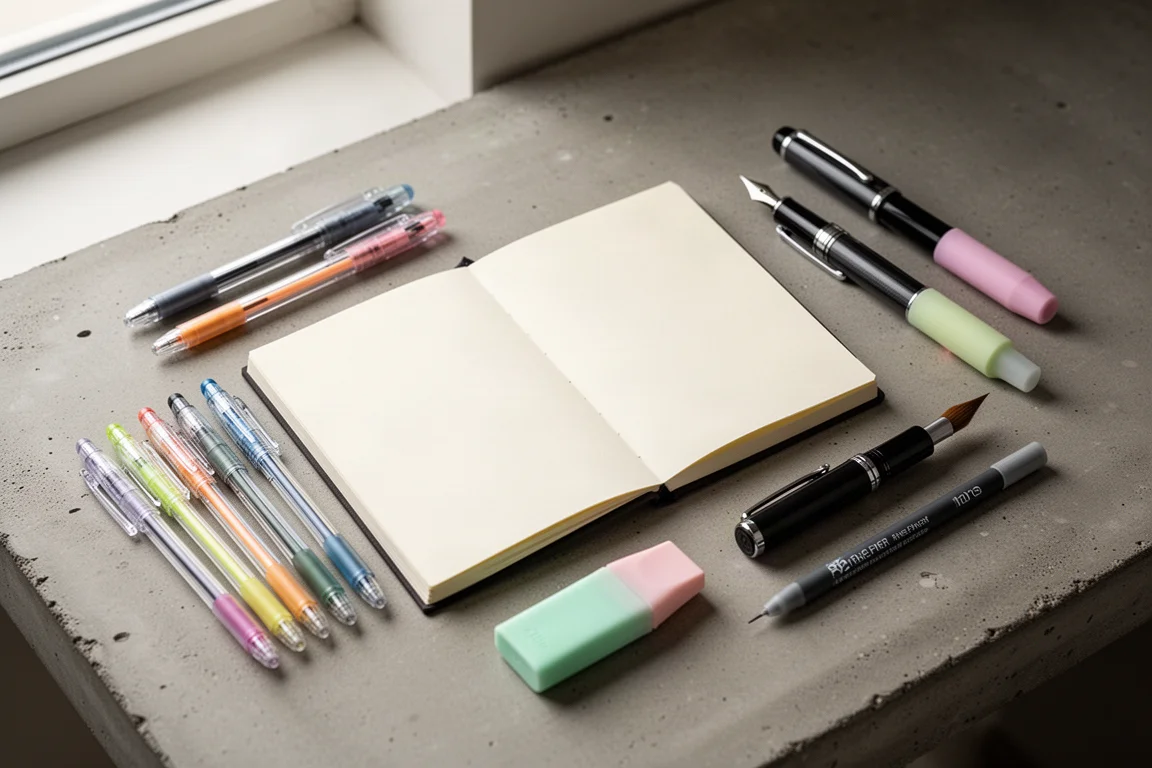
Introduction
Thin Tomoe River-style paper is wonderful to write on, but it makes planners unforgiving. When the Hobonichi A6 moved to updated paper under new ownership, many users reported changes in how their pens and inks behaved: more bleed-through, more feathering, more blooming. That is exactly why a hands-on supply test matters before you commit a year’s worth of planning to one notebook.
We ran a full swatch test in an A6 Hobonichi planner, covering gel pens, a ballpoint, fountain pens, fineliners, markers, brush pens, pencils, stamps, watercolors and ink swatches. Each product was colored into three boxes with a few looping strokes, then immediately smudged with a finger to check drying speed. The reverse of the page was checked for bleed-through, and the wettest inks were examined closely for feathering and blooming.
Why This Paper Test Matters
The good news first: after flipping the page, there was no bleed-through anywhere on the sheet behind the swatches. Ghosting was present, which is expected on paper this thin, meaning you can see writing from the reverse side of the page. But nothing actually transferred through.
Texture tells its own story. Fine tips and fine nibs leave more of an imprint you can feel on the back of the page, while markers barely leave any impression at all. Watercolors and large ink swatches did cause slight wrinkling of the paper, so if that texture bothers you, keep it in mind before flooding a page with liquid.
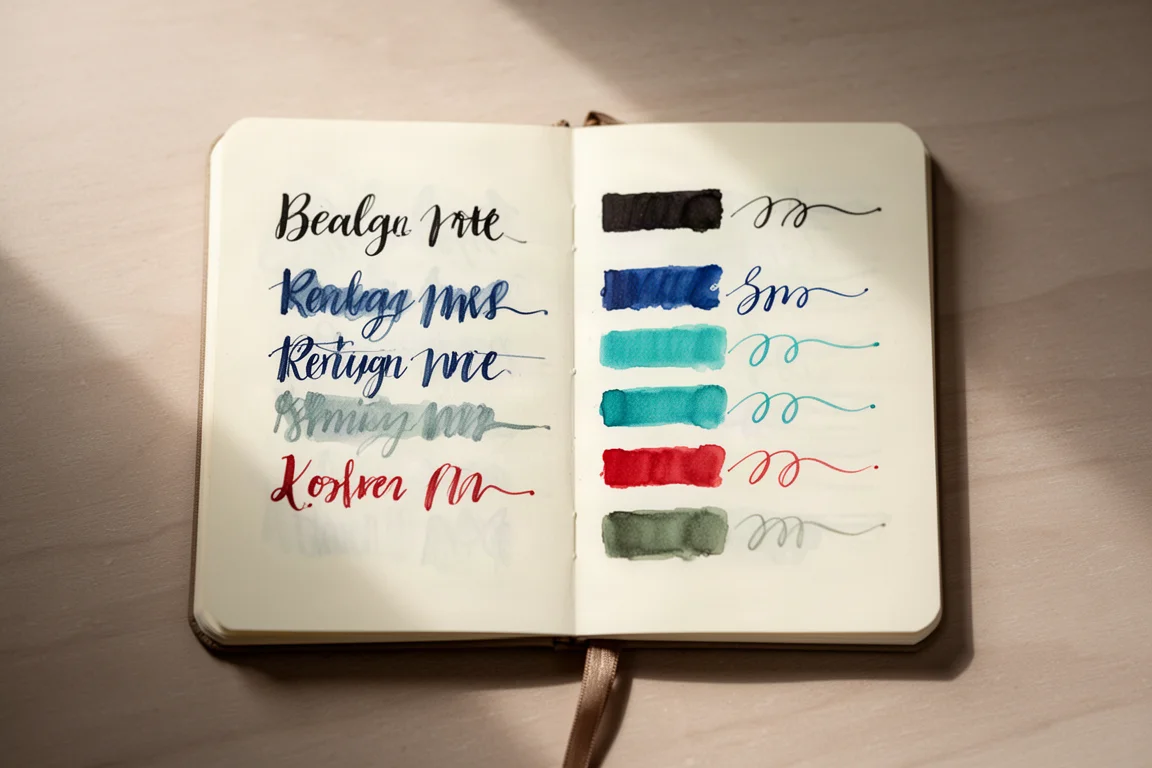
Gel Pens That Performed Best
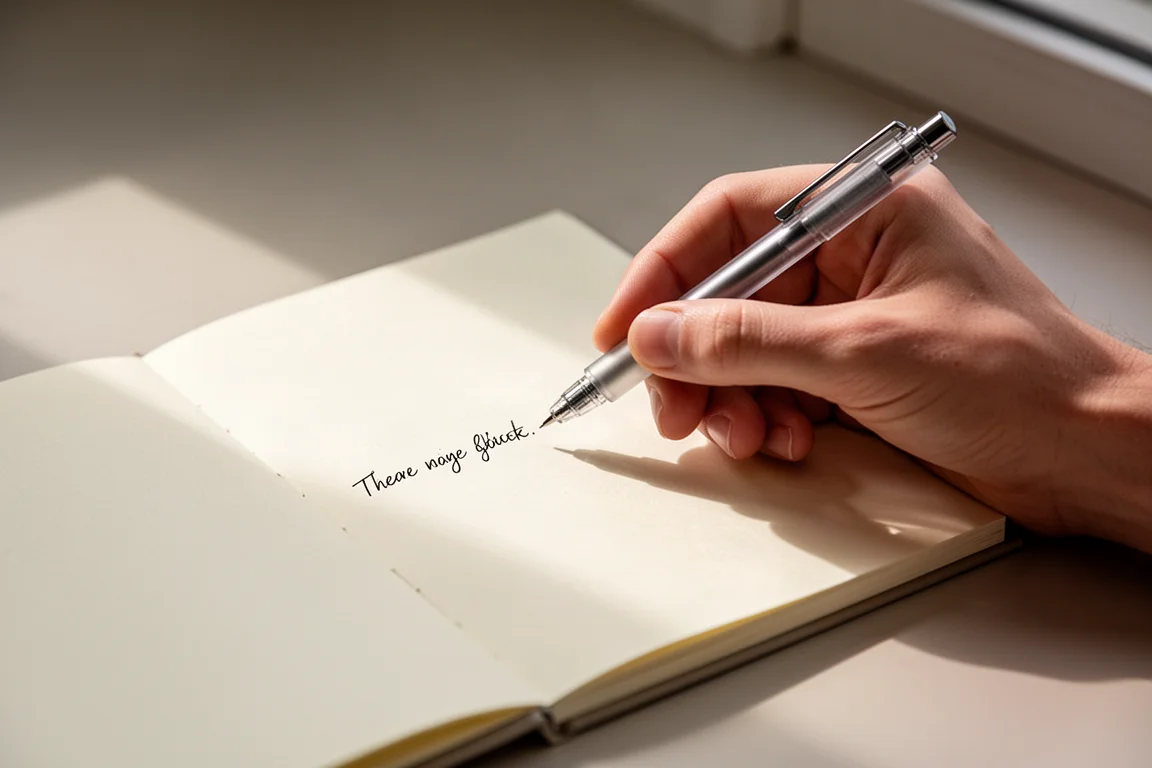
Gel pens are the everyday workhorse for most planner users, and this test included several generations of favorites. The Uniball One P, in its shorter, stubbier “P” body designed for comfortable writing, is the pen that gets used daily in this planner. Its 0.38 mm tip wrote crisply, and the fine-tip imprint on the reverse was noticeable but typical for the paper. Few products are as dependable for filling in daily planner entries.
The Uniball Signo DX in 0.28 mm was a longtime favorite before that, and it remains the recommendation if you want an extremely thin, precise line. Its fine point does leave a more tactile imprint on the reverse, but the line quality on this paper was exactly as expected.
Other gel pens tested alongside these included the Pilot G2 in 0.38 mm, which compares closely to the Signo DX with a slightly larger line, and the Zebra Sarasa Vintage in 0.5 mm, which has some of the smoothest, most beautiful writing ink in this lineup. The Sakura Gelly Roll Moonlight in 0.6 mm and the Pentel Mattehop are both made for light and dark paper, and both smear noticeably right after application, so give them extra drying time. A Uniball Signo white gel pen doubles as a doodling pen on dark paper and as a spot correction tool: write over a small mistake, cover it, then rewrite on top.
Erasable and Specialty Gel Pens
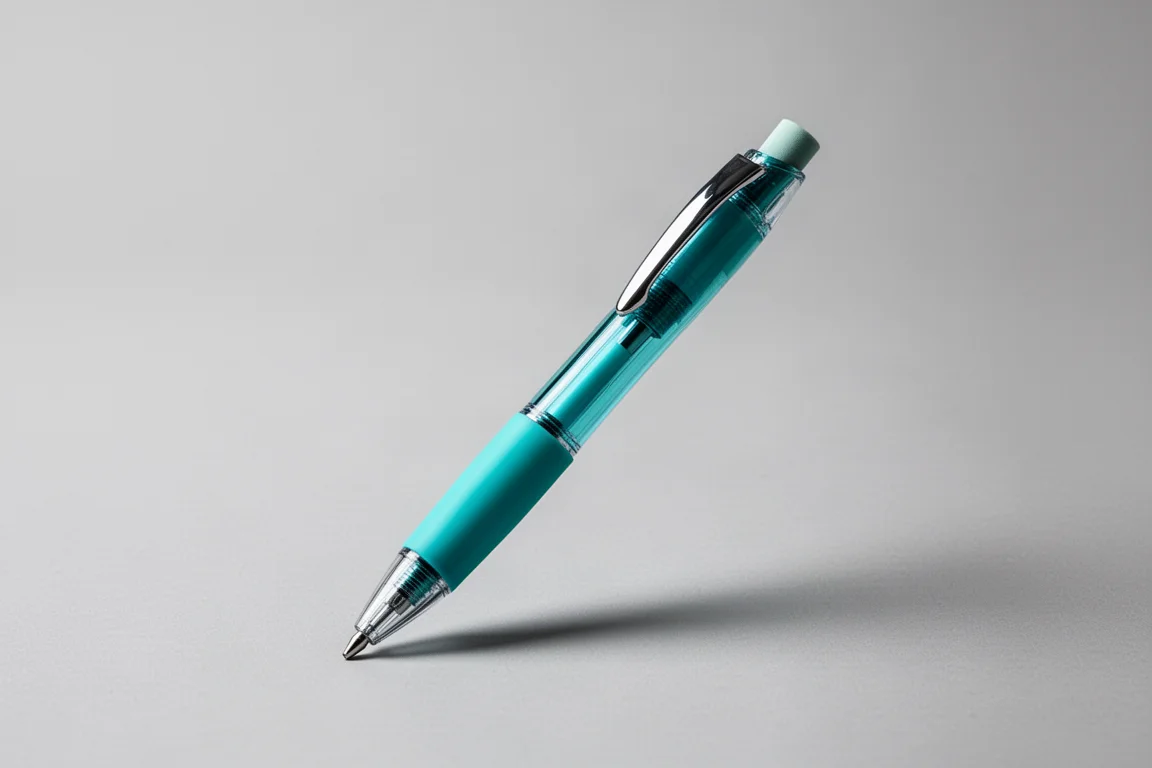
The Pilot Frixion Hawaii in turquoise, 0.5 mm, brings thermosensitive ink with an eraser built into the cap. The color and line were pleasant on this paper, but the erasing itself is the compromise: erased spots did not return to a perfectly clean page, and the eraser noticeably indents the paper, creating texture on the reverse side.
If you love the idea of erasable ink, test it on your own copy first. As a practical matter, covering up a mistake and rewriting often looks better than erasing does on paper this thin.
Fountain Pens, Fineliners and Ballpoints
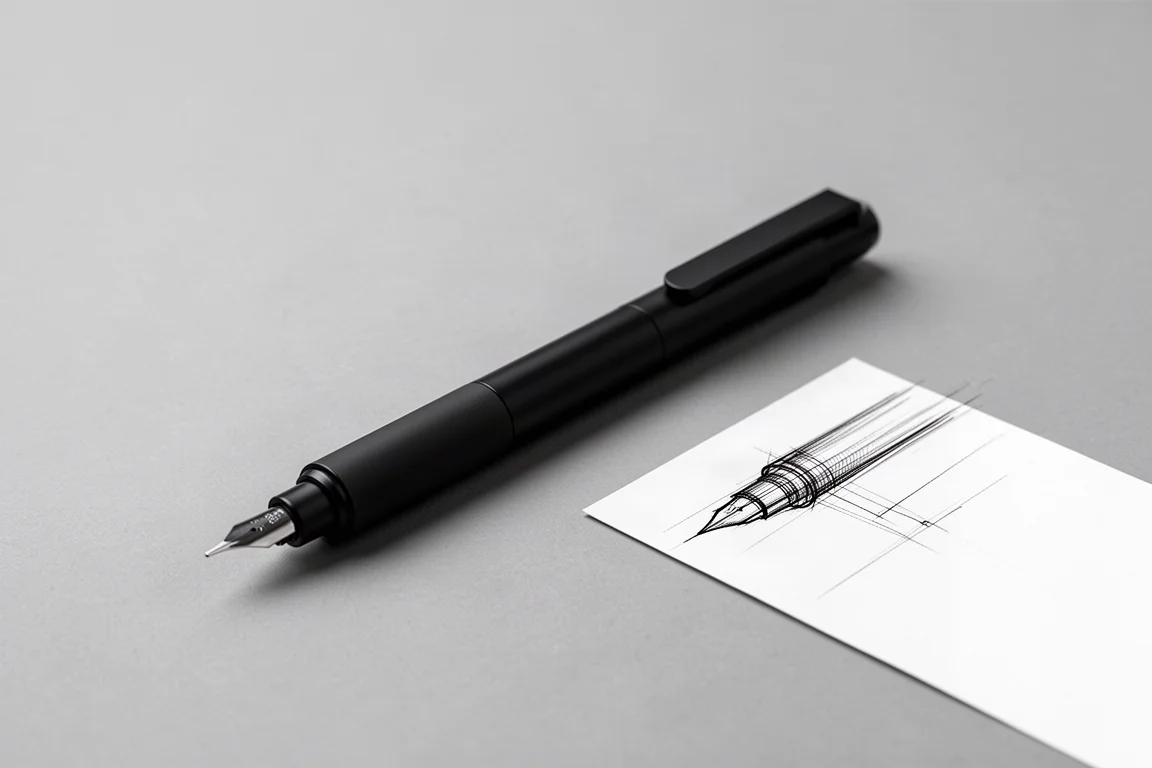
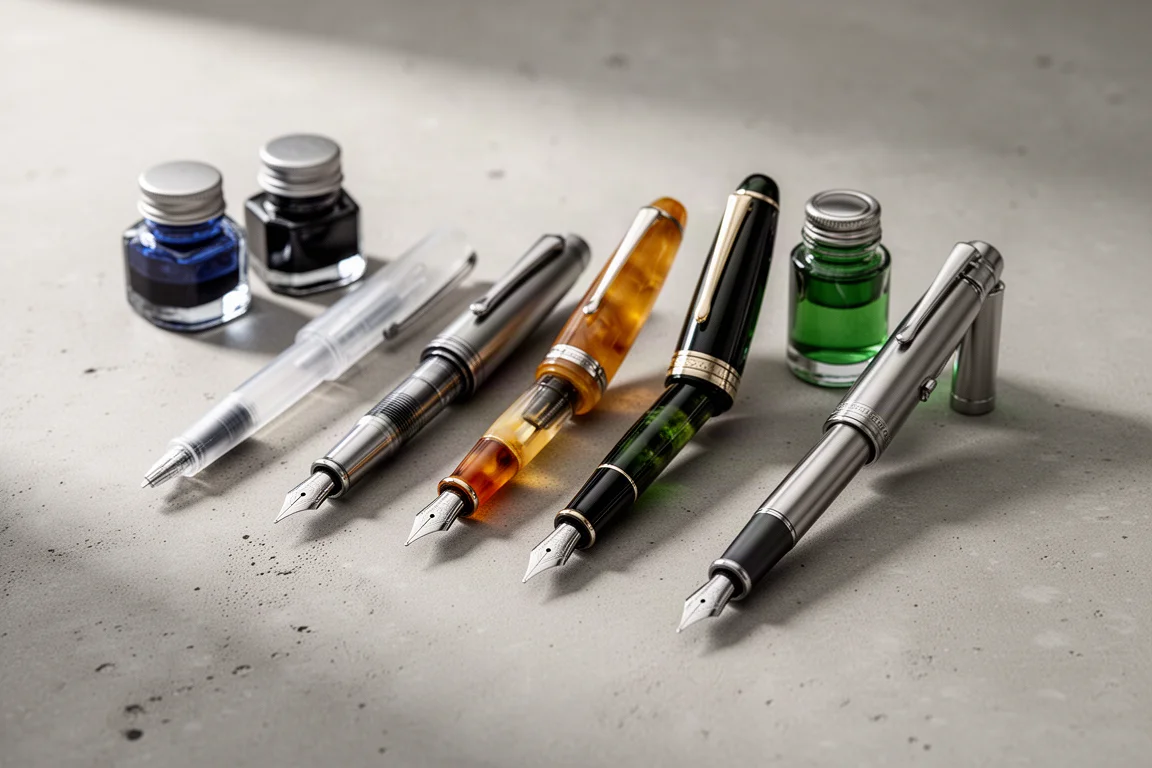
Fountain pens were the biggest concern going into this test, since that is where the paper changes caused the most complaints in recent years. Two TWSBI Eco fountain pens were used: one with an extra fine nib filled with a standard document black ink, and one with a medium nib filled with a lighter dusty grayish-green Sailor ink. Both wrote with no feathering and no blooming, which is a strong result. The extra fine nib in particular left surprisingly little texture on the reverse.
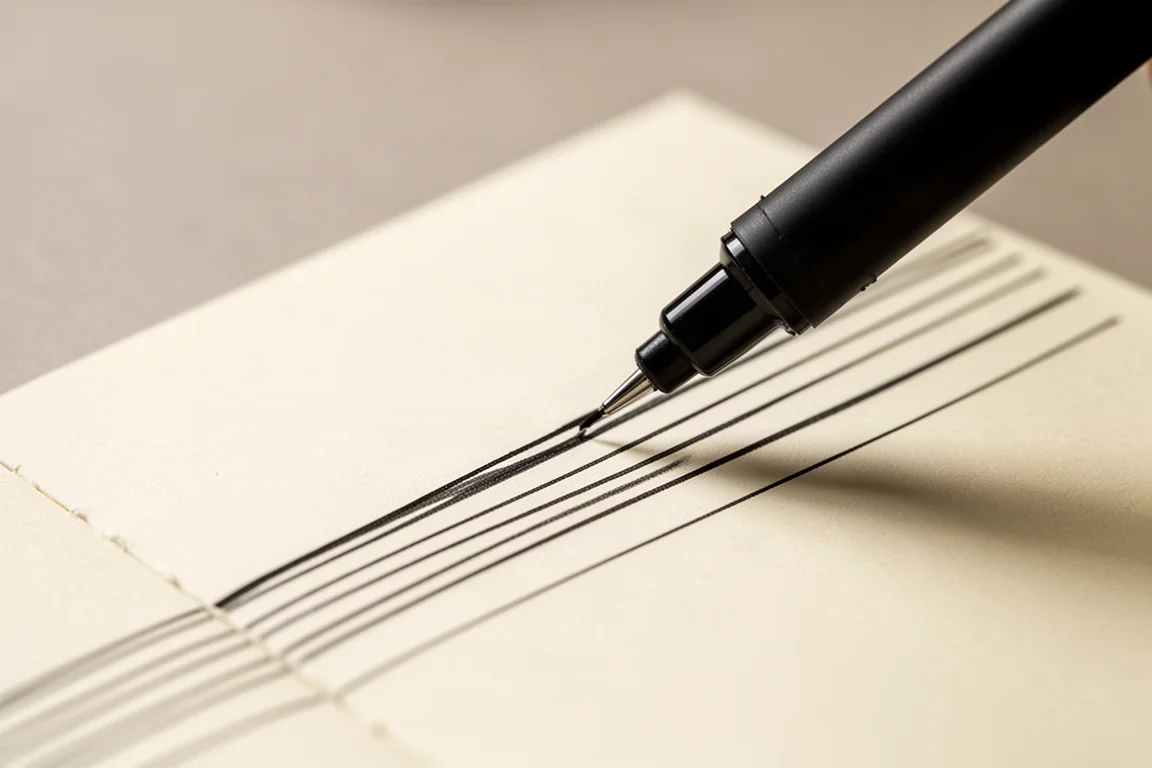
For fineliners, the Sakura Pigma Micron in black, 05 size, hits a practical middle ground between the ultra-fine 003 and much larger tips. It performed exactly as expected: crisp lines, controlled ink, no feathering.
On the ballpoint side, a Uniball Jetstream multi-pen in roughly 0.5 mm was tested in black. Like the fine-tip gel pens, it left a noticeable tactile imprint on the reverse of the page, but no bleed-through. One product to avoid entirely in planners like this: alcohol markers will bleed through this paper, full stop.
Markers and Brush Pens
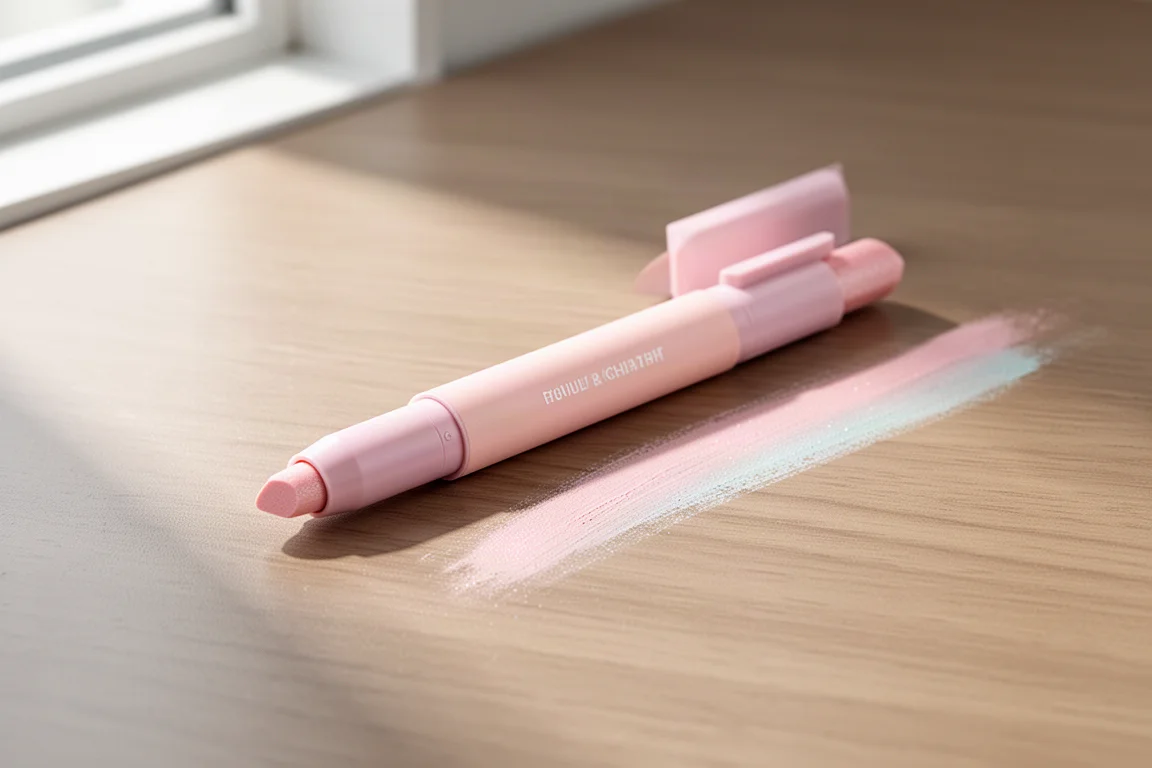
The Zebra Mildliner in a newer smoke red shade was tested on both its chisel tip and bullet nib. It behaved as a highlighter should on thin paper: controlled ink, minimal texture, no bleed-through.
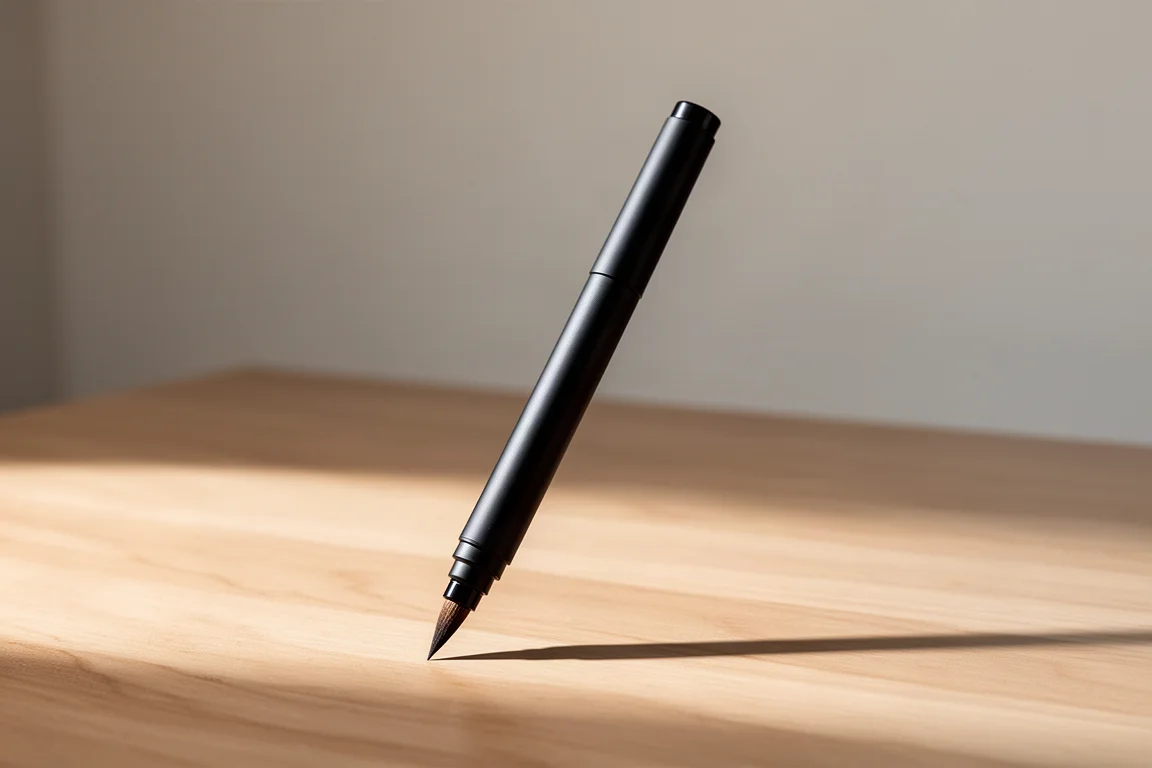
The Tombow Fudenosuke with the hard tip, in black, is a fixture in any pen case and a favorite for headers. It stayed crisp with no blooming. Other markers tested included the Zebra Click Art retractable fine-bullet marker, which is notorious for looking like it will bleed through even on much thicker 160 gsm paper but showed none of that behavior here; the Kuretake Zig Clean Color Dot, which comes very close to bleeding in the concentrated centers of its dots but never actually does; and the Pentel Touch brush pen, which is noticeably juicier than the Fudenosuke yet still stayed clean on the page.
Also tested: the Tombow Dual Brush Pen in a deep plum shade (both brush and bullet nibs), the dual-ended Sailor Shikiori brush pen with its fine plastic nib, and the affordable Crayola Super Tip, a planner-community staple. None of them bled through. The correction conclusion overall: markers are the safest category on this paper.
Stamps, Pencils and Extras
Stamps were the biggest wildcard. A basic black dye ink pad and a small panda keyboard-style stamp produced the most visible ghosting of anything tested, though still no true bleed-through. If stamping is part of your planner routine, expect more show-through depending on your ink. A Pilot Frixion stamp fared better, with ghosting on par with pens and markers.
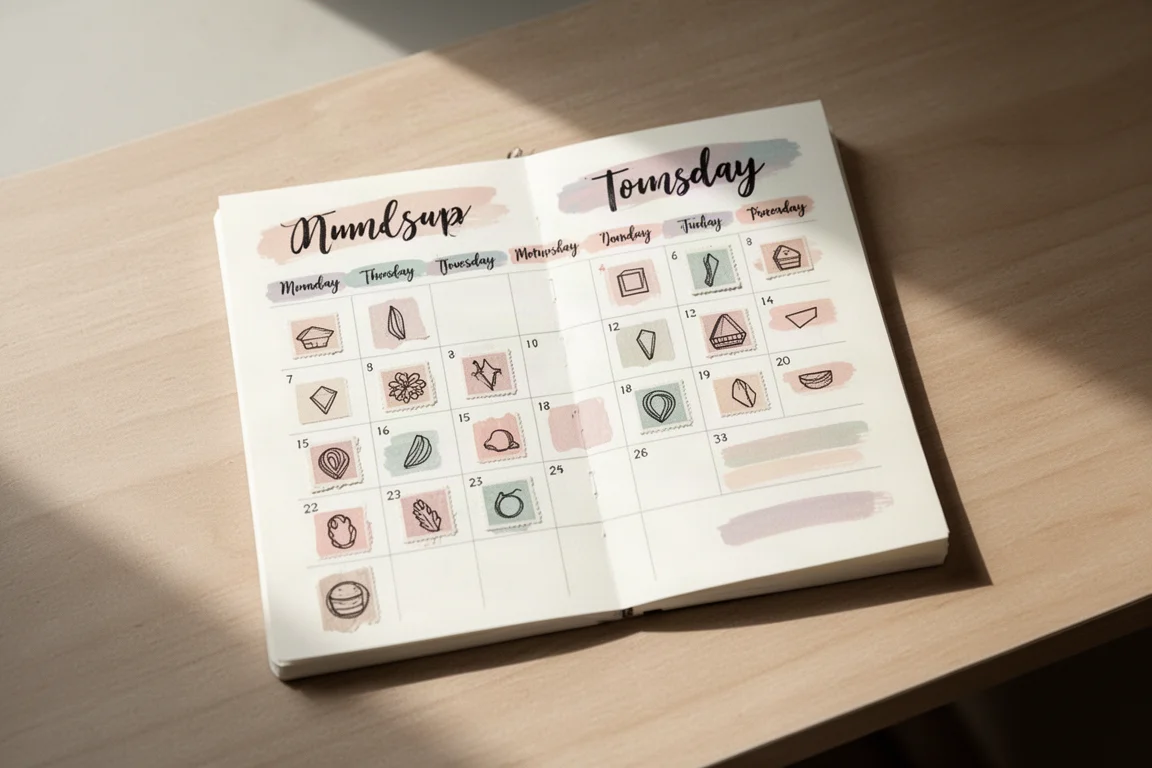
The Tombow Monograph 0.5 mm mechanical pencil is the standard tool for sketching layouts and doodles, and a Prismacolor colored pencil covers decorating and habit tracking without issue. A large correction tape blends into the page reasonably well despite a slightly shiny finish, fine for covering mistakes in a pinch. Finally, Winsor & Newton Cotman watercolors applied with a Pentel Aquash water brush performed well apart from some paper wrinkling, and the paper beautifully brought out a subtle sheen in a Robert Oster Coffee Monster Brown ink swatch.
Smear, Drying and Erasing Results
The immediate smear test sorted the lineup clearly. Standard gel pens, the fineliner and most markers dried fast and smudged very little. The juicier gel pens, the Gelly Roll Moonlight and Mattehop, need extra drying time. Fountain pen inks smears almost immediately when wet, as expected, so let them dry fully or use blotting paper between pages.
The Pilot Frixion eraser performed below hopes on both the pen and the stamp. It indents the paper and leaves visible texture on the reverse, so erasing is not a clean fix on paper this thin.
Buying Advice
For daily writing in an A6 Hobonichi, a fine-tip gel pen like the Uniball One P or Signo DX remains the safest, most reliable choice. Fountain pen users can proceed with confidence: both nib sizes tested wrote cleanly with no feathering or blooming, and the paper even showcases ink sheen nicely. Markers and brush pens are the safest category overall. Approach stamps cautiously, favor water-based over alcohol-based products, and skip erasable ink if a clean page matters to you. Give every juicy ink time to dry before closing the book.
Conclusion
Across the entire lineup, nothing bled through, which was the biggest concern with the updated paper. Ghosting is real but manageable, feathering and blooming were absent even from the wettest inks, and the standout surprises were how well the Zebra Click Art marker and the Kuretake Zig Clean Color Dot behaved. For most planners, the tested favorites are exactly that for a reason: they earn their reputation on this paper.
Further reading
Related Reviews
Stationery
Musgrave Pencils Review: Four Classic Pencils from Tennessee's Last Pencil Factory
We put four Musgrave pencils to paper, from the classic Harvest to the Unigraph 1200 drawing pencil, to see what a century-old Tennessee workshop can still do.
Stationery
Fountain Pen Tiers Explained: From Starter Pens to Luxury Grails
A practical overview of the different levels of fountain pens and inks, from a sub-$20 starter setup to Italian piston fillers and retractable gold-nib everyday carries.
Stationery
HP Premium 32 lb Copy Paper Review: A Fountain Pen Friendly Everyday Printer Paper
A heavy, smooth 120 GSM copy paper that handles fountain pens far better than standard printer stock, with only minor trade-offs in shading and sheen.