Stationery
H&M Goodballet Ebonite Rollerball Review: A Vintage Pen With Real Character
A deadstock anniversary rollerball from around 1980, built entirely from ebonite, with a lovely writing feel and a few practical quirks to know before you buy.
Introduction
Some pens are bought to use every day, and some are bought because they simply do not come around twice. The H&M Goodballet Ebonite Rollerball sits firmly in the second camp. It is a vintage, deadstock ballpoint-era rollerball produced around 1980 to mark an anniversary, sold through a stationery shop in Kobe at 9,900 yen tax included. By now it is almost certainly sold out, but it remains worth a closer look both as a writing tool and as a piece of stationery history.
Background: What This Pen Actually Is
The Goodballet name refers to a company that today reproduces and sells hard rubber products in Germany. Locally the name is not pronounced the way Japanese buyers say it, which is a small reminder that this pen traces its identity back to Europe rather than to a Japanese maker. The ebonite rollerball itself was created around 1980 to commemorate the founding of a pen manufacturer, so a reasonable number were likely made, but the unit reviewed here is deadstock: new old stock, never owned before, though it has passed through hands over the decades. Because it is vintage, it ships without original packaging.
First Impressions and Build
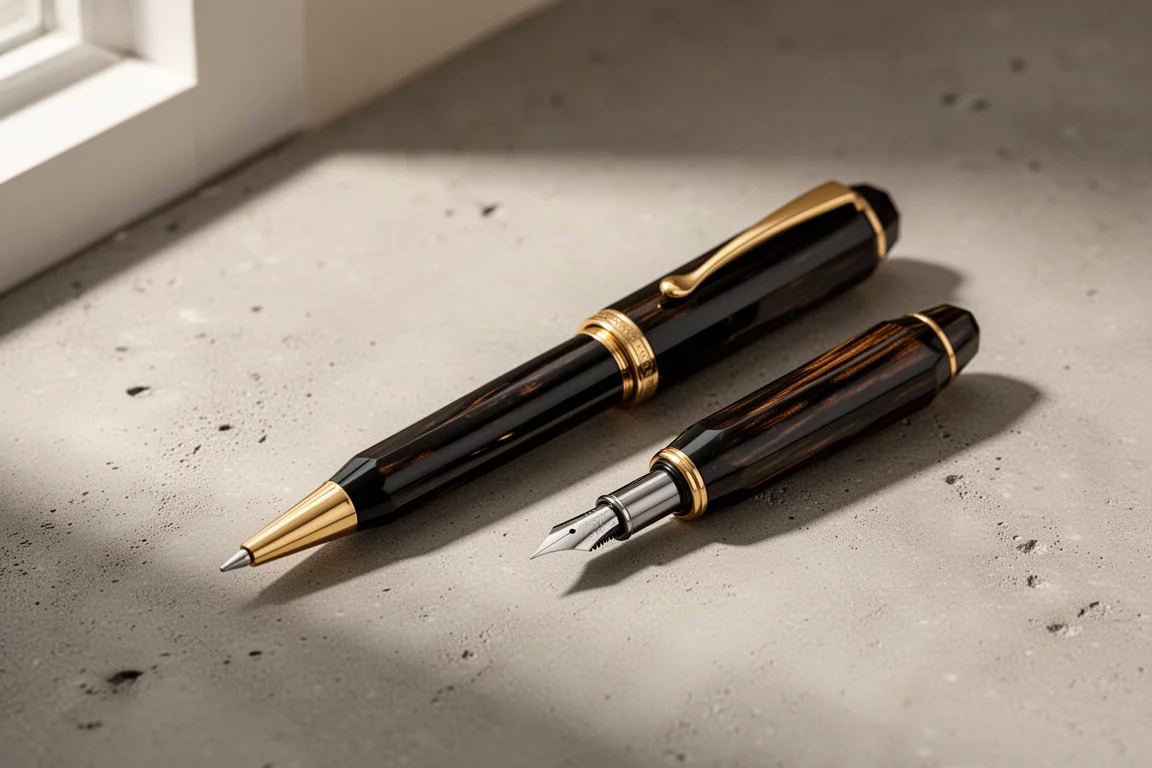
The barrel is exactly what the name promises: solid ebonite, showing the material’s distinctive streaked pattern along the octagonal shaft. Ebonite is a hard rubber-based resin once considered among the most durable man-made materials, prized for its resistance to wear and chemicals, and when polished it takes on a genuinely beautiful gloss.
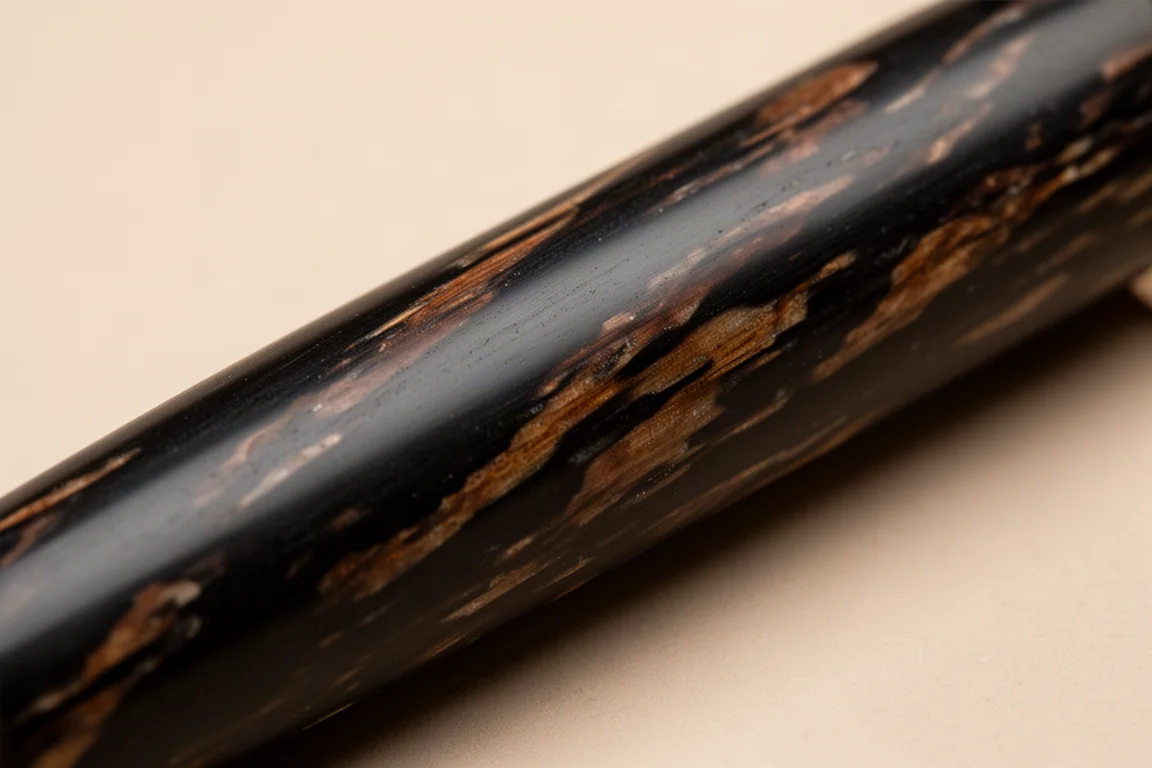
That gloss comes with a catch: ebonite is sensitive to ultraviolet light. Left exposed to sunlight, the surface loses its shine and clouds over, so this is a pen that rewards careful storage. It is also worth noting that ebonite manufacturing has nearly vanished; only one company still produces it in Japan, and this pen uses ebonite from a German manufacturer founded in 1871.
The gold grip section immediately recalls the Kaweco design language: wide, with a beautiful sweeping curve. The clip is slim and sharply pointed at the tip. One notable detail is branding, or rather the complete absence of it. There is no logo, no company name, and no product name anywhere on the pen. For an anniversary edition, that feels like a missed opportunity.
Cap and Grip Section
This is a cap-type pen, but the cap does not click closed like a snap-fit modern cap. It stays on through light pressure only, which means a knock or shock can dislodge it. That style was common in earlier decades, so it reads as period-correct rather than a defect.
The grip section tapers toward the tip with no knurling or texture, and it is on the slim side. Fortunately ebonite itself resists slipping; there is no tackiness, just a slight, almost adhesive feel against the fingers. Although the barrel is octagonal, the grip section has no visible facets.
Grip, Balance and Everyday Handling
With the cap off, the pen measures 127mm and weighs 13.3g, with a 9mm grip diameter. Capped, it is 133mm, 18.9g, with an 11mm barrel diameter. The balance point sits near the center, which helps the pen feel settled in hand.
The cap can technically be posted, but it is long enough that the balance suffers, so most users will be better off leaving it off while writing. The metal grip ring is glued in place and sits flush with the grip section, with no step to catch on.
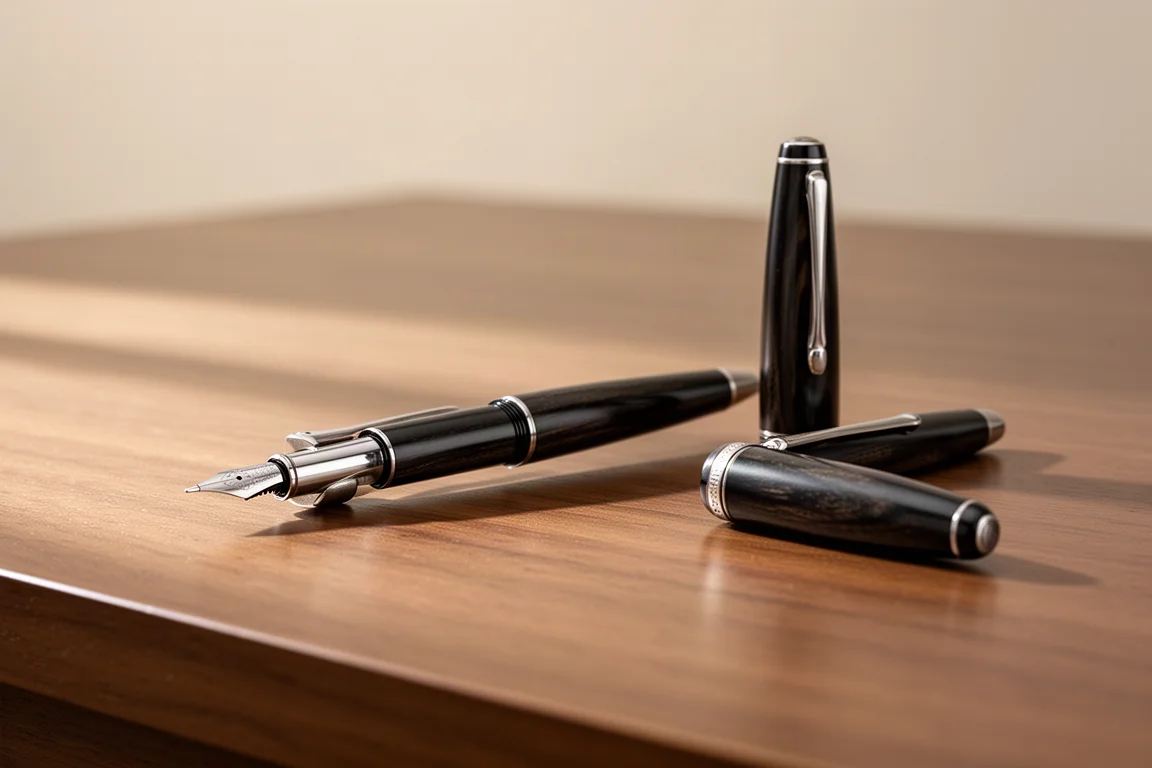
Twisting the finial assembly loosens it for refill changes, and a subtle groove pattern near the end gives fingers purchase for a smooth, secure turn.
Refills: The Biggest Practical Limitation
Refills are sold separately, and the pen was clearly designed around liquid ink refills rather than standard ballpoint cartridges. In practice, only OHTO’s C300 series fits: the internal space is very tight, and the small step inside the barrel rules out anything slightly wider.
A word of caution for buyers: the product page listed a C300K, but the actual current C300K differs from what was referenced there. Popular refills such as Sarasa or EnerGel will not fit. The reviewed unit runs an OHTO C305, which fits snugly with zero wobble.
Writing Performance
With the OHTO C305 installed, the writing experience is the highlight of this pen. The liquid ink refill glides smoothly across the page, and because it sits perfectly matched inside the body with no play at all, the feel is exceptionally stable.
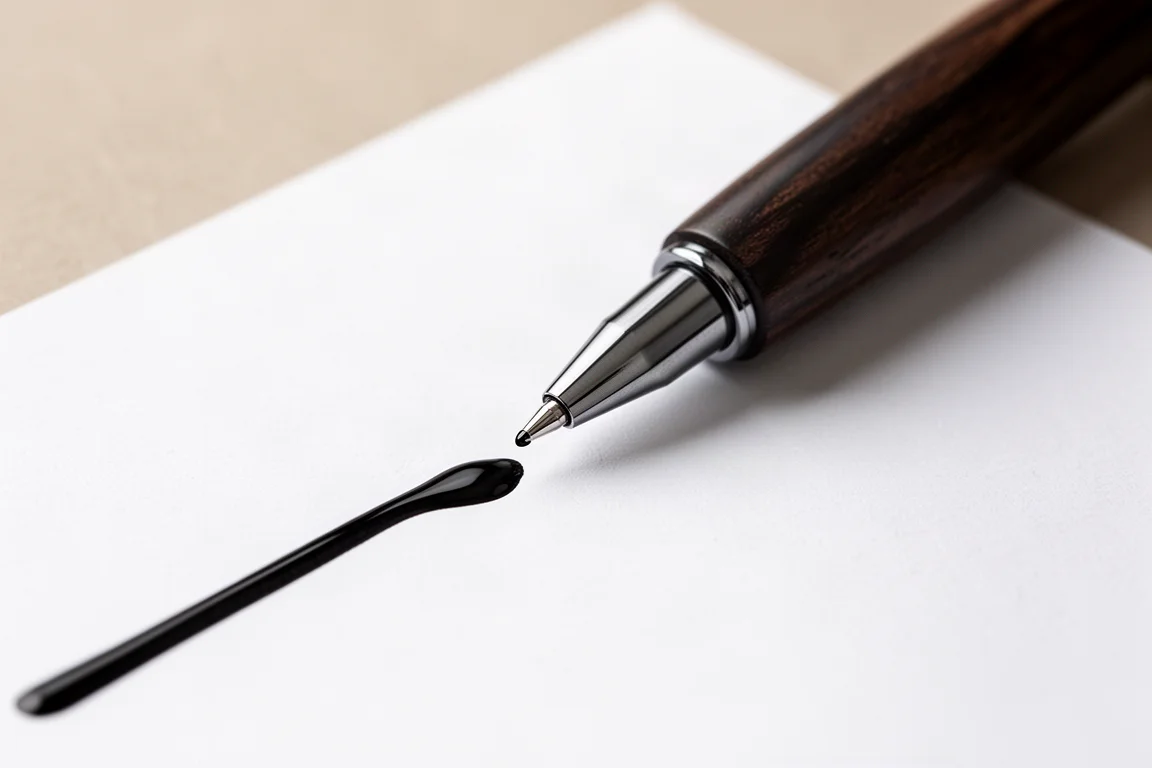
Available ink colors in the liquid ink lineup are black, red, and blue. Nothing about the refill is exotic, but the combination of a firm, precise liquid ink tip and a completely rattle-free fit makes this one of the more satisfying rollerball experiences at any level, vintage or not.
Things to Consider Before Buying
The strengths are easy to sum up: the design is simple and stylish, the writing feel is excellent, the balance is good, and owning a piece of over-40-year-old anniversary stationery carries a romance that modern pens rarely match. The fact that a ballpoint-era design from 1980 still writes this well today gives it genuine staying power.
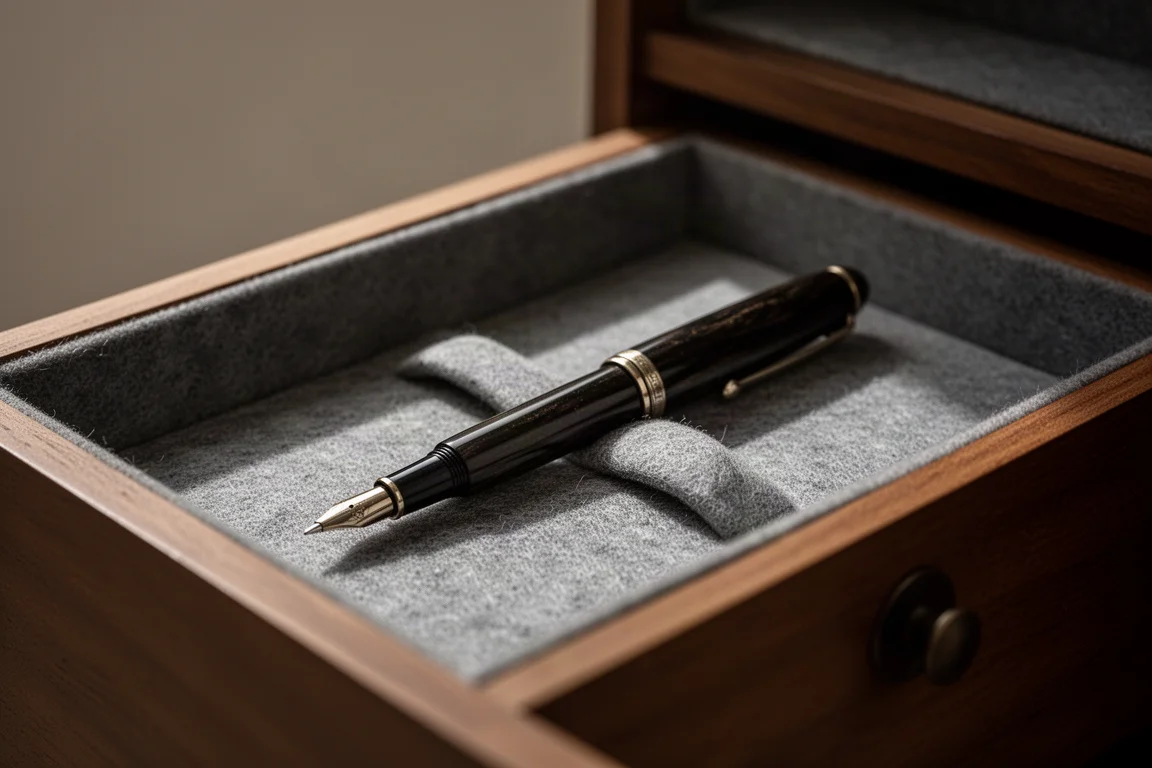
The drawbacks are equally clear. The missing branding makes the pen hard to identify or explain to anyone else. The refill compatibility is narrow and confined to OHTO’s proprietary C300 family. The pressure-fit cap can pop off with a knock. And ebonite demands mindful storage away from sunlight, ideally in a drawer, to preserve its polished finish. None of these are dealbreakers for a vintage piece, but they should shape expectations.
Buying Advice
This is not a pen you can shop for on demand; availability is effectively gone. If one ever surfaces at a reasonable price, the decision comes down to what you want from a pen. If you value writing feel, materials with history, and the quiet pleasure of owning something rare, it is easy to justify. If you need a workhorse with cheap, universally available refills, look elsewhere. For collectors and stationery enthusiasts, it is a genuinely rewarding find.
Conclusion
The H&M Goodballet Ebonite Rollerball is a rare, characterful piece of pen history: ebonite throughout, elegant gold grip work, superb balance, and a smooth liquid ink writing feel once paired with the right OHTO refill. Its limitations, from refill scarcity to a fragile-style cap, are the honest cost of its age. As both a writing tool and a collector’s piece, it earns its place on the desk of anyone who loves stationery with a story.
Product link
View more details for H&M Goodballet Ebonite Rollerball
This product is mentioned in the review. Check the specifications, options, and compatibility before buying.
View more details for H&M Goodballet Ebonite RollerballFurther reading
Related Reviews
Stationery
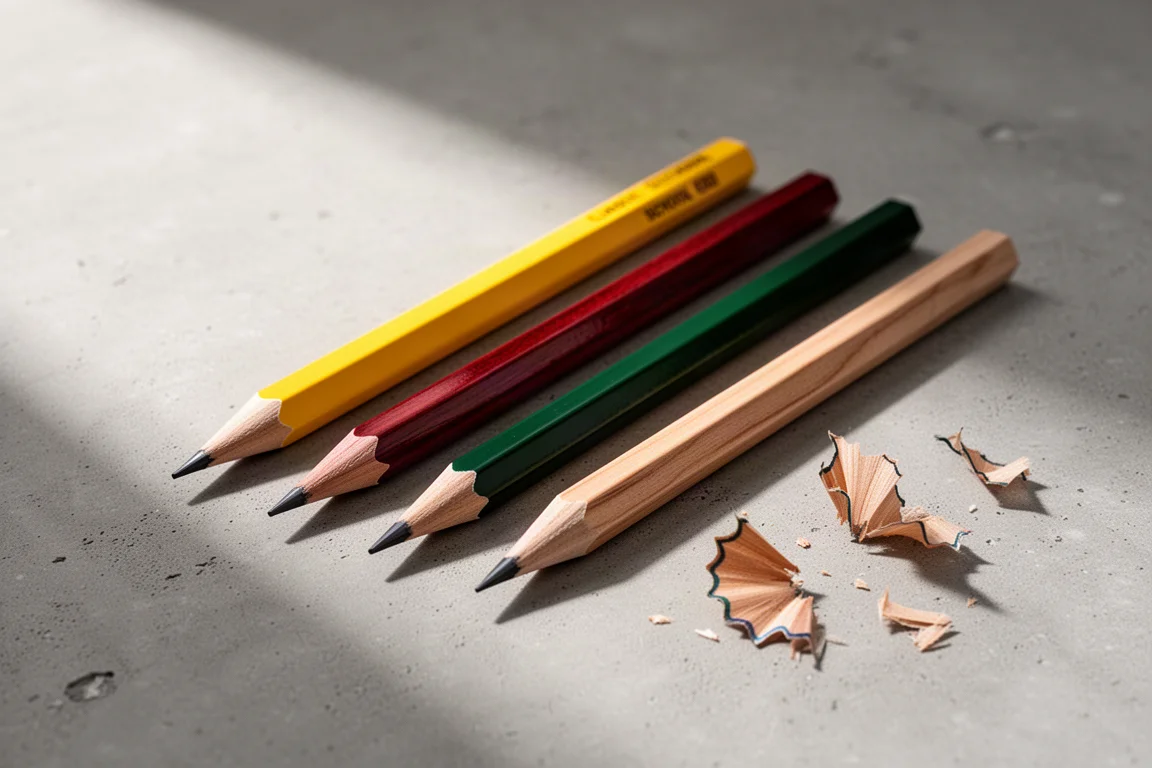
Musgrave Pencils Review: Four Classic Pencils from Tennessee's Last Pencil Factory
We put four Musgrave pencils to paper, from the classic Harvest to the Unigraph 1200 drawing pencil, to see what a century-old Tennessee workshop can still do.
Stationery
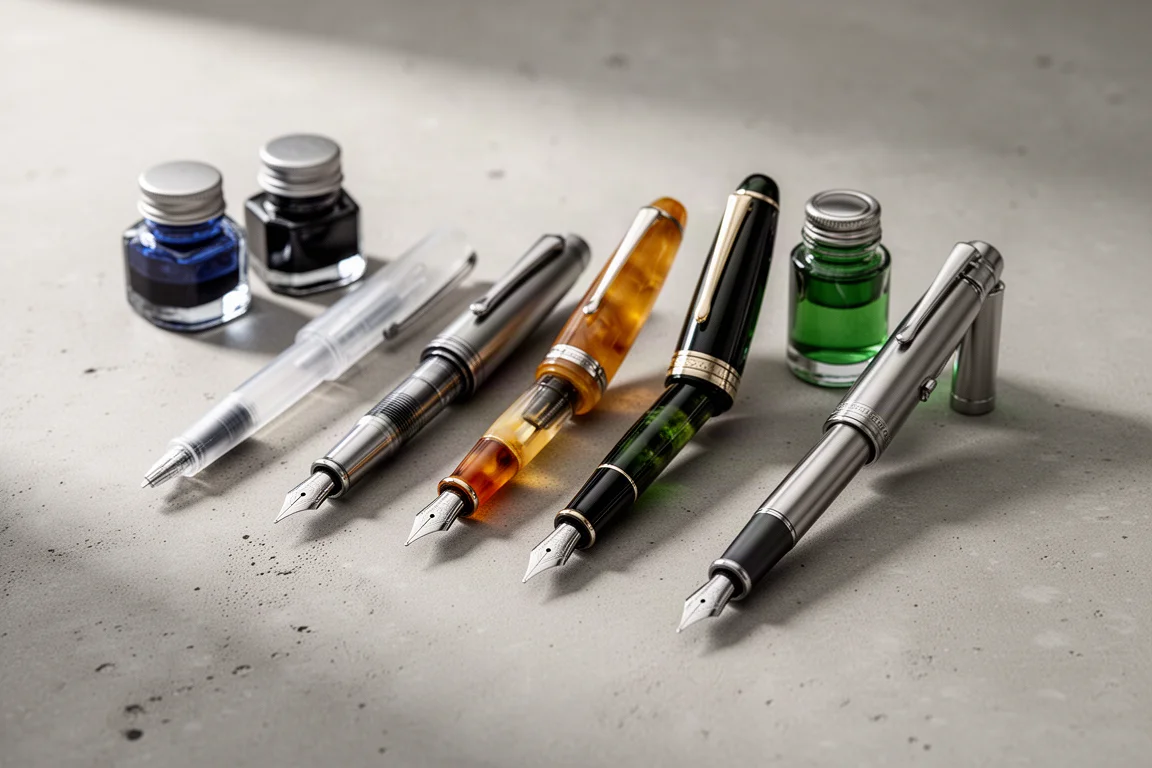
Fountain Pen Tiers Explained: From Starter Pens to Luxury Grails
A practical overview of the different levels of fountain pens and inks, from a sub-$20 starter setup to Italian piston fillers and retractable gold-nib everyday carries.
Stationery
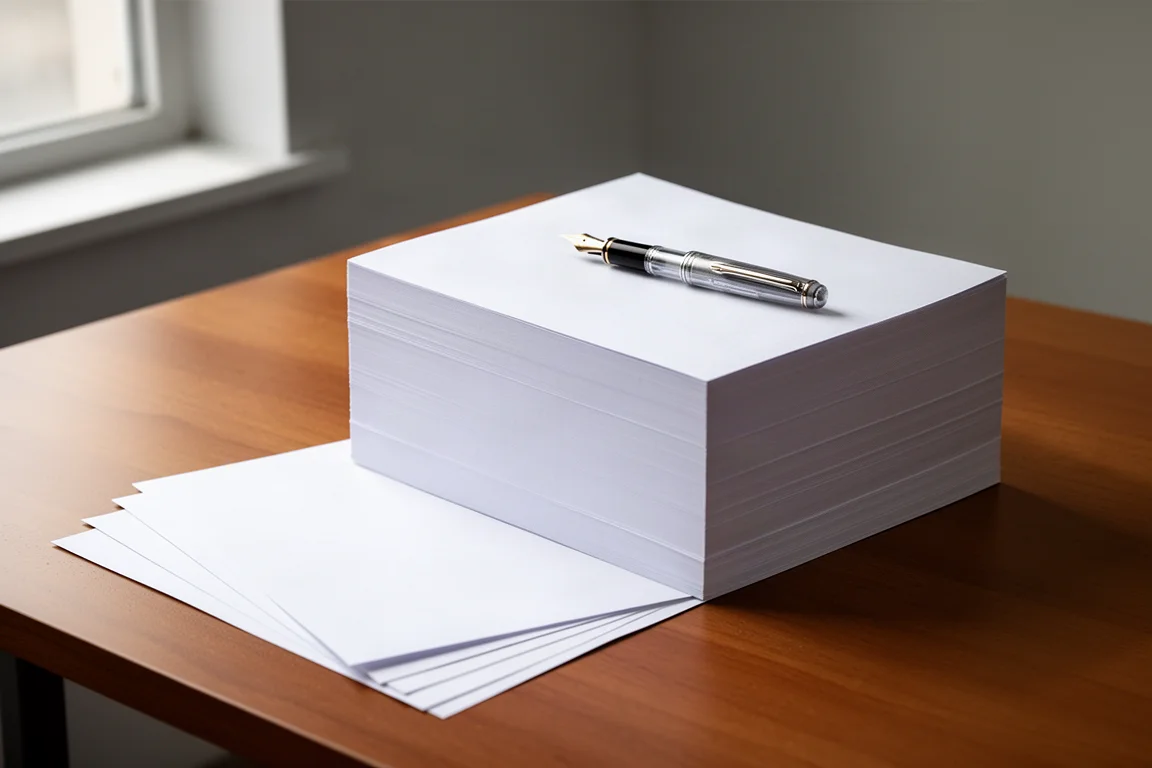
HP Premium 32 lb Copy Paper Review: A Fountain Pen Friendly Everyday Printer Paper
A heavy, smooth 120 GSM copy paper that handles fountain pens far better than standard printer stock, with only minor trade-offs in shading and sheen.