4K TVs
Hisense 85UX Review: Superb Mini LED Picture, Uneven Everyday Usability
A flagship mini LED 4K TV with outstanding picture quality, brightness, and out-of-the-box accuracy, held back by motion, processing, and HDMI quirks.
Introduction
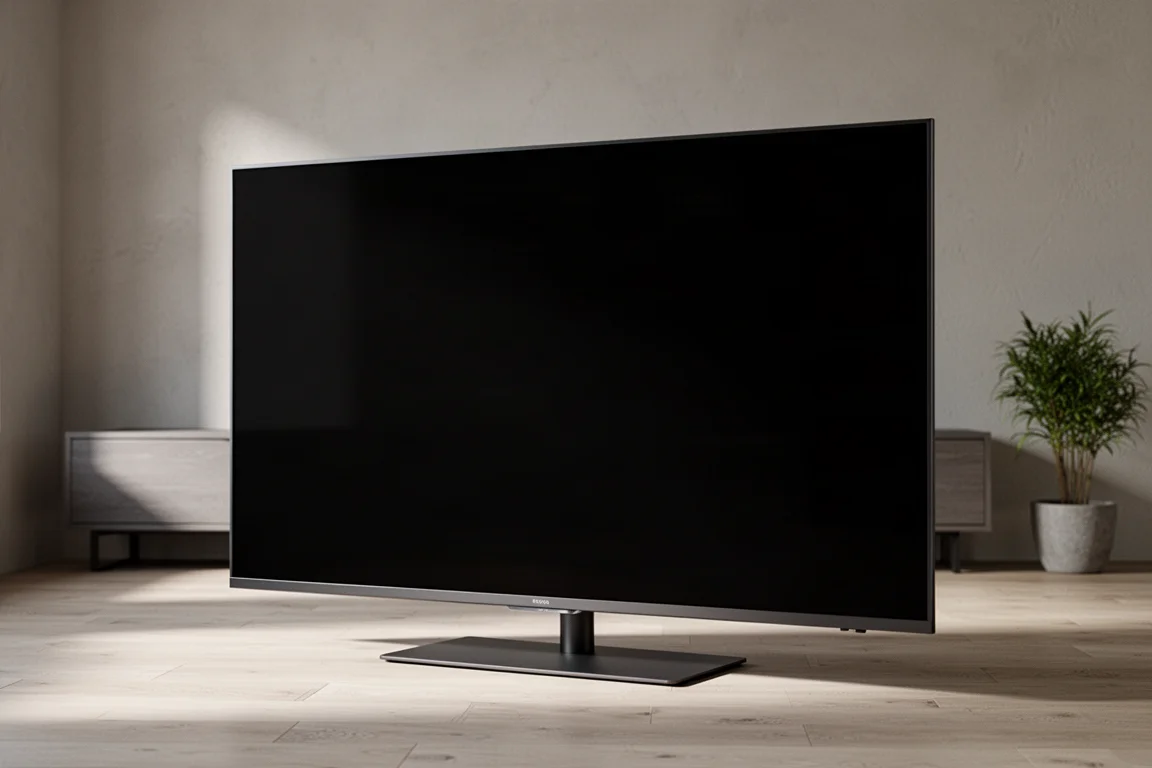
The Hisense 85UX is a limited-run flagship that arrives with numbers normally reserved for the very top of the market: 20,000 mini LED lights, 5,000 local dimming zones, and a reported peak brightness of 2,500 nits. On paper it reads like a statement product. In practice it is one of the most contradictory televisions you can buy, because its picture quality is genuinely exceptional while its everyday usability is genuinely frustrating.
This review covers what the 85UX does brilliantly, where it falls down, and which buyers are most likely to be happy with it.
Who this product is for
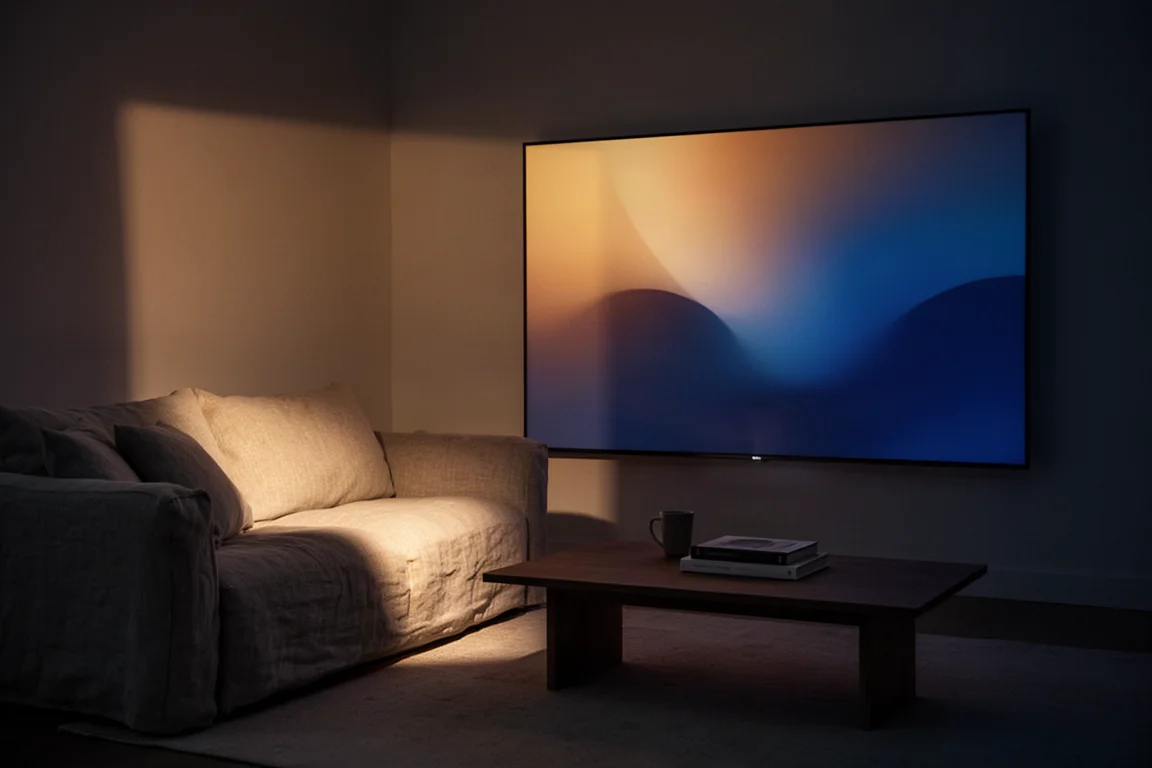
The 85UX makes the most sense for viewers who build their week around 4K and 4K HDR material. Feed it a high-quality signal from a streaming service, a Blu-ray player, or a personal movie server and it behaves like a top-tier display. The picture is bright, contrasty, and accurate, and the Theater Day and Filmmaker profiles are close to calibrated straight out of the box, so buyers who would rather not pay for a professional calibration get a great deal of value here.
It is a weaker fit for households that spend a lot of time on sports, broadcast channels, or older HD and SD content, and for anyone who plans to route audio through a soundbar or an AV receiver.
That split is the single most important thing to understand before buying. If your viewing diet is almost entirely premium 4K content, the 85UX plays to its strengths. If it is mixed, the weaknesses become much harder to ignore.
Main strengths
There is a lot to like here, and most of it is concentrated in the image.
Bright, Contrasty Picture Quality With OLED-Like Blacks
The 85UX uses 20,000 individual mini LED lights grouped into 5,000 local dimming zones, with the Hi-View Engine X processor handling both the backlighting and the video processing. The result is a display that looks far more like an OLED than most LED-based televisions. With the right backlight and dynamic contrast settings, blooming is effectively absent, and the deep blacks hold up even in demanding scenes.
Brightness is the other headline. Hisense reports a peak of 2,500 nits and a contrast ratio of 150,000:1, and in real-world testing the Theater Day profile measured between 900 and 1,000 nits. That is a meaningful advantage for bright rooms and for HDR material, including Dolby Vision, where the extra headroom is genuinely useful rather than just a specification line.
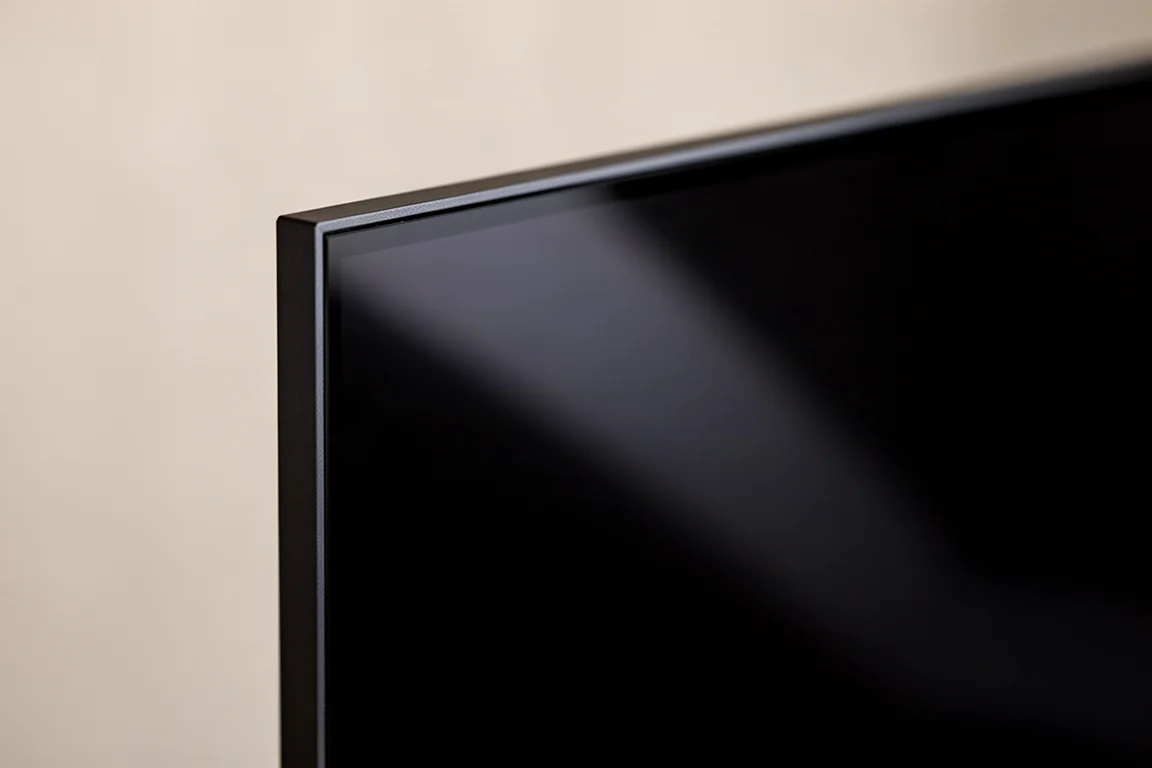
Panel uniformity is strong as well. A full white pattern shows virtually no dirty screen effect and almost no vignetting at the edges, and it holds up slightly better than the Sony X95L used as a comparison reference. For a display with this many dimming zones, that level of control is impressive.
Calibration-Grade Accuracy Out of the Box
The 85UX ships in its Standard picture profile, which is best avoided. Switching to Theater Day and setting white balance to Warm 1 transforms it: grayscale and color accuracy both measured exceptionally well, with Delta E hovering around 2, a level generally considered imperceptible to the eye. Without any adjustment beyond that, the 85UX ranks among the most accurate televisions around, and arguably better than the Sony X95L it replaced as a reference.
For buyers who want a set-and-forget picture, this is one of the strongest arguments for the 85UX.
Surprisingly Capable Built-In Sound
The 85UX is a large, heavy, substantial television, and much of that bulk comes from its audio hardware. Seven built-in speakers, including a dedicated subwoofer, make up a 4.1.2 system with Dolby Atmos support. Built-in TV audio is usually a compromise, but this system is genuinely decent and compares favourably with some cheaper soundbars.
That matters, because the 85UX’s HDMI behaviour makes adding external audio gear a risk rather than a straightforward upgrade.
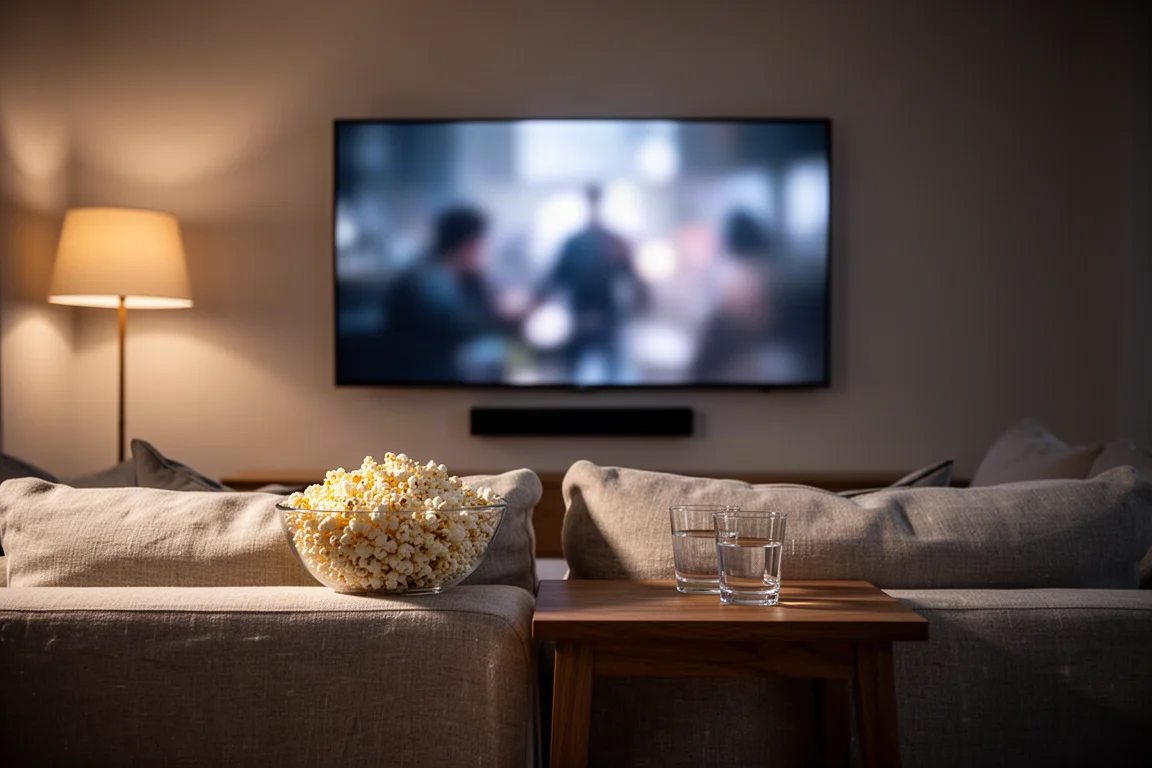
The 4.1.2 array also means buyers who are content with TV audio alone can sidestep the most problematic part of the user experience entirely. A single eARC-enabled HDMI port is available for those who do want to connect something more capable.
A Well-Built, Substantial Flagship
The 85UX is thicker and heavier than most modern televisions, and it feels it. Build quality is solid, and the Google TV platform runs the apps most people need without trouble, though it is not quite as quick as the reference Sony. Four HDMI inputs are provided, two of which support signals up to 4K 120Hz, alongside gaming features including ALLM, VRR, AMD FreeSync, and Game Mode Pro.
Things to consider before buying
The problems are concentrated in processing, motion, and connectivity.
Processing and Motion Weaknesses With Lower-Resolution Content
The Hi-View Engine X has a great deal to do, and it appears to be stretched. Power-on and remote response are slow. More importantly, anything below 4K exposes scaling and motion deficiencies: color banding, excessive noise, poor edge fidelity, and stuttering. 4K 30 and 4K 60 cinematic content looks smooth, but HD, SD, and broadcast material often does not, and sports are the worst case. Even 4K sports broadcasts stuttered.
Gaming is affected too. Despite support for ALLM, VRR, AMD FreeSync, and Game Mode Pro, motion handling was a struggle even in lower-frame-rate titles.
Unpredictable HDMI, CEC, and eARC Behaviour
This is the most serious issue. HDMI CEC and eARC worked flawlessly with one AV receiver, were hit or miss with a newer soundbar, and were abysmal or outright nonfunctional with two other audio components. The behaviour could change from one day to the next without any settings being touched, often requiring a factory reset or a full power cycle to restore.
Because most buyers of an 85-inch television will want better sound than TV speakers provide, this unpredictability is difficult to work around. It is not a matter of changing a menu setting from one mode to another; the same component could work one day and refuse to work the next.
Limited Availability and Open Questions
The 85UX is sold in limited quantities and goes in and out of stock. The manufacturer was informed of the issues encountered, and a response was still pending, which leaves open the possibility of a firmware fix but no confirmation of one. That uncertainty is worth factoring into a purchase decision at this price.
Buying advice
At around $4,000, the 85UX is expensive for a Hisense, and the decision comes down to how you watch. Buyers who rarely watch sports, subscribe to premium 4K streaming tiers, or feed the television from a dedicated disc player or movie server have the best chance of enjoying it, particularly if they also want factory-calibrated accuracy without paying for a professional calibration.
Buyers who rely on a soundbar or receiver, or who watch a lot of broadcast and sports content, are likely to be happier with a Sony X95L, an LG OLED, or a comparable Samsung. Those alternatives trade some brightness and black-level control for consistency.
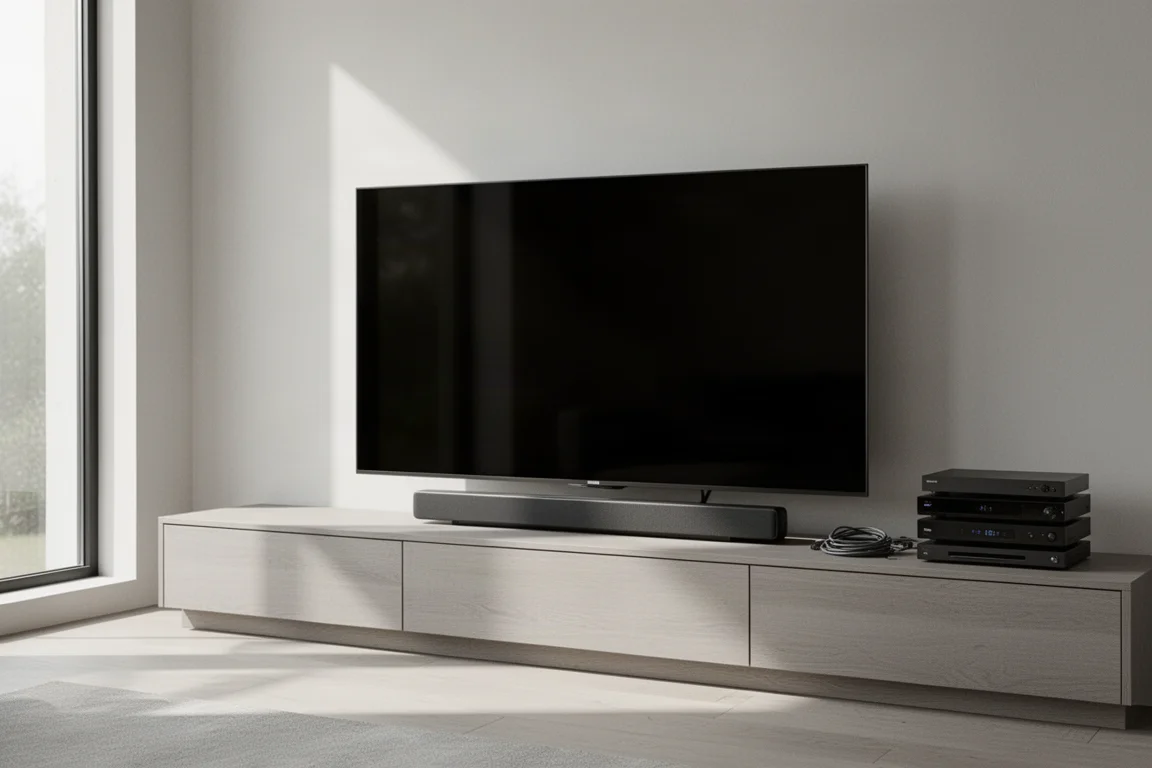
If you do decide to go ahead, the sensible approach is to confirm that your audio components behave reliably with the set while it is still within a return window, and to keep the picture in Theater Day mode with white balance on Warm 1. Treating the purchase as a considered experiment rather than a safe default is the most realistic way to approach this television.
Conclusion
The Hisense 85UX is capable of true greatness. Its 4K and 4K HDR picture quality is excellent, its brightness and black-level control are class leading, and its out-of-the-box accuracy is remarkable. It is also one of the more frustrating televisions to live with day to day, thanks to slow processing, motion problems with lower-resolution content, and HDMI behaviour that cannot be relied upon.
For the right viewer, with the right sources and no external audio complications, it is a genuinely impressive display that can look better than far more expensive rivals. For everyone else, a more consistent set from Sony, LG, or Samsung remains the safer choice.
Product link
View more details for Hisense 85UX
This product is mentioned in the review. Check the specifications, options, and compatibility before buying.
View more details for Hisense 85UXFurther reading
Related Reviews
4K TVs
Sony X95J Review: A Bright 4K LED TV That Comes Close to Master Series Performance
The Sony X95J pairs a full array LED panel with the Cognitive Processor XR for peak brightness above 1,000 nits, accurate color, and strong upscaling, with a few compromises worth weighing first.

Backpacking Gear
Building a 10 lb Base Weight: An Ultralight Backpacking Gear List
A practical walkthrough of the ultralight pieces behind a 10 lb base weight, from a 765 g pack and a roomy one-person tent to a full camp chair and a dependable water filter.

Road Bikes
10 New Road Bikes Worth Watching: Aero, Titanium, Steel and Endurance Standouts
A practical roundup of 10 new road bikes, from aero flagships chasing single-watt gains to titanium, steel and endurance platforms built for real roads.