Bike Locks
Hiplok Locks Put Through an Angle Grinder: Which One Actually Held
Four Hiplok locks, one angle grinder and a set of bolt cutters. Here is what each security rating really buys you, and which lock refused to give.
Introduction
Bike locks are sold on reassurance, and reassurance is hard to argue with until someone turns up with tools. So we took four Hiplok locks, from a lightweight cafe strap to a pre-production anti-angle-grinder D-lock, and attacked them in a timed test using bolt cutters, hand tools and a battery-powered angle grinder.
The outcome was blunt. Three of the four came apart faster than their ratings would suggest, and only one refused to give at all. If you ride in a city and leave your bike anywhere out of sight, the difference between those outcomes is the whole purchase decision.
What the Sold Secure Ratings Actually Mean
Sold Secure ratings are the framework insurers look at, and they are built around resistance time rather than any claim of being unbeatable. Bronze is set at roughly one minute against basic tools. Silver steps up to about three minutes against a wider selection of tools. Gold, the tier most bike insurance policies ask for, is pitched at five minutes against a sophisticated array of tools.
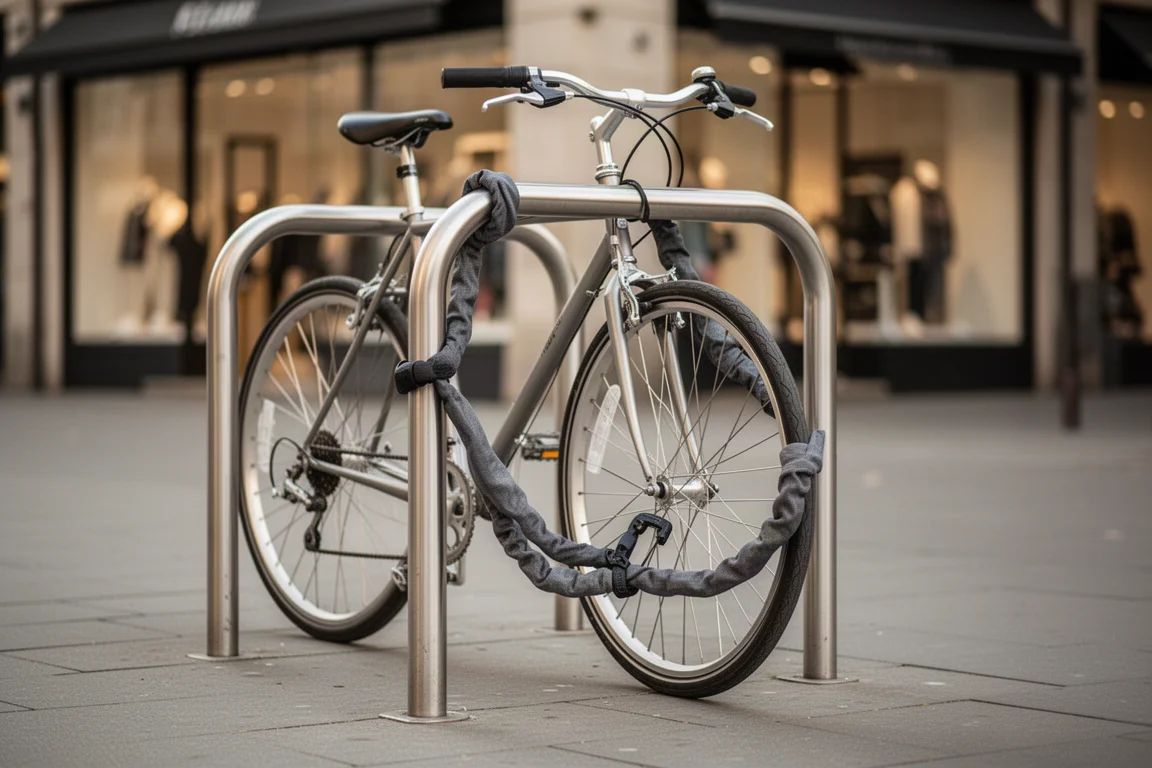
Those windows are deliberately short, and they describe hand tools far more than they describe a grinder. Nothing in a rating tier tells you how a lock behaves once a cutting disc touches it, which is exactly the gap this test was built to expose.
Hiplok Z-Lok
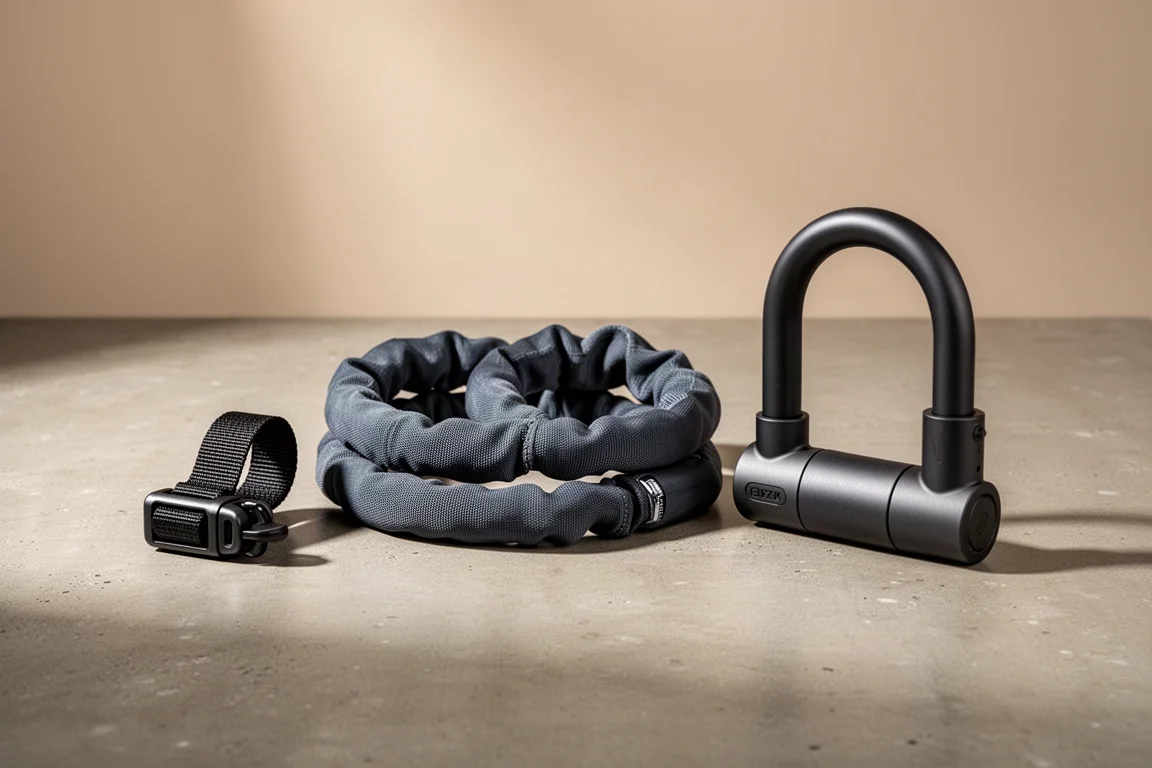
The Z-Lok is not really a lock in the traditional sense. It is a lightweight ratchet strap, closer in operation to a zip tie, intended for short stops where you are sitting nearby with the bike in view. It retails for around 19.99 pounds.
In the test it was open in roughly two minutes, without a single tool. The body of the strap is metal, but the ratchet teeth that hold it closed are plastic, and they can be pulled along the metal spine under load. A strong rider could plausibly rip it free in seconds.
Treat it as a deterrent, not as security. A visible lock outside a cafe still has value, because it signals that the bike is not the easy option. It should never be the thing standing between your bike and an unattended afternoon.
Hiplok Original Chain Lock
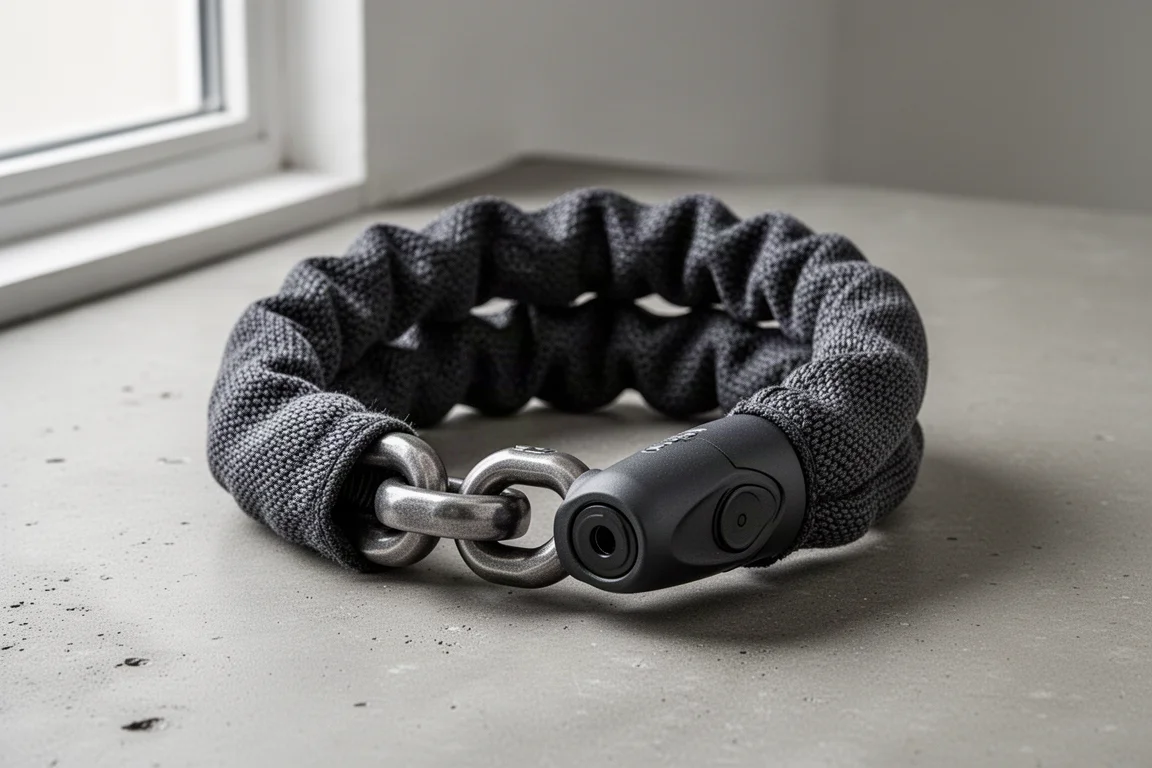
The Original is a wearable chain lock designed to sit around your waist while you ride. It uses an 8mm chain, carries a Sold Secure Silver rating, and retails at around 50 pounds.
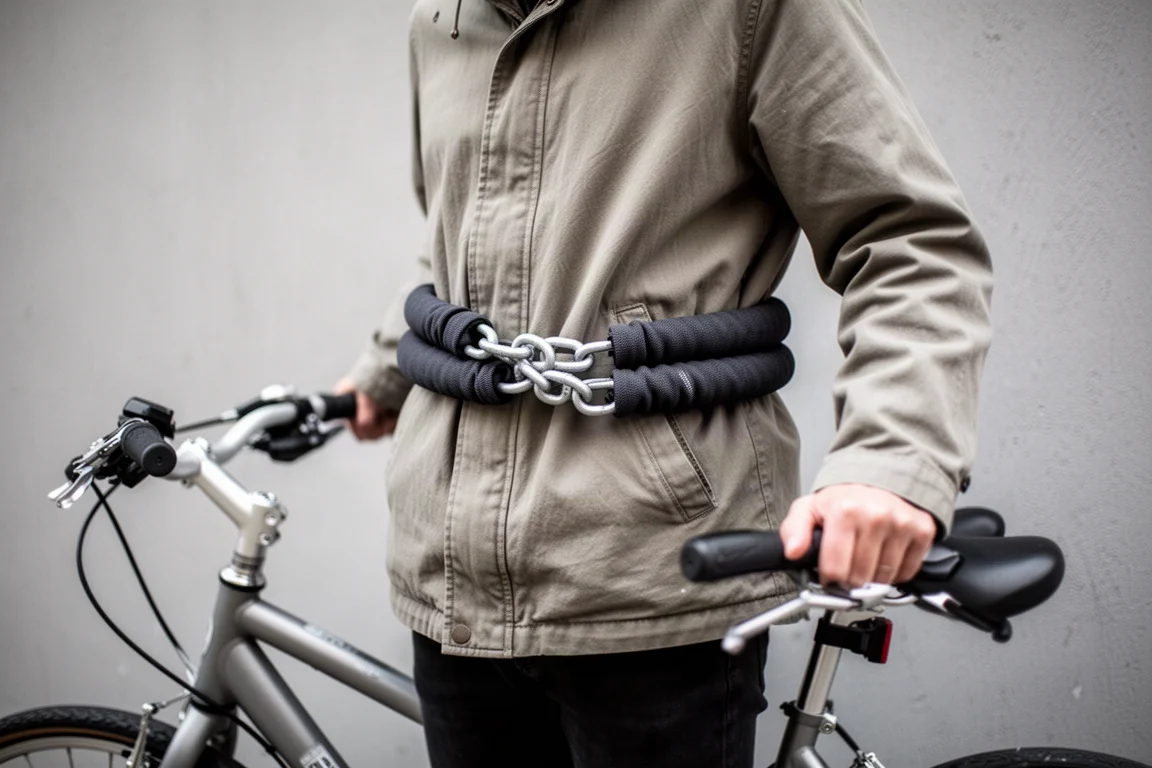
Against hand tools the chain format did its job. There is no exposed shackle to attack, and no gap wide enough to work cutters or a lever into, so bolt cutters went nowhere and manual attempts got no purchase at all. It finally gave way to an angle grinder after about four minutes, which is a far longer fight than most thieves want to have in public.
The obvious limitation is the Silver rating. Many bike insurance policies only cover a bike secured with a Gold rated lock or better, so the Original may not satisfy your insurer even though it stood up well to hand tools.
Hiplok Gold Chain Lock
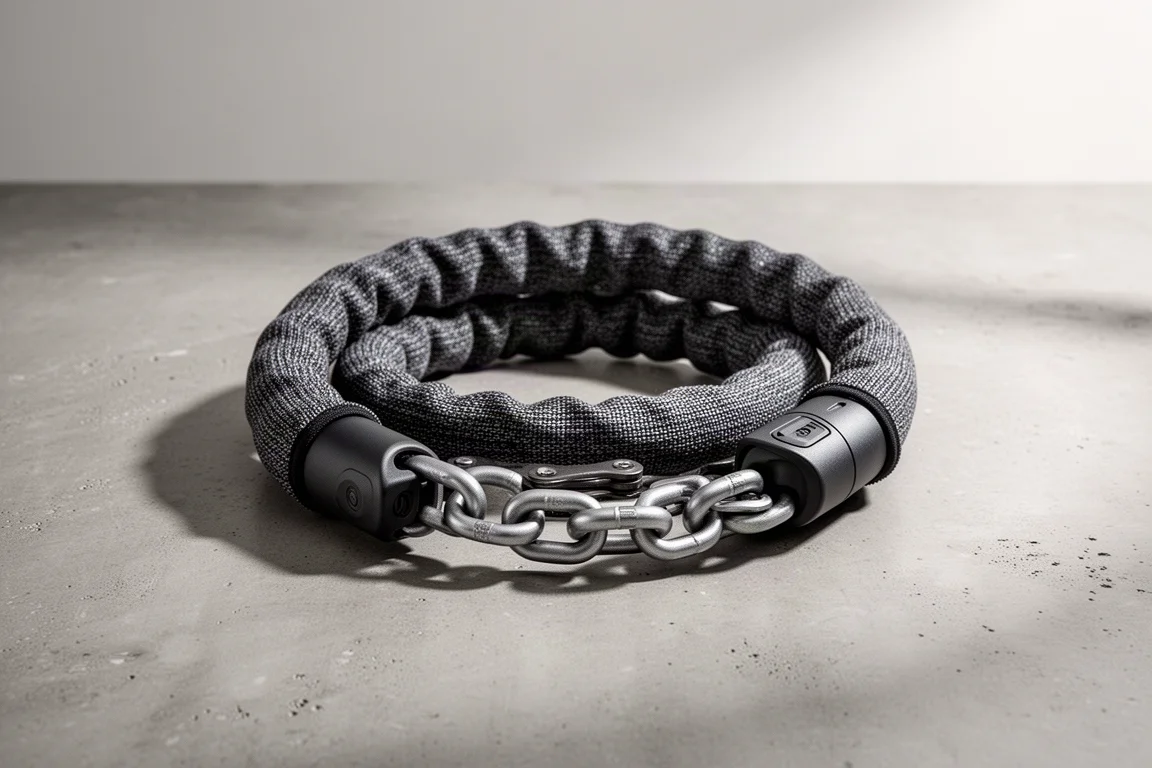
The Gold follows the same wearable concept with a thicker 10mm chain and a Sold Secure Gold rating. That upgrade matters in a very practical way, because Gold is the tier that many bike insurance policies require before they will pay out.
Thickness did not translate into grinder resistance. The angle grinder went through it in about 43 seconds, and the cut was not even made cleanly. The takeaway is uncomfortable: a Gold rated chain can be defeated faster than a coffee break, and the rating describes resistance to hand tools, not to a cutting disc.
Hiplok D1000
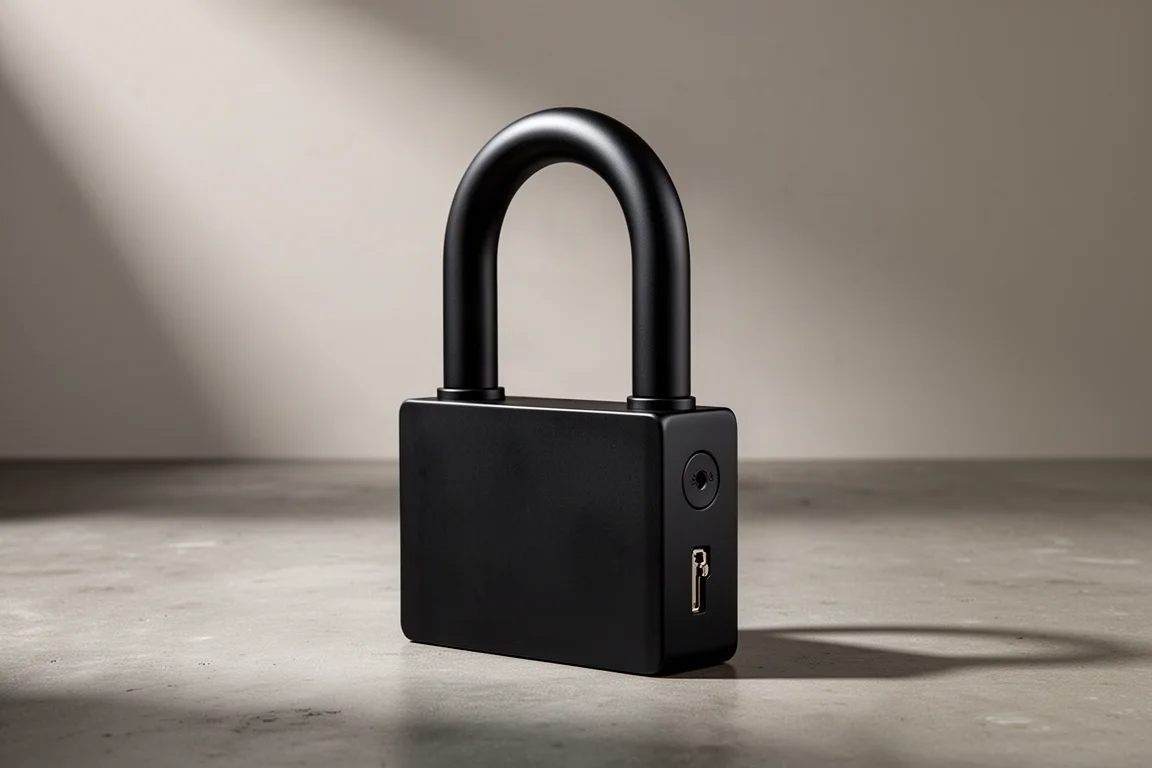
The D1000 is designed specifically around grinder resistance. It is a shackle lock with metal welded directly to metal and no recess for a tool to bite into, supplied as a pre-production unit with an expected retail price around 250 pounds.
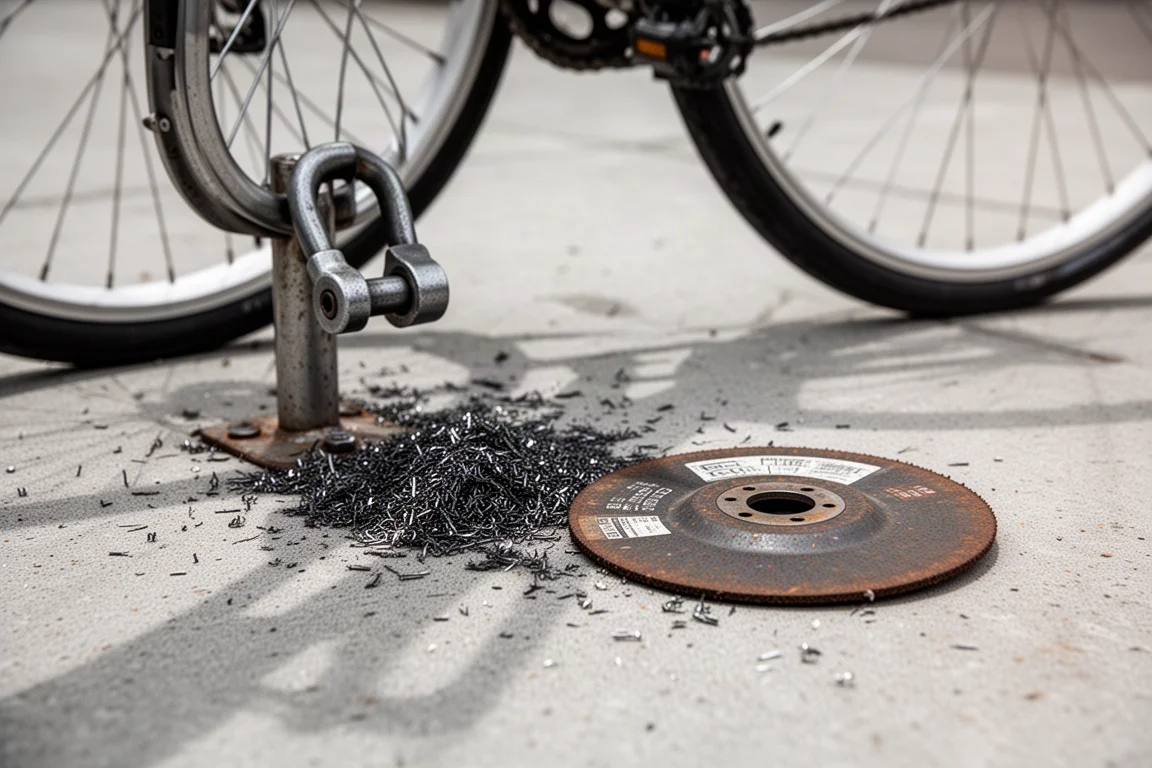
It was the only lock in the test that was not opened. A 15-minute angle grinder attack consumed multiple cutting discs and produced heavy smoke and a genuinely foul smell. Even setting aside how long the lock might eventually last, the noise, the sparks and the attention make it a miserable target, and that friction is the actual product here.
The trade-off is price. At roughly five times the cost of a Gold chain lock, the D1000 only makes sense on a bike you genuinely could not afford to lose.
What to Check Before You Buy
Match the lock to the stop, not to the bike. A lightweight cafe strap is a reasonable thing to own, but it should never be your only lock, and it should never be used anywhere you cannot see the bike.
If your bike is left unattended in an urban area, portability should rank well below resistance time. Chain locks are comfortable to wear on the body and genuinely awkward for hand tools, but they are quick work for a grinder. A heavy shackle lock built around grinder resistance was the only format in this test that justified what it costs.
Rating tiers are worth understanding because insurers use them, but treat them as a floor rather than a measure of survival. A Gold rating is a useful signal that a lock resists hand tools, not a promise that it will outlast a determined attacker with power tools.
Overall Buying Advice
The practical answer is two locks. Keep a light strap or a small chain lock for cafe stops and errands where the bike stays in sight, and put the real money into one lock that is genuinely difficult to cut. If you want insurance cover, that lock should be Gold rated at minimum, and if you ride a high-value bike, the premium for grinder resistance is easier to defend than the cost of replacing the bike.
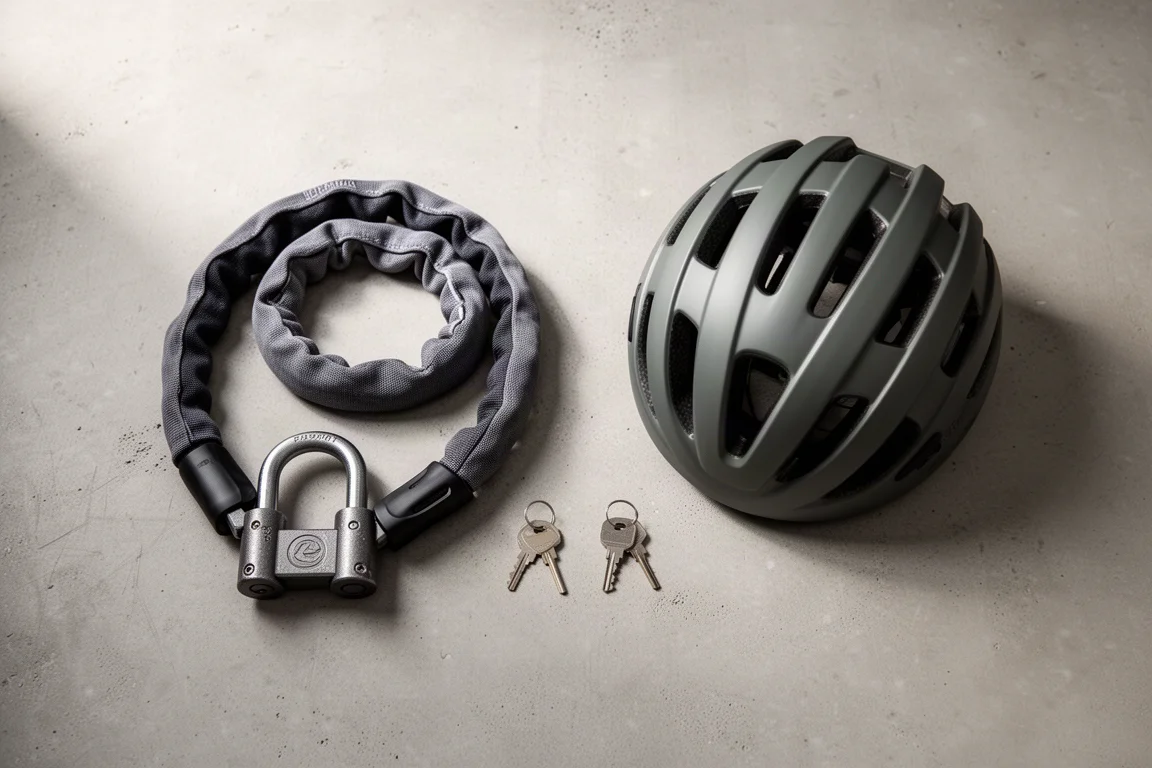
If the D1000 price is the blocker, a heavy D-lock such as the Kryptonite New York Lock is considerably cheaper and much more substantial than a cafe lock, and it is worth asking the same grinder question of it before you commit. What you should not do is assume a thicker chain or a higher rating tier has solved the grinder problem.
Conclusion
Across four locks and one angle grinder, the pattern was consistent: hand-tool resistance is cheap and widely available, and grinder resistance is neither. The Z-Lok is a deterrent, the Original and Gold chains are strong against cutters and quick against discs, and the D1000 is the only one that turned a two-minute job into a fifteen-minute ordeal. Buy for the threat you actually face, and buy once.
Further reading
Related Reviews
Bike Locks
Best Angle Grinder Resistant Bike Locks 2026: Five Sold Secure Diamond Locks Compared
Five angle grinder resistant bike locks, all Sold Secure Diamond rated, compared on cutting resistance, weight, locking area, and everyday usability.
Bike Locks
Best Angle Grinder Resistant Bike Locks: Five Sold Secure Diamond Locks Tested
Five Sold Secure Diamond bike locks faced a five minute cordless angle grinder test. Here is how each one held up, and which offers the best balance of security, weight and price.
Bike Locks
Best Bike Locks 2026: Six Locks Rated by Security Level
A practical guide to locking your bike properly, plus six locks spanning cable, folding, D-lock and chain designs across the Sold Secure ratings.