Bike Locks
Best Bike Locks 2026: Six Locks Rated by Security Level
A practical guide to locking your bike properly, plus six locks spanning cable, folding, D-lock and chain designs across the Sold Secure ratings.
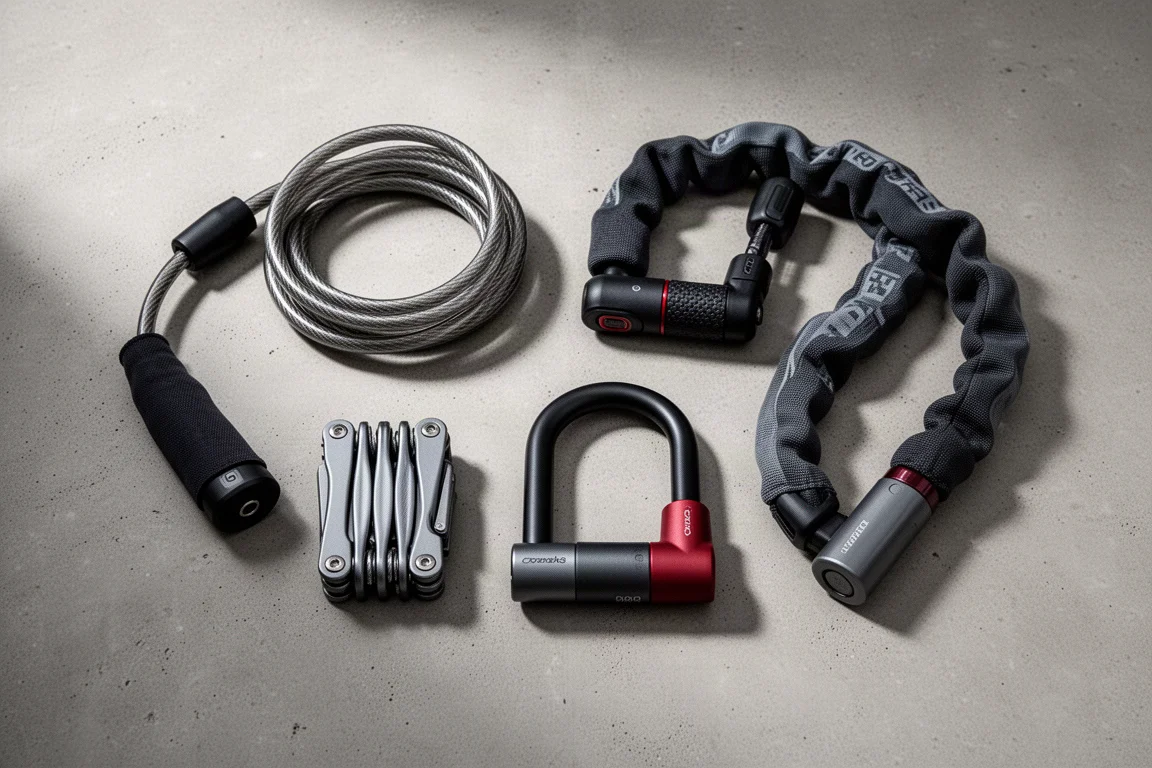
Introduction
A stolen bike is more than a financial loss. It is the end of a machine you have spent time and money getting right, and for most riders it is a genuinely painful experience. The encouraging part is that most thefts are opportunistic, and the way you lock your bike has a direct effect on whether a thief moves on to an easier target. A basic pair of cable cutters is enough to defeat a poorly chosen lock in seconds, so the difference between a five minute stop and a full day of parking matters far more than most riders expect.
This guide covers the locking habits that reduce risk, the steps worth taking if the worst happens, and six locks that sit at different points on the Sold Secure rating scale.
Understanding Sold Secure Ratings
Sold Secure rates bike locks across four levels. Diamond sits at the top and offers the toughest protection, followed by Gold, Silver and Bronze at the bottom.
Insurance matters here as much as security. Different insurers set different rules, and some require a Gold-rated lock for bikes valued at £251 and over. Diamond-rated locks may earn a discount on the premium. If you insure your bike, read the conditions carefully and make sure the lock you use meets them, because most payouts depend on how and where the bike was locked.
How to Lock Your Bike Properly
Start with the location. Where possible, park within eyesight of where you will be, even if that means walking a little further. Lock to a solid, immovable object that is intended for bike locking. A bike locked to private property can be removed by the landowner or building owner.
Then think about what the lock actually passes through. Locking through the frame is the minimum. A better habit is to secure the frame and the rear wheel together, which is straightforward on most bikes. Better still, use a second lock so the frame and wheels are joined as one unit, since a wheel on its own is quick to undo and carry away. Before you walk away, take off anything that is easy to unbolt, such as a computer, a light or a pump.
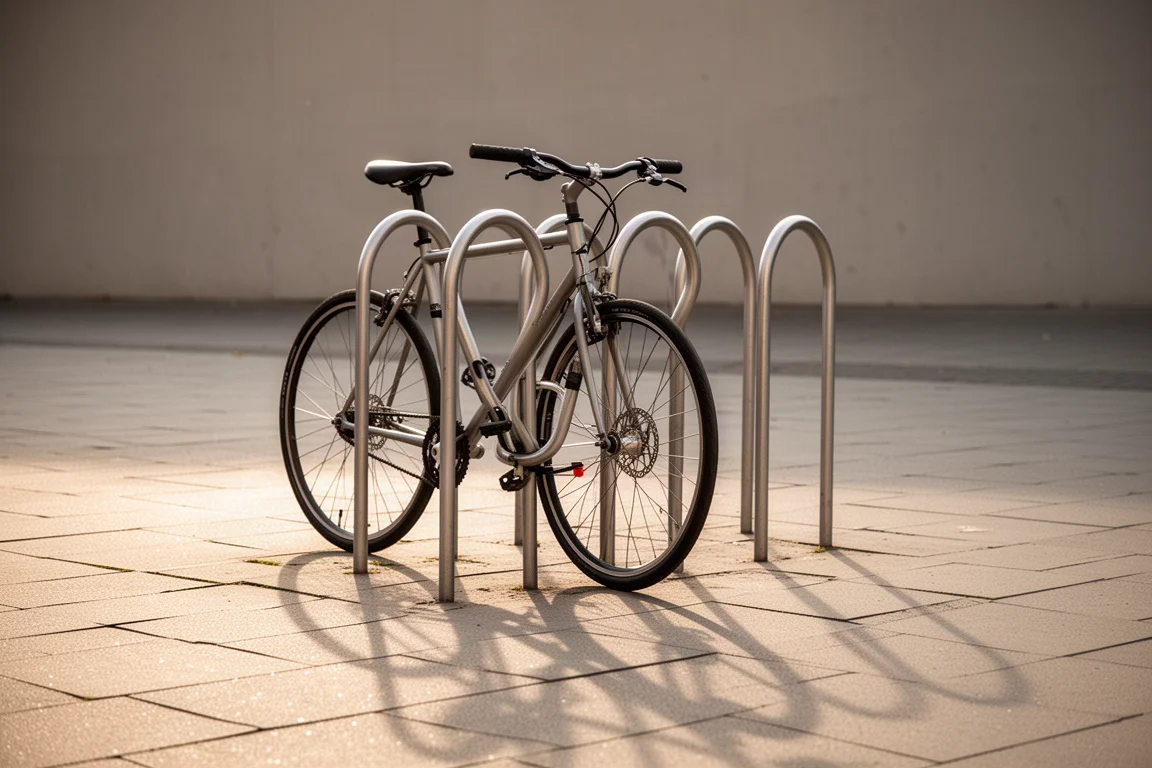
Habits like these cost nothing, and they are often what decides whether a thief bothers at all.
What to Do If Your Bike Is Stolen
Report the theft to the police as soon as you can. In the UK this can be done online or by calling 101, and the equivalent information is usually available from the relevant authority wherever you live. If the bike was taken from a railway station, the British Transport Police handle it on the same number. Outside the UK, check your government website for the correct procedure.
Next, report the bike as stolen on BikeRegister, which is recognised as the national cycle database and is used by UK police forces. This makes it easier for the police or members of the public to prove that a bike is in the wrong hands if it appears for sale online.
If your bike is insured, contact the insurer, and have the crime reference number from the police, your policy number and proof of purchase ready before you do. Alerting local community groups and bike shops can also help, since a stolen bike is more likely to be spotted when more people know what to look for.
Online Steps That Reduce Risk
A lock is only part of the picture. The information you publish online can tell a stranger where your bikes are kept. Check the privacy settings on ride tracking apps such as Strava or RideWithGPS: it is possible to hide the start and finish of a ride, or to make rides visible only to people you trust.
Selling a bike carries similar risks. In some cases, criminals can piece together enough information from open sources to work out where bikes are left unattended. Photograph a bike somewhere unrecognisable, and meet a buyer in a safe, neutral place rather than at home.
Best Budget Option: OnGuard Akita Cable Lock
The OnGuard Akita cable lock costs around £40, which makes it a relatively affordable addition to a bike. Cable locks are popular because they are lightweight, flexible and easy to coil around a seat post when not in use.
The trade-off is low-level security. This style of lock is best reserved for short stops where the bike stays within sight, and it is not the lock to leave a bike with when it is out of view in an area where theft is a real possibility.
Best for Quick Trips: Seatylock Foldylock Compact
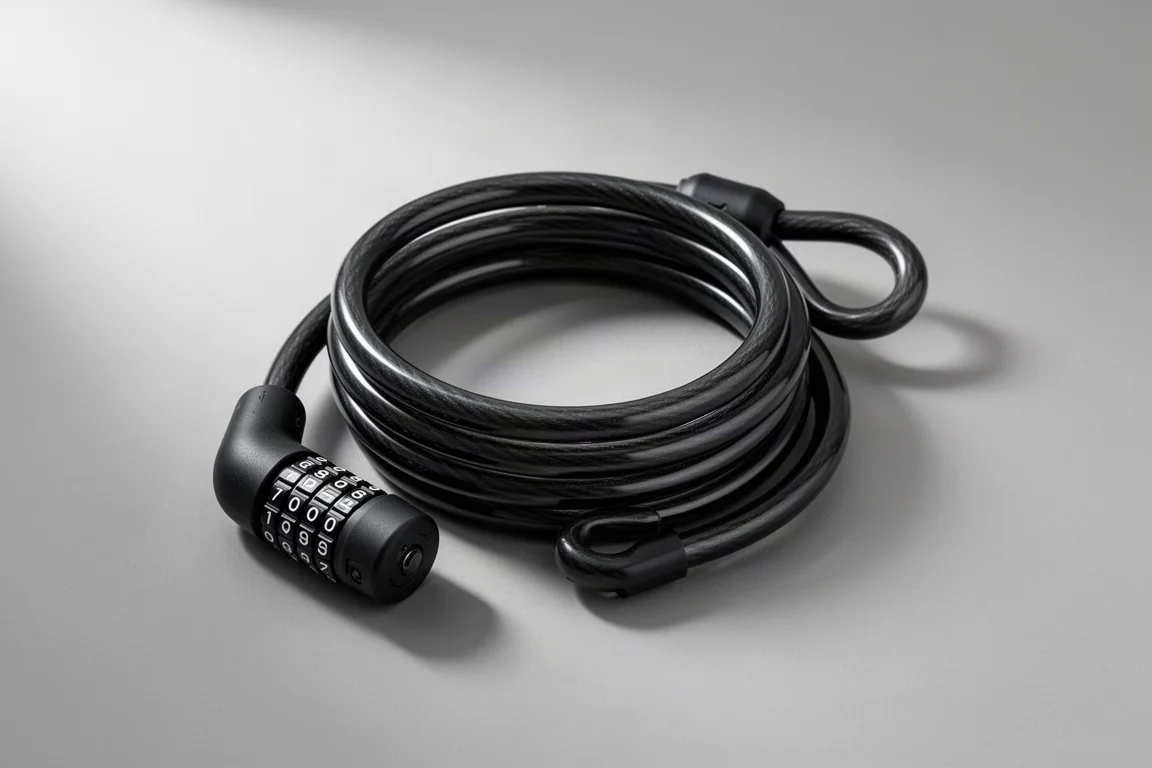
Folding locks are another very popular design. The Foldylock Compact folds down very small and can be mounted securely on the bike, which makes the process of locking up just a little faster. That combination of a compact folded size and on-bike storage is what makes it a genuinely versatile option for quick trips to the shops.
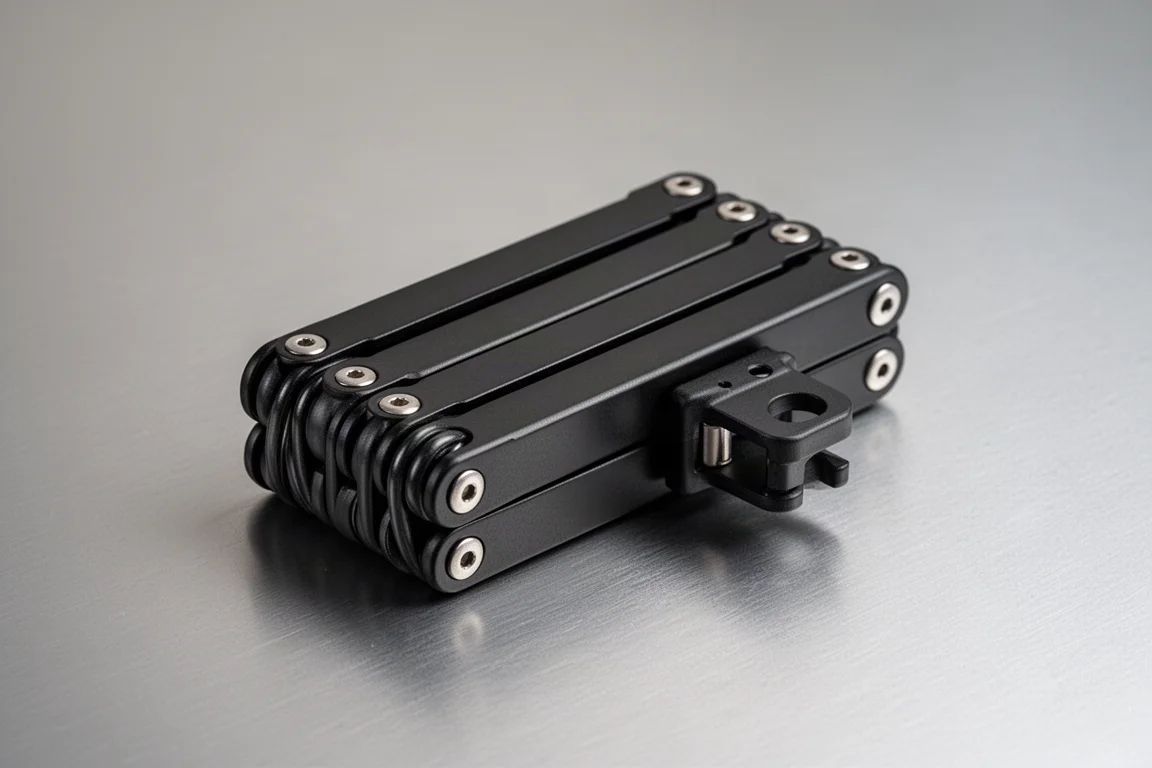
Best Gold-Rated Folding Lock: Abus Granit
Gold is the rating level where many good quality locks sit, and it covers several different lock styles. The Abus Granit is the folding option in that group: articulated plates that fold into a compact package, with Gold-rated protection behind them.
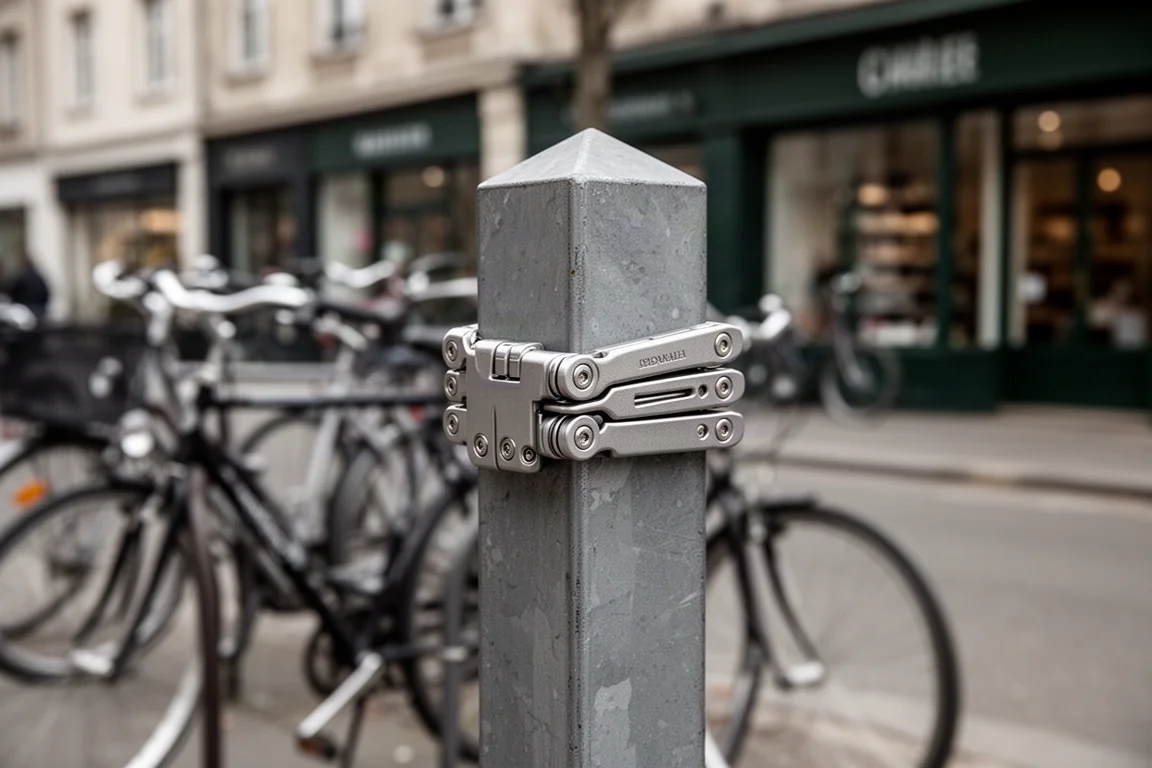
For riders who want a lock that is easy to carry and quick to deploy but still meets the standard many insurers ask for, a Gold-rated folding lock is a sensible middle ground.
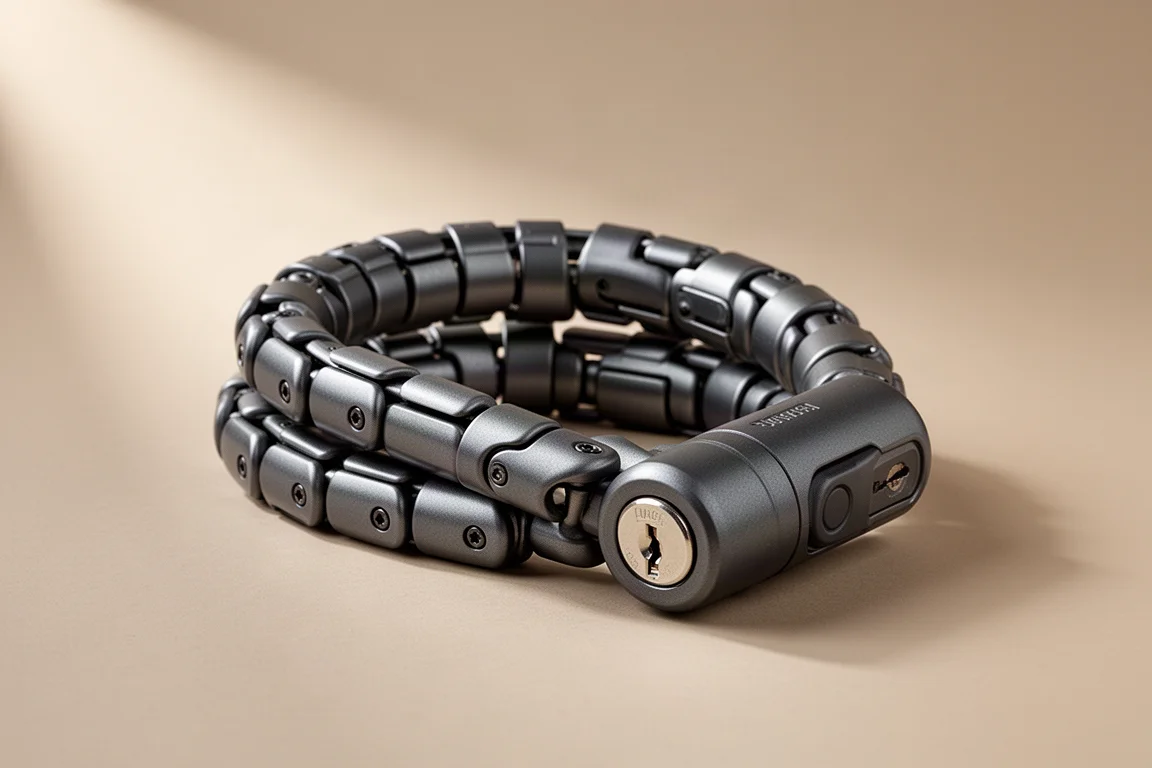
Best Gold-Rated D-Lock: Kryptonite New York
The Kryptonite New York represents the D-lock approach at the same Gold rating. D-locks trade some of the flexibility of a folding or cable design for a rigid, single-piece shackle, and they remain one of the most common choices for leaving a bike in a city.
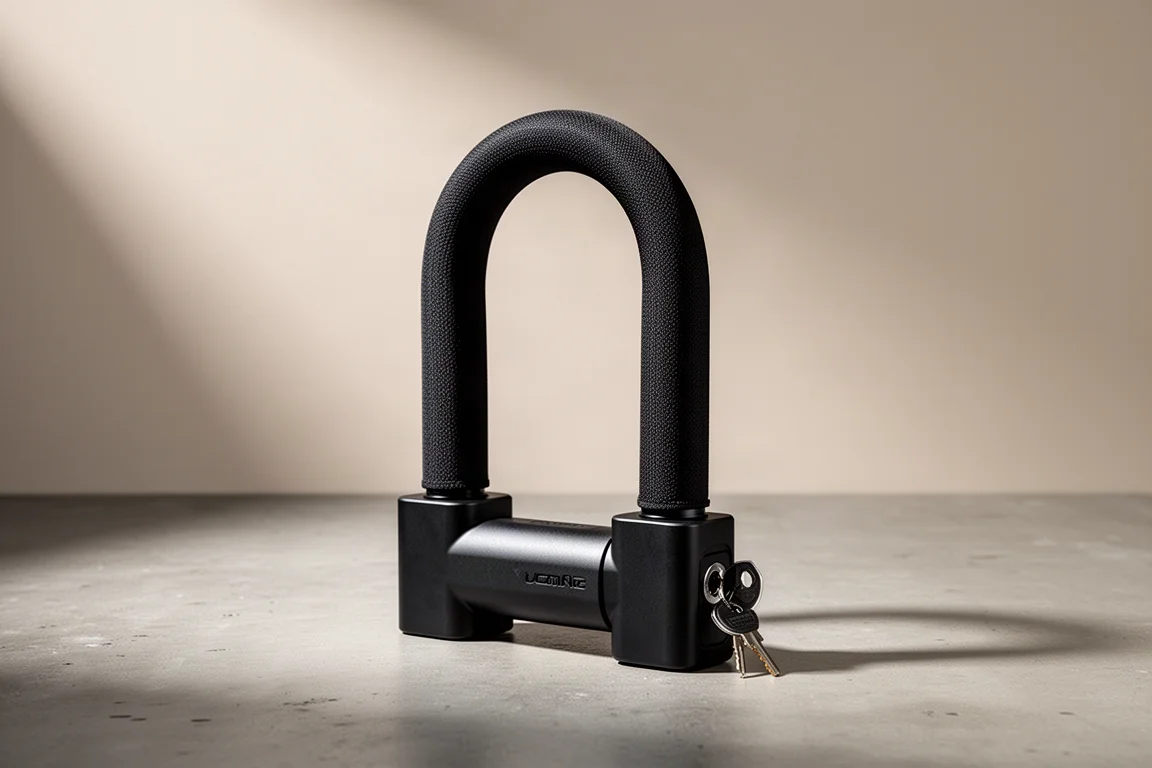
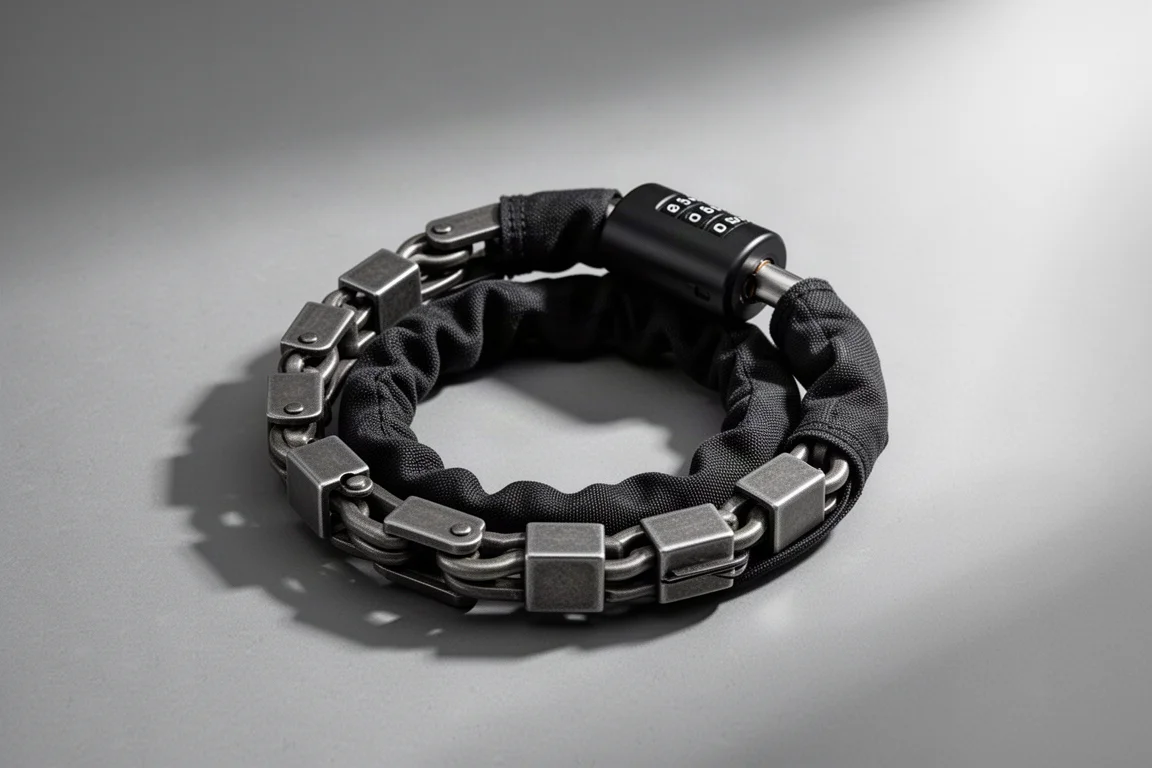
Best Gold-Rated Chain Lock: Oxford HD
The Oxford HD is the chain option at Gold level. Chains are useful when the object you are locking to is awkward, because the links let you wrap around posts, rails and other fixed points that a rigid shackle will not reach.
Best Diamond-Rated Lock: Litelok X1
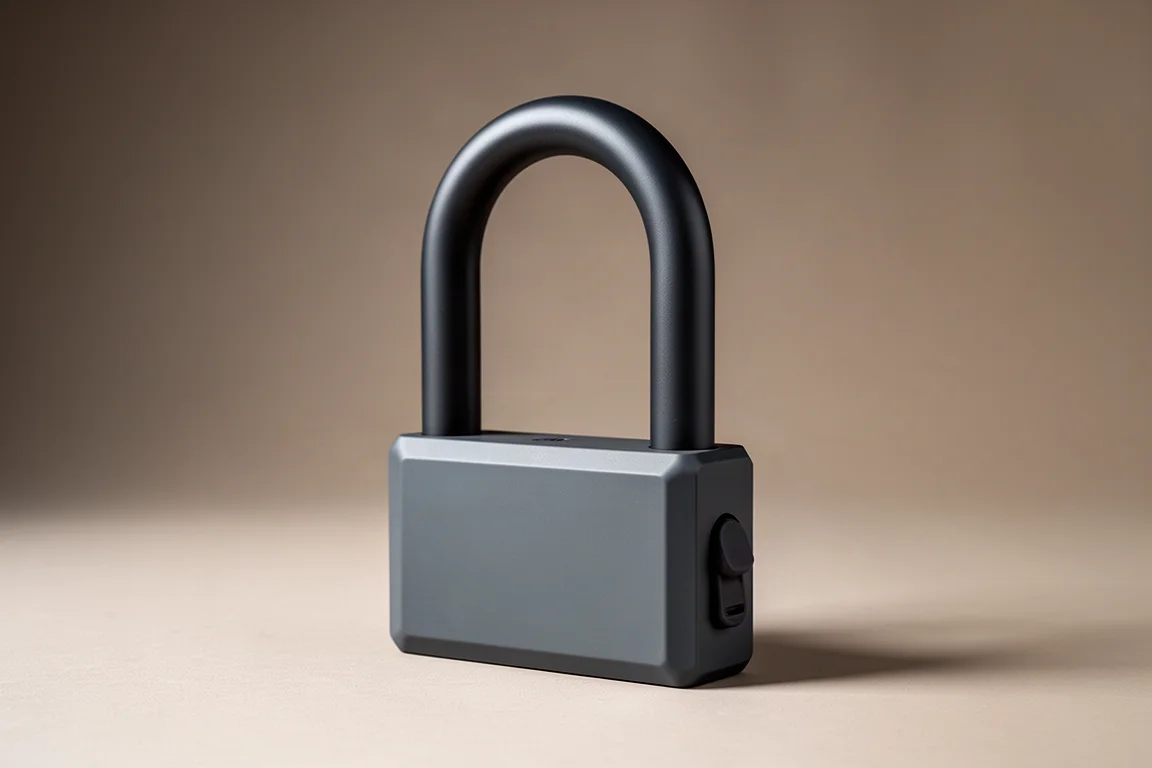
Diamond is the highest Sold Secure rating, and the Litelok X1 is one of the locks that carries it. It has been tested to destruction and scored a perfect five stars, which puts it in a different category from the Gold-rated options above in terms of resistance to attack.
Buying Advice: Matching the Lock to the Risk
There is no single best lock, only the right lock for how and where you park. A lightweight cable lock is fine for a coffee stop where the bike never leaves your sight. A Gold-rated folding lock, D-lock or chain lock is the practical everyday choice for commuting and shopping, and it is the level many insurers expect. A Diamond-rated lock is the answer for high-value bikes and locations where theft is a genuine concern.
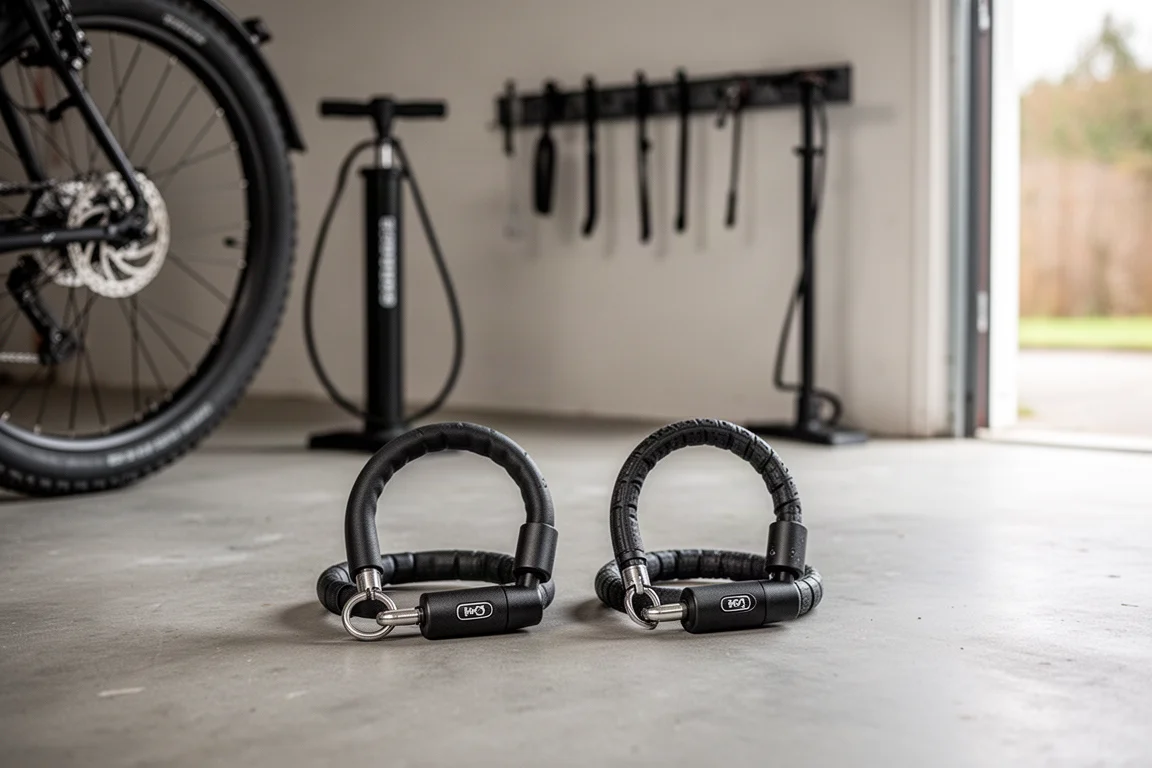
Whichever you choose, buy for the worst place you park rather than the best, and match the lock to the conditions your insurer sets out. Two locks used together will always beat one, and the locking habits covered earlier matter as much as the hardware.
Conclusion
No lock makes a bike completely immune to a determined thief, but a careful locking routine combined with a lock at the right rating level makes a bike as difficult a target as it can reasonably be. Start with where you park, lock the frame and wheels together, and choose a lock that meets the standard your insurer requires. If the worst does happen, reporting the theft to the police, registering the bike as stolen and contacting your insurer promptly gives you the best chance of a resolution.
Further reading
Related Reviews
Bike Locks
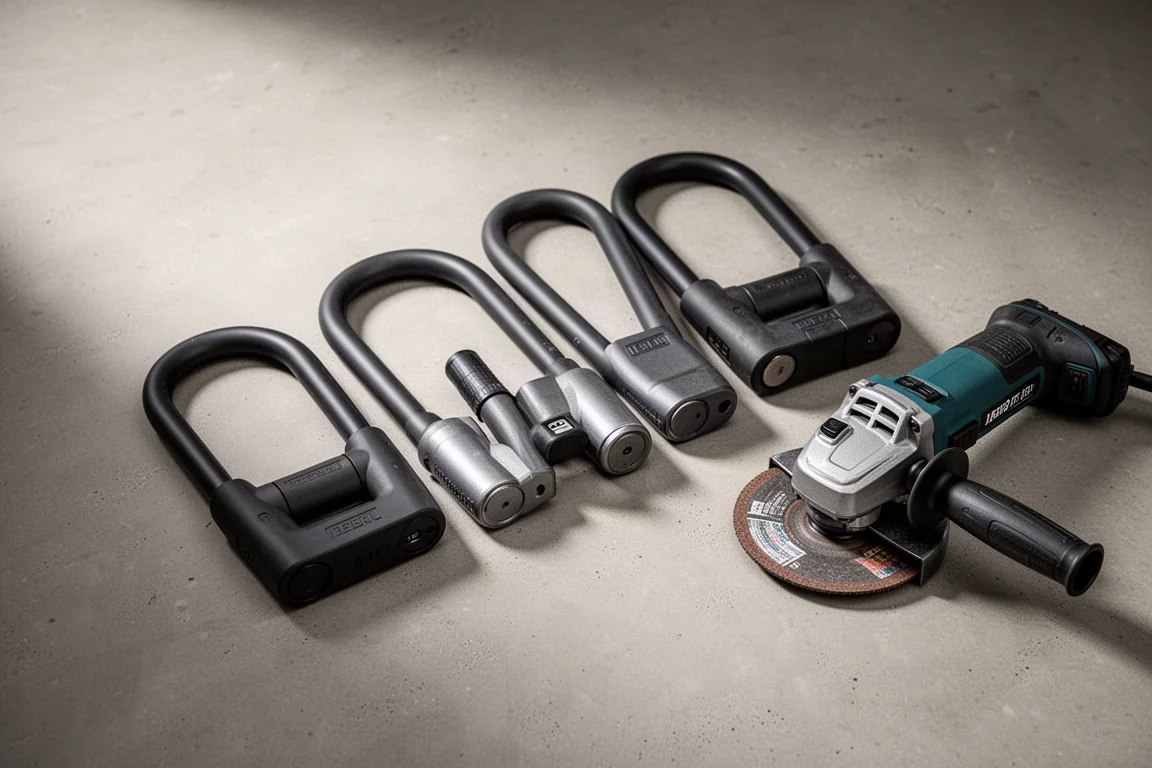
Best Angle Grinder Resistant Bike Locks 2026: Five Sold Secure Diamond Locks Compared
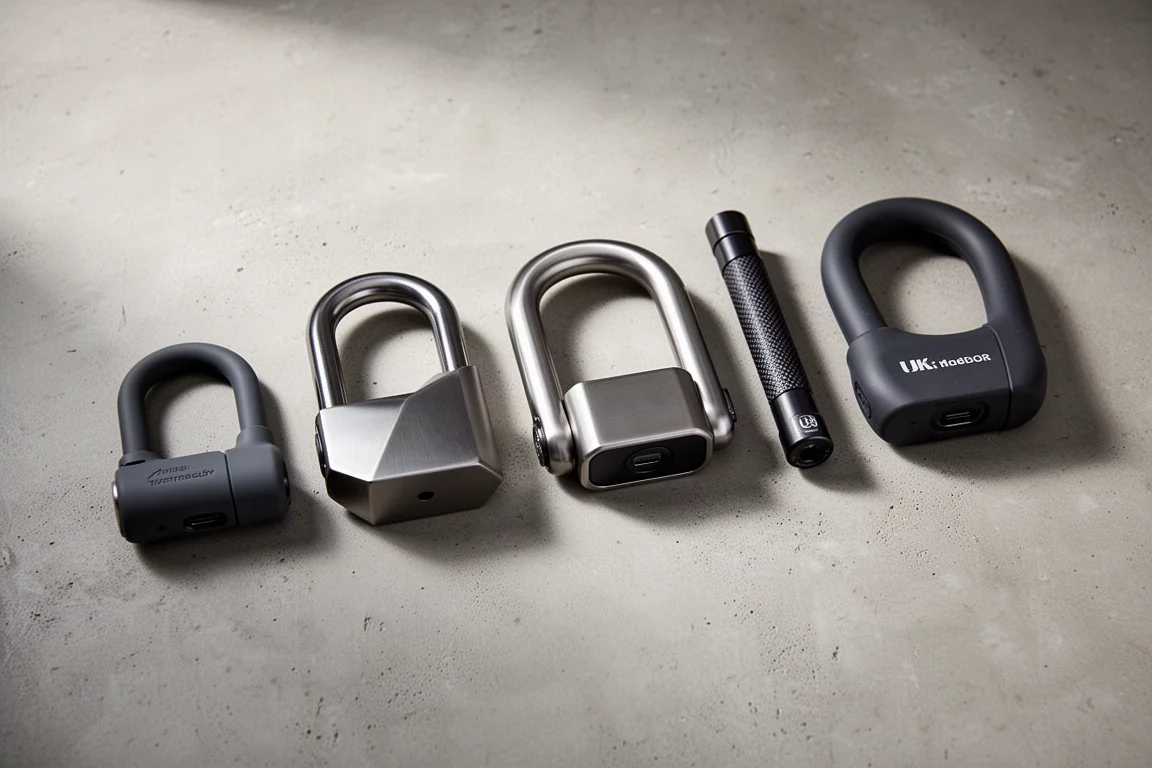
Five angle grinder resistant bike locks, all Sold Secure Diamond rated, compared on cutting resistance, weight, locking area, and everyday usability.
Bike Locks
Best Angle Grinder Resistant Bike Locks: Five Sold Secure Diamond Locks Tested
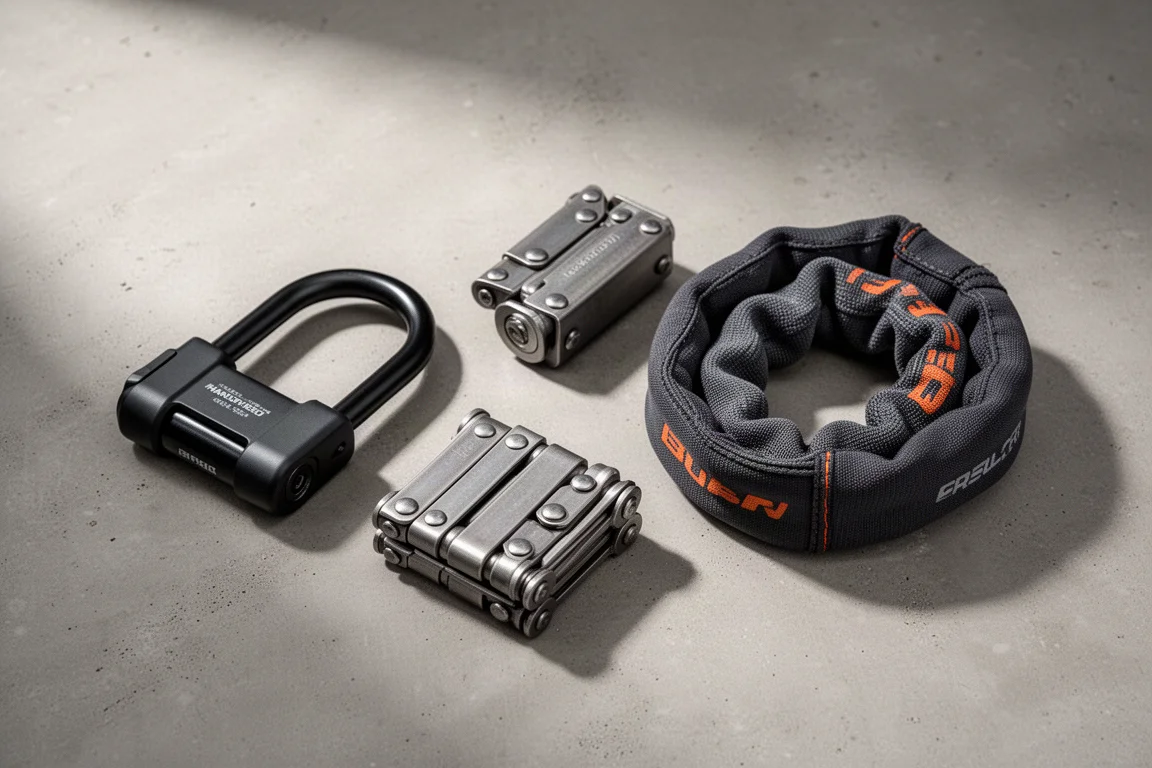
Five Sold Secure Diamond bike locks faced a five minute cordless angle grinder test. Here is how each one held up, and which offers the best balance of security, weight and price.
Bike Locks
Best Bike Locks Tested: 11 Options for Every Budget
Eleven bike locks, from budget U-locks to angle-grinder-resistant designs, tested against jacks, croppers, crowbars, corrosion, and portable grinders.