Bike Locks
Best Angle Grinder Resistant Bike Locks: Five Sold Secure Diamond Locks Tested
Five Sold Secure Diamond bike locks faced a five minute cordless angle grinder test. Here is how each one held up, and which offers the best balance of security, weight and price.
Introduction
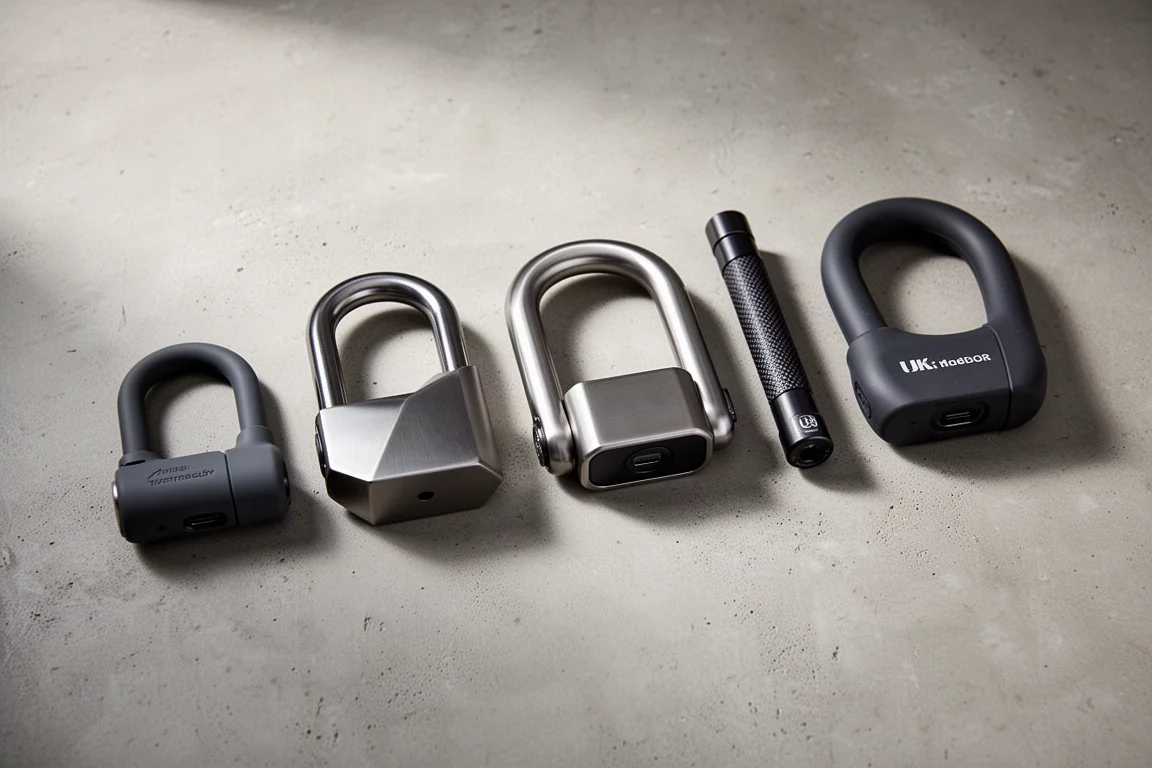
Angle grinder resistant locks are no longer a niche idea. What started as a single model has grown into a category, and the five locks in this guide all carry a Sold Secure Diamond rating for bicycles and e-bikes. Each one is built around a different answer to the same problem: how to stall a cordless angle grinder long enough that a thief gives up, runs out of discs, or runs out of battery.
To find out how those answers hold up in practice, all five locks were put through a five minute cutting test with a high powered battery operated angle grinder of the kind a determined thief might use. The results were closer than expected in some places and surprisingly one sided in others.
How the Locks Were Tested
Each lock was given five minutes of cutting time, and the goal was simple: get as far into the lock as possible. Some locks destroyed multiple cutting discs during the test, so the clock was stopped, the disc was changed, and the cutting continued until the five minutes were used up.
That detail matters. A lock that wears discs down is not only delaying a thief, it is consuming the tools and batteries they brought with them.
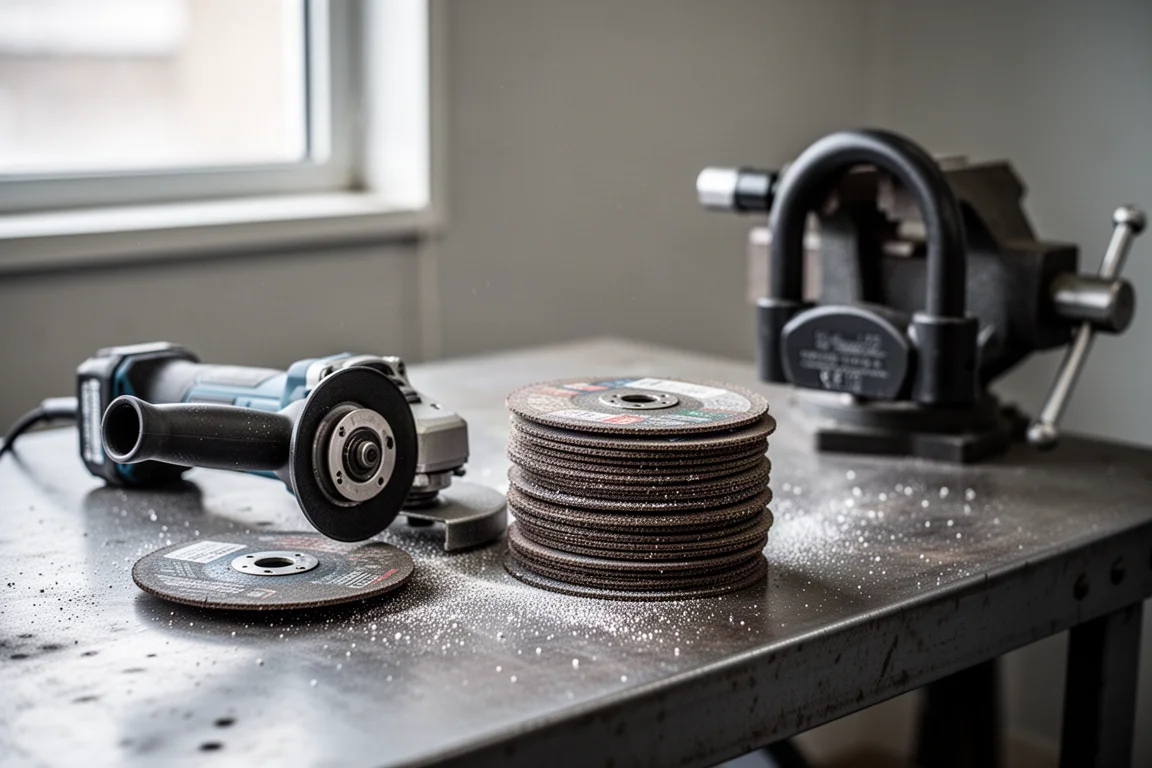
The locks were judged on how far the grinder progressed rather than on a simple pass or fail. None of the five failed the test, which says a lot about how far this category has come. The differences showed up in how much material the grinder removed, how many discs each lock consumed, and how each lock behaved when the cutting wheel tried to reach the centre of the shackle.
Litelok X3
Litelok pioneered angle grinder resistant technology with the X1, and the X3 continues that line with a Sold Secure Diamond rating for bicycles and e-bikes. Litelok claims it is 20 times more resistant than a standard U-lock, and it is made from the company’s proprietary Bindium material, described as a fusion of hardened steel and composite materials intended to improve abrasion, impact, bending and twisting resistance.
On paper the numbers are strong. At 2.2 kg with a locking area of 195 square centimetres, it ranks third best on test for both weight and internal space. An Abloy lock barrel is used for long term key availability, and three keys are included, along with a silicone lock cover and a neoprene sleeve for storage.
In hand, the X3 feels very sturdy, with minimal play between the locking mechanism and the shackle. The soft touch eco rubber coating protects frame paintwork and gives the lock a pleasant tactile feel. A silicone plug at the base protects the keyhole from water, dirt and grime, although it does make the keyhole slightly harder to find in the dark.
A mount is not included. It costs around £20 extra, and while it is not ideal for small frames, it should suit larger bikes.
In the cutting test the grinder only made a small impression on the X3. Two discs were used up and the cut reached roughly a third of the way through the lock. The lock material was abrasive enough to wear the discs down while the grinder kept cutting, which is different from locks that start kicking the grinder back once the cut reaches a certain depth.
Abus Granit Super Extreme 2500
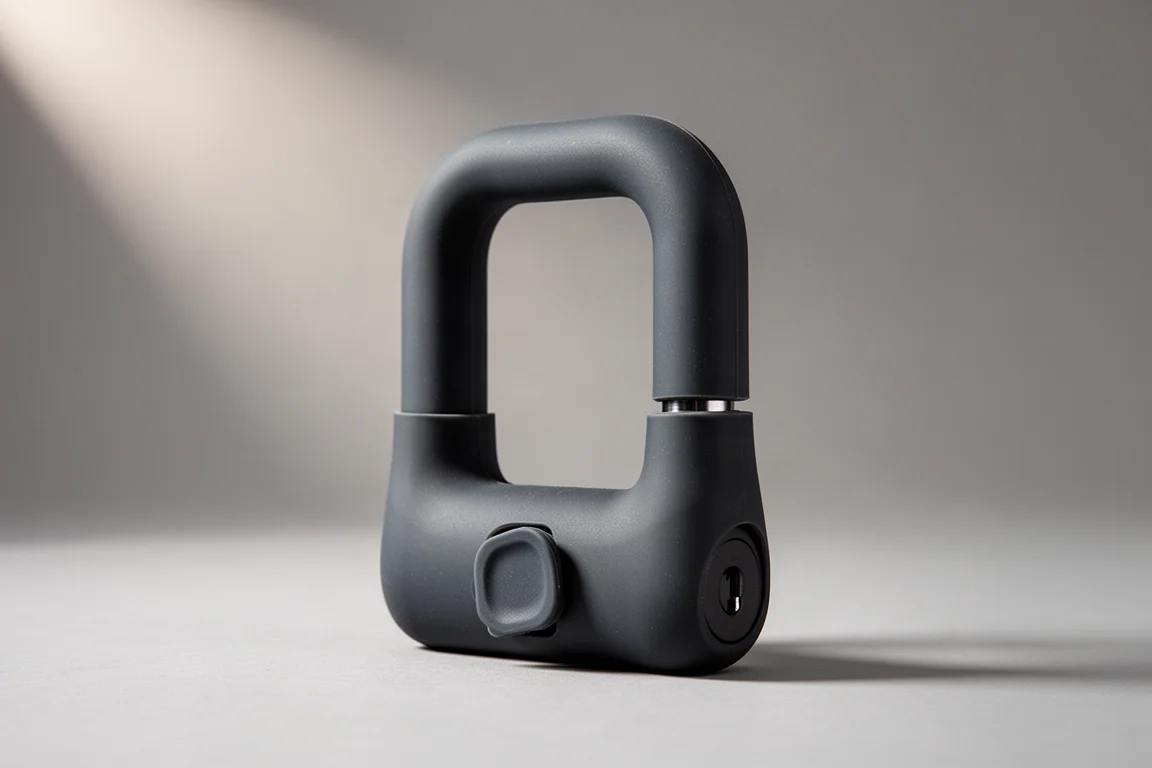
The Granit Super Extreme 2500 is also Sold Secure Diamond rated and built to resist angle grinders. Its shackle uses what Abus calls wolf carbide, which is tungsten carbide, the second hardest substance after diamond. The shackle is a 27 mm square parabolic design with a generous locking reach, and the barrel is said to offer high resistance to picking and manipulation.
At 2.1 kg it is the second lightest lock on test, 100 g lighter than the Litelok X3. Two keys are supplied, the fewest of any lock here, though replacements are easy to come by if the code card is kept.
The lock feels solid and secure, with no play between shackle and body and a satisfying click when it engages. Its size alone is a useful visual deterrent, since it is chunkier than the others. The trade-off is a harder plastic coating that is likely to be less kind to bike paintwork. The extra locking reach is genuinely useful on bikes with larger down tubes, e-bikes included.
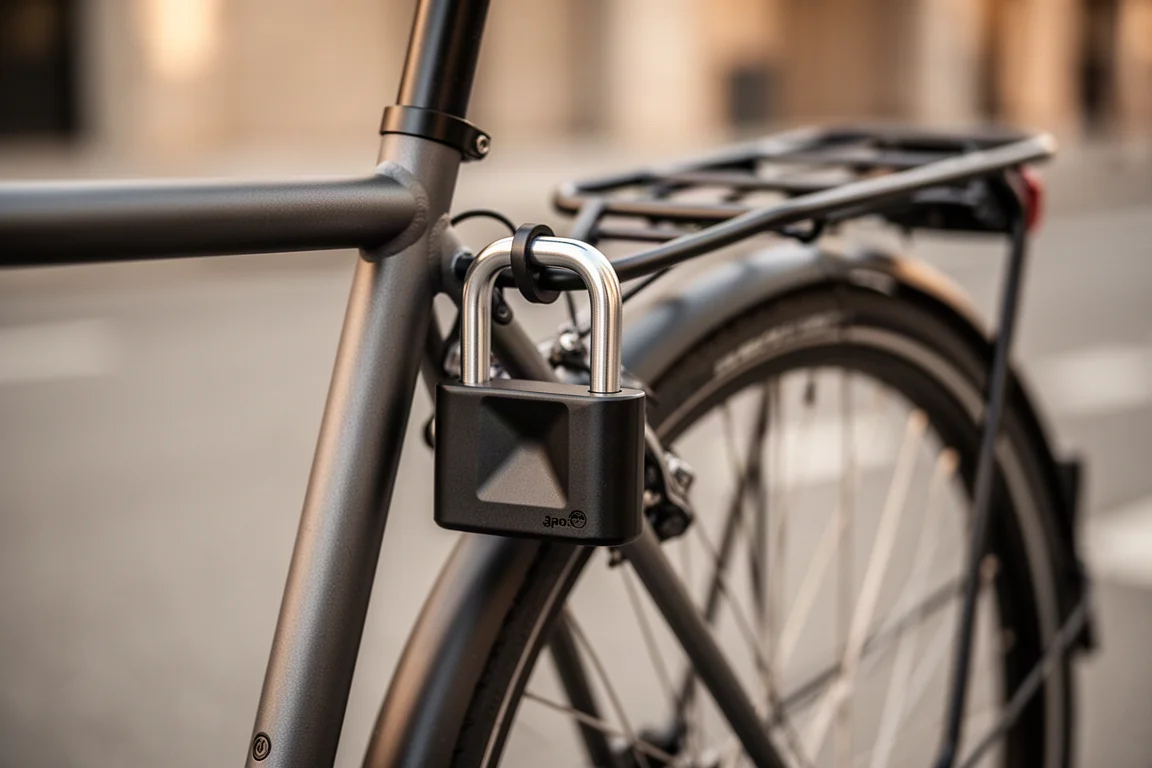
The supplied mount is well designed, holds the lock securely and does not rattle, although fitting it can be fiddly. It suits a pannier rack best and can also be fitted between the chain stay and the seat stay.
The cutting test is where the Abus lost ground. Five minutes of cutting used only one disc and got just over halfway through the lock. Extrapolating from that, removing the lock would need two cuts, which points to roughly two to four discs and around 20 minutes of work. The Granit Super Extreme 2500 is clearly resistant to angle grinders, but in a group where every lock offers decent resistance, it ranks fourth.
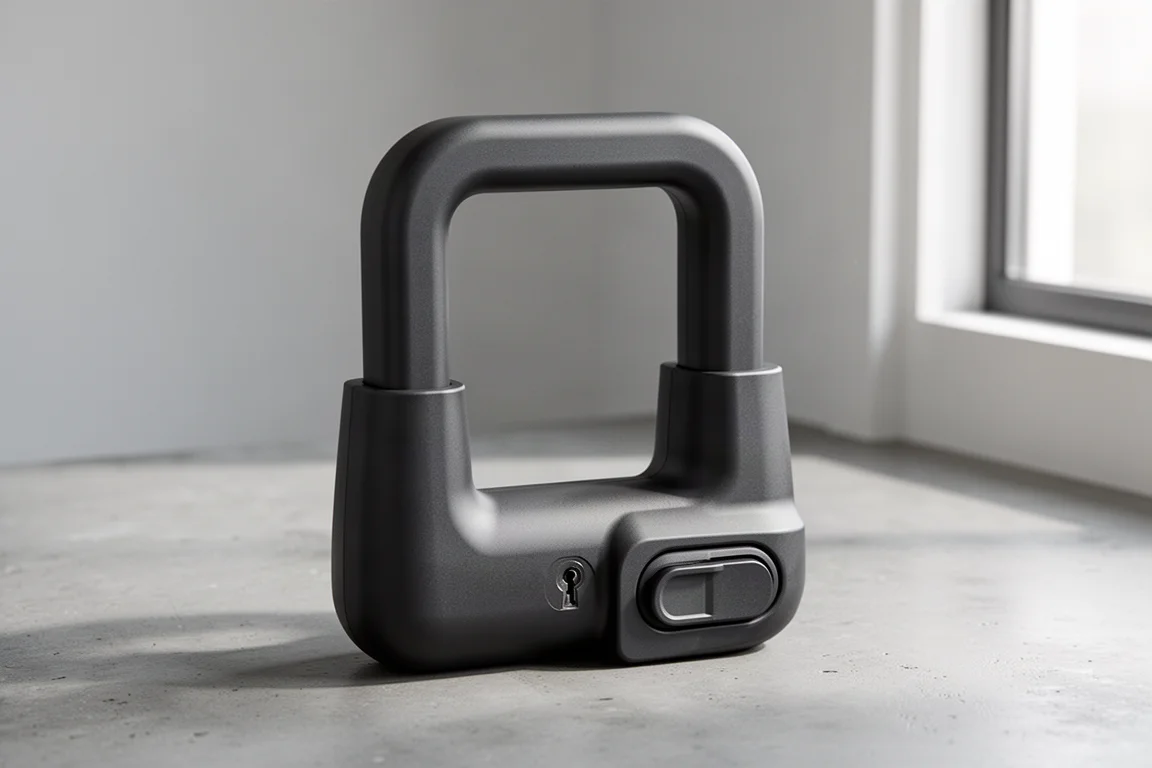
Hiplok DX1000
Hiplok is known for combining style with security, and the DX1000 applies that approach to angle grinder resistance. It is Sold Secure Diamond rated and aimed at bikes with thicker tubes, including e-bikes and even motorbikes. The shackle uses a square profile with graphene reinforced hardened steel and an anti-angle grinder security system, and the locking area of 225 square centimetres is the largest of the first three locks compared here.
It is also the heaviest lock on test at 2.7 kg, and the rubber to metal ratio is high enough that it is hard to tell where the rubber ends and the metal begins. Hiplok reports that the locking mechanism has not been picked since it debuted in 2021. There is noticeable play between the shackle and the lock body, which Hiplok has confirmed does not affect security. The heft makes the DX1000 cumbersome to transport without a proper mounting system, and it needs to live in a pannier or backpack, where it takes up considerable space. The rubber flap over the locking system is simpler than rivals and gives better visibility and easier key engagement, which helps when crouching over a bike in the dark.
Its cutting test performance was impressive. The lock resisted the grinder heavily, and the cutting disc was the part that suffered. Holding the grinder steady while trying to reach the centre of the lock proved difficult, and each attempt to reposition the cutting wheel produced kickback. Two discs were burned through in five minutes with no way to cut any further. At £300 or $350 it is the most expensive lock here, and the extra weight and price make it hard to call good value, even though the level of security is very high.
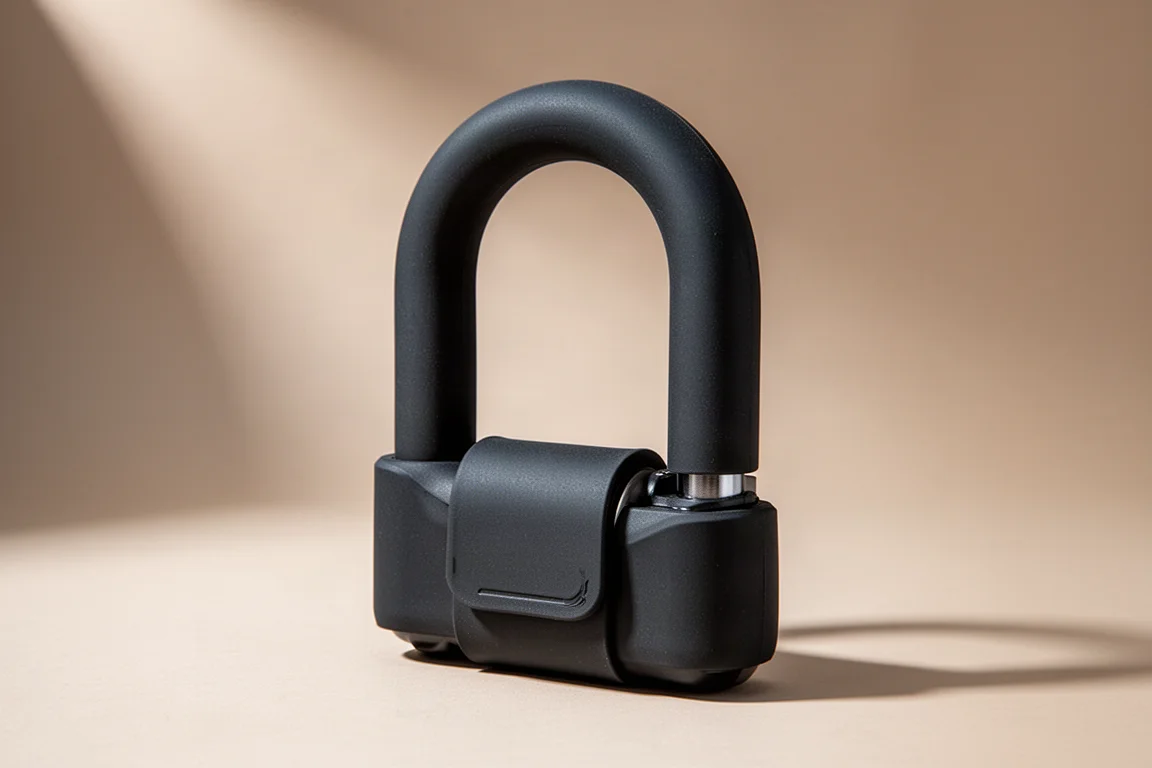
OnGuard RockSolid 8580
OnGuard, a subsidiary of Magnum Locks, brings the RockSolid 8580 to the category at the lowest price on test. It is Sold Secure Diamond rated and designed to resist angle grinders, with a 15 mm hardened steel shackle carrying a patented RockSolid finish. At 1.3 kg it is the lightest lock in its class, and the trade-off is a smaller locking reach.
The X4P Quattro 4.0 locking system and Z cylinder barrel are described as resistant to picking, pulling and drilling. Five keys are included, more than any other lock here, and the automatic key cover and rubberised coating add durability and weather protection. The lock has a good quality feel, with a soft rubberised coating and minimal shackle play. Aligning the lock when engaging or removing it takes a little care, but slowing down solves it. Key operation is smooth and consistent once engaged, though the weather guard can be slightly fiddly. The smaller reach may be awkward in crowded locations such as transport hubs, but it should be fine in quieter spots.
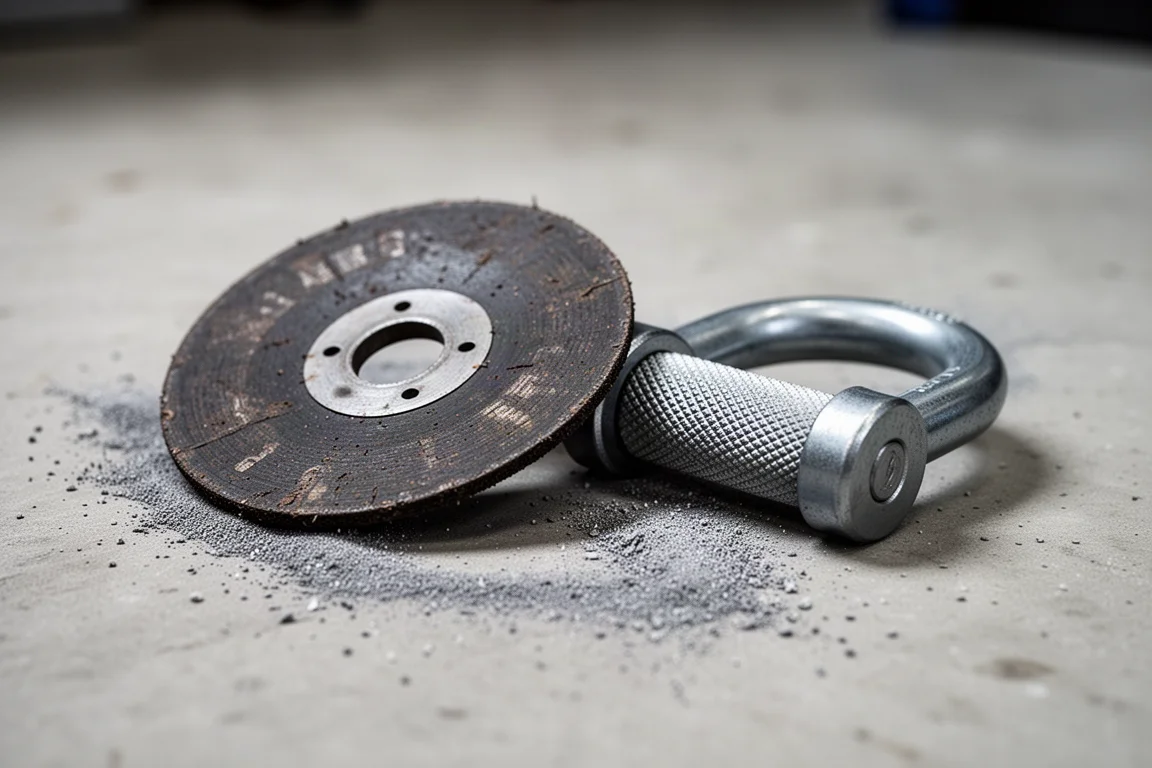
The cutting test is where the RockSolid separated itself from the field. It barely showed a scratch. The patented coating on the hardened steel shackle sanded the cutting disc down and threw plumes of disc dust into the air. Three discs were destroyed, the most of any lock tested, with each disc lasting around 30 to 40 seconds before it was gone. Apart from the hole left in the rubber coating, the lock was still usable and barely marked.
At £200 or $250 it is the cheapest lock on test, £50 or $50 less than the next cheapest lock in the group and £100 or $100 less than the Hiplok DX1000. It takes first place overall, and could equally be called the best budget, most secure and most user friendly option here.
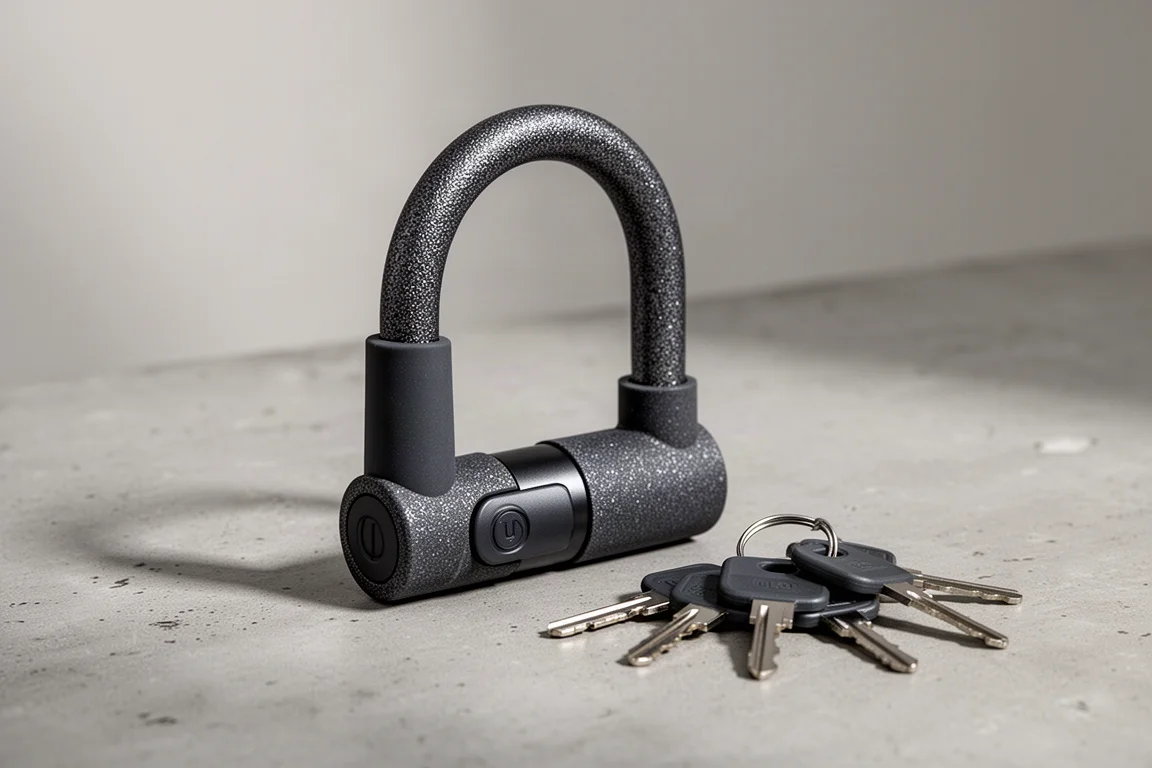
Squire Stronghold D16 Max
The Stronghold D16 Max is a UK made bike lock with a Sold Secure Diamond rating and a price of £289.99. Its design brings some noticeable drawbacks. The plastic cover feels flimsy, which does not inspire confidence in long term durability. The lock body and shackle show no noticeable play, which is a positive, though it does not change the overall impression.
The locking area is a generous 209 square centimetres, but the thick rubberised coating makes securing a bike fairly cumbersome. At 2.7 kg it is one of the heaviest locks on test, and at its price it faces stiff competition from stronger options such as the Hiplok DX1000, which offers better reach and security at a similar weight for £10 more. In the final ranking the Stronghold D16 Max did not place among the top picks.
Buying Advice: Choosing Between These Locks
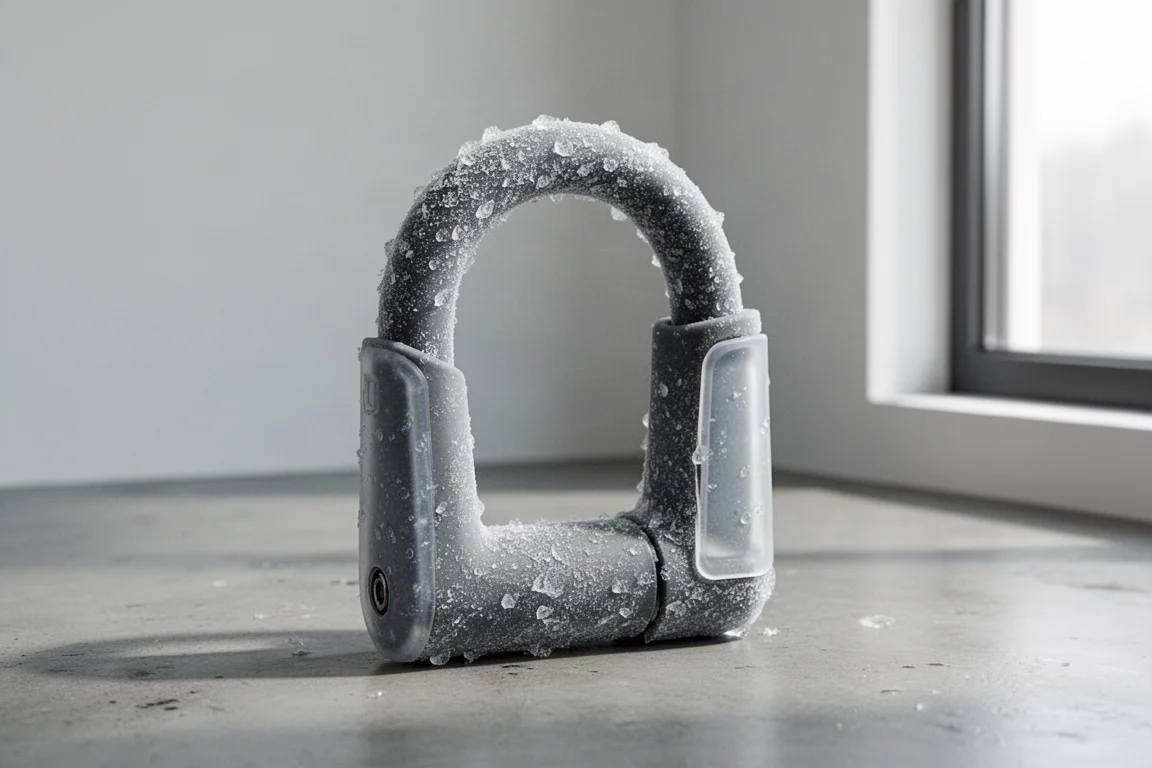
All five locks resisted five minutes with a high powered angle grinder, and none of them failed. That is worth keeping in mind, because the ranking reflects degrees of excellence rather than a gap between good and bad products. Every lock here offers a similar specification level and sits in a similar price bracket.
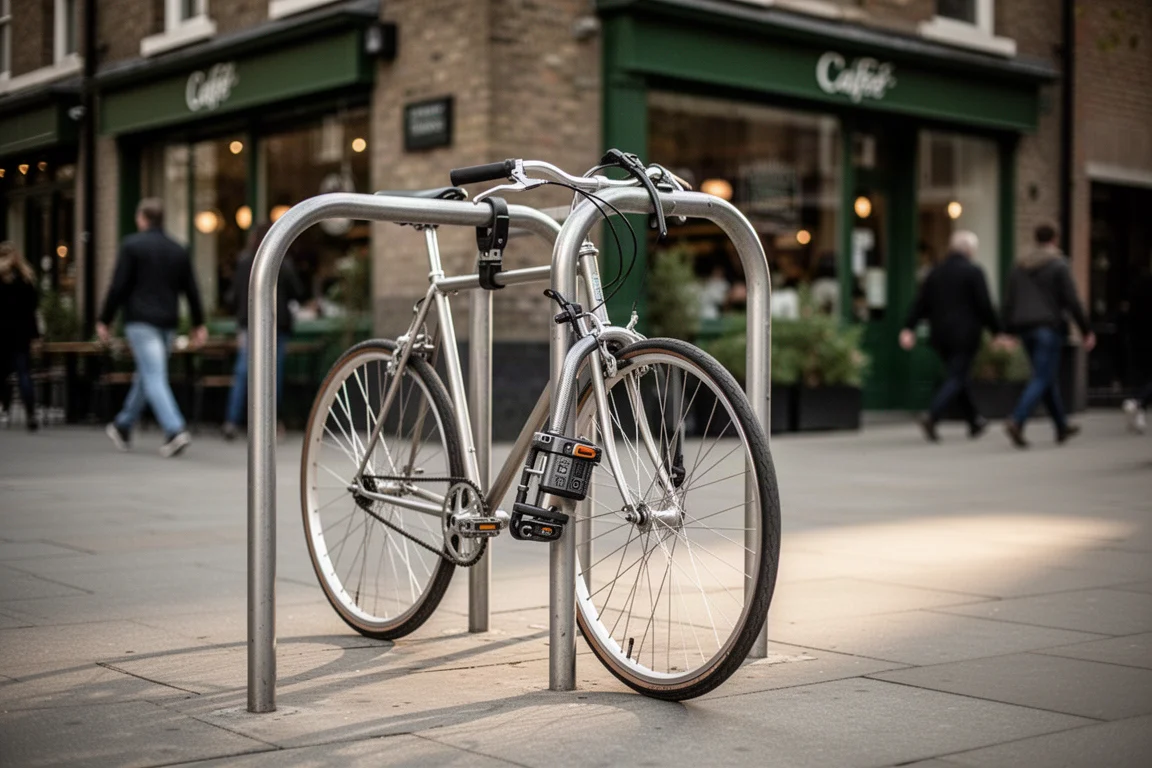
Weight and reach are the practical dividing lines. The OnGuard RockSolid 8580 is the lightest at 1.3 kg, which makes it the easiest to carry, but it also has the smallest locking area, so it is best suited to straightforward locking points. The Litelok X3 and Abus Granit Super Extreme 2500 sit close together on weight at 2.2 kg and 2.1 kg, and both offer more room to work with. The Abus adds extra reach for larger down tubes, while the Litelok uses a softer coating that is kinder to paintwork.
The two heaviest locks, the Hiplok DX1000 and the Squire Stronghold D16 Max, both weigh 2.7 kg and are best left on the bike or carried in a pannier rather than a backpack. The Hiplok justifies its weight with outstanding grinder resistance and a strong reputation for its lock cylinder. The Squire is harder to recommend at its price when the Hiplok offers more for £10 more.
If budget matters most, the OnGuard RockSolid 8580 delivers the best grinder resistance of the group at the lowest price. If you want a well known name with a well designed mount included, the Abus Granit Super Extreme 2500 makes sense. For a lighter lock with strong overall quality, the Litelok X3 is the natural second choice.
Conclusion
Five locks, five minutes each, and no failures. The category has matured to the point where any of these locks will slow a determined angle grinder attack, and the differences come down to how much punishment each one absorbs.
The OnGuard RockSolid 8580 takes the top spot. It is the cheapest lock on test, the lightest in its class, and it destroyed more cutting discs than anything else here, all while remaining usable afterwards. The Litelok X3 follows in second place, held back only by the extra cost of its mount, with the Hiplok DX1000 third for its impressive grinder resistance and the Abus Granit Super Extreme 2500 fourth for a solid, well mounted design that gave up more ground than the leaders. The Squire Stronghold D16 Max rounds out the group, and at its price it is difficult to justify over the alternatives.
Further reading
Related Reviews
Bike Locks
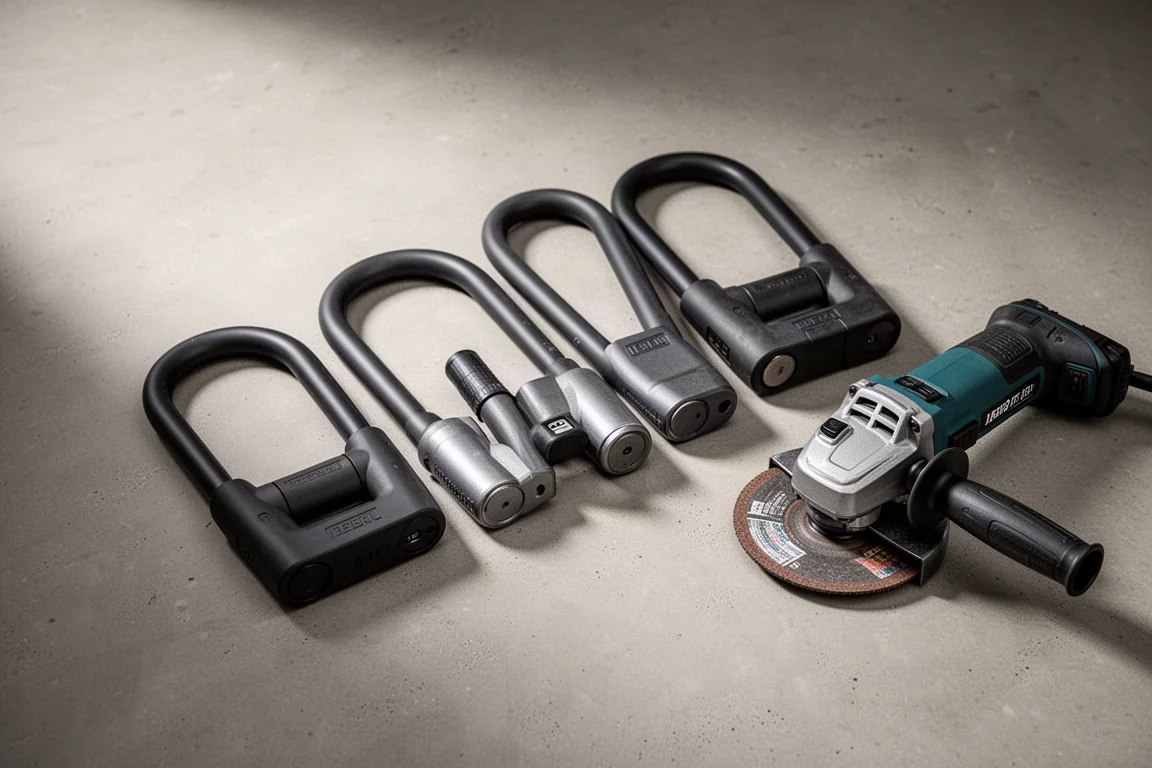
Best Angle Grinder Resistant Bike Locks 2026: Five Sold Secure Diamond Locks Compared
Five angle grinder resistant bike locks, all Sold Secure Diamond rated, compared on cutting resistance, weight, locking area, and everyday usability.
Bike Locks
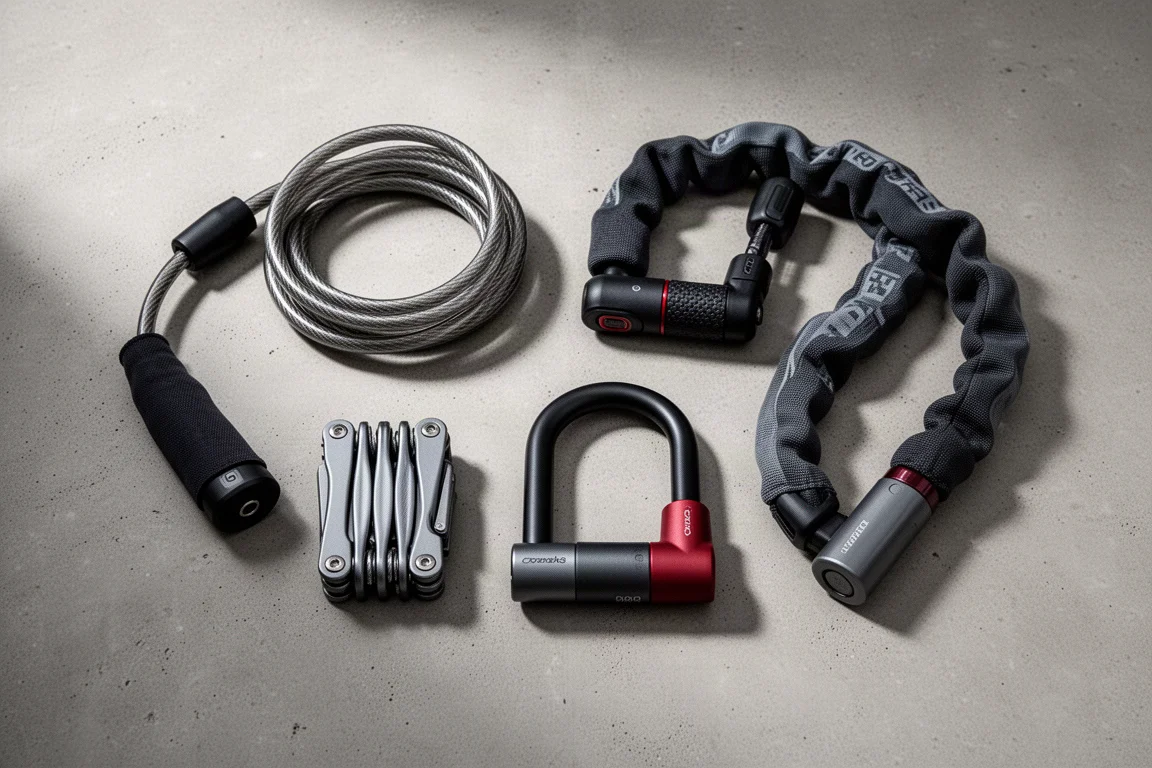
Best Bike Locks 2026: Six Locks Rated by Security Level
A practical guide to locking your bike properly, plus six locks spanning cable, folding, D-lock and chain designs across the Sold Secure ratings.
Bike Locks
Best Bike Locks Tested: 11 Options for Every Budget
Eleven bike locks, from budget U-locks to angle-grinder-resistant designs, tested against jacks, croppers, crowbars, corrosion, and portable grinders.