Bike Locks
Hiplock D1000 Review: An Angle Grinder Resistant Bike Lock Explained
The Hiplock D1000 is a Sold Secure Diamond rated bike lock built around a graphene composite body that resists angle grinder attack. Here is what it does well and what to weigh up.
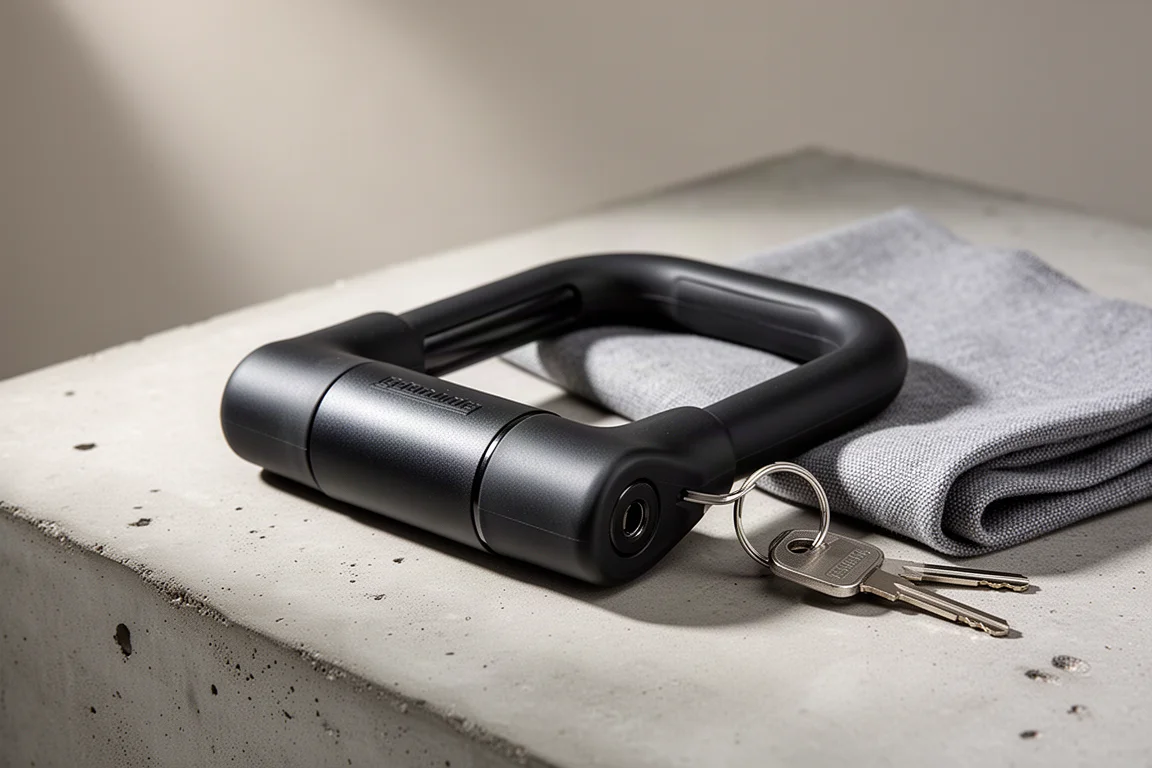
Introduction
Leaving a bike locked in public is always a compromise between convenience and risk. Returning to an empty rack is one of the worst feelings a rider can have, and it is a genuine reason many people leave the bike at home and take the car instead.
Most bike locks are best understood as deterrents. Quality locks are graded by the independent testing body Sold Secure, typically at Bronze, Silver or Gold level. Gold rated locks are very robust, but the grading reflects how long a lock resisted attack and which tools were needed to defeat it. The most capable tools, particularly angle grinders, will eventually get through almost anything on the market.
The Hiplock D1000 is interesting because it targets exactly that weak point. It launched through a Kickstarter campaign and is described as angle grinder resistant rather than simply angle grinder delayed.
What Sets the Hiplock D1000 Apart
The headline claim is the material. Hiplock states that the D1000 uses a material called FerroSafe, a graphene composite that resists angle grinders because of its physical and chemical properties. That is a different approach from simply adding more steel.
The lock also carries a Sold Secure Diamond rating. Diamond is a demanding grade that is more commonly associated with caravan security and cylinder locks, so seeing it applied to a bicycle lock signals how seriously the D1000 is positioned. In practice, a Diamond rating means the lock is expected to stand up to sustained, determined attack rather than opportunistic theft.
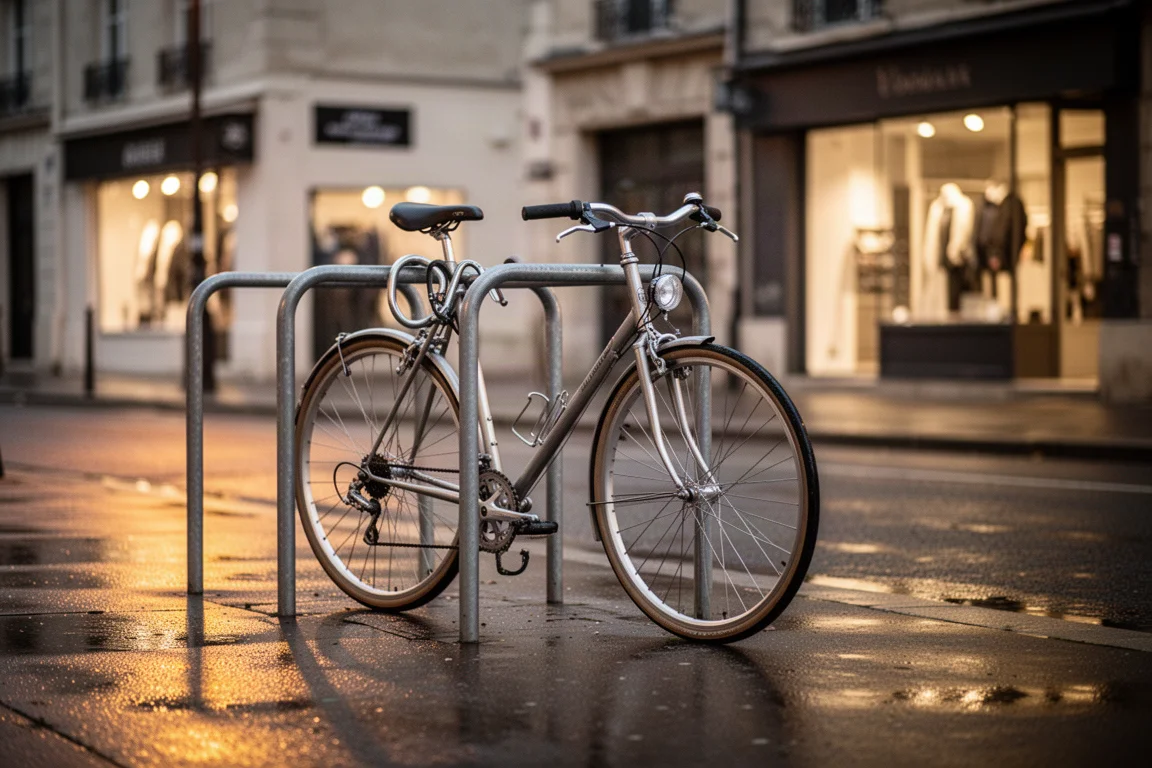
Day to day usability has been considered too. The D1000 uses a key entry at the end of the lock body, and the outer surface carries a rubber coating that protects paintwork if the lock is mounted directly against a frame.
Who This Lock Is For
The D1000 suits riders who treat their bike as a serious investment and regularly leave it locked in public for extended periods. That includes commuters parking in city centres, riders using busy transport hubs, and anyone who has already had a bike stolen and wants to make the next attempt considerably harder.
It also makes sense for riders who would rather carry extra weight than accept a lower security tier. If your priority is maximum resistance to powered cutting tools, the trade-offs involved here are likely to feel acceptable.
It is a less obvious fit for riders who need something light and unobtrusive, or who only ever leave the bike in low-risk, short-duration situations.
Main Strengths
The strongest argument for the D1000 is the combination of the FerroSafe composite body and the Sold Secure Diamond rating. Those two things together put it in a different category from most bicycle locks, which are graded Silver or Gold and are not designed to resist angle grinder attack at all.
The rubberised coating is a practical detail that matters on a heavy lock. A lock this substantial is often carried against the frame or wrapped around a seatpost, and the coating reduces the chance of scuffs and paint damage.
The key entry design at the end of the lock keeps the mechanism protected within the body rather than exposed, which supports the overall security-first approach.
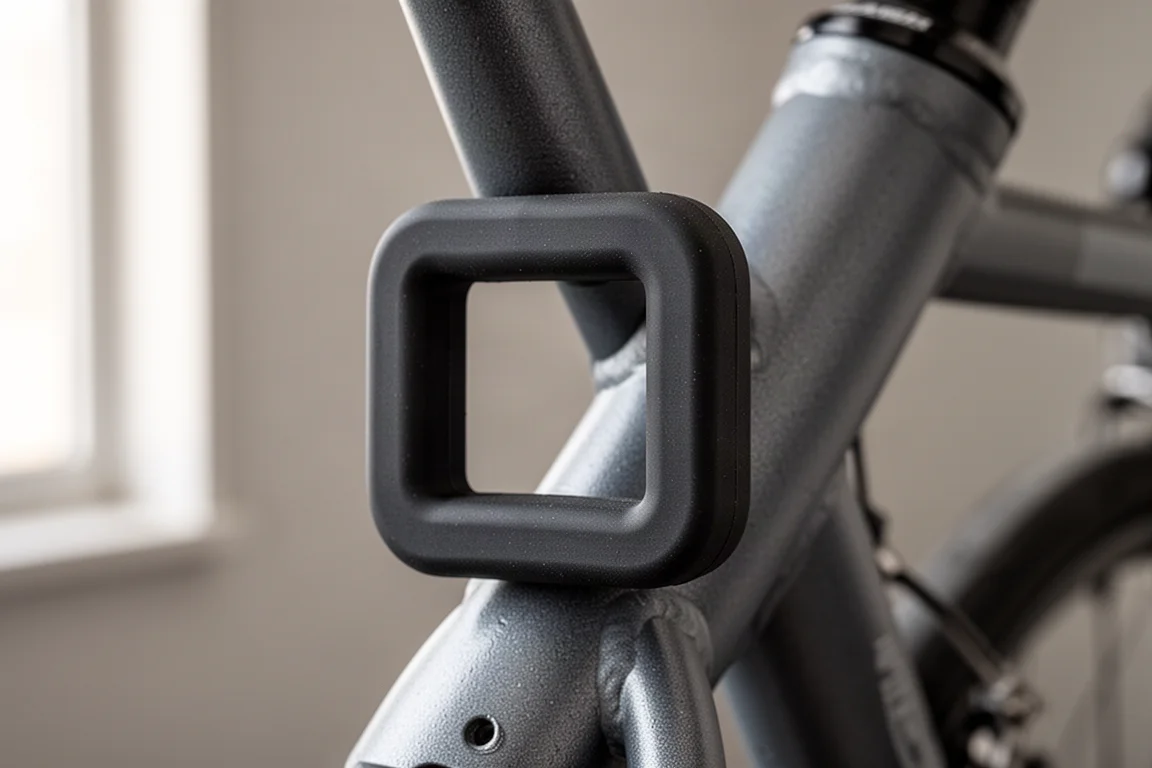
Build quality feels consistent with the security claim. This is a lock that reads as heavy, solid equipment the moment you pick it up, and nothing about the construction suggests corners have been cut.
What the Angle Grinder Test Revealed
Resistance claims are only meaningful when they are tested. In a controlled cutting test, a plug-in angle grinder was used on the D1000 with the lock held in a vice. The lock did eventually give way, but the process took well over 20 minutes and consumed five cutting discs. It also produced heavy plumes of smoke, which would draw considerable public attention in a real street setting.
That outcome is worth reading carefully. The lock was defeated, so it is not indestructible. But the conditions were unusually favourable to the attacker: mains power for a powerful grinder and a vice to hold the lock steady. Most thieves do not have access to a plug socket at the point of attack, and holding a lock steady without a vice makes the job significantly harder and slower.
The realistic takeaway is that the D1000 raises the effort, time and noise required to a level that most opportunist thieves will not attempt.
Things to Consider Before Buying
Weight is the first thing to think about. The D1000 comes in at 1,942 grams. For comparison, Hiplock’s own standard D lock weighs 1,001 grams and carries a Sold Secure Silver rating. That is a significant difference to carry on every ride, and it changes how you plan to transport the lock.
The second consideration is that angle grinder resistance is not the same as invulnerability. With the right power source, the right tool and a way to hold the lock still, the D1000 can be cut. It buys time and creates noise, which is exactly what a lock is supposed to do, but it is not an absolute guarantee.
Bulk is also worth factoring in. A lock of this size needs a mounting solution that suits your frame, and it takes up meaningful space in a bag if you carry it off the bike.
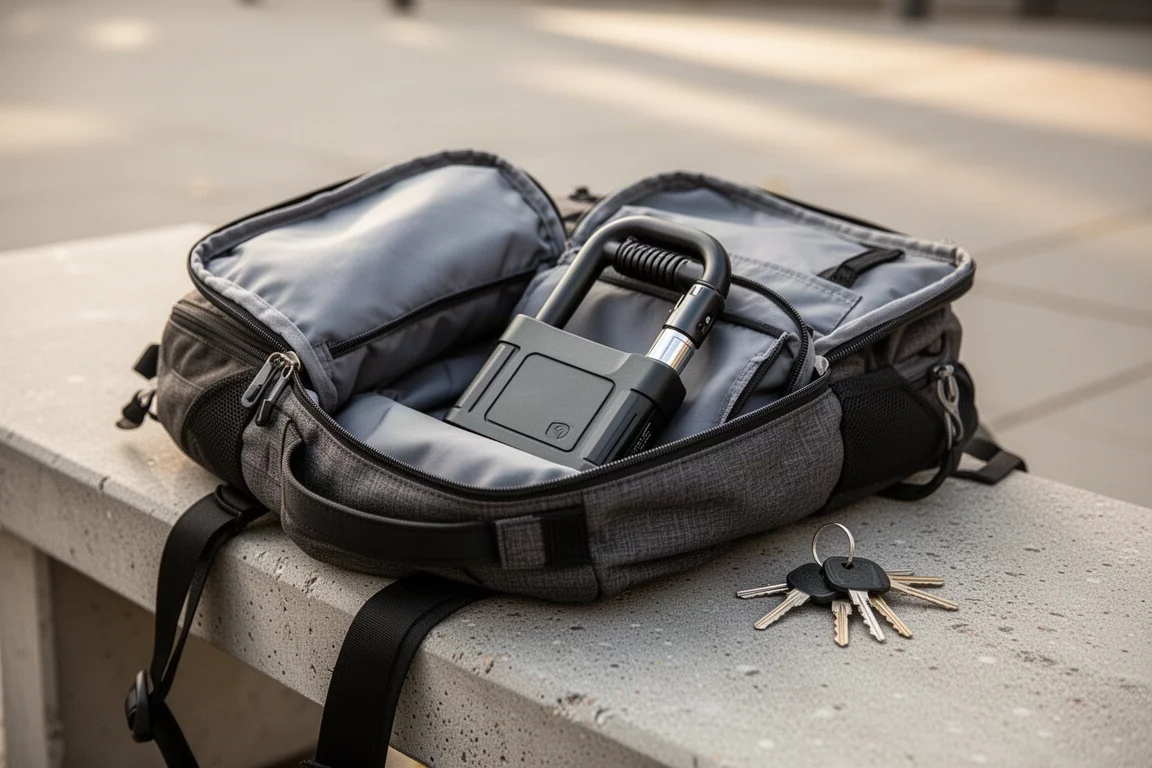
Finally, think about whether your situation actually calls for this level of protection. If your bike is left in a secure compound or indoors most of the time, a lighter Silver rated lock may be a more comfortable daily companion.
How It Compares With a Standard D Lock
Hiplock’s own standard D lock provides a useful reference point. At 1,001 grams it is less than half the weight of the D1000, and it is still a substantial piece of hardware that would take a determined thief real effort to defeat. It is rated Sold Secure Silver and is not angle grinder resistant, which is true of the vast majority of locks sold today.
So the decision is a straightforward trade-off. The standard D lock is easier to carry and cheaper to live with, while the D1000 adds resistance to powered cutting tools in exchange for roughly double the weight.
Buying Advice
Choose the Hiplock D1000 if your bike is valuable, if it spends long hours locked in public, and if you are willing to carry extra weight to make angle grinder attack impractical for a typical thief. The FerroSafe composite, the Diamond rating and the rubberised body all support that use case.
If weight and everyday convenience matter more, a lighter Silver rated D lock remains a sensible choice for lower-risk parking. The D1000 is not the right lock for every rider, but for high-risk urban parking it addresses the exact weakness that most locks share.
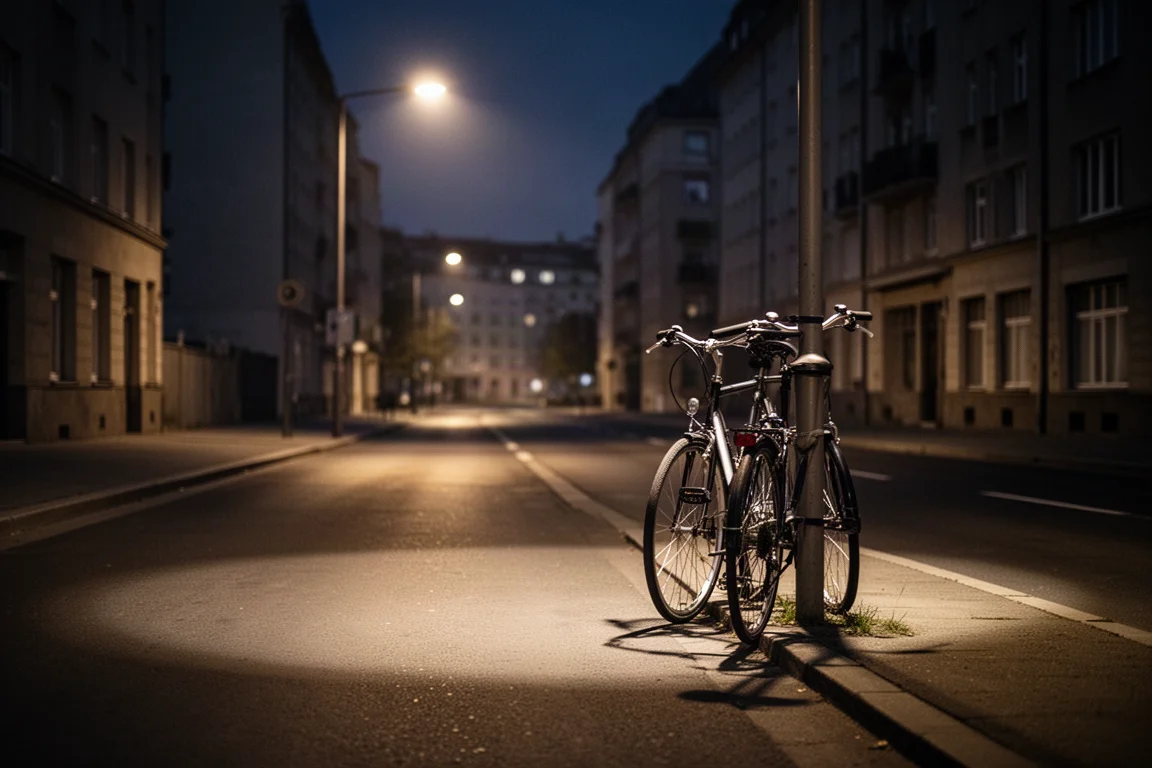
Whichever route you take, pair the lock with consistent habits: secure the frame and at least one wheel to a fixed, solid object, and avoid leaving the bike in the same spot on a predictable schedule.
Conclusion
The Hiplock D1000 is a security-first bike lock built around a graphene composite body and a Sold Secure Diamond rating, with the specific goal of making angle grinder attack slow, noisy and difficult. Testing showed it can be cut with a mains-powered grinder and a vice, but only after more than 20 minutes and five cutting discs, in conditions most thieves will never be able to recreate. If maximum protection matters more to you than weight, it is a compelling option.
Product link
View more details for Hiplock D1000
This product is mentioned in the review. Check the specifications, options, and compatibility before buying.
View more details for Hiplock D1000Further reading
Related Reviews
Bike Locks
Best Angle Grinder Resistant Bike Locks 2026: Five Sold Secure Diamond Locks Compared
Five angle grinder resistant bike locks, all Sold Secure Diamond rated, compared on cutting resistance, weight, locking area, and everyday usability.
Bike Locks
Best Angle Grinder Resistant Bike Locks: Five Sold Secure Diamond Locks Tested
Five Sold Secure Diamond bike locks faced a five minute cordless angle grinder test. Here is how each one held up, and which offers the best balance of security, weight and price.
Bike Locks
Best Bike Locks 2026: Six Locks Rated by Security Level
A practical guide to locking your bike properly, plus six locks spanning cable, folding, D-lock and chain designs across the Sold Secure ratings.