Camping Gear
Hilleberg Una Mesh Inner Review: Turning a Four-Season Tent Into a Summer Shelter
A close look at the Hilleberg Una Mesh Inner, the conversion kit that swaps a fabric inner for mesh, adds airflow, and sheds weight for warm-weather camping.
Introduction
Four-season tents are built for one job: blocking wind, holding warmth, and staying put in heavy weather. The Hilleberg Una does exactly that, and its fabric inner is central to the way it performs. The same inner that makes cold-weather camping comfortable becomes a real problem once temperatures climb, because it traps heat and shuts down airflow almost completely.
The Hilleberg Una Mesh Inner is the answer to that specific problem. It is a conversion kit rather than a separate shelter. Swap the fabric inner for the mesh version and the Una keeps its bathtub floor, its structure, and its weather protection, but gains a large amount of ventilation.
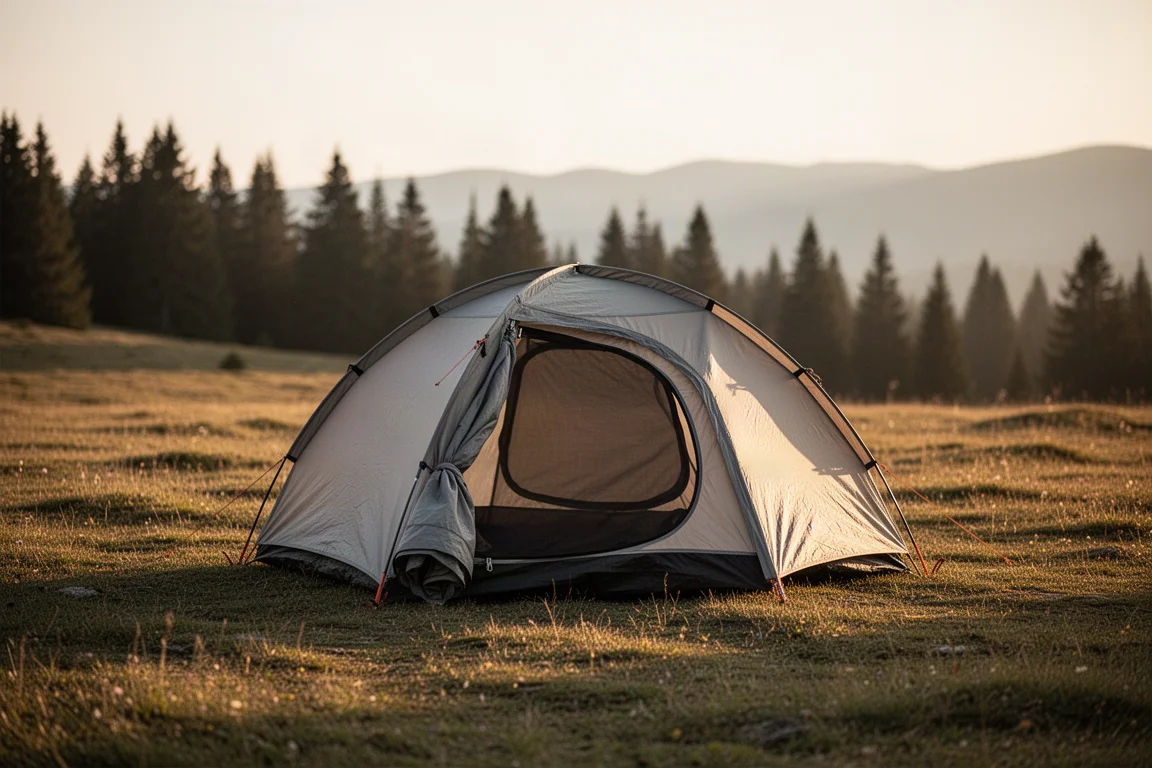
Nothing about the tent’s outer shell, poles, or fly changes. Only the inner does, and with it the character of the shelter shifts from a sealed winter box to something you can comfortably sleep in from late spring through early autumn.
Who This Product Is For
This inner makes the most sense for people who already own the Una and want to keep using it outside of winter. Without a mesh option, a four-season tent in warm weather is genuinely uncomfortable: heat builds up inside, and even with the door open there is very little relief.
It also suits campers who prefer to own one shelter and adapt it rather than buying a second three-season tent. The conversion is reversible, so the fabric inner can go back in when the season turns.
Worth knowing: mesh inners are offered for a number of Hilleberg tents, though not necessarily every model in the range. If you own a different Hilleberg shelter, it is worth checking whether a matching inner exists for it.
Main Strengths: Airflow, Weight, and Build Quality
The headline benefit is airflow, and it is dramatic. The fabric inner traps air against the walls, creating a visible balloon effect that blocks drafts and holds warmth in. That is precisely what you want in winter and precisely what you do not want in summer. With the mesh inner installed, that trapped-air effect disappears. The bathtub floor is still there, but the walls are almost entirely mesh, and you can feel a breeze moving through the shelter even with everything zipped up.
The mesh inner does still hold a small amount of heat, as any inner will, but the difference is night and day. Instead of sitting in air that grows warmer as you breathe and as the sun goes down, you get moving air.
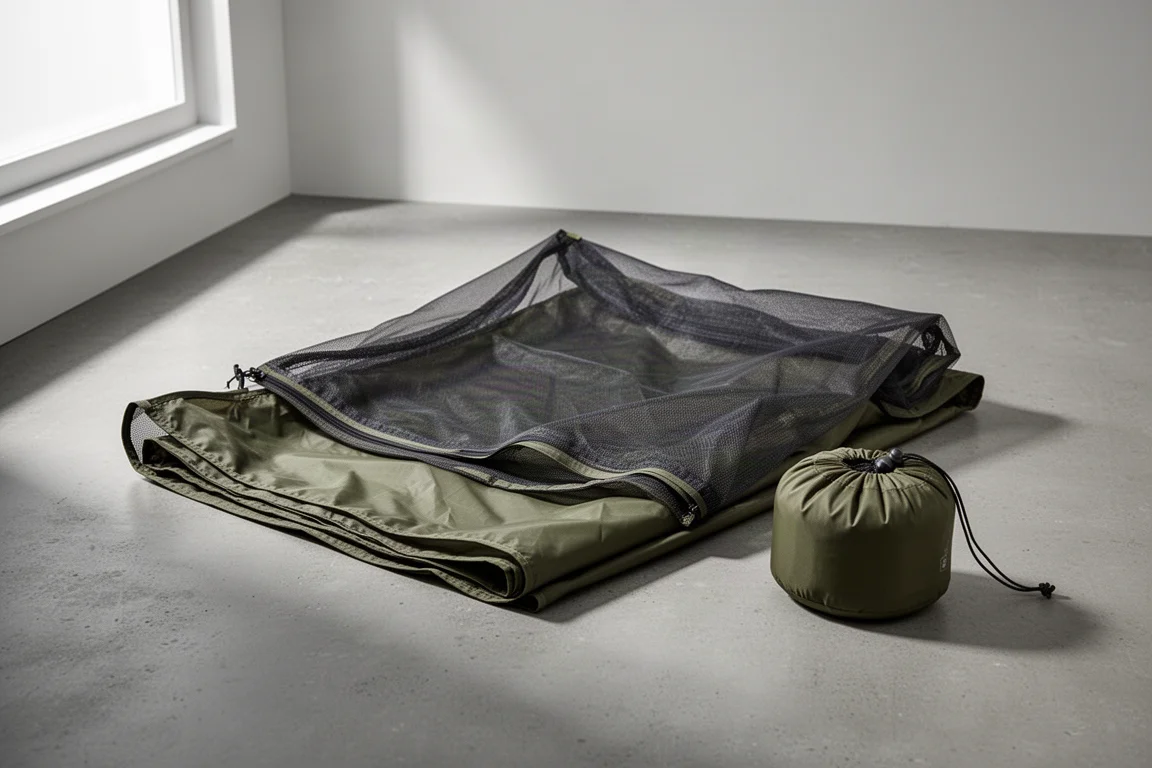
Weight is the second clear win. The mesh inner weighs one pound nine ounces including its storage bag, and the gap between it and the fabric inner is immediately obvious when you handle both side by side. That matters most on the small, weight-sensitive Una.
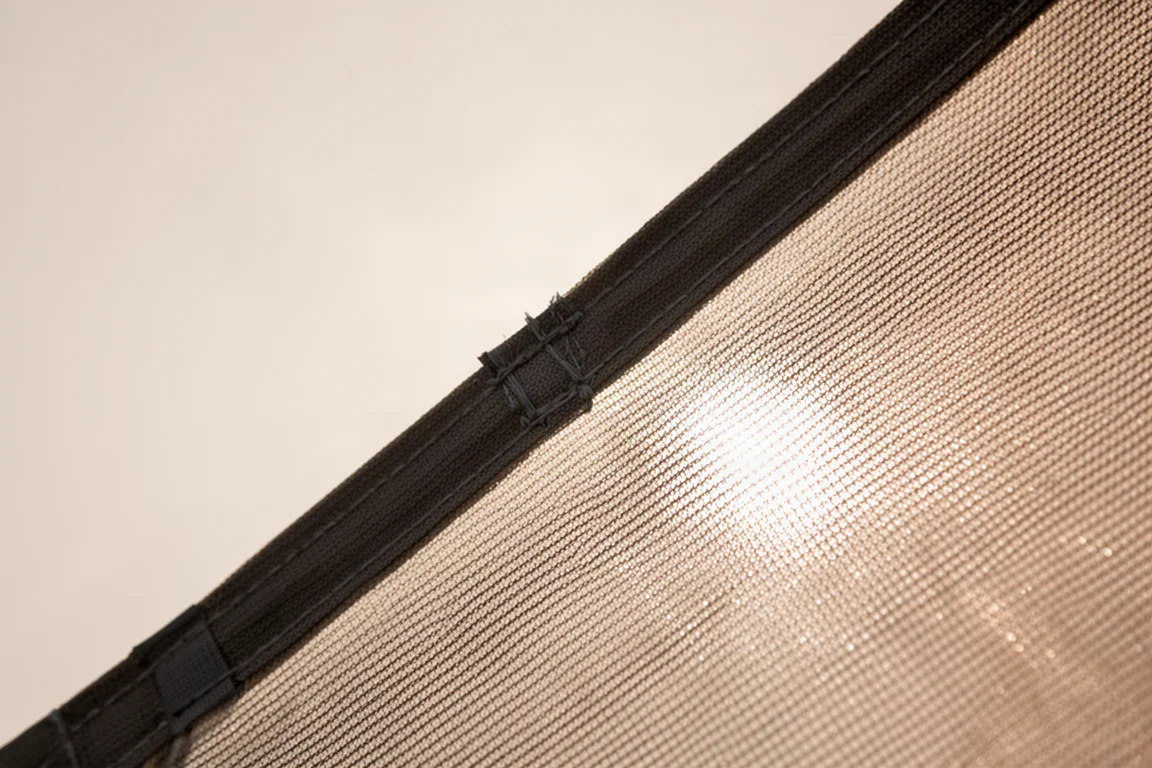
Build quality holds up to close inspection. Seam work and stitching are clean throughout, with no faults visible anywhere on the panel. Inside, there are two pockets, one on each side, which is a modest but genuinely useful addition for stashing small items overnight.
Installation and Everyday Use
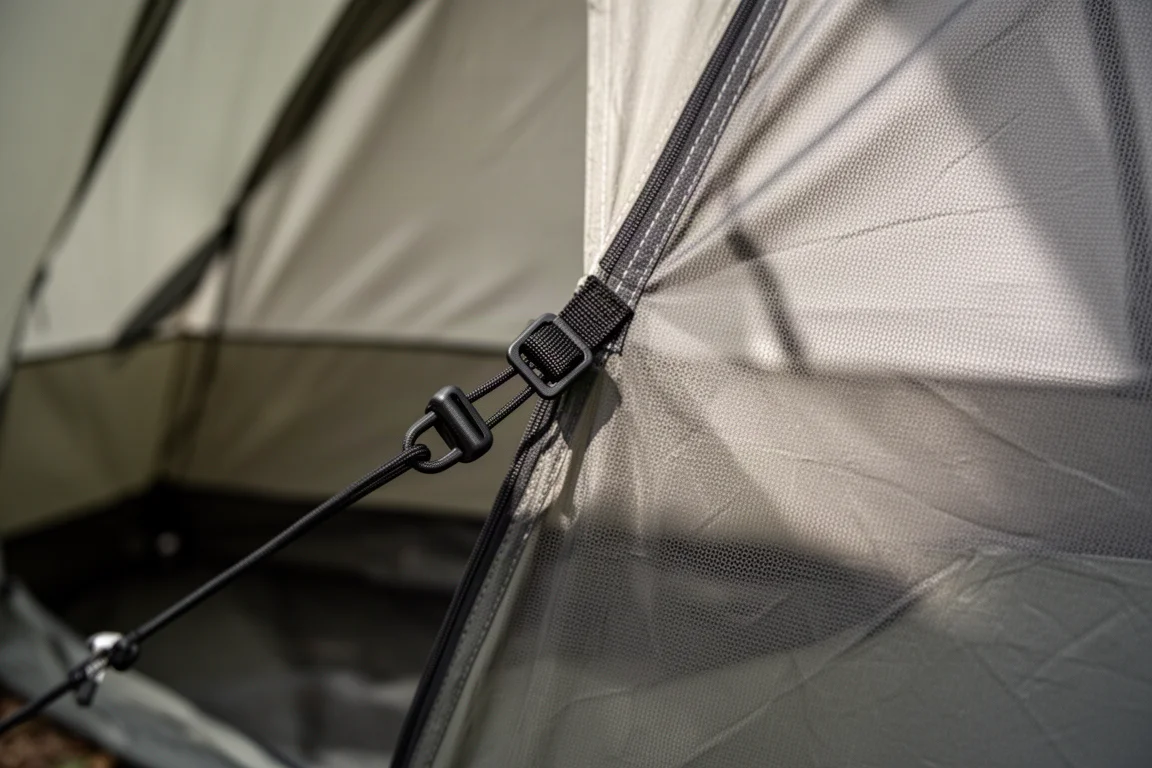
Fitting the mesh inner is straightforward once you understand the layout. Black webbing straps run along the body of the inner and connect to the tent, and each connection point uses a toggle that detaches. Getting the orientation right is the only thing to think about: the door sits on one side, so the zipper needs to line up with it.
From there the process is simply the reverse of removal. Reconnect the back first, then move to the front, and the installation is finished. In practice it takes five minutes or less.
The kit also ships with pole cups, which means the mesh inner can be pitched using the tent poles entirely on its own, without the fly. That gives you a very open, airy setup for warm, dry nights. At the rear, the panel can be rolled up and secured with an interior toggle to open up airflow from the opposite direction as well.
Things to Consider Before Buying
The price is the biggest consideration. At 230 dollars, this is an expensive accessory, and there is a reasonable expectation that it could rise further. It is worth being clear-eyed about what you are buying: a mesh inner, however well made, at a price that sits well above what most campers would guess for this kind of item.
Availability is the second hurdle. This is not a product you can assume is sitting on a shelf. It can take a long time to track down, and sourcing one may require patience and repeated enquiries with outdoor retailers.
There is also a physical consideration during installation. Because the toggles are inside the shelter, you have to bend down and crawl in to disconnect and reconnect them. Anyone with limited mobility or difficulty bending over may find that awkward, even though the process itself is quick.
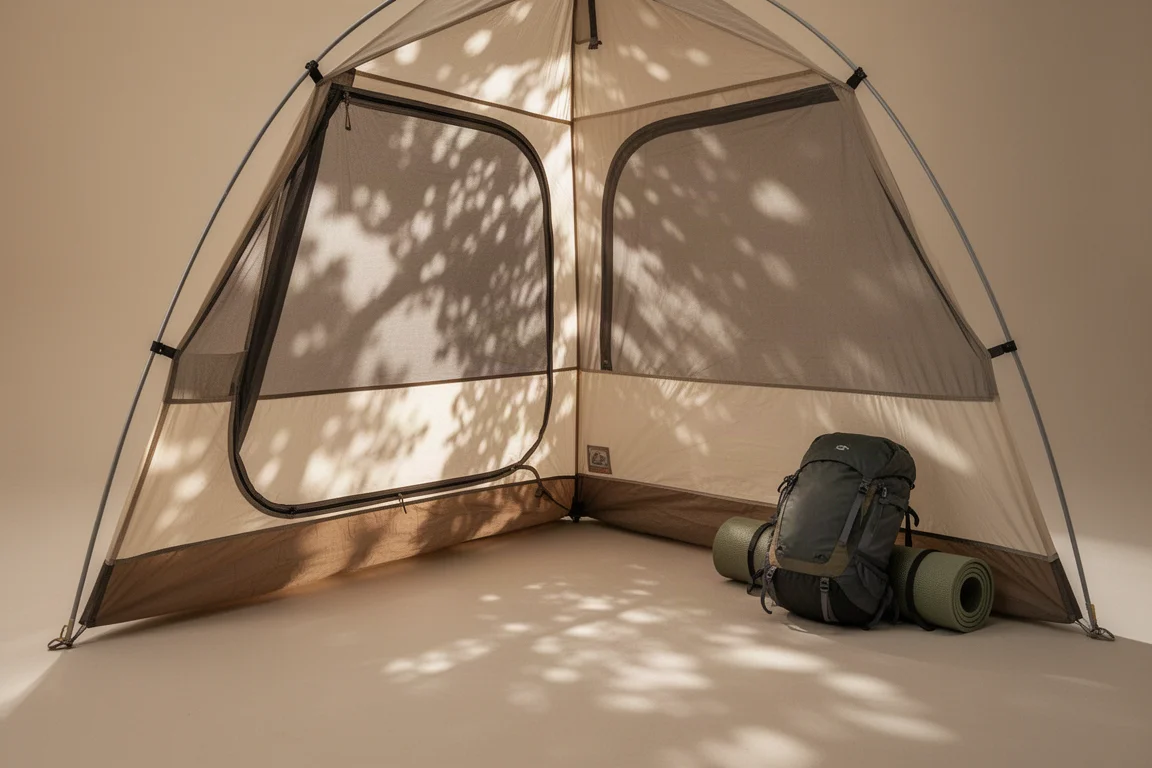
Finally, keep expectations calibrated. A mesh inner still retains a little warmth, so it does not turn the Una into a pure summer tent in the way a fully open shelter would. It removes the overwhelming heat build-up, not every degree of it.
Price and Value
At 230 dollars, the value question comes down to how much you use the tent. For someone who already owns the Una and wants to camp in it through the warmer months, this kit effectively adds a second usable season to a shelter that would otherwise sit in storage.
For someone who only camps in cold conditions, there is no case for it at all. The fabric inner is doing its job, and the mesh version would be a costly spare part.
Judged purely as a piece of gear, the quality is excellent: strong materials, clean construction, no faults. Judged as a purchase, it is a specialist accessory at a specialist price, and the maths only works if it unlocks real trips.
Buying Advice
If you own the Una and have found it unusable in summer, this is the fix. The airflow difference is significant enough to change how the tent feels overnight, the weight saving is real, and the installation is simple enough to do at home or at camp.
Before committing, confirm that a mesh inner is actually available for your specific Hilleberg model, and be prepared to wait or to check with several retailers. Stock is not something to take for granted.
Then think honestly about how many warm-weather nights you will spend in the tent. If the answer is a handful or more each year, the conversion earns its place. If the tent only comes out in winter, keep the fabric inner and save the money.
Conclusion
The Hilleberg Una Mesh Inner solves a narrow problem extremely well. It converts a four-season shelter into a three-season one with far better ventilation, a noticeably lighter inner, and the same bathtub floor and build quality underneath. Installation is quick and reversible, and the option to pitch the inner alone with the supplied pole cups adds genuine flexibility.
The caveats are equally clear. The price is high for what is fundamentally a mesh panel, availability can be difficult, and the installation involves crouching inside the tent. None of that undermines the core point: for Una owners who want to camp in warm weather, this is the difference between a tent that works and a tent that does not.
Product link
View more details for Hilleberg Una Mesh Inner
This product is mentioned in the review. Check the specifications, options, and compatibility before buying.
View more details for Hilleberg Una Mesh InnerFurther reading
Related Reviews
Camping Gear
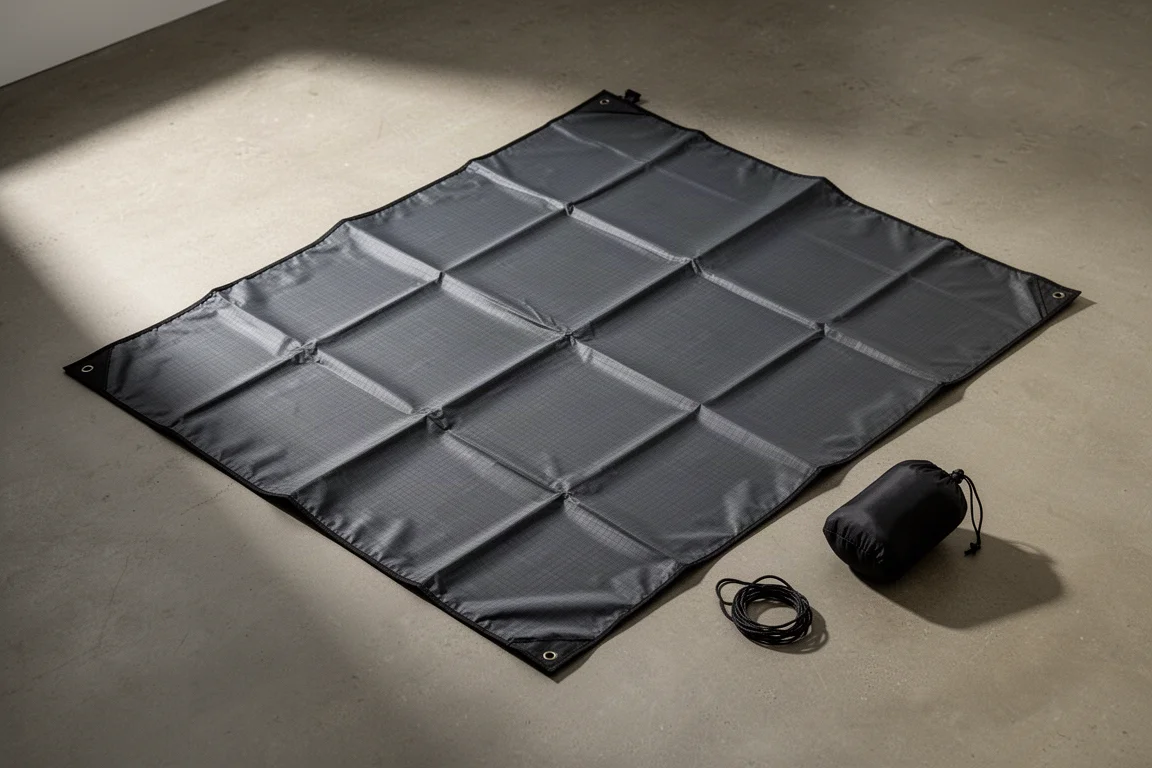
3FUL Ultralight Ground Sheet Review: A Two-Person Footprint Worth Packing
A 6.7 oz two-person ground sheet in ripstop silnylon, priced around $30. Here is what it protects, what it does not do, and who should pack it.
Camping Gear
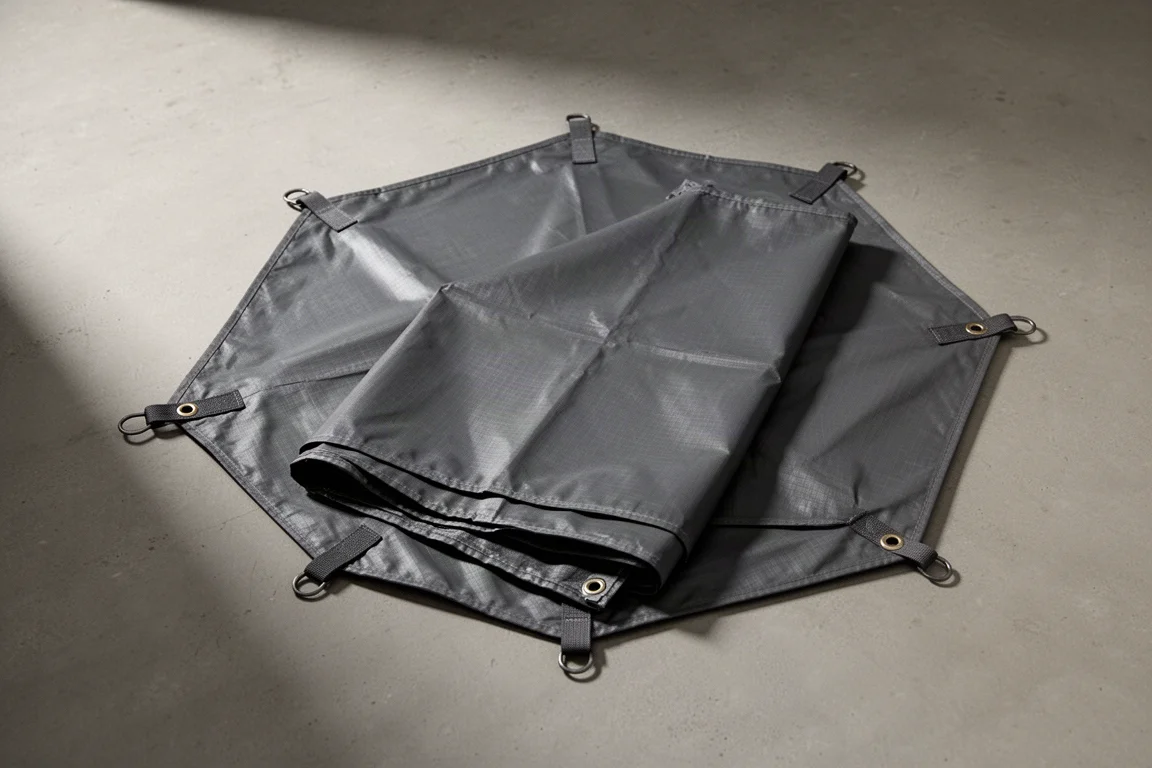
Backcountry Light Dual-Function Tarp and Floor Review: A Footprint First
A dual-purpose tent floor and tarp that keeps falling rain off you, but cannot block wind. Here is where it works and where it does not.
Camping Gear
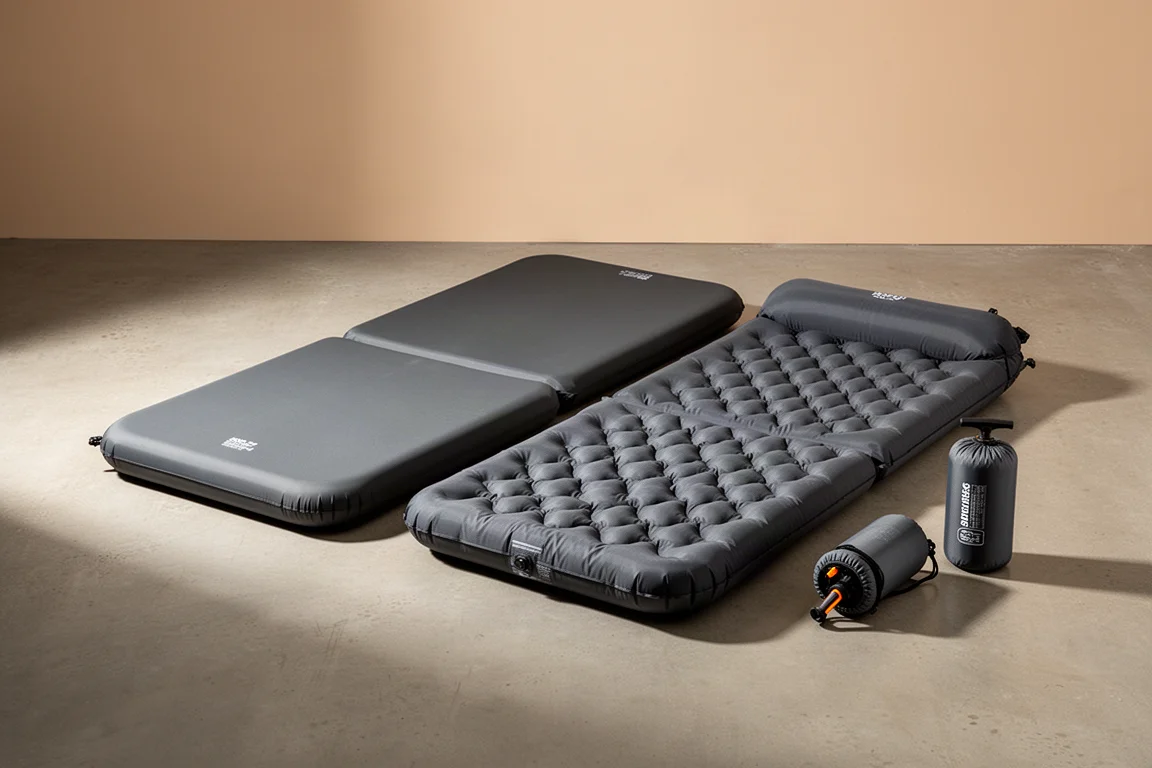
Best 2-Person Camping Mattresses for Couples: 10 Options Compared
A practical comparison of ten two-person camping mattresses, covering self-inflating pads, air pads and air mattresses for couples.