Backpacking Tents
3F UL Lanchan Pro 1 Review: A 1 lb 8 oz Single-Wall Trekking Pole Tent
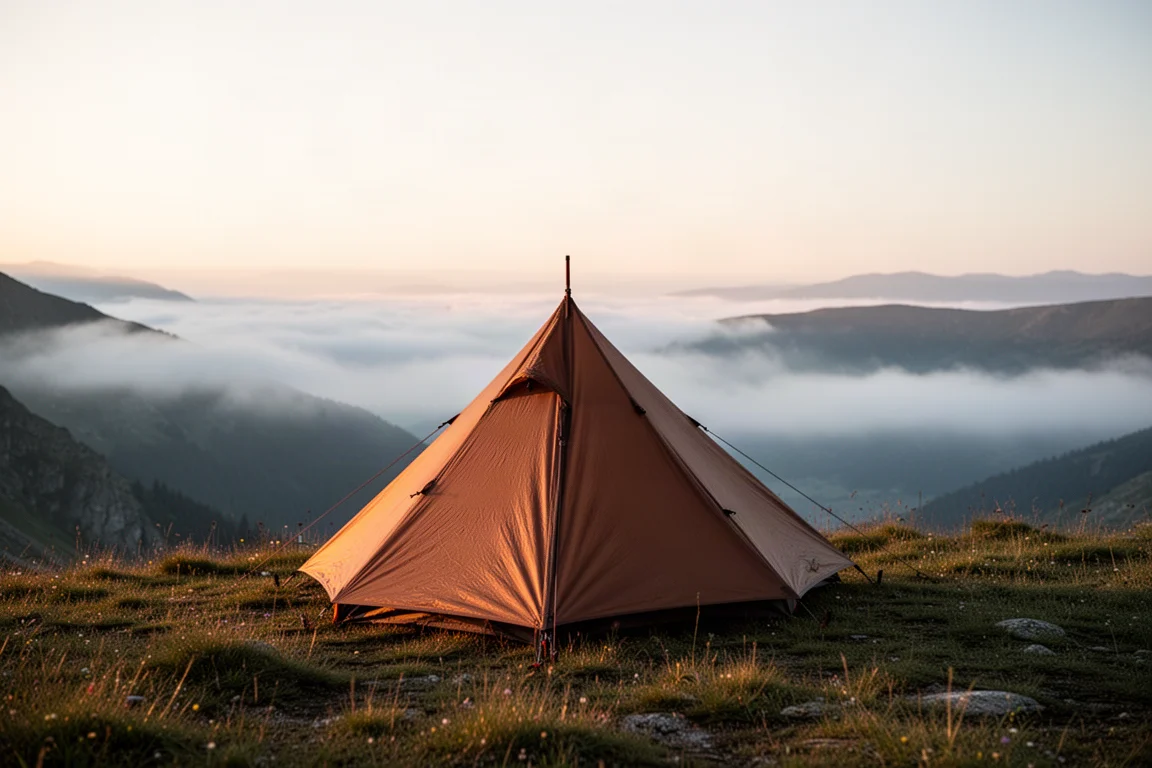
A practical look at the 3F UL Lanchan Pro 1, a single-wall trekking pole shelter with a 1 lb 8 oz weight, 20D silnylon fabrics, and a roomy 90 x 31 x 49 inch interior.
Introduction
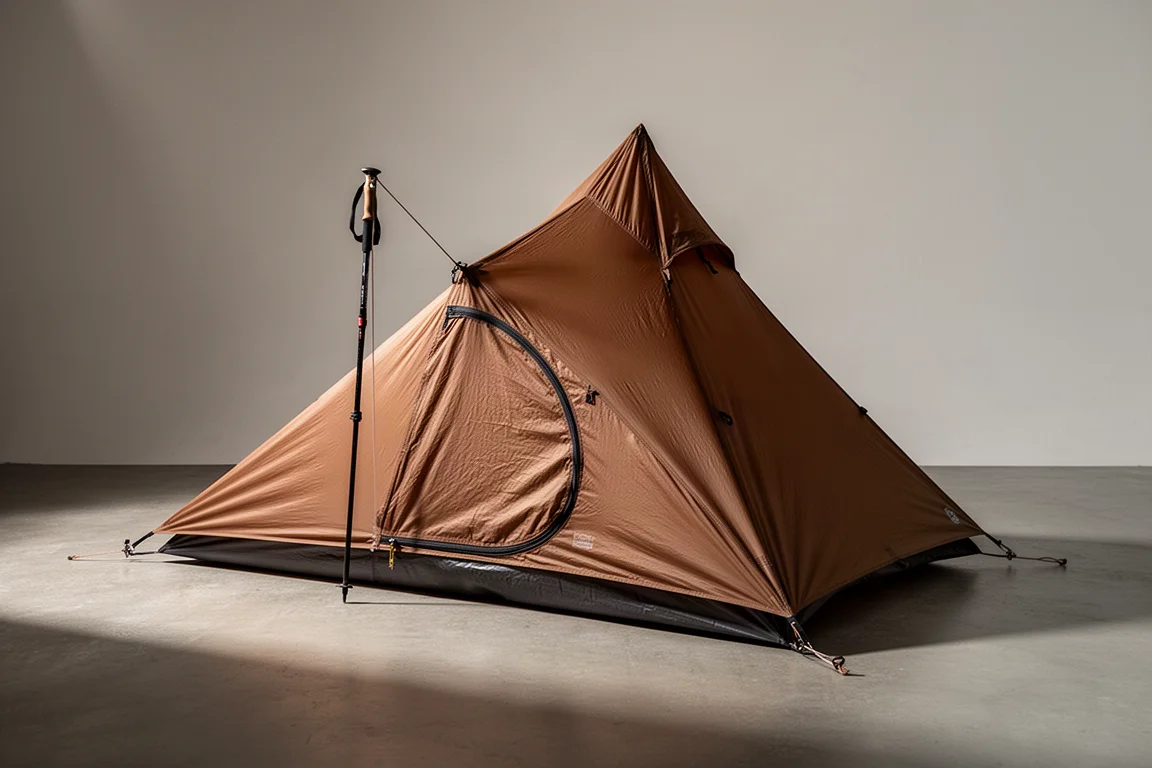
The 3F UL Lanchan Pro 1 is a one-person, single-wall shelter with a stated weight of 1 lb 8 oz, and it packs down small enough that a fully compressed bundle is roughly the size of a one-litre bottle. It comes from 3F UL Gear, a Chinese company that has been producing lightweight outdoor equipment for around ten years and has built a largely positive reputation in that time.
This is a trekking pole tent, which means a trekking pole is required to pitch it. That single design decision explains most of the low weight and the compact packed size, and it is the first thing to understand before deciding whether this shelter fits the way you travel.
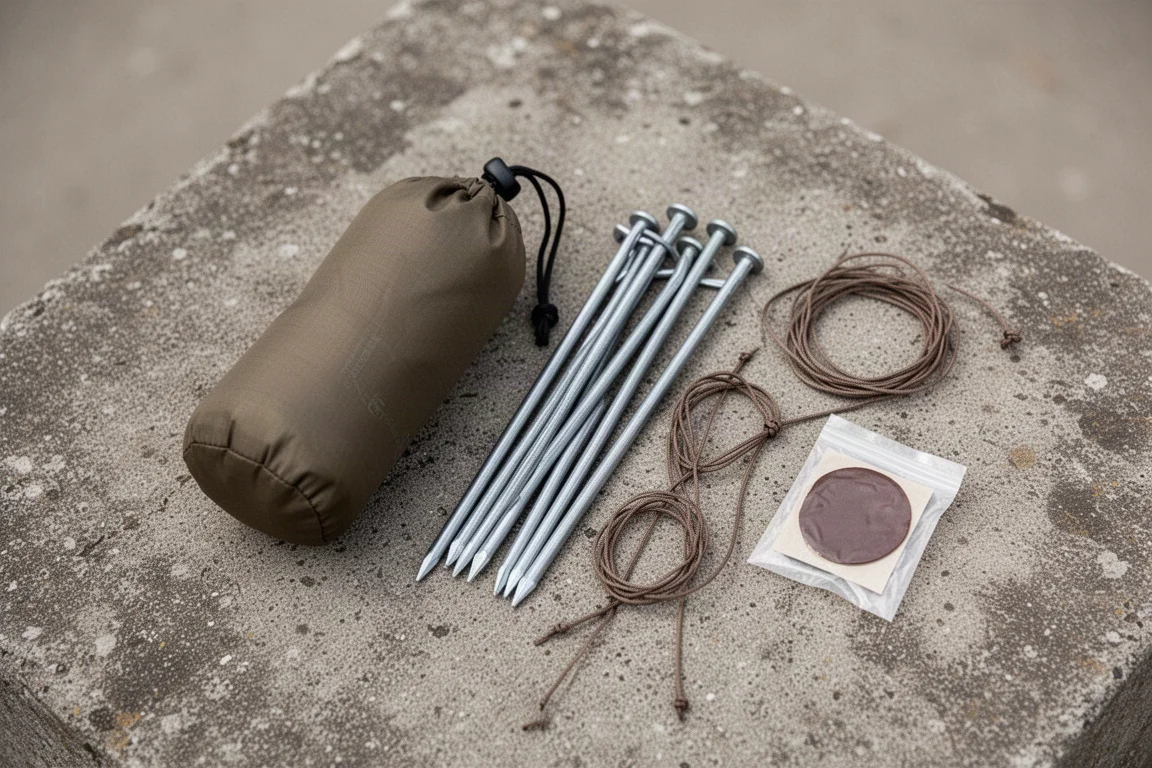
The tent arrives as one package rather than a set of separate components. Inside the roll-top storage bag, which has a compression strap on each side, you get three guylines, nine aluminium stakes, a small repair kit, a patch of repair material, and a syringe intended for the seam sealing process.
Who This Tent Is For
The Lanchan Pro 1 suits backpackers who already carry trekking poles and want to convert that equipment into their shelter. Because the fly and the inner are connected as a single wall, there is less material overall, which is where the weight saving comes from. Anyone who prefers a shelter that pitches without poles, or who dislikes the idea of applying seam sealant to a new tent, should weigh that preference carefully before buying.
The Pro versions of this tent are larger than the standard Lanchan models, being taller, wider and longer. For anyone above 5 ft 10 in, the Pro version is the one to look at, since the interior length and height are the reason the Pro line exists.
Version choice matters just as much as size. The tent is offered as a three-season or a four-season model, and the difference is the wall material: the three-season version uses mesh walls, while the four-season version uses fabric walls. For warm-weather use the mesh version is the one that makes sense, because airflow is the priority. The fabric-walled version is intended for cold conditions, where blocking wind and retaining heat are the goals, which is the opposite of what you want in summer.
Main Strengths
The headline number is the weight. At 1 lb 8 oz, this is a genuinely light one-person shelter, and the packed footprint matches that story. For a solo backpacker counting grams across a full kit, the Lanchan Pro 1 removes a meaningful amount of mass from the pack without asking for a bivy-style compromise.
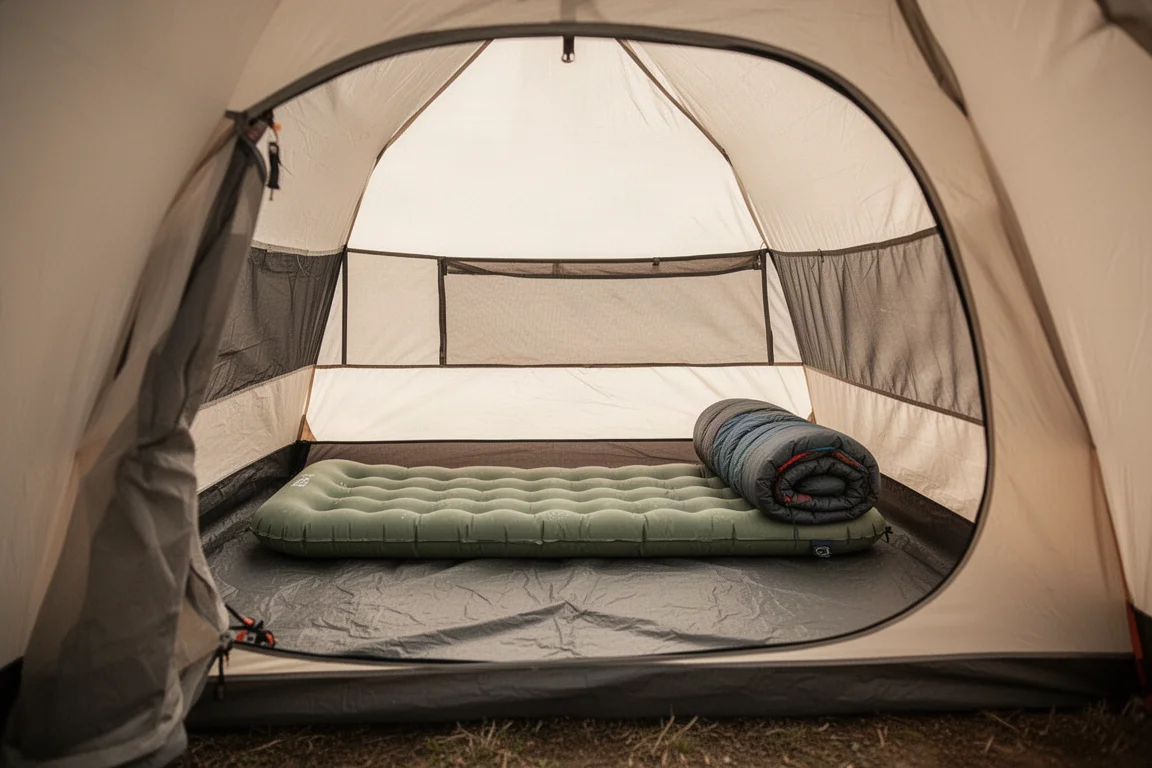
Interior space is the second surprise. The floor measures 90 in long, 31 in wide and 49 in tall, which is generous for a single-person tent. There is room for a long and wide sleeping pad, a sleeping bag, and still enough floor area left for gear, with the possibility of squeezing in a small dog depending on how much of the floor your pad occupies. A hook at the top lets you hang small items overhead, and there is a small pocket at the head end.
Construction quality reads as very good rather than flawless. The main stress points are reinforced, the tent uses YKK zippers and Duraflex buckles, and the floor seams are taped. The fly itself is not seam taped, which is expected given the material choice, and the finish on the guyline attachment points is a little uneven where the openings have been cut. There are no loose threads to speak of.
Design, Materials, and Pitching
The Lanchan Pro 1 is a pyramid-style shelter with one door and one vestibule. Because the fly and the body are joined, there is no separate inner tent: the wall you see from inside is the same layer you see from outside, with mesh panels providing ventilation. The door uses two-way zippers so it can be opened from either the top or the bottom, and it has a storm flap with Velcro, reinforced panels around the opening, and tie-off points on each side so the door can be rolled back and secured out of the way.
The fabric set is built around 20D silnylon on the fly with a 2,000 mm hydrostatic head rating, 20D nylon mesh for ventilation, and a 20D nylon floor rated at 6,000 mm. Silnylon is nylon impregnated with silicone, and on the Pro versions that material is not seam sealed at the factory. That is a deliberate trade-off rather than an oversight: seam taping silnylon is difficult and often unreliable, so the Pro models ship unsealed and expect the owner to seal the seams before serious use. The standard Lanchan 1 and 2 arrive seam sealed instead. In exchange for the extra step, the Pro version’s silnylon is stronger than the silicone-treated nylon used on the standard models, and it does not age as quickly. The trade on the other side is that the PU-coated nylon on the regular version is more waterproof.
Pitching takes a little practice. The process is not complicated, but getting a genuinely taut pitch takes repetition, and the payoff is worth it: once the lines are tensioned properly, the walls sit sharp and upright instead of draping inward. The tent ships with nine aluminium stakes and three guylines, which covers the main anchoring points plus the additional guyline attachments at the back and sides.
Packed Size and Weight
Stored dimensions are 13.5 in long by 5.9 in wide, and compressing the bundle brings it down further still. Combined with the 1 lb 8 oz weight, this is a shelter that disappears into a pack rather than dictating how you load it. It is worth repeating that a trekking pole is mandatory, so the pole is part of the system rather than an optional extra.
There is an optional ultralight trekking pole sold alongside the tent, built from carbon fibre and titanium and weighing 4.6 oz, which is exceptionally light. It is available in three sizes and is priced at around 40 dollars, with a foam grip at the top. The materials are impressive for the money, though long-term durability is the open question with any pole this light.
For anyone who does not already carry trekking poles, that optional pole changes the maths: the shelter plus a dedicated pole is still a very light package, but it is no longer a free conversion of gear you were already carrying.
Things to Consider Before Buying
Seam sealing is the first practical hurdle. Because the Pro version uses silnylon and ships unsealed, the tent needs to be pitched and sealed before it goes out in weather. It is not a difficult job, but it is a job, and it needs to be done properly. Anyone who would rather skip that step entirely should look at the standard Lanchan 1 or 2 instead.
Condensation is the second consideration, and it is inherent to single-wall design. Because there is no separate inner, the wall that collects moisture is the wall you are sleeping against, with no mesh layer between you and the condensation. Single-wall shelters generally handle condensation less gracefully than double-wall shelters for exactly this reason. How much airflow this specific design provides in humid or still conditions is an open question that only field use will settle.
The ordering process is the third issue, and it is worth planning around. The product page for this tent is not especially clear, and it offers three-season and four-season options without explaining what separates them. Photographs are limited, so the different colourways are hard to judge. The same confusion carries over to marketplace listings, where searching for the model name returns a handful of near-identical listings at varying prices. Deciding in advance which version, wall material and colour you want makes the purchase far simpler.
Finally, the small stuff. The guyline attachment points are cut a little unevenly, and while overall quality is very good, it is not top-tier finishing. The door opening is not especially large, so getting in and out is easier for smaller users than for larger ones.
Buying Advice
Buy the Pro 1 if you want the larger interior and the stronger, slower-ageing silnylon, and you are comfortable sealing the seams yourself before the first wet trip. Buy the standard Lanchan 1 or 2 if you would rather have a tent that arrives seam sealed and uses a more waterproof PU-coated nylon, accepting the smaller dimensions and the faster-aging fabric in return.
Get the three-season mesh version for anything other than winter use. Mesh walls are what you want for airflow in warm conditions, and the fabric-walled four-season version is designed to block wind and hold heat, which is exactly the wrong behaviour in summer. If you are above 5 ft 10 in, stay with the Pro line, since the extra length and height are the whole point of that version.
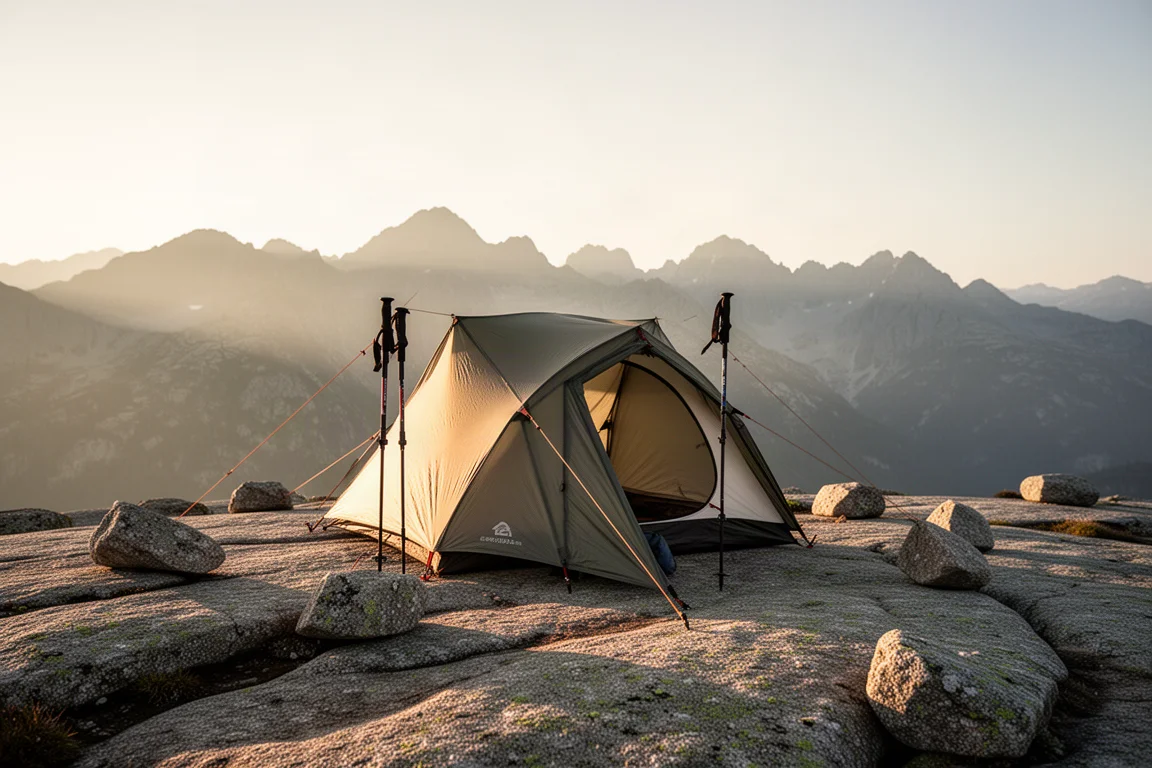
Decide on your colour and wall configuration before you start shopping, and buy from a listing that states both clearly. That one bit of preparation removes most of the frustration people run into with this tent, and it means the shelter you unbox is the shelter you actually intended to buy.
Conclusion
The 3F UL Lanchan Pro 1 is a well-considered ultralight shelter. At 1 lb 8 oz with a 90 x 31 x 49 inch interior, it delivers a lot of usable space for very little carried weight, and the materials and hardware are a step above what the price bracket usually suggests. The catches are clear and manageable: you need a trekking pole, you need to seam seal it, and you need to go in knowing which version and wall material you are ordering. Get those three things right and this is a shelter that earns its place in a lightweight kit.
Product link
View more details for 3F UL Lanchan Pro 1
This product is mentioned in the review. Check the specifications, options, and compatibility before buying.
View more details for 3F UL Lanchan Pro 1Further reading
Related Reviews
Backpacking Tents
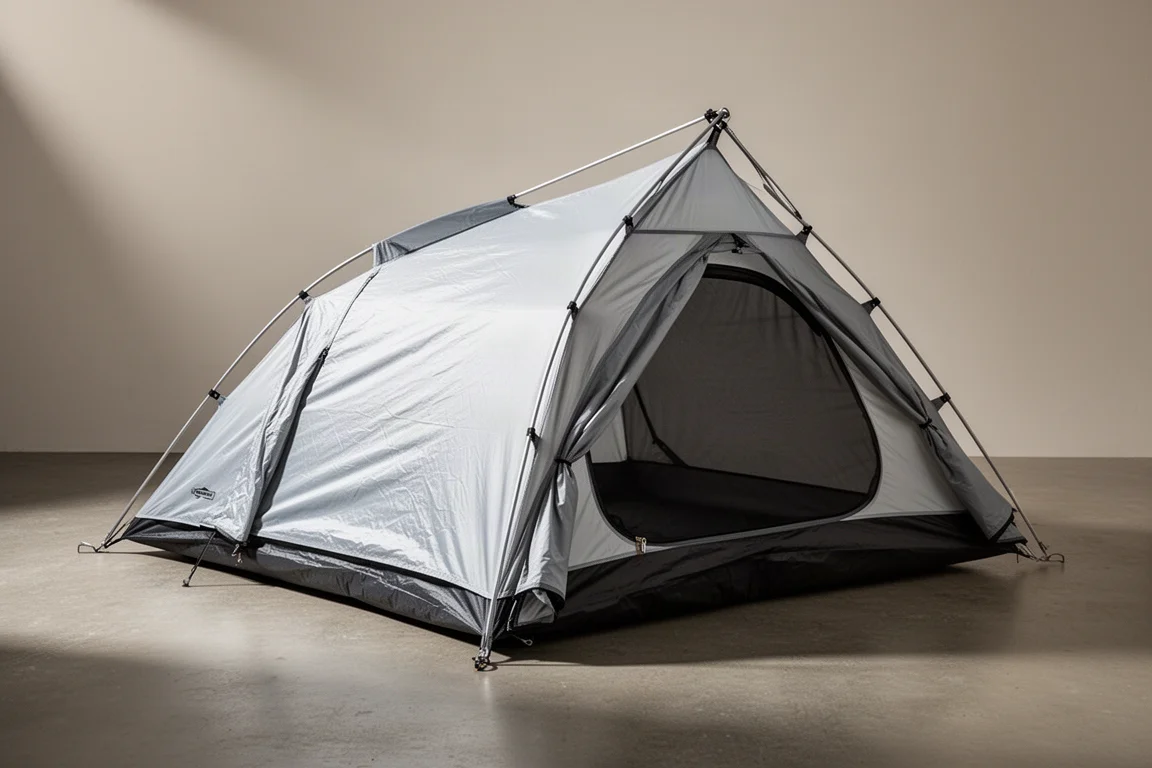
3F UL Taiji 2-Person Tent: A Convertible Backpacking Shelter Worth a Closer Look
A practical look at the 3F UL Taiji two-person tent, covering its materials, true two-person interior, fly-first pitching, and the seasonal inner swap that lets one shelter cover more of the year.
Backpacking Tents
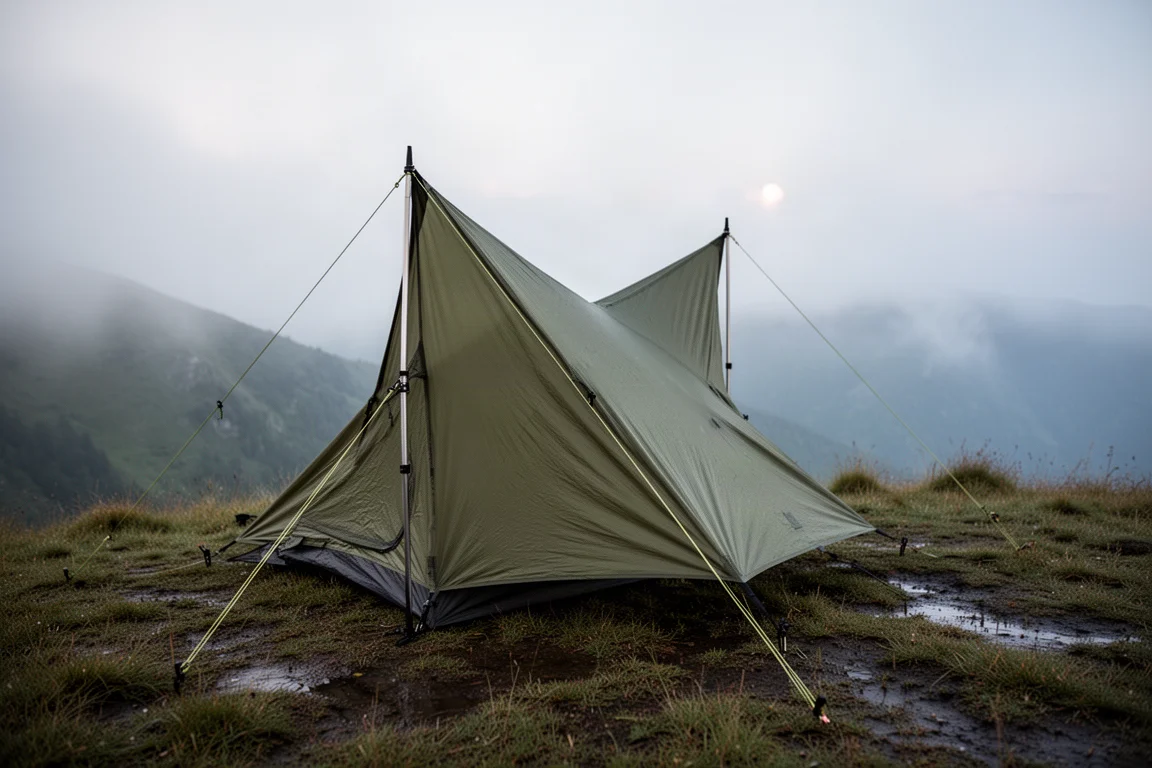
3FUL Lanshan Twoerson Pro Review: A Light Trekking Pole Shelter That Struggled in Rain
A two-person trekking pole shelter with a 2026 redesign, pitched with sticks and put through a night of steady rain. Here is what worked, what did not, and what to check before buying.
Backpacking Tents
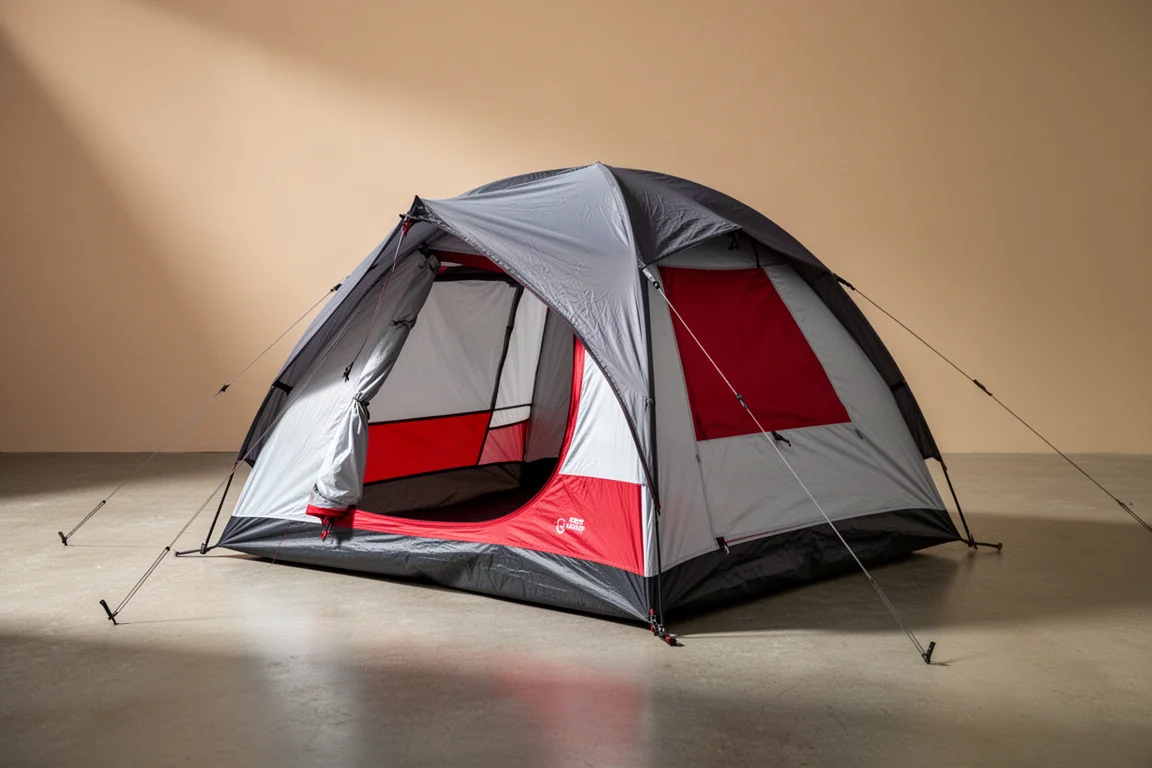
Alps Mountaineering Helix 1 Review: A Modern, Roomier One-Person Tent
A close look at the Alps Mountaineering Helix 1, a modern 20D nylon one-person backpacking tent with a roomy interior, taped seams, and a 3 lb 3 oz packed weight.