Hiking Backpacks
Hiking Backpack Roundup: Five Packs for Different Loads and Budgets
A long-term look at five hiking backpacks, from a light 50 litre pack to a rigid 65 litre load carrier, with the strengths and trade-offs that matter on the trail.
Introduction
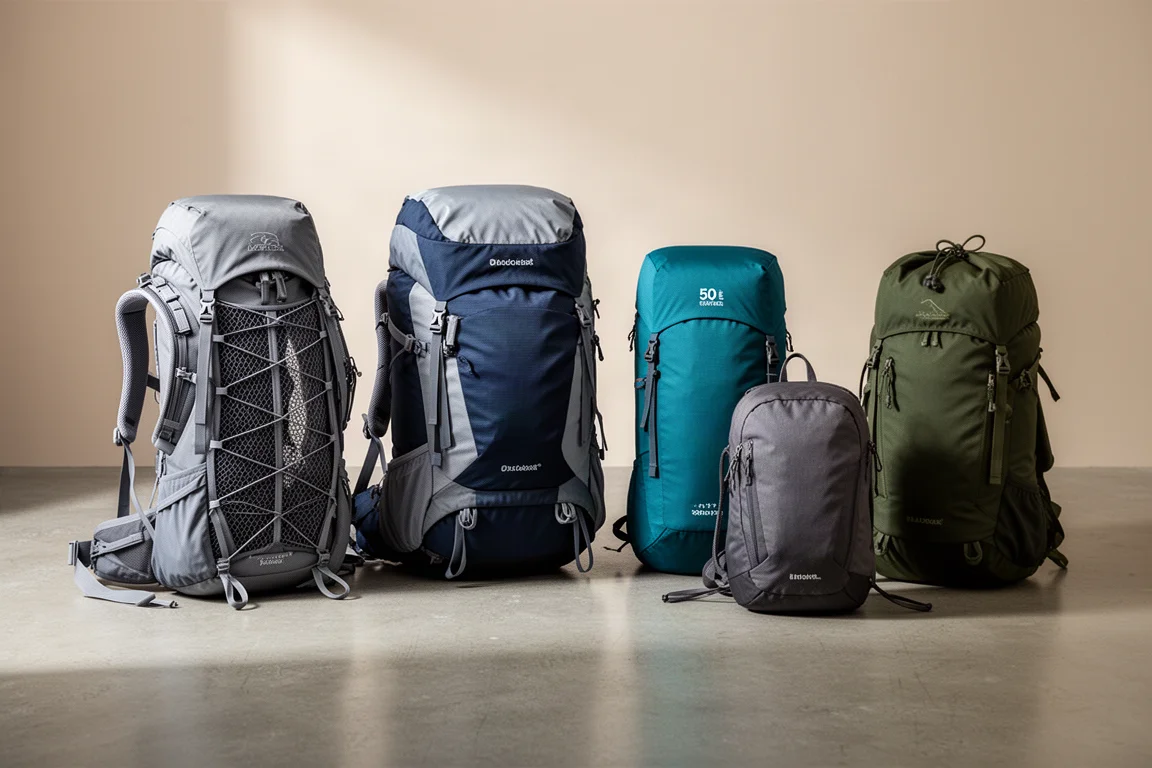
Most hikers end up with more than one backpack, and this collection is a good example. It spans a compact day pack, a couple of mid-size hiking rucksacks, a light 50 litre pack and a large 60+10 litre load hauler, plus one recent addition that had been on the wish list for a long time.
Every pack here has been carried enough to show how it behaves in real use, including the wear that only appears after a few seasons. The aim of this roundup is to describe what each one is actually like to load, carry and live with, so you can judge which style of pack suits the trips you take.
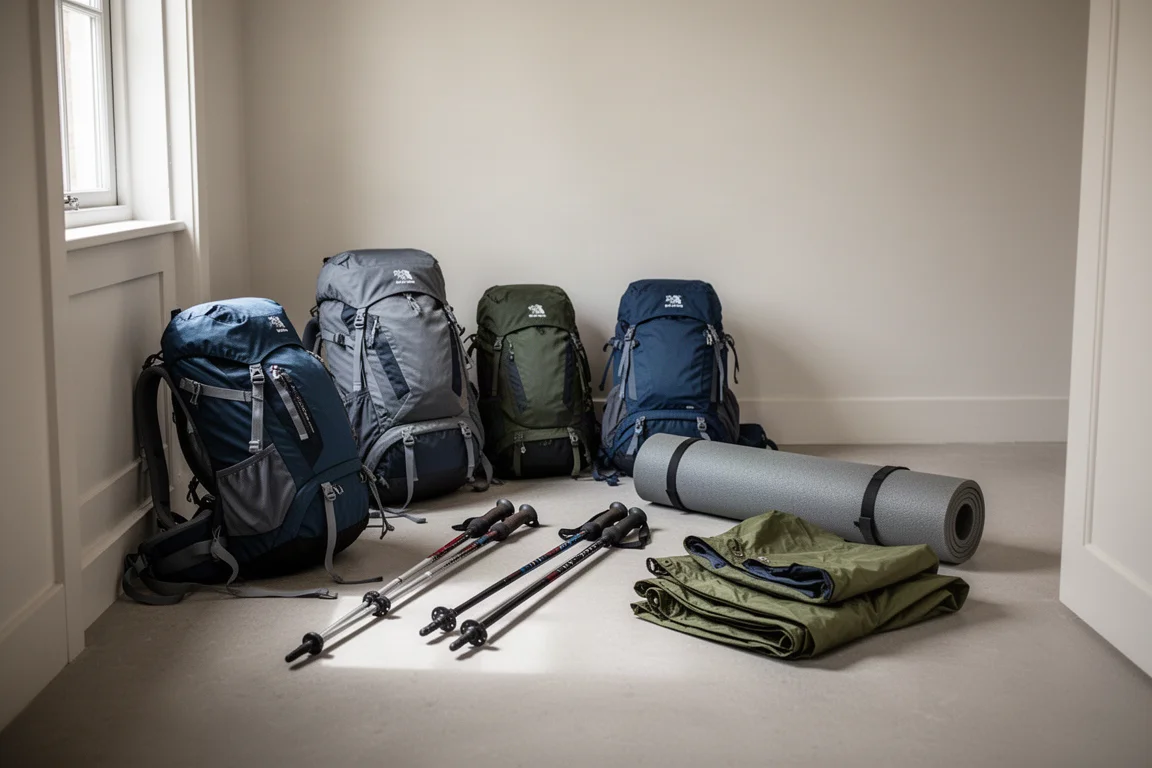
Some of these packs are still in regular rotation and others have been quietly retired. Either way, the notes below come from use rather than from a specification sheet.
What to Look For in a Hiking Backpack
A few details separate a pack that works from one that frustrates you on the trail.
Side pockets and lid pockets matter more than they sound. Being able to stash a water bottle, a map or a snack without opening the main compartment keeps a walk moving. A rain cover is another point to check: some packs have one attached, while others need a separate cover that has to be remembered and packed.
Access to the bottom of the bag is worth thinking about too. Without a separate base compartment, anything stored at the bottom means emptying the whole pack to reach it.
Weight and suspension matter most of all. A heavier pack with a rigid frame and a hip belt that carries the load can feel lighter on the move than a lighter pack that hangs off the shoulders.
Osprey Atmos AG 65: Suspension That Moves Weight to the Hips
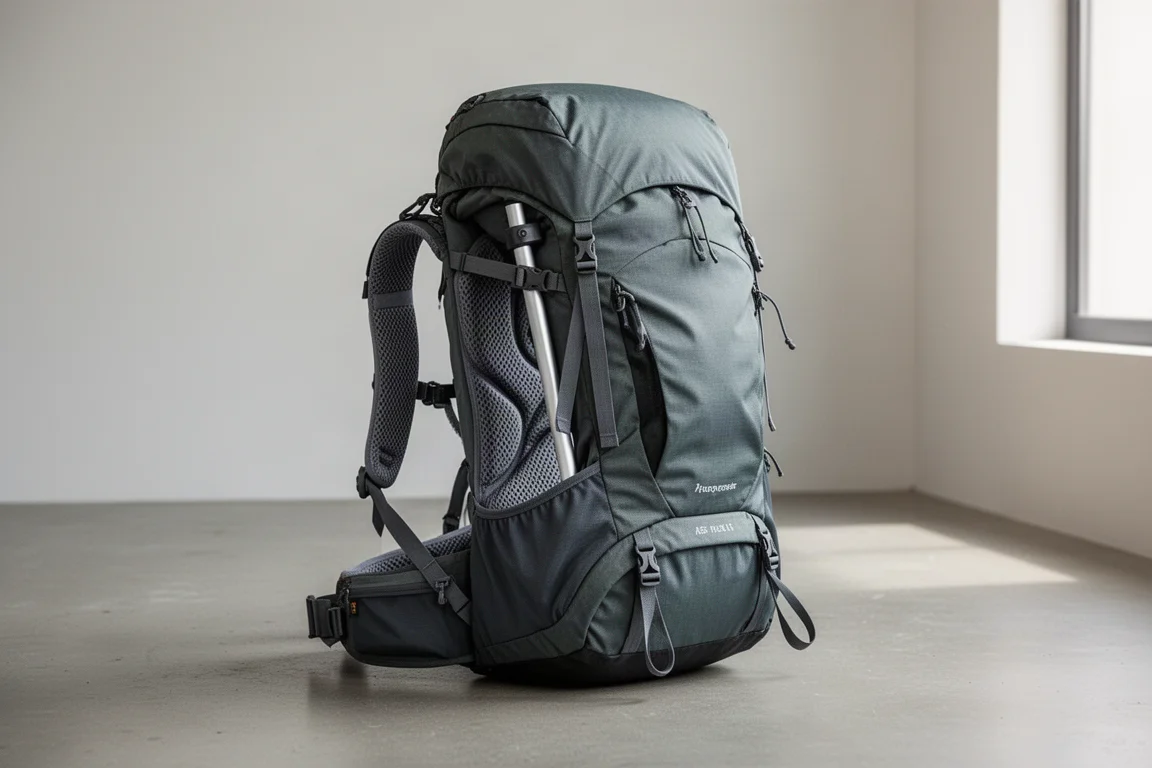
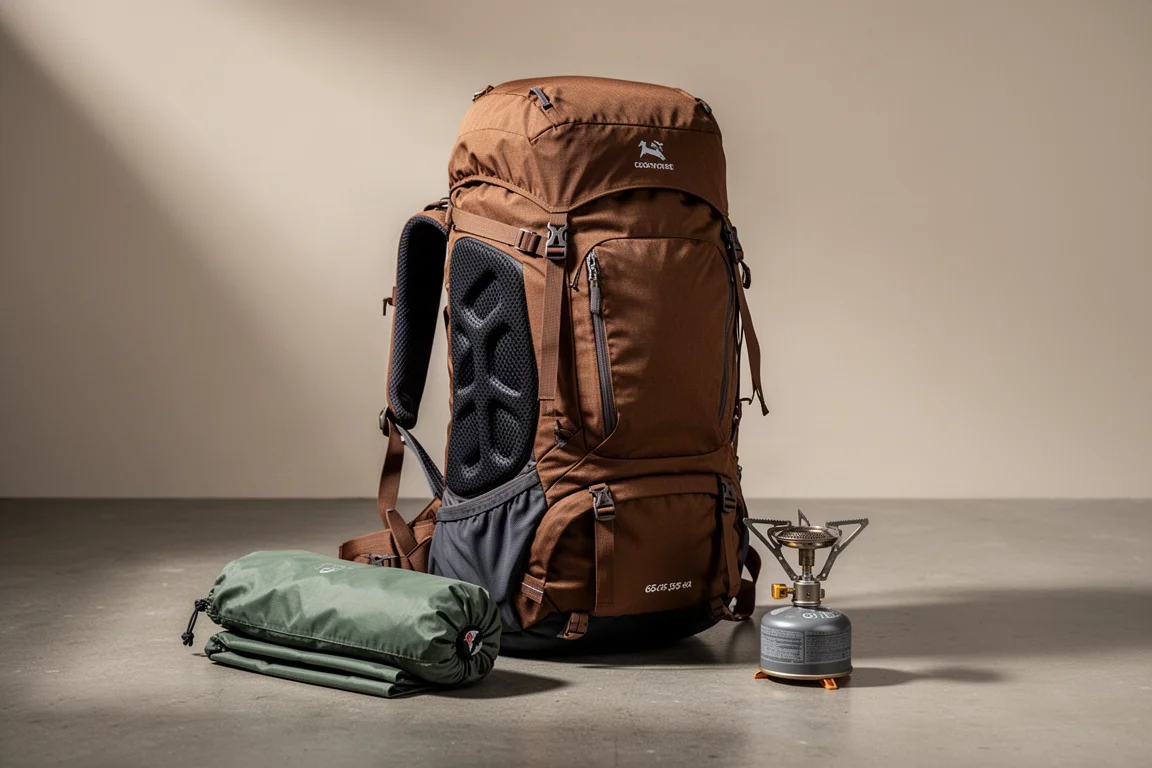
The Atmos AG 65 is a 65 litre pack built around an AntiGravity back system and a solid, rigid spine. The harness adjusts, and the pack clips onto the hips just above the hip bones, so the weight sits on the hips and stays off the back. That design is the reason a heavier pack can still feel lighter once it is on.
On a kitchen scale it came in at 2.31 kg, roughly in line with the largest pack in this collection, yet the material feels tougher than anything else here. A tensioned mesh panel holds the body of the pack away from your back, which leaves plenty of room for airflow.
The lid can be removed completely. A flap cover clips into the same attachments, so you can run without the lid and keep the top watertight, or keep the lid on when you want the extra space. A rain cover is included and stored inside. There is a water filtration pocket that also works well for maps and books, fair sized pockets on the hip belt, webbing for strapping gear to the outside, and loops and toggles for hiking poles. A small strap on the shoulder strap keeps trekking poles handy when they are not in use.
Inside, the main compartment is one large open space, with separate pockets that do not open into the main bag, and a separate bottom section for a roll mat.
Pricing for this model has been seen as low as around £130.
Vango Sherpa 60+10: Big Capacity, Heavier Carry
The Sherpa 60+10 is the capacity champion of the collection. It is noticeably heavier to pick up than the lighter packs, but it swallows a large amount of gear, which is the trade-off.
Storage is where it stands out. There are side pockets, a front pocket, two zipped pockets in the lid, and a sleeve down the back that was designed for a water pouch but works just as well for maps and books. Webbing on the outside and straps across the base allow extra items to be strapped on, and toggles hold hiking poles in place.
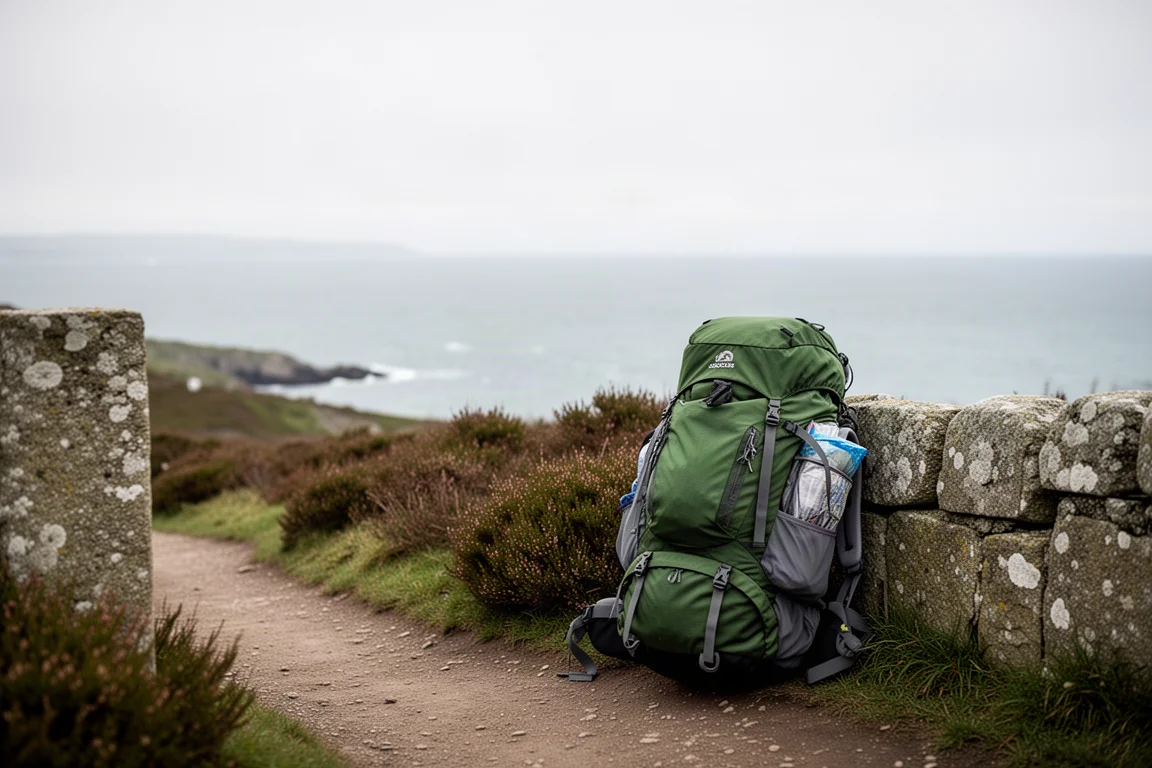
The carry is sturdy and adjustable, with a metal rigid frame and decent cushioning. The rain cover is attached, which is a genuine convenience, and it wraps right around the pack rather than covering only the top. The main drawback is durability after years of use: the fabric is starting to show wear, with a seam beginning to come away.
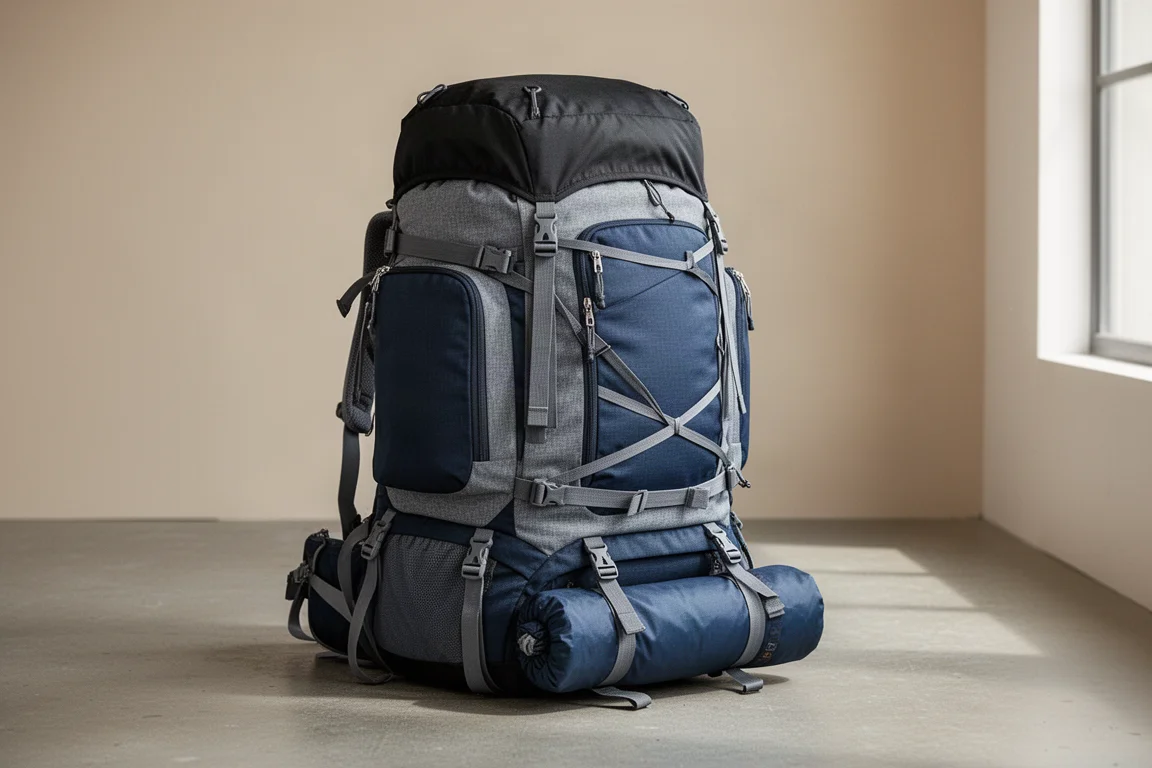
Quechua Forclaz 50: Light and Affordable
This 50 litre pack is light and sells at a reasonable price, which makes it an easy entry point. The back panel adjusts, although it feels flimsy, closer to stiff cardboard than to the rigid frames on the larger packs.
Capacity is the main limitation. Filling 50 litres with a full set of gear has been a struggle, and the pack can end up looking messy when it is packed tight. The rain cover is not attached either, so it has to be carried separately, and how waterproof the bag itself is remains an open question.
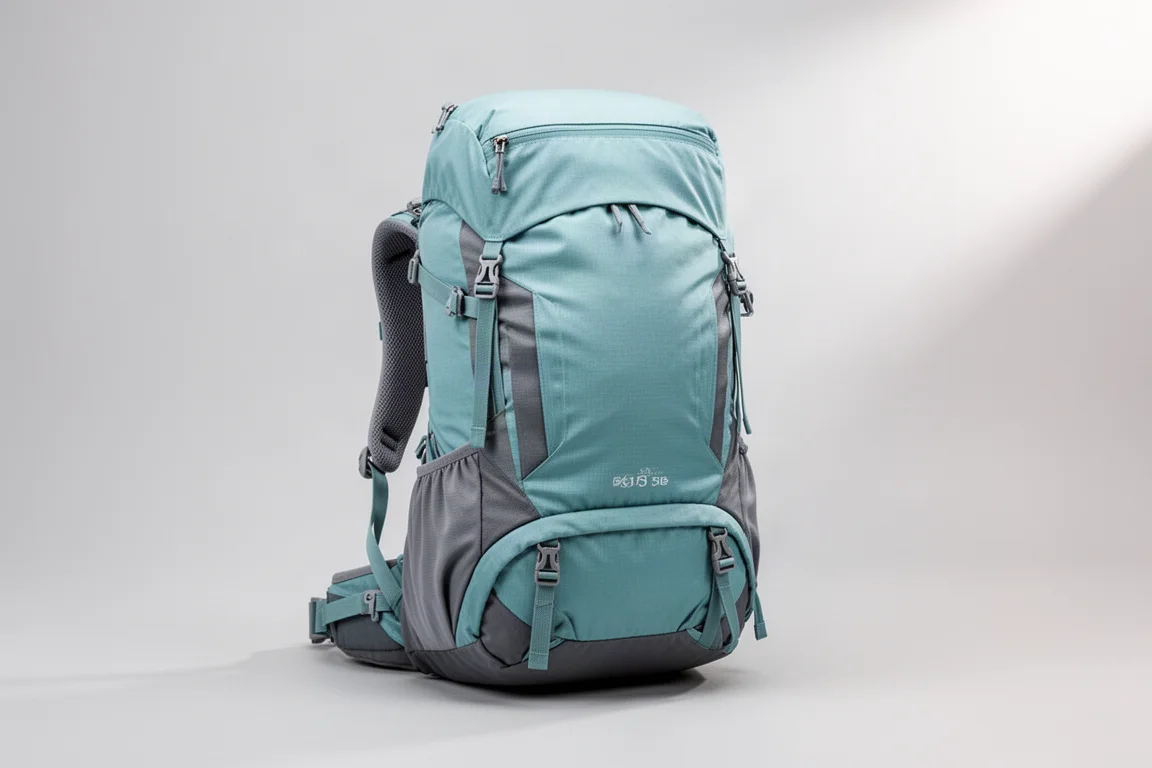
Karrimor Urban 30: The Pack That Keeps Coming Back
The Urban 30 is a 30 litre daypack and the one that gets reached for most often. It is the pack that other bags keep being compared against, and it has spent plenty of time loaded with a full day of kit, including on recent hikes.
For day walks and short trips it hits a useful balance: enough room for layers, food and water without the bulk of a multi-day pack.
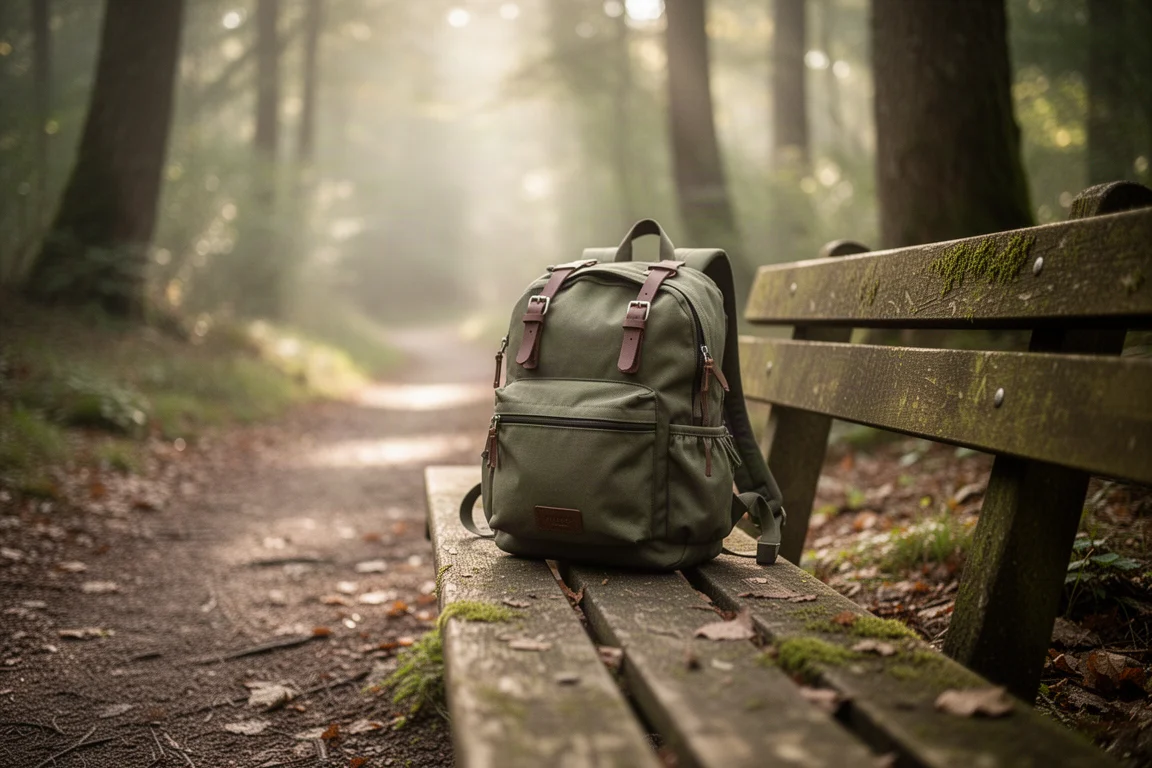
If you already own a larger rucksack, a pack like this is the one that ends up doing the most work.
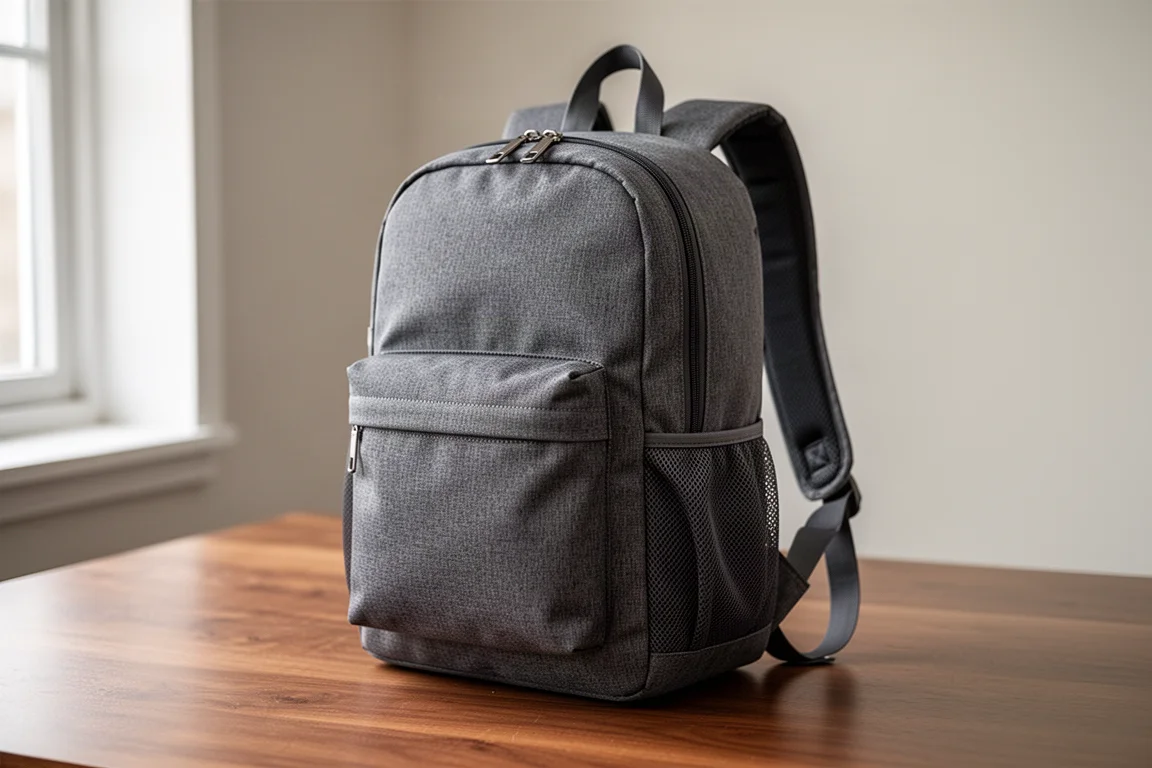
Karrimor Jura 50: A Hiking Rucksack with a Split Base
The Jura 50 sits just above the Urban 30 in size and is aimed more squarely at hiking. It uses a string-tied top closure rather than a zip, which keeps the profile simple and the main compartment easy to fill.
There are two side pockets and a top pocket in the lid, and a rain cover is stored inside and can be attached when the weather turns. Hiking poles can be fastened to the pack. The base of the bag can be separated from the main compartment, which is handy for keeping a wet or bulky item away from the rest of the load.
One detail to know before buying: there is a divider inside the main compartment, and if it is done up it can get in the way when you are packing a full load. Leaving it open solves the problem. The recommended retail price is around £50.
Overall Buying Advice
The right pack depends on the load you actually carry rather than on the biggest number on the label.
If you regularly carry heavy or bulky loads and want the weight transferred to your hips, the Atmos AG 65 is the most convincing design here. The rigid frame, hip belt and mesh back panel do the work, and the price found for it makes a premium pack far easier to justify.
If capacity at a lower cost is the priority, the Sherpa 60+10 carries more than anything else in the collection, as long as you accept the extra weight and the wear that shows after several seasons. For a light, inexpensive 50 litre option, the Forclaz 50 is a reasonable starting point, but pack it carefully and bring a separate rain cover.
For day trips, the Urban 30 remains the simplest answer, and the Jura 50 is a good step up for hikers who want a rucksack with a split base and a low price. In practice, most people are best served by owning two packs: a small day pack and one larger pack sized to their longest regular trip.
Conclusion
Five packs, five different jobs. The Atmos AG 65 leads on carry comfort and build, the Sherpa 60+10 leads on capacity, the Forclaz 50 leads on weight and price, and the two smaller Karrimor packs cover everyday hiking and weekend trips. Match the pack to the load and the trip, and the choice becomes much easier.
Further reading
Related Reviews
Hiking Backpacks
Decathlon MT 900 70+10 Backpack Review: Big Capacity, Heavy Weight, High Price
A feature-dense 80-liter hiking backpack with excellent build quality, ten pockets, and dual loading, held back by a six-pound weight and a $210 price.
Hiking Backpacks
Martingtop 65L MOLLE Hiking Backpack Review: Capacity and Value, Undone by Hardware
A 65-liter tactical-style internal frame pack with MOLLE webbing, an adjustable torso, and a rain cover, held back by slipping hardware and a flexible frame.
Hiking Backpacks
Osprey Rook 65L First Look: Osprey's Most Affordable 65L Backpack
A detailed first look at the Osprey Rook 65L, the least expensive 65-litre pack Osprey makes at $190, covering its suspension, storage layout, weight, materials, and the trade-offs to weigh before buying.