Tents
Hike and Bike Zion Two-Person Tent Review: Huge Interior, Heavy Pack
A $135 two-person tent with a genuinely roomy interior, strong airflow and a footprint included, plus the weight, build and pitching details worth knowing first.
Introduction
The Hike and Bike Zion is a two-person camping tent sold for around $135, and the pitch is easy to understand: two doors, two vestibules, a footprint and a gear loft, all in one package. On paper that reads like a lot of tent for the money.
In person, the picture is more mixed. The Zion delivers an unusually generous interior and a body that is almost entirely mesh, which is exactly what you want on a warm-weather camping trip. It also weighs about 6.1 pounds, comes with hardware that feels basic in places, and is described by the manufacturer as ultralight, which it plainly is not.
None of that automatically makes it a bad buy. It makes it a specific buy, and this breakdown covers what the Zion does well, where it falls short, and who should realistically consider it.
Design, Dimensions, and What Comes in the Box
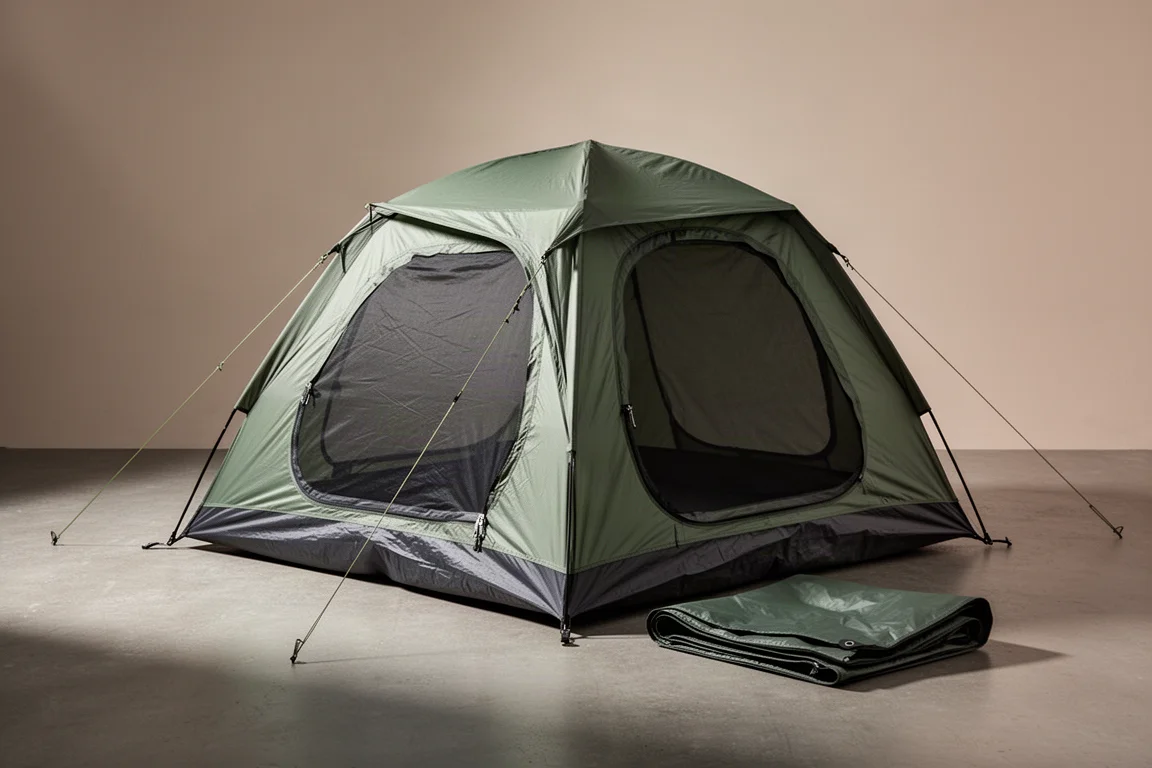
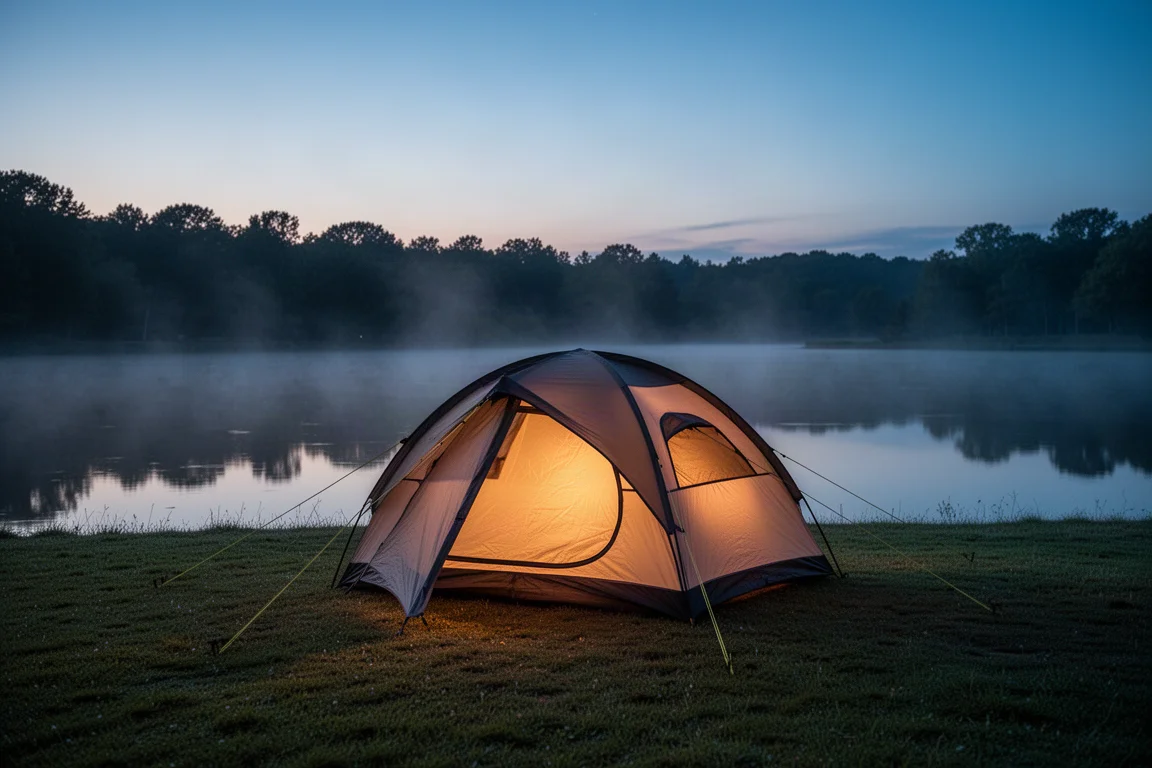
The Zion is a dome-style tent with a single main pole, a full-coverage rain fly, a separate inner body and a set of aluminium stakes. It ships with a footprint and a gear loft included, which is uncommon at this price point and genuinely useful.
Key specifications, as stated by the manufacturer:
- Price: around $135
- Colors: orange, lime green, dark green and blue, plus a one-person version of the same design
- Fly material: 210 polyester, 63 denier, with a PU coating and a 5,000 mm hydrostatic head rating
- Body material: 190T polyester
- Poles: 7000 series aluminium, 8.5 mm
- Packed size: 17.5 x 6.3 inches
- Pitched size: 40 inches tall, 55 inches wide, 90 inches long
- Two doors, two vestibules, corner pockets, taped seams on both body and fly, two vents on the fly
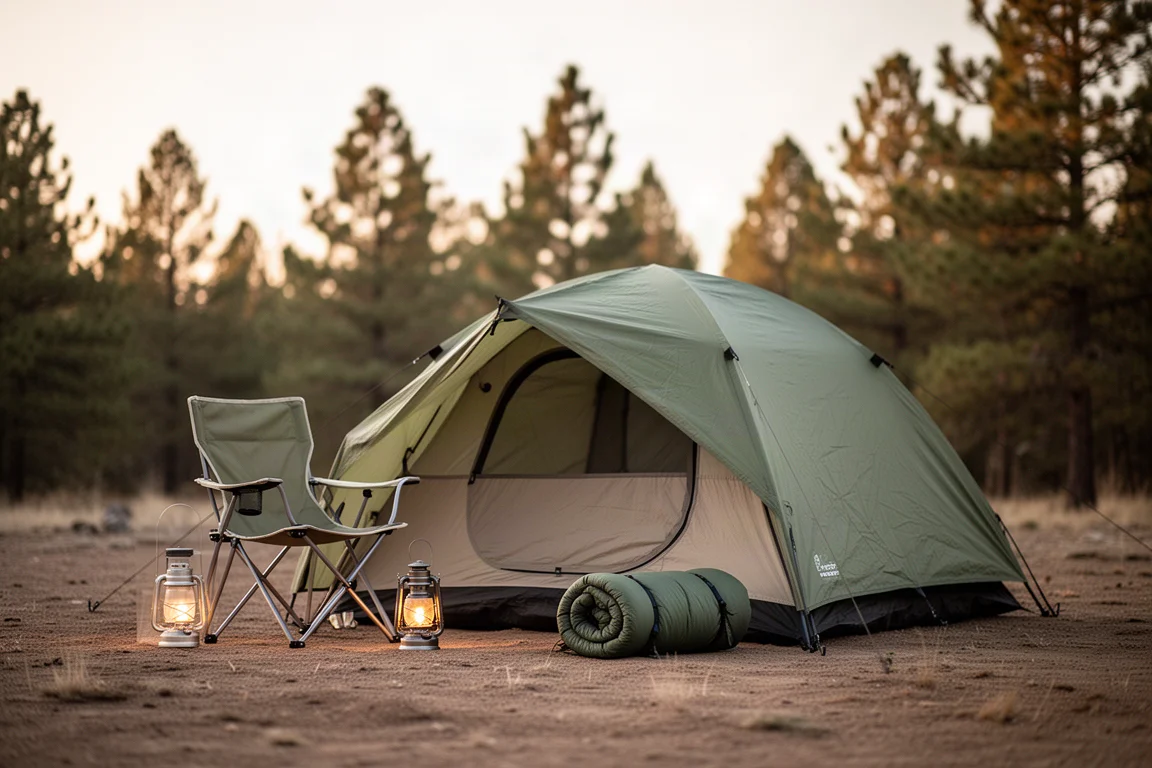
That 90-inch length and 55-inch width are the headline numbers. This is a very large two-person footprint, closer to a two-and-a-half or even three-person tent in practice. Two adults can sit up, change clothes and keep gear beside them without feeling crowded.
The bathtub floor is modest rather than aggressive, but the fly is generous and pulls well away from the inner body, which should help keep condensation off the walls. Both vents sit on the fly, one low and one high, and both are small enough that they contribute very little airflow in practice.
Who This Tent Is For
The Zion makes sense for one clear use case: car camping. At roughly 6.1 pounds, with a packed size of 17.5 by 6.3 inches, it is far heavier and bulkier than the roughly four pounds or less typical of a two-person backpacking tent. It will consume most of the space in a 50 to 60 litre pack.
For campers who drive to a site, pitch once and stay put, that weight is largely irrelevant. What matters instead is interior volume, airflow and whether the tent stays dry, and the Zion is built to favour all three on warm nights. Anyone planning multi-day hikes with the tent on their back should look elsewhere, and anyone over about seven feet tall will finally meet a tent that pushes back.
Main Strengths: Living Space and Ventilation
The interior is the Zion’s strongest argument. It is genuinely spacious for two people, with enough room on each side for a sleeping pad plus a bag of clothing, and enough headroom at 40 inches to sit upright comfortably. As a solo shelter it is enormous.
The body is roughly 95 percent mesh above a short bathtub floor. That is a real advantage in summer conditions, because it lets hot air escape and cross-breezes move through the whole tent rather than just the top third. Combined with a fly that stands off the body, the ventilation design is the most convincing part of the package.
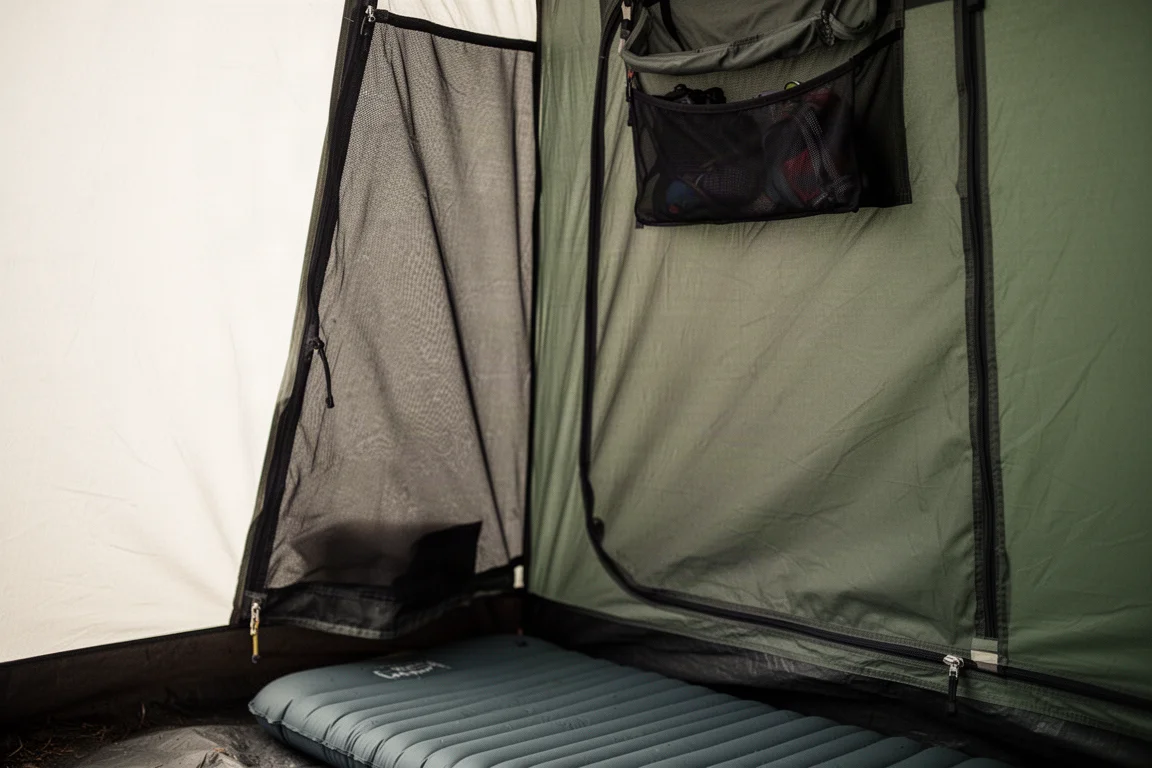
Corner pockets in the inner body and the included gear loft give small items somewhere to live off the floor, and the two doors and two vestibules mean each camper gets their own entry and their own covered storage space. At $135 with a footprint thrown in, that combination is hard to match.
Setup and Pitching Notes
Pitching is straightforward but not without quirks. The fly attaches to the poles with tie points, and that is a design detail worth flagging: pulling those ties tight puts stress on the fly’s seam taping, which can lift the tape and create a potential leak point over time. Treat those ties gently.
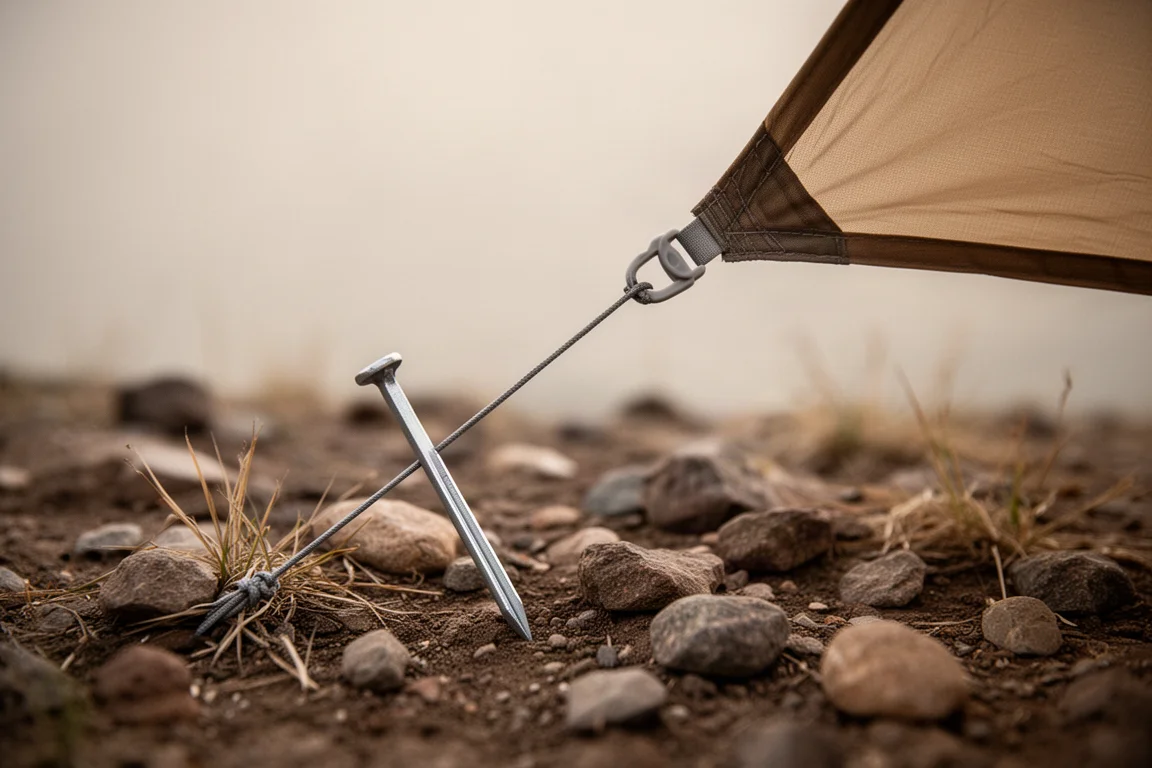
The bigger practical issue is the stake-out points, which are not adjustable. On a perfectly level campground pad this is fine. On ground that is even slightly uneven, getting a taut, wrinkle-free pitch becomes difficult, because there is no slack to give or take at the corners. Adding your own adjustable guy lines to the doors and the front and back of the fly is a cheap fix that makes a noticeable difference to how the tent sits overnight.
Setup itself is quick once the sequence is clear: pole up, body clipped on, fly over the top, four corners staked. Nothing here requires unusual effort, and one person can manage it without help.
Materials, Zippers, and Build Quality
This is where the Zion asks for a little faith. The manufacturer states that the tent uses YKK zippers, but the zippers on this tent are not stamped with the YKK mark, which YKK consistently applies to its products. The zippers operate smoothly and have not caused any problems, and there are competent unbranded zipper manufacturers, so this is a claim-accuracy issue rather than an immediate functional one.
There is a similar discrepancy in the retail listing, which describes the primary materials as aluminium and nylon. The Zion contains no nylon: the fly and body are polyester, as the specification sheet itself states. Aluminium is accurate for the poles.
Physical build quality is acceptable but not tidy. There are loose threads along the body, and some of the seam taping in the corners is rough and uneven. Neither detail guarantees a leak, but both suggest a lower level of finishing control than the price bracket above would demand.
A more concrete early warning came from the packaging itself: two of the drawstring stuff sacks tore their cords almost immediately during first unpacking. Small item, but it is the kind of detail that shapes expectations before the tent is even up.
Public information about the brand is also inconsistent. Hike and Bike states that its products are designed in the United States, and some sources place the company in Oklahoma while others point to New Jersey. The website offers limited detail about the business, and the tent’s design is a widely used configuration seen across many brands rather than anything distinctive. Buyers who care about provenance should factor that in.
Weight and Packed Size
The stated weight is about 6.1 pounds, and the manufacturer markets the Zion as ultralight. It is not. For context, a typical two-person backpacking tent lands around four pounds or less, and the Zion is both heavier and considerably bulkier when packed.
For car camping, this is a non-issue, and the trade-off is easy to accept: you carry more weight and get substantially more interior room and a lower price. For backpacking, the math does not work. A 50 to 60 litre pack will be almost entirely occupied by this tent alone.
Buying Advice
If you are shopping for a roomy, affordable tent for drive-up camping and warm-weather trips, the Zion is a reasonable candidate. The interior space, the mostly mesh body, the two doors and vestibules, the taped seams, the footprint and the gear loft add up to a lot of usable tent for around $135.
Before buying, set expectations deliberately. Plan on adding your own adjustable guy lines so you can pitch it taut on uneven ground. Be gentle with the fly-to-pole tie points. Treat the ultralight description and the nylon and YKK claims as marketing rather than specification. And keep in mind that weather performance has not been verified here: the 5,000 mm hydrostatic head rating and taped seams are manufacturer claims, and a tent at this price is where you would most want to see how it handles a real storm before trusting it on an exposed trip.
If your trips involve carrying the tent any real distance, spend your money on a lighter shelter instead. The Zion is a car camping tent, and judged on those terms the value proposition is genuinely strong.
Conclusion
The Hike and Bike Zion is a large, airy, inexpensive two-person tent with a few rough edges and a marketing sheet that overpromises. Its strengths, interior volume, ventilation and included accessories, are exactly the things car campers notice every night. Its weaknesses, weight, non-adjustable stake-out points and inconsistent finishing, are mostly manageable with a small amount of extra rigging and a realistic sense of what you are buying. For two campers who drive to the site and want space for the money, it is worth a close look.
Product link
View more details for Hike and Bike Zion Two-Person Tent
This product is mentioned in the review. Check the specifications, options, and compatibility before buying.
View more details for Hike and Bike Zion Two-Person TentFurther reading
Related Reviews
Tents
Black Dog Instant Setup 5 to 8 Person Tent Review: Fast Pitch, Serious Weather Problems
A quick-pitching Black Dog tent that goes up in seconds, but wet-weather testing revealed seam leaks, an overstated capacity claim, and awkward doors.
Tents
Lightfighter Dragoon Review: An Eight-Person Four-Season Military Shelter
The Lightfighter Dragoon is a 57-pound, eight-person expedition tent built for extreme weather. Here is what its materials, size, and setup demands mean for real buyers.
Tents
Lone Rider Motorcycle Tent Review: A Big Shelter That Stays Dry
A double-wall motorcycle tent with two large awnings, two entry points, and enough interior height to stand up, plus the pack size trade-off to weigh first.