Adaptive Cycling Components
High Path Engineering Swing Crank Review: An Adaptive Crank for Riders Who Cannot Fully Extend a Leg
A two-part crank assembly that shortens the pedal stroke on one side, built for riders with limited leg extension or knee flexion who want to keep riding.
Introduction
The High Path Engineering Swing Crank is an unusual piece of cycling equipment. It is not aimed at most riders, and it will not appeal to anyone who is perfectly happy with a standard crankset. For one specific group of riders, however, it can change what is possible on a bike.
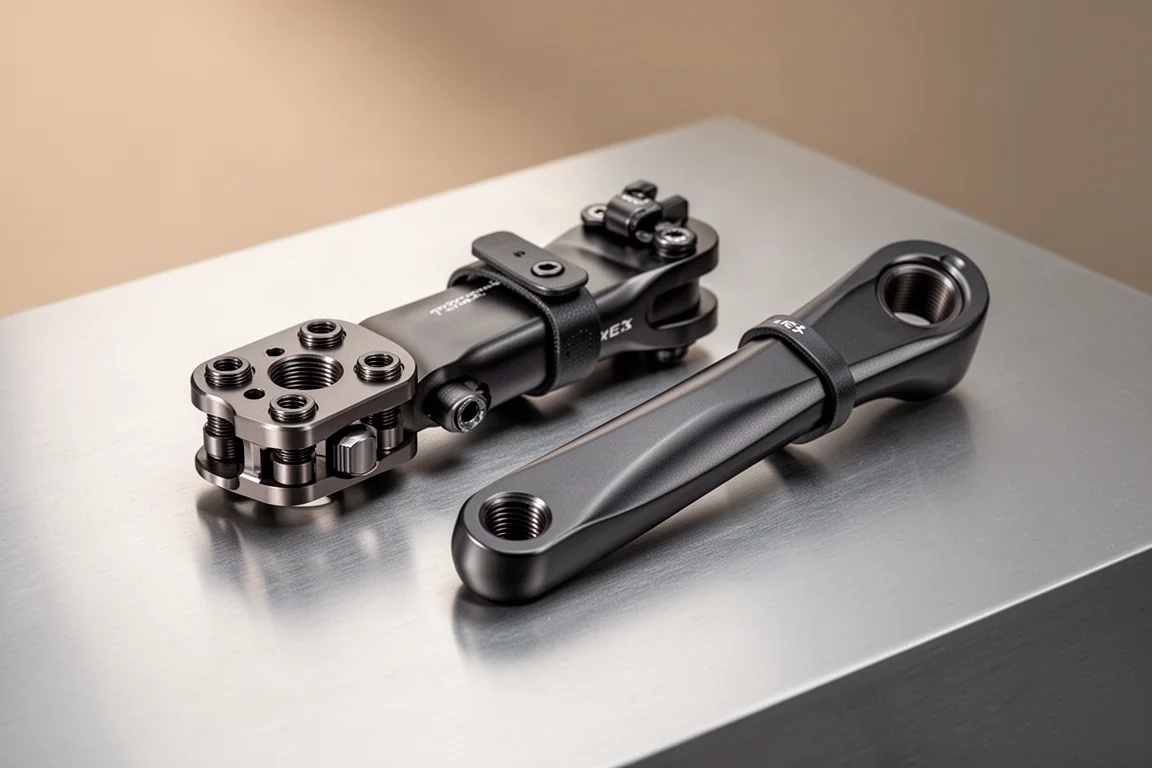
The system is a two-part assembly that shortens the effective crank on the side of the body that needs help while leaving the other side untouched. Riders who cannot fully extend a leg, or whose knee does not bend as much as it should, can use it to keep pedalling within the range of motion they actually have.
Who the Swing Crank Is For
The Swing Crank is designed for riders with limited leg extension, limited knee flexion, or both. A standard crank assumes a full pedal stroke. When a knee cannot flex far enough, the rider has to lift the hip through the top of the stroke to get the pedal over, and the foot often has to plantarflex heavily to compensate. That changes how the rider sits on the saddle and how much effort can actually be delivered.
One bike fit case involved a rider with severe limitations in both extension and flexion. Even with a 155 mm crank fitted, he had to lift his hip substantially through the top of the stroke and could not complete a pedal stroke properly. If that description sounds familiar, this is the kind of rider the Swing Crank was built for.

Riders with full extension in both legs are not the target audience here. This product exists to remove a barrier rather than to shave weight or add stiffness, and it is worth being honest about that before ordering.
How the Swing Crank Works
The assembly has two parts. The first is a crank shortener, which bolts onto the existing crank. It threads in and is then secured with two small cams and a strap, which together make the mounting very secure. The second part is the Swing Crank itself, which threads into one of four holes on the crank shortener.
Those four holes determine how much the crank is shortened, so the rider can choose the position that matches their range of motion. The mechanism keeps the same maximum length but effectively halves itself at the top of the stroke, so the leg is not lifted as high as it would be on a fixed crank.
The system uses the existing crank and pedal. There is no need to alter the riding position, and if the other leg has no problem with extension, it is not affected at all. That leg keeps its full range of motion and its full pedalling power.
Main Strengths
The clearest strength is adjustability. Four mounting positions give a meaningful range of crank lengths rather than a single fixed compromise, so the setup can be tuned to the rider instead of the rider being tuned to the bike.
The mounting is also reassuringly over-engineered. The crank shortener threads into the crank and is then clamped and strapped with the two cams, which is a sensible approach for a component that has to survive real pedalling loads.

Then there is the outcome. In the bike fit case described above, the rider no longer had to lift the hip through the top of the stroke, no longer had to plantarflex the foot to clear it, and gained a large improvement in overall stability. He went from being essentially unable to ride a bike to riding without pain. That is a substantial result for a bolt-on component, and it is the reason this product matters beyond its small niche.
Installation and Adjustment
Installation is fairly simple. The crank shortener threads into the crank and is then strapped and clamped with the two cams. The Swing Crank threads into the chosen hole.
Because the position is selectable, the first setup is worth treating as a fit exercise rather than a five-minute job. Try a position, ride, and adjust if the leg is still lifting too high or the knee feels compressed at the top of the stroke. A fitter who understands adaptive setups can shorten that process considerably.
Things to Consider Before Buying
This is a specialist component. It suits riders with a specific physical limitation and will not make sense for most people reading this. It also works with an existing crank and pedal rather than replacing the crankset, so the rest of the drivetrain stays familiar.
The honest caveat is that the benefit depends entirely on the nature of the limitation. Extension, flexion, or a combination of the two will each point toward a different position, and the wrong one will not deliver the comfort the rider is looking for. This is equipment to buy with a clear picture of the problem it is meant to solve.
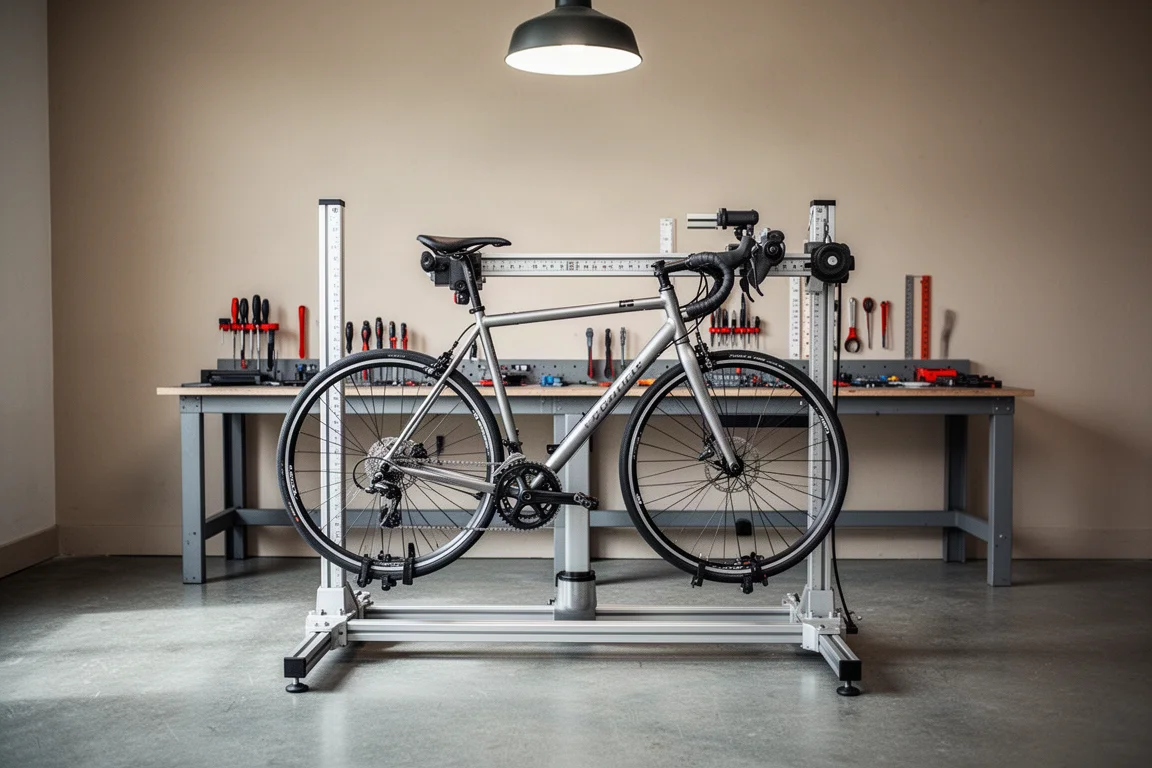
It is also worth setting expectations about what the Swing Crank is not. It is not a performance upgrade for a healthy rider, and it is not a substitute for a proper bike fit. It is a targeted solution for a targeted problem.
Buying Advice
If you have a friend or family member who cannot extend a leg properly on a bike, pointing them toward this kind of solution is a genuinely useful thing to do. Many riders in that position quietly stop riding rather than look for a workaround, simply because they assume nothing exists.

The deciding factor is the limitation itself. Work out whether it is extension, flexion, or both, then choose the mounting position accordingly and confirm the rest of the contact points still work. The Swing Crank is a well designed, well functioning piece of engineering that addresses a real problem, and for the right rider that is worth considerably more than any marginal gain in speed.
Conclusion
Riding a bike is great exercise and, for a lot of people, a form of freedom. Equipment like the High Path Engineering Swing Crank exists to widen who gets to experience that. It is niche, it is unusual, and it will not suit most riders. For someone who has been told they cannot ride comfortably, or who has given up on cycling because of a knee that will not cooperate, it may be the difference between watching from the roadside and riding.
Product link
View more details for High Path Engineering Swing Crank
This product is mentioned in the review. Check the specifications, options, and compatibility before buying.
View more details for High Path Engineering Swing CrankFurther reading
Related Reviews
Bike Components
5Dev Titanium Cranks Review: Titanium Craftsmanship and the Shorter Crank Question
A close look at 5Dev's CNC machined titanium cranks, what shorter crank lengths actually change on the road, and how to decide whether this upgrade suits your bike fit.
Cycling Components
7 Bike Fit Products Fitters Avoid: What to Check Before You Buy
Seven bike components that regularly cause knee, foot and saddle problems, with the specific concerns behind each one and what to look for instead.
Cycling Components
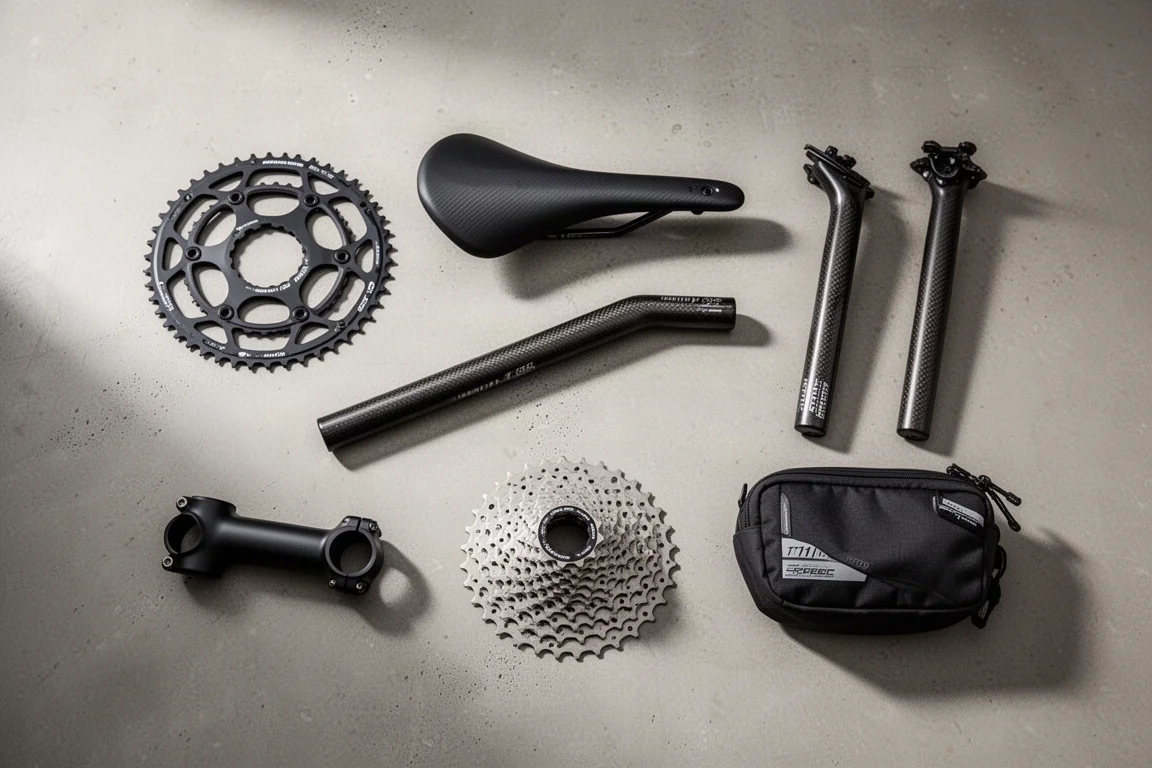
AliExpress Cycling Bargains 2026: Ten Parts Worth Buying and One to Avoid
A practical guide to low-cost cycling parts, from a Pass Quest chainring and ZTTO drivetrain kit to Ride Now TPU tubes, plus the items that disappointed and how to shop safely.