Cycling
10 High-Maintenance Bikes to Think Twice About Before Buying
Ten road, gravel and time trial bikes that experienced mechanics flag for awkward servicing, plus what to check before buying one secondhand.
Introduction
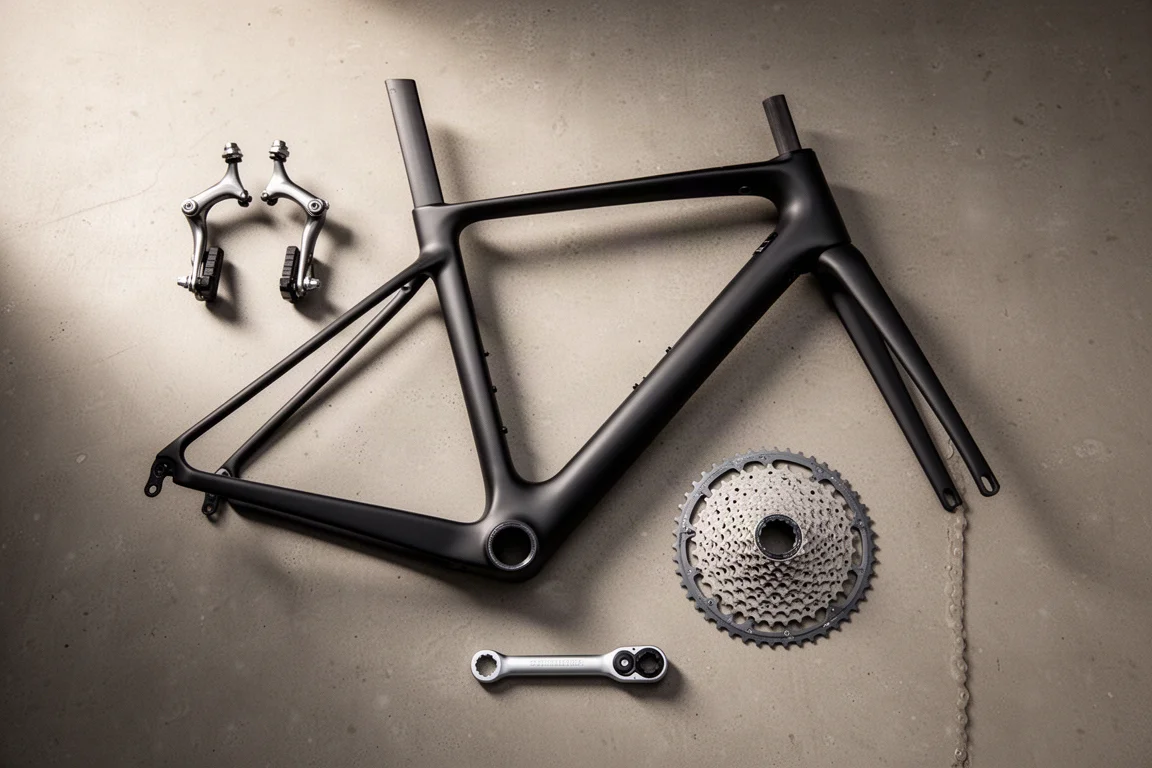
Some bikes are wonderful to ride and quietly frustrating to own. The models in this guide are not slow, badly made, or unsafe. They are simply designs where a clever idea, a proprietary part, or a packaging decision created friction in the workshop, and that friction shows up later as time, cost, and sometimes parts you can no longer find.
That matters most when you are shopping secondhand. A decade-old race bike can still be quick and good value, but if its brake calipers were made for one frame only, its tire clearance has been left behind, or its cockpit has to come apart to change a single angle, the bike is only cheap until the first service.
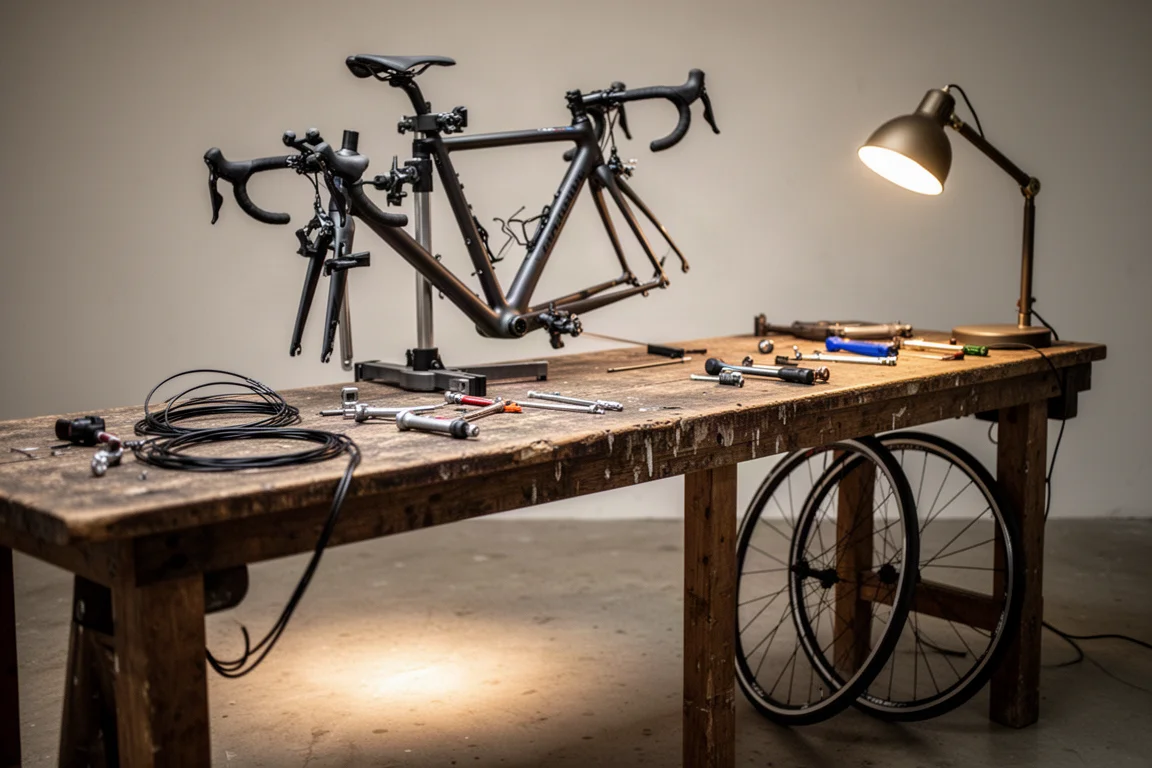
Below are ten models that experienced mechanics tend to mention when the conversation turns to awkward jobs, along with what makes each one difficult and what to check before money changes hands.
What Makes a Bike a Workshop Headache
A few patterns repeat across every model here.
Proprietary brake calipers are the most common culprit. When a caliper is designed for one frame and one fork, replacement options are limited and adjustment becomes a specialist job rather than a five-minute fix.
Integrated cockpits and one-off bottom bracket standards create similar problems. A standard that only one brand supports tends to fade out, and once it does, spare parts and compatible cranksets get harder to source every year.
Suspension built into a headset, unusual seat posts, and tight tire clearance round out the list. Each of these is defensible on paper, and each one adds time to routine maintenance.
Cannondale Slate: Clever Idea, Awkward Execution
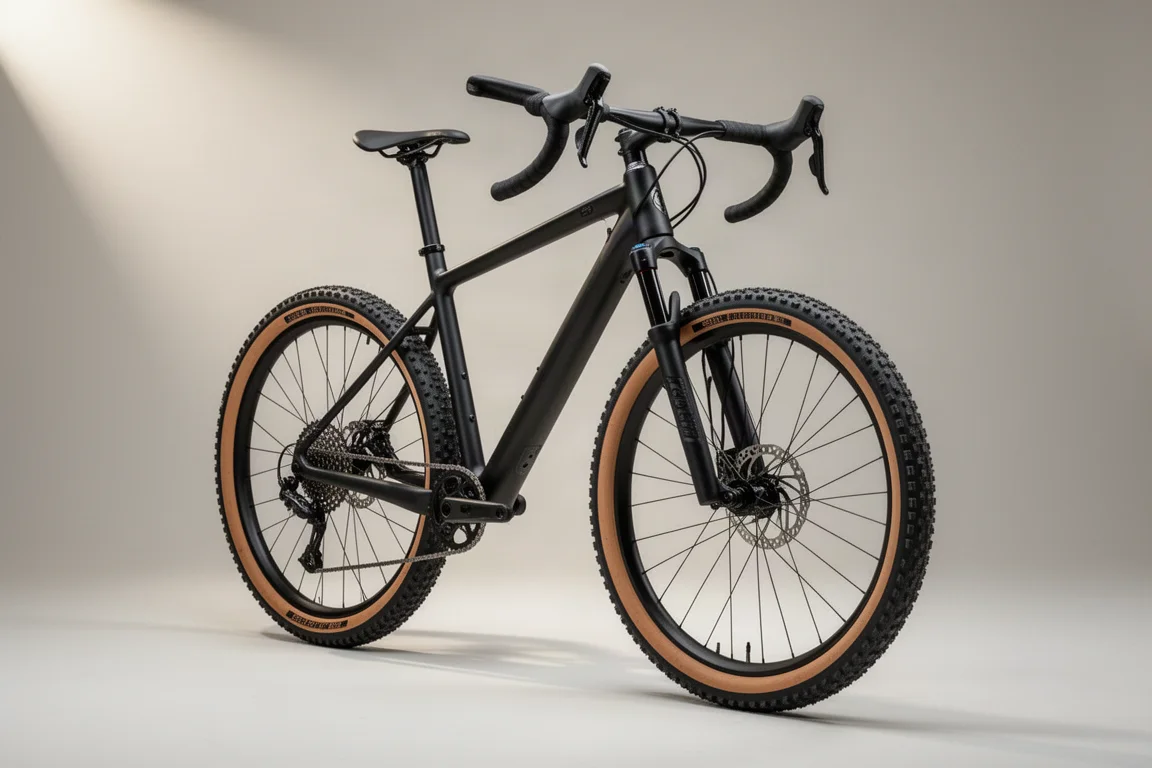
The Slate is a gravel bike with a single-sided suspension fork up front. On paper that combination is genuinely appealing, because suspension on a gravel bike makes sense for rough surfaces and long days on mixed terrain.
Owning one is where it gets complicated. Removing the front wheel requires taking the brake caliper off completely, which is a real annoyance if the bike has to go in a car. Some versions use an adapter that lets the caliper move out of the way, but that raises its own questions about how robust the arrangement stays over time.
Headset work is awkward too, because the fork clamps at both the bottom and the top of the head tube. Add the habit of labelling bottom bracket parts as BB30 when they are not actually BB30, and a bike that should be a favourite becomes a chore.
Giant Propel: Aero Brakes That Collect Dirt
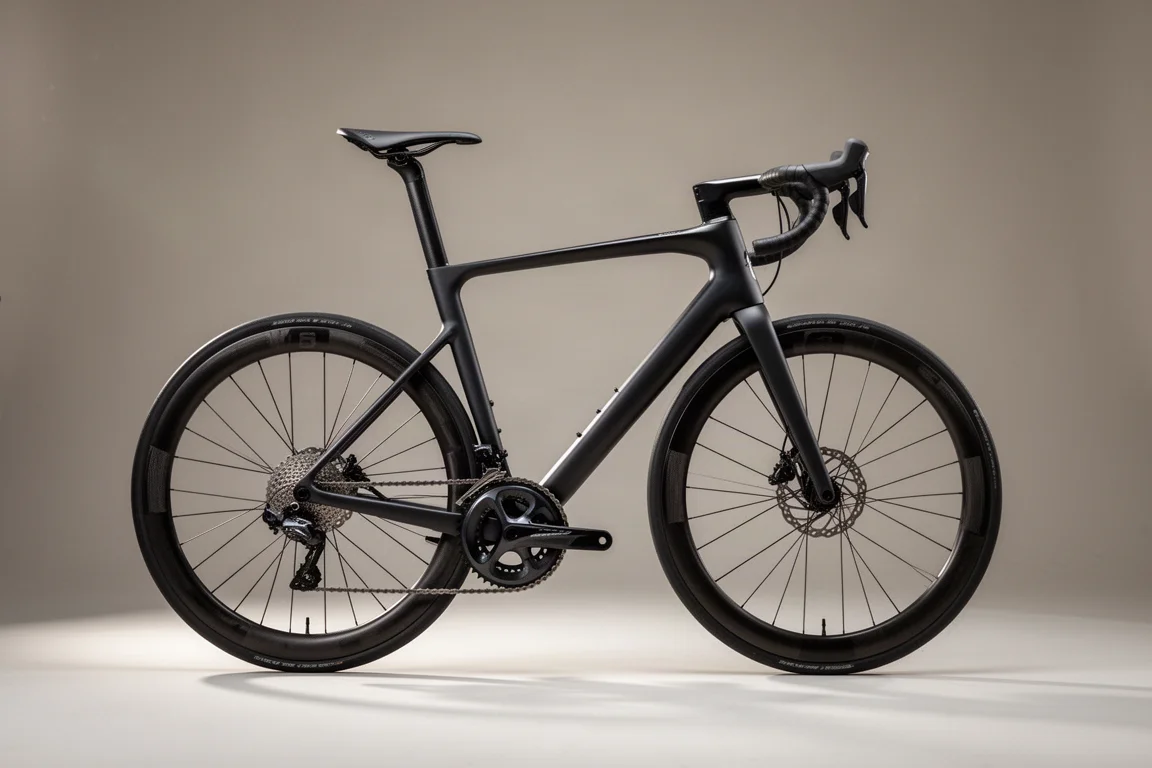
The rim brake version of the Propel is remembered less for how it rides and more for its brake calipers. They sit flush with the frame at the rear and tuck behind the fork rather than in front of it, which produces a clean profile and a hard life for the front caliper, where road spray and grit are driven straight into the mechanism.
Cable routing on this generation also looked untidy, and early on the calipers were the only option available. Third-party alternatives appeared later, but owners who needed replacements in the meantime had brakes that simply did not work until new parts arrived, and repeat replacements within a few years are not unusual on these bikes.
The same criticism applies to any bike that hides a brake caliper under the bottom bracket. It is difficult to adjust, it collects dirt, and it rarely delivers a benefit worth the hassle.
Specialized Roubaix: Great Ride, Fiddly Future Shock
The Roubaix is the model here that comes closest to being a favourite. Its geometry is comfortable, it was ahead of its time, and its rear compliance design helped establish that comfort can make a rider faster over long distances.
The Future Shock is the problem. Suspension is built into the headset, the stem attaches to that assembly, and adjustment involves small fasteners in unusual sizes. When something goes wrong, the usual fix is to replace the entire unit rather than a single inexpensive part.
For most riders, a conventional frame paired with an aftermarket suspension stem delivers much of the comfort with far fewer headaches. That is the frustrating part: the ride quality is genuinely good, but the maintenance burden sits squarely with the owner.
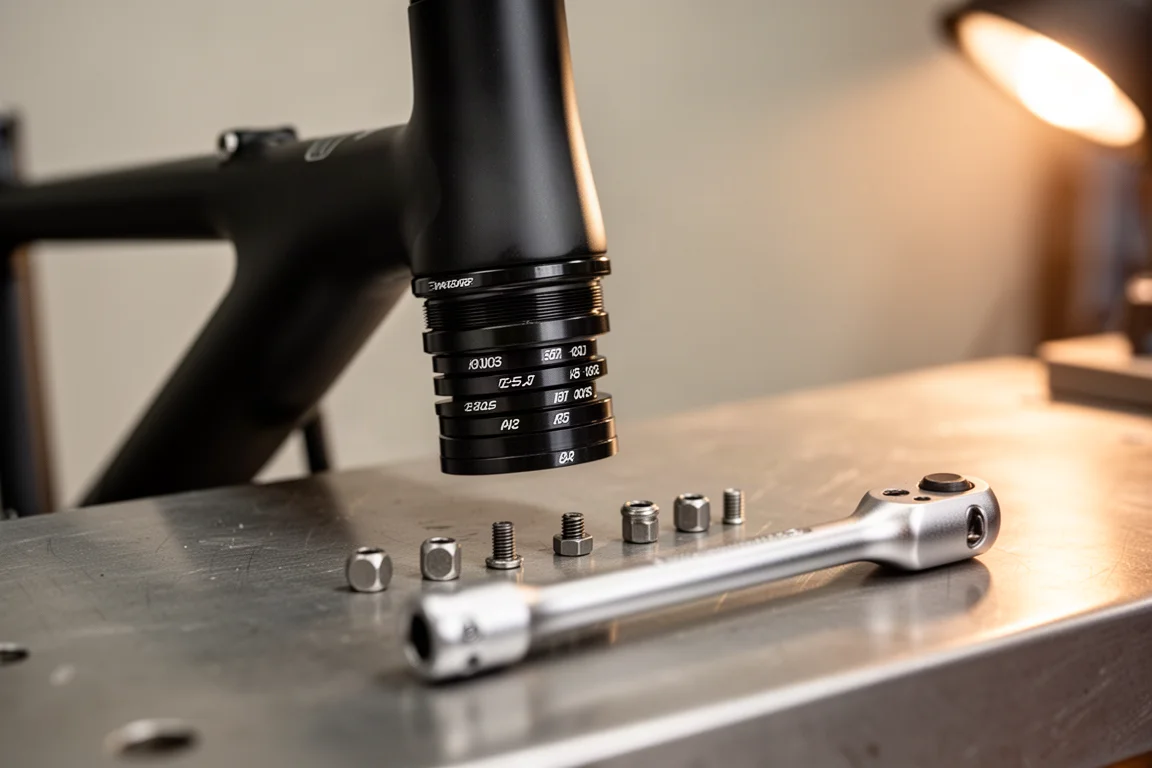
If you already own one and enjoy it, a good workshop and a stock of spare parts will keep it on the road. If you are buying, factor in the cost of servicing a system that most home mechanics will not want to touch.
Trek Madone: The IsoSpeed Era
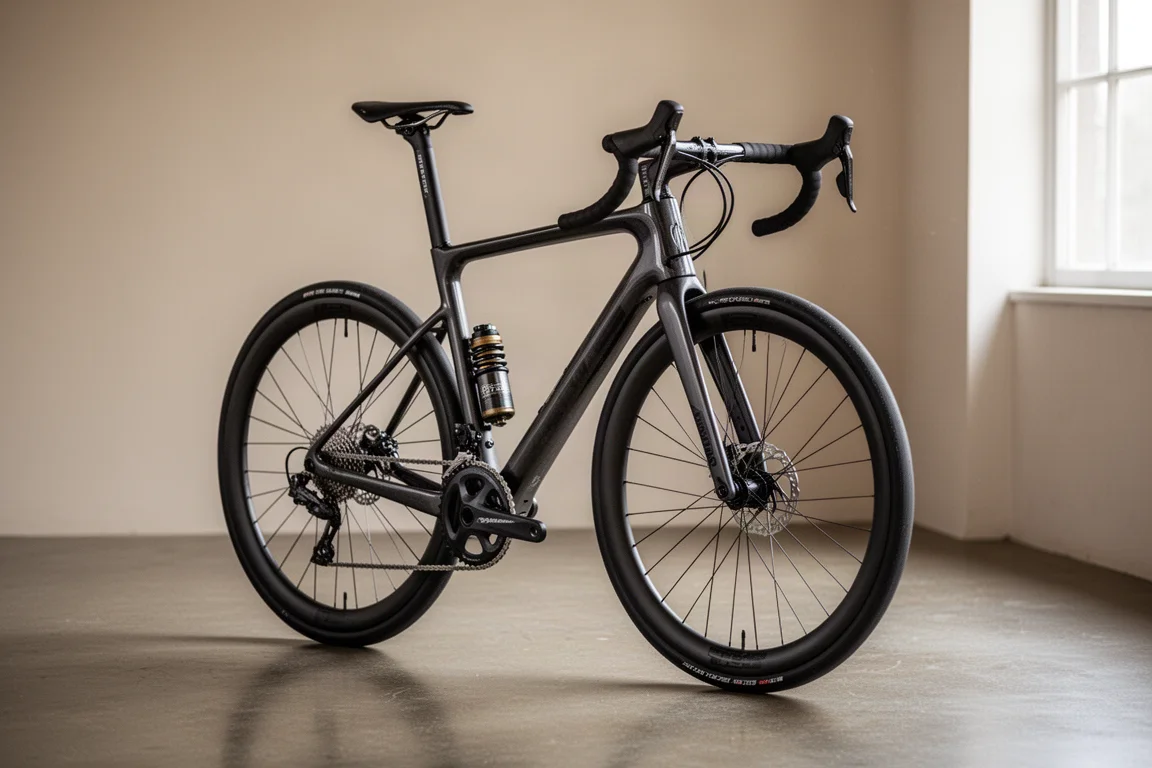
The older Madone, not the current generation, is the one to think carefully about. Its IsoSpeed seat post is shaped differently from a conventional post and slides in from the bottom, and on many bikes it creaked. It also offers adjustable compliance, a feature an aero race bike does not really need.
The bottom bracket standard is another point against it. BB92 was adopted across a number of models from the same brand, and it was a standard few riders were asking for. DUB did not include a BB92-compatible bottom bracket, and the standard is gradually disappearing as a result.
Finally, this generation used its own integrated aero brake calipers, which are difficult to work on and add nothing to the riding experience. The good news is that the current version moved to a more conventional seat post, a T47 bottom bracket, and disc brakes.
Giant Trinity: TT Bike Maintenance Reality
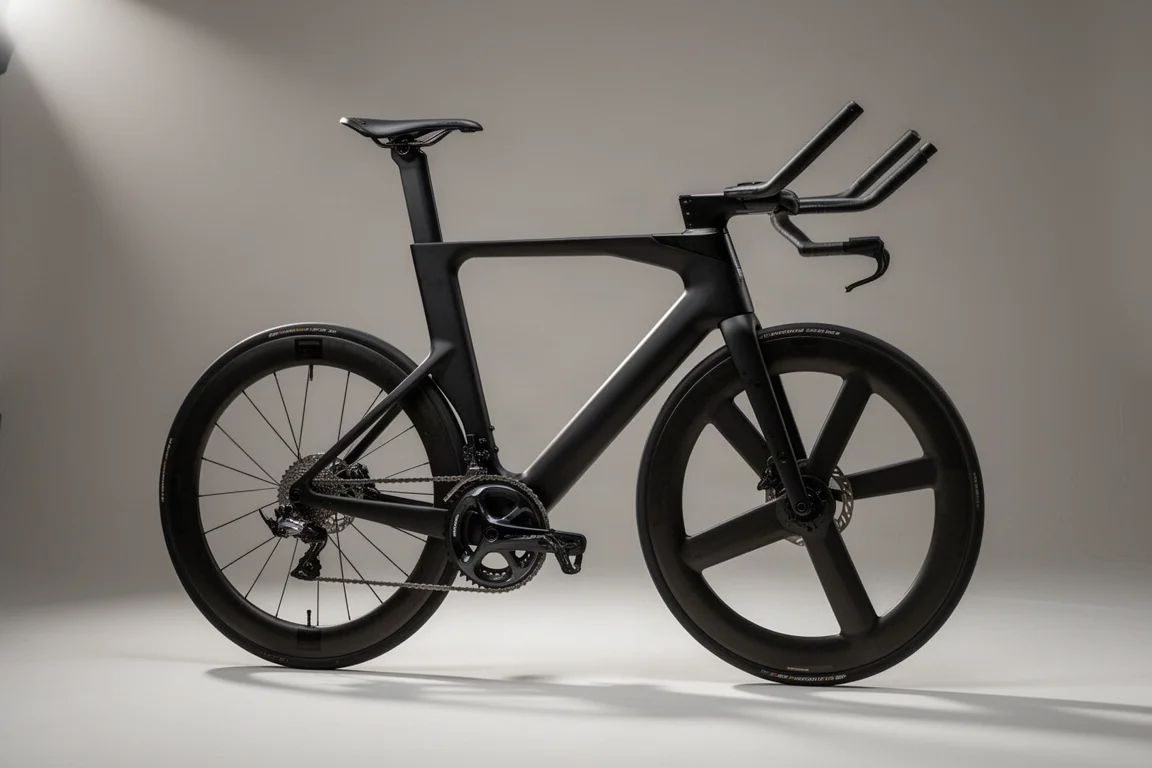
The Trinity stands in for time trial bikes in general. During the rim brake era it was regarded as one of the fastest TT bikes you could buy, and plenty of them passed through workshops as a result.
Integrated TT brakes are the main frustration. They are proprietary, one caliper sits under the bottom bracket where it collects dirt, and adjustment becomes close to impossible once a rider fits a larger chainring. The cockpit is also built from a large number of individual parts, which means a simple change such as altering the angle of the extension poles can turn into a full rebuild, particularly on a wired electronic groupset.
If you want a TT bike, the practical advice is to look at newer 12-speed or wireless groupsets, where pole changes no longer require rewiring the entire bike. Alternatively, run a TT position on a road bike. It is a far simpler route to the same fitness benefit.
Cervélo S5: Tire Clearance Left Behind
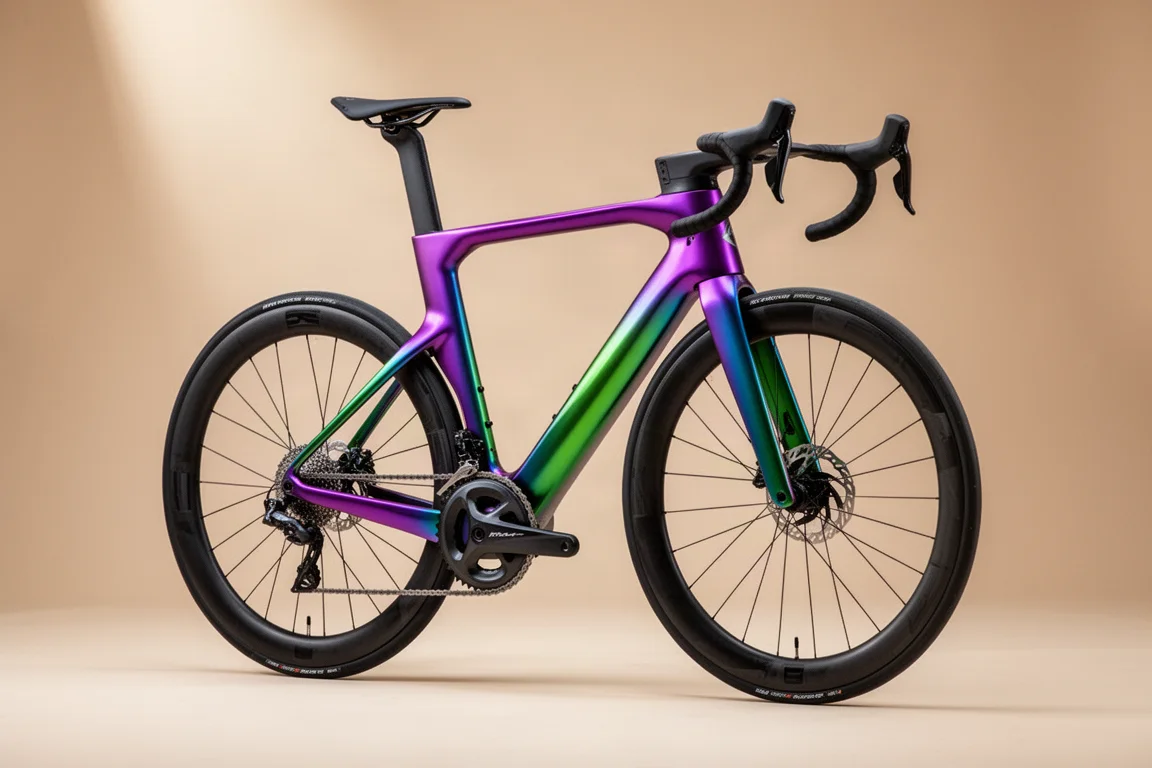
Tire clearance is the issue here. The rim brake S5 was limited to 23mm tires, not even 25mm, at a time when the evidence was already pointing toward wider rubber being faster. A bike built around aerodynamic efficiency ends up slower overall when it cannot fit the tires that suit real roads.
Practical ownership problems follow. Shops increasingly stock 28mm and above, so finding suitable 23mm tires gets harder every year. Current race bikes are commonly designed with clearance for tires up to around 35mm, which makes the older standard look like a dead end.
There is a safety dimension too. When riders force wider tires into a frame with tight clearance, wheel flex under load can cause the tire to rub the frame and wear into the carbon. On an expensive frame, that is a costly mistake.
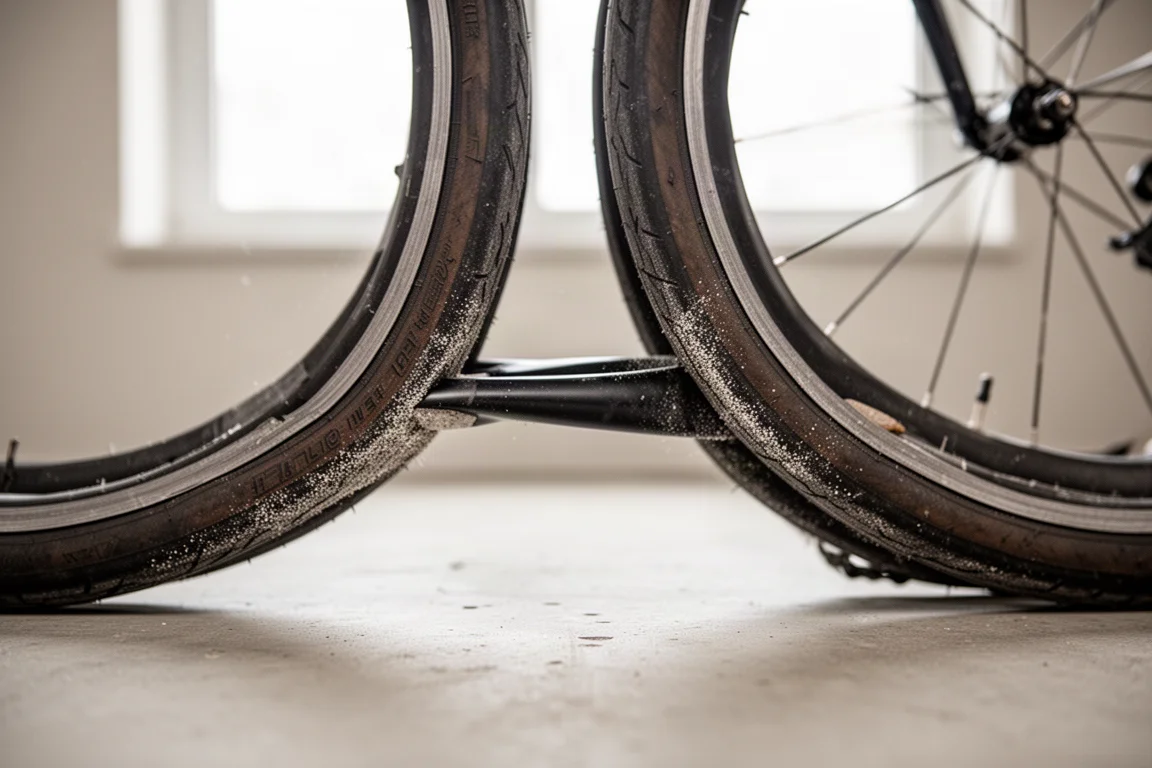
If you are considering a secondhand aero bike, measure the clearance before you commit, and check which tire sizes are actually available in the spec you want.
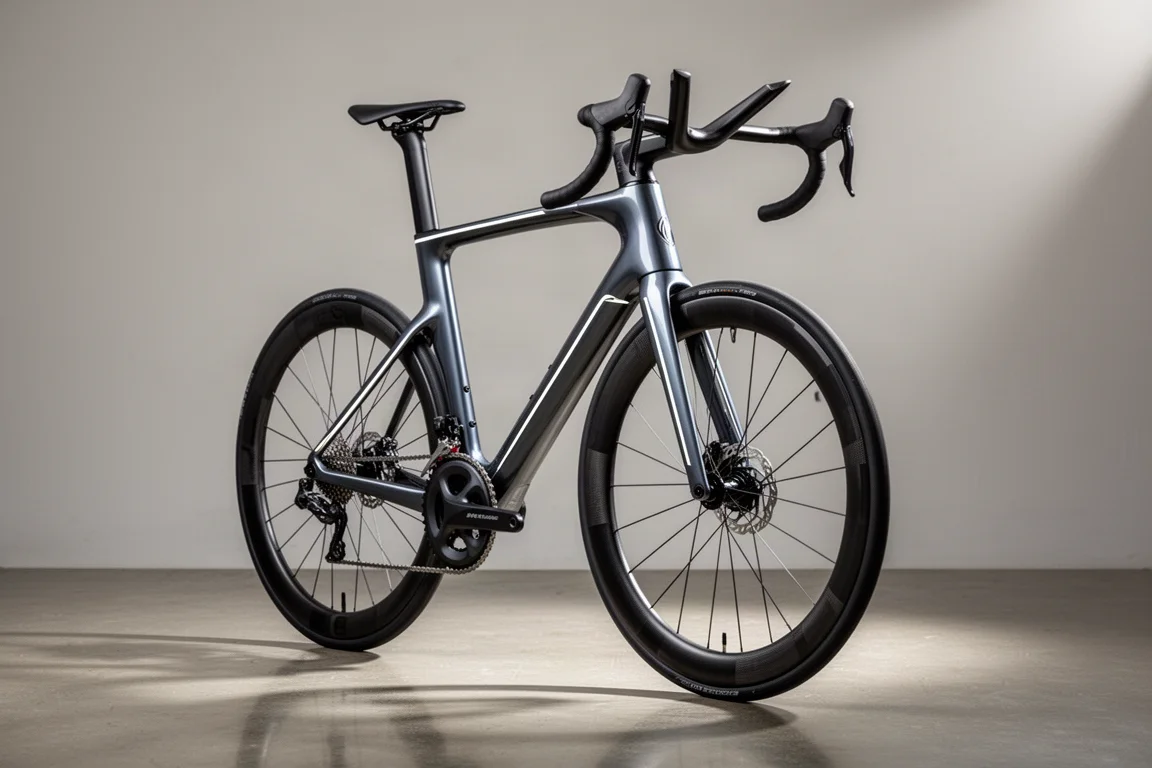
Canyon Aeroad CFR: Extendable Bars and Complex Routing
The Aeroad CFR arrived with bars that could be extended to change their width. The idea sounds useful until you consider how often anyone actually changes their bar width. Most riders settle on a position a bike fitter has confirmed works, then leave it alone.
The mechanical concerns are more serious. Adjustable bars are a candidate for creaking over time, and the way hoses and cables enter the cockpit makes maintenance genuinely difficult. The design also simplifies shipping for the manufacturer, which is a reasonable goal in itself, but it is not the same as a benefit for the rider.
None of this makes the bike slow. It does mean routine work takes longer, and that any change to the front end should be planned rather than improvised.
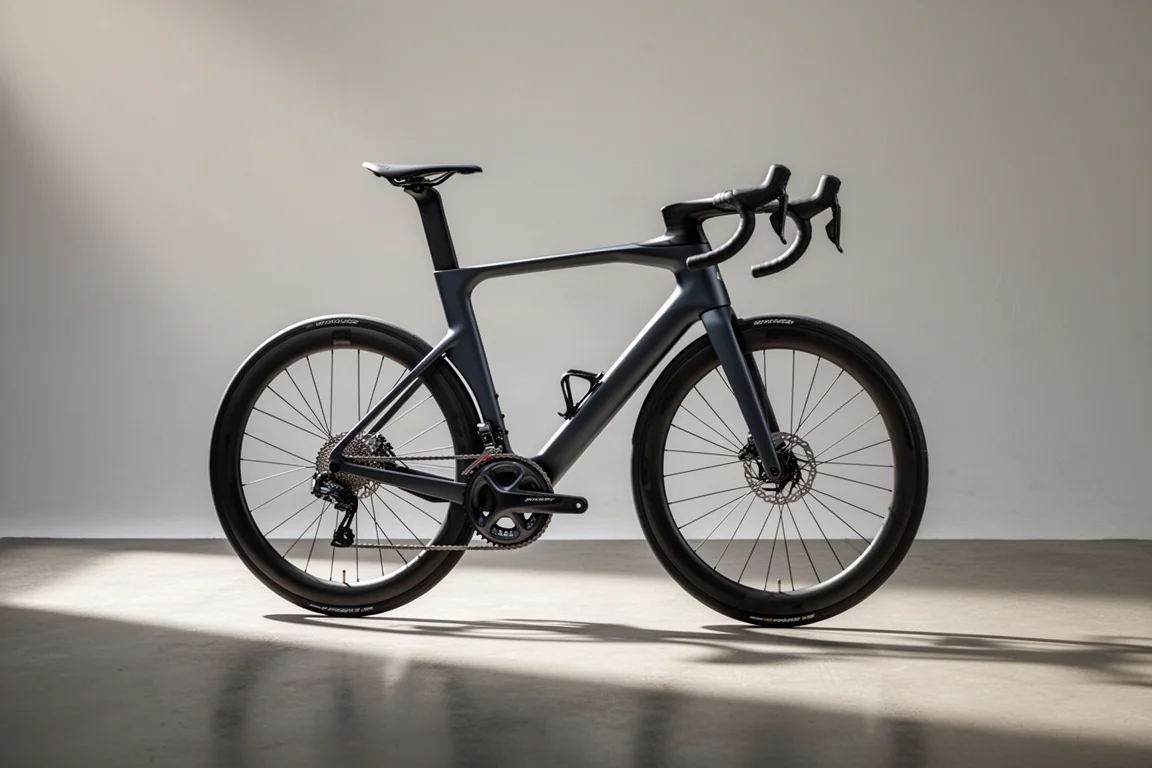
Canyon Grail: The Double-Decker Handlebar
The Grail’s original handlebar is the reason it appears here. The double-decker design was distinctive, and the compliance it promised was interesting enough to take seriously, but living with it was another matter.
Wrapping the bar requires considerably more tape than a conventional drop bar. If you want a different width or length, you cannot simply swap a stem or a bar: you need an entirely new handlebar, which is a significant purchase rather than a small one.
The design has since been dropped, which says a lot on its own. If you find one secondhand and the bar geometry suits you exactly, it can still be a good bike, but treat any change to the front end as an expensive project.
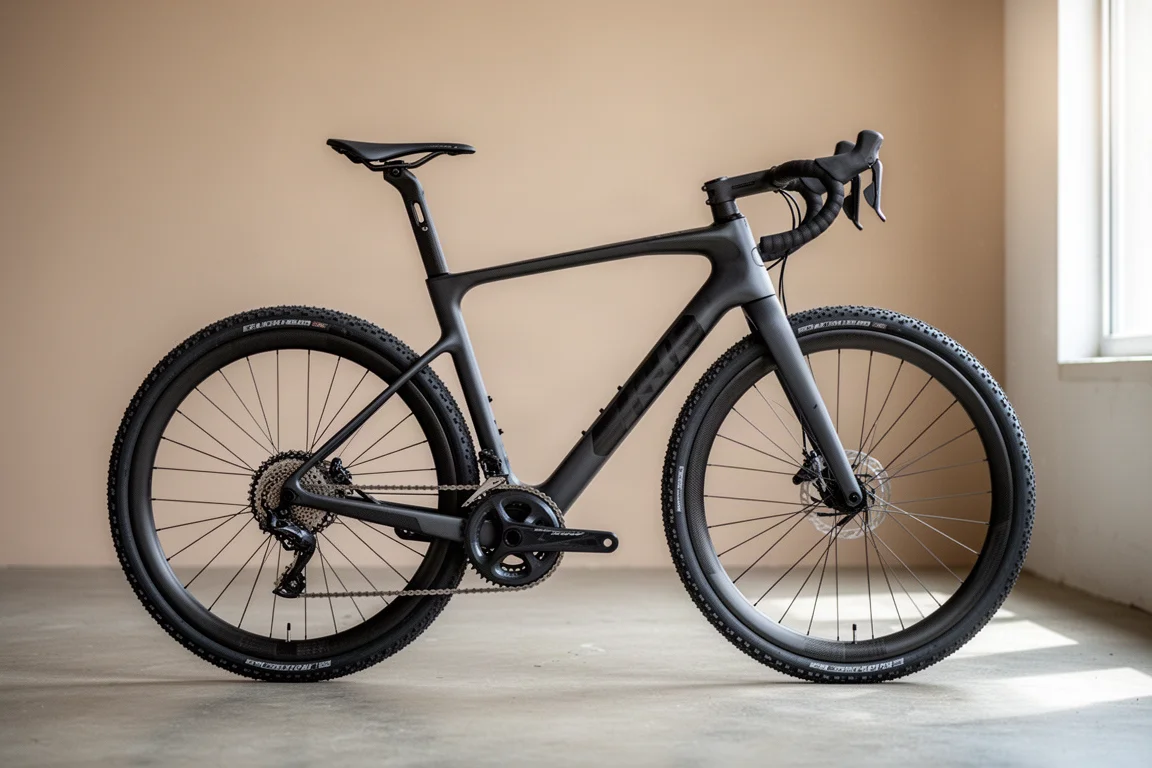
Cannondale SuperSix: The Steering Limiter Question
A recent SuperSix generation drew attention for a steering limiter that restricts how far the bars can turn. The reasoning behind it is understandable in an elite racing context, where protecting the frame in a crash matters.
For ordinary riders the trade-off is harder to justify. Several riders found that at low speed they could not turn the bars far enough, and some crashed as a result. A feature that limits steering on a bike ridden in traffic, on tight paths, or in a car park is a genuine usability question.
If you ride mostly at speed on open roads, you may never notice it. If your riding involves tight turns and low-speed manoeuvring, it is worth testing before you buy.
Scott Foil: The Rebuild Champion
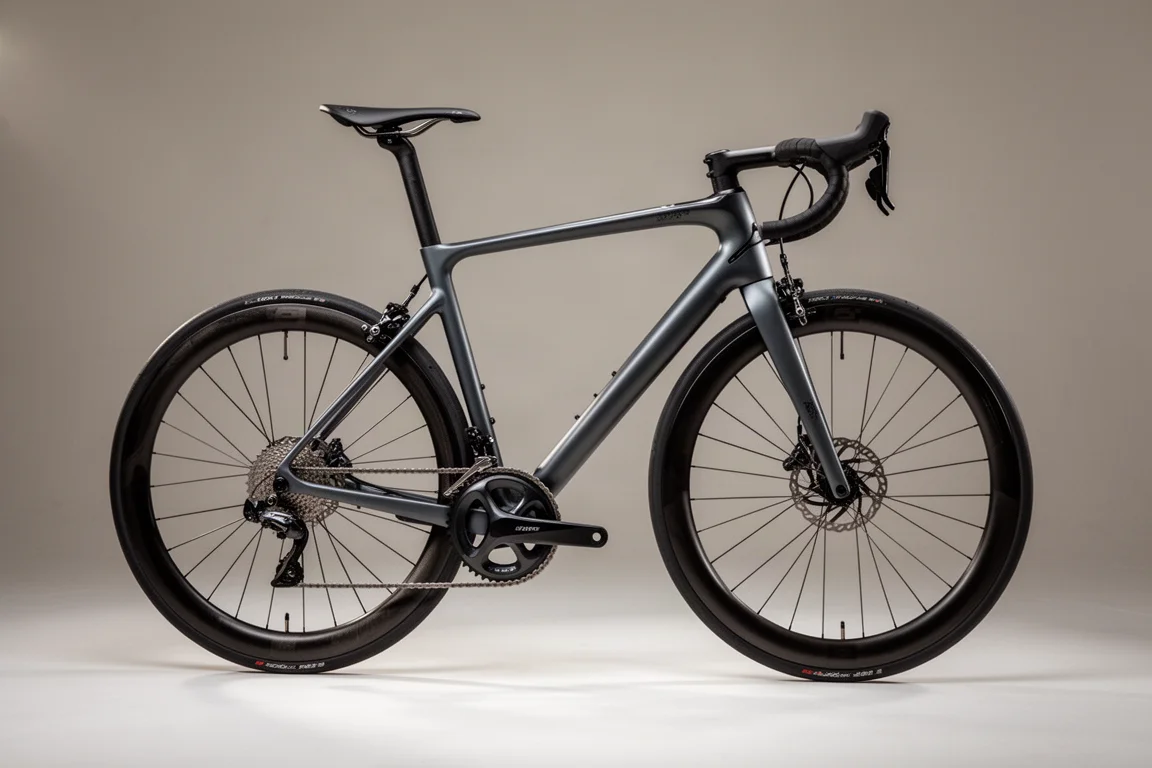
The Foil earned its place through sheer repetition. One workshop rebuilt the same bike around seventeen times in a single year while owners changed groupsets, including hydraulic road groups, mainstream electronic groups, and budget alternatives, and some builds required drilling for routing.
That is the pattern with aggressive aero designs: every component swap touches the frame’s internal routing, and what should be an afternoon’s work becomes a multi-day job. With practice the process gets faster, but the design still demands more time than almost anything else in the workshop.
If you own one and love it, the answer is to plan upgrades in advance and accept the labour cost. If you are buying used, ask what has been changed and who did the work.
Buying Advice for High-Maintenance Bikes
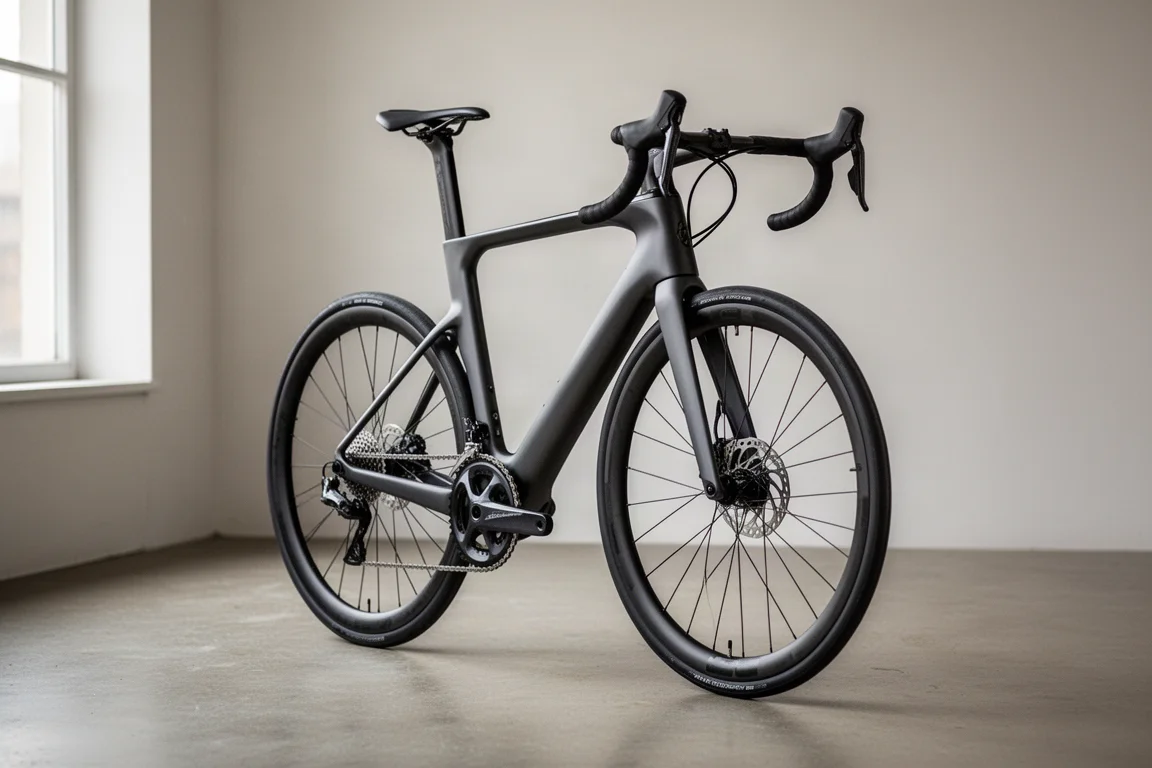
Before buying any of these bikes, check four things: the brake caliper standard and whether replacements exist, the bottom bracket standard and whether cranksets are still available, the cockpit’s parts situation, and the maximum tire size the frame will accept.
On a secondhand purchase, ask for the service history. A bike with proprietary parts that has been maintained by one careful owner is a very different proposition from the same model with unknown provenance.
It also helps to decide how much of the maintenance you intend to do yourself. Many of these bikes are perfectly manageable in a well-equipped workshop with the right tools and a stock of spare parts, and frustrating everywhere else.
Finally, remember that newer generations often solve exactly these problems. Where a manufacturer has moved to a conventional seat post, a standard bottom bracket, or wider clearance, that later model is usually the smarter buy.
Conclusion
None of these bikes are bad machines. Several were genuinely ahead of their time, and a few are still excellent value secondhand. The point is simply that speed and clever engineering are not the whole story: how a bike is serviced, and whether parts remain available, decides what it really costs to own.
If a model on this list appeals to you, go in with clear eyes. Confirm the standards, check the tire clearance, price in the servicing, and it can still be a rewarding bike. Ignore those details, and a bargain can turn into a project.
Further reading
Related Reviews
Cycling
2026 Bike of the Year and the Cycling Gear Worth Watching
A drop bar roundup for 2026 covering the Ridley Kanzo Fast 2.0, Shimano Dura-Ace Di2 R9300, Trek Checkpoint ALR Gen 3, Specialized Tarmac SL9, Garmin Fenix 9 and Insta360 X6.
Cycling
Best All-Road Bikes 2026: Six Versatile Endurance Road Bikes Worth Considering
A practical look at six all-road and endurance road bikes, from lightweight carbon speed machines to steel all-rounders and comfort-focused mile eaters.
Cycling
Best All-Road Bikes 2026: 8 Endurance Bikes for Road and Light Gravel
Eight all-road bikes that blur the line between endurance road and light gravel, compared on tire clearance, ride character, practicality, and value.