Headphones
HiFiMan HE400se Review: Budget Open-Back Planar Magnetic Sound
The HiFiMan HE400se brings planar magnetic clarity to a budget price, but it asks for real amplification and tolerates a little sibilance.
Introduction
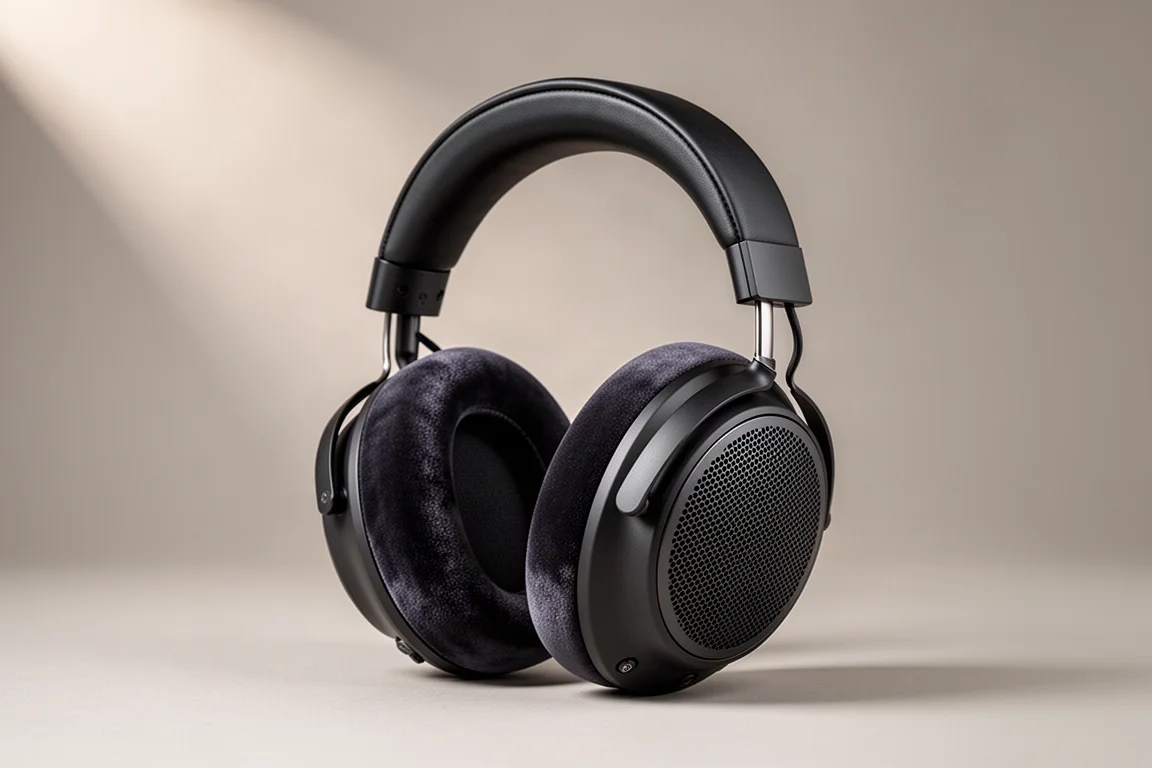
The HiFiMan HE400se lands at around $107, which is a remarkable place to find an open-back planar magnetic headphone. For listeners who have only used closed-back dynamic designs, that combination opens up a genuinely different way of hearing music, and the HE400se makes the step relatively painless. It is light, it is comfortable, and the build holds up well for the money.
Two things are worth understanding before buying, though. The HE400se asks for more power than a phone or a single-ended dongle comfortably provides, and it can sound sibilant on bright recordings. Neither issue is fatal at this price, but both shape who should buy it.
Who the HiFiMan HE400se Is For
This headphone makes the most sense for someone getting into open-back headphones for the first time, or into headphones generally, who already has some form of headphone amplifier on the desk. If that describes your setup, the value on offer here is hard to argue with.
It also suits listeners who have heard planar magnetic headphones somewhere else and want an affordable way to explore that sound. Planar magnetic drivers have a distinct character, with more clarity and instrument separation than a typical dynamic driver, and the HE400se delivers that character at a price where most rivals are dynamic designs. The tuning is broadly similar in feel to the much more expensive HiFiMan Edition XS, so anyone who has heard that headphone and liked it will recognise the family resemblance.
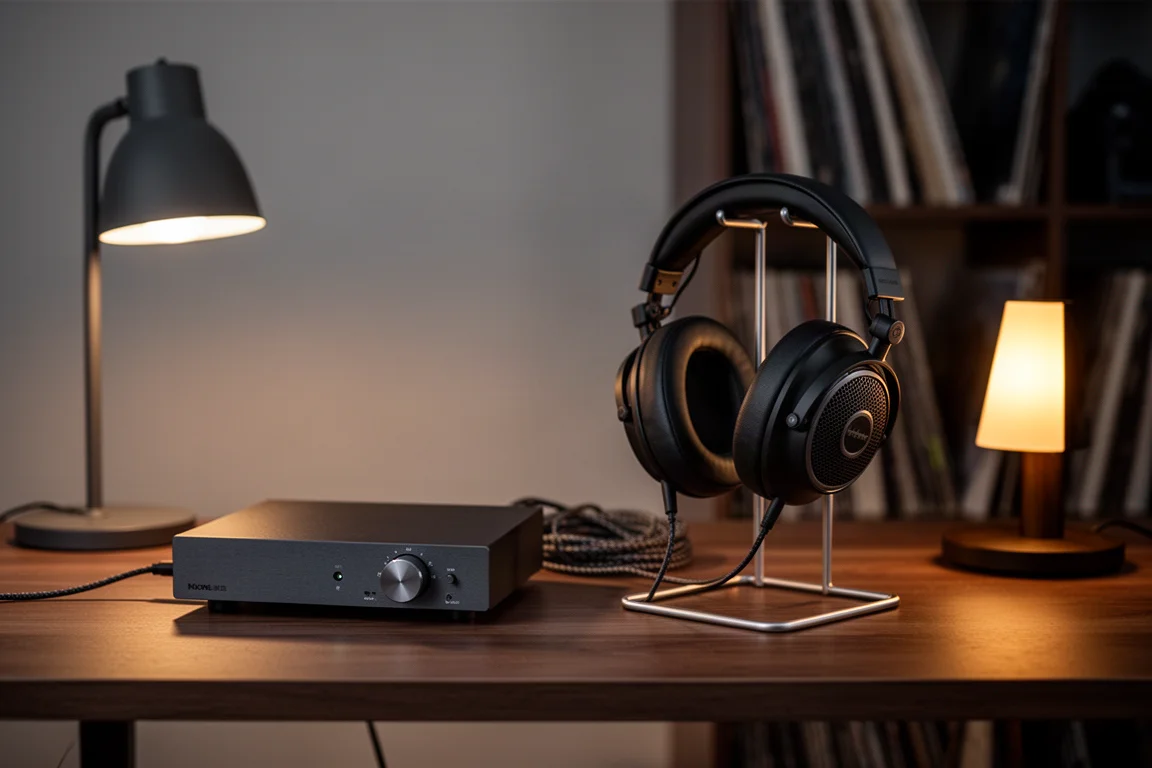
It is a weaker fit for anyone who plans to drive everything straight from a phone with no amplifier in the chain. That use case runs directly into the power question covered further down, and it is the main reason a first-time buyer might end up disappointed with an otherwise excellent headphone.
Main Strengths
The case for the HE400se rests on three things: planar magnetic sound at a budget price, a light and comfortable frame, and hardware that does not feel compromised for the money.
Planar Magnetic Clarity and Tuning
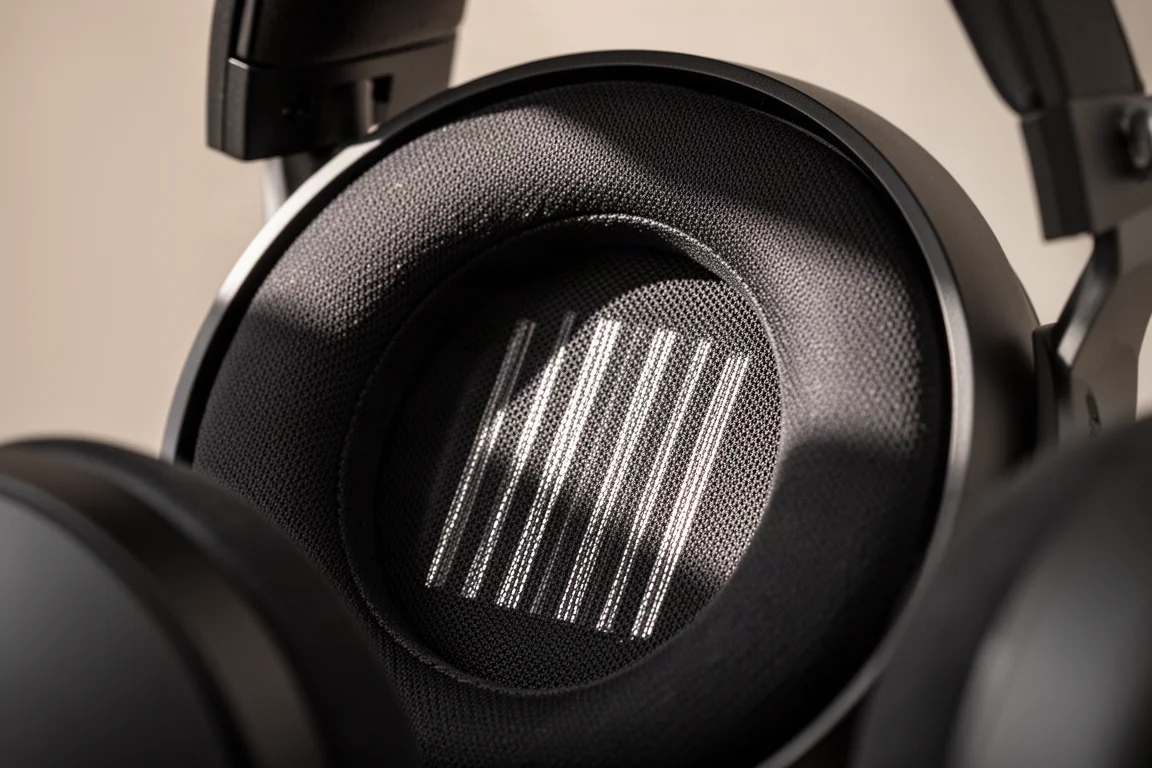
HiFiMan uses what it calls stealth technology on these drivers, an update to the planar magnetic design in which the bars sitting in front of the driver are smaller and fewer, so they interfere less with the sound leaving the diaphragm. Whatever the name is worth, the audible result is the familiar planar presentation: clean, with strong separation between instruments rather than a blended wall of sound.
That clarity is the main reason to choose this headphone over a comparably priced dynamic model. Compared with the HiFiMan Sundara, the HE400se has more bass activity on tap, while the Sundara is cleaner overall with better instrument separation.
The tuning character also carries a little of the more expensive Edition XS, which is a useful reference point for anyone weighing a budget purchase against a future upgrade. It is not the same headphone, and the differences are audible, but the direction of the sound is consistent.
Build Quality, Comfort, and Cable
The frame mixes plastic and metal sensibly. The headband and ear cup housings are plastic, the adjustment arms are metal, and the sliders click through their positions with pivoting cups that follow the shape of your head. The headband is padded on the underside and left bare on top, which is common at this price and causes no trouble in practice.
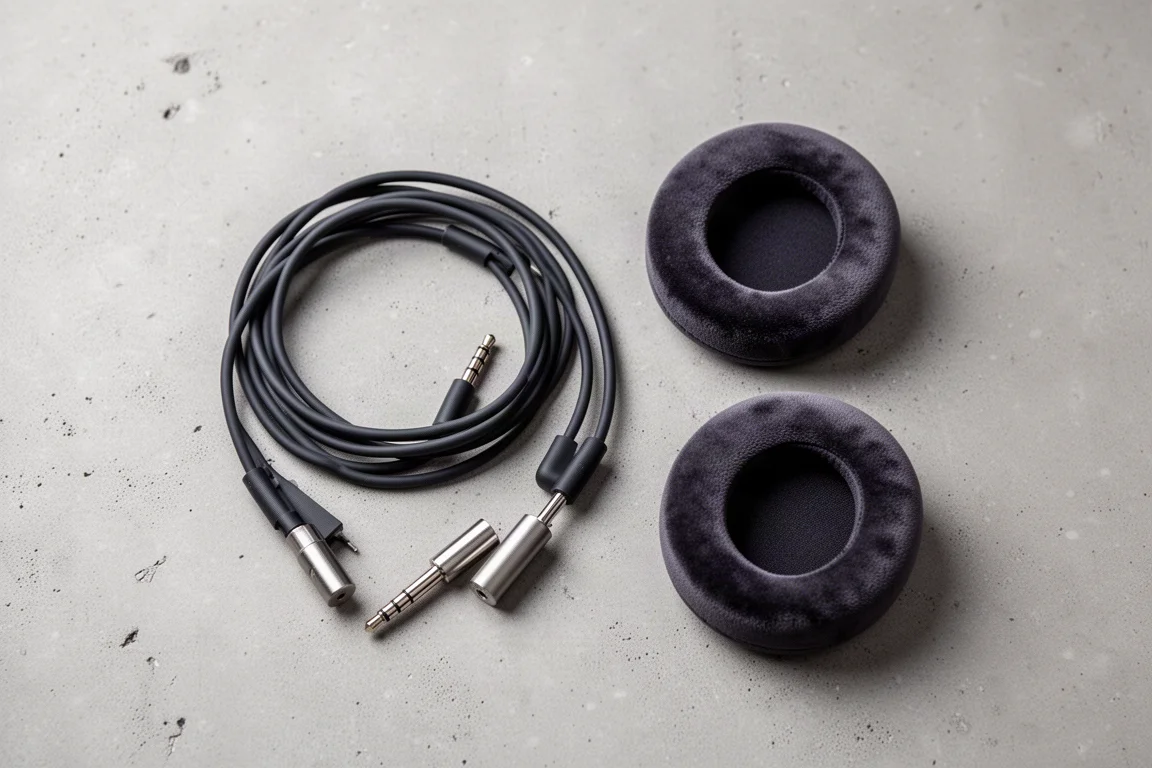
The ear pads combine a soft velour surface against the head with a protein leather outer, and the drivers are visible through the mesh grille on the back of each cup. The cups use 3.5 mm connections, which differs from many HiFiMan models that have used 2.5 mm. The supplied cable is rubberized and roughly six feet long, with a 90 degree 3.5 mm plug at the source end and two 3.5 mm plugs at the ear cups, and a 6.35 mm adapter is included in the box.
The headphone is light, and the fit causes no issues even for glasses wearers. Isolation is limited by design, and the mesh grille does appear to hold back a little of what escapes from the back of the driver, so the soundstage is not especially wide for an open-back design. Even so, there is some sound mitigation through the cups, so it does not behave like a completely open frame.
Things to Consider Before Buying
Two considerations deserve attention before you commit, and both are easy to plan around once you know about them.
Power Requirements and Amplification
Sensitivity is rated at 91 dB, which is not extreme on paper, but the HE400se still asks for more current than small sources deliver comfortably. Run single-ended from a phone dongle, bass-heavy tracks can push the dongle into cutting out entirely, going briefly silent on strong low-frequency hits. Comfortable listening levels are achievable with less demanding material, but dynamic hip hop and electronic tracks can exceed what a dongle can provide.
A desktop headphone amplifier solves this without needing to be large or expensive. For travel, a portable amplifier with its own battery is the more dependable route, since it does not draw power from the phone to feed the headphone. If your source offers a balanced output and you have a compatible cable, that is another way to give the HE400se more headroom.
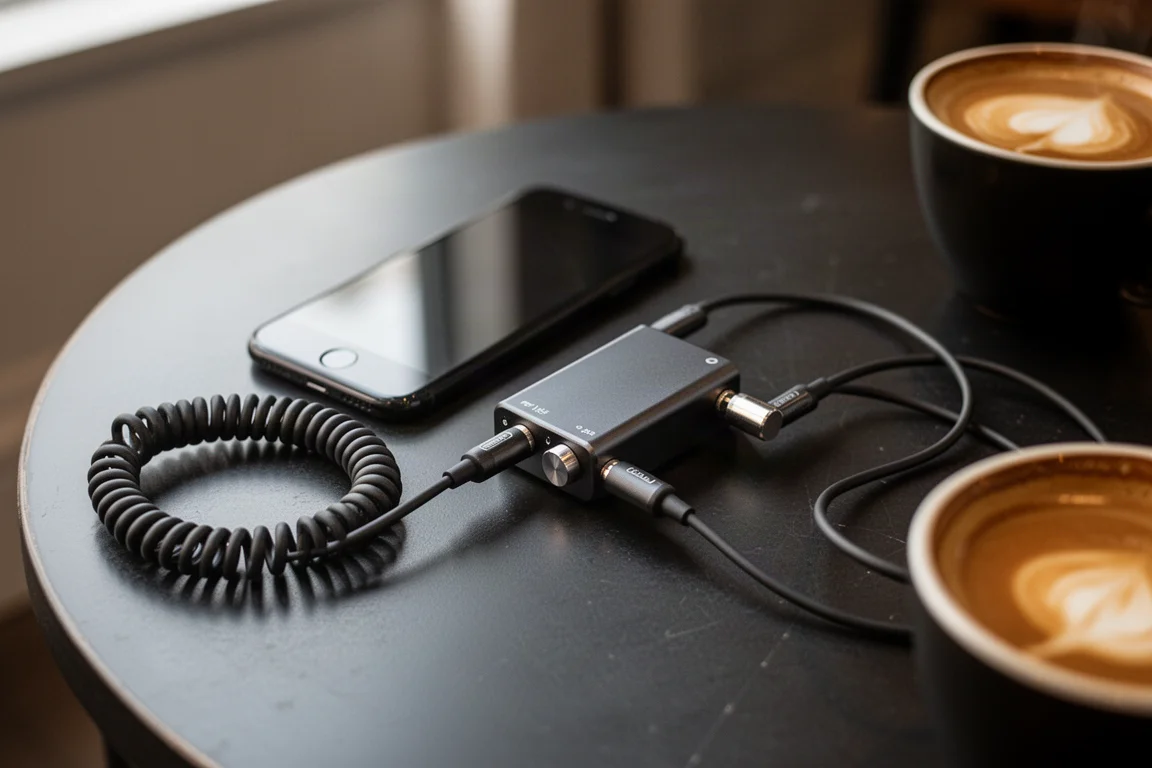
Running from a laptop is possible, and some computers have enough output for moderate listening, but the headphone clearly rewards being paired with proper amplification. This is the single biggest practical decision a buyer needs to make, and it is worth settling before purchase rather than after.
Sibilance and Treble Sensitivity
The HE400se is a bit sibilant, and on recordings that already emphasise sibilance it becomes obvious and distracting. It is less sibilant and less fatiguing than Grado headphones, which are widely enjoyed despite that trait, so this comes down to personal tolerance. If your player or computer offers EQ, trimming the upper treble is a practical fix that keeps everything else about the headphone intact.
There is also a wider question of expectations. The Edition XS costs roughly five times as much and is a clear step up in instrument separation, cleanliness, and soundstage size, which is what that price difference should buy. The Sundara is cleaner than the HE400se with better separation and is not sibilant. Against the well-regarded Philips SHP9500 and SHP9600, which sit closer to $150, the HE400se remains compelling at $107.
Buying Advice
If you have decent amplification and you can live with, or EQ away, the treble edge, the HE400se is one of the strongest open-back values available at any price. At $107 it is a compelling first planar magnetic headphone, and even at $150 the build quality and sound would not be a concern.
The people who should look elsewhere are those who intend to use it only from a phone with no amplifier, and those who are strongly sensitive to sibilance with no way to adjust the sound. In the first case, budget for a portable amplifier with its own battery or choose a less demanding headphone. In the second, the Sundara is the cleaner alternative if the budget stretches. For anyone who wants the best sound and can spend considerably more, the Edition XS is the natural upgrade.
Read as a whole, the HE400se is a headphone that rewards a small amount of preparation. Match it to a source with real output, understand its treble character, and it delivers a level of clarity that is unusual at this price.
Conclusion
The HiFiMan HE400se is a straightforward recommendation for listeners entering open-back planar magnetic territory with an amplifier already on the desk. Its power appetite and slight sibilance are real, but both are known quantities you can plan around, and at this price the clarity and comfort on offer are difficult to match.
Product link
View more details for HiFiMan HE400se
This product is mentioned in the review. Check the specifications, options, and compatibility before buying.
View more details for HiFiMan HE400seFurther reading
Related Reviews
Headphones
Apos Audio Caspian Review: Warm Bass, Solid Build, and a Detail Trade-Off
The Apos Audio Caspian is an easy-to-drive open-back headphone with standout bass and a warm, relaxed tuning, though mid-range and treble detail trail the competition.
Headphones
Audeze LCD-X vs LCD-XC vs LCD-3: Which High-End Headphone Fits Your Setup
A practical comparison of three Audeze planar magnetic headphones under $2,000, covering the open-back LCD-X, the closed-back LCD-XC, and the wood-ringed LCD-3.
Headphones
Audeze LCD-X vs HiFiMan Edition XS: Two Open-Back Headphones Compared
A practical comparison of the Audeze LCD-X and the HiFiMan Edition XS, covering build quality, comfort, sound signature, and which listener each one suits.