3D Printing
HeyGears UltraCraft Reflex RS Review: Resin Printing Without the Headache
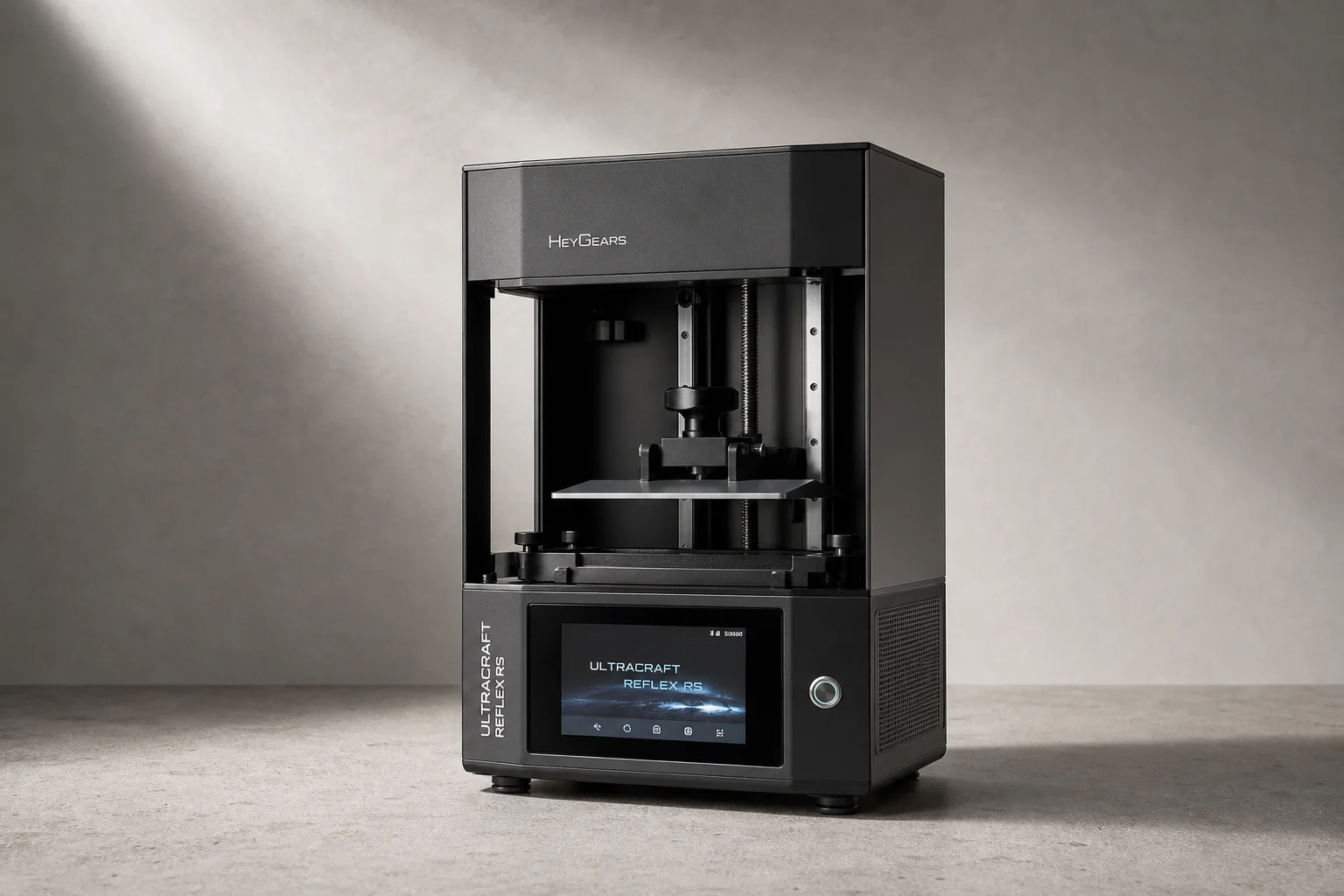
A resin 3D printer designed to eliminate common frustrations. Precision engineering, intelligent automation, and a closed ecosystem make this one of the most approachable resin printers available.
Introduction
Resin 3D printing has long carried a reputation for frustration. Messy spills, punctured films, failed prints, and the constant need to dial in settings have kept many makers away from the technology. The HeyGears UltraCraft Reflex RS takes a different approach: it treats resin printing as a tool that should simply work, rather than a hobby that demands constant tinkering.
This printer combines precision engineering with intelligent automation and a carefully calibrated ecosystem. The result is a machine that delivers consistent results without requiring deep expertise in resin chemistry or support design.
Precision Engineering and Calibration
The foundation of the UltraCraft Reflex RS is mechanical precision. Unlike FDM printers, which have multiple moving parts and hot-ends, resin printers are mechanically simpler: a light source, a screen, and a Z-axis motion system. Yet this simplicity masks the engineering challenge of eliminating Z-axis variation, which causes both layer lines and catastrophic print failures.
HeyGears addresses this through rigorous calibration and component quality. The printer achieves 96 percent accuracy within one micron and 99.9 percent accuracy within two microns, even under a 50-kilogram load moving up and down 10,000 times. For context, typical resin layer heights are five to ten microns, so this level of precision directly translates to cleaner prints and fewer failures.
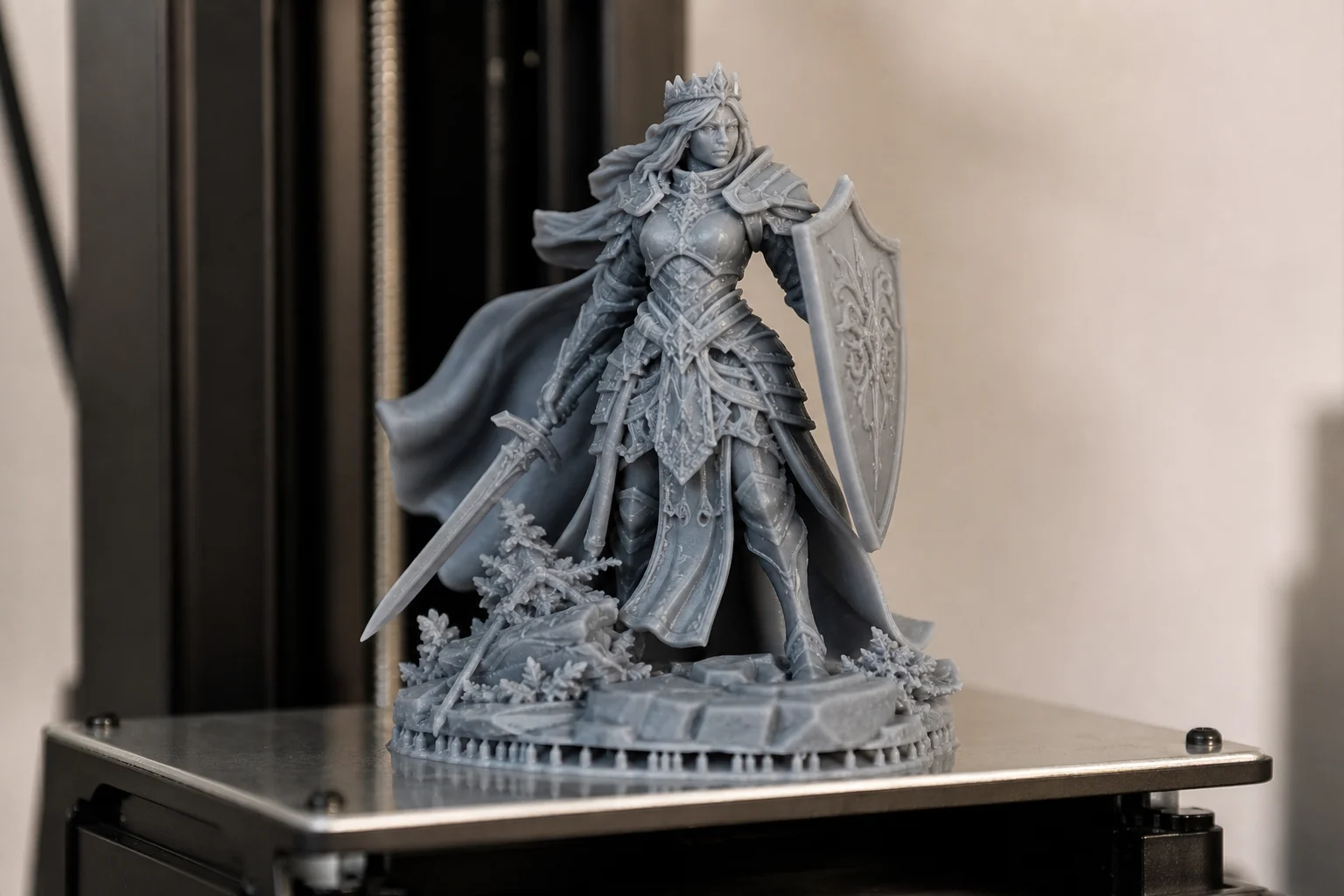
The printer also performs optical calibration on every LCD screen at the factory. LED panels have tiny variations in brightness across their surface, and these variations can cause uneven curing. HeyGears encodes calibration data into an RFID tag on each screen, including replacement screens. When you swap a screen, the printer automatically loads the correct calibration profile.
The print module includes eight sensors: four screen displacement sensors and a Z-axis force sensor. These feed real-time data to the printer, allowing it to adjust exposure and peel force dynamically during the print. If a layer has a larger cross-section or increased vacuum, the printer compensates automatically rather than letting the print fail.
Software and User Experience
The UltraCraft Reflex RS ships with dedicated slicing software designed to lower the barrier to entry. The standout feature is “one-click slice,” which automatically repairs models, orients them, and generates supports without user intervention.
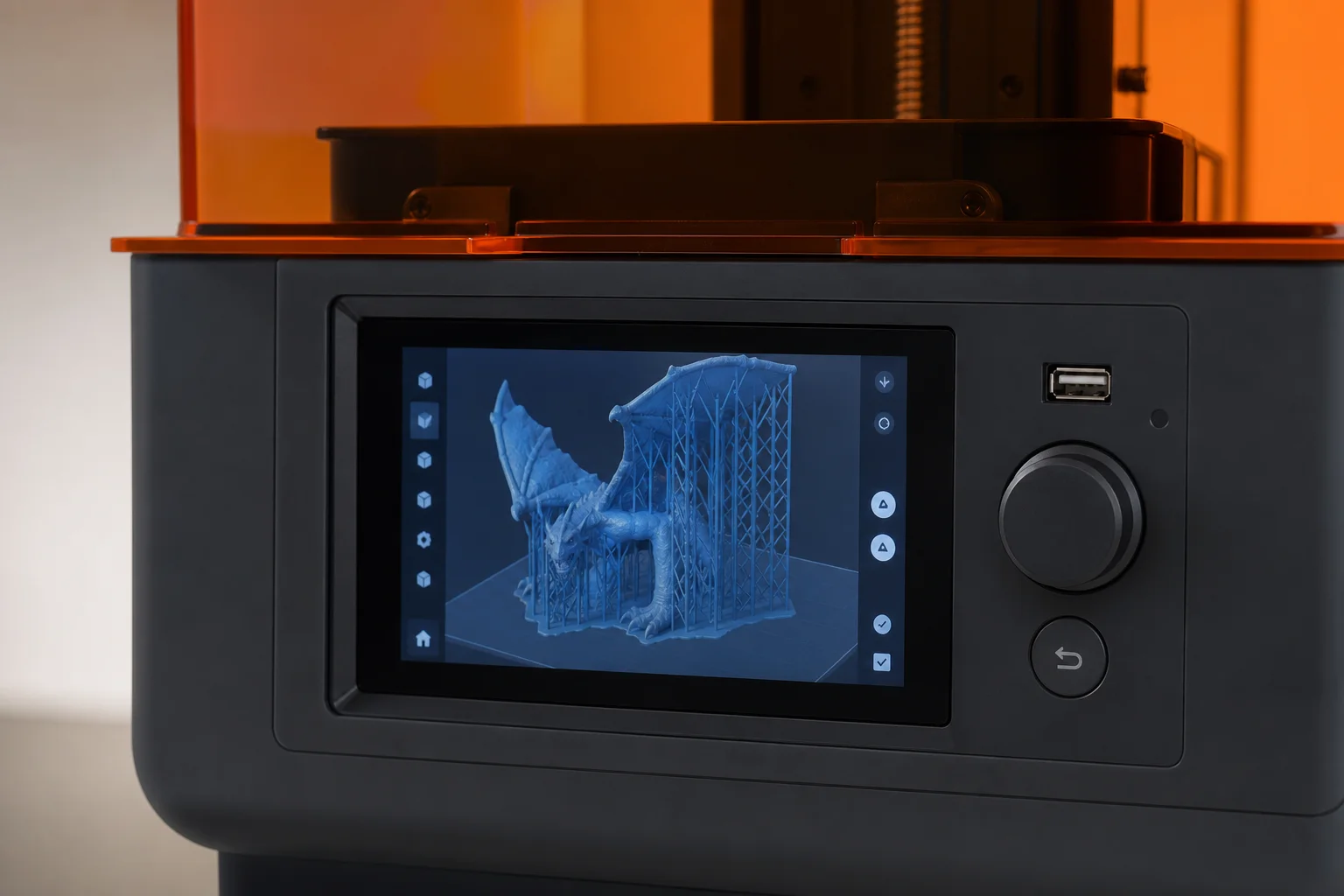
For resin beginners, this is transformative. Manually designing supports is one of the steepest learning curves in resin printing, and poor support placement is a primary cause of failure. The software’s auto-generated supports are in their 19th revision and are claimed to match the quality of experienced users.
The printer also handles the messy parts of resin work. Automatic resin loading and unloading eliminate the need to pour resin through filters or deal with drippy bottles. Automatic residue detection and cleaning protect the printer from damage. The machine notifies you immediately if a print fails, so you do not waste time waiting for a doomed print to finish.
Real-World Performance
During testing at FormNext, the printer was put through demanding conditions: high-traffic booth environment, multiple printers running simultaneously, and tight timelines. Models ranged from simple geometry to complex, detailed miniatures. Every print completed successfully without manual intervention.
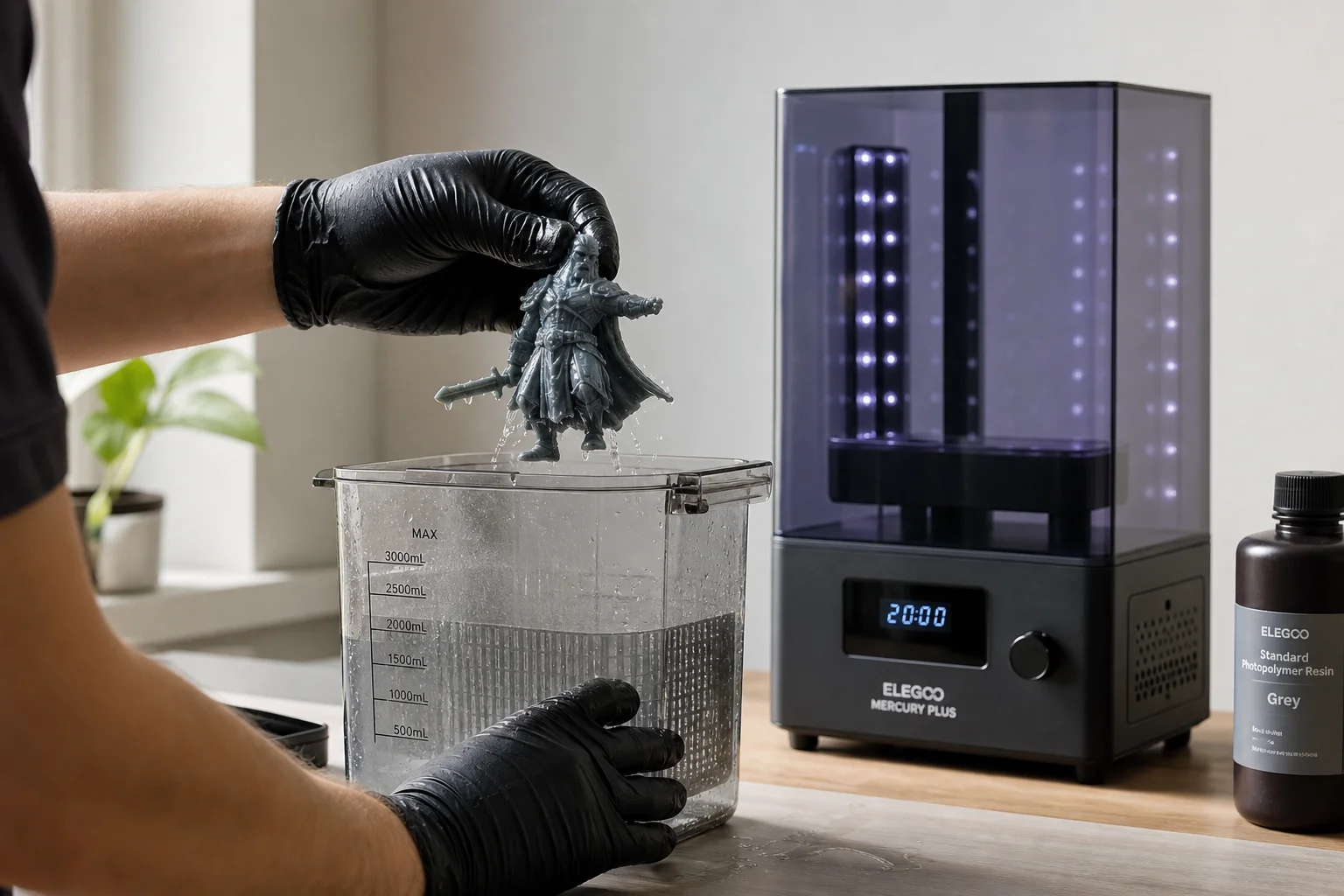
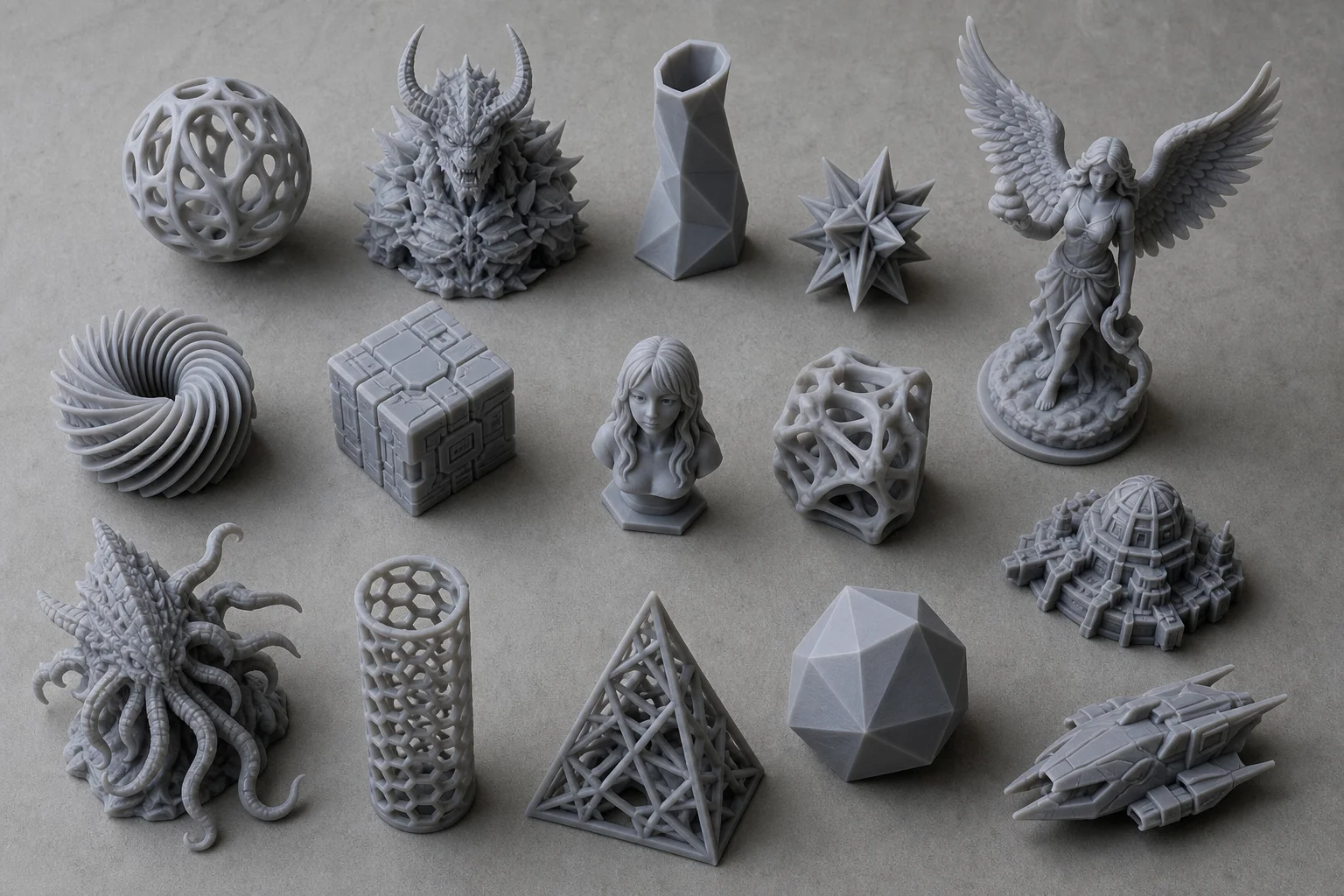
Print speed is competitive at 4.3 seconds per layer. The quality of finished prints was notably high, even when using prototyping resin rather than the printer’s optimized material. Supports removed cleanly and easily, with minimal post-processing marks on the model surface.
The wash and cure station integrates seamlessly with the printer. Models can move directly from the build platform to the washing station, then to the curing chamber, with minimal handling required.
Ecosystem and Accessibility
The UltraCraft Reflex RS operates within a closed ecosystem: proprietary slicer, dedicated resin line, and optimized profiles. This approach mirrors Bambu Lab’s strategy in FDM printing, where best results come from using the manufacturer’s own materials and software.
For users who value flexibility and enjoy tinkering, this ecosystem may feel restrictive. However, for users who want resin printing to function as a reliable tool rather than a hobby, the trade-off is worthwhile. The printer adjusts Z-axis compensation adaptively for each resin type, with over 180 different compensation combinations compared to a single standard setting on budget printers.
The pricing reflects this positioning. The UltraCraft Reflex RS costs $999 standalone, or $2,107 with the wash and cure station. During promotional periods, prices drop to $799 and $1,741 respectively. These prices are substantially lower than professional-grade machines like Formlabs systems, which cost $15,000 or more, while delivering significantly better results than budget alternatives.
Conclusion
The HeyGears UltraCraft Reflex RS succeeds at its core mission: making resin 3D printing accessible and reliable for users who do not want to become resin chemistry experts. The combination of precision engineering, intelligent automation, and ecosystem integration produces consistent, high-quality prints with minimal user intervention.
This printer is best suited for makers who view resin printing as a tool in their workshop rather than a hobby to master. If you have avoided resin printing due to complexity and failure rates, this machine removes those barriers.
Product link
View more details for HeyGears UltraCraft Reflex RS
This product is mentioned in the review. Check the specifications, options, and compatibility before buying.
View more details for HeyGears UltraCraft Reflex RSFurther reading
Related Reviews
3D Printing
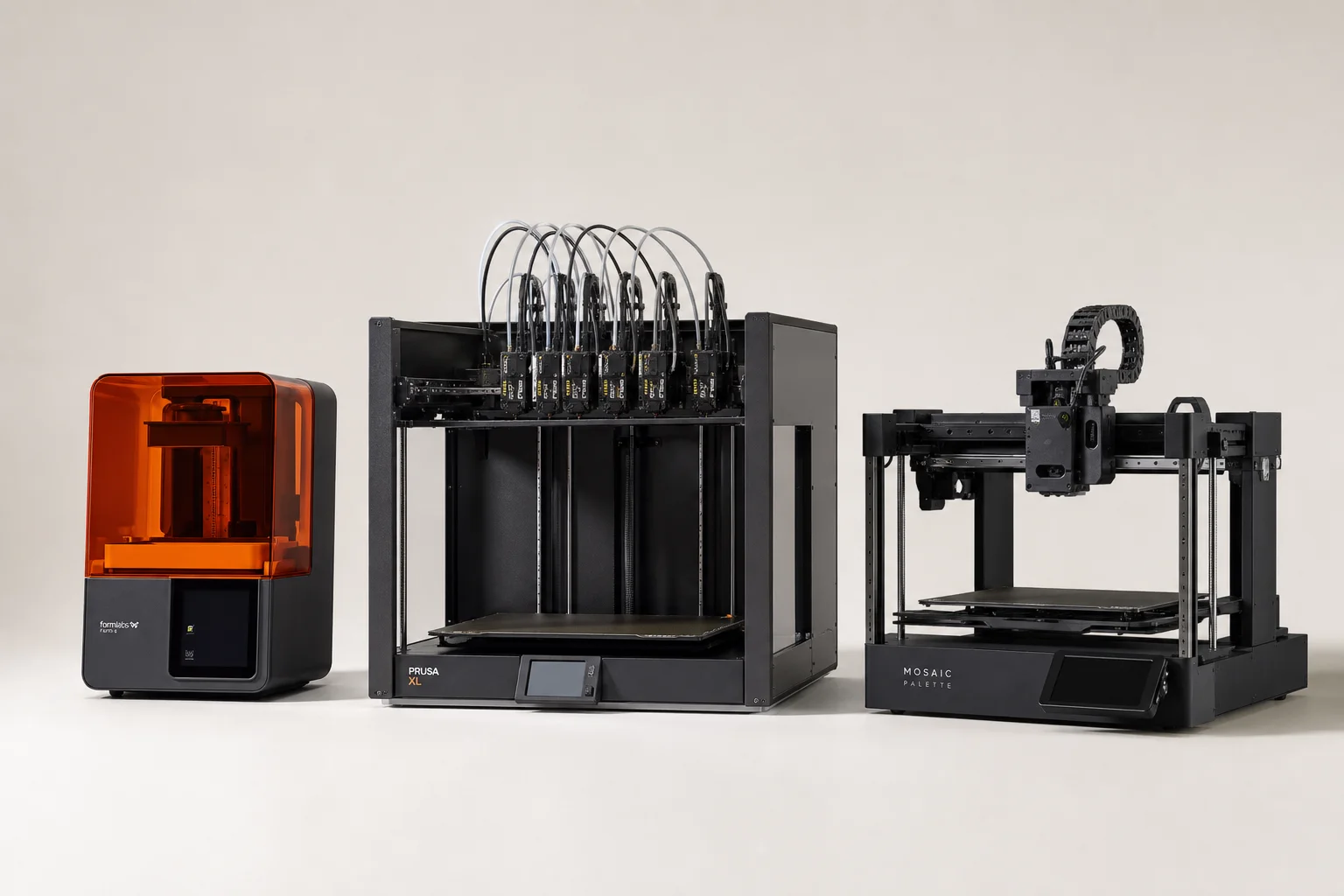
3D Printer Wishlist 2026: Industry Hopes and Manufacturer-Specific Improvements
A comprehensive review of what the 3D printing industry needs in 2026, from universal standards to manufacturer-specific feature requests across leading brands.
3D Printing
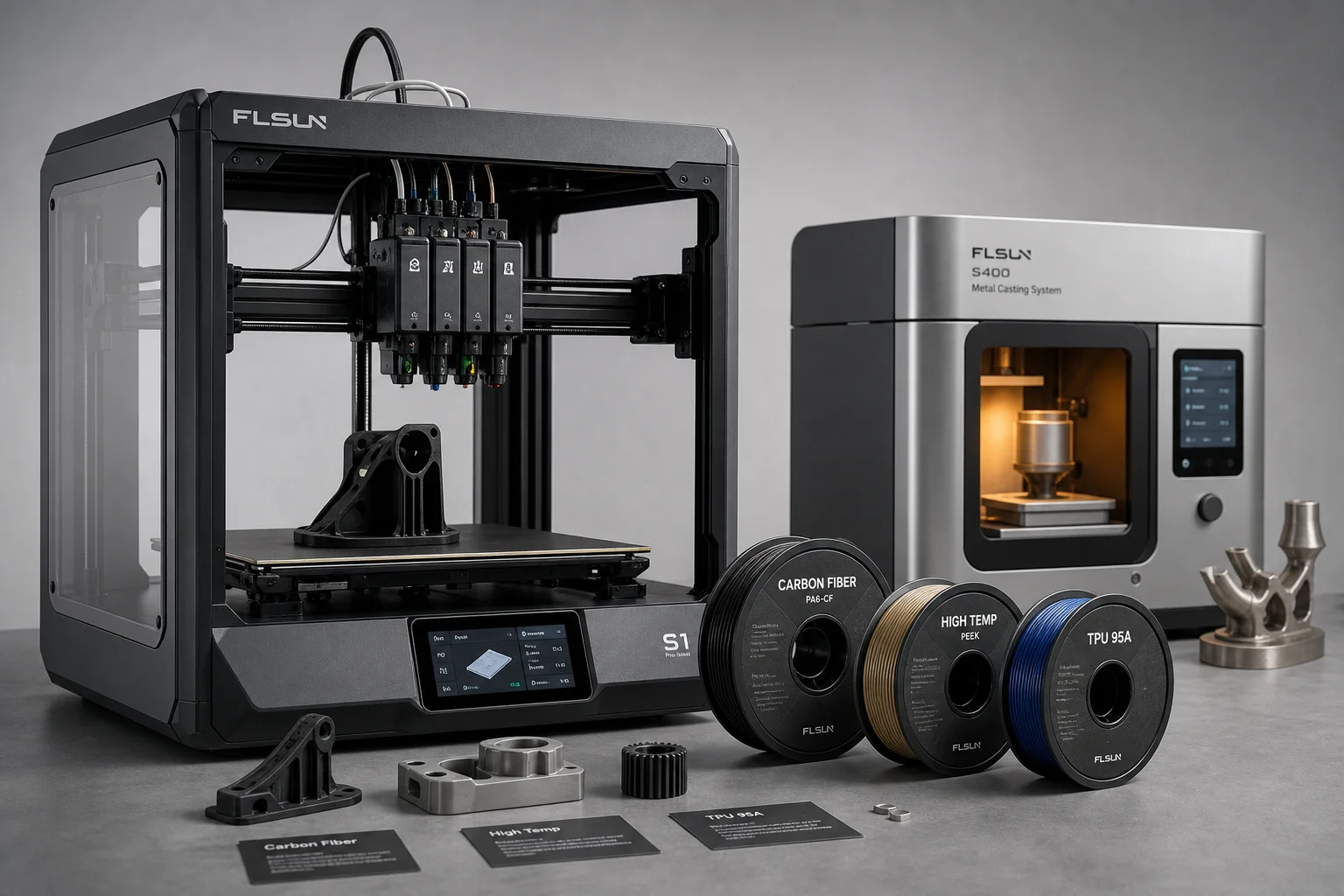
3D Printing Trends 2026: Multi-Material Systems, Stronger Filaments, and Desktop Metal Casting
FormNext 2025 revealed the direction of 3D printing in 2026: accessible multi-material printers, high-strength filaments, and innovative software solutions that bring industrial capabilities to the desktop.
3D Printing
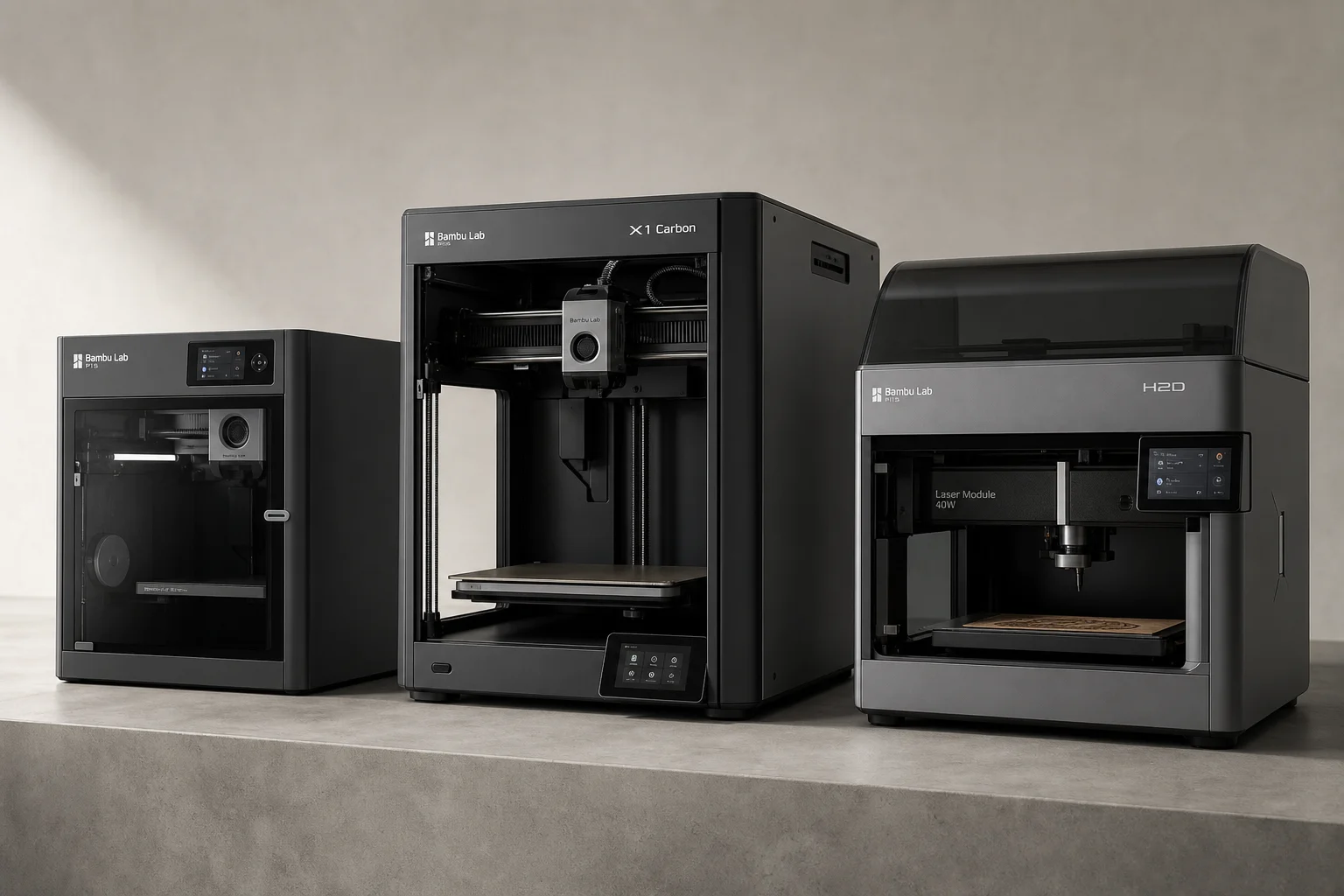
Bambu Lab 3D Printer Lineup 2025: Which Model Fits Your Needs
A comprehensive breakdown of Bambu Lab's current printer lineup, from mid-range workhorse models to flagship multifunction machines, with honest trade-offs for each.