3D Printing
3D Printer Wishlist 2026: Industry Hopes and Manufacturer-Specific Improvements
A comprehensive review of what the 3D printing industry needs in 2026, from universal standards to manufacturer-specific feature requests across leading brands.
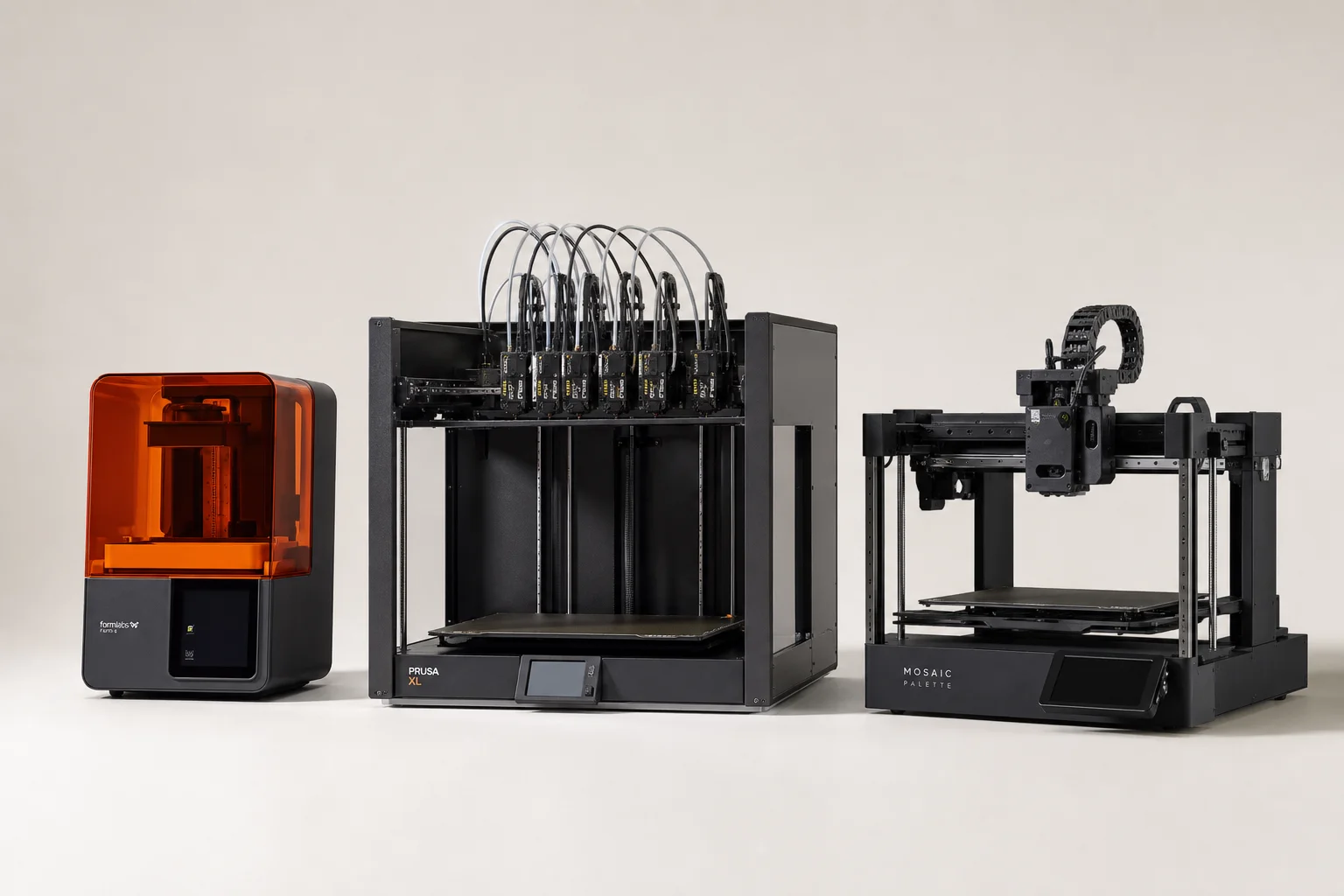
Industry-Wide Improvements
The 3D printing industry stands at an inflection point. While hardware capabilities have advanced significantly, standardization and software integration remain fragmented. Two critical improvements could reshape the entire ecosystem in 2026.
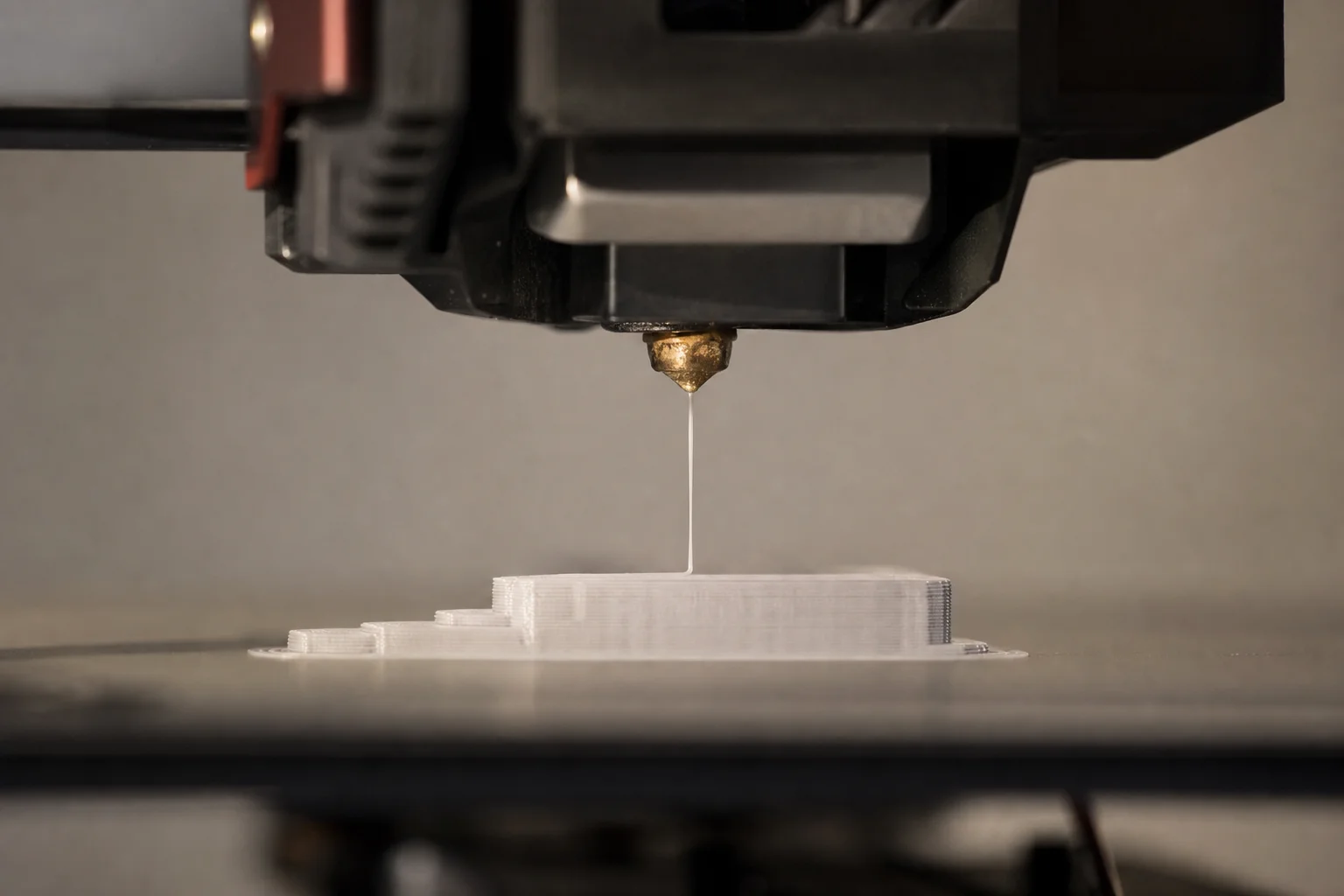
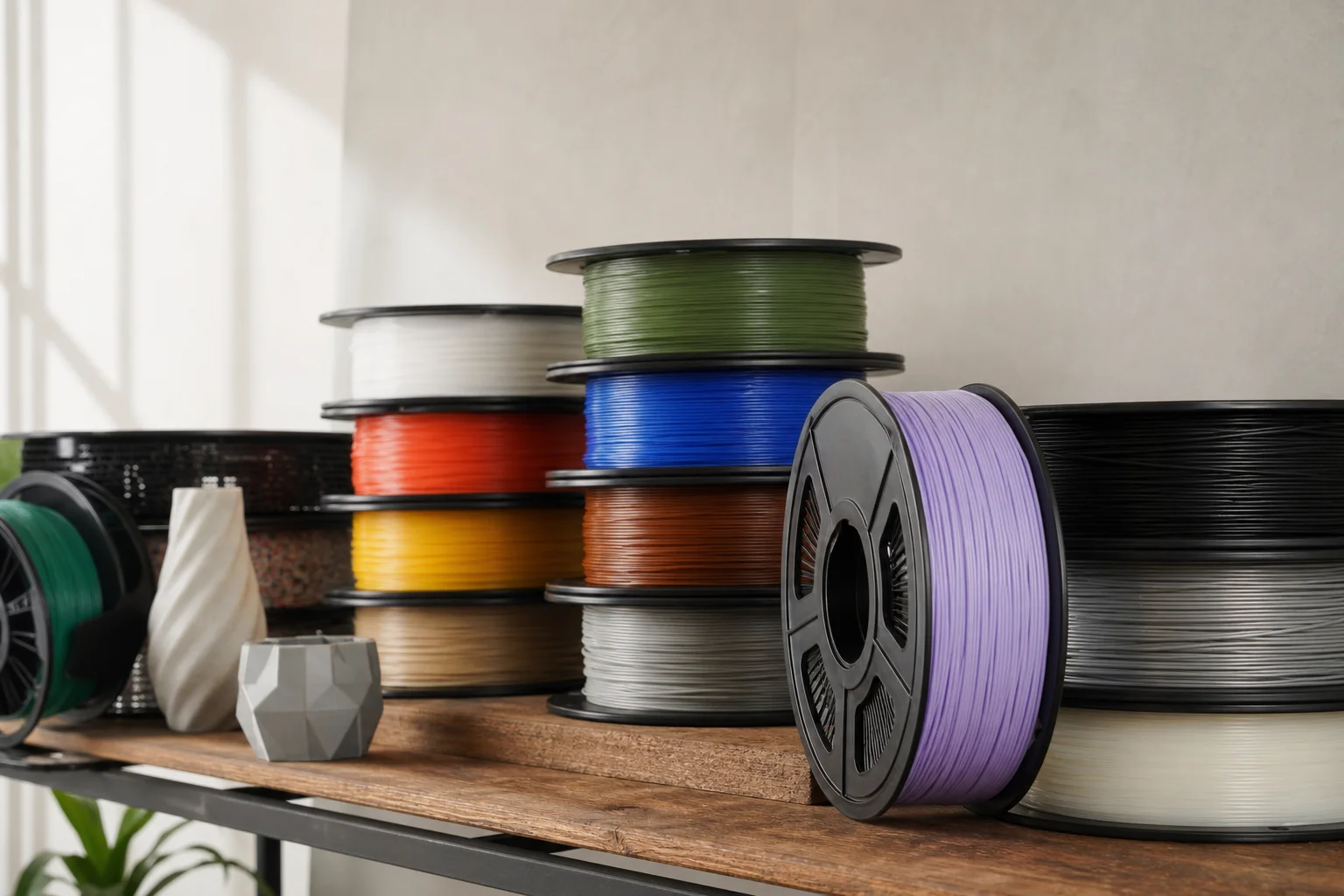
The first is adoption of the OpenPrintTag NFC standard recently introduced by Prusa Research. This universal tagging system offers substantial advantages over proprietary solutions: tracking remaining filament on spools, mobile inventory scanning, tag reusability, and cross-manufacturer compatibility. Widespread adoption would simplify workflows for both casual users and print farm operators. Manufacturers of both filament and printers should prioritize integration.
The second critical need is deep mainline OrcaSlicer integration across all major brands. OrcaSlicer has become the de facto standard slicer in consumer 3D printing, yet most manufacturers still maintain separate forks or limited integration. Users expect full nozzle-size profiles, direct filament mapping within the slicer itself, and complete access to printer web interfaces and remote utilities through OrcaSlicer’s device tab. This integration should ship with printers before they reach customers, not months later.
Prusa Research: Momentum and Refinement
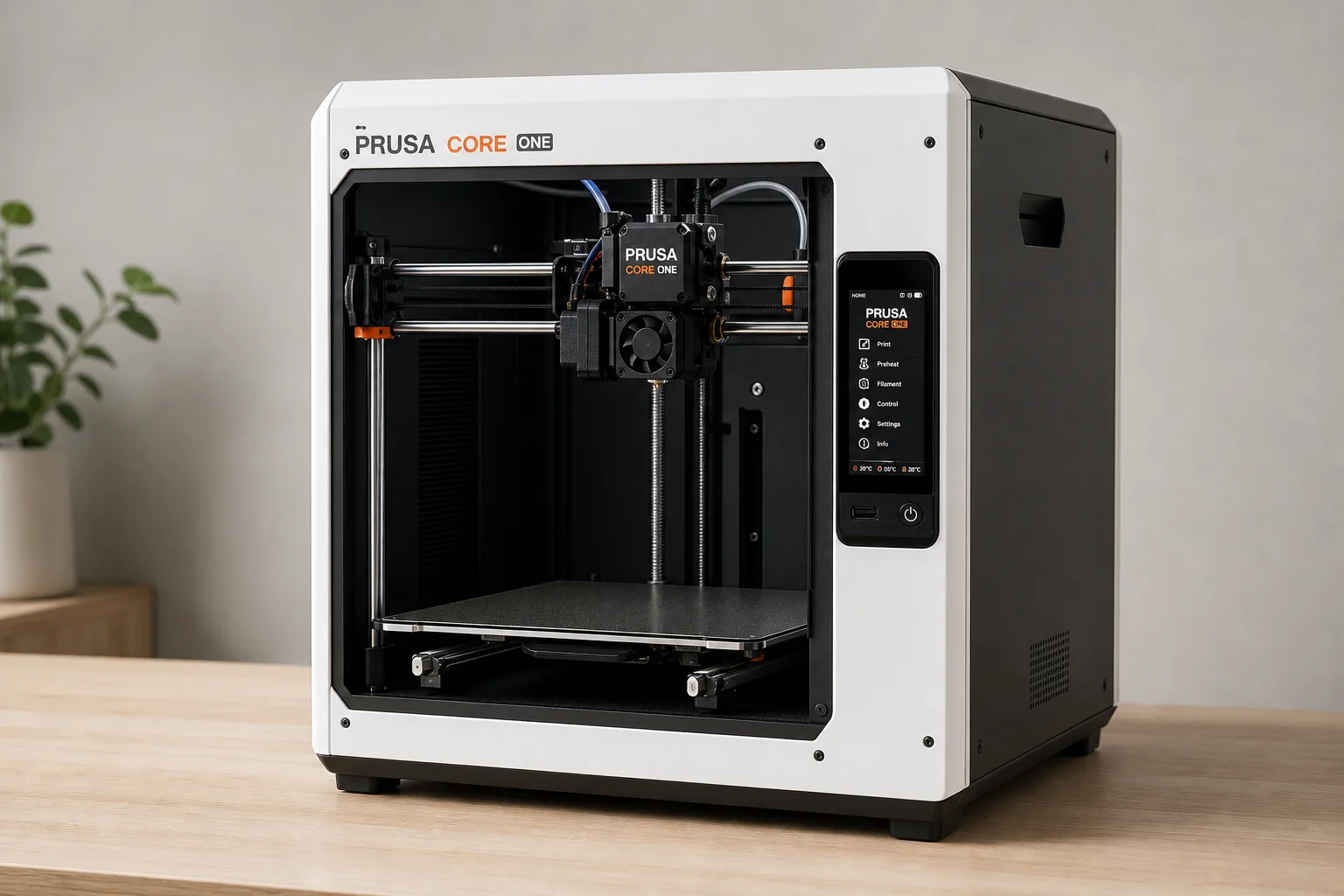
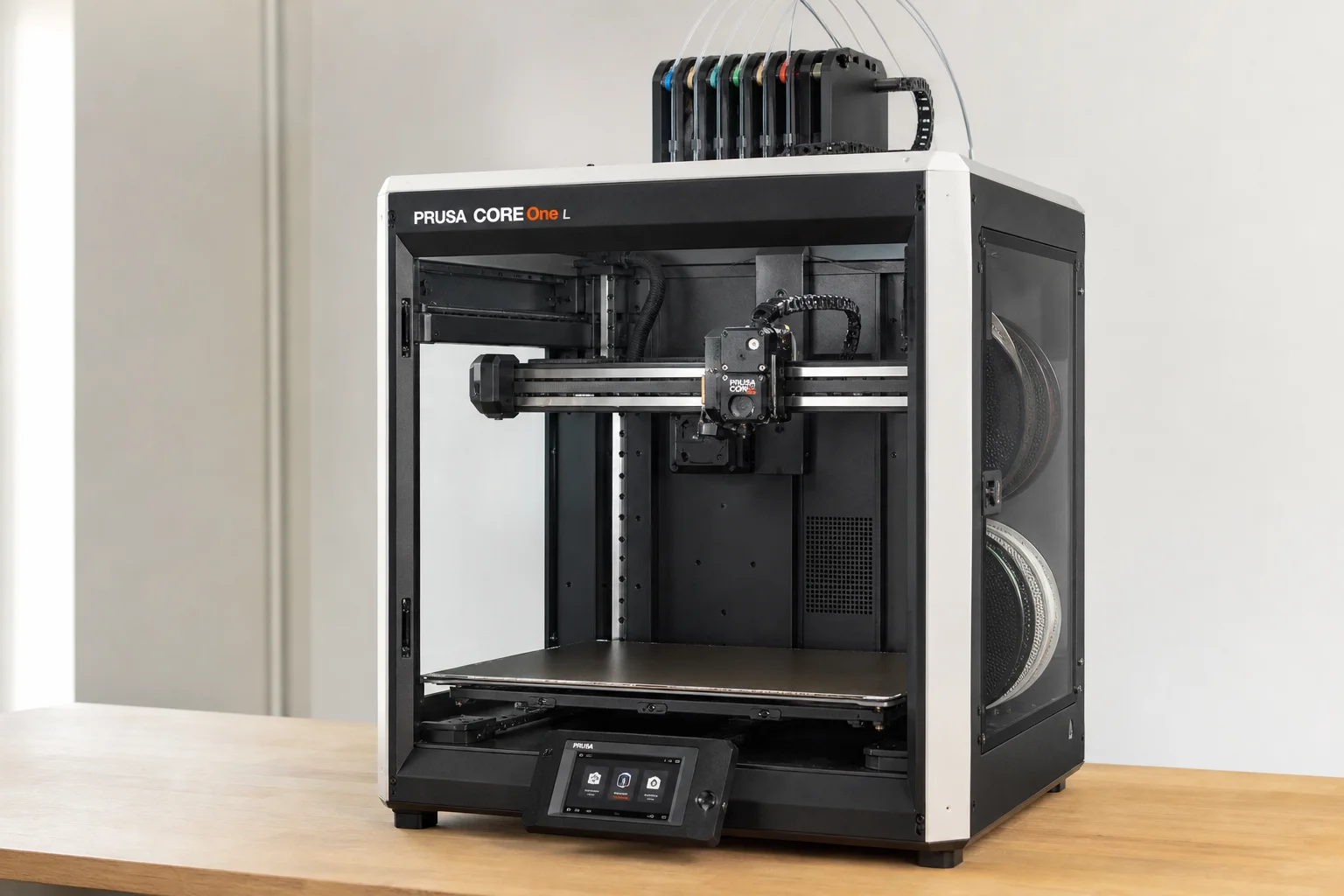
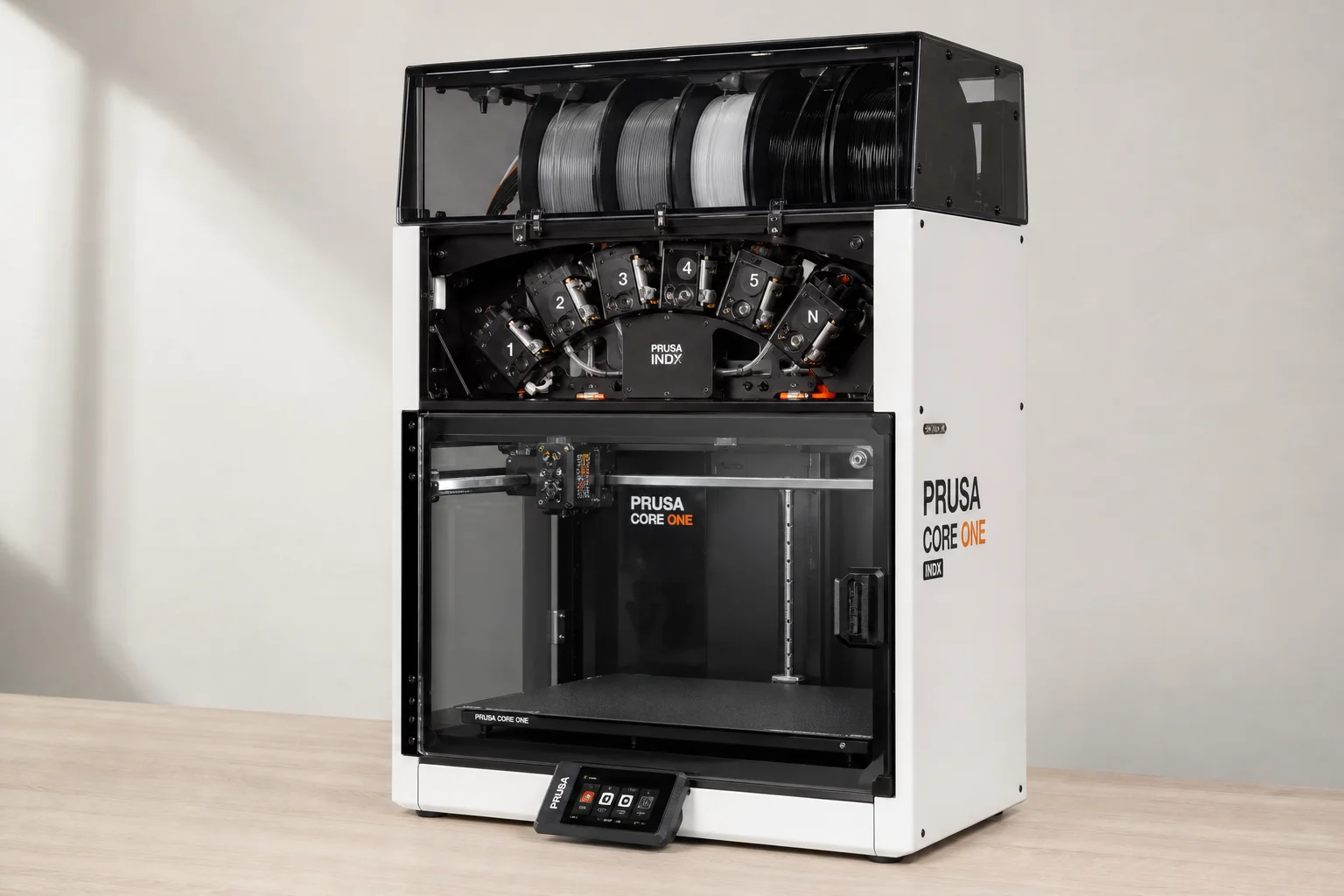
Prusa Research has delivered an exceptional 2025. The CORE One and CORE One L represent genuine advances in consumer desktop printing, and the upcoming CORE One INDX promises even more capability. The company’s renewed focus on consumer machines and collaborative approach sets a strong tone for the industry.
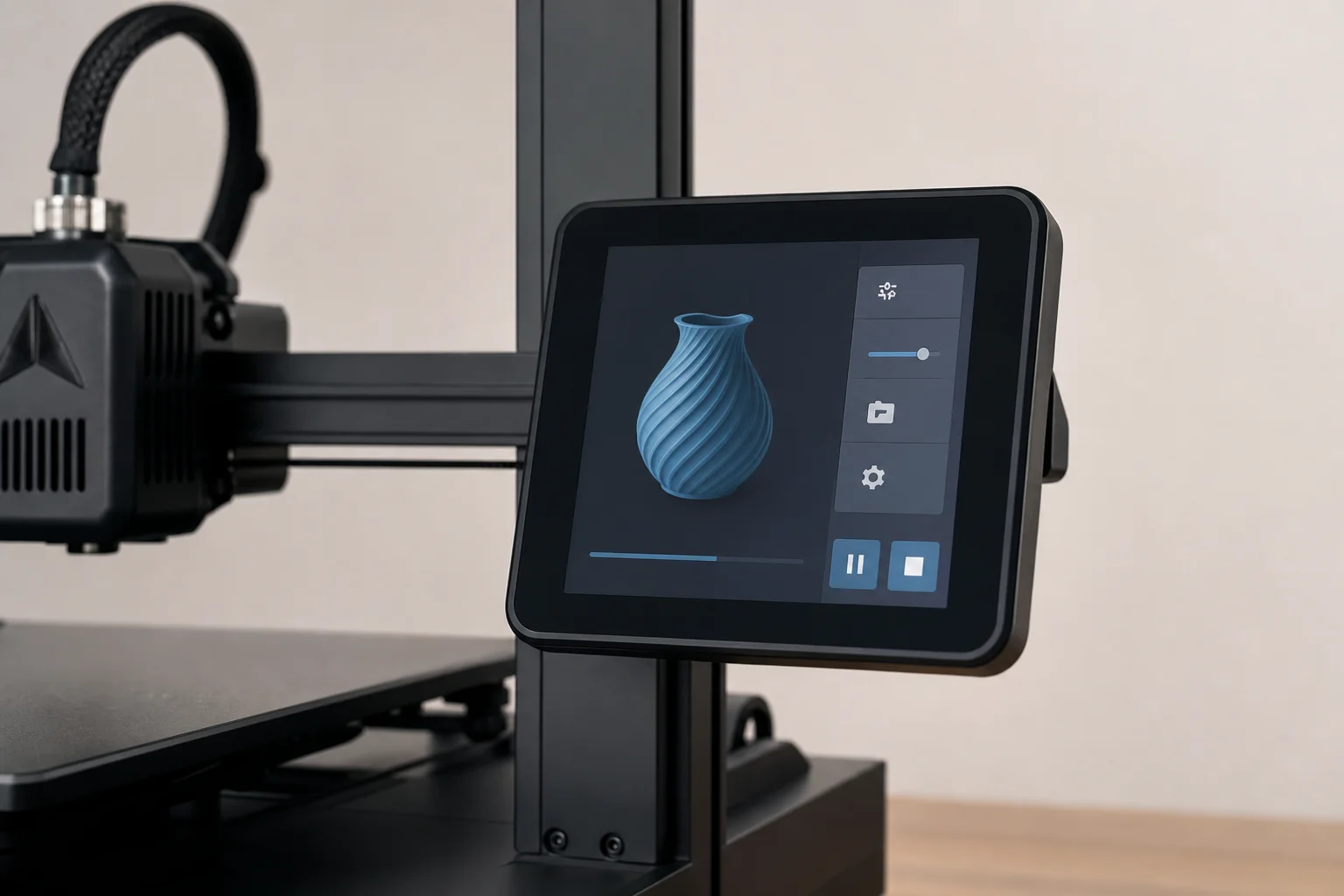
However, several refinements would strengthen the lineup further. The printer interface deserves a visual refresh to match the upcoming PrusaSlicer 3.0. More importantly, adaptive pressure advance using the existing load cell in the toolhead would eliminate the need for endless profile tuning. The printer should calibrate itself, not rely on user-generated profiles.
Quick-swap nozzles are essential for the next generation, particularly on multi-material machines where nozzle changes are frequent. Pre-feeders would dramatically reduce setup time on the CORE One L INDX, where manually loading eight or ten filaments currently demands significant effort.
Prusament materials deserve attention as well. While the company’s commitment to material purity is admirable, high-speed formulations for PLA and PETG that match the capabilities of newer hardware would unlock the full potential of these machines.
Sovol: Open Source Commitment with Growing Pains
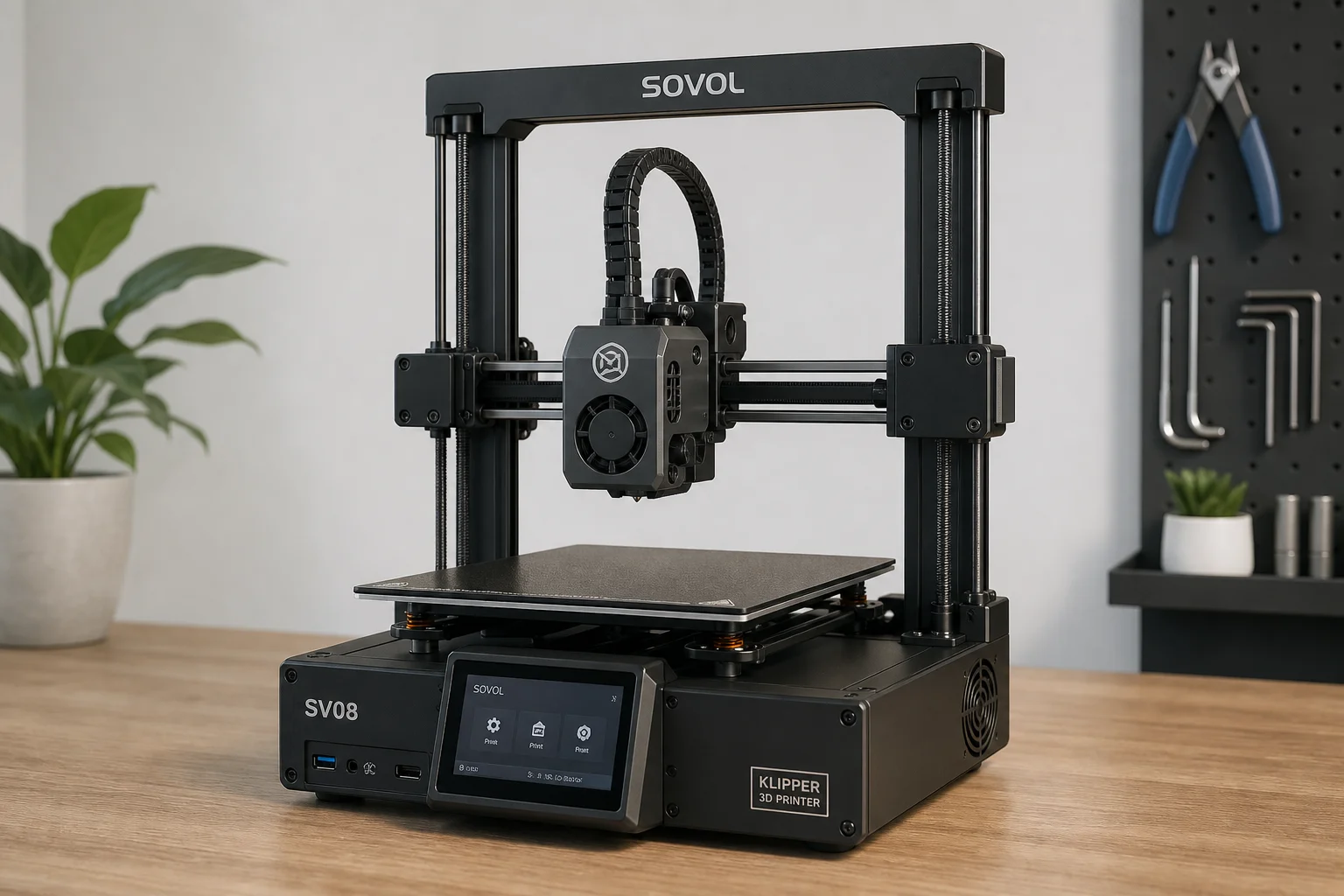
Sovol’s commitment to open source software and hardware is genuinely rare and commendable in an industry increasingly moving toward closed ecosystems. The company’s product lineup is strong and competitively priced, making recommendations straightforward.
That advantage is at risk. Customer service remains undertrained and insufficiently knowledgeable about consumer 3D printing fundamentals. When users contact support, they encounter staff who cannot effectively troubleshoot or advise on best practices.
On the software side, Sovol adopts open source tools like Klipper and OrcaSlicer but does not always implement them correctly. The company runs modified, outdated versions of Klipper rather than contributing changes back to the mainline codebase. Printers crash when filenames contain percent symbols, a trivial bug that should not exist in production hardware.
Bed meshing has improved on larger machines, but inconsistency remains. More pressingly, noise levels are excessive. Motors and fans generate unnecessary sound that detracts from the user experience. Connecting with a new fan supplier should be a priority.
Elegoo: Transparency and Software Maturity
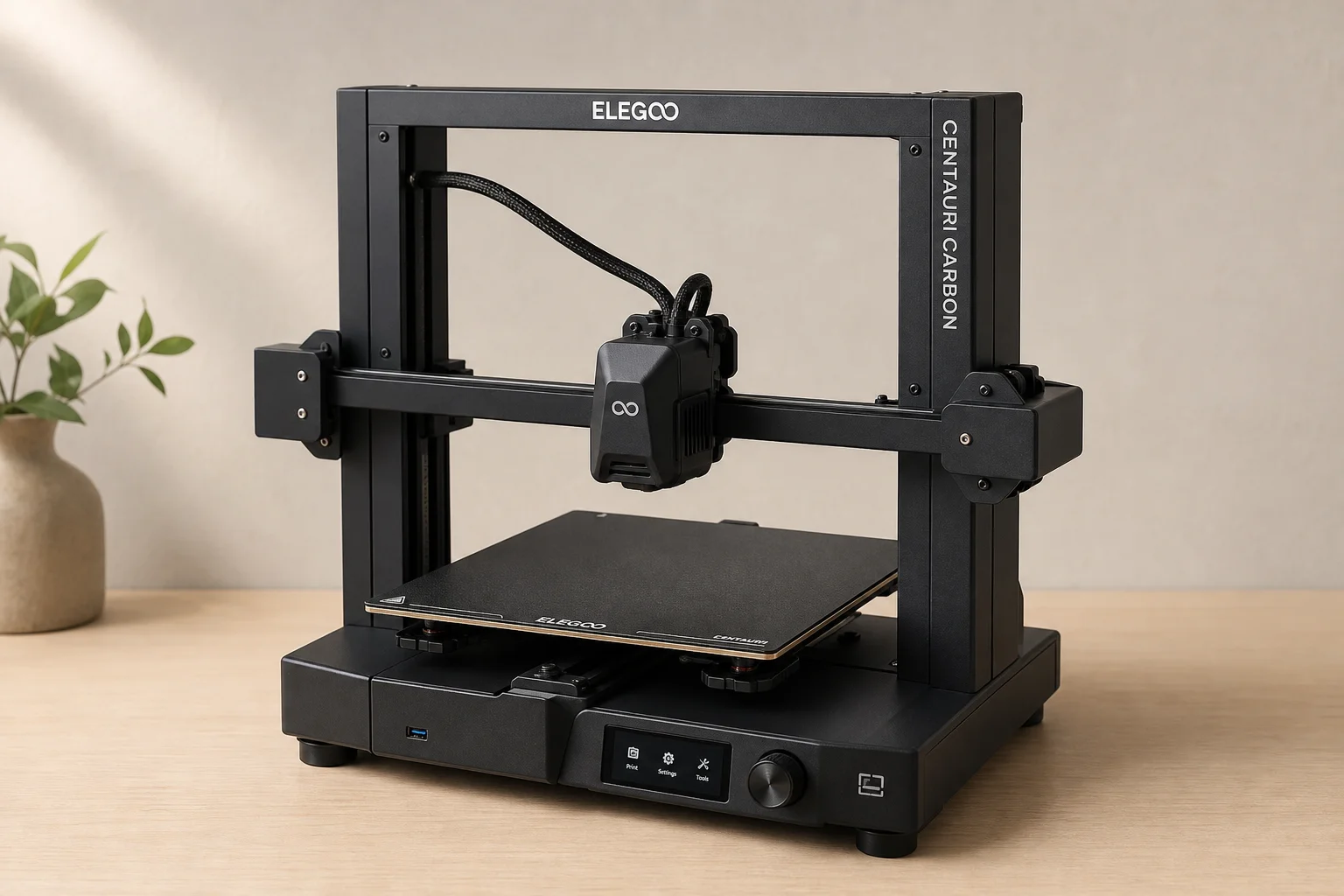
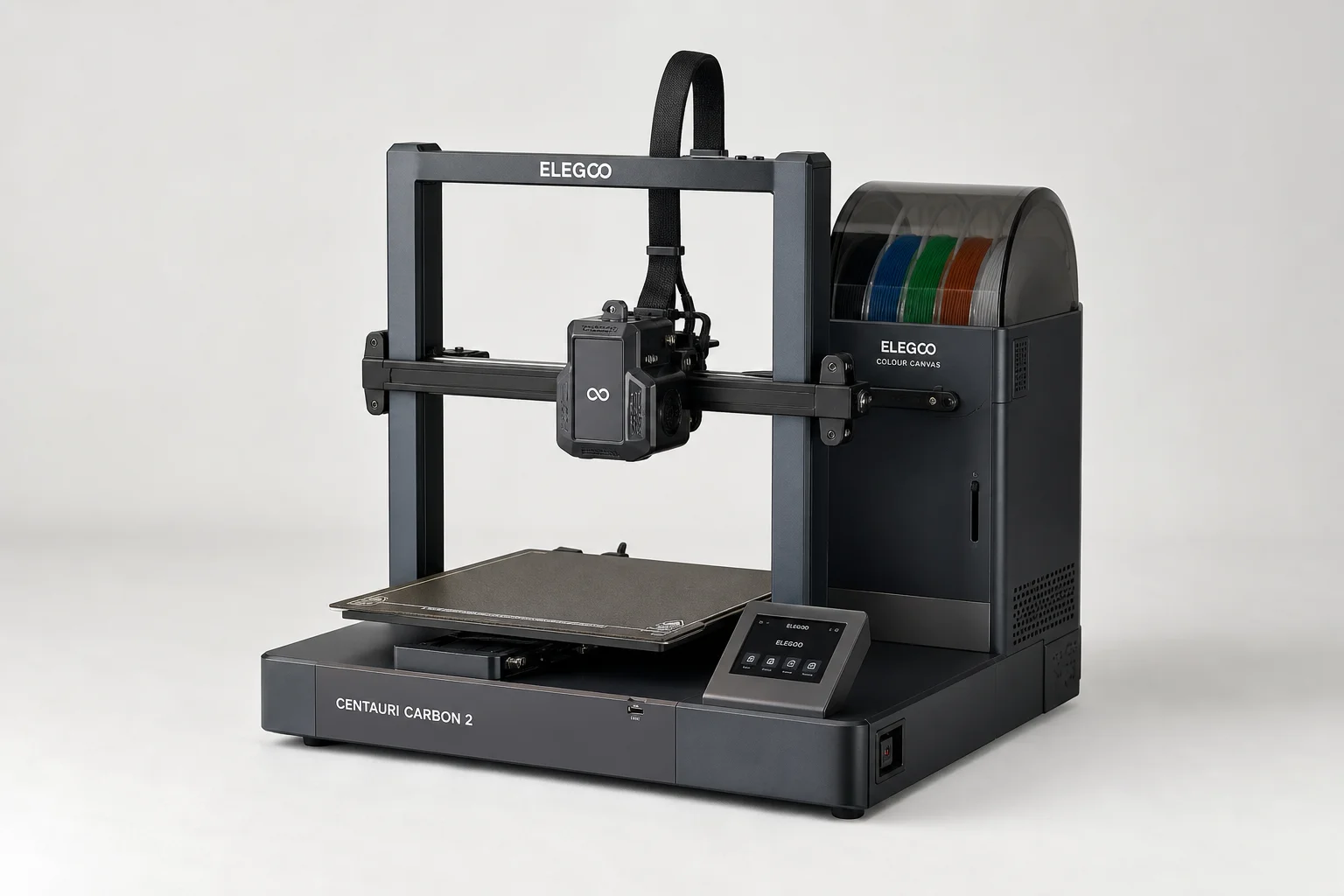
Elegoo’s entry into the consumer market with the ultra-affordable Centauri Carbon has resonated strongly. The Centauri Carbon 2, with its 350-degree hotend and multicolor capability, shows genuine promise.
However, the company faces credibility challenges. Transparency must improve immediately. Misleading customers about open source software adoption and repeatedly delaying multicolor units without clear communication erodes trust. The community and even Elegoo’s own brand representatives deserve straightforward, honest communication.
The backend interface requires substantial work. Users cannot load, unload, or extrude filament remotely, nor upload files while printing. These limitations actively discourage print farm adoption. Either the backend must be completely redesigned, or users should have the option to use Mainsail instead.
The recent DJI investment and knowledge sharing may accelerate hardware improvements. That partnership warrants close attention in the coming months.
Anycubic: Reliability and Open Source Integration
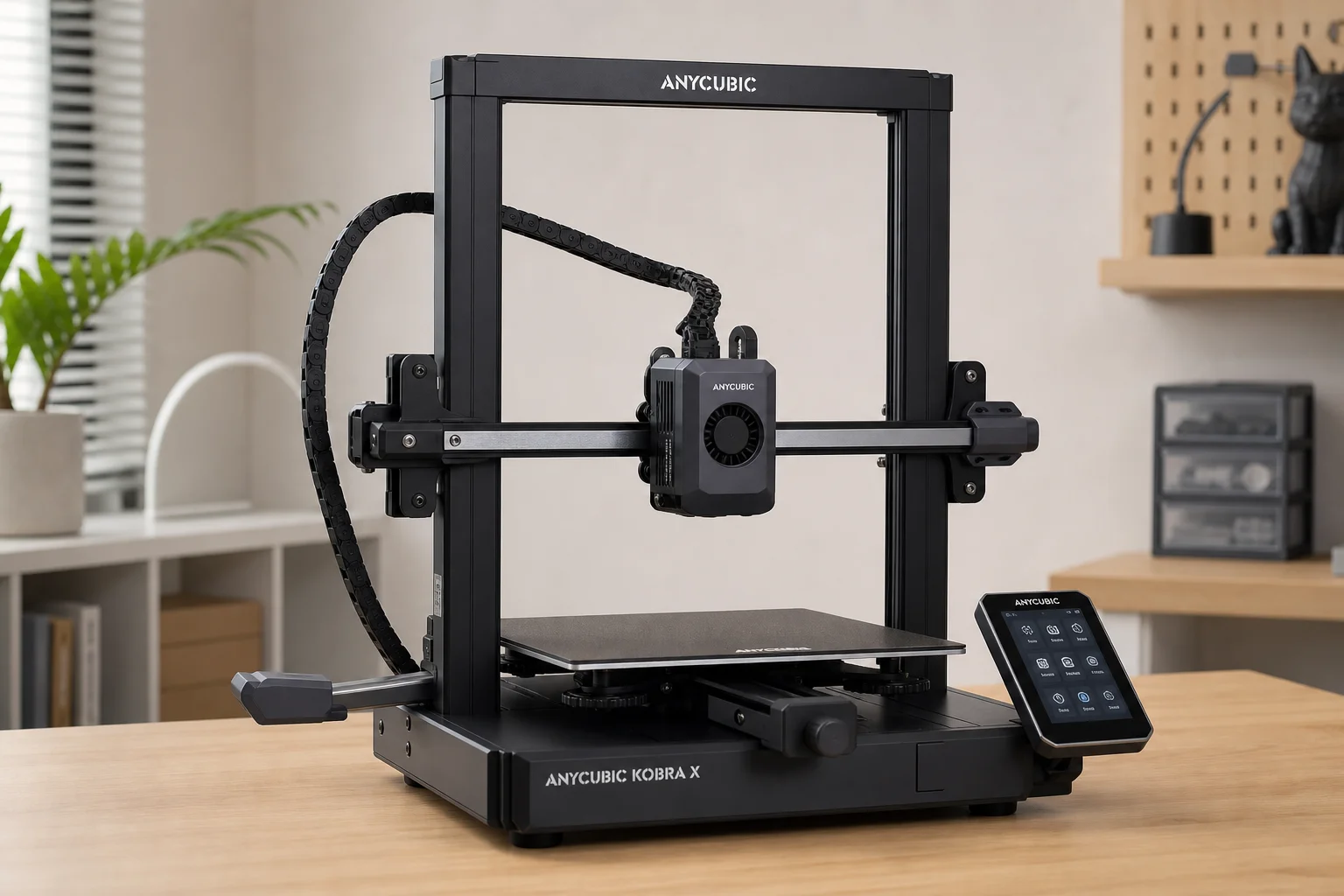
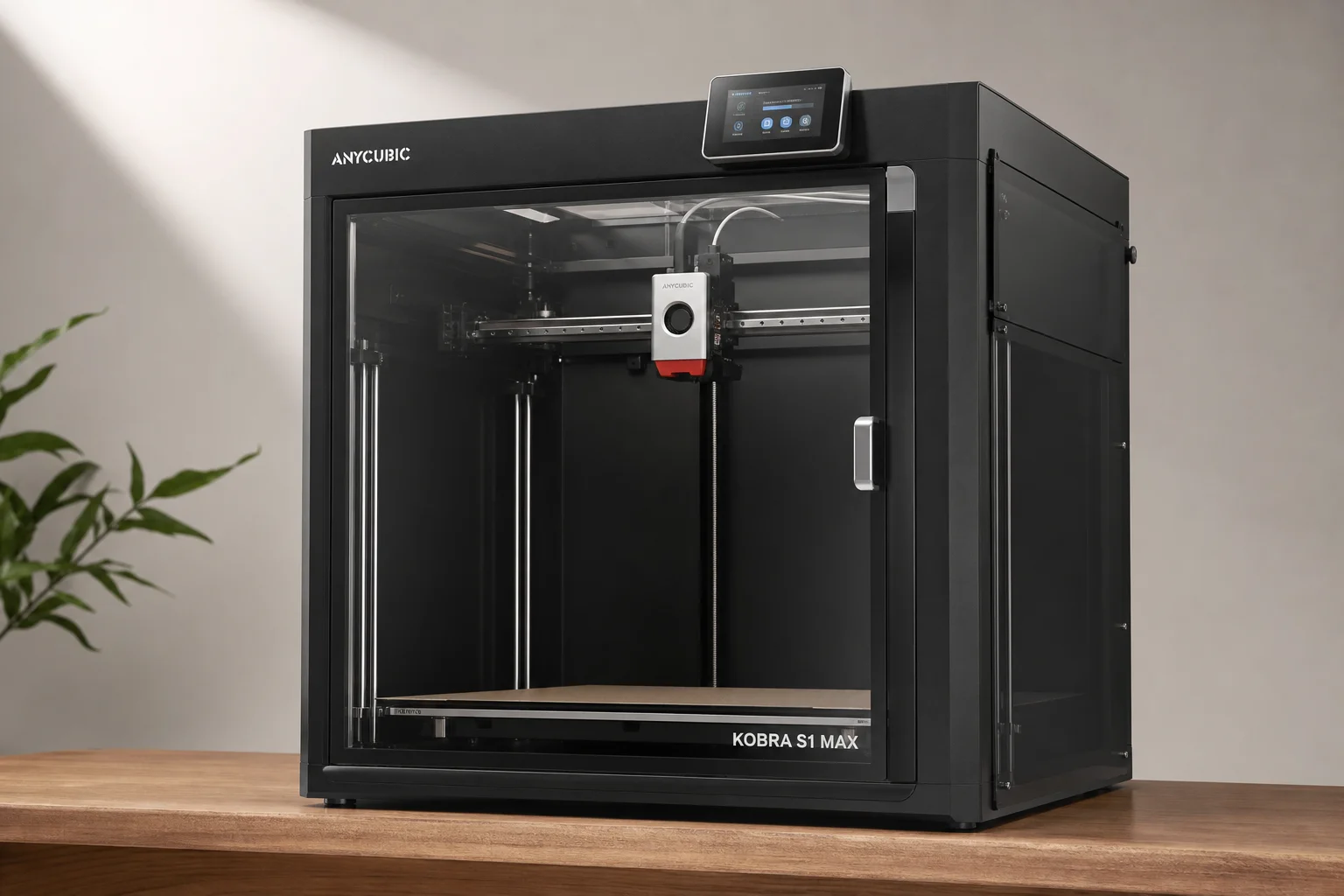
Anycubic introduced promising models at competitive prices, but long-term reliability has been a significant issue, particularly with multicolor systems. The company’s leadership has committed to addressing these problems with the new Kobra X and Kobra S1 Max lineup.
Publishing their Klipper fork brings Anycubic into compliance with open source licensing obligations. However, the company still pushes its own OrcaSlicer fork rather than integrating cloud services and profiles into the mainline version. Users who want to access Klipper’s full feature set, such as custom Z-offsets, must essentially jailbreak their printers using third-party software like Rinkhals. This approach is unnecessarily restrictive.
Anycubic should pursue more original innovation rather than iterating on others’ designs. The Kobra X shows signs of this first-principles thinking, which is encouraging.
Creality: Innovation Over Volume
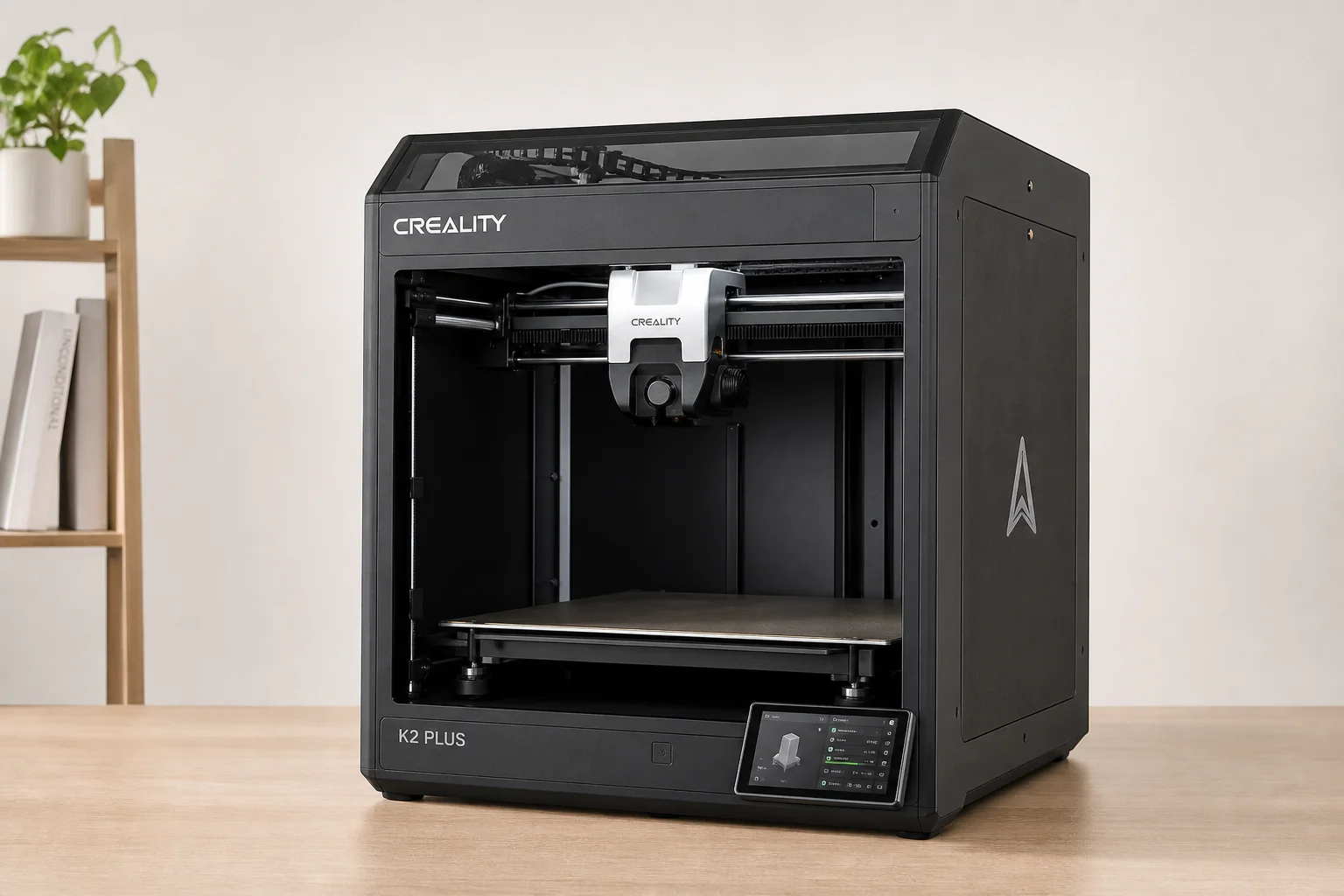
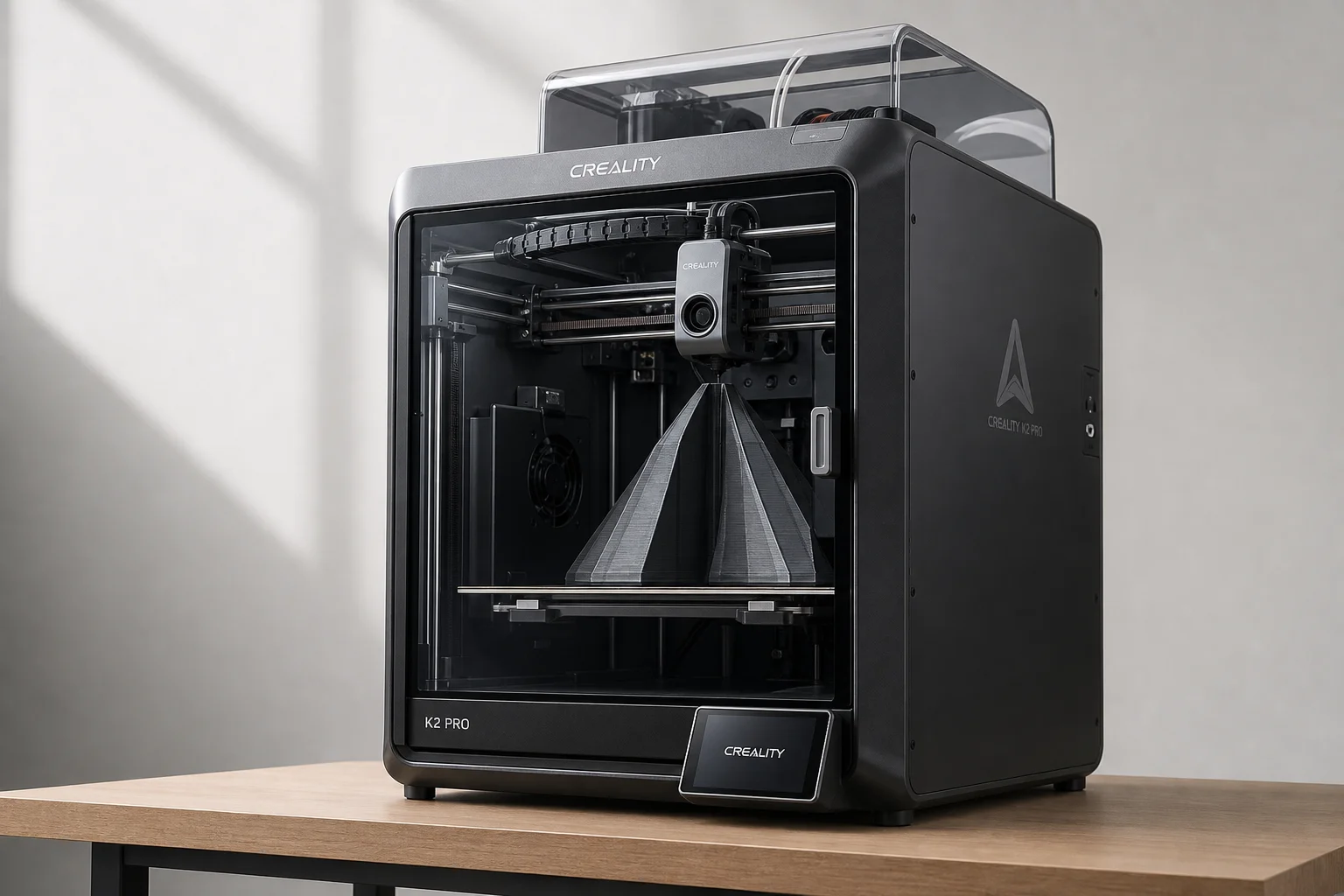
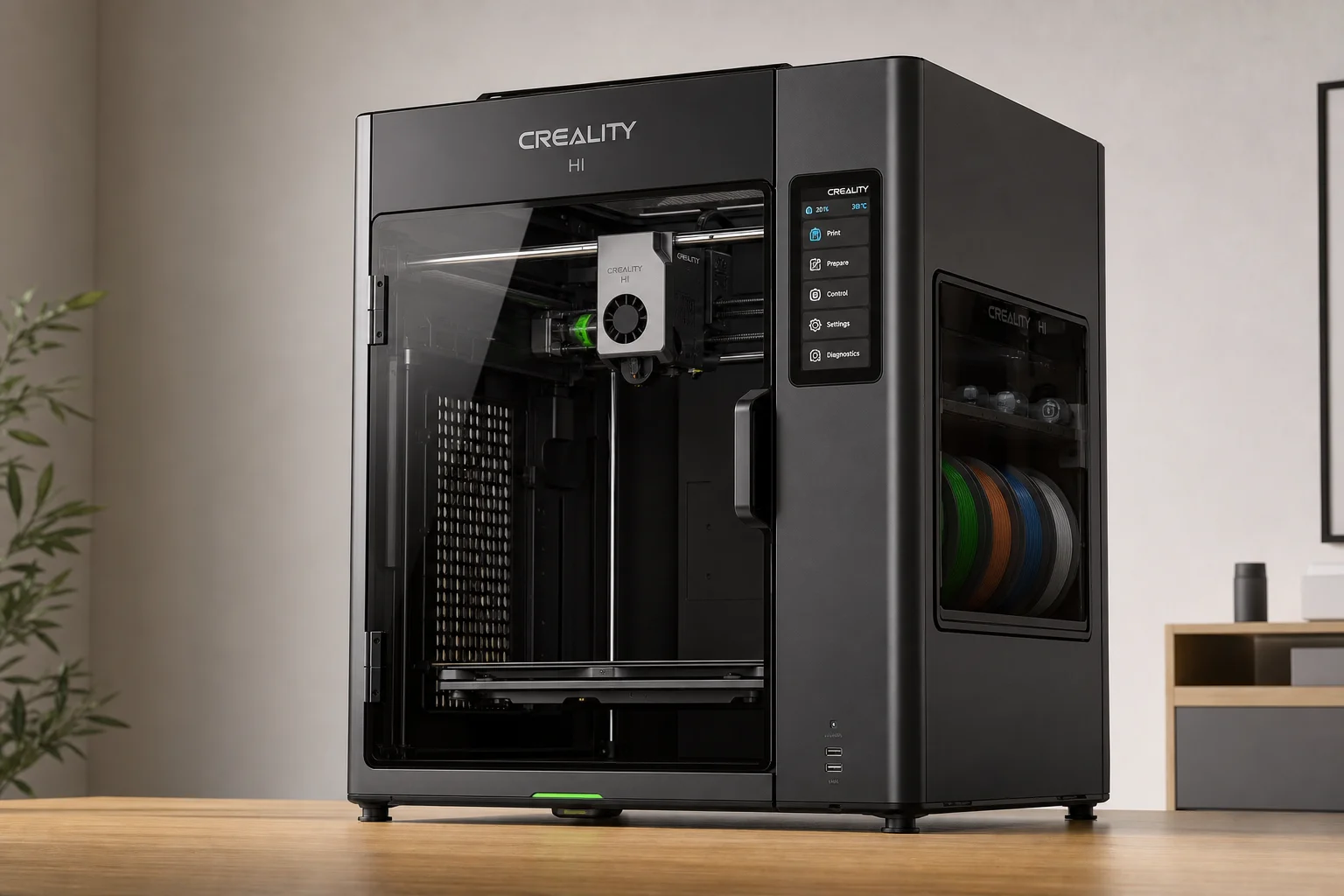
Creality is known for manufacturing scale and cost reduction, not innovation. The company had a rocky 2025. While the K2 Plus performed well, the K2 Pro and Creality HI were slow sellers, and reliability issues plagued many units.
The company should redirect resources from replicating competitors’ products toward genuine R&D. Creality has the capacity to solve the toolchanger problem in a novel way rather than copying existing approaches. However, internal challenges may be limiting this potential. Reports of significant talent exodus, particularly in marketing, suggest employee satisfaction is low. Addressing workplace culture should be a priority.
Within its current lane of cost reduction and accessibility, Creality must stop releasing so many models. The product lineup has become confusing for customers, with new models announced before previous ones even ship. Retiring older models like the Ender 3 would clarify the market position and reduce customer confusion.
Snapmaker: A Promising New Direction
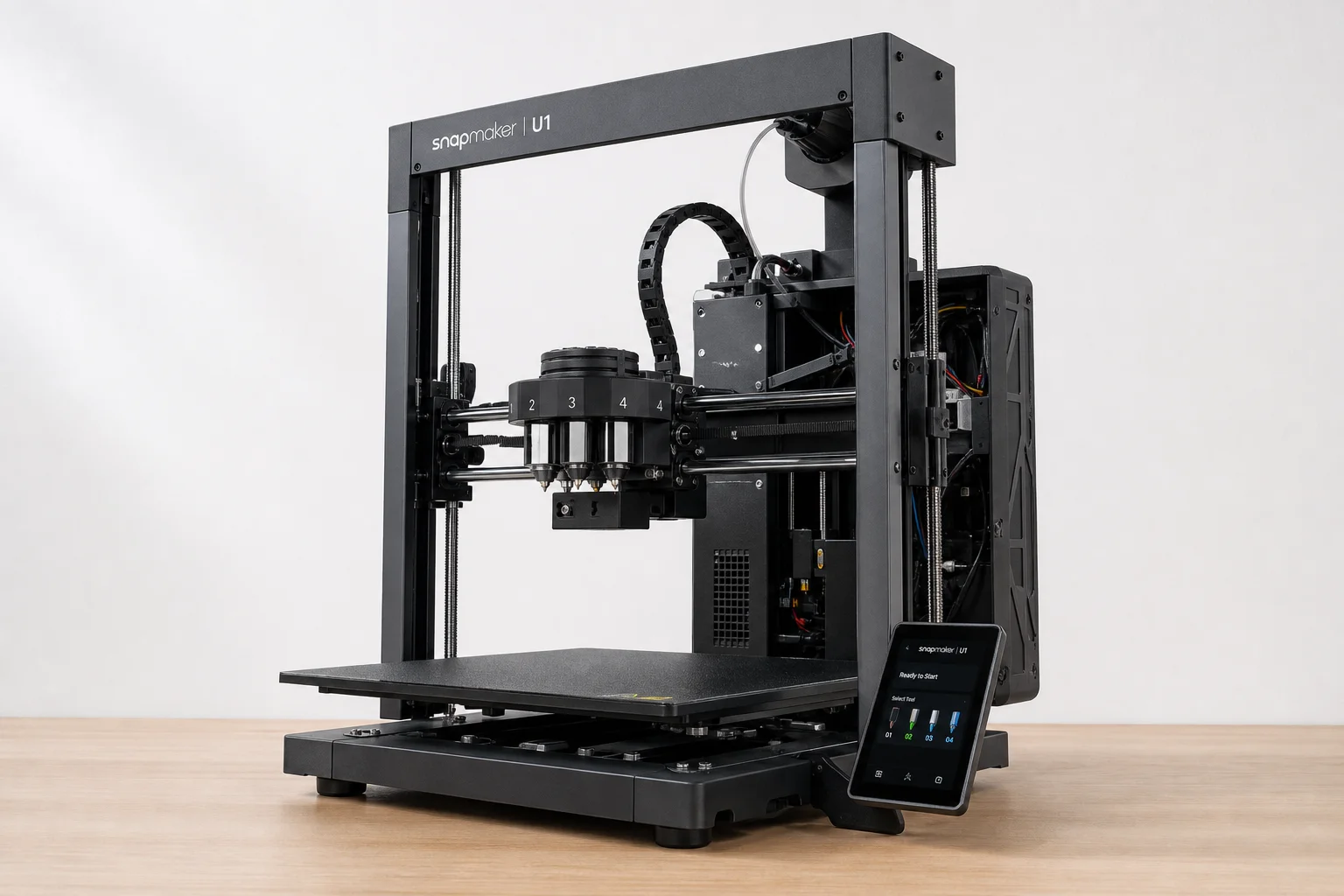
Snapmaker has undergone a remarkable transformation in 2025, pivoting from niche 3-in-1 and IDEX machines to a mass-market, low-cost toolchanger. The U1 represents a genuine shift in company strategy, and the execution has been impressive.
The company is doing nearly everything right: open source software, community-friendly practices, and welcoming third-party manufacturers into the ecosystem. Cloud reliability issues are the primary concern, but they are manageable.
For 2026, a 350-millimeter cubed, seven-toolhead U1 Max or U2 with a heated and filtered chamber, 350-degree hotend, and 120-degree heated bed would be transformative. Launching this machine in the first half of 2026 at or below $2,000 would generate overwhelming demand. The recent investment should provide the resources to execute at scale.
Bambu Lab: Success and Responsibility
Bambu Lab achieved extraordinary success in 2025, selling millions of printers and reaching billion-dollar valuations. The company has genuinely advanced consumer 3D printing accessibility. That success brings responsibility.
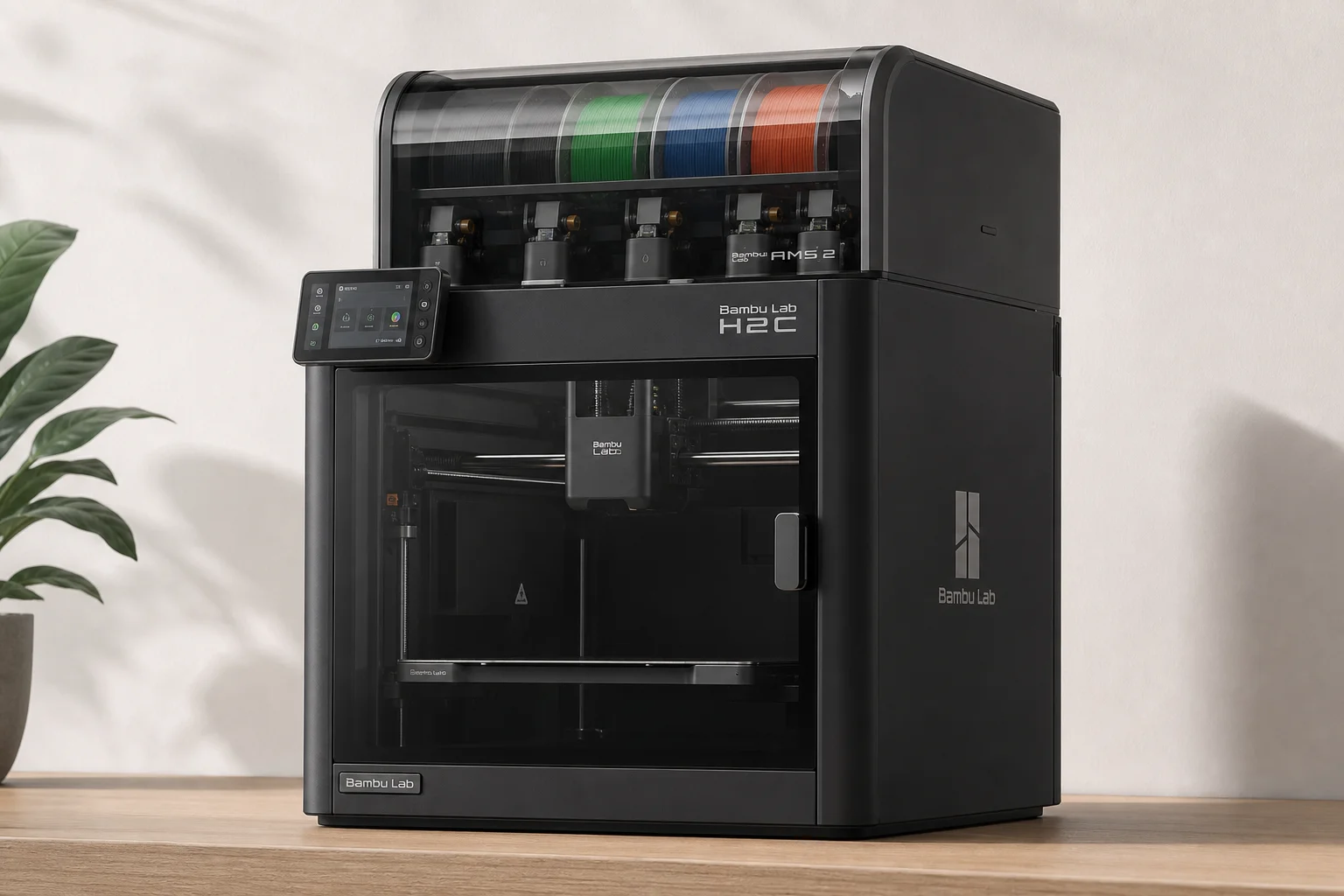
The community’s concerns about the closed ecosystem approach are well documented. While the company is unlikely to change course, the H2C’s 45-second color change time is objectively too slow. Community feedback, had it been solicited and heard, would have flagged this limitation before launch.
More troubling than product missteps is a shift in professional conduct. Bambu Lab once celebrated competitors like Prusa and Creality, acknowledging the benefits of healthy competition. That gracious attitude has eroded. Recent behavior, including knee-jerk product teasers timed to disrupt competitors’ launches and rumors of ruthless business tactics, contradicts the company’s stated values. True sportsmanship is demonstrated when competitors succeed, not when they struggle.
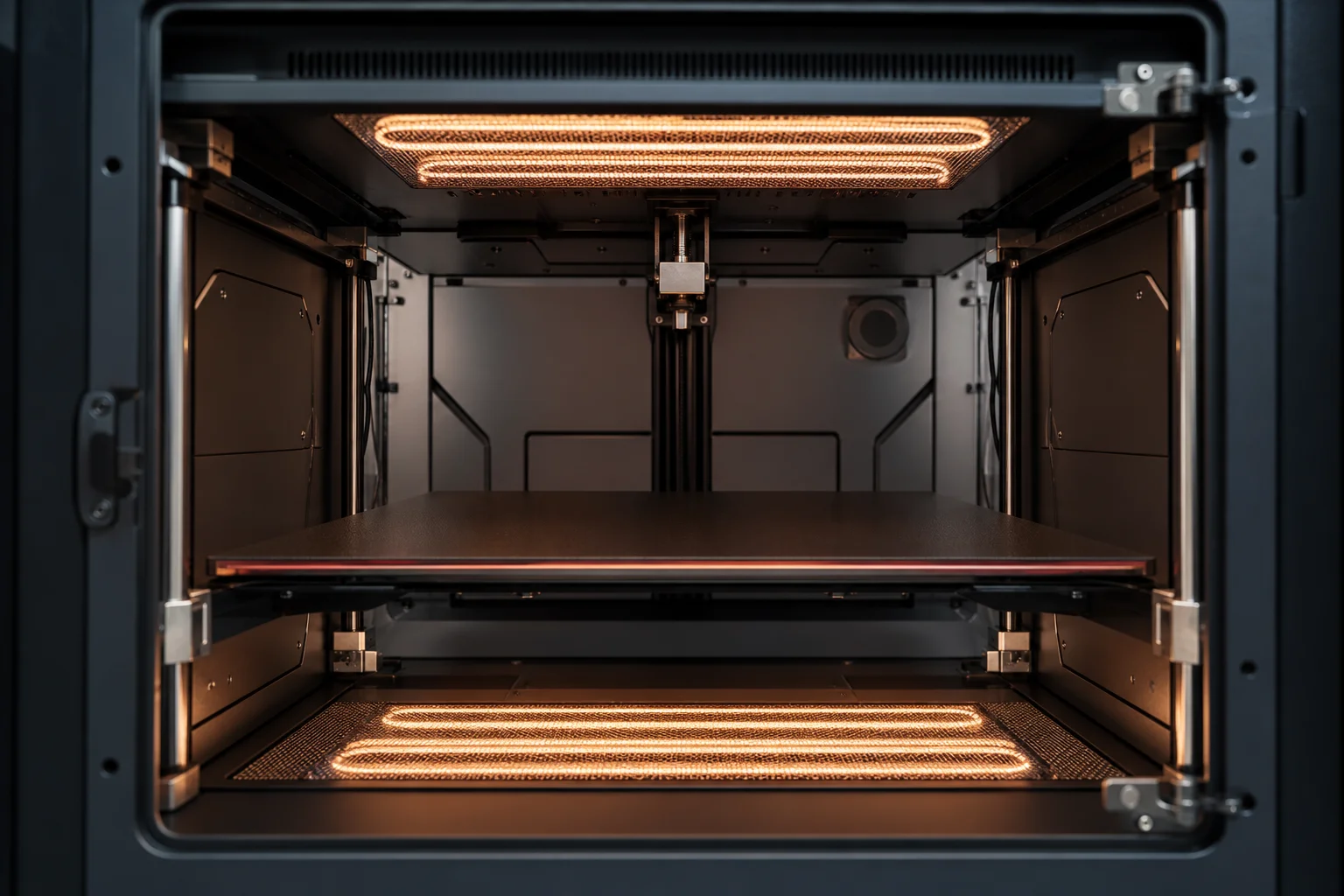
The company is better than this trajectory suggests. 2026 will be the most exciting year in consumer 3D printing history, and Bambu Lab’s choices will shape whether that excitement is driven by innovation and collaboration or by competitive hostility.
Conclusion
The 3D printing industry in 2026 stands at a crossroads. Manufacturers can choose to compete on innovation, openness, and community engagement, or they can pursue short-term market dominance through closed ecosystems and aggressive tactics. The best path forward is clear: adopt universal standards like OpenPrintTag, integrate deeply with OrcaSlicer, listen to community feedback, and compete fairly. The printers are already very good. What comes next depends on whether the industry chooses to build together or fight alone.
Further reading
Related Reviews
3D Printing
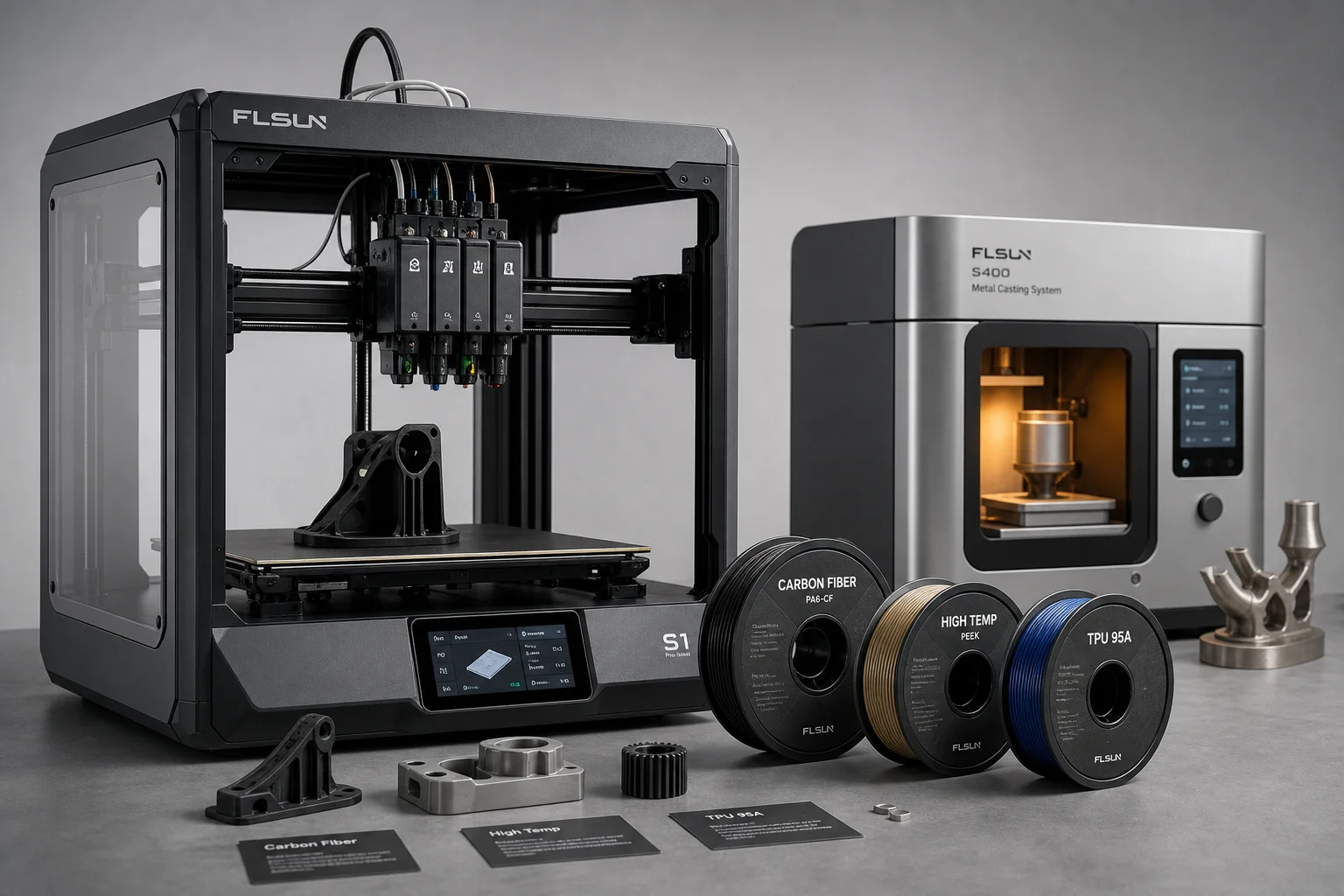
3D Printing Trends 2026: Multi-Material Systems, Stronger Filaments, and Desktop Metal Casting
FormNext 2025 revealed the direction of 3D printing in 2026: accessible multi-material printers, high-strength filaments, and innovative software solutions that bring industrial capabilities to the desktop.
3D Printing
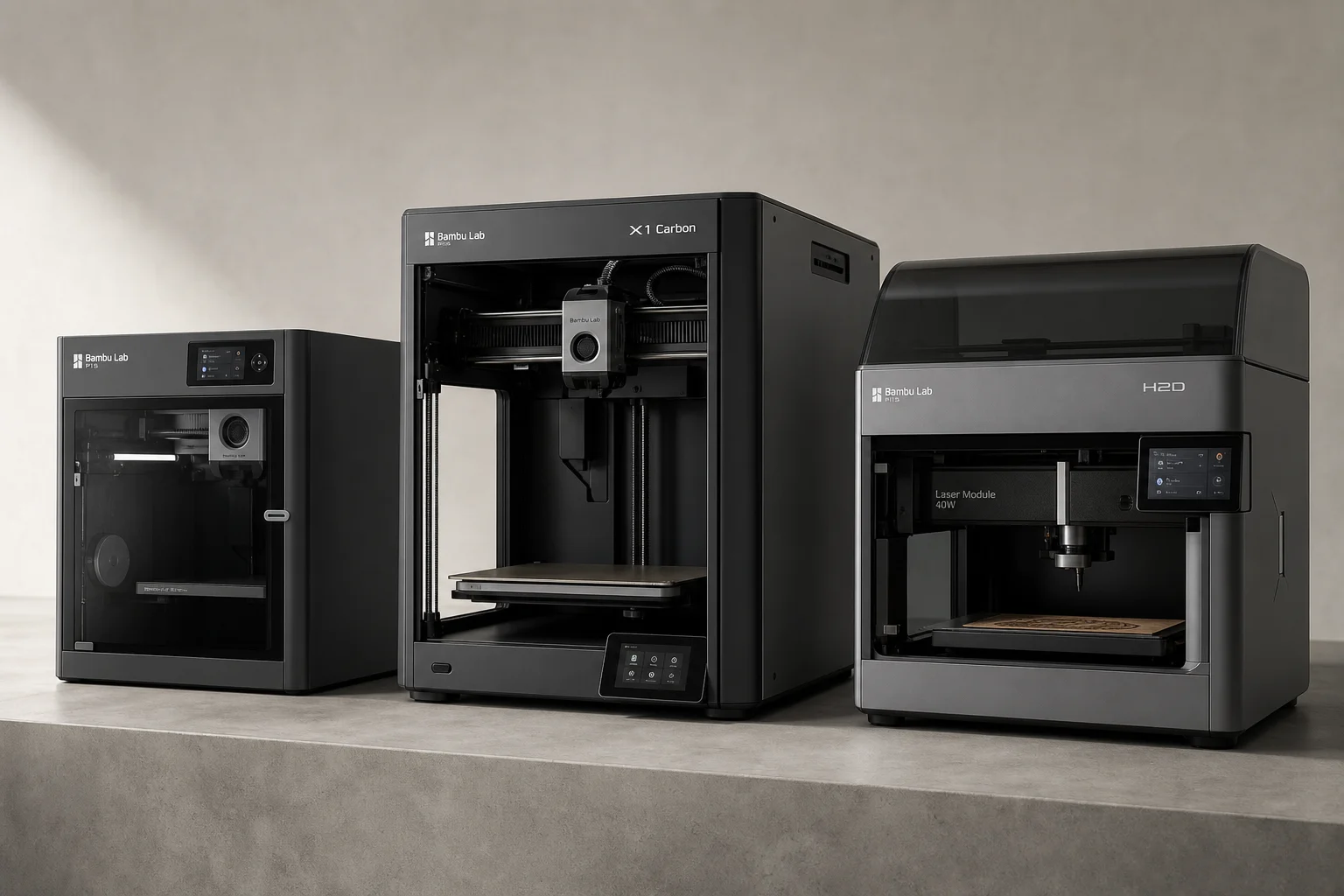
Bambu Lab 3D Printer Lineup 2025: Which Model Fits Your Needs
A comprehensive breakdown of Bambu Lab's current printer lineup, from mid-range workhorse models to flagship multifunction machines, with honest trade-offs for each.
3D Printing
Bambu Lab A1 Upgrades Guide: Nine Practical Enhancements Ranked
A comprehensive ranking of nine upgrades for the Bambu Lab A1 3D printer, from essential display modules to premium mounts and enclosures.