Cookware
HexClad Hybrid Cookware Review: Versatile Performance With Real Trade-Offs
HexClad's hexagonal hybrid design delivers better searing than non-stick and longer durability than traditional cookware, but it demands more oil for delicate foods and comes with a premium price tag.
Introduction
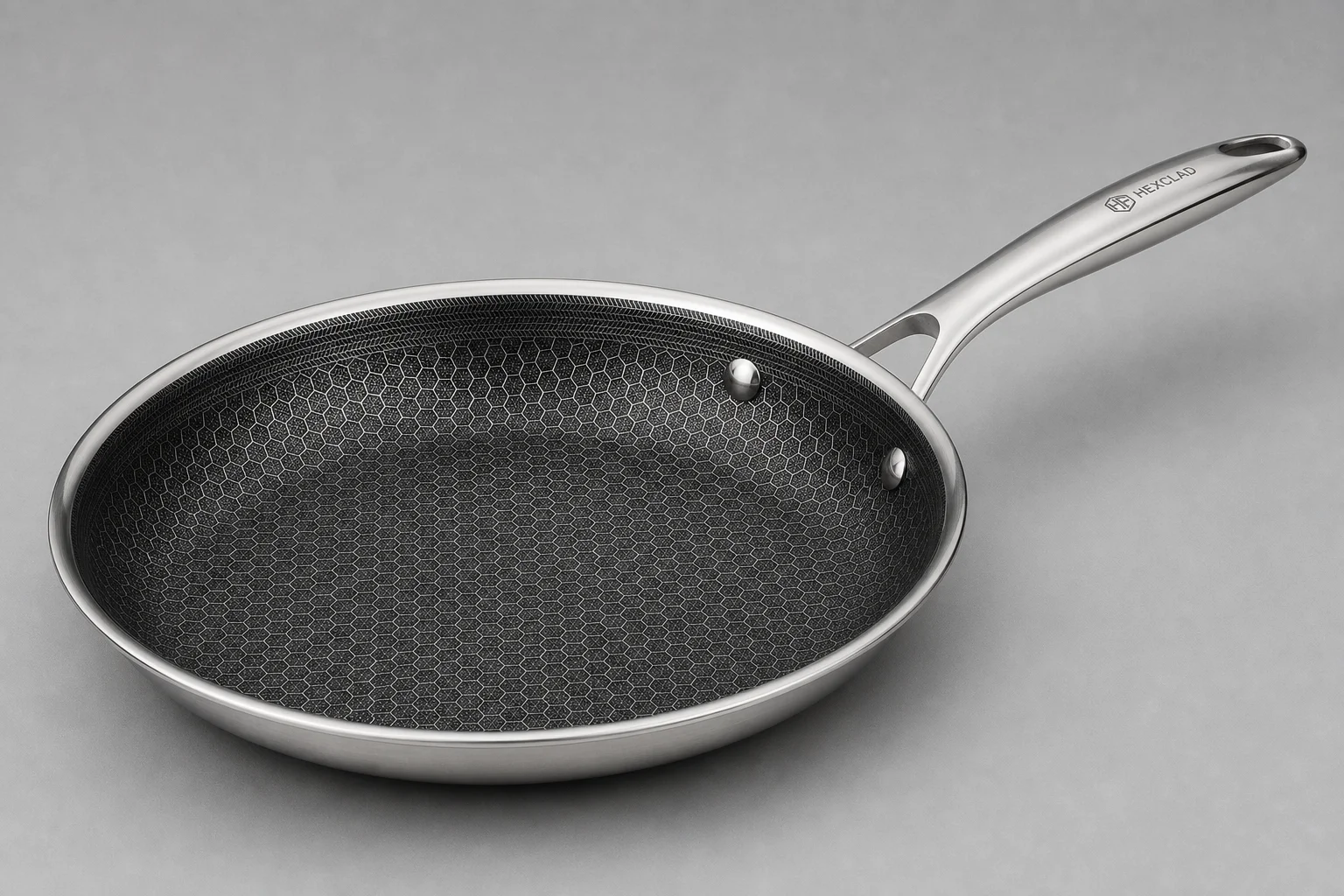
HexClad cookware has gained attention for its distinctive hexagonal surface pattern and claims of hybrid performance that bridges non-stick convenience and stainless steel durability. The pans feature a unique design with raised stainless steel peaks and non-stick valleys, allowing metal utensils without coating damage. After testing, HexClad delivers on its promise of versatility and longevity, but it comes with specific limitations and a premium price that merit careful consideration before purchase.
Hybrid Design and Durability
The core innovation behind HexClad is its hexagonal hybrid surface. Instead of a smooth non-stick coating, the pan features raised stainless steel peaks with non-stick valleys between them. This design means metal utensils like spatulas, tongs, and forks contact only the steel peaks, leaving the non-stick coating protected from scratches and wear.
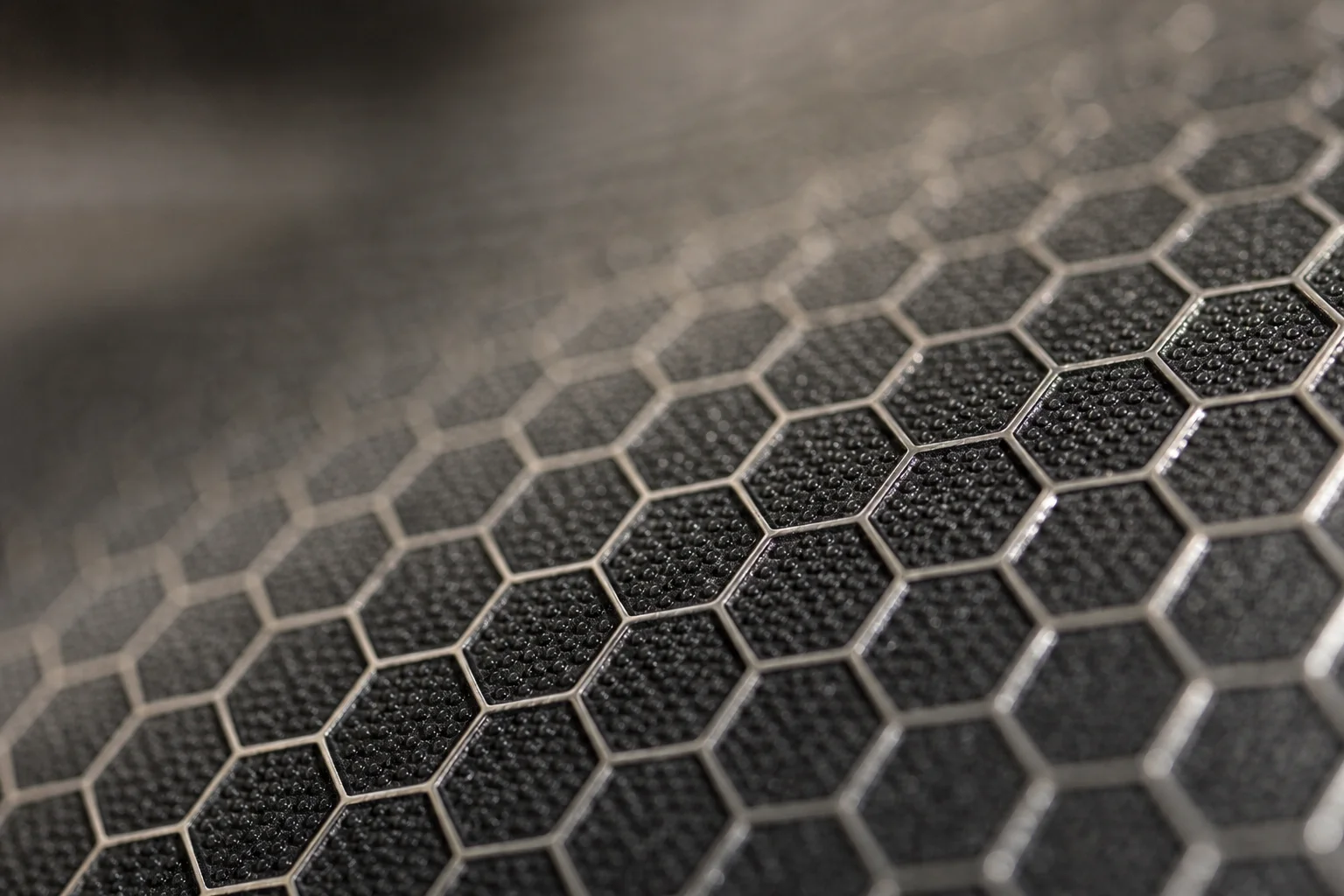
Most traditional non-stick cookware lasts 2 to 5 years before the coating degrades, especially if metal utensils are used. HexClad’s hybrid approach extends this lifespan significantly. The pans arrive with a slight concave curve in the bottom, which is intentional. As the pan heats during the first or second use, the bottom flattens out to a proper cooking surface. This design choice prevents the pans from becoming convex over time, a problem that can develop with fully-clad steel cookware if manufactured perfectly flat from the start.
HexClad backs its durability claims with a lifetime warranty that covers any manufacturing defects and performance issues. If the non-stick coating becomes scratched after years of use and that scratch causes food to stick, the warranty covers it. This is a meaningful commitment to longevity.
Cooking Performance and Versatility
In practical testing, HexClad performs as a genuine hybrid. It sears meat better than most traditional non-stick pans because the raised steel peaks grip food and develop browning more effectively. Bacon comes out crispy, chicken sears evenly, and chicken cutlets fry with good color development. The pan heats quickly and maintains stable temperatures, delivering consistent results across the cooking surface.
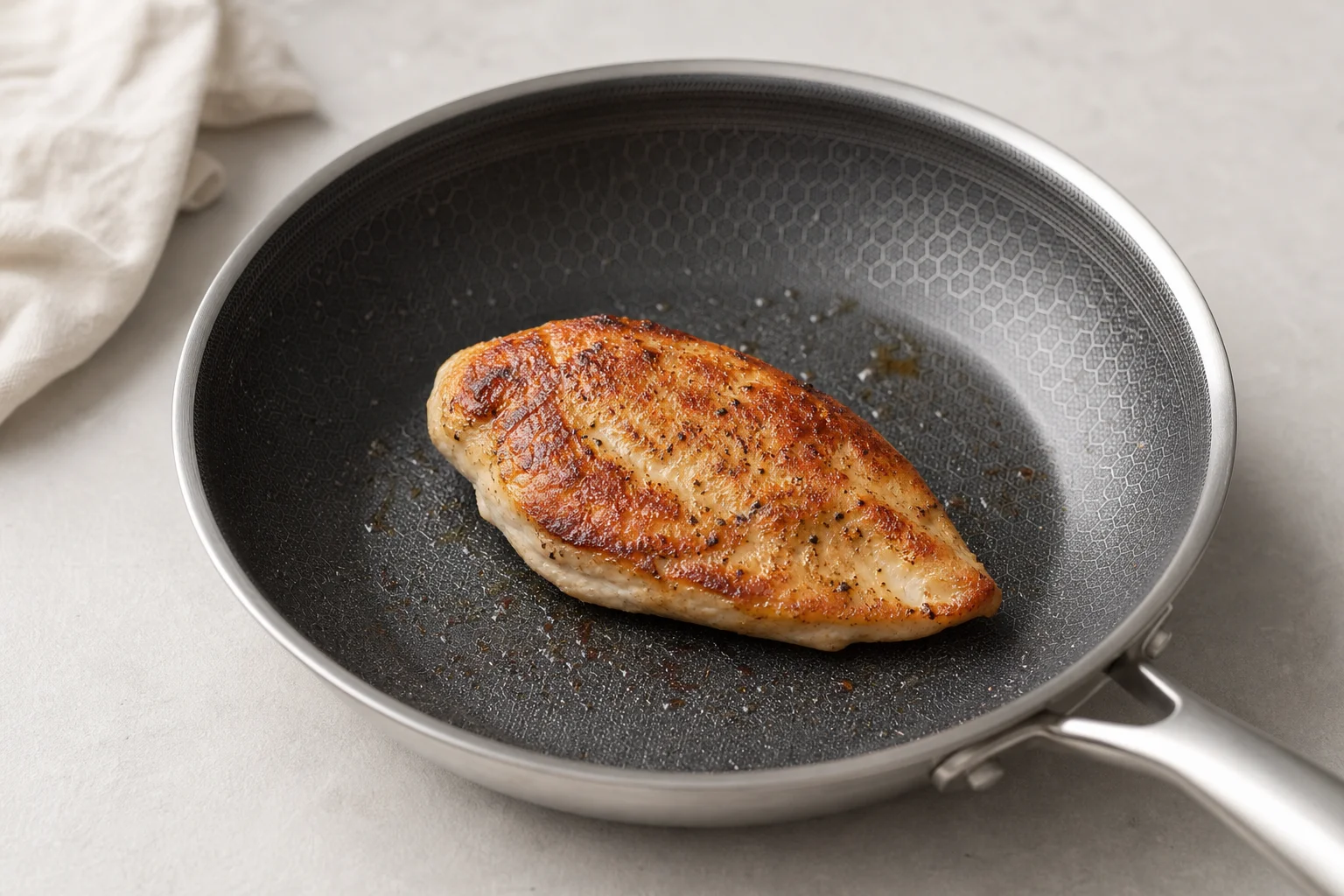
Compared to stainless steel, HexClad releases food more easily and cleans up faster. Compared to traditional non-stick, it grips food better and lasts longer. This versatility makes it useful for a wide range of tasks: sautéing vegetables, cooking pancakes, frying eggs (with adequate oil), roasting chicken, and browning meat. If your kitchen has limited storage space, HexClad reduces the need for separate pans for different cooking methods.
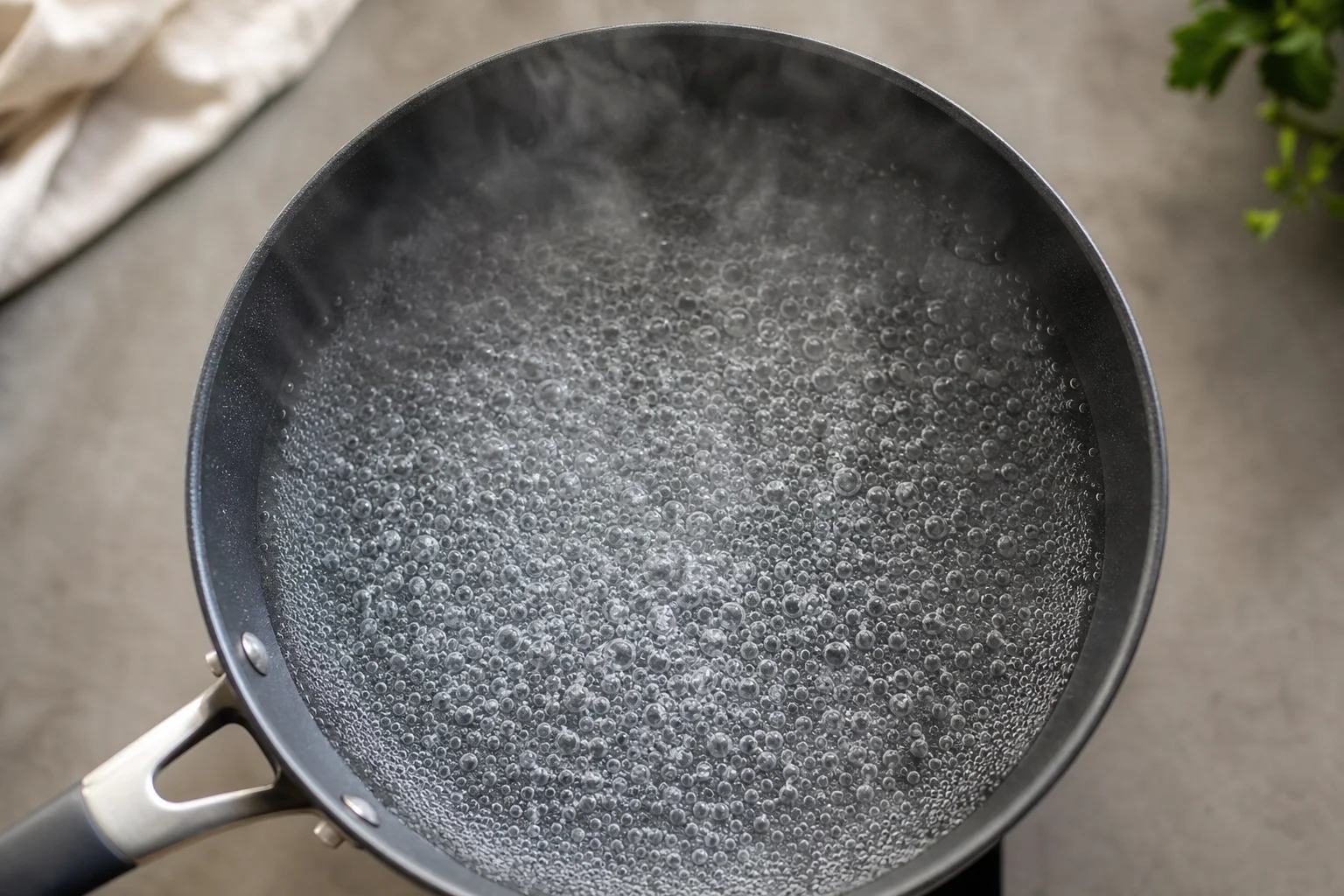
Heat distribution is above average. In a standard boiling test, water heated uniformly across the cooking surface and came to a boil quickly. Heat retention also exceeds typical non-stick cookware and outperforms brands like Calphalon, Hestan, and All-Clad. After five minutes off the heat, water temperature measured 120°F, and after ten minutes it was 102°F.
Limitations With Delicate Foods
HexClad’s hybrid design comes with a trade-off for delicate foods. Unlike traditional non-stick pans, which release eggs with minimal or no oil, HexClad requires adequate greasing. If you preheat properly and use sufficient oil or butter, eggs cook without sticking. Without adequate fat, delicate foods will stick to the surface.
This limitation is significant if you cook eggs frequently with minimal oil or butter. Traditional non-stick cookware remains superior for this specific use case. Similarly, if you need a pan for high-temperature broiling or extreme heat cooking, HexClad is not the right choice because the non-stick coating has temperature limits.
Handle Design and Build Considerations
The handles on HexClad pans are relatively short. A 12-inch fry pan has an 8-inch handle, compared to 9 inches on All-Clad non-stick cookware. This means your hand sits closer to the heat source. While the handle end stays cool on the stovetop, it begins to warm about 2 inches from where the handle joins the pan.
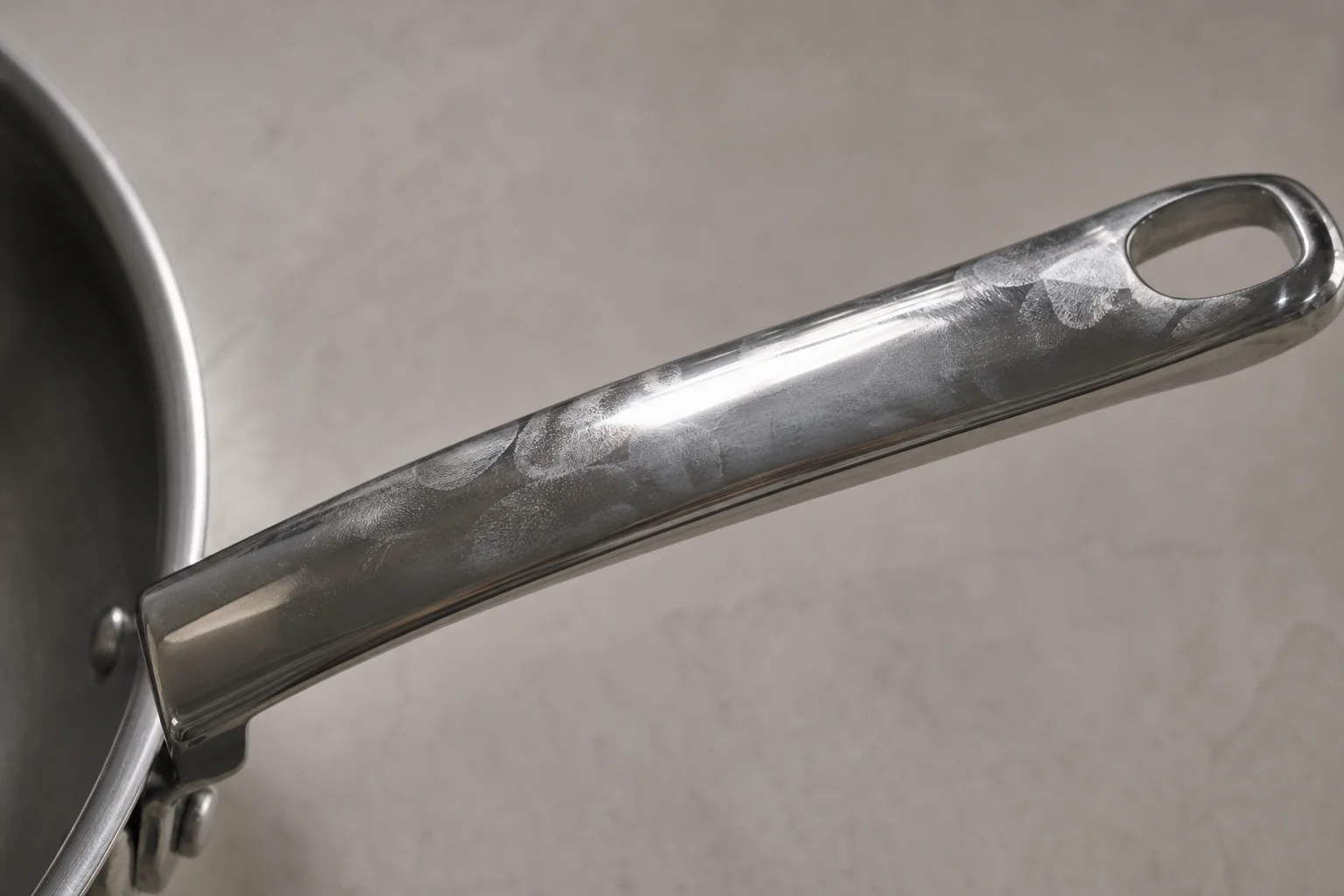
The round handle design is comfortable for most cooking tasks, but the smooth, polished steel finish creates a slipping hazard when your hands are greasy, wet, or holding a towel or pot holder. The handle can rotate unexpectedly when tilting the pan to slide food onto a plate. Extra care is needed during these movements.
The polished steel handles look premium initially but quickly accumulate smudges and fingerprints. Regular buffing is required to maintain the appearance.
HexClad cookware is manufactured in China, which is worth noting if you have a preference for domestically made products.
Ease of Cleaning and Warranty Coverage
HexClad cleans like a typical non-stick pan. A quick rinse with soap and water removes most food residue unless the pan is heavily scorched. This ease of cleaning is a genuine advantage over stainless steel cookware, which often requires more scrubbing and soaking.
The lifetime warranty is backed by HexClad’s commitment to cover any manufacturing defects and performance-related issues. The company confirmed that if the non-stick coating scratches after years of use and causes food to stick, the warranty applies. This performance-based warranty is more comprehensive than many competitors offer.
Price Consideration
HexClad is significantly more expensive than most non-stick cookware options. The premium pricing reflects the hybrid design, durability claims, and lifetime warranty. For buyers who plan to keep cookware for many years and value the ability to use metal utensils without worry, the higher upfront cost can be justified by the extended lifespan and reduced need for replacement.
Conclusion
HexClad is not a marketing gimmick. The hybrid design genuinely delivers better searing than traditional non-stick and longer durability than standard cookware. It excels for cooks who want versatility and plan to keep their pans for years. However, it is not the right choice for everyone. If you prioritize cooking eggs with minimal oil, need extreme heat capability for broiling, or prefer lower-cost cookware, traditional non-stick or stainless steel remains a better fit. For those seeking a durable, versatile pan that bridges the gap between non-stick convenience and stainless steel performance, HexClad delivers on its promise.
Product link
View more details for HexClad Hybrid Cookware
This product is mentioned in the review. Check the specifications, options, and compatibility before buying.
View more details for HexClad Hybrid CookwareFurther reading
Related Reviews
Cookware
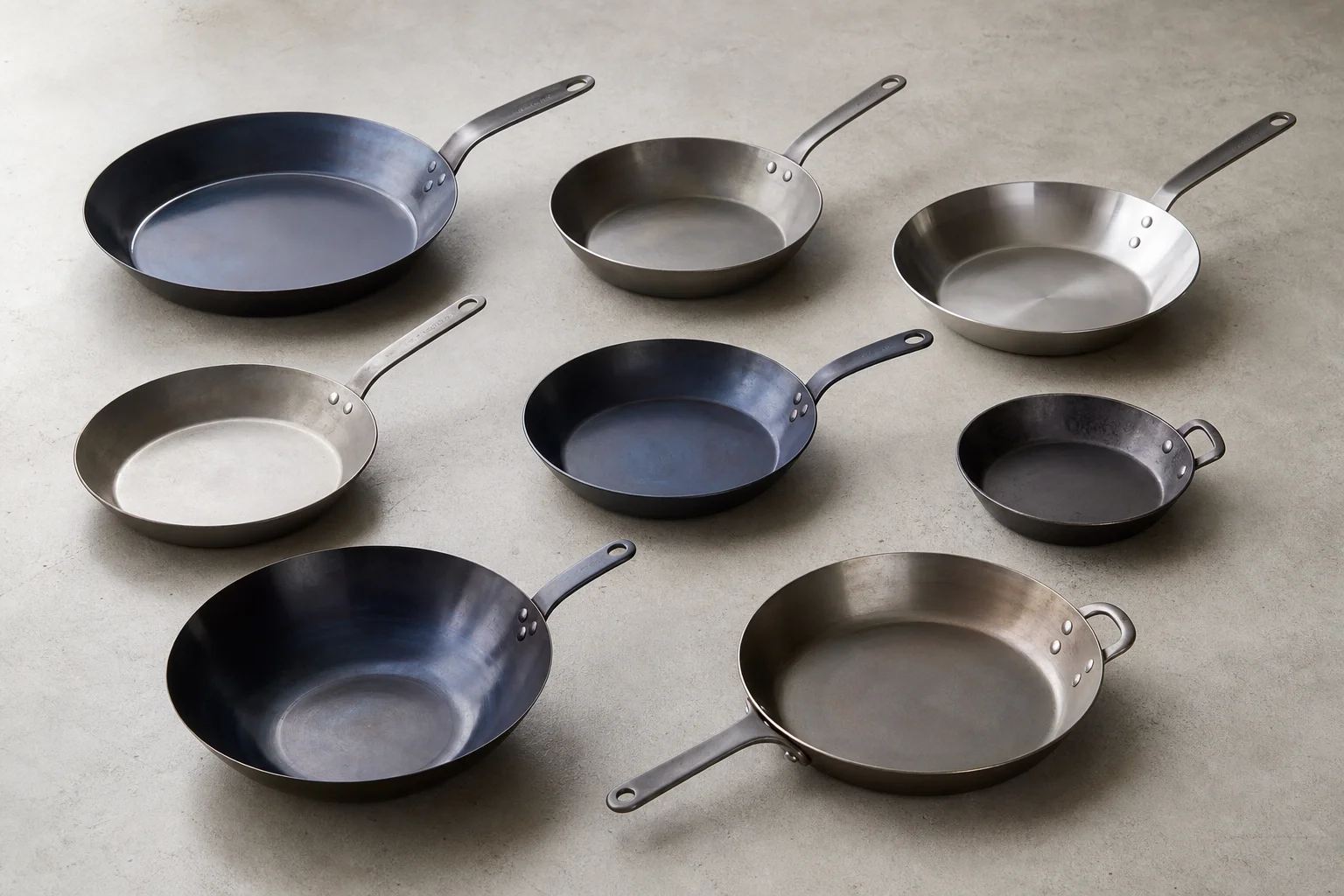
Best Carbon Steel Pans Tested: Which Brands Deliver Real Value
We tested eight popular carbon steel pans with controlled durability, heat, and cooking tests. Here's which ones perform best and which to avoid.
Cookware
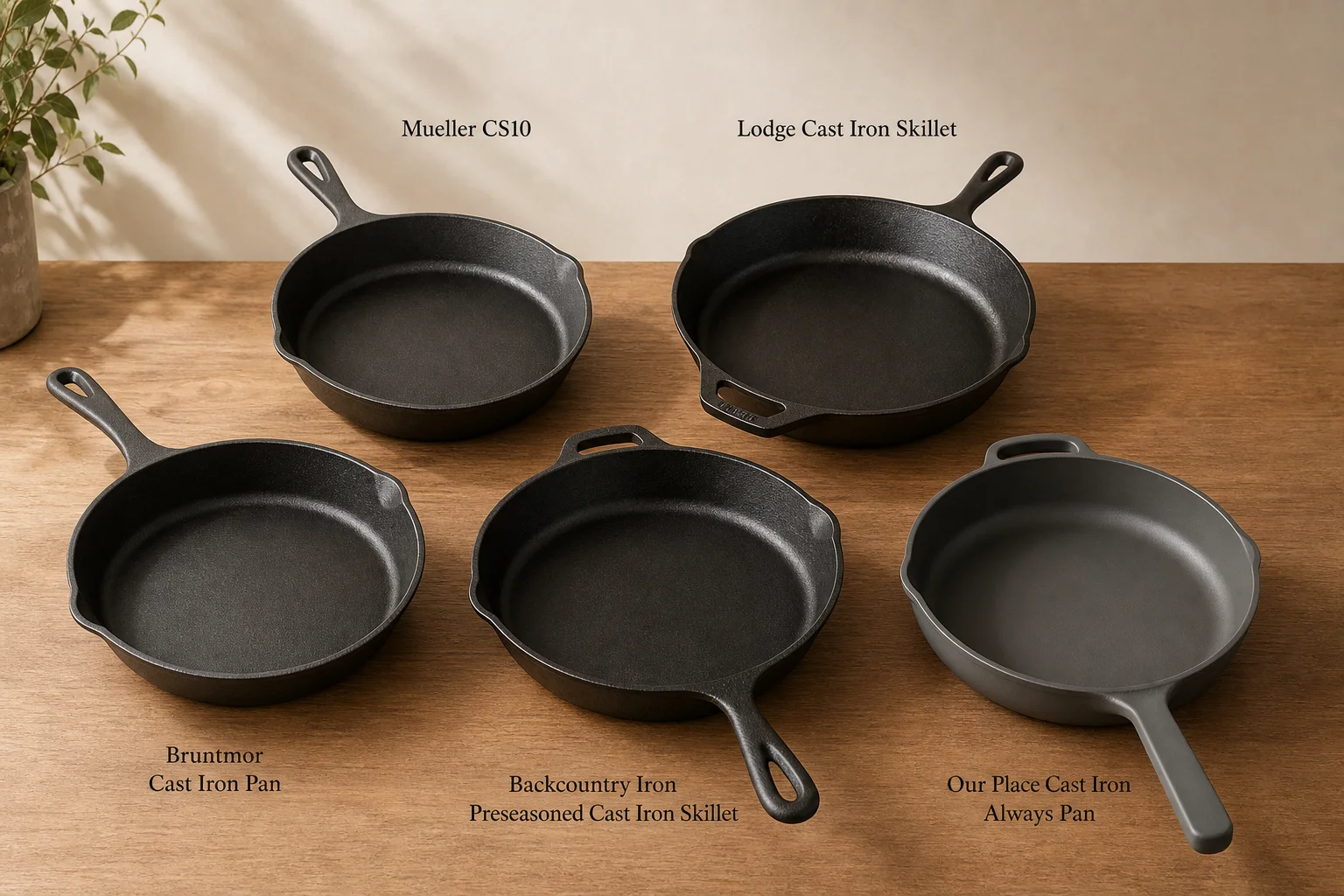
Best Cast Iron Pans 2026: Five Options from Budget to Premium
A practical breakdown of five cast iron skillets, from affordable Mueller to premium Our Place, with clear strengths and trade-offs for different cooking needs.
Cookware
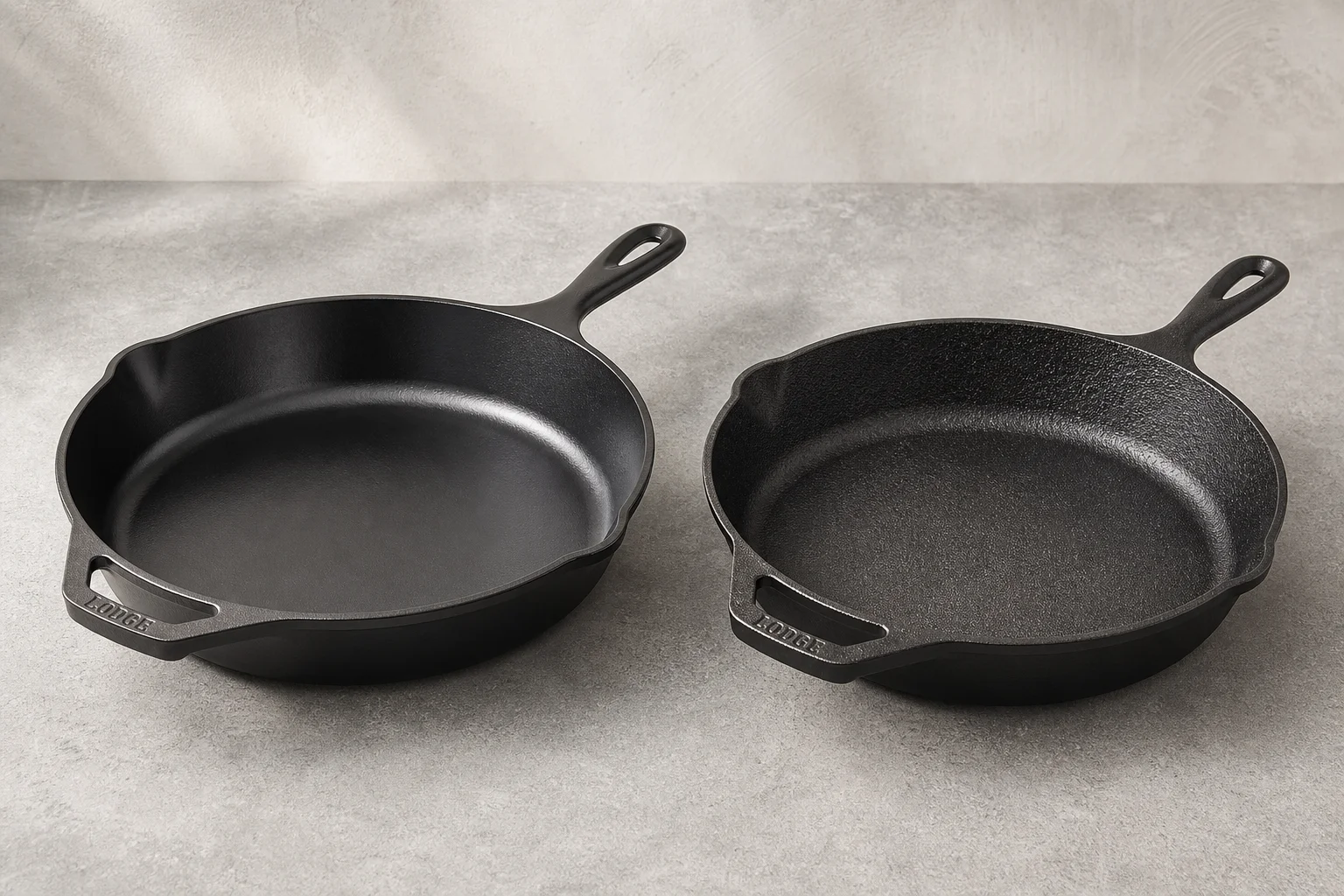
Best 12-Inch Cast Iron Skillets: Premium Craftsmanship vs. Reliable Budget Option
Two standout 12-inch cast iron skillets tested for heat retention, surface finish, and durability. One premium choice and one budget-friendly alternative that both deliver.