Cookware
Best Carbon Steel Pans Tested: Which Brands Deliver Real Value
We tested eight popular carbon steel pans with controlled durability, heat, and cooking tests. Here's which ones perform best and which to avoid.
Introduction
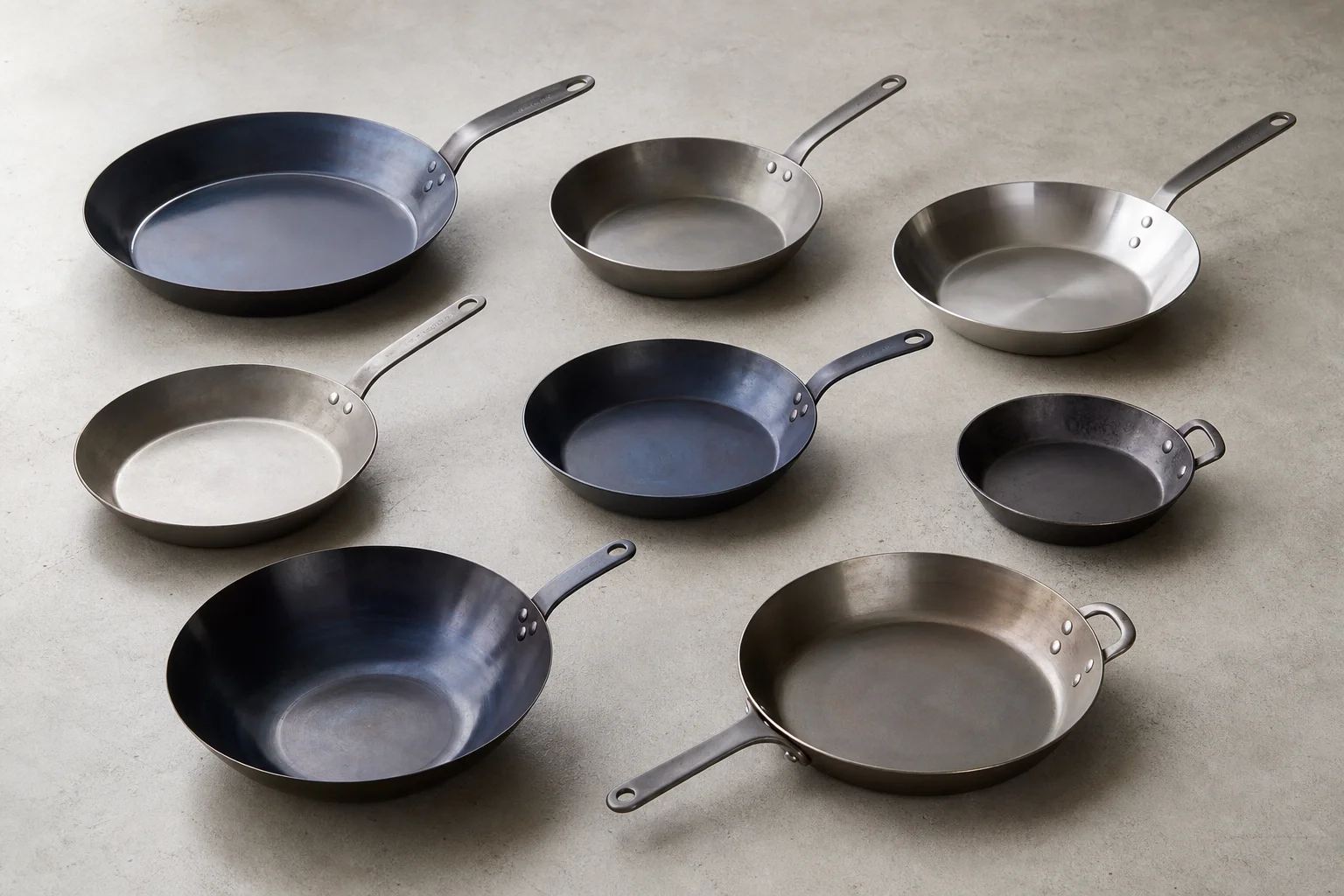
Carbon steel pans offer excellent heat retention and seasoning potential, but prices range from $45 to $295. We tested eight popular models using controlled durability, heat conduction, heat retention, handle temperature, and non-stick performance tests to determine which brands deliver real value and which ones fall short.
Lodge Carbon Steel Skillet
At $45, the Lodge 12-inch carbon steel skillet is the most affordable option tested. Made in the USA and pre-seasoned, it’s ready to use straight from the box. The lightweight construction at 4.3 lb and short walls make it ideal for browning and searing, though the low walls offer minimal splash protection.
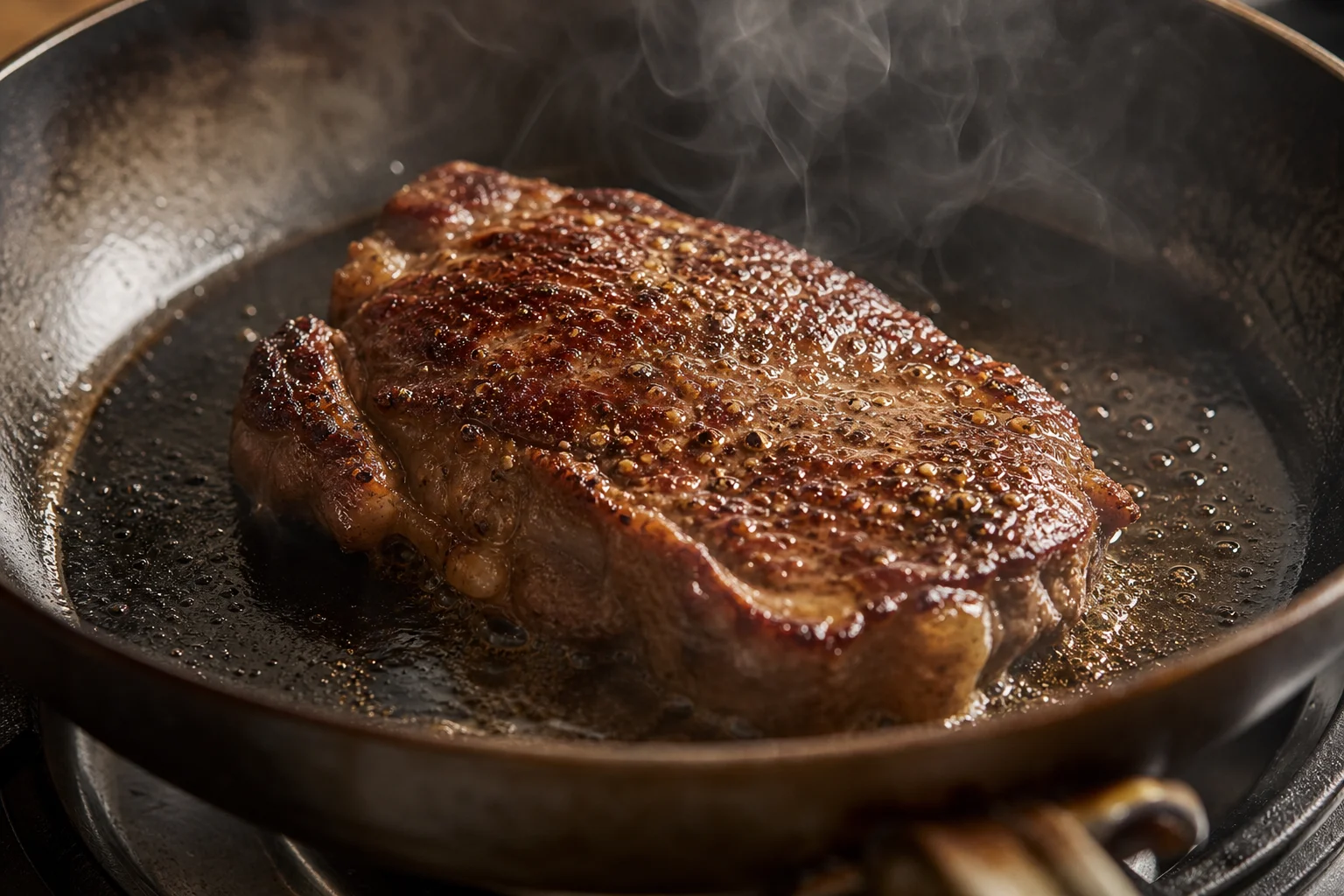
The pan performed average in heat conduction and slightly above average in heat retention. It survived the durability test without denting, though some seasoning chipped off. The roughest texture of all tested pans means the edges and handle feel rugged and somewhat sharp. A silicone sleeve is highly recommended, as the bare handle edges dig into your hand and get warm during extended stovetop cooking. Despite the rough surface, eggs cook without sticking, though they don’t glide as freely as on smoother pans. The rough texture does help seasoning adhere well, requiring minimal re-seasoning over months of use.
De Buyer Blue Carbon Steel
The De Buyer Blue Carbon Steel 12.5-inch pan costs $80 and is made in France. The heat-treated steel resists corrosion and develops a dark blue finish. It’s lightweight with high walls and a welded 10-inch handle that has no rivets, making cleaning easier. The pan sears evenly, performed well in egg tests, and survived durability testing. The handle stays warm at 88°F but not as hot as Lodge.
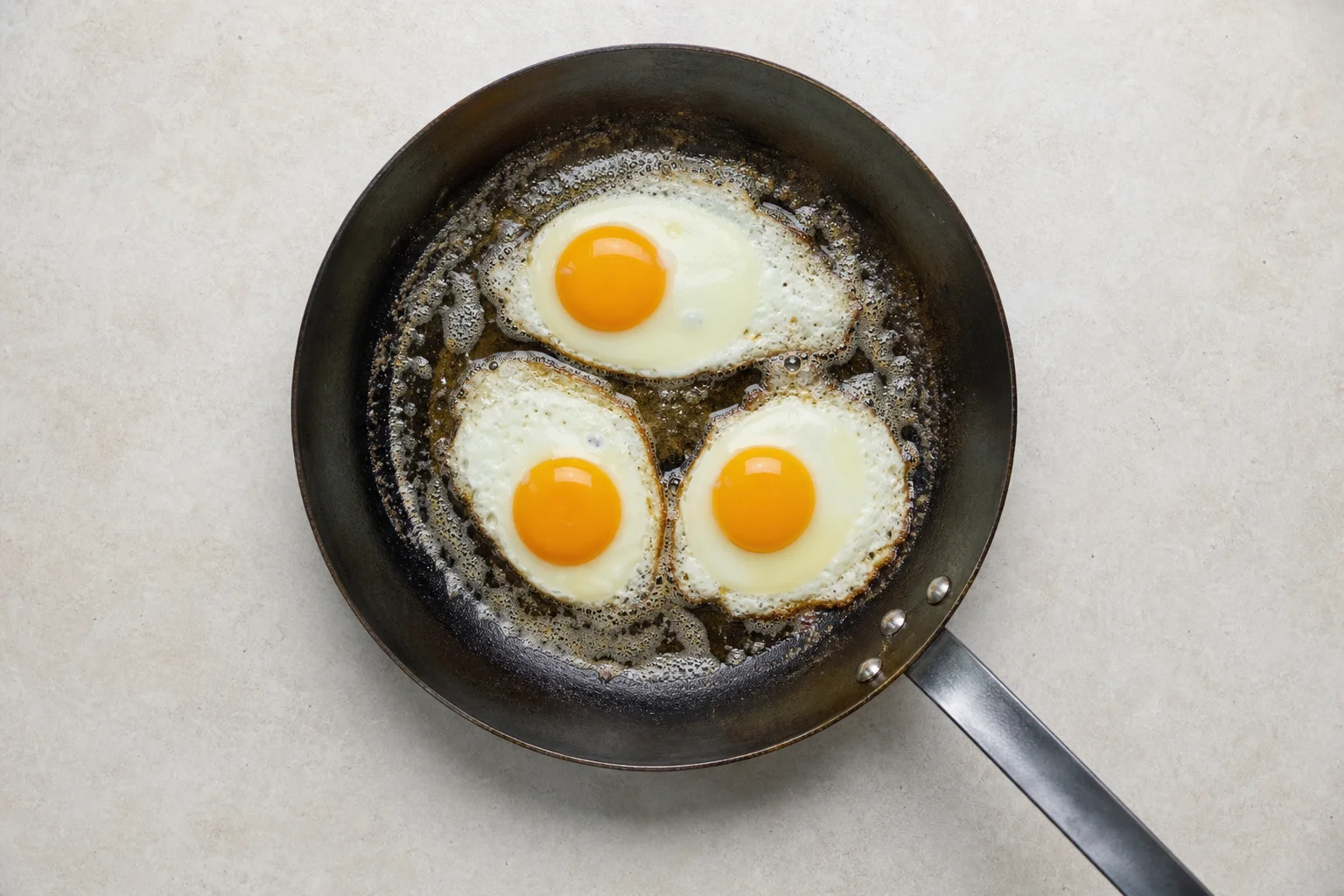
The main drawbacks are the uncomfortable flat handle with a steep angle and poor heat retention due to thin construction. It ranked third-worst in heat retention among the eight pans. The handle design requires over 7 inches of oven clearance and the thin edges dig into your hand. Despite these limitations, it offers strong performance at a reasonable mid-range price.
Matfer Carbon Steel Pan
The Matfer costs $86, is made in France, and comes unseasoned. It was America’s Test Kitchen’s top-rated carbon steel pan until a recent recall. The industrial design includes a longer 10.2-inch handle and heavier construction than four of the eight tested pans. Short walls form sharp corners with a flat cooking surface.
The pan performed average in heating tests and passed egg and durability tests. However, it was recalled in France after regional regulators found it released excessive levels of arsenic, chromium, and iron when cooked in highly acidic solutions for 2 hours. While Matfer states the pan is safe with proper use and avoiding acidic foods, this is impractical since acidic ingredients are common in everyday cooking. The appeal is ongoing, so hold off on purchasing until additional testing is completed and the situation is resolved.
Made In Carbon Steel Pan
The Made In 12-inch pan costs $129, is made in Sweden, and comes pre-seasoned. It has the second-largest cooking surface, tallest walls, and is 1.5 lb lighter than the De Buyer Mineral B. The curved handle stays cooler than most and has smoother edges than Lodge and Matfer, making it more comfortable. Performance was strong in egg tests and other cooking tests, and it passed durability testing.
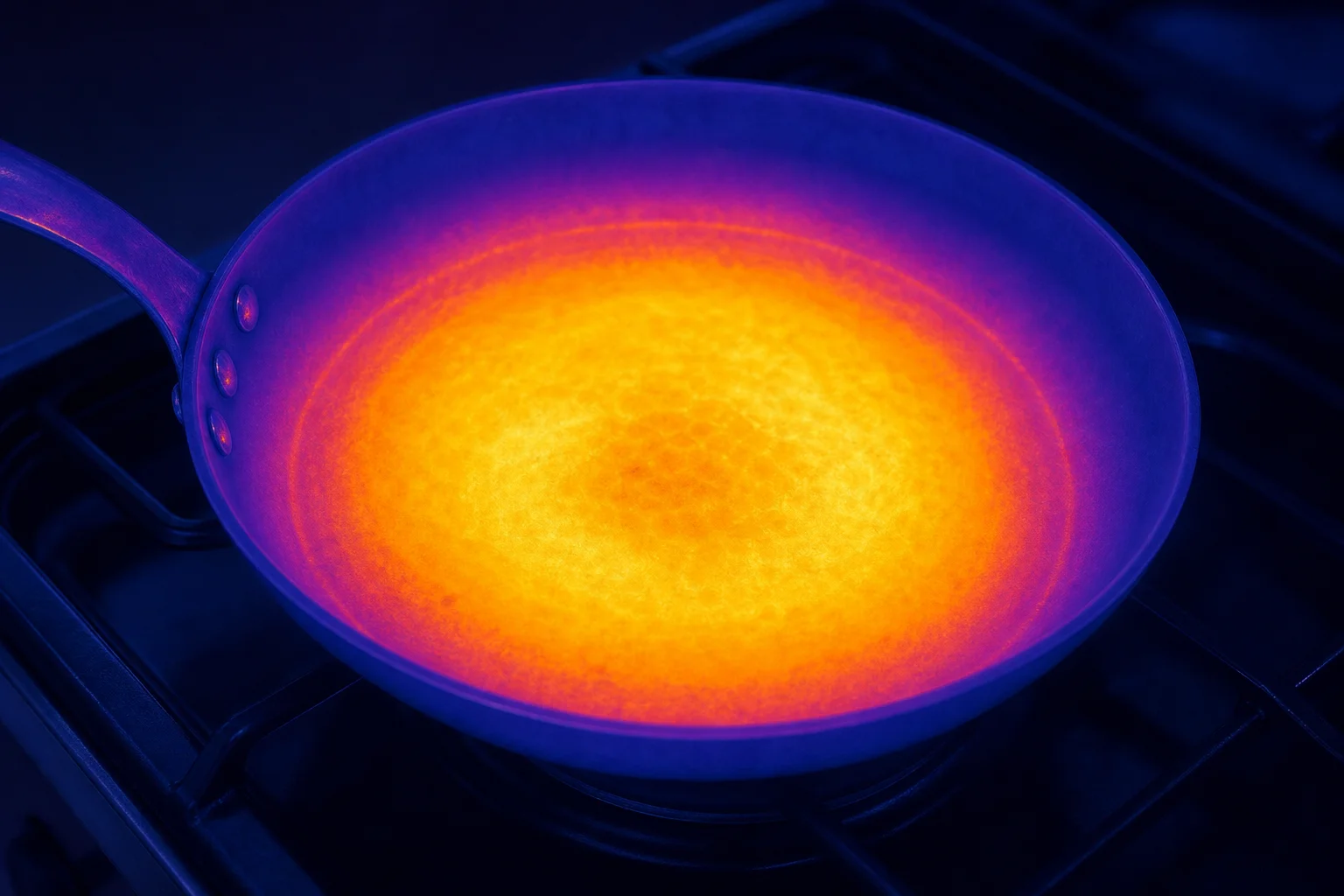
The critical issue is poor heat retention, the worst of all eight pans tested. In heat conduction tests, the temperature difference between the center and edge was by far the largest. Thermal camera testing confirmed this poor performance. The pan noticeably warped during testing and no longer sits flat on the cooktop, preventing full contact with the heating surface. While other Made In carbon steel pans have performed well, this particular model showed unexpected warping issues.
De Buyer Mineral B Pro
The De Buyer Mineral B Pro costs $145 and is the brand’s most expensive carbon steel pan. The body matches the standard Mineral B with the same thickness, weight, and excellent heat retention, tying for the best heat retention score. The key difference is the handle: instead of an epoxy-coated flat design, it features a polished stainless steel handle that’s thicker with rounded edges for comfort. This handle is oven-safe up to 500°F with no time limit, and its hollow design with heat-dispersing cutout kept it cooler than all other tested handles.
The pan performs exceptionally well overall, but it’s pricey and heavy. The seasoning doesn’t adhere as well to the slick surface compared to rougher pans. The rounded handle is more comfortable than typical flat designs but becomes slippery with oven mitts or wet hands.
Strata Carbon Steel Pan
The Strata 12.5-inch pan costs $149, is made in China, and features unique three-layer construction: carbon steel cooking surface, aluminum core, and stainless steel exterior. This design delivers three major benefits. First, the aluminum core makes it the lightest pan tested at just 3 lb, over a pound lighter than competitors. Second, aluminum’s higher thermal conductivity means even heating across the entire surface, with the second-smallest temperature difference in thermometer tests and best performance in thermal camera tests. Even heating reduces warping risk and delivers consistent cooking results.
Third, only the cooking surface needs seasoning, not the bottom like traditional carbon steel pans. Additional advantages include the largest cooking surface, excellent food release, a comfortable cool-staying handle, sloped walls for easier spatula work, and flared rims for pouring. The downsides are second-worst heat retention and the largest nick from the durability test. It’s also the only pan not made in the USA or Europe, and the cladded construction is patent-pending with unknown long-term durability.
Smithey Farmhouse Carbon Steel Skillet
The Smithey Farmhouse costs $295 and is hand-forged in Charleston, South Carolina, making it the most expensive pan tested. Each piece is unique, hand-pounded with distinct hammered texture on walls and rivets. It includes a small helper handle with signature three holes and a rustic main handle inspired by traditional fire tools. The thick, heavy construction ranks third-heaviest among tested pans.
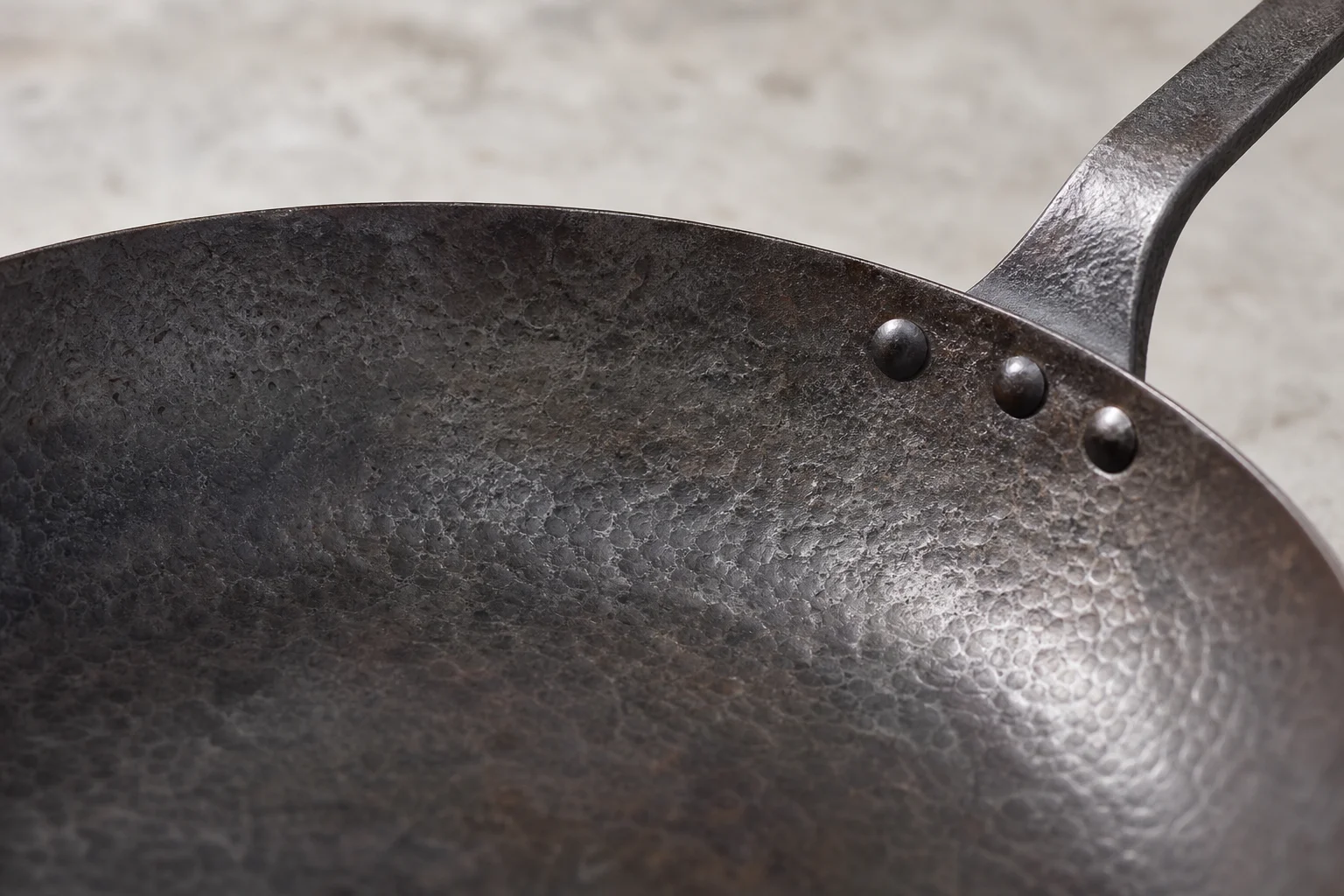
Performance is exceptional: the smallest temperature difference between center and edge in thermometer tests, second-smallest in thermal camera tests, and tied for best heat retention with Mineral B Pro. The durability test left barely a mark. However, the smallest flat cooking surface of all tested pans and shortest walls mean your cooktop will get messy. The handle reaches 95°F and, while visually striking, the rounded design becomes slippery. This is a beautiful, high-performing pan, but the premium price is difficult to justify unless you specifically want a handcrafted piece.
Buying Advice
The best carbon steel pans depend on your priorities. Strata is ideal if you want lightweight, even heating. De Buyer Mineral B Pro excels at heat retention for searing and browning. De Buyer Blue Carbon Steel delivers strong performance at a reasonable price. Lodge, Made In, and Smithey are solid performers but have trade-offs: Lodge has rough texture and uncomfortable handles, Made In can warp, and Smithey carries a premium price tag. Avoid Matfer due to the ongoing recall situation. Also skip the standard De Buyer Mineral B because its epoxy-coated handle limits oven use to 400°F for just 10 minutes, preventing roasting, broiling, and oven seasoning.
All these pans perform well overall. The main differences come down to weight, heat retention, handle comfort, and construction. Choose based on your cooking style and budget.
Conclusion
Carbon steel pans offer excellent value across a wide price range. Whether you prioritize affordability, even heating, heat retention, or handcrafted aesthetics, there’s a pan that fits your needs. Test results show that spending more doesn’t always mean better performance, but understanding each pan’s strengths and limitations helps you make the right choice for your kitchen.
Further reading
Related Reviews
Cookware
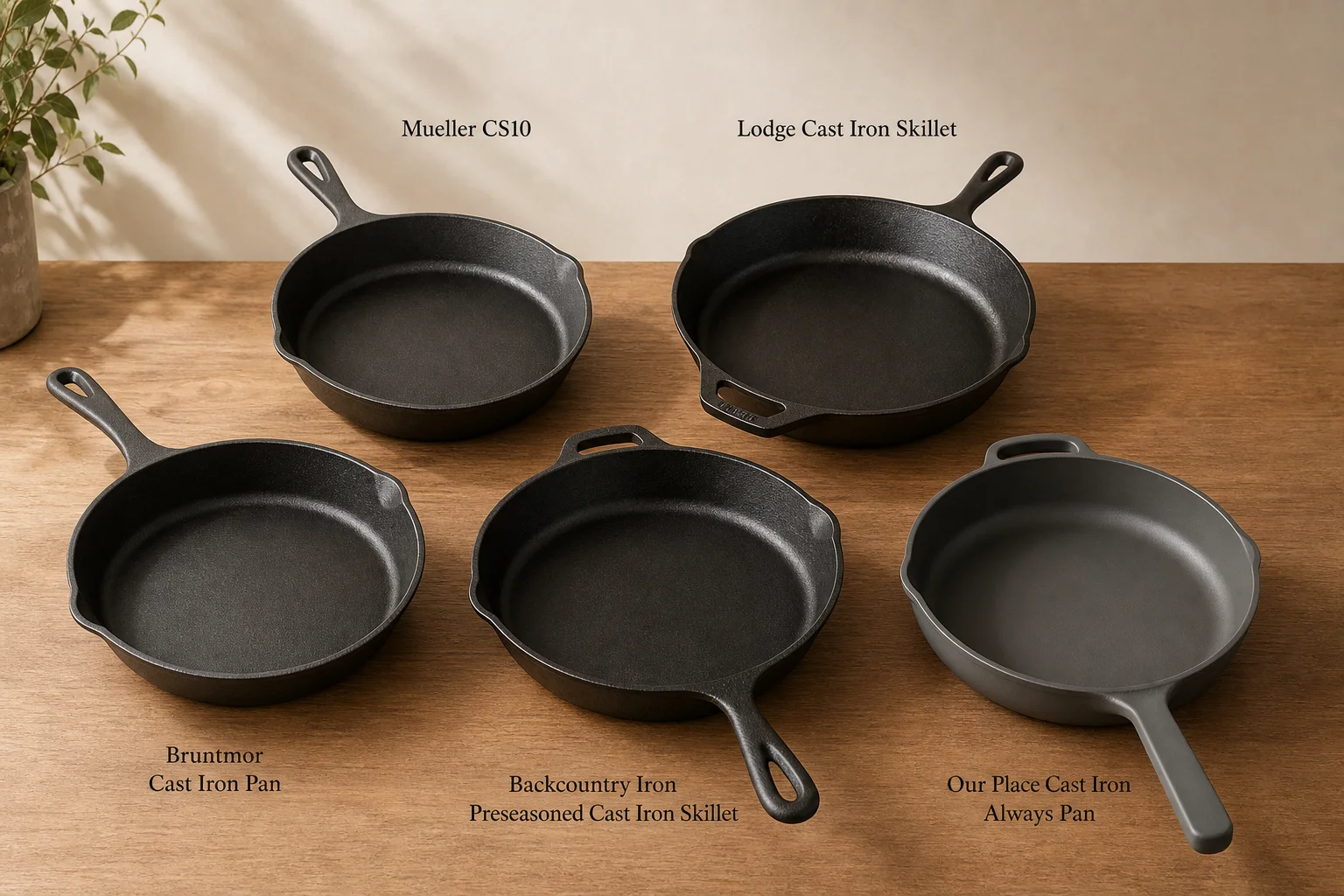
Best Cast Iron Pans 2026: Five Options from Budget to Premium
A practical breakdown of five cast iron skillets, from affordable Mueller to premium Our Place, with clear strengths and trade-offs for different cooking needs.
Cookware
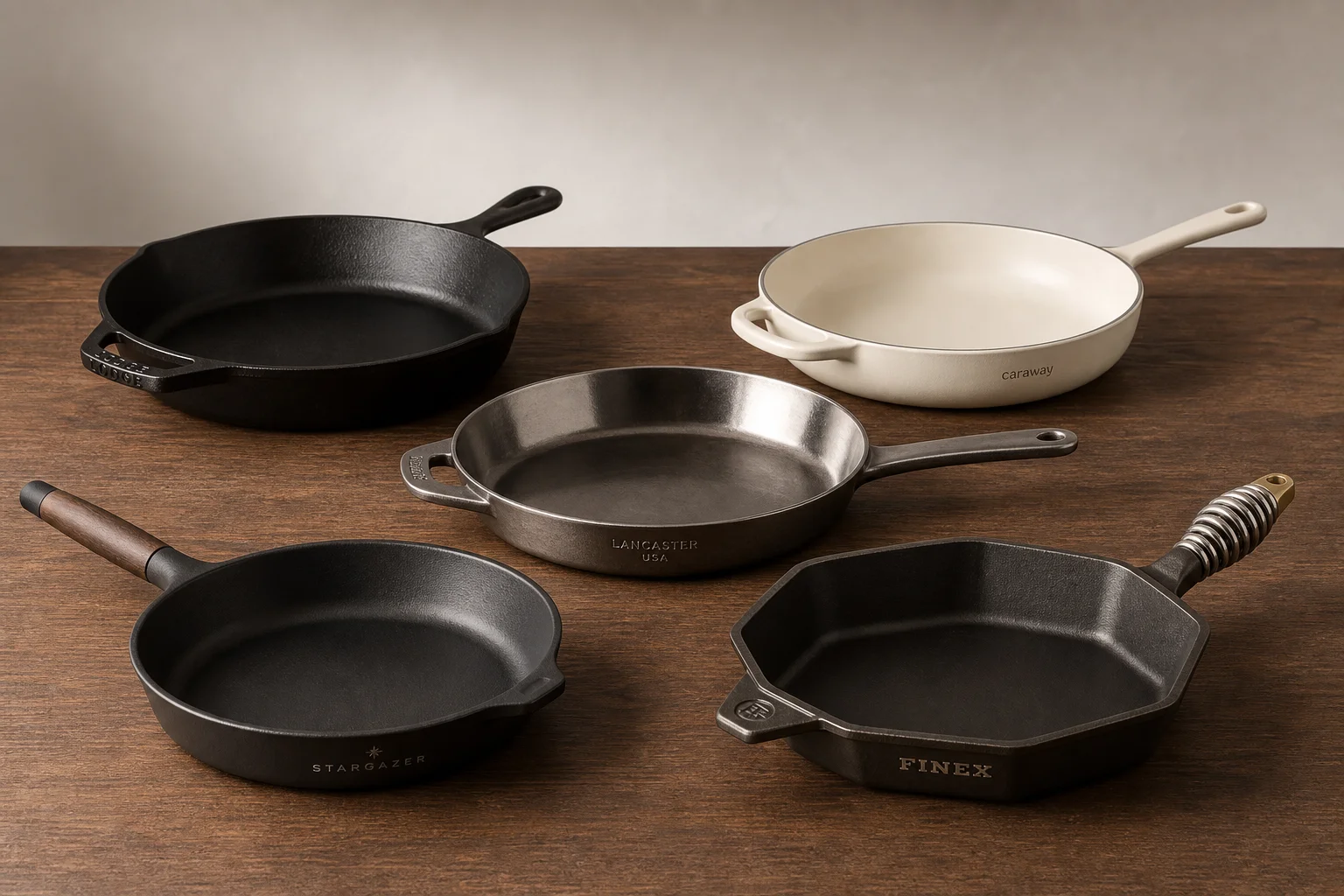
Best Cast Iron Skillets: Five Options for Every Kitchen
A comprehensive guide to five cast iron skillets, from budget-friendly classics to premium handcrafted options, each with distinct strengths and use cases.
Cookware
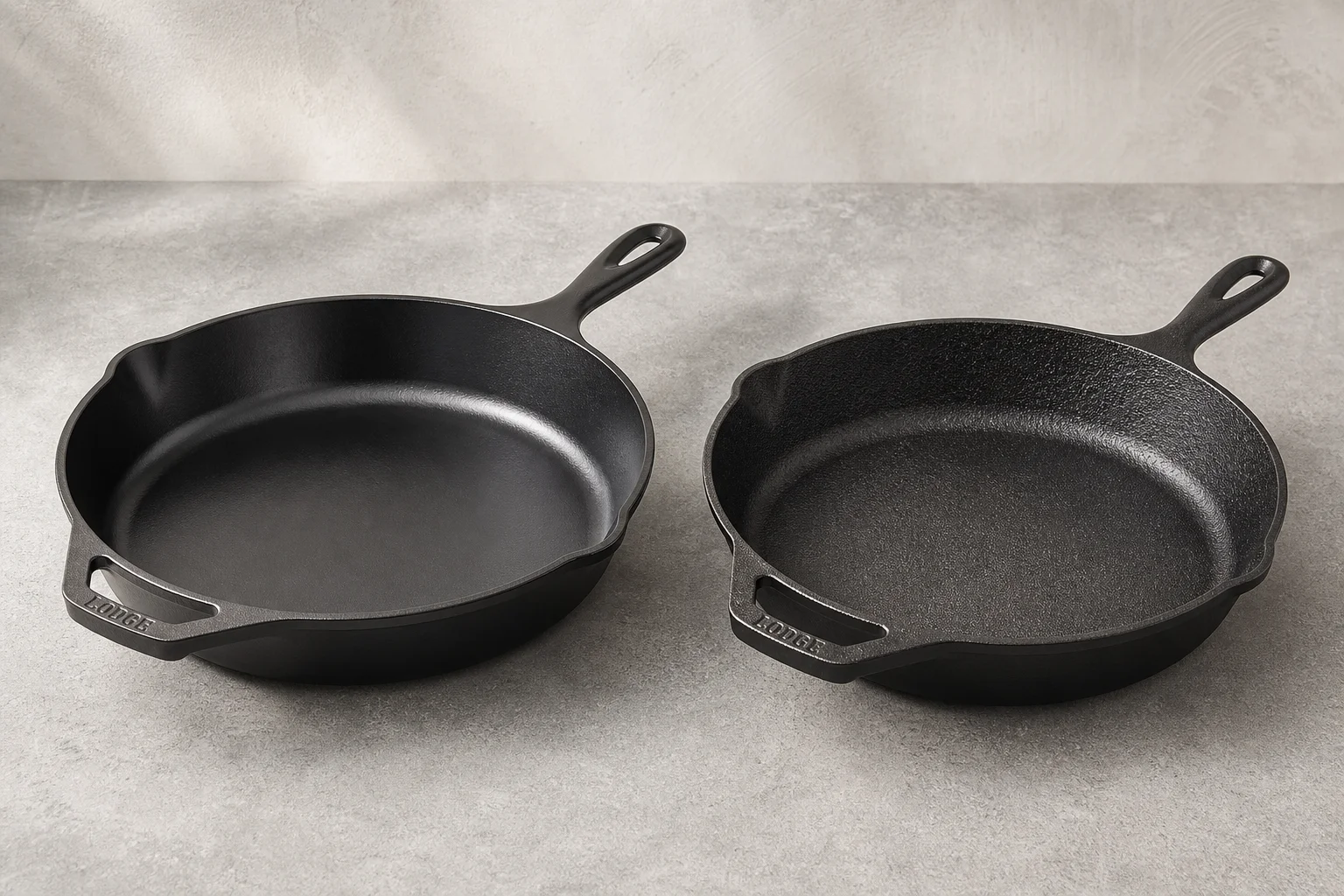
Best 12-Inch Cast Iron Skillets: Premium Craftsmanship vs. Reliable Budget Option
Two standout 12-inch cast iron skillets tested for heat retention, surface finish, and durability. One premium choice and one budget-friendly alternative that both deliver.