Camping Hammocks
Hennessy Ultralight Backpacker Asym Zip Hammock Review: A Light, Fast, All-in-One Shelter
A complete ultralight hammock kit that pitches in about five minutes, packs down small, and sleeps flat. Here is what to know before buying.
Introduction
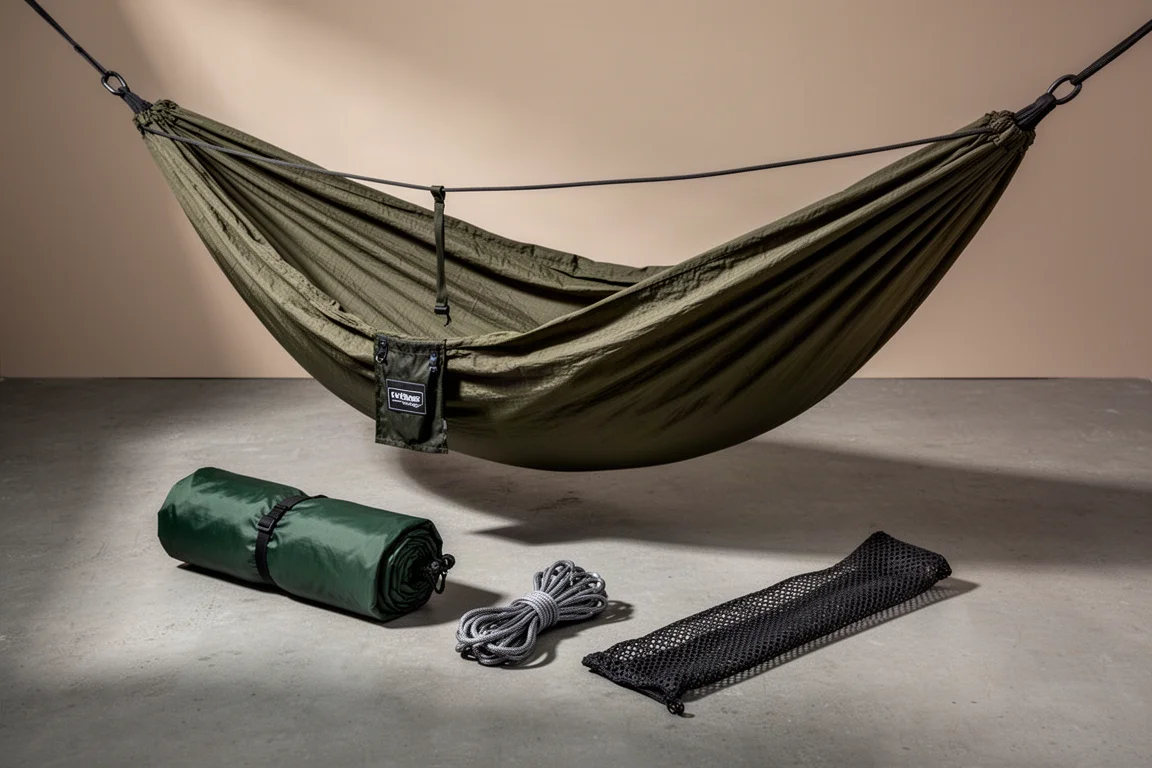
The Hennessy Ultralight Backpacker Asym Zip Hammock is a complete, all-in-one hammock shelter built for backpackers who count grams. The hammock, rainfly, suspension ropes and snakeskins together weigh a claimed 2 pounds 8 ounces, while the hammock alone comes in at a minimum weight of 1 pound 15 ounces.
That is genuinely light for a shelter system that includes a fly and a full suspension. Just as importantly, the kit arrives as a system rather than a collection of parts you have to source separately, and it pitches in roughly five minutes once you understand the asymmetric cut.
This review covers how the hammock is put together, who it suits, where it performs best, and the handful of details worth knowing before you commit to it.
Who This Hammock Is For
This is a hammock for campers who want a light, compact sleep system that sets up quickly and packs away small. Packed down, the kit measures roughly 9 inches by 6 inches, and it can be compressed further than that if you want to save more space in a pack.
Sizing is straightforward. The standard Asym Zip fits users up to 6 feet and 200 pounds. An extra large version extends that to 7 feet and 250 pounds. Both sit within the brand’s ultralight hammock series, so the larger model is still a lightweight option rather than a heavyweight car-camping setup.
It also appeals to anyone who has wrestled with a first-time hammock assembly. A system that arrives ready to hang out of the box removes a lot of the friction that makes people give up on hammock camping.

The sleeping surface is 100 inches by 47 inches, which is generous enough for a flat diagonal lie rather than the banana curve that puts people off hammocks entirely. For side sleepers, the cut matters more than the raw dimensions, and this one is shaped to accommodate both back and side positions.
Main Strengths
Weight is the headline. At 2 pounds 8 ounces for everything needed to hang and cover the hammock, this sits comfortably among the lightest complete hammock systems available. The hammock body uses nylon taffeta with a polyester no-see-um mesh, and the rainfly is made from a coated sil nylon. Materials and craftsmanship are described as excellent, and the construction feels built to last rather than built to a price.
Bug protection is strong. The mesh canopy seals the sleeping area, and the integrated ridgeline keeps the netting off your face so the interior stays open and usable.
Comfort is the other major strength. Because of the asymmetric, patented cut, the hammock allows a genuinely flat lay, and side sleeping is realistic once the pitch is right. The two YKK zippers run smoothly, and the tarp provides solid coverage when it is set up correctly.
Value comes from completeness. The kit includes the hammock, the fly, the suspension system and the snakeskins. Many hammock setups require those pieces to be bought individually, which quickly pushes the total cost past the price of this package.
Practical details round it out. The hammock can be used as a chair and as a lounger, and it can also be pitched as a tent in situations where trees are not available. There are two clips positioned where you lie, sized to accept the reflective pad the brand makes, and the pad works very well with the system.
Setup, Suspension, and the Snakeskin System
Setup is the part that surprises people most. The tree straps go around the trunks at roughly eye level, the hammock is tied off, and then the snakeskins are pulled back along the suspension.
The snakeskins are a simple mesh sleeve that keeps the hammock bundled while it hangs, and they are included with the kit. They are the main reason the whole process takes about five minutes. You unroll the hammock, unroll the fly, stake out the fly and the body, then fine-tune the pitch.
That fine-tuning is where the asymmetric design shows itself. This hammock is cut asymmetrically, so it wants to be pitched rather tight rather than slack. That is not true of every hammock, and it is the single habit worth learning early.
The fly attaches to the main line and can be adjusted to a higher or lower top pitch by loosening and tightening the line. That adjustability makes it easy to open up the shelter for airflow or drop it down when weather moves in.
The attachment ropes are rated to handle 1,200 pounds of load and are extremely light. Combined with the compact packed size, the suspension keeps the whole system easy to carry and quick to deploy.

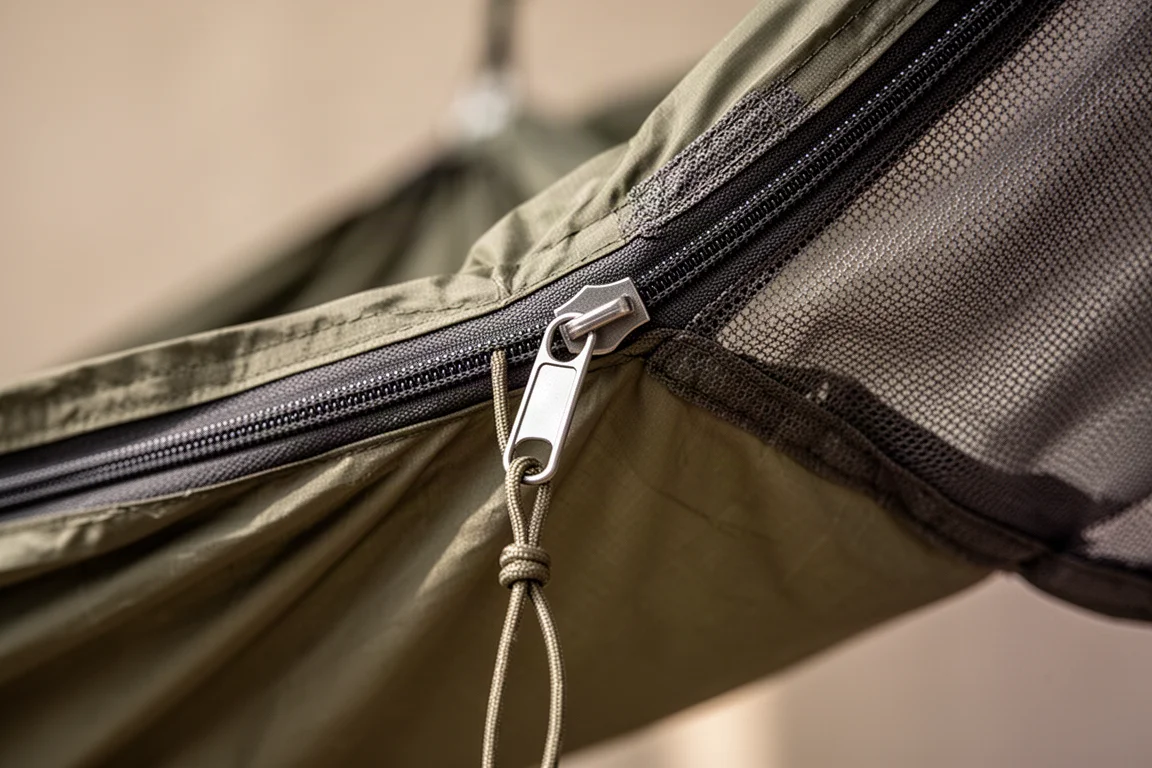
A useful habit with any hammock that has a zippered mesh canopy is to tie a short length of cord to the inside zipper pull. It lets you close and open the hammock entirely from the inside, with the zippers parked at the foot box, so getting in and out never requires bending or contorting to reach a slider.
Comfort, Ventilation, and Bug Protection
Inside, the layout is thoughtful. The mesh canopy can be rolled up and stowed out of the way when insects are not a concern, which turns the hammock into an open lounger. In the centre there are two mesh personal pockets that can be moved up and down along the ridgeline, plus two additional hooks for hanging small items off the body of the hammock.
The integrated ridgeline is a structural part of the design rather than an accessory. It holds the mesh clear of your face, gives the pockets and hooks somewhere to live, and helps the fly maintain a consistent shape above you.
Ventilation and weather protection come down to how you pitch the system. With the fly set correctly, the hammock handles wind and rain well. The coverage is real, but it depends on getting the geometry right, so the first few setups are a learning exercise rather than a formality.
Once dialled in, the payoff is a flat, stable sleeping position that many people find more comfortable than a tent floor, along with a shelter that weighs less than most ultralight tent and fly combinations.
Entry Options: Side Zip Versus Bottom Entry
This hammock is available with two entry designs: the side zip reviewed here, and a classic bottom entry, sometimes described as a birth canal design. Bottom entry hammocks are uncommon now, and the side zip is clearly the more popular of the two.
The side zip is easier in practice. You unzip the door, step in on top of your pad, get into your sleeping bag, and zip up from the inside. Nothing has to be moved out of the way first, and nothing is at risk of falling out of the shelter while you enter.
The bottom entry has one clear advantage: it offers the best bug protection of the two, because you slip up into the hammock through the floor rather than opening a door that lets insects in. The trade-off is everything else. In cold conditions, entering a bottom entry hammock with a pad and a sleeping bag inside can become a chore, since gear has to be shifted out of the way and then repositioned. Items can also fall out during entry and exit, and while rare, it is possible for the occupant to fall out as well.
Bottom entry designs typically rely on velcro, which sticks to soft materials such as clothing, sleeping bags and blankets, and which can be loud enough to be disruptive at night. The mesh on a bottom entry hammock is also fixed in place, so it cannot be used as an open chair the way the side zip version can.
With the side zip, the mesh rolls away, the door can be opened to rearrange gear without leaving the hammock, and a sudden rain shower does not force you out to make adjustments. That flexibility is the main reason the side entry remains the more practical choice for most campers.
Things to Consider Before Buying
The included tree straps are the first thing to plan around. At 42 inches, they are short, and they only work on trees with a trunk diameter under about 12 inches. Longer straps in 72 inch and 96 inch lengths are available and are worth buying alongside the hammock, which is exactly the workaround most owners end up using.
The included tarp is small. It is widely nicknamed the Hennessy napkin for that reason, and it demands a careful, precise setup to deliver dependable wind and rain protection. Experienced hangers will manage it without much trouble, but it is less forgiving than a larger fly.
The asymmetric cut means the hammock needs a tighter pitch than a typical hammock, so expect a few sessions of fiddling before the setup feels automatic. That is true of most hammocks, but it is especially true here.
The bug mesh is not removable. It can be rolled up and stowed clear of the sleeping area, so it stays out of the way, but it cannot be taken off entirely. For most campers that is a non-issue, though it is a real consideration if you prefer a bare hammock.
Price is the final point. This is a fair deal for a complete kit of this quality, but it is not the cheapest route into hammock camping. Lighter on the wallet options exist, particularly imported systems, and they can cost substantially less. They will also be noticeably heavier and built to a lower standard, so the saving comes with a trade-off in weight and longevity.
Buying Advice
The standard 6-foot Asym Zip kit is priced at $230 and includes everything needed to hang the hammock except the tree straps. The bottom entry version of the same size is $10 cheaper. Stepping up to the extra large models, the XL classic bottom entry is $250 and the XL Zip is $260, with XL weights landing around 3 pounds.
If you already own a suspension system or a fly you like, the hammocks can be bought on their own. Individual pricing runs from $150 for the 6-foot bottom entry version up to $180 for the XL Zip. Flies are available in a range of sizes and colours, so the system can be customised at the point of order.
For most buyers, the sensible package is the 6-foot Asym Zip with a set of longer tree straps added. That combination covers the vast majority of campsites, keeps the total weight low, and removes the one component that most often limits where the hammock can be hung. If you are taller than 6 feet or heavier than 200 pounds, choose the XL version and accept the roughly half-pound weight penalty.
If maximum insect protection is your priority and you camp in genuinely bug-heavy country, the bottom entry model is worth considering. For everyone else, the side zip is the more comfortable and more flexible choice over a full season of use.

Conclusion
There is no such thing as a perfect hammock, because preferences around features and function vary so much from one camper to the next. Within that reality, the Hennessy Ultralight Backpacker Asym Zip Hammock is an excellent model.
It is very light at 2 pounds 8 ounces for the complete kit, it is built from durable materials with excellent craftsmanship, it offers strong bug protection, and it pitches in about five minutes thanks to the included snakeskins. The asymmetric cut delivers a flat, comfortable lay that suits back and side sleepers alike, and the all-in-one packaging means no hunting for missing components.
The caveats are worth taking seriously rather than dismissing: buy longer tree straps, expect to spend time learning the pitch, and go in knowing the stock fly is small. Address those three points and this becomes one of the most capable lightweight hammock systems you can hang.
Product link
View more details for Hennessy Ultralight Backpacker Asym Zip Hammock
This product is mentioned in the review. Check the specifications, options, and compatibility before buying.
View more details for Hennessy Ultralight Backpacker Asym Zip HammockFurther reading
Related Reviews
Camping Hammocks
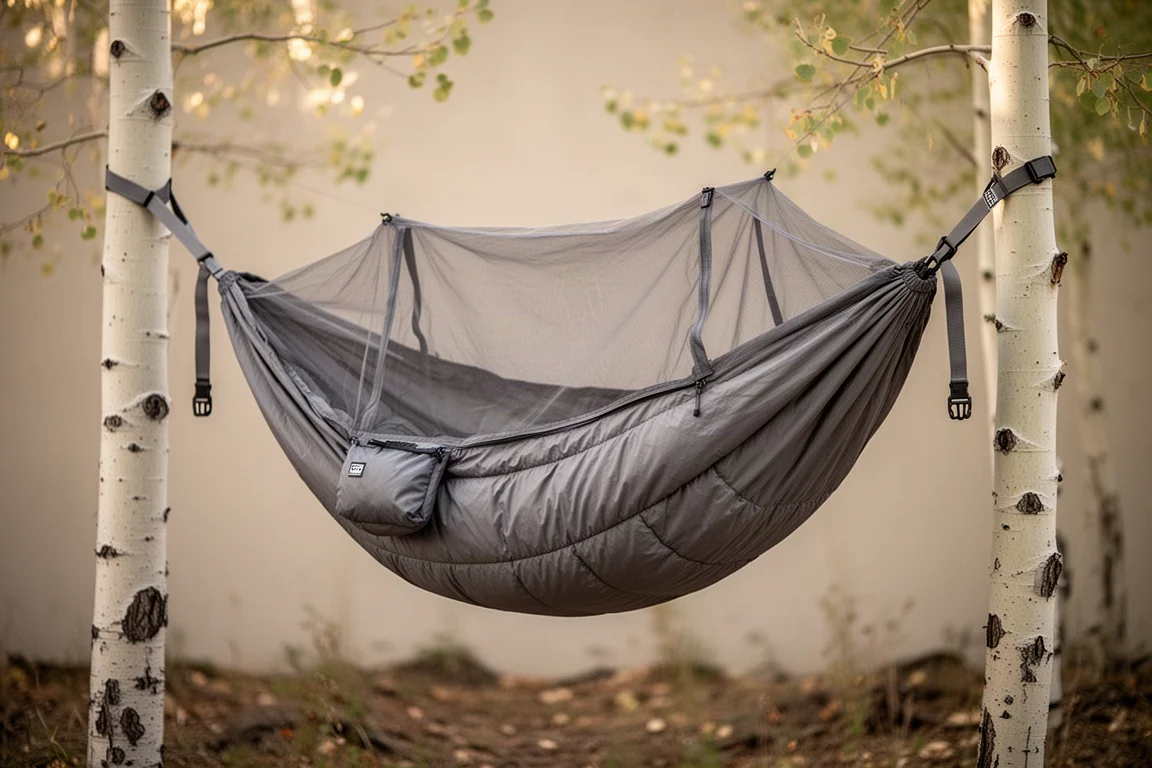
Superior Gear Integrated Under Quilt Hammock Review: Insulation Built Into the Hang
An integrated under quilt hammock that simplifies camp setup, with a cinch buckle suspension, a removable bug net, and a snap-in top quilt option to weigh before buying.

Camping Hammocks
Dutchware Hellbender Hammock Review: Custom Comfort for Hammock Camping
A custom camping hammock with an integrated 20 degree under quilt, a ridge line that removes setup guesswork, and a ridge pole that keeps the bug net open above your face.
Camping Hammocks
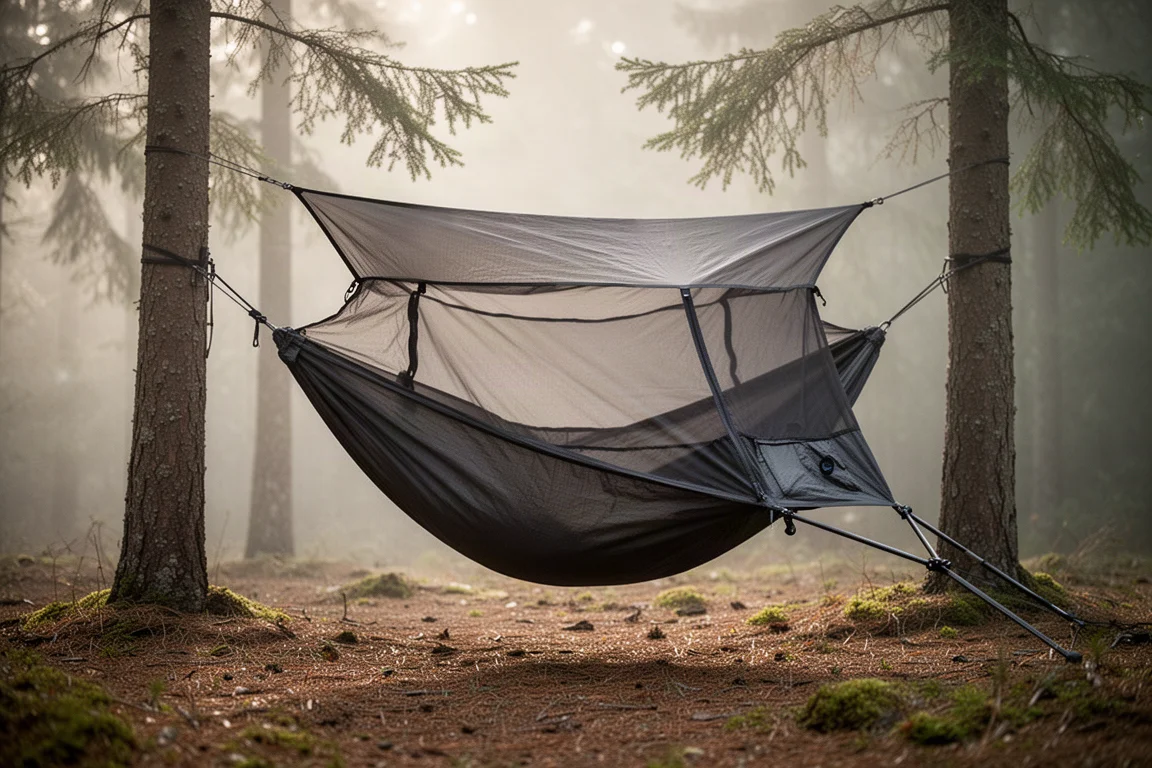
Haven Spectre Review: A Lighter Hammock Tent That Still Sleeps Flat
The Haven Spectre cuts more than three pounds from the Haven XL while keeping the flat sleeping position, the wide XL footprint, and the True Level pad.