Ski Boots
Head Caliber 120 Review: A Season with a Dual BOA Ski Boot
After a full season on the Head Caliber 120, a detailed look at what dual BOA closures get right, where they fail, and what to check before buying.
Introduction
Dual BOA ski boots have moved from curiosity to mainstream. Nearly every flagship boot now ships in a BOA version, and closures appear on both the lower shell and the upper cuff. After a solid season of using the Head Caliber 120 as a primary boot, this is an honest assessment of the BOA system itself: what it does well, where it falls short, and whether it deserves a place in your ski gear.
Who This Product Is For
The Head Caliber 120 suits skiers who want a snug, highly adjustable performance boot without the fiddly precision of dialing in traditional buckles. It is also a strong option for skiers who struggle with buckle adjustments, since turning a dial is easier to operate than clamping and fine-tuning multiple buckles. If your feet differ in size, the independent dials let you set each side exactly, rather than copying one buckle setting to both boots. Skiers willing to spend extra time getting ready will get the most from it.
Main Strengths
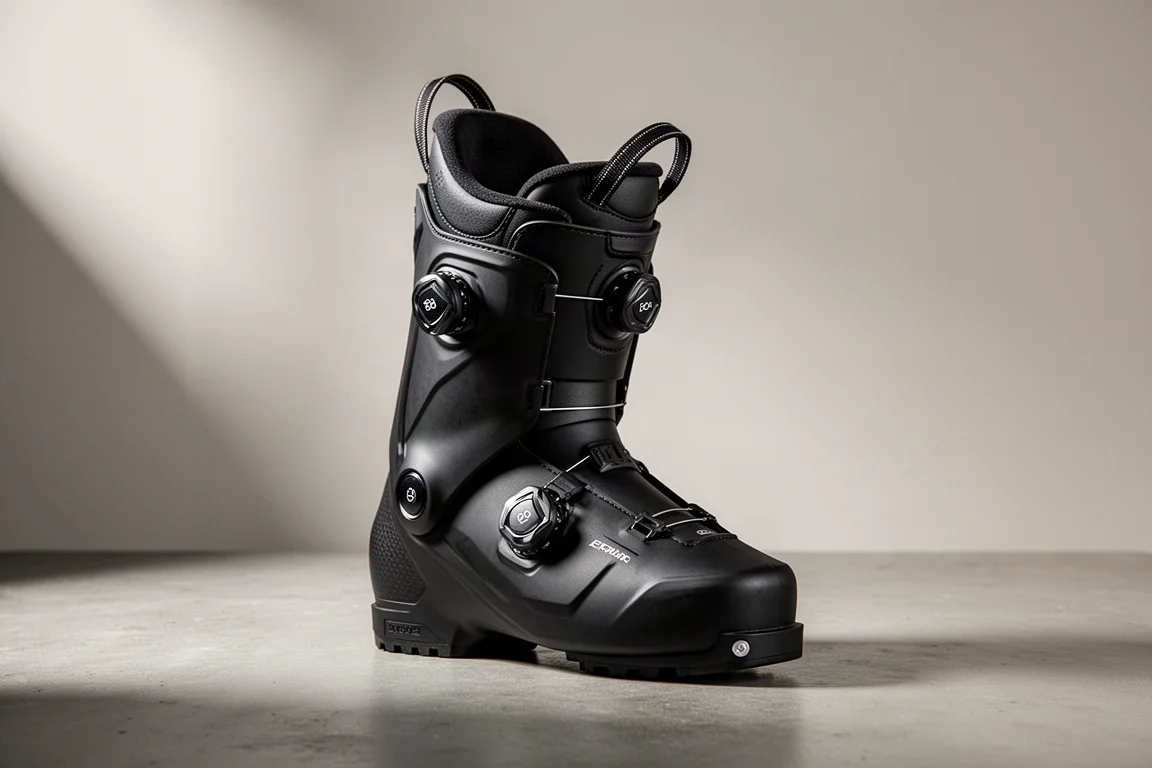
The headline strength is fit. Head built the Caliber 120 from the ground up for BOA, with a higher cuff and angled overlapping plastic layers designed around the closure system rather than retrofitted onto an existing shell. That ground-up approach stands out, and it arguably delivers the most impressive BOA implementation available.
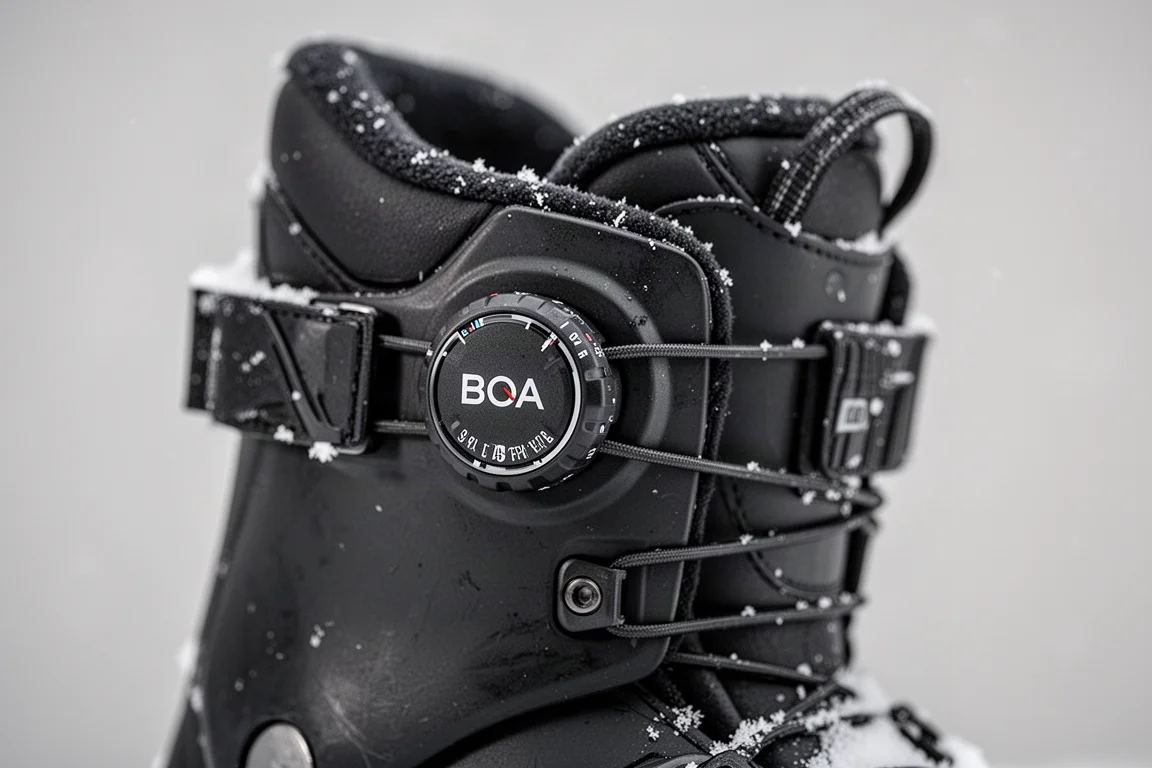
Tightening by feel, rather than by counting buckle positions, tends to produce a more accurate level of snugness. The lower BOA in particular distributes pressure evenly around the foot instead of biting down on one side or concentrating pressure on the top of the foot. For skiers who like a firm, race-inspired fit but dislike the tops of their feet being squeezed, that wrapping feel is a genuine perk.
Comfort and customization are real, not marketing fluff. The boot pairs well with aftermarket liners, holds tension consistently on a day-to-day basis, and the closures did not pop open mid-turn under hard carving loads. One misnomer worth correcting: these do not simply give way when you lean into a turn. Even when a failure did occur, it happened gradually and in a way that stayed safe and kept the boot holding together.
Things to Consider Before Buying
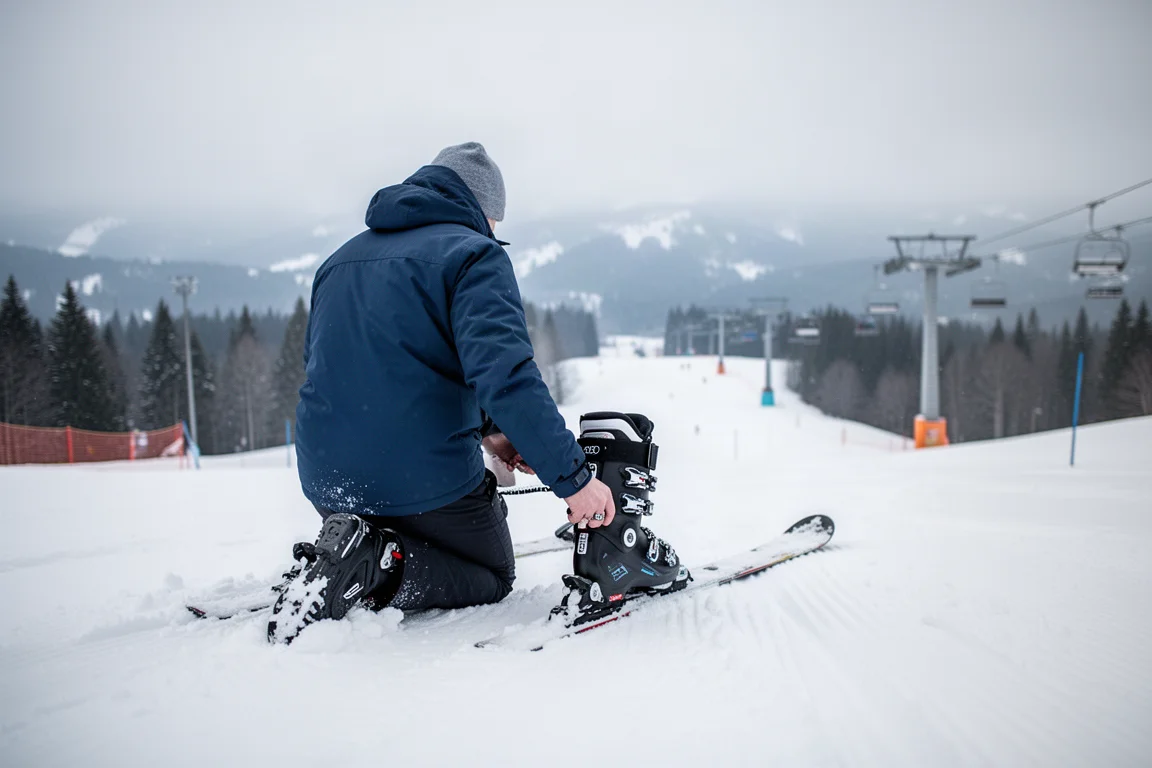
Expect fidgeting. Getting the right tension takes real cranking, and the first tightening is rarely the last. After a chairlift ride or a run, everything settles: the plastic slides together and the cable develops slack, so you will typically re-tighten once or twice, often at the top of the hill. On the plus side, that extra attention may actually help skiers achieve a proper snug fit instead of the set-and-forget buckle approach.
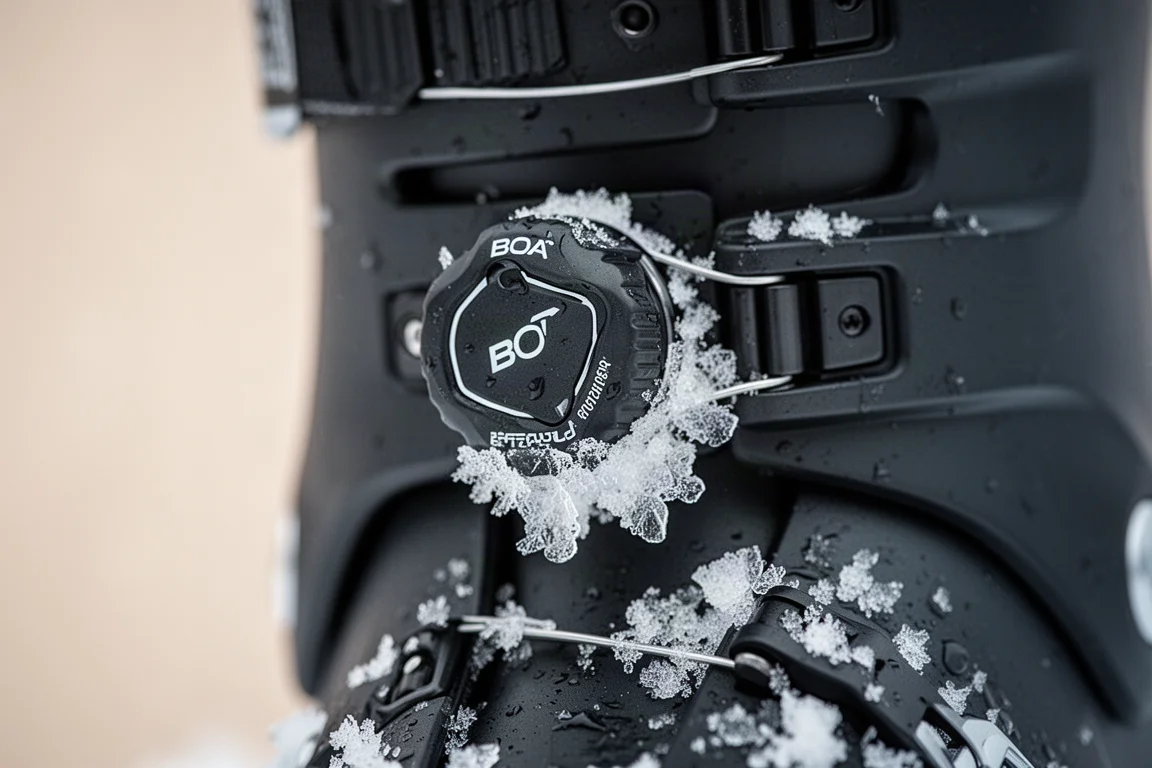
Snow can also build up underneath the dial and jam or gradually release it. Interestingly, this happened during carving rather than powder days: snow spray packs into the latch area as slush, then freezes and expands on the chairlift, slowly loosening the pressure. The strap used to pull the upper BOA open also snapped over time, and the reduced opening makes stuffing liners in slightly more difficult than with traditional buckles. These are manageable issues, but worth knowing.
One more practical note: the BOA version feels slightly softer on the flex index than a comparable buckle boot, perhaps the difference between a 118 and a 120. If you care about flex numbers, it is worth trying the boot before committing.
The Big Concern: Repairs and Support
The most serious drawback is not the hardware. It is what happens when it fails. There is no phone number to call. Support runs through a rigid ticketing system, and even with a detailed video showing exactly which part failed, the wrong replacement part arrived: a cable for the lower BOA instead of the dial and cable needed for the upper.
From opening the ticket to completing the repair took nearly two weeks, during the only significant storm window of the season. By comparison, a set of buckle boots ordered during the same period arrived in two days. A failed BOA can leave a boot unusable, whereas a failed buckle disables one point rather than the whole closure. The repair itself is not difficult: roughly 45 minutes with basic tools like needle-nose pliers and a wire cutter. The problem is simply having the parts on hand.
The practical takeaway is straightforward: order a spare set of dials and cables, keep them with your gear, and learn the repair before a big trip. Or at minimum, confirm a reliable shop nearby that will handle it. Travelling far from home without spare parts is the one scenario to avoid.
Buying Advice
If you value fit quality and are willing to spend extra time adjusting, BOA boots are genuinely comfortable, customizable, and a good fit for a wide range of skiers, including those with accessibility needs for whom cranking a dial is far easier than working buckles. The Head Caliber 120 specifically is one of the best-executed BOA boots available, thanks to its ground-up design.
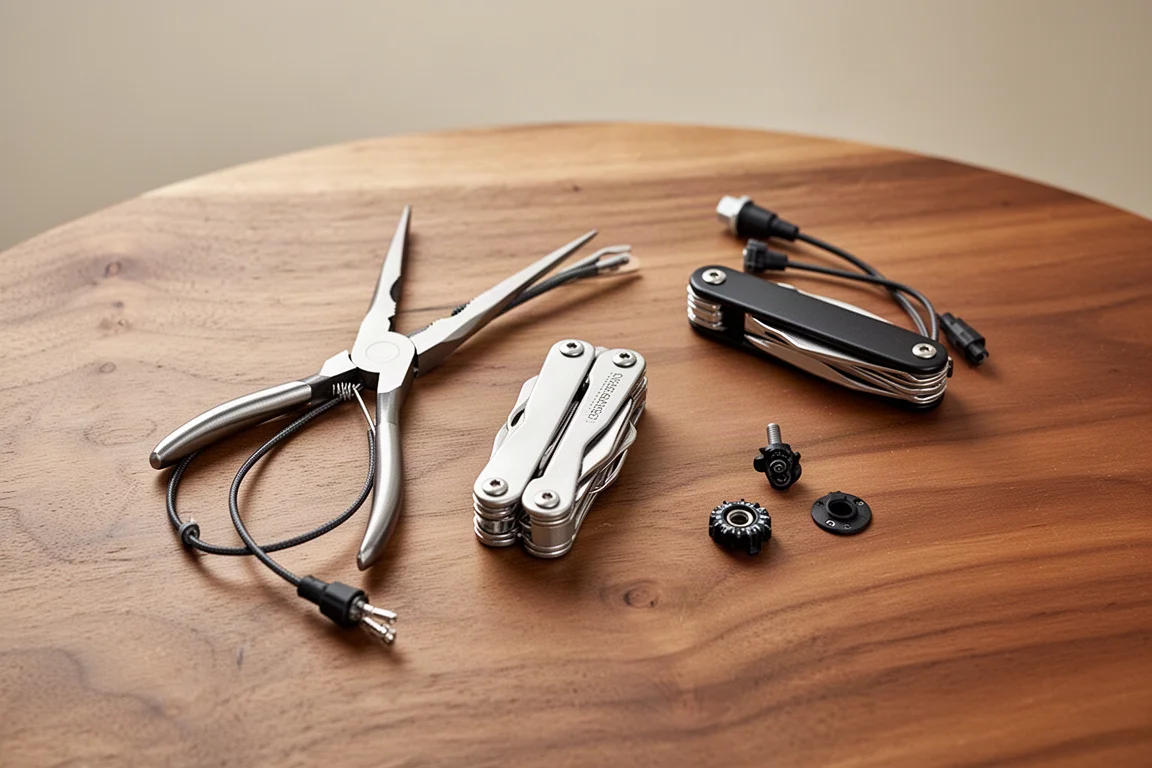
Buy it if a precise, even-pressure fit matters more to you than bulletproof simplicity. Consider buckle boots instead if you want minimal fuss, easy field repairs, or you frequently travel without room for spare parts. Whatever you choose, do not buy a dual BOA boot without also ordering spare parts; that single step neutralizes the biggest downside of the system.
Conclusion
The Head Caliber 120 is an excellent boot and a standout example of what BOA can achieve when a manufacturer designs for it properly. The fit, comfort, and accessibility benefits are real. But the closure system is not yet as reliable or repairable as it needs to be, and the slow, impersonal warranty process turns a small failure into a major disruption. The verdict is nuanced: an easy recommendation for the fit, with a firm warning to carry spare parts.
Product link
View more details for Head Caliber 120
This product is mentioned in the review. Check the specifications, options, and compatibility before buying.
View more details for Head Caliber 120Further reading
Related Reviews
Ski Boots
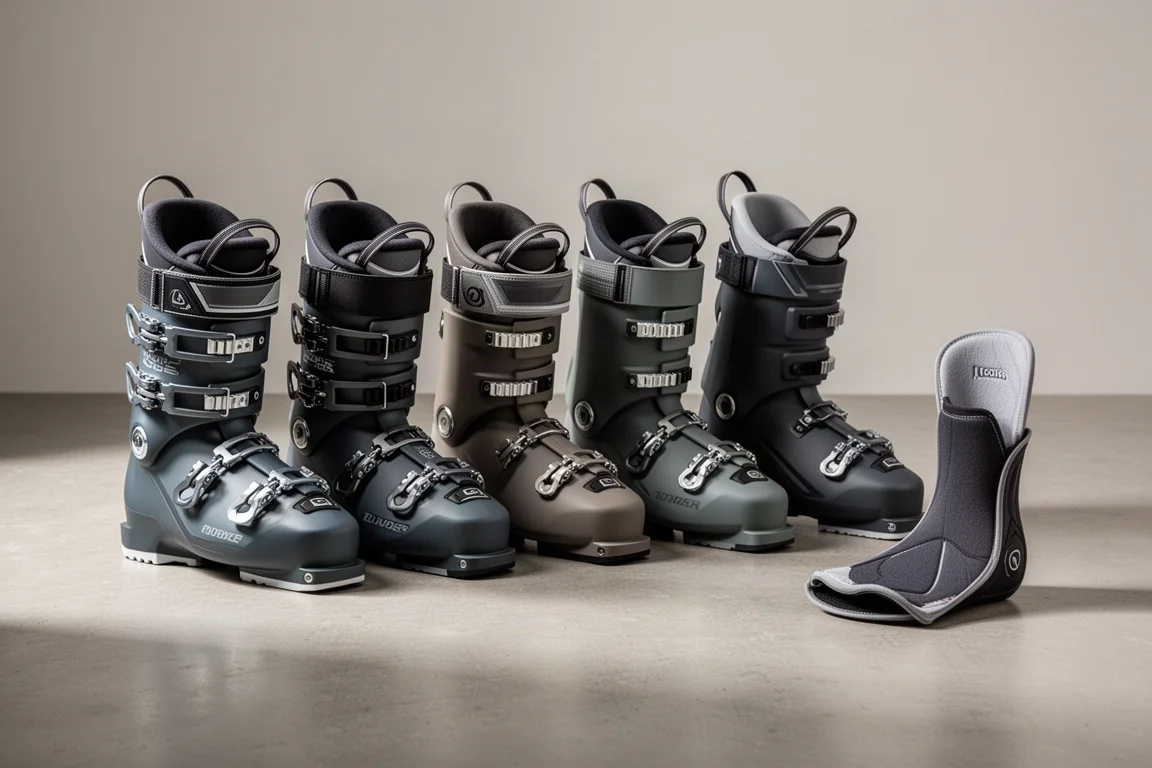
2027 Ski Boot Roundup: Six 130-Flex Boots Worth Knowing
Six 130-flex ski boots for 2027, plus a low-volume liner upgrade, compared on weight, fit, flex feel, and ease of use.
Ski Boots
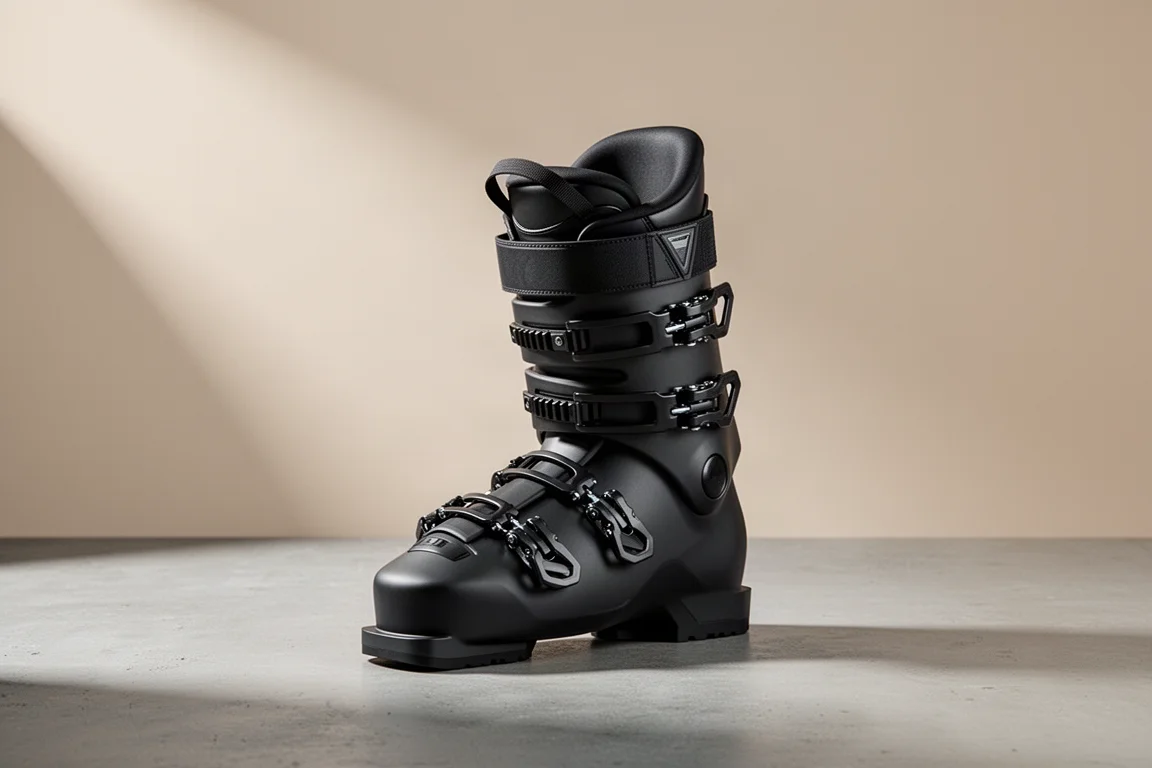
Armada AR One Ski Boot Review: A Three-Piece Cabrio That Finally Gets It Right
Armada's first ski boot blends three-piece Cabrio design with Atomic engineering, a heat-moldable shell, and a 100mm last that fits better than any Cabrio before it.
Ski Boots
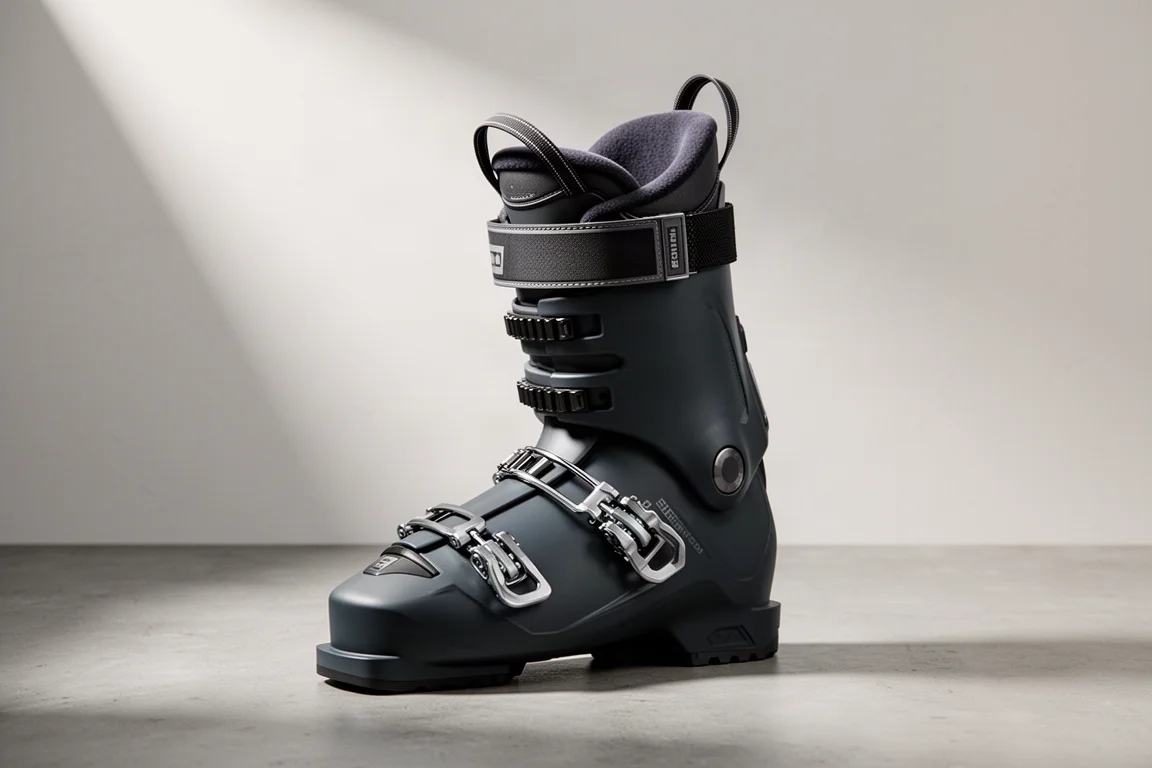
Armada AR1 Ski Boot Review: A Cabrio and Overlap Hybrid for Park and Freeride Skiers
Armada's first ski boot pairs a three-piece cabrio shell with overlap-style buckles and a cable-driven slingshot buckle. Here is where it shines, and what to weigh before buying.