Headphones
HarmonicDyne Zeus Elite Review: A Fun, V-Shaped Open-Back Headphone
A $420 open-back headphone with punchy bass, strong instrument separation, and a tuning built for enjoyment rather than reference work.
Introduction
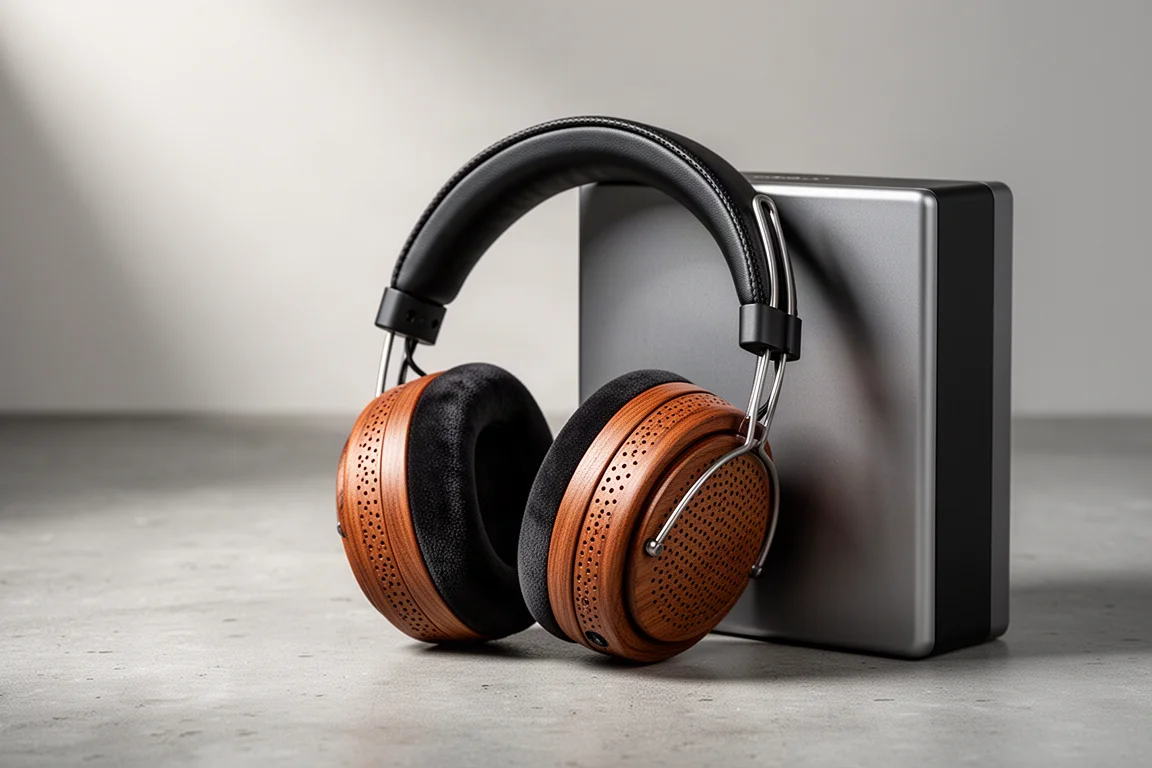
The HarmonicDyne Zeus Elite arrives in a way most headphones at this price do not: inside a slim presentation case that doubles as a display stand for the headphone itself. That packaging makes an immediate impression, but the more useful question is what happens once the headphone is on your head. The short answer is that this is a deliberately fun, V-shaped open-back design with a 50 mm dynamic driver, a $420 price on Amazon, and a set of trade-offs that are easy to understand before you commit.
Two points are worth stating up front. The Zeus Elite is not a reference tool, and it is unusually easy to drive for a full-size open-back headphone, which means modest desktop gear or even a capable dongle DAC is enough to get a satisfying result.
Who the Zeus Elite Is For
This headphone is aimed at listeners who want energy rather than neutrality. The tuning adds weight to the low end and sparkle up top, so percussion and layered arrangements get pushed forward instead of being flattened into a polite, even line.
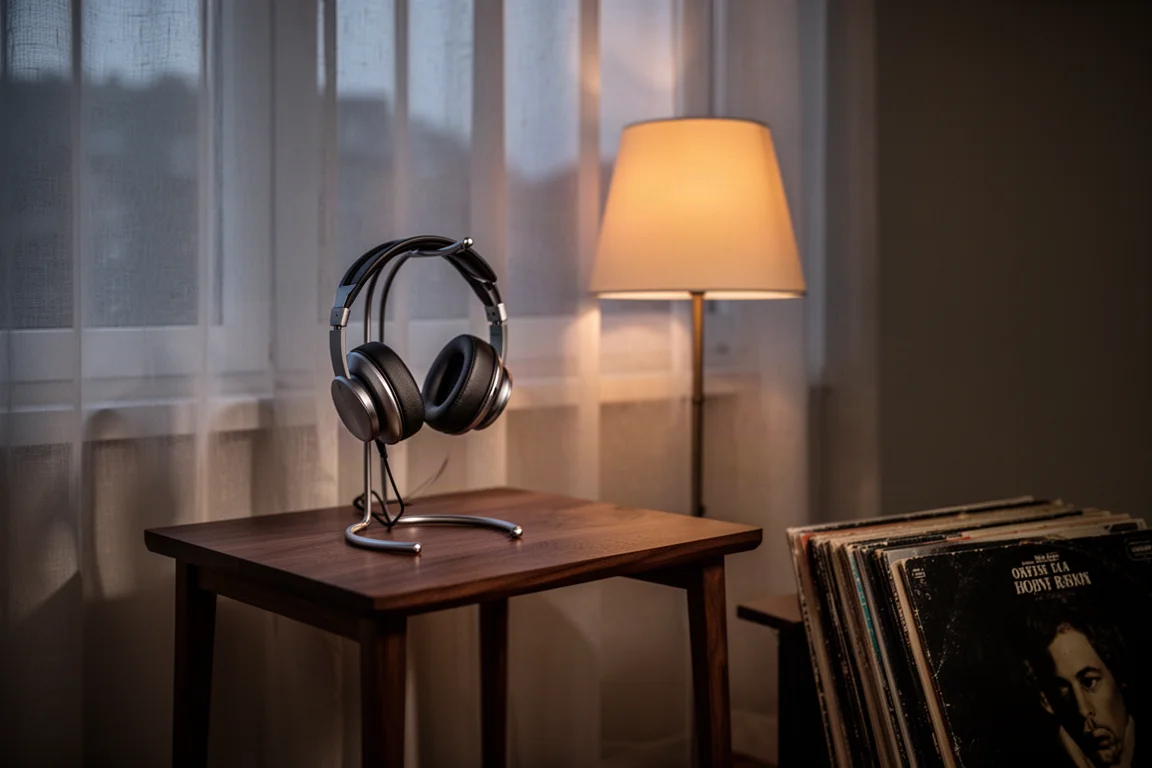
If your listening leans toward rock, metal, and the more rhythmic end of jazz, the Zeus Elite fits that material naturally. If your goal is mastering, critical mixing, or a strictly mid-forward reference sound, this is the wrong tool, and the rest of this review explains why in practical terms.
Build Quality and Comfort
Construction is the area where HarmonicDyne has drawn the most criticism in the past, and the Zeus Elite is a clear step forward even though the recipe is familiar. The headband is predominantly plastic with metal at the yokes, and the ear cup holders are plastic as well. The cups have a wood look, and the ear pads combine velour and suede in a perforated design.
Comfort is a genuine strength. The headphone is light enough that the padded headband never produced a hotspot during long sessions, and the openings are generous enough to fit most ears without pressure. There is no dedicated hotspot relief built into the band, but the low weight means it rarely matters in practice. If you are used to heavier planar designs, the difference over a long evening is noticeable.
One design detail is worth knowing before you buy. These are open-back headphones, but they are not completely open. Speaking while wearing them makes your own voice sound muffled, roughly like wearing a pair of earmuffs. That is not a flaw, but it does mean isolation in both directions is higher than the “open” label might suggest.
Main Strengths
The strongest argument for the Zeus Elite is how well it separates instruments while still sounding lively. On dense percussion passages, individual hits stay distinct and layered rather than blurring into one wash, and the way a track builds over time is easy to follow. Bass is pronounced, dynamic, and thick, yet it does not smear the midrange. That combination is harder to achieve than it sounds.
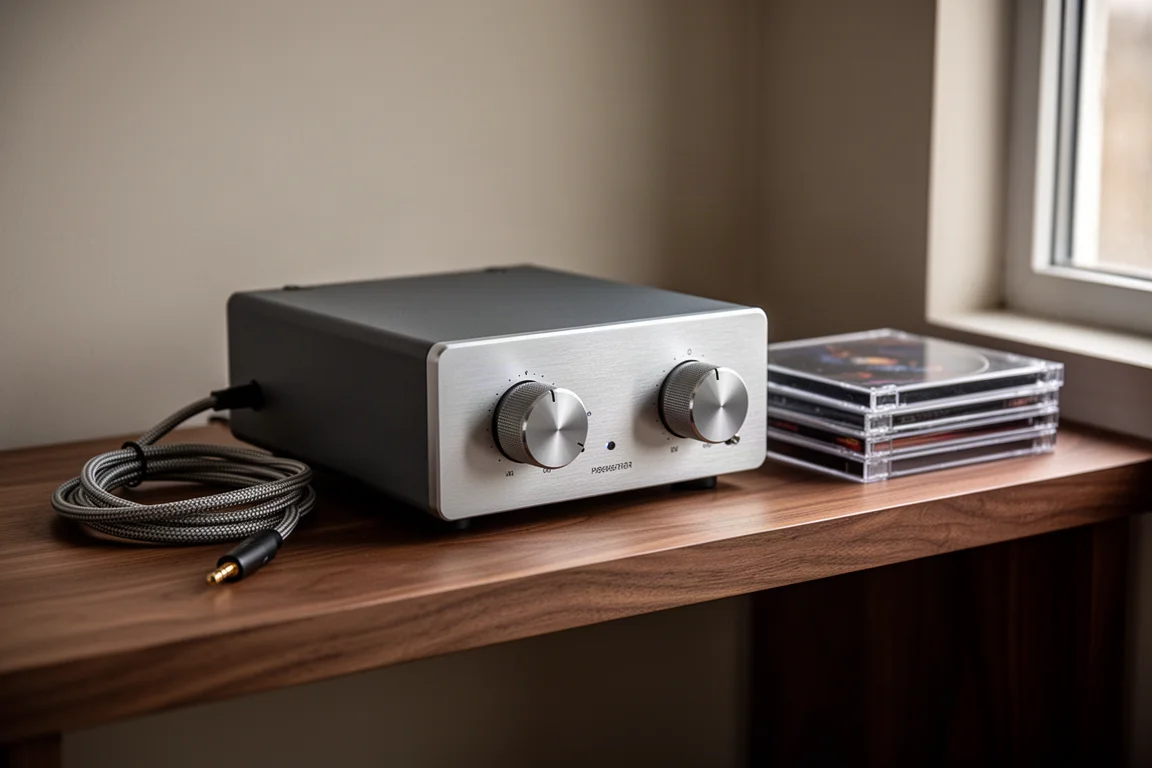
Efficiency is the second major strength. Driven from a desktop amplifier with tone controls and, briefly, from a compact R2R dongle DAC, the headphone needed very little volume travel to reach normal listening levels. You do not need a high-power amplifier to get a satisfying result, which keeps the total system cost reasonable.
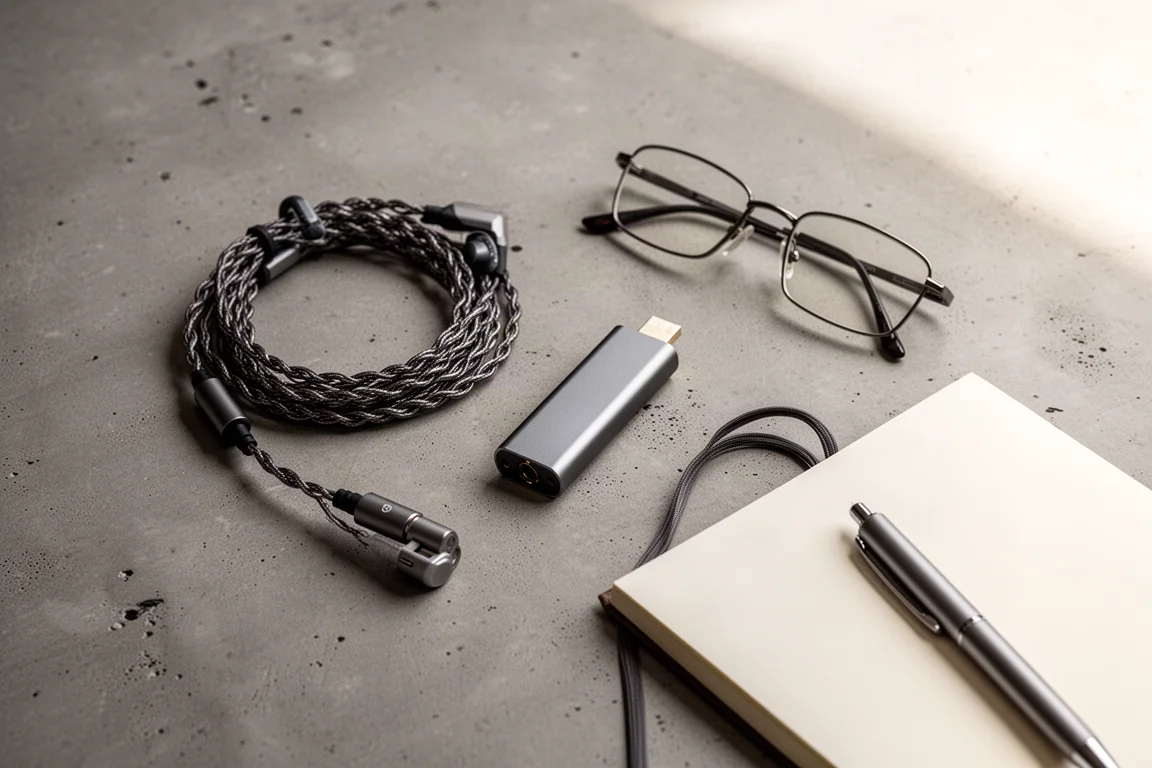
The package is also generous in one specific way: it includes an XLR balanced cable and a 4.4 mm balanced cable. Balanced connections are useful if your amplifier offers them, and having both on hand removes an extra purchase.
Sound Signature in Practice
The overall character is a mild V: a lift in the bass, a lift in the treble, and some emphasis through the upper midrange. The treble boost is not uniform, which is why the headphone can sound airy and exciting on one recording and a little sharp on the next.
Cymbals carry extra spice, and there is some sibilance in the 4 to 6 kHz region. Recordings that are already bright will expose that, while well-behaved recordings will not. In the upper midrange, female vocals, acoustic guitars, and even some male vocals can sit forward. At normal listening levels this stayed engaging rather than tiring, and the headphone walks the line between shouty and exciting more successfully than its tuning curve suggests. Push the volume higher and listeners who are sensitive around 2 kHz may find it fatiguing.
Soundstage is the one area that does not fully convince. Instruments are placed clearly in space, with good separation and a sense of some elements sitting slightly behind and others out toward the sides, but left-to-right movement in percussion-heavy material can feel like it jumps between positions rather than gliding across them. That is a modest limitation next to the headphone’s strengths, and it is the kind of thing most listeners stop noticing once they settle into a record.
Things to Consider Before Buying
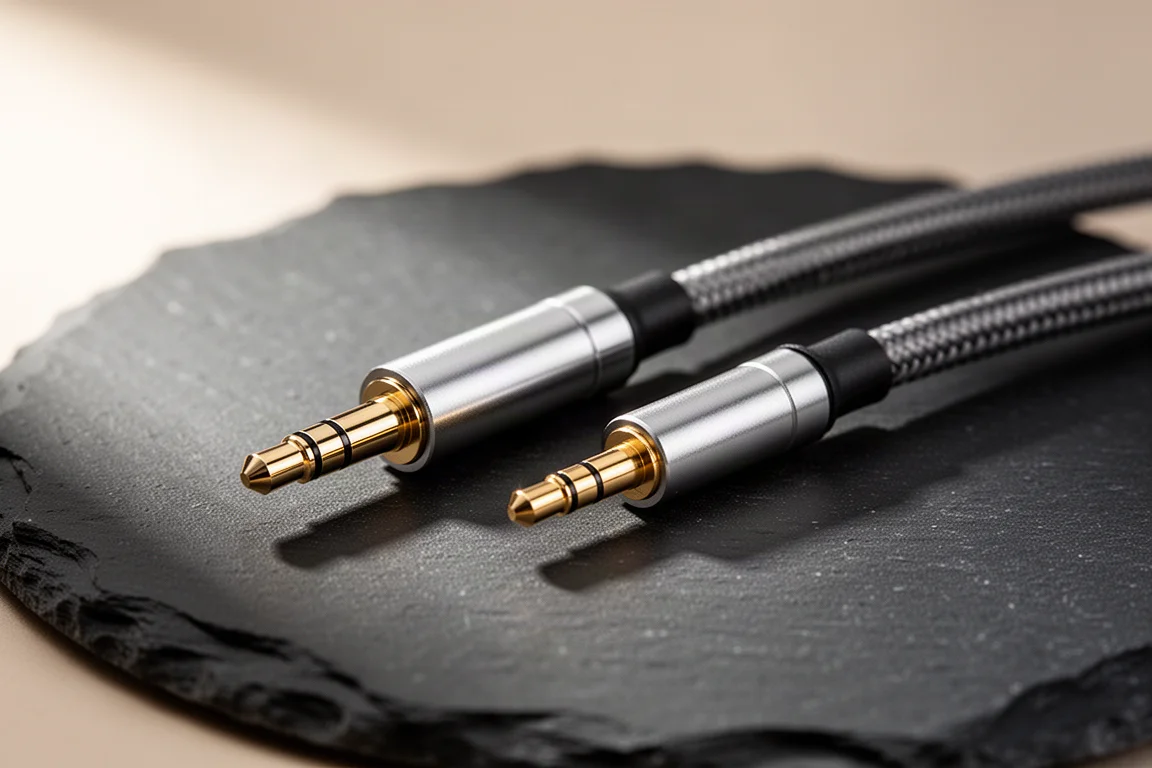
The most practical thing to check is the cable situation. The ear cups use 3.5 mm connections, and the box includes balanced cables only. If your amplifier does not have a balanced output, you will need to supply your own single-ended cable, which is an extra cost and an extra step many buyers will not expect at this price.
The second consideration is what you are actually paying for. The presentation case is genuinely nice, but it is also the kind of accessory some listeners would happily trade for a single-ended cable in the box. If you already own a case and a drawer full of cables, the packaging is less of a value add.
Third, the build is improved but still plastic-forward. It feels solid and it is comfortable, but it does not have the metal-heavy, dense feel of some competing designs. If materials matter to you as much as sound, that is worth weighing.
Finally, the tuning is not neutral, and no amount of break-in changes that. Buyers who want an even, uncolored response will find the bass lift and treble sparkle distracting rather than enjoyable.
Buying Advice
At $420, with some retailers listing it a little lower, the Zeus Elite is fairly priced for what it delivers. The comparison that matters most is against planar magnetic alternatives in the same range. Those designs tend to be more linear and more reference-oriented, with greater clarity, but they also demand substantially more amplification to perform well. The Zeus Elite takes the opposite approach: punchier bass, easier drive, and a more immediate sense of fun.
That makes the decision fairly simple. If you want a neutral, analytical headphone for critical listening, spend your money elsewhere. If you want an engaging, energetic headphone that stays comfortable for hours, runs happily from modest gear, and suits rock and metal especially well, this is a strong option at the price.
One caveat applies to anyone sensitive in the upper midrange: listen at moderate levels. The tuning is well judged at normal volumes, and fatigue only appears once you push it well past that.
Conclusion
The HarmonicDyne Zeus Elite is a fun headphone first and a technical one second. It separates instruments well, delivers bass with real weight without losing midrange clarity, and stays comfortable across long sessions. Its weaknesses, a plastic-heavy build, a balanced-only cable set, and a slightly spicy upper midrange, are real but predictable, and none of them undermine the core appeal. Buy it for enjoyment rather than analysis, and it makes a convincing case for itself.
Product link
View more details for HarmonicDyne Zeus Elite
This product is mentioned in the review. Check the specifications, options, and compatibility before buying.
View more details for HarmonicDyne Zeus EliteFurther reading
Related Reviews
Headphones
Apos Audio Caspian Review: Warm Bass, Solid Build, and a Detail Trade-Off
The Apos Audio Caspian is an easy-to-drive open-back headphone with standout bass and a warm, relaxed tuning, though mid-range and treble detail trail the competition.
Headphones
Audeze LCD-X vs LCD-XC vs LCD-3: Which High-End Headphone Fits Your Setup
A practical comparison of three Audeze planar magnetic headphones under $2,000, covering the open-back LCD-X, the closed-back LCD-XC, and the wood-ringed LCD-3.
Headphones
Audeze LCD-X vs HiFiMan Edition XS: Two Open-Back Headphones Compared
A practical comparison of the Audeze LCD-X and the HiFiMan Edition XS, covering build quality, comfort, sound signature, and which listener each one suits.